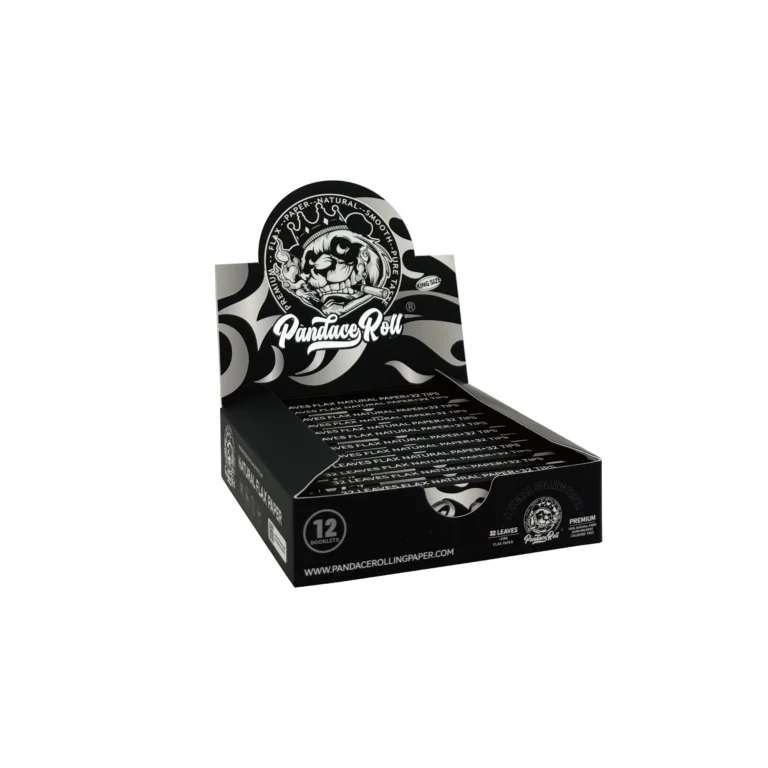

I’ve seen bulk stock go soft sitting in a warehouse corner near a loading dock door. It’s almost always a storage location problem, not a product defect.
Store bulk rolling paper stock in a climate-stable area away from doors, direct sunlight, and exterior walls, target a moderate, stable humidity range rather than chasing one exact number, and rotate stock on a first-in-first-out basis—storage location and rotation discipline matter more than any single packaging feature.
Read this and you’ll know where your bulk stock is actually at risk in a typical warehouse, before it ever reaches your retail packaging.
I’ve covered retail-package-level humidity control (RH packs and container choice) separately at https://ace-rolling.com/how-does-humidity-control-packaging-work-for-papers/. This piece is about bulk warehouse storage before that packaging stage.
What Humidity and Temperature Range Should Your Warehouse Target?
I get asked for one exact number constantly. The honest answer is a range, and stability matters more than the exact midpoint.
Aim for a moderate, stable relative humidity and temperature range in your storage area, and prioritize minimizing swings over hitting one precise number—paper reacts more to fluctuation than to a slightly-off but stable environment.
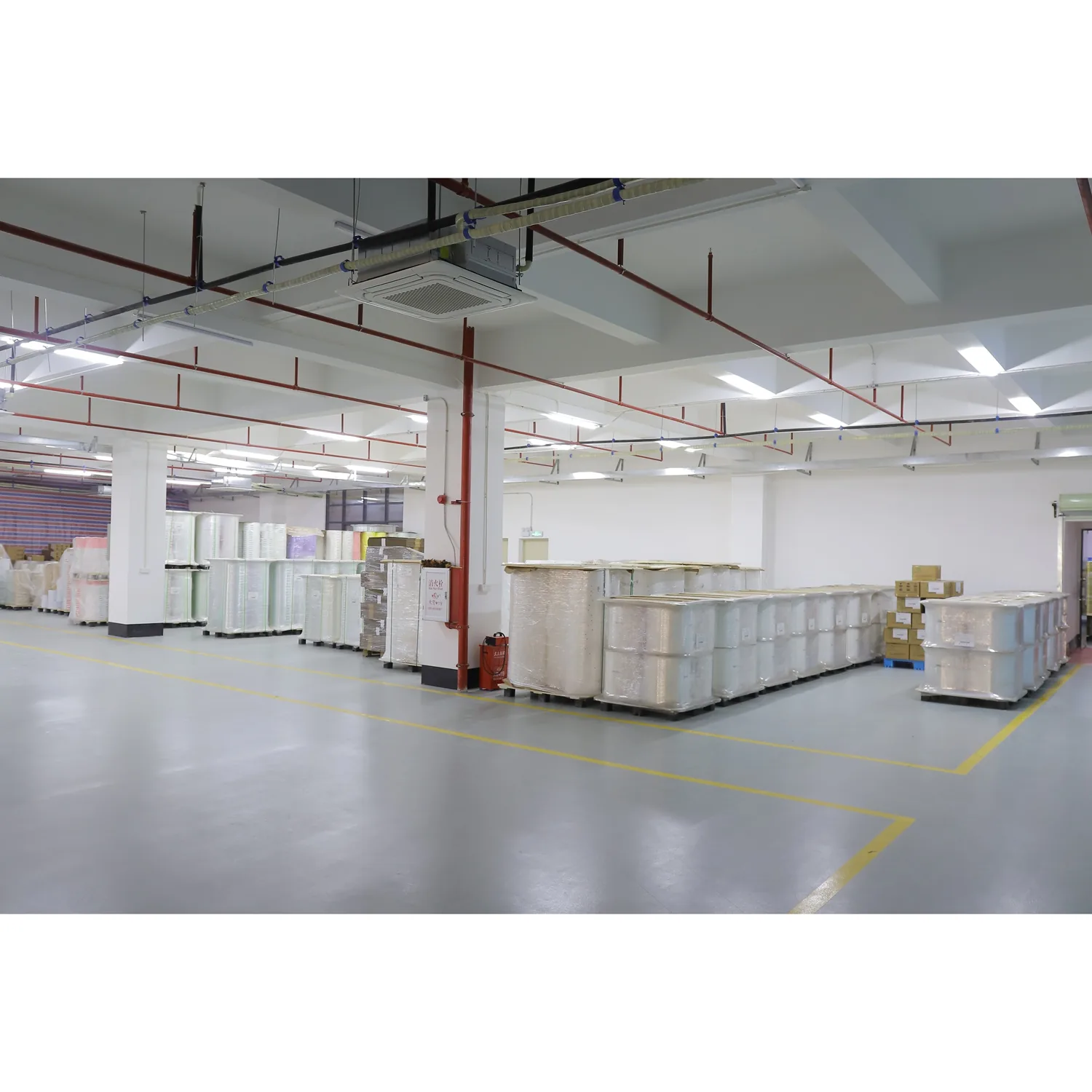
I explain this to buyers using a simple comparison: a warehouse that swings widely between a humid morning and a dry, heated afternoon stresses paper more than one that sits at a slightly imperfect but consistent level all day. If your facility doesn’t have climate control, focus first on picking a storage zone that’s naturally more stable—away from exterior doors and direct sun exposure—rather than assuming you need to chase an exact target number without the equipment to hold it.
Where in the Warehouse Should Pallets Actually Sit?
Location inside the same warehouse can matter as much as the building’s overall climate control.
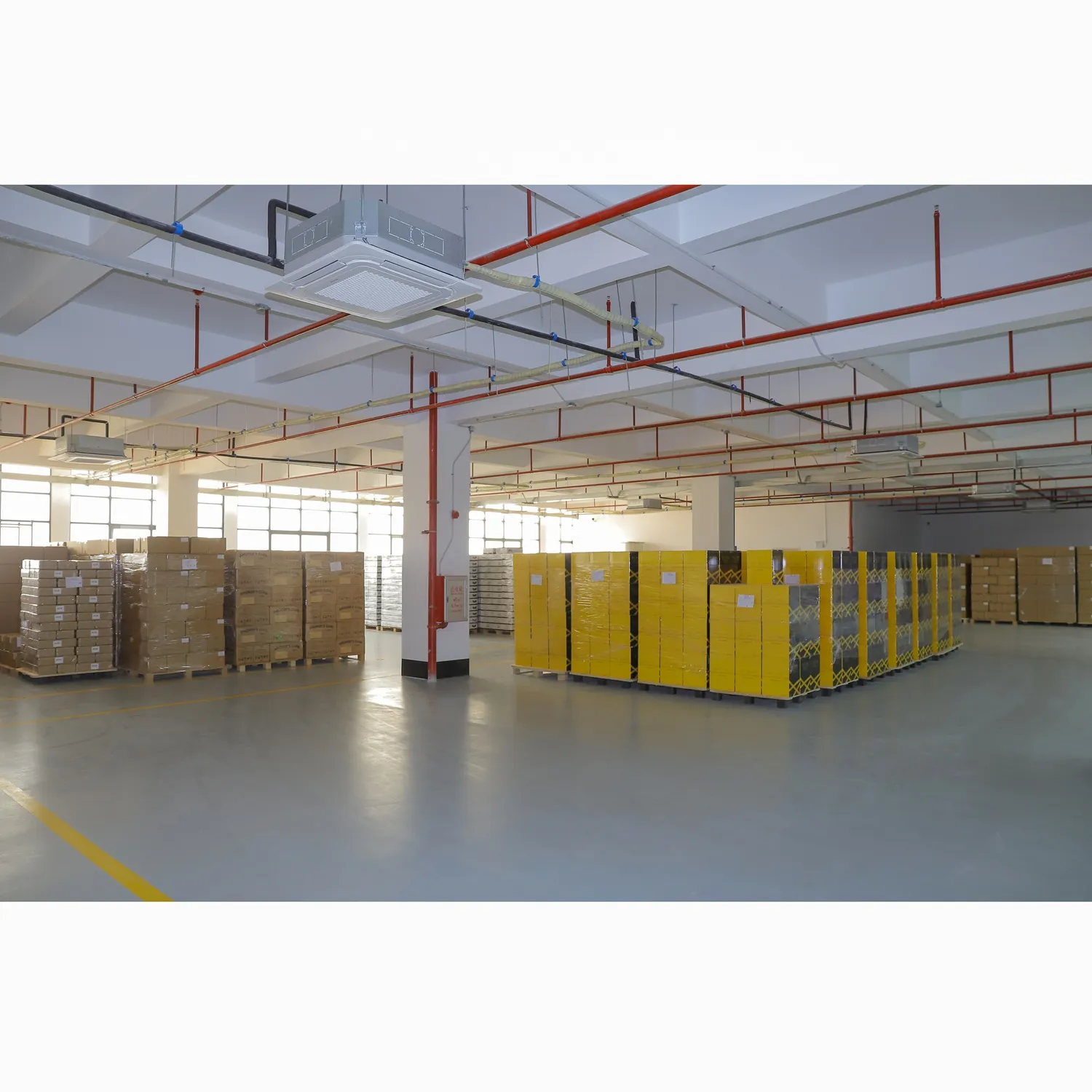
Keep pallets off the floor on proper racking or pallets, away from exterior walls, loading dock doors, and direct sunlight—these are the specific zones inside a warehouse where humidity and temperature swings are typically worst.
Loading dock areas see the most direct exposure to outside air every time a door opens, and exterior walls transfer more temperature swing than interior ones, especially in climates with big day-to-night temperature shifts. I ask buyers auditing their own storage to physically walk their warehouse and identify where stock currently sits relative to these risk zones—it’s often an easy fix once it’s flagged, just moving stock to a better interior location.
| Storage zone | Risk level |
|---|---|
| Near loading dock doors | High—direct outside air exposure |
| Along exterior walls | Moderate to high—temperature swing |
| Interior racking, off floor | Lower—more stable conditions |
Does Stock Rotation (FIFO) Actually Matter for Paper Shelf Life?
Buyers sometimes treat rotation as a nice-to-have. I treat it as a real risk control.
Yes—rotating stock on a first-in-first-out basis means older inventory doesn’t sit at the back of a warehouse accumulating cumulative humidity exposure while newer stock moves out first, which is exactly the pattern that leads to unexpected quality complaints on older batches.
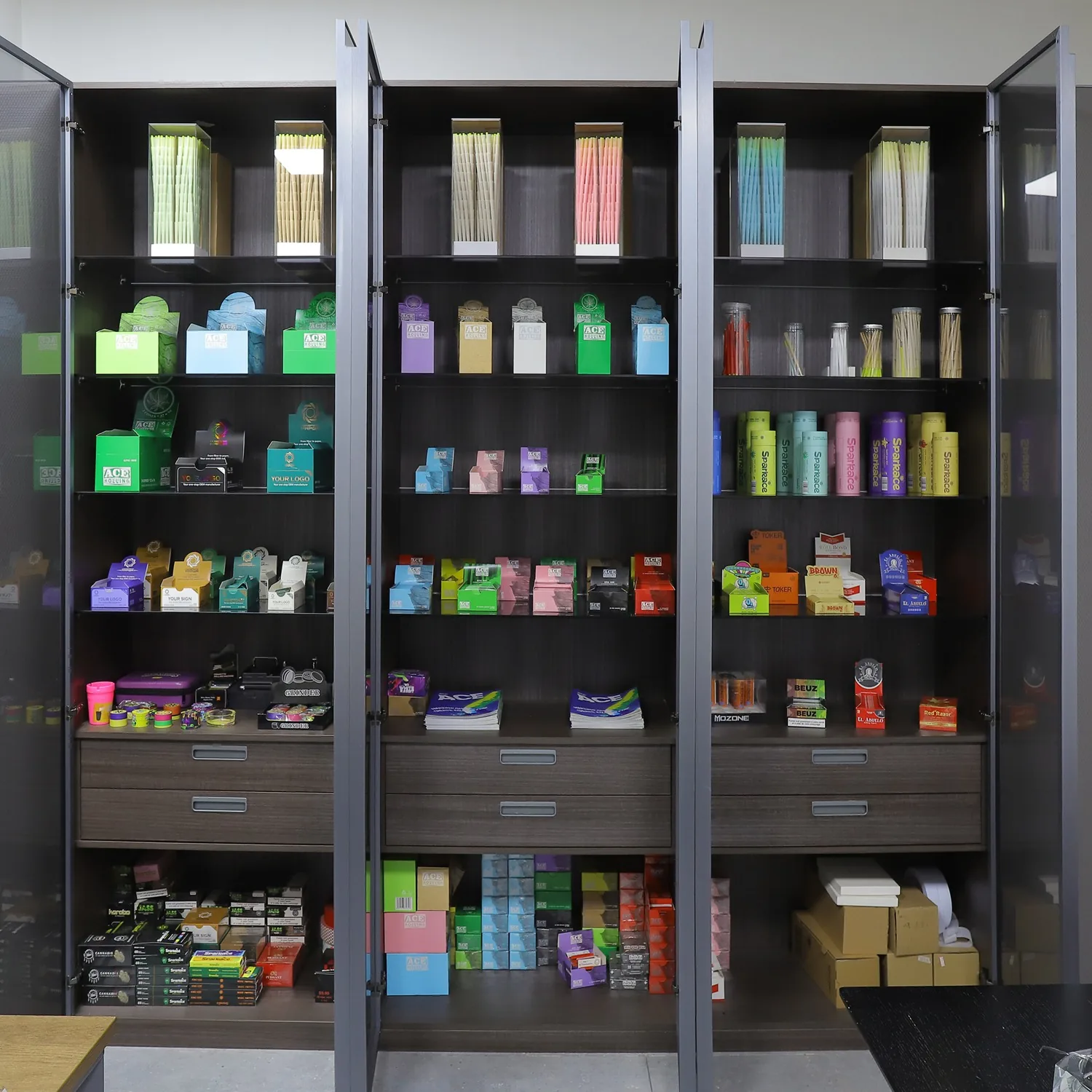
I’ve traced more than one quality complaint back to a batch that sat in inventory far longer than the buyer realized, simply because it wasn’t at the front of the rotation. FIFO isn’t complicated to implement, but it does require deliberate labeling and shelf organization—it doesn’t happen automatically just because you intend to do it.
How Do You Monitor Humidity Without Just Guessing?
I don’t want buyers relying on “it feels fine in here” as their monitoring method.
Place a simple hygrometer in your storage area and check it regularly, ideally logging readings over time so you can spot trends or problem periods rather than only reacting after stock already shows signs of humidity damage.

A basic hygrometer is inexpensive relative to the value of the stock it’s protecting, and logging readings over weeks or months reveals patterns—like a seasonal swing or a specific problem period—that a single spot-check would never reveal. I recommend this as a baseline practice regardless of your facility’s overall climate control sophistication.
What Should You Check When Bulk Stock Arrives at Your Warehouse?
Receiving inspection is the point where problems are cheapest to catch.
Inspect incoming cartons for any signs of moisture exposure during transit, confirm the shipment matches your expected quantity and specification, and move stock into proper storage promptly rather than leaving it staged near a receiving door.
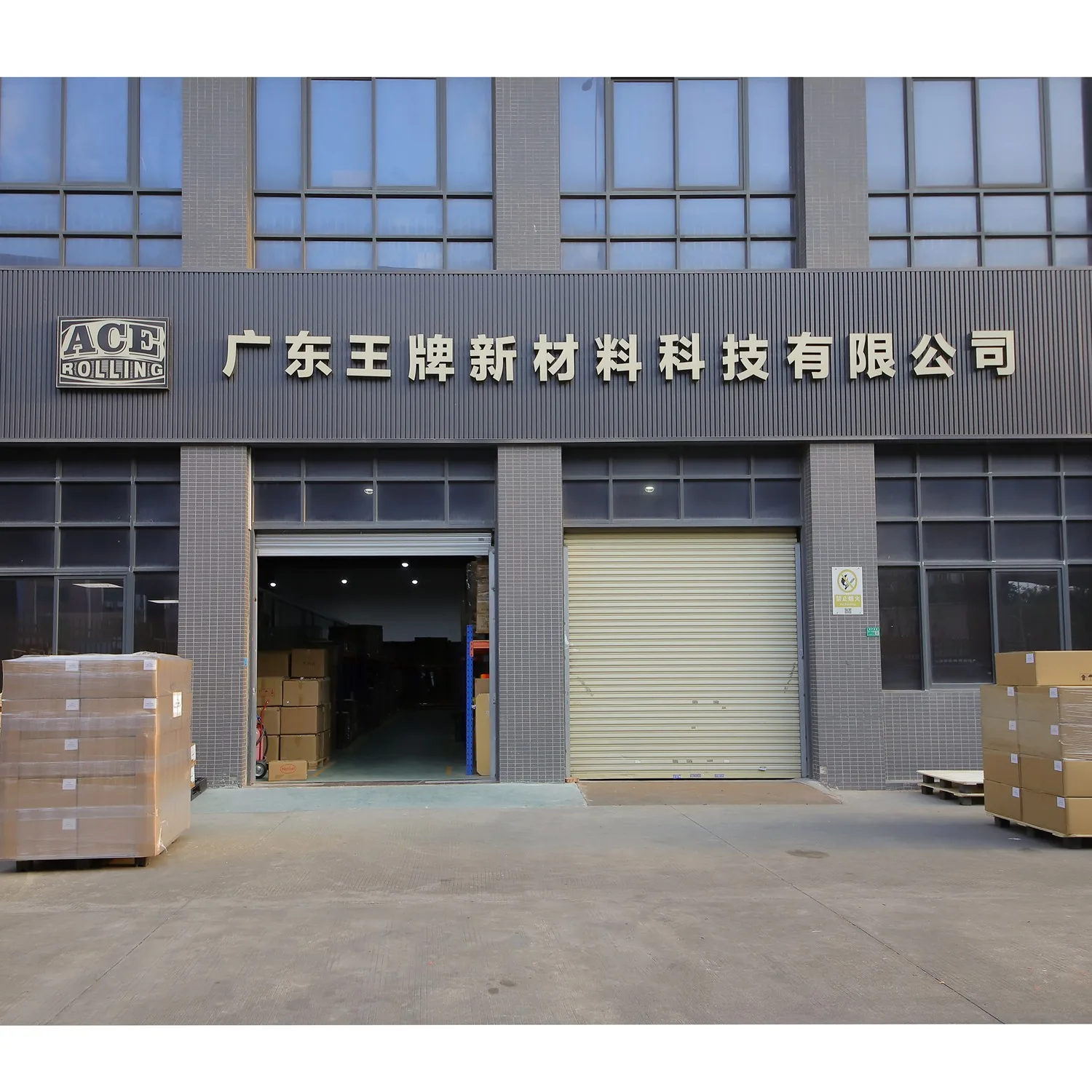
I’ve seen incoming stock get staged near a receiving dock for longer than intended simply due to warehouse workflow timing, which puts it in exactly the risk zone described earlier at the worst possible moment—right after a shipping journey that may have already introduced some humidity stress. Prompt movement into proper storage closes that gap.
How Is This Different From Packaging-Level Humidity Control?
I want buyers to understand these are two separate, complementary layers of protection.
Warehouse storage practices protect your bulk stock before it’s packaged; retail packaging features like RH packs and barrier materials protect the finished product after it leaves your facility—you need both, and one doesn’t substitute for the other.

A brand with excellent RH-pack packaging but poor warehouse storage practices can still ship a product that entered its final packaging already humidity-stressed. Get the warehouse storage layer right first, since it’s foundational, then layer packaging-level protection on top for the finished product’s journey to the consumer.
| Protection layer | What it covers |
|---|---|
| Warehouse storage | Bulk stock before packaging |
| Retail packaging (RH packs, barrier) | Finished product after leaving your facility |
الأسئلة الشائعة
How should you store rolling papers to control humidity?
Store bulk stock in a climate-stable area away from exterior doors, direct sunlight, and exterior walls, aim for a moderate and stable humidity range rather than one exact number, and rotate stock on a first-in-first-out basis. Location and rotation discipline in your warehouse matter as much as any single packaging feature applied later.
What’s the ideal humidity range for storing rolling paper in bulk?
There isn’t one universal exact number—prioritize stability over hitting a precise target, since paper reacts more to fluctuation than to a slightly imperfect but consistent environment. If your facility lacks full climate control, focus first on choosing a naturally more stable storage zone away from doors and direct sun exposure.
Where in a warehouse is rolling paper most at risk of humidity damage?
The riskiest zones are near exterior loading dock doors, along exterior walls, and anywhere exposed to direct sunlight, since these areas see the most temperature and humidity swing from outside conditions. Keeping pallets off the floor and away from these specific zones addresses most of the avoidable warehouse-level risk.
Does rotating stock (FIFO) actually prevent quality issues?
Yes. First-in-first-out rotation prevents older inventory from sitting at the back of a warehouse accumulating cumulative humidity exposure while newer stock moves out first. This pattern is a common, traceable cause of unexpected quality complaints on older batches that sat in storage longer than the buyer realized.
How do I monitor warehouse humidity without expensive equipment?
A basic hygrometer placed in your storage area, checked and logged regularly, is enough to establish a monitoring baseline. Logging readings over weeks or months reveals trends and problem periods that a single spot-check would miss, and the cost is small relative to the value of the stock it’s protecting.
Is warehouse storage a substitute for humidity-controlled packaging?
No, they’re complementary layers. Warehouse storage practices protect bulk stock before it’s packaged, while retail packaging features like RH packs and barrier materials protect the finished product after it leaves your facility. A brand needs both, since good packaging can’t undo humidity stress that already happened during bulk storage.
Ready to Review Your Storage and Packaging Together?
Talk through your warehouse setup and packaging plan with us before your next bulk order ships.
- Humidity control packaging: https://ace-rolling.com/how-does-humidity-control-packaging-work-for-papers/
- الجودة والشهادات: https://ace-rolling.com/quality-certifications/
- طلب عرض الأسعار: https://ace-rolling.com/contact/