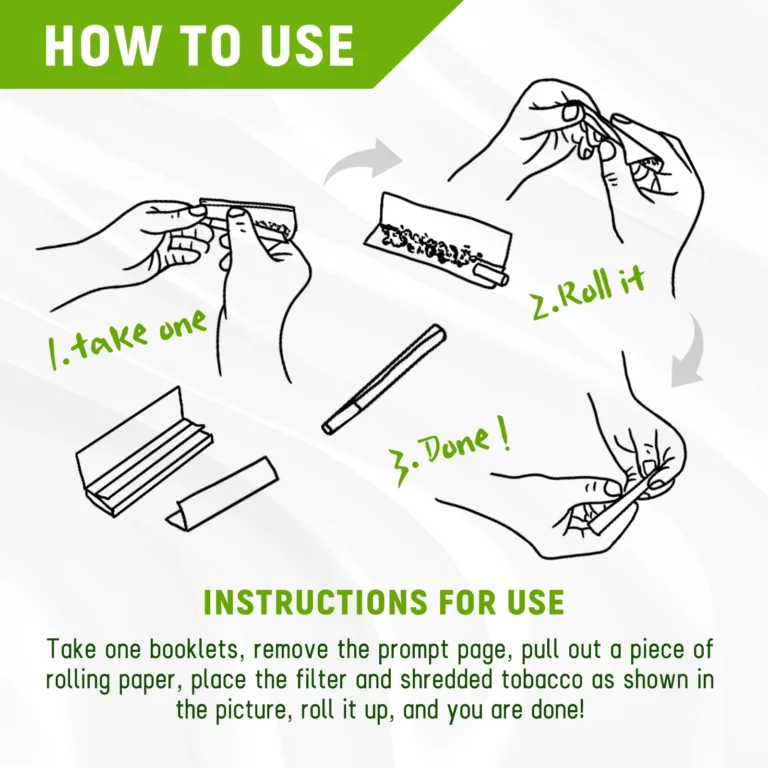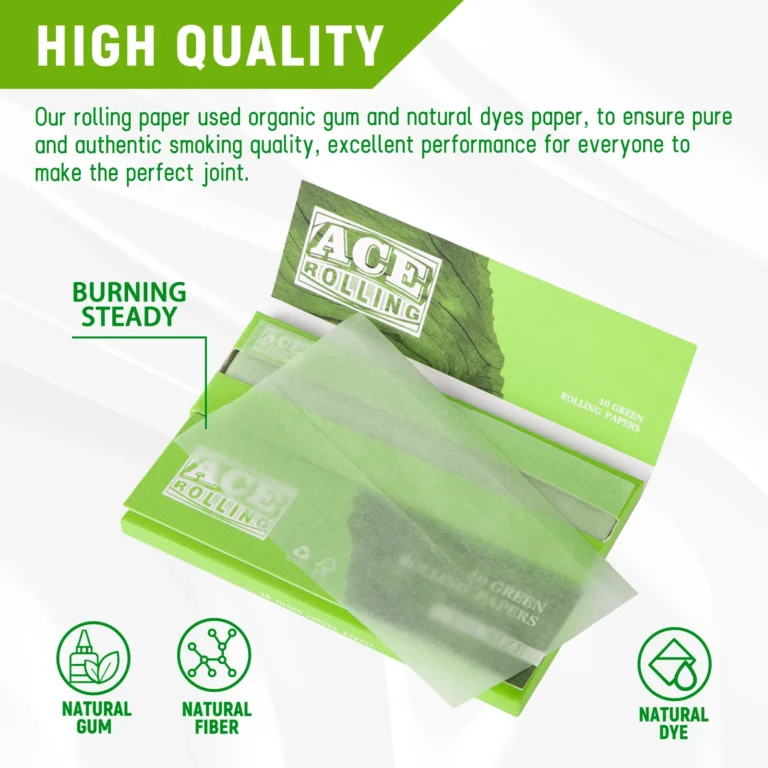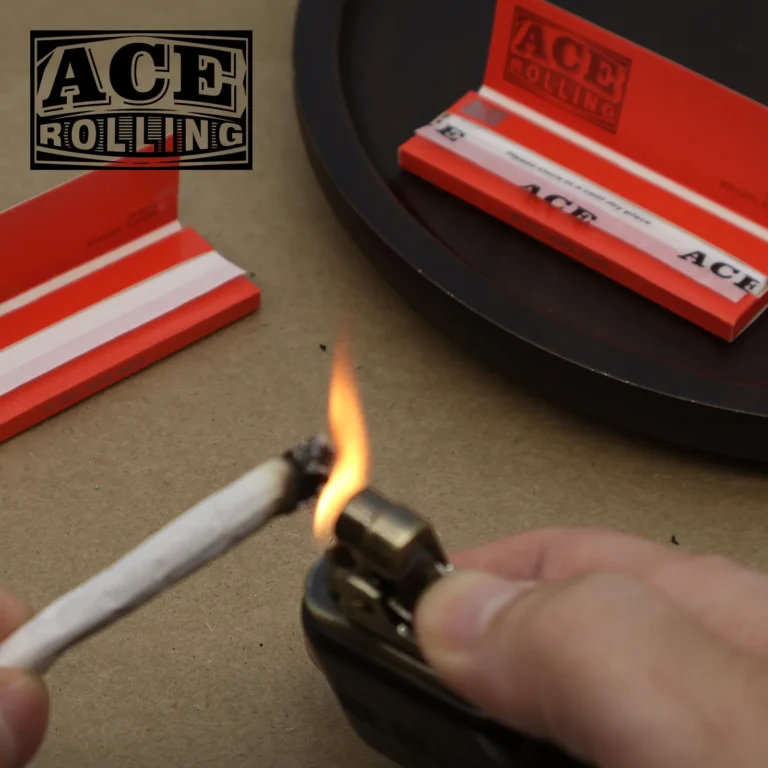

What’s considered the best rolling paper depends on material, thickness, burn quality, and your specific market needs rather than one universal brand. For B2B buyers and brand developers, the right rolling paper balances consistent performance with your target audience’s preferences.
The “best” rolling paper for your business isn’t just about retail popularity—it’s about finding a paper that matches your brand positioning, works reliably in production, and delivers the experience your customers expect.
What Defines Quality Rolling Paper?
Quality rolling paper demonstrates consistent performance across several key factors. The best papers burn evenly, seal reliably, feel appropriate for their intended use, and maintain quality batch after batch.
Use these criteria when evaluating rolling paper options:
| فحص المشتري | What to verify |
|---|---|
| Burn quality | Even combustion, minimal ash, consistent burn rate |
| Paper strength | Resists tearing during production and use |
| Gum quality | Reliable sealing, no bitter taste, consistent adhesion |
| Thickness/grammage | Appropriate for your market (12-20 GSM typical) |
| Material source | FSC-certified options available, transparent sourcing |
| Batch consistency | Minimal variation between production runs |
The best evaluation uses physical samples tested under your actual conditions. Testing in your production environment reveals differences that specifications alone can’t show. Work with your manufacturer to develop a testing protocol that includes burn tests, sealing reliability checks, and actual production trials. This upfront investment prevents costly surprises later and ensures you choose a paper that truly fits your needs. Remember that what works for one brand may not work for yours, so always verify through your own testing rather than relying solely on market popularity or generic recommendations.
Which Rolling Paper Material Is Right for You?
Rolling paper materials each have distinct characteristics that appeal to different markets. No single material is “best”—the right choice depends on your brand story and target audience.
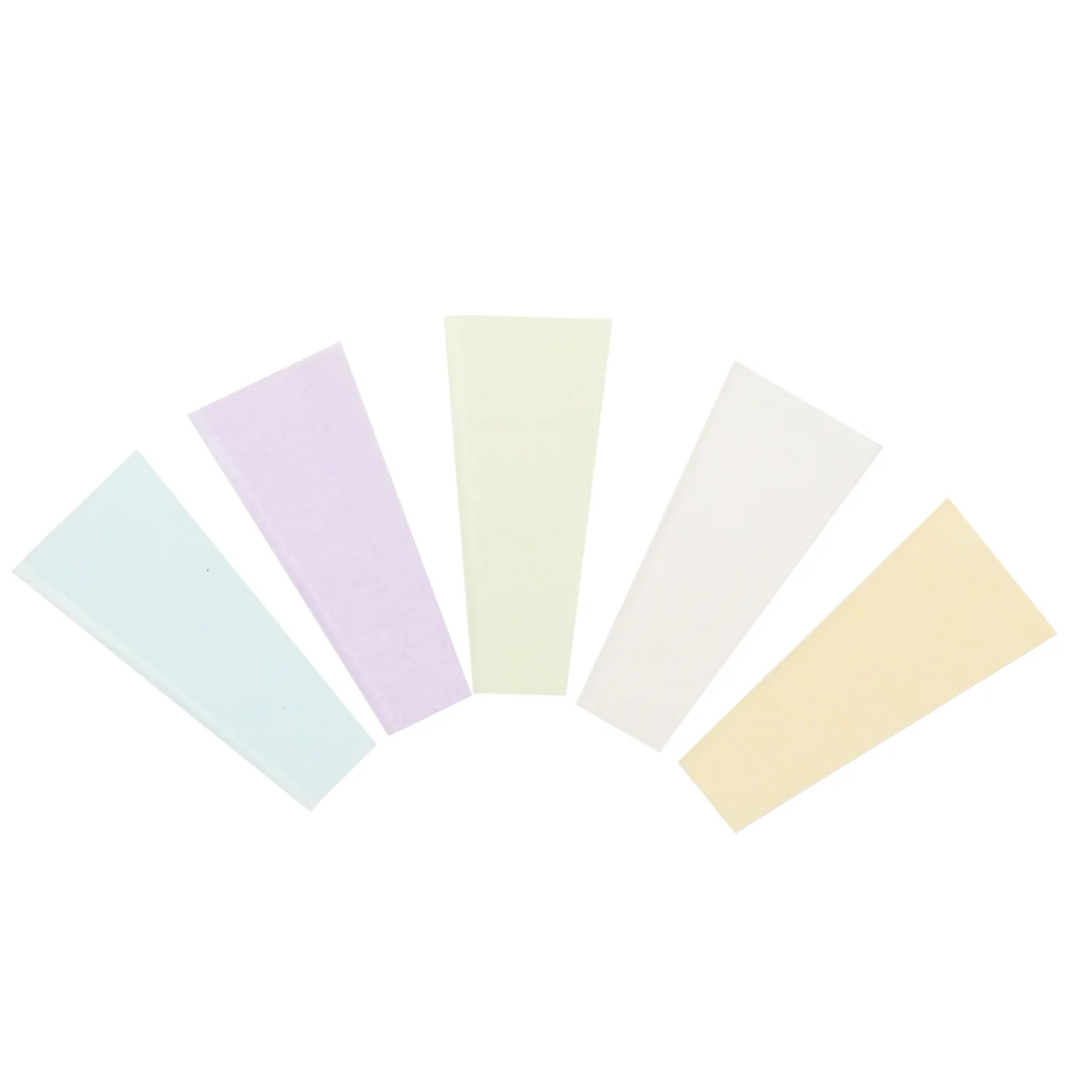
Ace Rolling can develop programs using wood pulp, hemp, flax, bamboo, and custom colored or printed papers. Always request samples with the exact material proposed for production rather than choosing from descriptions alone.
How Do Different Materials Compare?
Each rolling paper material offers unique benefits and considerations:
| المادة | Common use case | What to verify |
|---|---|---|
| لب الخشب الأبيض | Mainstream market, clean appearance | Brightness, opacity, print quality |
| لب الخشب غير المبيض | Natural market positioning | Shade consistency, fiber visibility |
| القنب | Premium/natural market | Composition, feel, supporting documentation |
| كتان | Thin paper, premium feel | Handling strength, porosity |
| الخيزران | Sustainable positioning | Fiber specification, sourcing |
| Colored/printed | Brand differentiation | Ink adhesion, color consistency |
Don’t assume a particular material is automatically “cleaner,” “healthier,” or “more sustainable.” These claims require specific evidence that applies to your selected paper. Approve all claims based on documentation and physical samples. Additionally, consider how material choice affects production efficiency—some materials may run more smoothly on certain equipment types, while others may require adjustments to speed, tension, or temperature. Working closely with your manufacturer during the sampling process helps identify these considerations early, preventing production delays and ensuring consistent results across your entire order.
Does Grammage Matter?
Grammage (paper weight measured in GSM) significantly impacts rolling paper performance and customer preference. The right grammage depends on your target market:
- Lighter papers (12-15 GSM): Premium feel, faster burn, more delicate
- Medium papers (15-18 GSM): Versatile, balanced performance
- Heavier papers (18-22 GSM): Durable, slower burn, more substance
How Important Is Consistency?
For B2B buyers and brand owners, consistency is as important as quality itself. Your customers expect the same experience every time they purchase, and your production depends on predictable material performance.
For consistent results, verify:
- Paper thickness and porosity variation
- Color consistency between batches
- Gum adhesion uniformity
- Packaging quality and protection
- Supply chain reliability and lead times
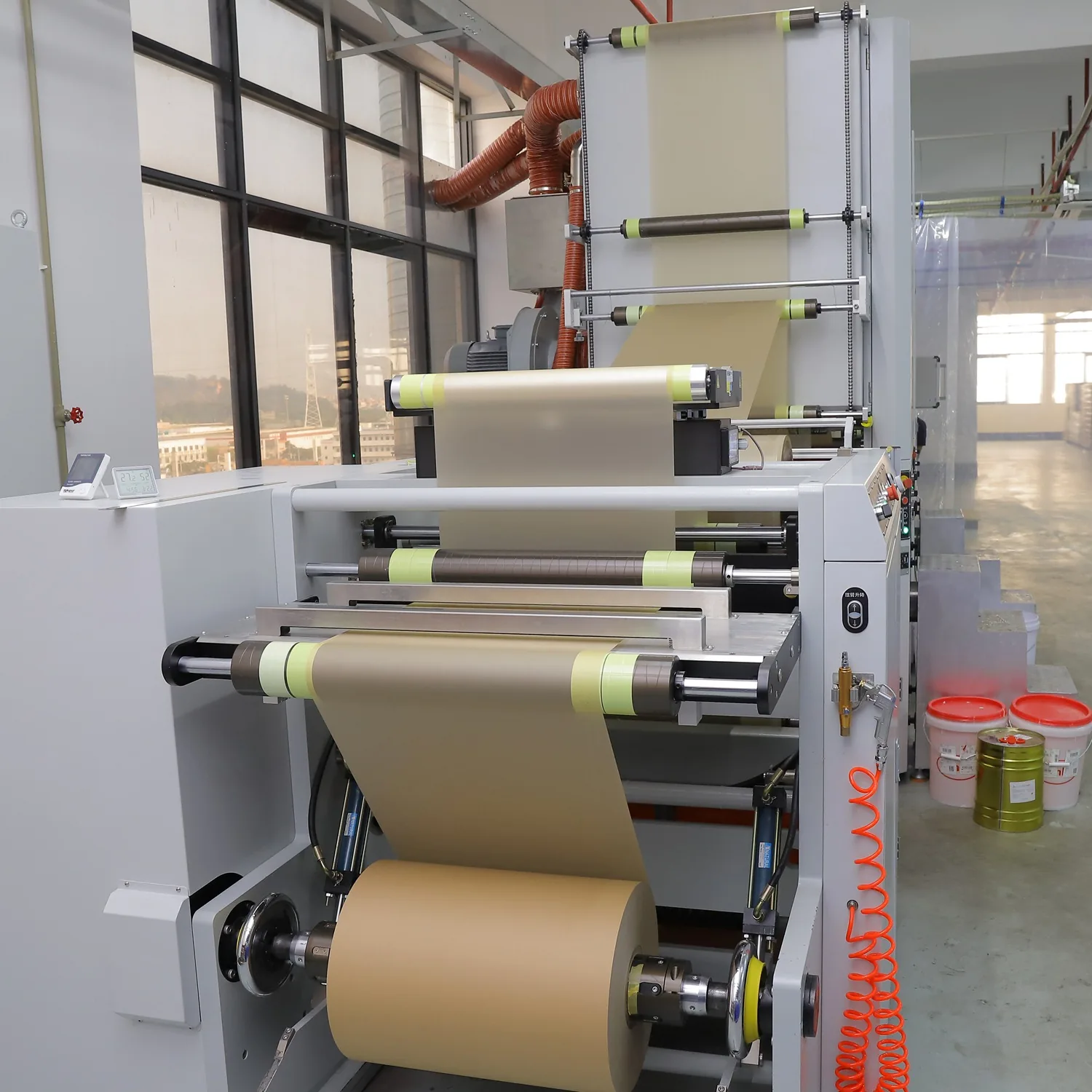
A factory that can document and maintain consistent quality creates more value than one that occasionally produces “perfect” samples but lacks reliability. Consistency builds customer trust, reduces production problems, and makes inventory management predictable. When evaluating potential suppliers, ask about their quality control procedures, batch tracking systems, and how they handle non-conforming materials. A transparent approach to quality demonstrates commitment to long-term partnership rather than just making a sale.
How Does Packaging Impact Perception?
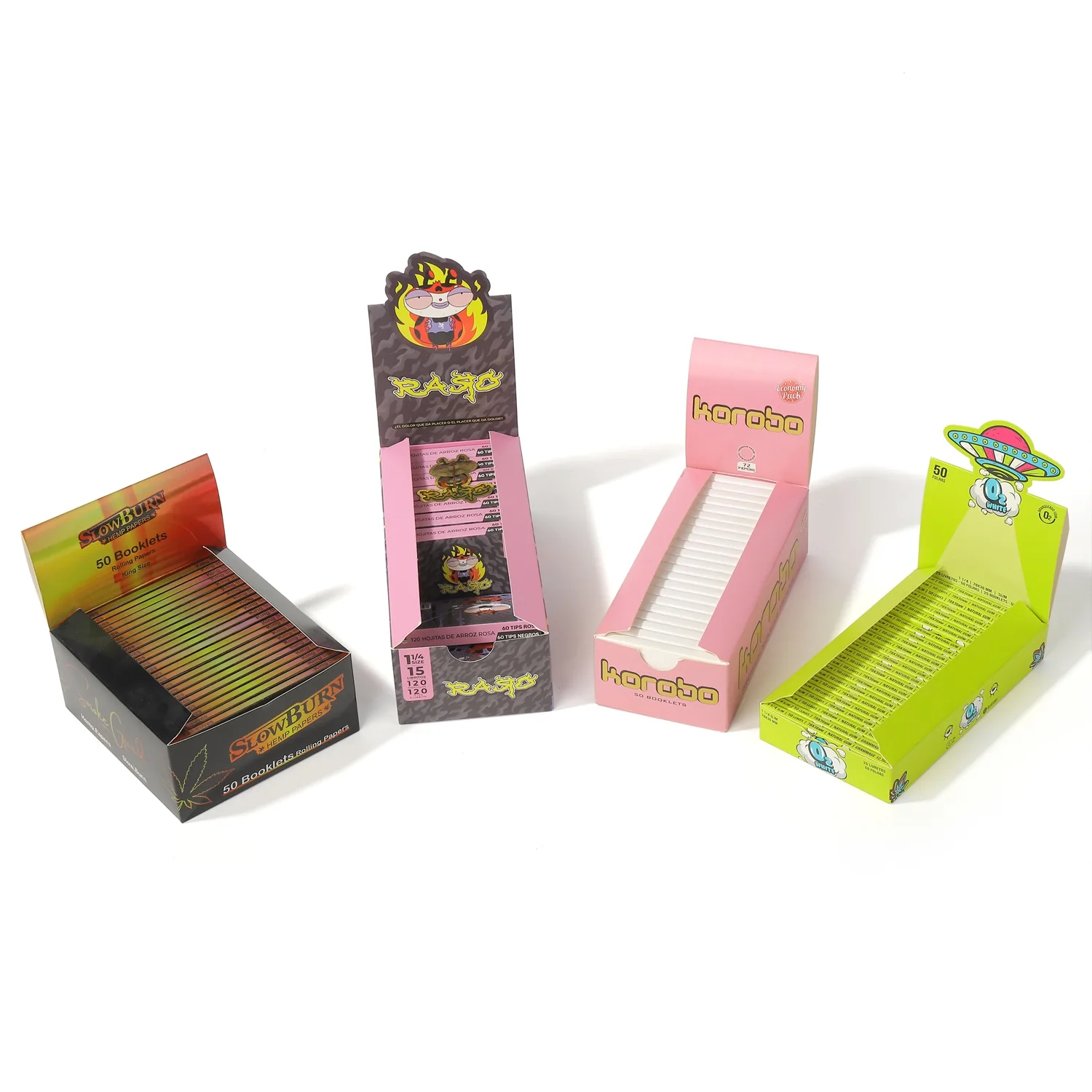
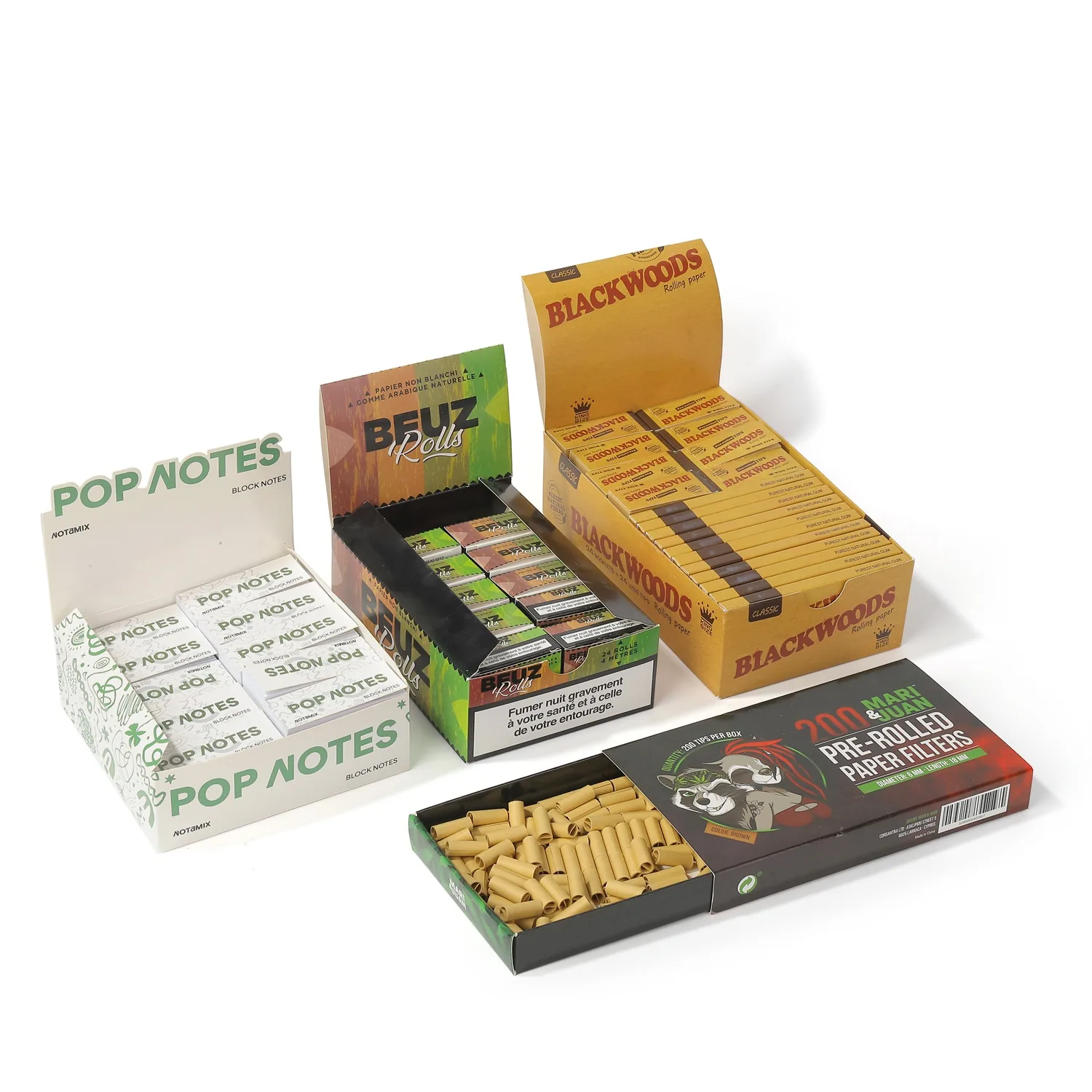
Packaging is often the first point of contact between your brand and customers, making it a critical component of the “best” rolling paper experience. The right packaging protects the product, communicates brand values, and makes a memorable impression.
Consider these packaging factors:
- Protection from moisture, crushing, and light damage during shipping and storage
- Displayability for retail environments with clear branding and product information
- Count accuracy and portion control that matches your market expectations
- Sustainability considerations like recyclable materials or minimal waste
- Customization options like embossing, foil stamping, or specialty finishes
Ace Rolling offers a range of packaging solutions from standard booklets to custom display boxes, allowing you to create the right unboxing experience for your customers. The best packaging doesn’t just contain the product—it enhances it by reinforcing your brand identity at every touchpoint.
ما الذي يجب تأكيده قبل الطلب؟
- Product format and booklet specifications
- Paper material, grammage, and treatment
- Printing, artwork, and color requirements
- Packaging format, count, and display needs
- Sample approval with physical testing
- الحد الأدنى للطلب، وقت التسليم، الشروط المالية، وشروط الشحن
- Required documents and destination compliance
- Quality standards and inspection criteria
أي خيار من Ace Rolling يناسب مشروعك؟
Start with the closest standard format, then explore custom options if needed. Compare materials, packaging designs, and printing samples before committing to a full program.
انظر إلى Ace Rolling أوراق لف مخصصة و حلول التصنيع الأصلي/التصميم والتصنيع الأصلي. For a sample recommendation, الاتصال بـ Ace Rolling with your target format, market position, packaging concept, estimated quantity, and destination market.
الأسئلة الشائعة
What Is Considered the Best Rolling Paper Material?
The best rolling paper material depends on your target market and brand positioning. White wood pulp offers mainstream familiarity, unbleached provides a natural appearance, hemp tells a distinct material story, and flax offers a premium thin-paper feel. Test physical samples to see which performs best for your specific needs.
Does Thicker Rolling Paper Mean Better Quality?
Thicker rolling paper isn’t necessarily better quality—it’s a different product type. Lighter papers (12-15 GSM) offer a premium, delicate feel and faster burn, while heavier papers (18-22 GSM) provide durability and slower combustion. Choose grammage based on your customers’ preferences, not a generic “best” standard.
What Makes a Rolling Paper Burn Well?
A rolling paper that burns well has consistent density, even porosity, and proper gum placement. Good burn characteristics include even combustion, minimal ash buildup, and no canoeing (uneven burning). These qualities come from quality paper production and consistent manufacturing control, not just the material itself.
Can You Get FSC-Certified Rolling Paper?
FSC-certified rolling paper is available from reputable manufacturers like Ace Rolling. When choosing FSC paper, verify that the certification applies to your specific paper selection and request supporting documentation. FSC certification demonstrates responsible sourcing but doesn’t automatically make a paper “better”—quality and performance still matter most.
Should I Choose Custom or Standard Rolling Paper?
Custom rolling paper makes sense when you need distinct branding, specific materials, or unique packaging formats. Standard formats work well for new brands testing the market or businesses that value simplicity and lower MOQ. Ace Rolling offers both approaches, helping you find the right balance between customization and practicality.