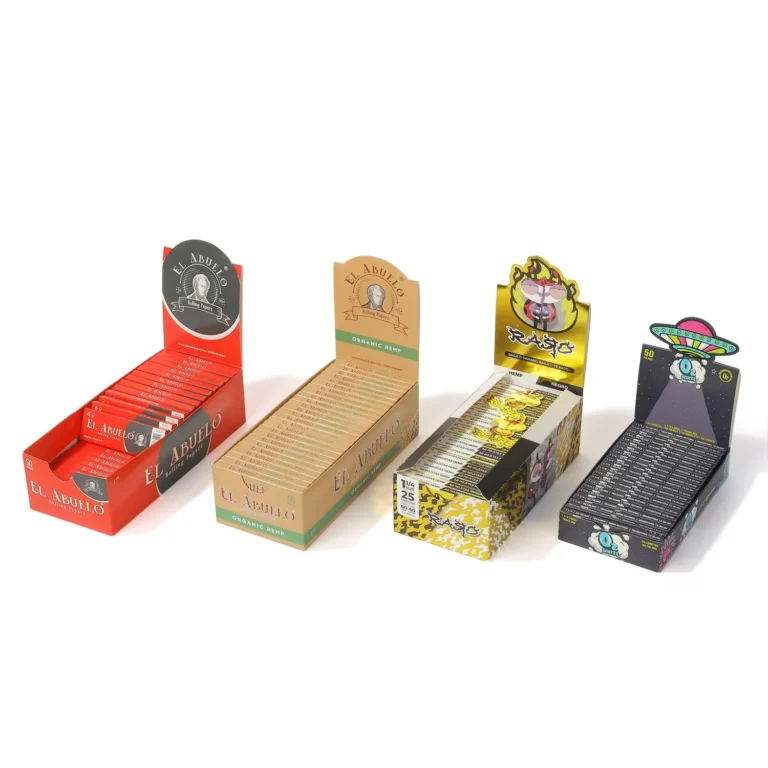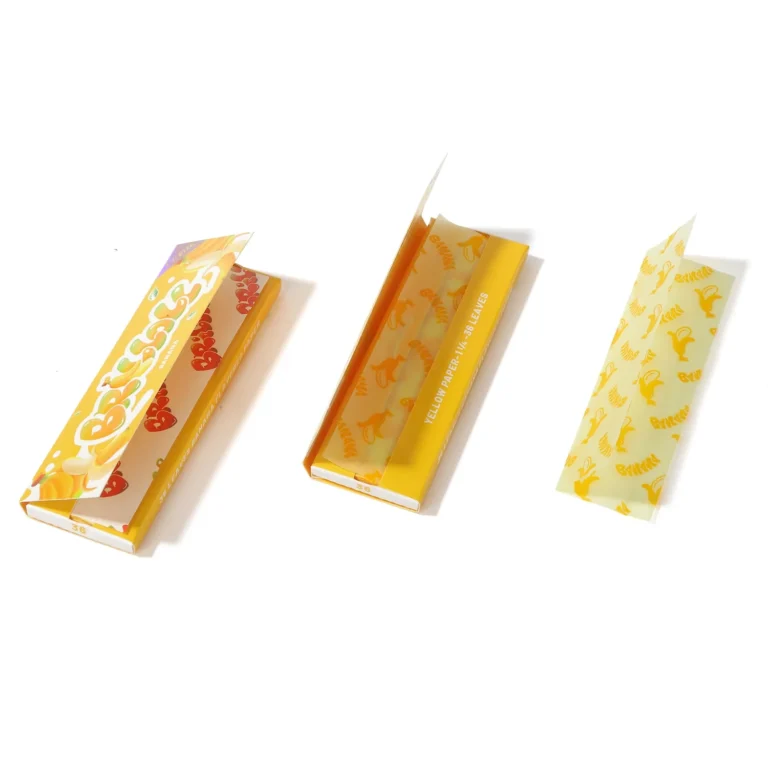

What is the average price of rolling papers? In consumer retail, market guides commonly place a standard booklet around $1 to $5 per pack, with many everyday packs landing near $2 to $3. That range is a sticker-price signal only. Wholesale boxes and OEM factory programs use different unit economics, so B2B buyers should separate retail averages from landed manufacturing cost.
Prices move with brand, material, leaf count, size, extras, packaging, and purchase channel. Use retail averages for market context, then request a quote against your exact specification.
What Do Retail Price Guides Usually Show?
Retail explainers often group pack prices by paper type. The numbers below are ballpark USD ranges reported in consumer pricing content—not Ace Rolling list prices and not a promise for every country or store.
| Paper / format type | Typical retail pack range cited in market guides |
|---|---|
| Classic wood-pulp booklets | About $1 – $3 |
| Unbleached or hemp booklets | About $2 – $4 |
| Rice / ultra-thin specialty packs | About $2 – $4 |
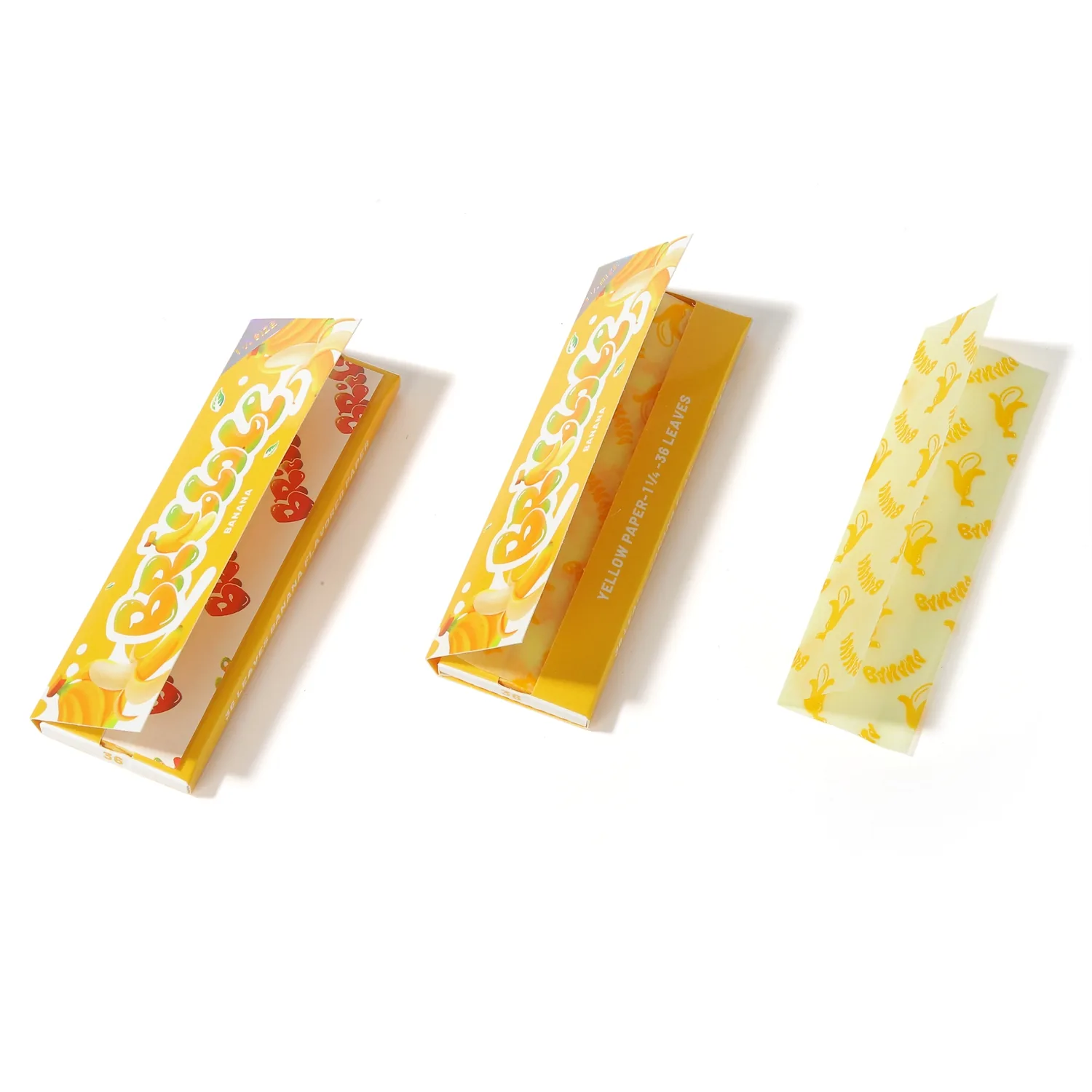
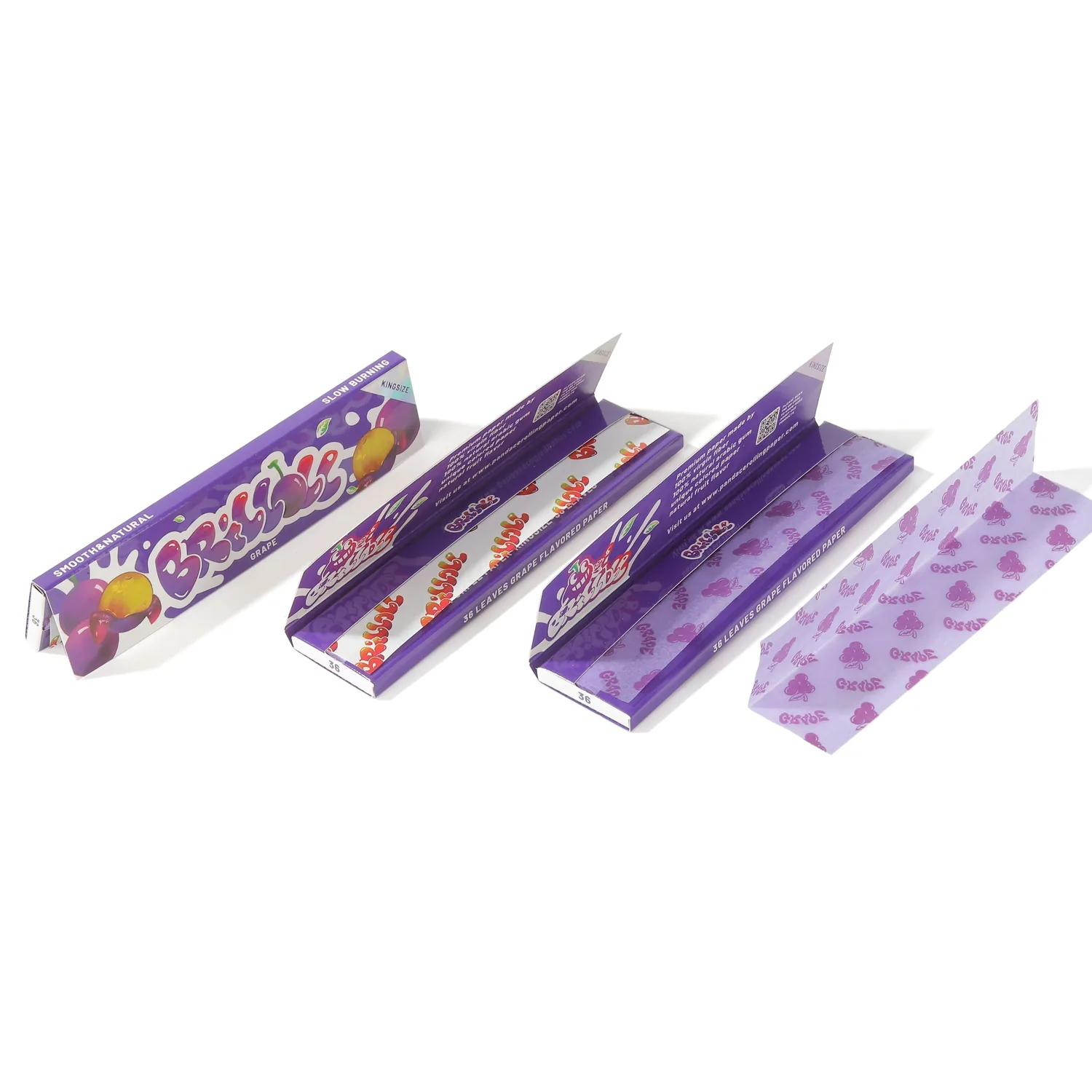
| Flavored or heavily printed novelty packs | About $2 – $5 |
| Small cone multipacks | About $3 – $6 |
| Luxury novelty sheets | Much higher, often specialty pricing |
| Custom branded bulk programs | Quote-based; unit cost falls as volume rises |
A gas-station single pack can sit at the high end of per-pack cost. A 24-pack wholesale box bought online can pull the effective pack cost lower even when the headline brand is the same. Always convert price to cost per leaf or cost per sellable unit before comparing offers.
What Factors Change Rolling Paper Prices?
Several levers move price at the same time. Understanding them helps you read both retail shelves and factory quotations.
Major price drivers:
- Brand positioning: Recognized retail brands often price higher than unbranded packs for similar formats
- Material: Hemp, rice-style thin papers, and documented specialty fibers usually cost more than basic wood pulp
- Size and leaf count: King formats or higher sheet counts change pack price and value per leaf
- Extras: Tips, multipacks, special gum systems, or complex print raise cost
- Packaging: Simple sleeves cost less than magnetic booklets, tins, or multi-piece display systems
- Channel: Convenience retail, online single packs, distributor boxes, and OEM containers are not the same market
- Order volume: Tooling, setup, and print plates amortize better at higher quantities
- Destination and compliance work: Labels, documents, and market-specific restrictions add project cost even when paper cost is stable
Do not compare a premium hemp retail booklet to an OEM white-label carton without normalizing leaf count, packaging, and Incoterms.
How Is Wholesale Price Different From Retail Average?
Retail averages answer “what does a shopper pay for one booklet?” Wholesale answers “what does a reseller pay per pack inside a master carton?” OEM answers “what does it cost to manufacture my brand at a stated MOQ?”
For distributors and brand owners:
- Retail $2–$3 packs already include brand margin, retail margin, and small-pack logistics
- Wholesale boxes usually improve pack economics if sell-through is reliable
- OEM programs can beat retail brand stickers on unit cost, but only after sampling, artwork, and MOQ commitments
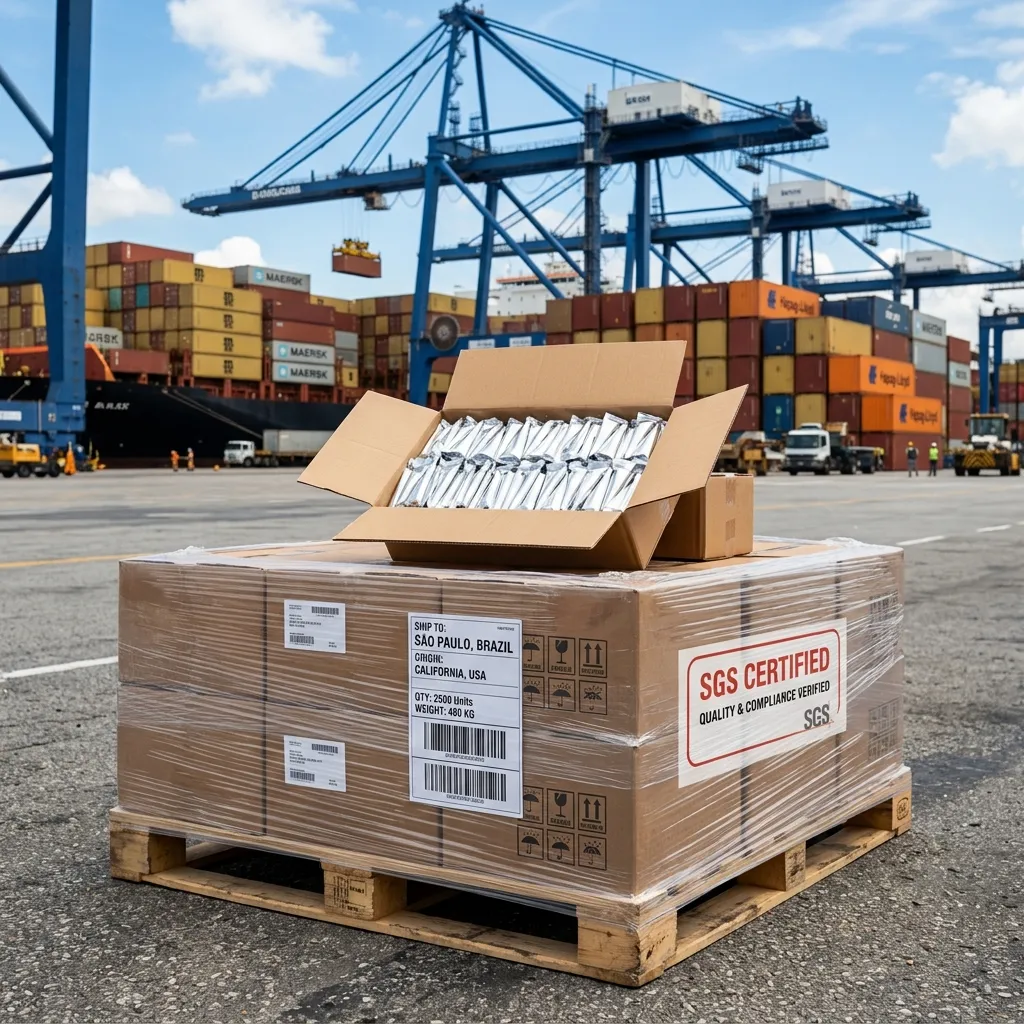
- Landed cost must include freight, duty, local handling, and damaged-goods buffer
If your business plan uses retail averages as manufacturing targets, your margin model will break. Build the model from factory quotation + landed costs, then reverse-check whether your market’s retail range can support the brand.
What Does Custom / OEM Pricing Depend On?
Custom rolling papers do not have one public “average price,” because every brief changes setup work. Consumer blogs often say custom batches start in the hundreds of dollars for a small personalized run and fall on a per-pack basis as quantity rises. That direction is right; the exact number requires a quote.
OEM quotation inputs that matter most:
- Booklet size, leaf count, and tip insert
- Paper material and grammage
- Print coverage on cover and leaf
- Packaging structure: single pack, tray, carton, multipack
- Sample rounds and artwork revisions
- كمية الطلب الأولي وحجم إعادة الطلب المتوقع
- Packing method and destination
A low unit price with unstable quality is more expensive than a slightly higher unit price with locked specs. Ask suppliers to quote the same brief so comparisons stay honest.
How Should B2B Buyers Compare Offers?
Use a simple comparison sheet instead of chasing the lowest headline number.
Compare each offer on:
- Price per booklet and price per leaf
- Exact material and GSM
- Packaging included in the price
- Sample approval status
- MOQ and lead time
- Payment terms and Incoterms
- Quality rejection rules
- Reorder continuity for the same approved standard
Also separate one-time development costs from recurring production costs. Artwork setup, custom dielines, and first-sample freight can make a small first order look expensive even when reorder pricing is competitive.
How Does Ace Rolling Approach Pricing Conversations?
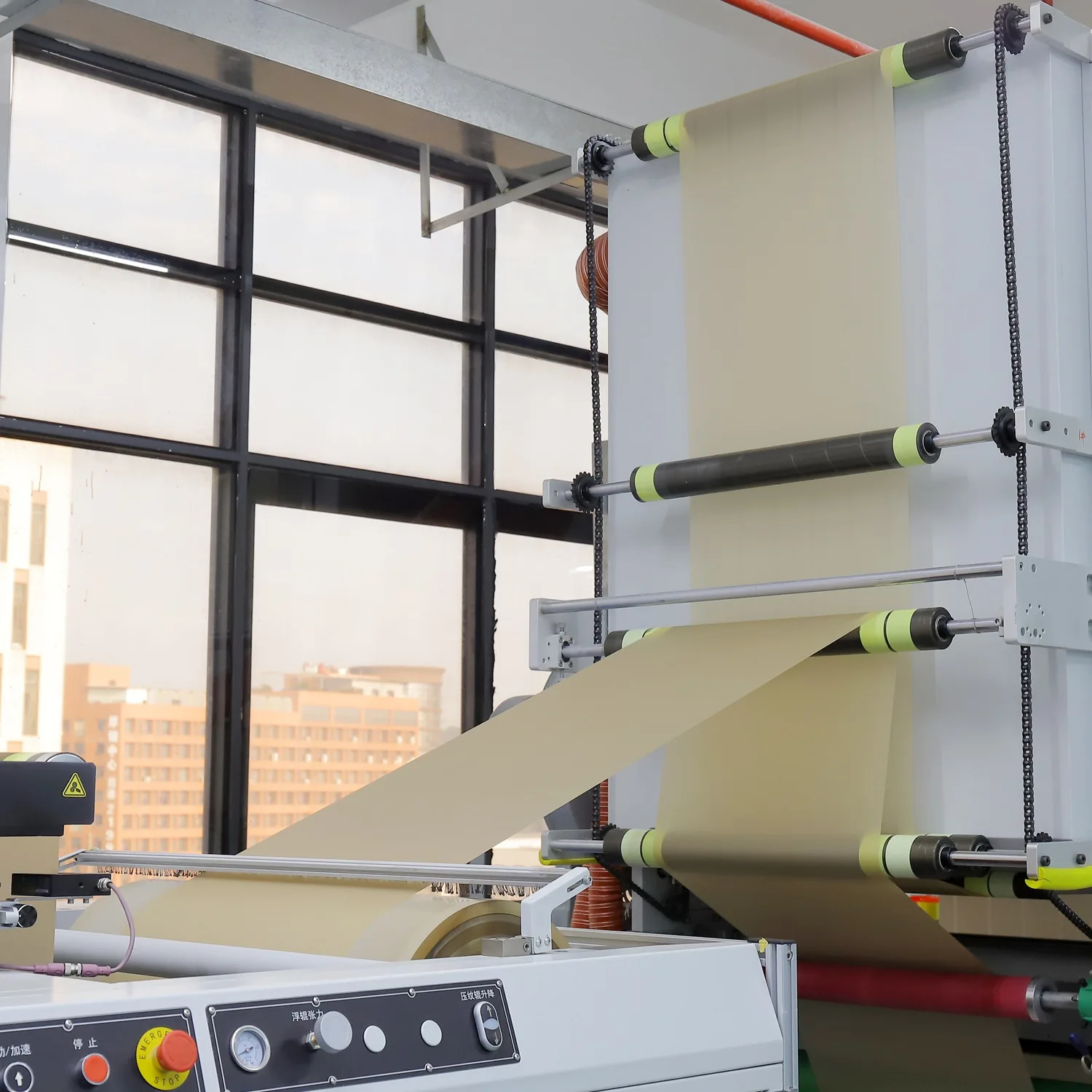
Ace Rolling manufactures rolling papers, cones, tips, and packaging for OEM and private-label buyers. We do not publish a universal average factory price in articles because real quotes depend on specification and volume. What we can do is help you define the brief clearly, sample the paper performance first, then price packaging and print options against a production-ready standard.
That sequence protects budget: you avoid paying for complex print on a paper your market does not prefer.
What Should You Confirm Before Requesting a Quote?
- Target channel: retail private label, wholesale, or promotional
- Size, leaf count, and tip requirements
- Material and grammage preference
- Print/artwork complexity
- Packaging format and master-carton plan
- First order quantity and 12-month volume estimate
- Destination market and document needs
- Required sample timeline
أي خيار من Ace Rolling يناسب مشروعك؟
If you need market-context pricing first, start with standard formats and compare sample performance. If you need branded packs, request an OEM quote after the paper standard is approved. See أوراق لف مخصصة و حلول التصنيع الأصلي/التصميم والتصنيع الأصلي. For a quotation, الاتصال بـ Ace Rolling with format, material, artwork status, packaging, destination, and quantity.
الأسئلة الشائعة
What is the average price of rolling papers?
Consumer retail guides often place a standard rolling paper pack around $1 to $5, with many everyday booklets near $2 to $3. That average is a shelf-price reference, not a factory or wholesale quote. B2B buyers should convert offers to cost per leaf and include landed costs before judging value.
Why do some rolling paper packs cost more?
Higher prices usually reflect brand positioning, specialty materials, thinner papers, tips, complex print, or premium packaging. Channel matters too: a convenience-store single pack often costs more per unit than the same format bought in a wholesale box. Compare specifications, not only the sticker.
Is bulk buying cheaper than single packs?
Yes, bulk boxes and OEM containers usually improve unit economics when sell-through is reliable. Savings come from packaging efficiency, fewer retail markups, and amortized setup costs. Confirm storage conditions, cash flow, and whether your market can absorb the volume before ordering a full master-carton plan.
How much do custom rolling papers cost?
Custom rolling papers are quote-based. Unit cost depends on size, material, print, packaging, MOQ, and sample rounds. Small personalized runs can look expensive per pack because setup is shared across fewer units; larger ongoing programs usually reduce unit cost. Request a quote against a fixed brief.
How should I request an accurate OEM price from Ace Rolling?
Send format, material, grammage, leaf count, artwork status, packaging needs, destination, and quantity targets. Clear inputs produce usable sample plans and quotations. Ace Rolling can then separate paper performance choices from packaging upgrades so you do not overbuy features your market will not pay for.