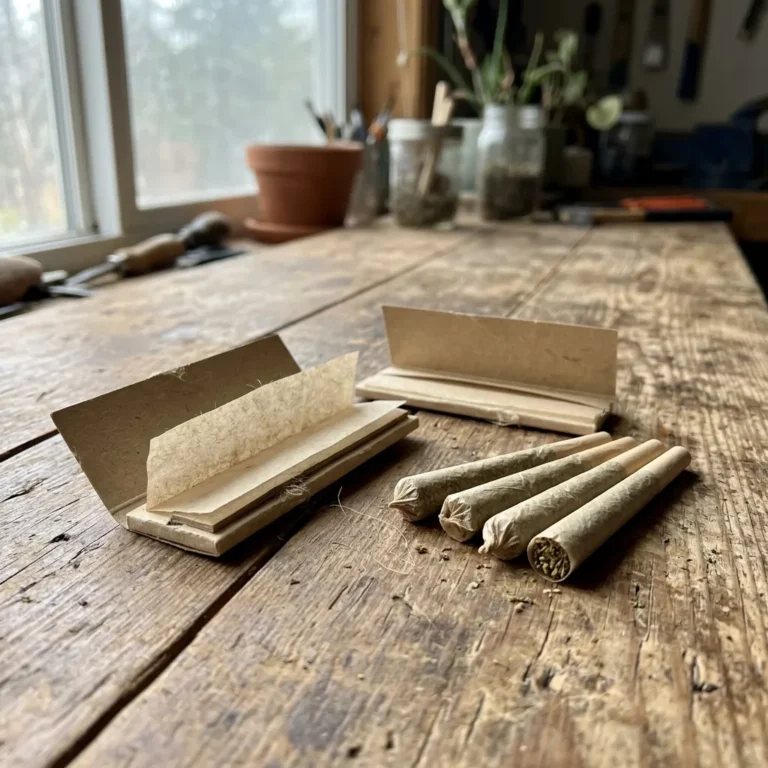

I hear “I want something like RAW Black” or “like RAW Classic” from private-label buyers constantly, and most can’t actually articulate what that means in spec terms.
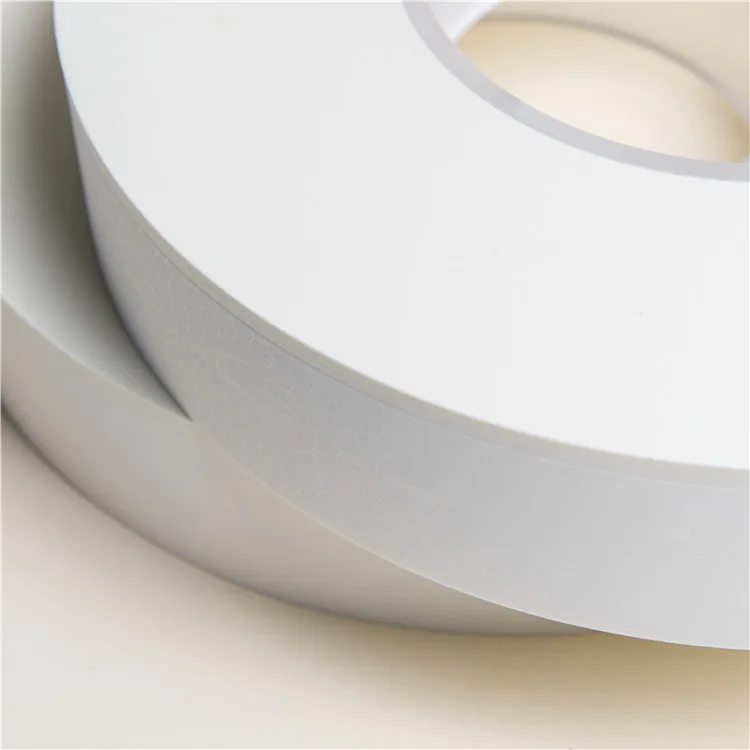
RAW’s own product descriptions position Classic as their standard unbleached paper and Black as a thinner, more minimally processed variant marketed as additive-free—the practical difference for a buyer is thickness and processing level, which translates into burn feel and rolling handling, not a completely different fiber.
Read this and you’ll know how to translate “I want it like RAW Black” or “like RAW Classic” into an actual spec you can hand to any manufacturer, including us.
What Makes RAW Black Different From RAW Classic in the First Place?
I break this into the two dimensions that actually matter for a spec conversation.
Based on RAW’s own public product descriptions, Classic is their standard unbleached paper, while Black is described as a thinner, more minimally processed variant marketed as additive-free—the core distinction buyers are usually reacting to is that thinner, more minimal feel, not a difference in base fiber type.
I ask buyers referencing either variant to tell me specifically what they liked about it: was it how thin it felt, how it burned, or the “clean” positioning story. Each answer points toward a different part of the spec conversation, and getting specific here saves a lot of back-and-forth on sample rounds later.
| What buyers say they want | Spec dimension it points to |
|---|---|
| “Feels thinner” | GSM / basis weight |
| “Burns cleaner” | Fiber type, additive content |
| “Looks minimal” | Print/branding choice, not paper itself |
Does “Unbleached” Mean the Same Thing Across Both Variants?
This is a common point of confusion I clear up early.
Unbleached generally means the paper skipped a chlorine bleaching step in either case, but “unbleached” alone doesn’t specify thickness, fiber blend, or additive content—it’s one spec dimension among several, not a complete description of either variant.

I want buyers to understand this because “unbleached” gets used as a catch-all term that actually undersells how many separate spec decisions go into a finished paper. Fiber source, thickness, gum type, and any additives are all separate choices layered on top of the bleaching decision.
أوراق مخصصة: https://ace-rolling.com/custom-rolling-papers/.
Does Thickness or GSM Actually Differ Between the Variants?
This is the spec dimension most directly tied to what buyers describe as the “feel” difference.
A thinner variant marketed for a more minimal, lower basis-weight feel will generally sit at a lower GSM than a standard variant, though exact published GSM figures for competitor products aren’t something I’d rely on without a physical sample—request a sample in your target weight range and confirm the feel directly.
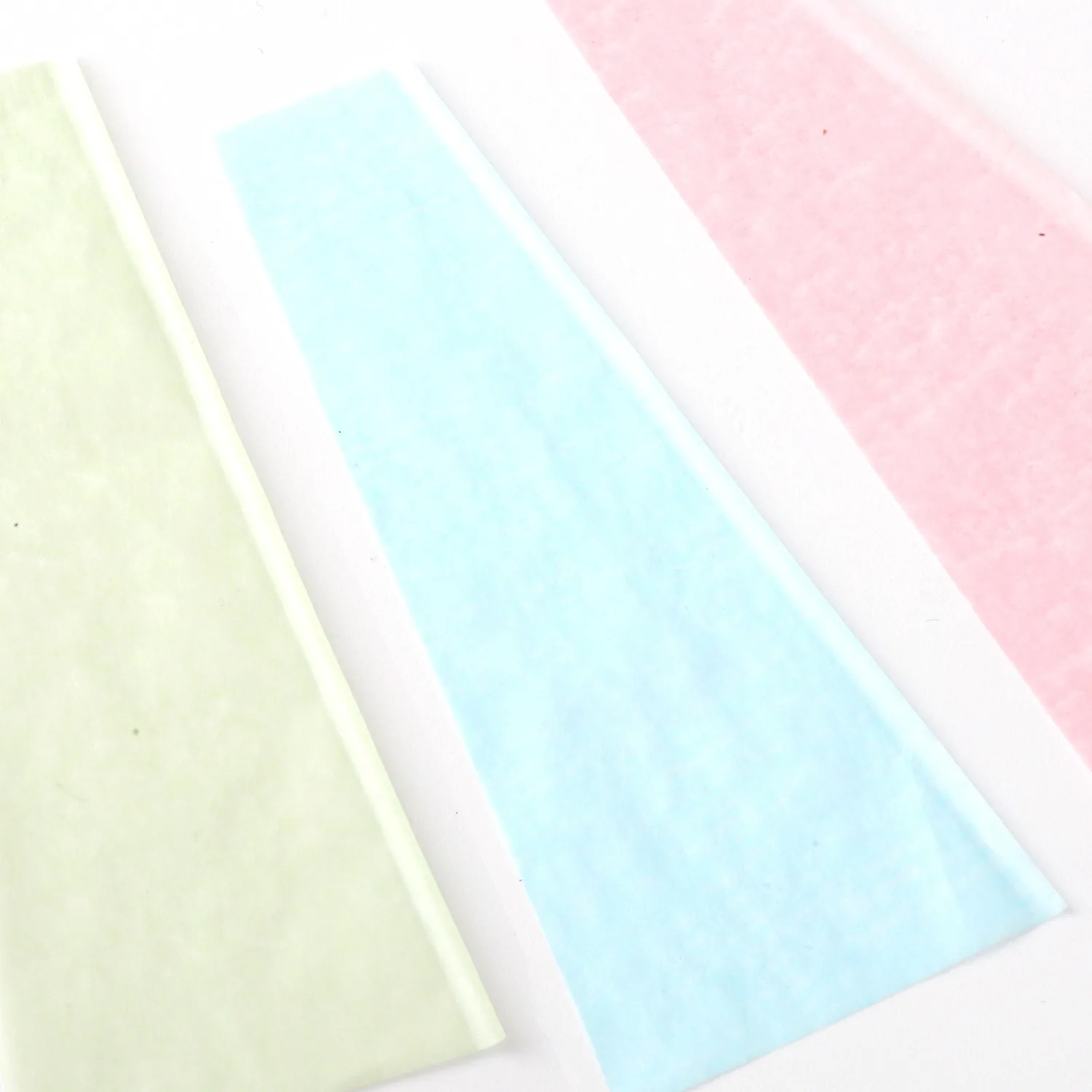
I always push buyers toward a physical sample comparison rather than chasing an exact published number, because thickness “feel” is genuinely subjective and small GSM differences can read very differently depending on fiber type and finishing. A side-by-side sample tells you more than a spec sheet number ever will.
Why Do Some Buyers Reference “Additive-Free” When Comparing Variants?
This comes up specifically when buyers mention the thinner benchmark variant.
“Additive-free” typically refers to skipping processing aids like added chalk, talc, or dye—it’s a positioning and formulation claim, and if this matters to your brand story, ask any manufacturer for a written composition disclosure rather than relying on the term alone.
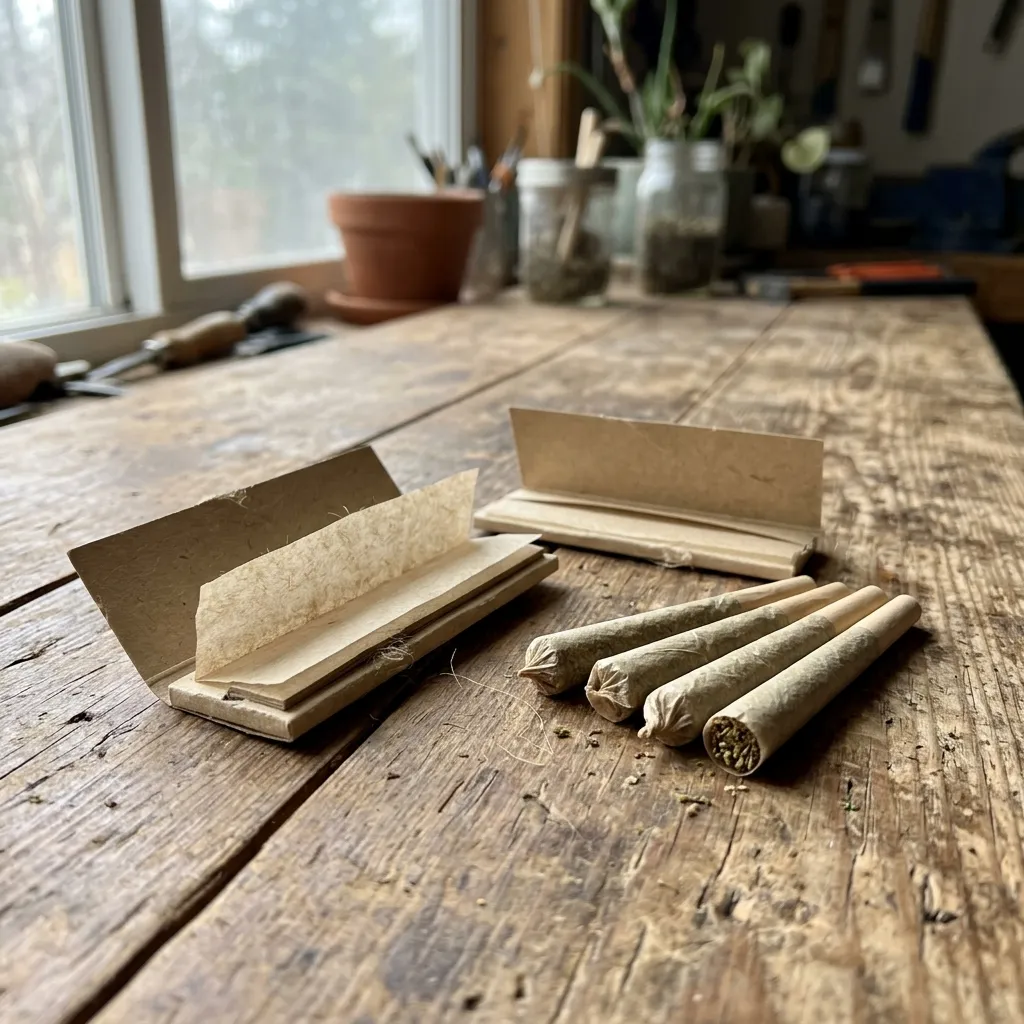
I treat any “additive-free” or “clean” claim the same way I’d treat an organic claim—it needs to be backed by an actual composition disclosure from your manufacturer, not just a marketing term repeated because a competitor uses it. Ask for the real breakdown before building brand messaging around it.
Which Spec Should You Actually Request If You Want a Similar Feel?
I’d rather give buyers a concrete checklist than a vague “make it like that one” brief.
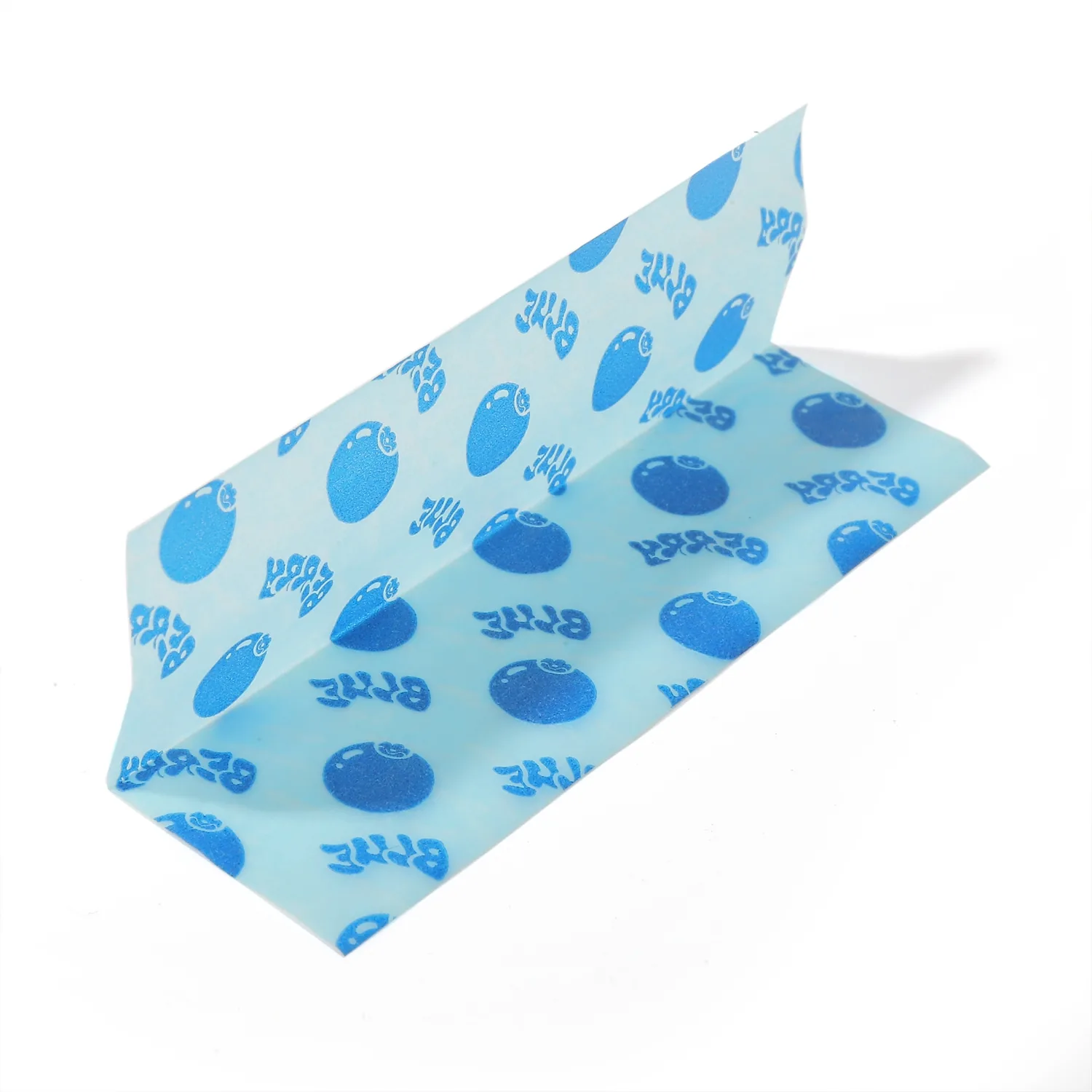
Request your target GSM range, fiber type (unbleached vs. bleached, and specific fiber family), and a composition disclosure covering any additives or processing aids—these three specs together get you much closer to a specific feel than referencing a competitor brand name alone.
| Spec to request | What it controls |
|---|---|
| نطاق GSM المستهدف | Thickness and “feel” |
| Fiber type and family | Base material characteristics |
| Composition disclosure | Confirms additive-free or specific claims |
How Do You Translate a Benchmark Reference Into an Actual Private-Label Spec?
This is the practical step that turns a vague reference into a working brief.
Bring your benchmark reference to your manufacturer alongside the specific things you liked about it—thickness, burn feel, or positioning—then request a sample in that direction rather than assuming the manufacturer can reverse-engineer an exact match from a brand name alone.
No manufacturer, including us, can guarantee an exact match to another brand’s proprietary paper without a sample-and-adjust process. What we can do is take your GSM range, fiber preference, and additive requirements and get you a comparable feel through iterative sampling.
الأسئلة الشائعة
What’s the real difference between RAW Black and Classic?
Based on RAW’s own public product descriptions, Classic is their standard unbleached paper, while Black is a thinner, more minimally processed variant marketed as additive-free. The practical difference for a buyer is thickness and processing level, which shows up as a different feel and burn characteristic, not a completely different base fiber.
Does “unbleached” tell me everything I need to know about a paper’s spec?
No. Unbleached only describes whether the paper skipped a chlorine bleaching step—it doesn’t specify thickness, fiber blend, or additive content on its own. Fiber source, GSM, gum type, and additives are all separate spec decisions layered on top of the bleaching choice, so unbleached alone isn’t a complete description.
Can I get the exact GSM of a specific competitor paper before ordering?
I wouldn’t rely on published competitor GSM figures without a physical sample, since thickness “feel” is genuinely subjective and can read differently depending on fiber type and finishing. Request a sample in your target weight range and compare it directly rather than chasing an exact published number.
What does “additive-free” actually mean when comparing rolling paper variants?
It typically refers to skipping processing aids like added chalk, talc, or dye during manufacturing. If this claim matters to your brand story, ask your manufacturer for a written composition disclosure rather than relying on the term alone, since “additive-free” needs documentation behind it to be a reliable claim.
How do I brief a manufacturer if I want a paper similar to a specific benchmark?
Bring your target GSM range, fiber type and family, and any additive or composition requirements, along with specifically what you liked about the benchmark—thickness, burn feel, or positioning. This gives a manufacturer a concrete starting point for sampling, rather than expecting an exact match from a brand name reference alone.
Can Ace Rolling match a specific competitor paper’s feel through sampling?
Ace can work from your target GSM range, fiber preference, and additive requirements through an iterative sampling process to get a comparable feel, though no manufacturer can guarantee an exact match to another brand’s proprietary paper without physical sample rounds. Custom paper programs quote from roughly USD $0.07–$0.30 per booklet wholesale, MOQ applying.
Want to Translate a Benchmark Into a Real Spec?
Bring your target GSM, fiber preference, and additive requirements, and we’ll sample toward it.
- Custom rolling papers: https://ace-rolling.com/custom-rolling-papers/
- الجودة والشهادات: https://ace-rolling.com/quality-certifications/
- طلب عرض الأسعار: https://ace-rolling.com/contact/