
I’ve had brands blame the paper for canoeing when the actual cause was in their own filling process. It’s rarely just one thing.
Canoeing—uneven burning down one side of a cone—usually comes from uneven packing density, inconsistent paper density, uneven moisture in the fill, or a weak seam letting the structure shift; identify which one applies before you change anything, because the fix is different for each.
Read this and you’ll know how to actually narrow down which of the four causes is behind your specific complaint, instead of guessing.
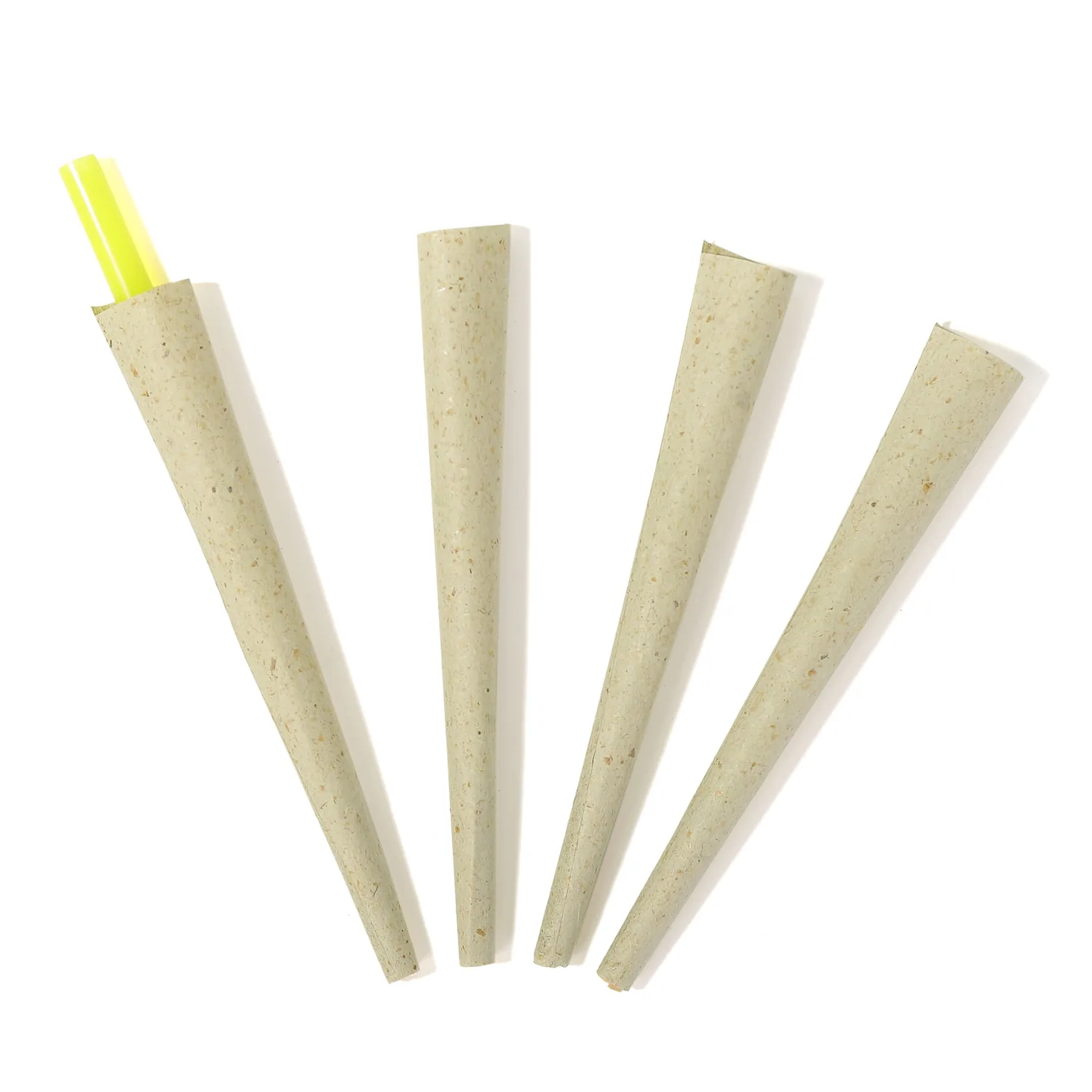
I’ve covered seam-specific quality control separately at https://ace-rolling.com/how-do-you-quality-check-pre-rolled-cone-seams/, since seam weakness is one of four contributors here, not the whole story.
What Actually Happens Physically When a Cone Canoes?
I explain the mechanism first, because it clarifies why the causes below matter.
Canoeing happens when one side of the cone burns faster than the other, usually because that side has less density, less moisture, or an air pocket—the flame follows the path of least resistance down that side, leaving the denser side unburned like a hollowed-out canoe.
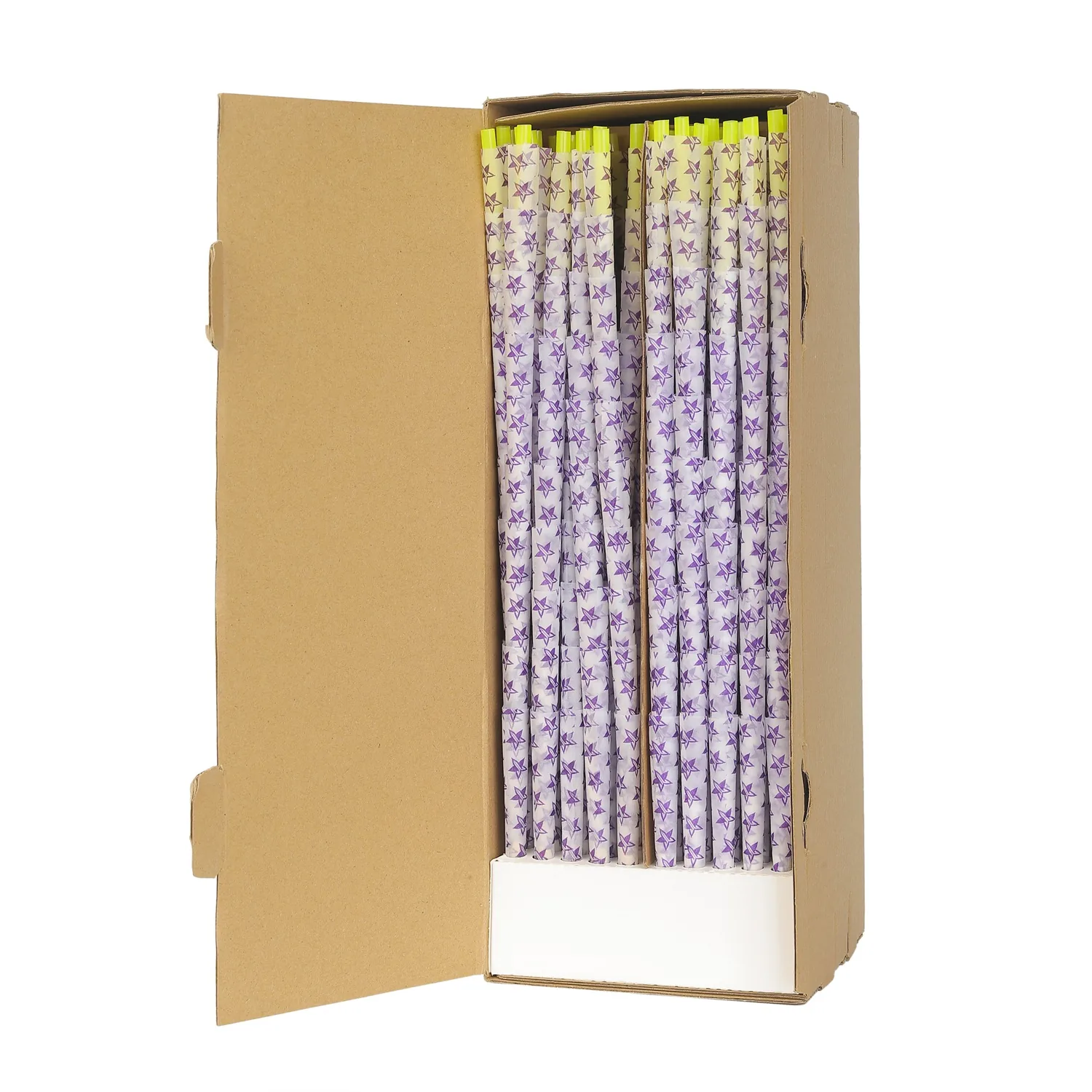
Once you understand it as a density-and-airflow imbalance rather than a random defect, the diagnostic process becomes much more specific: you’re looking for wherever that imbalance was introduced, whether that’s during filling, in the paper itself, or in how the fill material was prepared before it went into the cone.
| Symptom pattern | Likely direction to check |
|---|---|
| One side stays green/unburned | Density or moisture imbalance |
| Burns fast then stalls | Air pocket from uneven packing |
| Consistent on one batch, not others | Process drift, not technique |
Does Uneven Packing Density Cause Most Canoeing Complaints?
In my experience fielding these complaints, this is the single most common root cause.
Yes—if the fill material is packed more densely on one side of the cone than the other, that lighter side burns faster, and this is more common with hand-filling or inconsistent machine calibration than most brands assume.
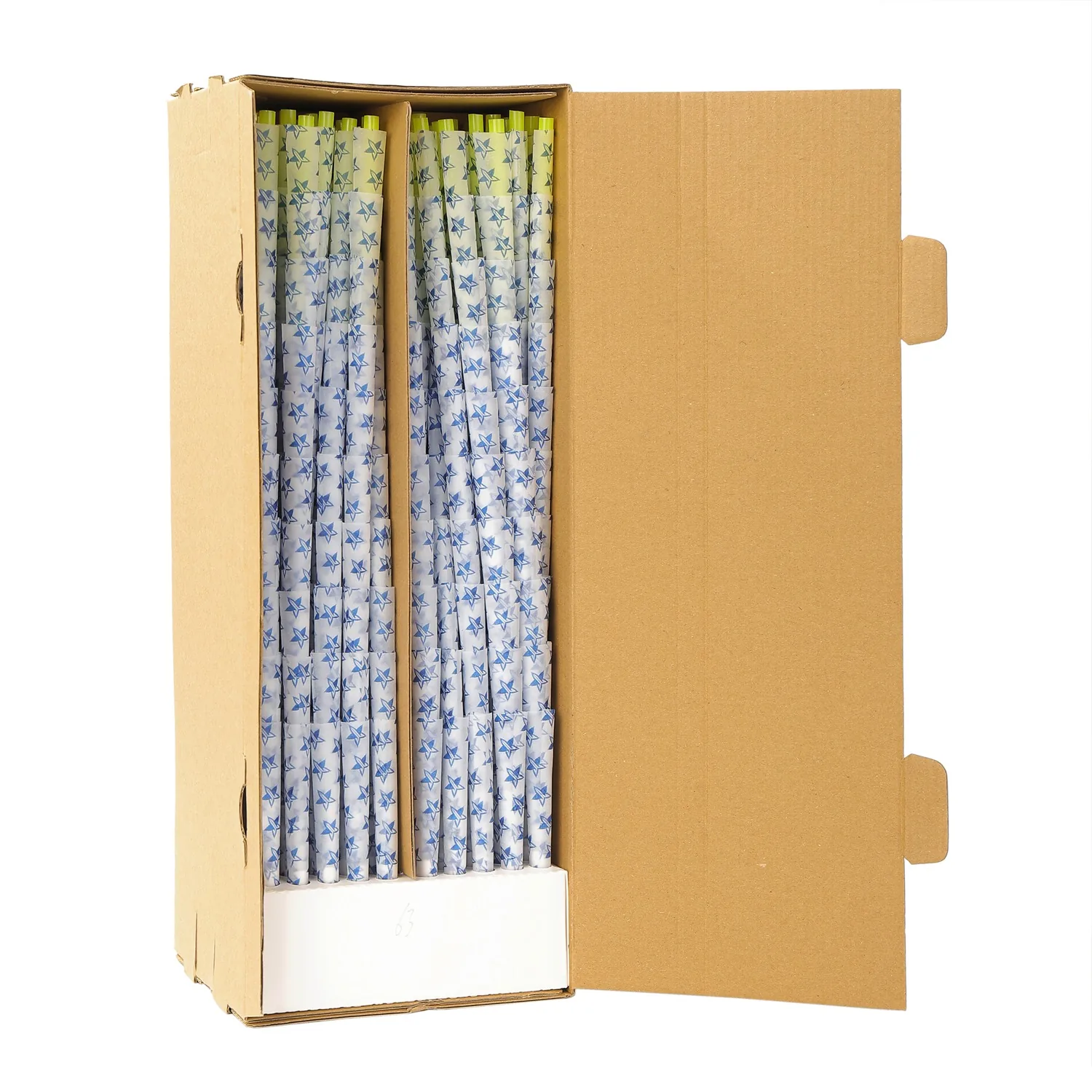
I ask brands with recurring canoeing complaints to check their filling process first, before questioning the paper or fiber choice. Hand-filling introduces natural variation from person to person and even session to session, while machine filling can drift if calibration isn’t checked regularly—both point back to the fill process, not the cone material.
Can Paper Density or GSM Consistency Reduce Canoeing Risk?
This is a real contributor, though a smaller one than packing density in most cases I see.
Inconsistent paper thickness or density around the cone’s circumference can create a natural weak point that burns faster, so a manufacturer with tighter GSM consistency across a production run reduces this specific contributing factor.
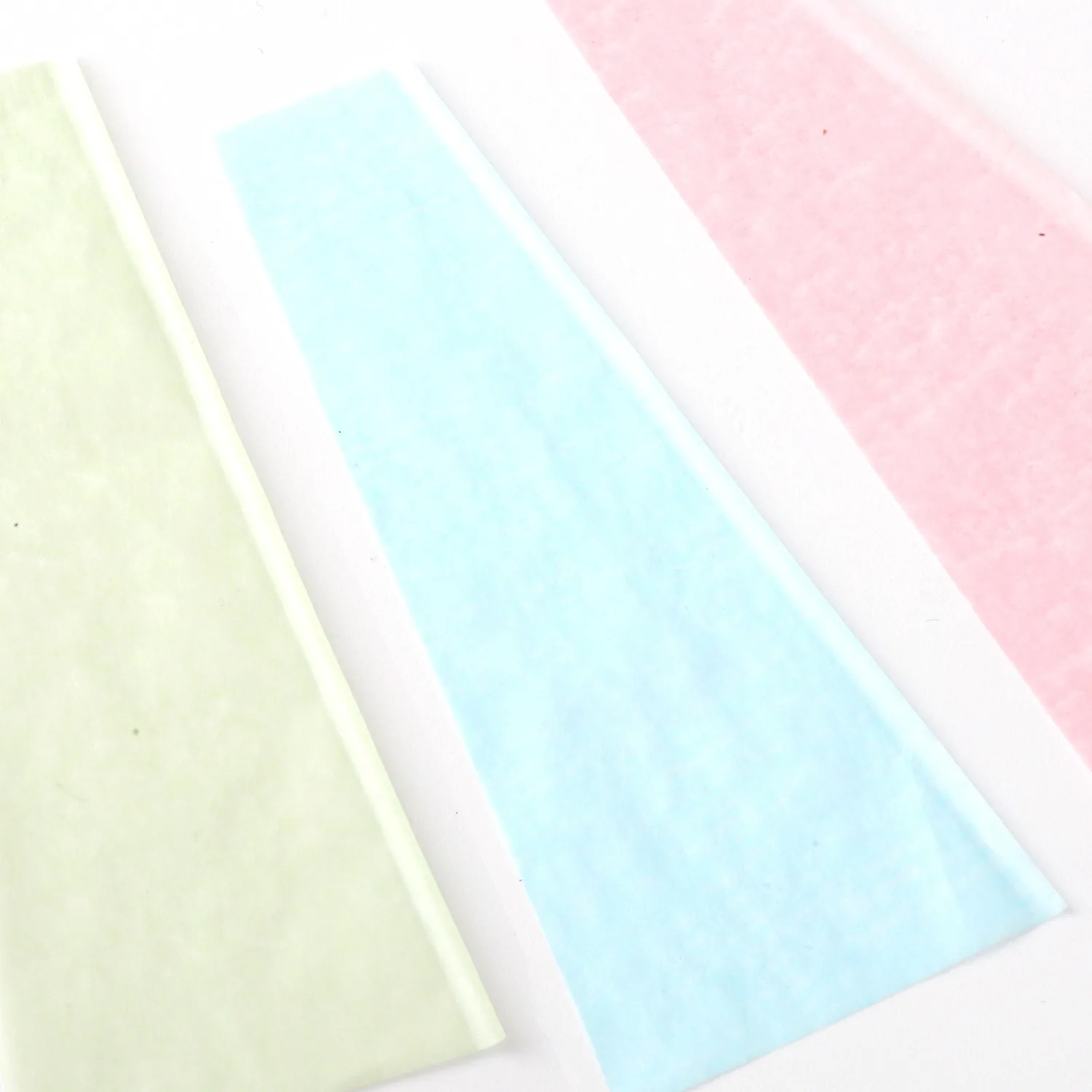
I ask manufacturers about their GSM consistency tolerance across a production run when this factor is suspected, because a paper that’s slightly thinner in localized spots—even within the same roll—can create the same kind of density imbalance that uneven packing does. This is a manufacturing quality question, separate from the fill process itself.
Does Moisture Content in the Fill Material Contribute to Canoeing?
Buyers sometimes overlook this one entirely, and it’s a real factor.
Uneven moisture distribution in the fill material burns unevenly for the same physical reason uneven packing does—a drier section combusts faster than a more moist section right next to it, creating the same lopsided burn pattern.
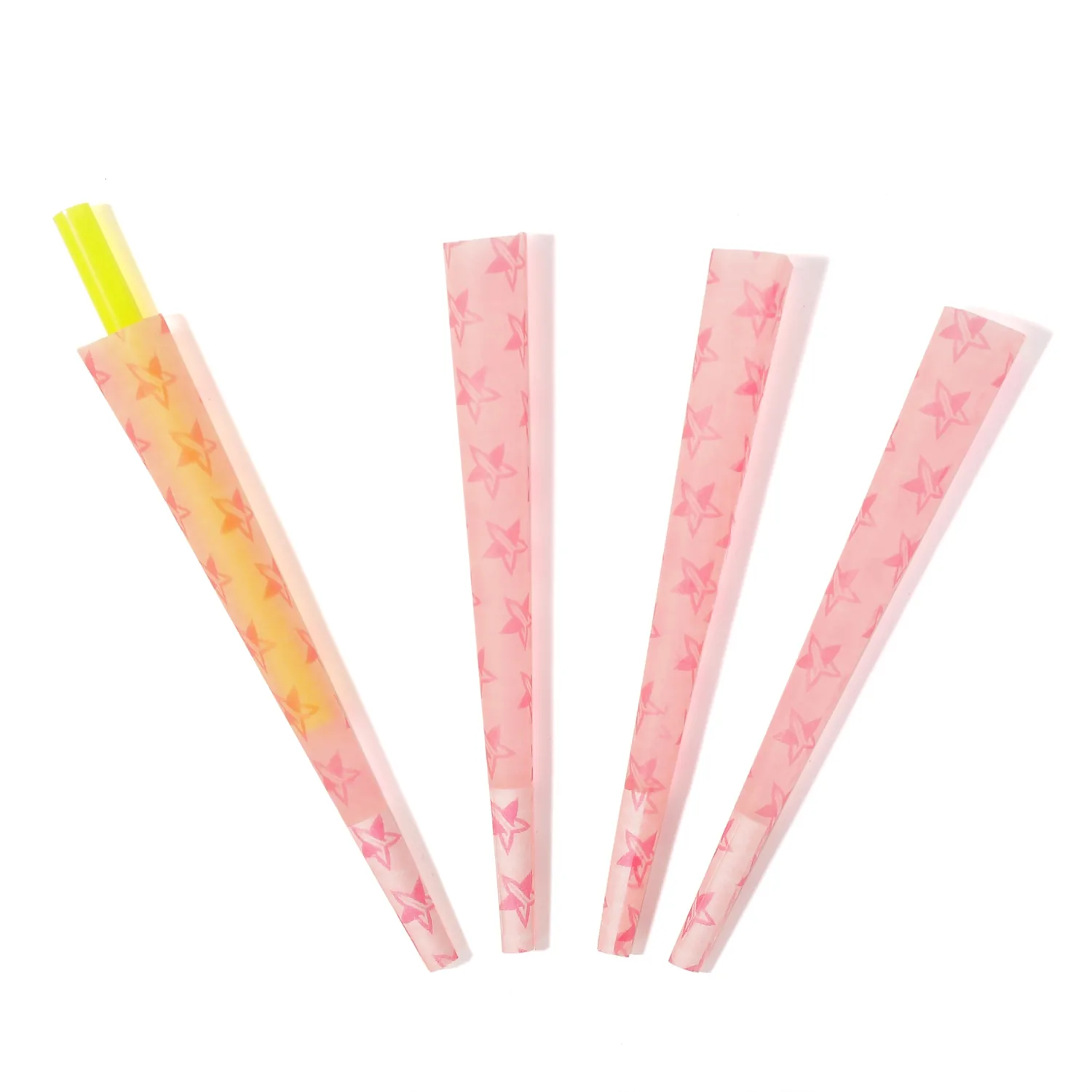
This factor sits with the brand’s fill material handling rather than the cone manufacturer, but it’s worth mentioning because I’ve seen brands chase a paper or cone explanation for weeks when the actual cause was moisture inconsistency in their fill material storage or handling process before packing even happened.
Does Lighting Technique Matter as Much as the Cone Itself?
I bring this up because it’s the factor consumers control directly, separate from anything the brand did.
Uneven lighting—applying flame to only one spot instead of rotating evenly around the tip—can cause or worsen canoeing even on a well-made, evenly packed cone, so some canoeing complaints trace back to technique rather than the product at all.
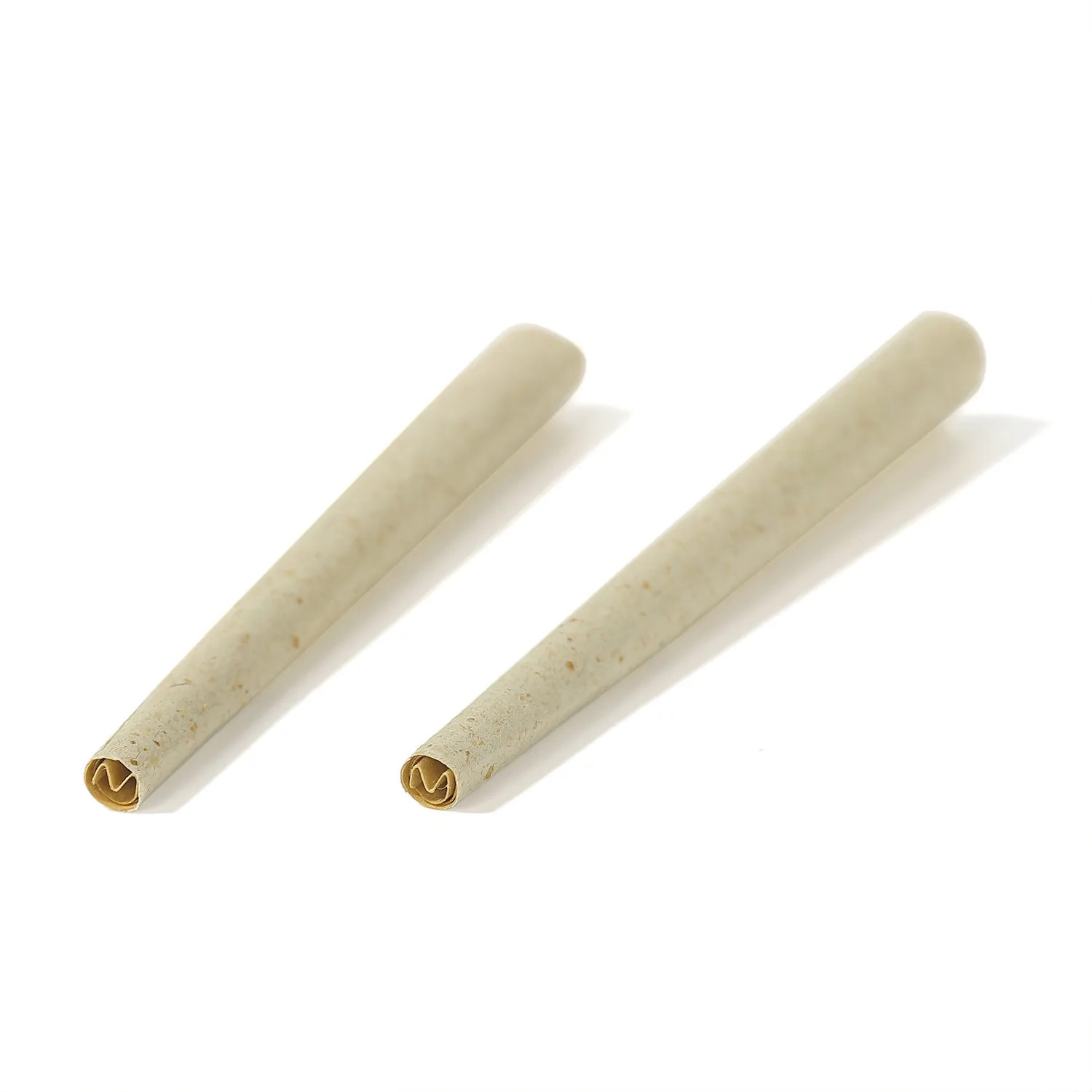
I don’t recommend brands lean on this as an excuse for every complaint, but it’s a legitimate variable worth acknowledging, especially for repeat customers reporting the issue inconsistently across the same batch. If one consumer reports canoeing and others on the same batch don’t, technique is a reasonable factor to consider alongside the product itself.
How Do You Reduce Canoeing Complaints as a Brand, Not Just as a Smoker?
I’d rather help a brand build a systematic check than react complaint by complaint.
Check packing density consistency across your filling process, confirm your paper supplier’s GSM tolerance, control moisture in your fill material before packing, and track whether complaints cluster in specific batches—clustering points to a process issue, scattered complaints point more toward technique.
| Root cause | Where to look |
|---|---|
| Uneven packing density | Your filling process (hand or machine) |
| Paper density inconsistency | Manufacturer’s GSM tolerance |
| Moisture inconsistency | Your fill material handling before packing |
| Lighting technique | Consumer behavior, not the product |
FAQ
What causes canoeing in pre-rolls and how do you stop it?
Canoeing usually comes from uneven packing density, inconsistent paper density, uneven fill moisture, or a weak seam letting the cone structure shift. Identify which of these applies to your specific complaint before changing anything, since tightening packing consistency won’t fix a paper density issue, and vice versa.
Is canoeing always the manufacturer’s fault?
Not always. Packing density and fill moisture are typically controlled by the brand’s own filling process, not the cone manufacturer, while paper density consistency is a manufacturing factor. Lighting technique is a consumer-side variable entirely outside either party’s control, so tracing the actual cause matters before assigning responsibility.
Does inconsistent paper thickness actually cause canoeing?
Yes, it can be a real contributor. Inconsistent GSM or density around a cone’s circumference creates a natural weak point that burns faster than the rest of the cone. Asking your manufacturer about their GSM consistency tolerance across a production run helps rule this factor in or out for a recurring complaint.
Can moisture in my fill material really cause uneven burning?
Yes. Uneven moisture distribution in the fill burns unevenly for the same physical reason uneven packing density does—drier sections combust faster than moister sections next to them. This factor sits with fill material storage and handling before packing, separate from the cone itself.
How do I tell if canoeing complaints point to a process issue or just technique?
Track whether complaints cluster within specific production batches or scatter randomly across many batches and customers. Clustering within specific batches points toward a packing, paper, or moisture process issue, while scattered, inconsistent complaints across otherwise normal batches point more toward individual lighting technique.
Can Ace Rolling help reduce canoeing risk on the paper side?
Yes, Ace Rolling maintains GSM consistency controls under its ISO 9001:2015 management framework across production runs, which addresses the paper density contributor to canoeing. Packing density, fill moisture, and lighting technique remain factors the brand and consumer control separately from the paper itself.
Want to Rule Out Paper Consistency as a Cause?
Ask us about GSM tolerance on your production run before you chase other causes.
- Pre-rolled cones: https://ace-rolling.com/pre-rolled-cones/
- Quality & certifications: https://ace-rolling.com/quality-certifications/
- Quote: https://ace-rolling.com/contact/