
What is the healthiest rolling paper to smoke? None make smoking healthy. Combustion of any plant material and paper creates smoke you inhale. In search language, “healthiest” usually means the paper with the fewest unnecessary add-ons: unbleached plant fibers, thin construction, natural gum, and no flavored coatings or bright dyes. Dispensary guides commonly point buyers toward unbleached hemp or rice papers for that cleaner-accessory goal—not for medical safety.
Use this article as a buyer checklist, not as medical advice. If harm reduction is the real goal, non-combustion options matter more than swapping booklet brands. Retail “best papers” roundups often rank hemp and rice near the top for this intent—useful for merchandising language, not as a clinical ranking.
What People Usually Mean by “Healthiest Paper”
When budtenders and blogs answer this keyword, they typically score papers on processing and extras—not on clinical outcomes:
| Bevorzugen | Often avoid for this goal |
|---|---|
| Unbleached / natural-color sheets | Bright white chlorine-bleached pulp as the default |
| Hemp, rice-style, or bamboo fibers | Mystery “regular” white packs with no material callout |
| Natural Arabic / acacia-style gum | Unknown synthetic adhesives |
| Thin / ultra-thin GSM | Thick papers that add more paper mass per puff |
| Unflavored constructions | Sugar-coated or heavily dyed flavored papers |
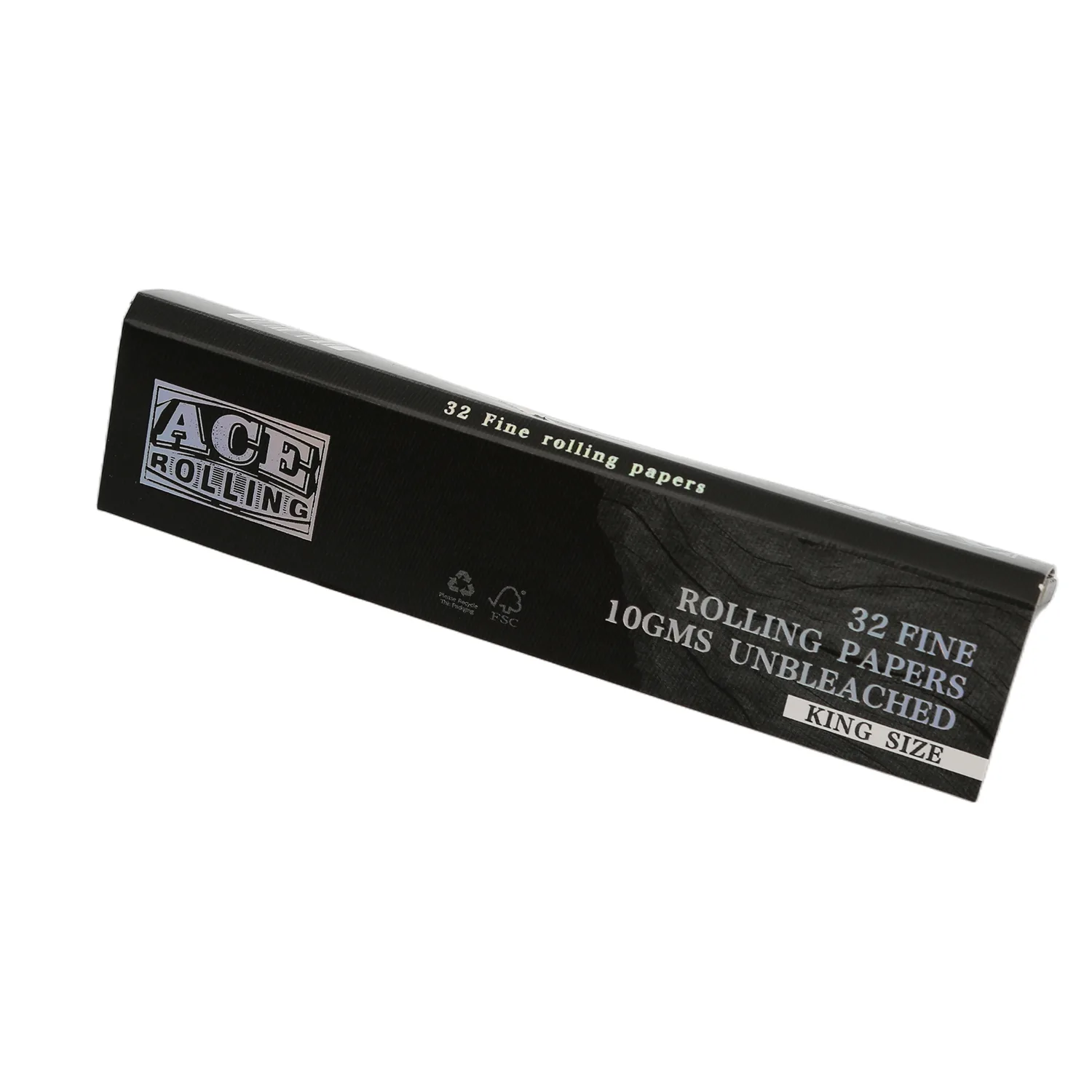
Ace Rolling markets food-grade Arabisches Gummi, material directions in Hanf, Bambus und Holzzellstoff, ultra-thin options (including 10 g/m² messaging), and FSC-related sourcing claims on applicable programs. Those support a cleaner-spec private-label brief—they do not make smoke risk-free. When you brief a factory, write the same preferences into the RFQ so “natural” is not left as packaging copy alone.
Material Guide for Cleaner-Spec Papers
Hanf
Often recommended as the everyday “cleaner” pick: plant fiber, commonly sold unbleached, slower burn than many thick pulp packs, easier to roll than ultra-thin rice. Slight earthy note is normal.
Reisartig
Often the most flavor-neutral and very thin, so less paper mass. Harder for beginners. Strong choice when “least paper interference” is the priority.
Bambus
Frequently positioned as a sustainable middle path—thin, slow-burn marketing, natural-fiber story. Confirm chlorine-free / additive claims on the exact SKU.
Holzschliff
Classic and easy to roll. Bleached white pulp is what many shoppers are trying to leave behind for this keyword. Ungebleicht wood pulp is a step up from bright white value packs, but hemp/rice/bamboo still dominate “clean accessory” merchandising.
Checklist: How to Choose a Cleaner Rolling Paper
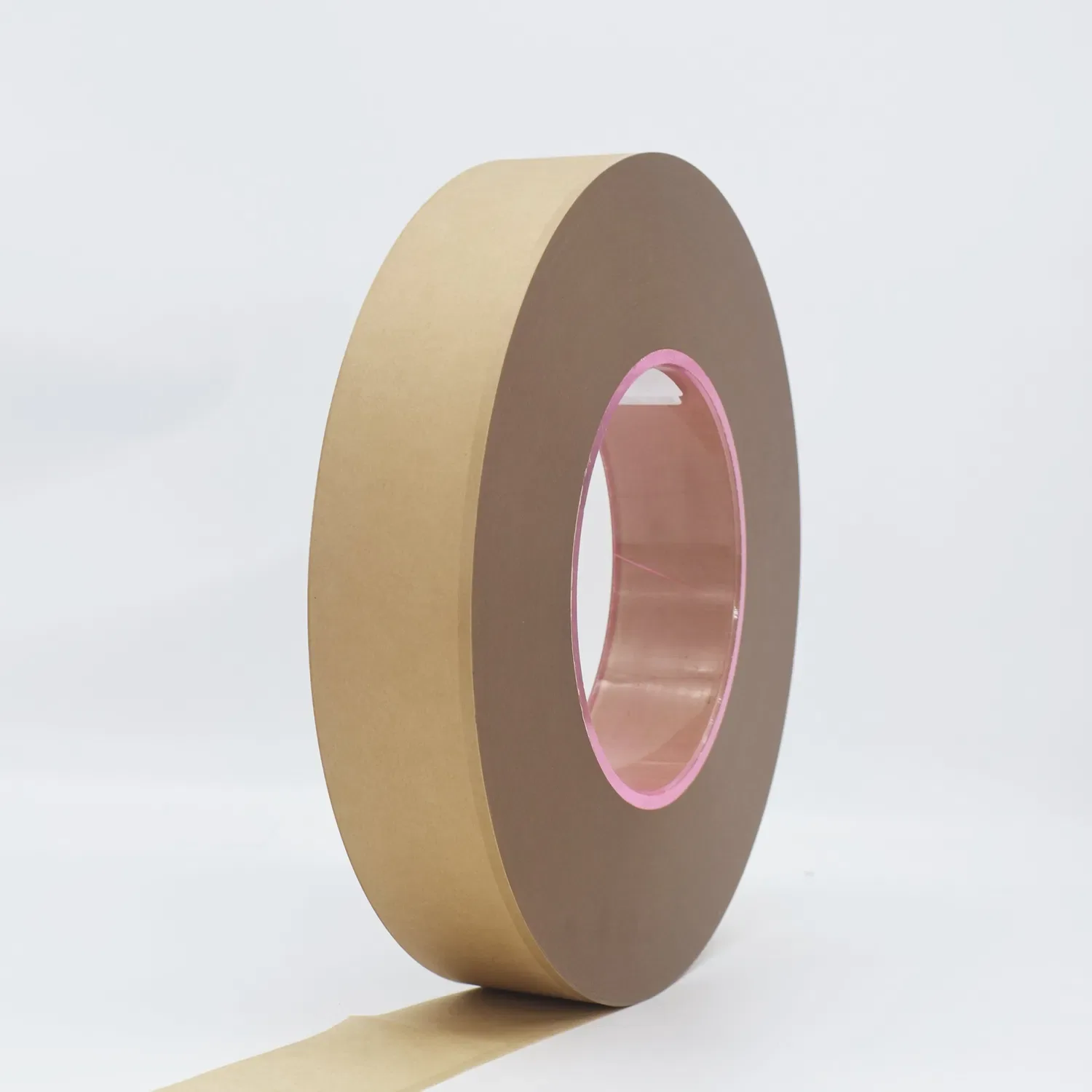
- Read the material — hemp, rice, bamboo, or unbleached pulp stated clearly
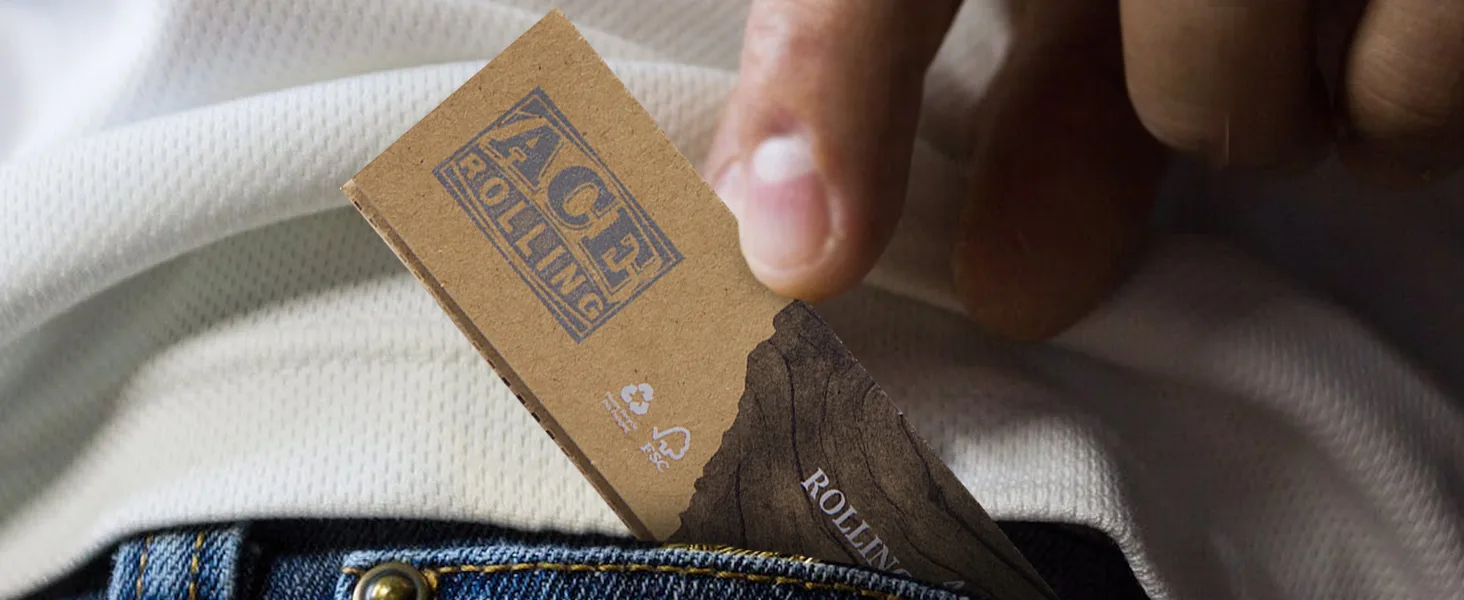
- Prefer unbleached — brown, tan, or translucent sheets over neon-white mystery packs
- Überprüfen Sie das Gummi — natural Arabic / plant gum callouts beat unnamed glue
- Skip flavored coatings for this goal — intentional additives work against “least extras”
- Prefer thin constructions — less paper burning per puff when packing is even
- Nach Kompositionsbestätigung fragen on private-label orders — do not trust vibe alone
- Probe brennen und schmecken before bulk — “natural” on the cover is not a lab report
Retail brand popularity (RAW, Elements, Vibes, and others) reflects marketing and shopper preference. Treat brand lists as starting points, then verify the SKU in your hand. For wholesale or private label, ask for a composition note on gum, fiber, and bleach status before you lock artwork and carton counts.
What About Calcium Carbonate, Chlorine, and Dyes?
Consumer guides often warn that some papers use bleaching agents, burn modifiers, or dyes. Exact formulas vary by factory and SKU, and accessory markets are not regulated like pharmaceuticals. Practical buyer moves:
- Prefer suppliers who will state unbleached / chlorine-free intent in writing for your order
- Avoid papers whose only selling point is candy flavor or neon color
- Do not assume brown packaging equals clean composition—read the leaf specs
- For OEM, put “unbleached, unflavored, natural gum” into the brief
Ace Rolling can manufacture private-label programs aimed at natural-fiber, unflavored, ultra-thin directions with food-grade Arabic gum sealing. Request samples and written specs for the destination market.
Flavored Papers and “Healthy” Goals
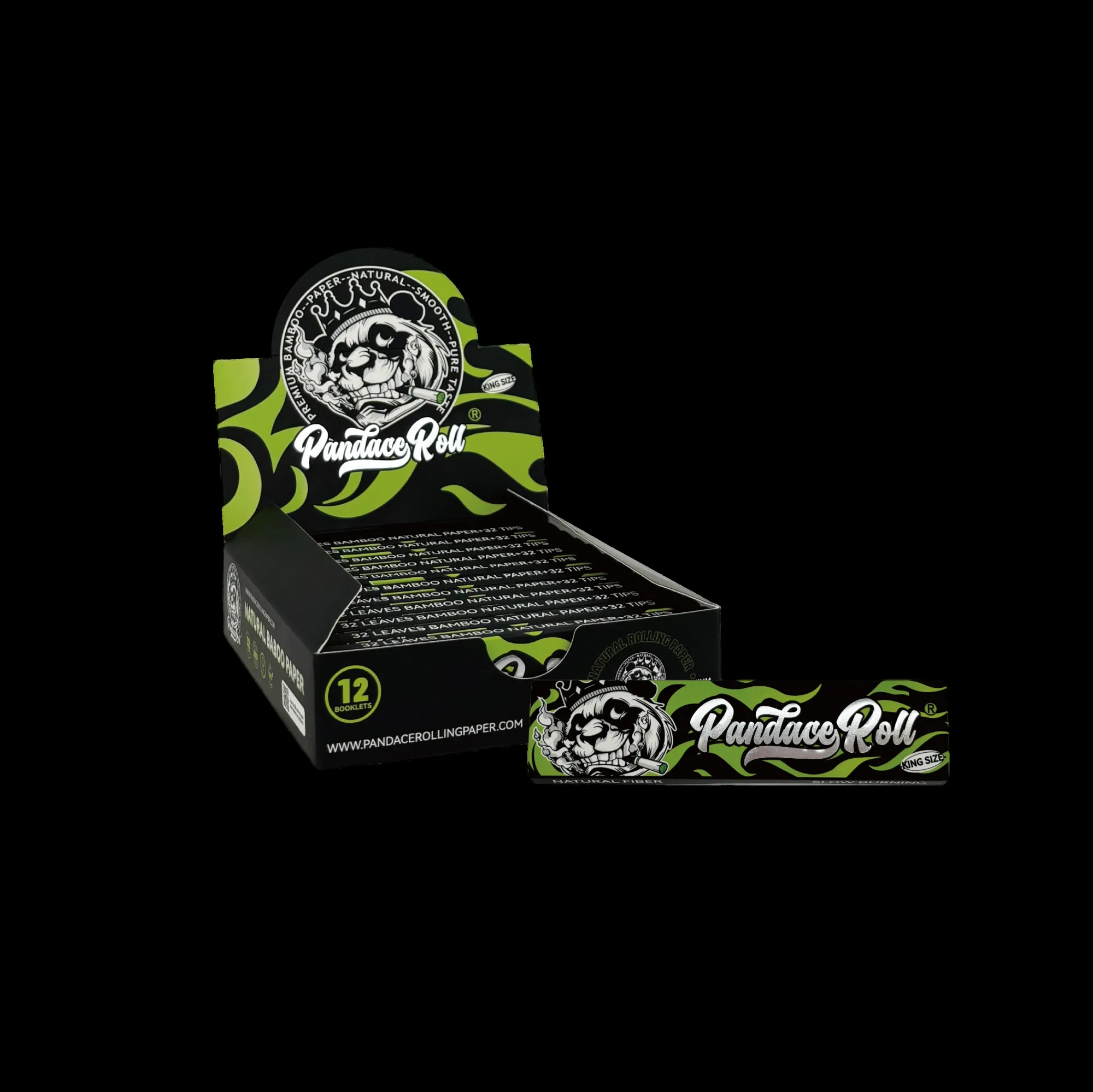
Flavored papers are built to add taste. Many use flavor systems and dyes that conflict with a minimal-additive preference. Occasional novelty use is a personal choice; they are the wrong hero SKU if your search intent is “healthiest paper.”
Better flavor strategy for cleaner-spec shoppers: choose expressive flower and a neutral unflavored thin paper instead of a dessert-coated sheet.
Cones vs Flat Papers
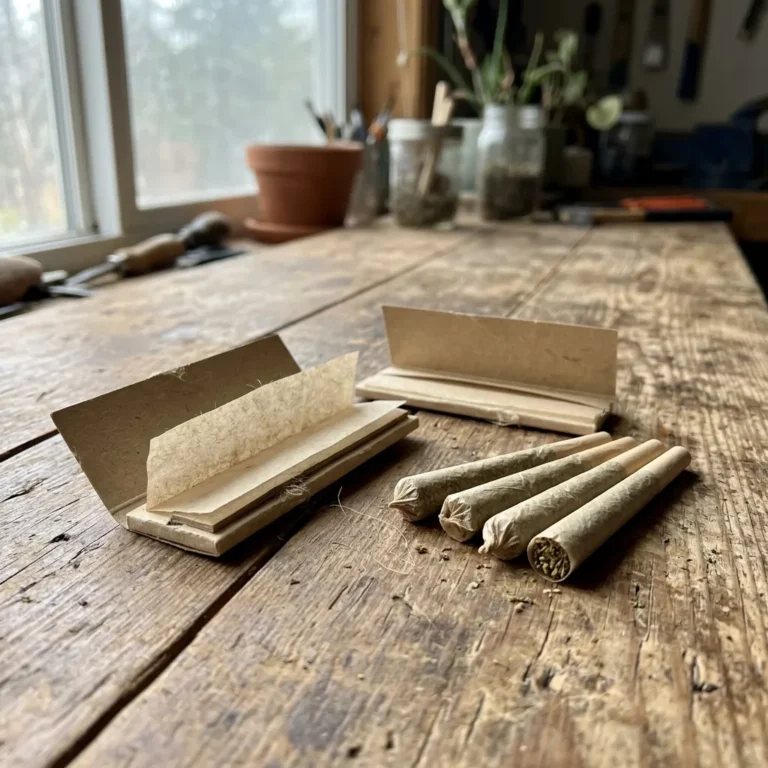
Pre-rolled cones can still fit a cleaner-spec goal if the cone paper matches the same unbleached / natural-fiber rules. Convenience does not automatically mean “more chemicals”—or less. Read the cone material the same way you read a booklet.
For Brands: Spec a Cleaner Private-Label Paper
If you sell accessories or house pre-rolls:
| Spezifikationszeile | Beispielformulierung zur Anfrage |
|---|---|
| Faser | Hemp / bamboo / rice-style / unbleached wood pulp |
| Farbprozess | Ungebleicht; keine dekorativen Blattfarbstoffe |
| Gummi | Lebensmittelgerechtes Arabisches Gummi |
| Dicke | Ultradünnes Ziel (GSM an der Probe bestätigen) |
| Geschmack | Nur unaromatisiert |
| Dokumente | Zusammensetzungsbestätigung für die genaue SKU |
Ace Rolling-Kundenprogramme beginnen üblicherweise bei etwa 2.000 Einheiten, mit Probensets erhältlich, damit Sie Materialien vor der Großbestellung vergleichen können. Konzept-zu-Lieferung für Private Label wird oft um etwa zwei Monate.
Unterm Strich
There is no healthy way to smoke paper. For the common meaning of this keyword, choose unbleached, unflavored, natural-fiber papers (hemp, rice-style, or bamboo) with natürliches Gummi and a thin build, then verify with samples. Stock what matches that checklist if you sell accessories; skip flavored hero SKUs for this shopper. Ace Rolling can support OEM programs in those directions—without claiming medical safety.
FAQ
What is the healthiest rolling paper to smoke?
No rolling paper makes smoking healthy. In practical buyer terms, the “healthiest” choice usually means unbleached hemp, rice-style, or bamboo papers with natural gum and no flavored coatings. Thin, additive-light constructions are preferred over thick bleached white pulp. Confirm composition on the SKU you buy or manufacture.
Are hemp rolling papers healthier than wood pulp?
Hemp papers are often preferred over bleached wood-pulp packs when shoppers want fewer whitening and additive concerns, especially if the hemp sheet is unbleached and unflavored. Unbleached wood pulp can also be a cleaner-spec option than bright white value papers. Compare written specs and samples rather than assuming the word “hemp” alone guarantees anything.
Are flavored rolling papers a healthy choice?
Flavored rolling papers are generally a poor match for a minimal-additive goal because they add flavor systems and often dyes. They may be fine as occasional novelty for some adults, but they are not the answer to “healthiest paper.” Choose unflavored natural-fiber papers if that is your priority.
Can Ace Rolling make unbleached private-label papers?
Yes. Ace Rolling manufactures OEM and private-label rolling papers and cones in natural-fiber directions such as hemp, bamboo, and wood pulp, including unbleached and ultra-thin options with food-grade Arabic gum on applicable programs. Request samples and written specs before bulk. Share material goals, size, quantity, and destination for a quote.