
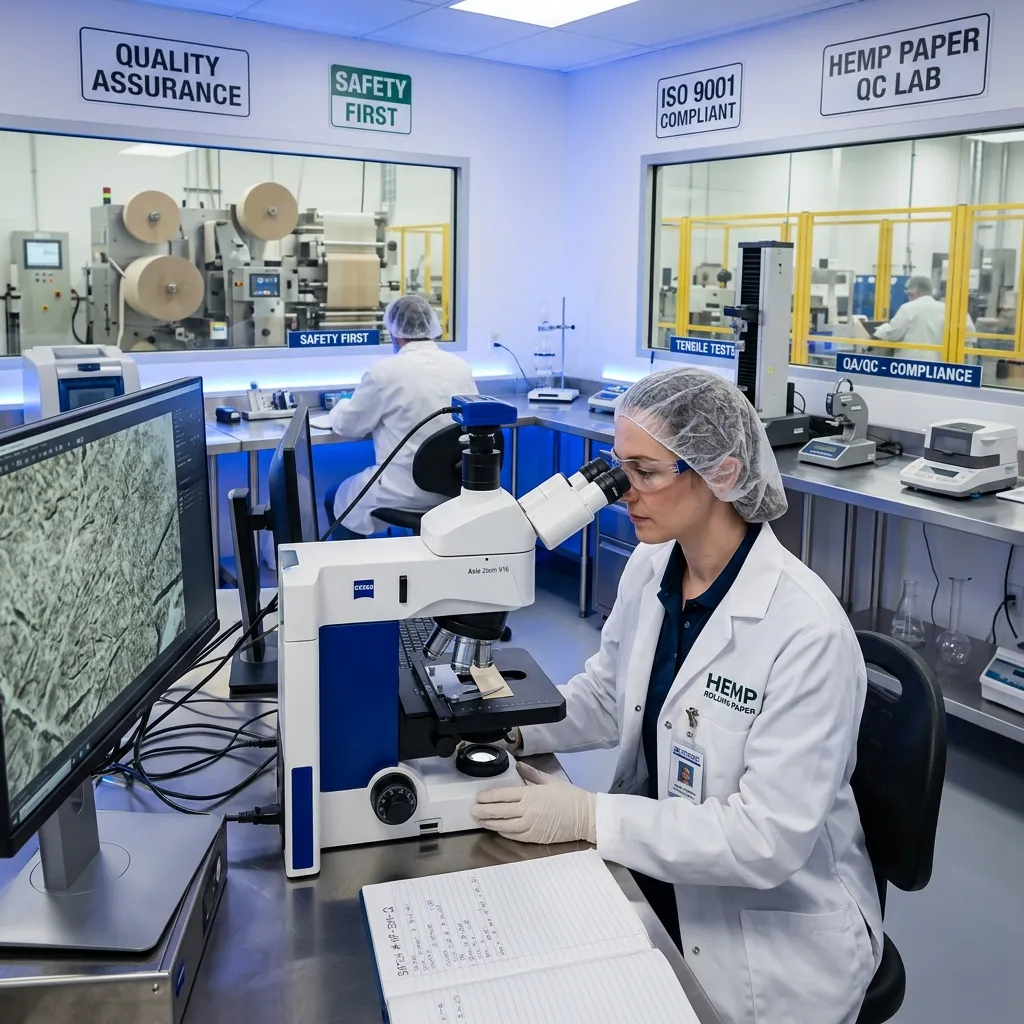
What should a rolling paper material safety COA include? A material safety COA (certificate of analysis) should test the finished paper and gum for heavy metals, chemical residue, and fiber composition against a stated reference standard—this is a material safety document, not a cannabinoid or potency test, and buyers should request it per production lot, not as a one-time generic reference.
SERP peers such as ACS Labs discuss buyer-side COA expectations for rolling paper safety. This guide covers what a material safety COA should contain and how to request one as part of your wholesale QC process.
What Does “COA” Mean for Rolling Papers Specifically?
Lead-in: The term is borrowed from other industries, so define it precisely for paper.
Summary: For rolling papers, a COA (certificate of analysis) documents lab test results on the paper and gum materials themselves—not on any cannabis product that might later be rolled in the paper. It’s a material safety and composition document, distinct from cannabinoid potency testing used elsewhere in the cannabis supply chain.
| Laufzeit | What it covers for rolling paper |
|---|---|
| COA (material) | Paper/gum composition, heavy metals, residue |
| Not covered | Cannabinoid content, potency |
| Umfang | Applies to the accessory, not any filled product |
Wesentliche Erkenntnis: A rolling paper COA is a material safety document about the paper itself—confirm this scope clearly when requesting one.
Qualitätsdokumentation: https://ace-rolling.com/quality-certifications/.
What Heavy Metal Tests Should Appear on the COA?
Lead-in: Heavy metal testing is one of the most requested elements on a material safety COA.
Summary: A thorough COA should report results for common heavy metals (such as lead, cadmium, arsenic, mercury) against a stated limit or reference standard, with the specific lab and test method named. A COA without named limits or methods is far less useful for verification purposes.

| Element | Warum es wichtig ist |
|---|---|
| Named metals tested | Confirms scope of test |
| Stated limits/reference | Enables pass/fail interpretation |
| Named lab and method | Supports independent verification |
Wesentliche Erkenntnis: Insist on named test methods and limits—a COA listing only “passed” without specifics is hard to verify.
Probenprozess: https://ace-rolling.com/how-to-get-a-custom-rolling-paper-sample-kit/.
What Chemical Residue Checks Belong on a Material COA?
Lead-in: Processing chemicals used during manufacturing are a separate check from heavy metals.
Summary: Depending on the paper’s processing route, a COA may check for residual bleaching agents, processing chemical traces, or gum adhesive composition. Confirm which specific residues are tested, since “chemical safety” alone is too vague a claim to verify against.
| Prüfen | Gilt für |
|---|---|
| Bleaching agent residue | Bleached/white paper routes |
| Processing chemical traces | Route-dependent |
| Gum/adhesive composition | All booklet and cone products |
Wesentliche Erkenntnis: Ask which specific residues were tested—a vague “chemical safety” claim isn’t independently verifiable.
Material routes: https://ace-rolling.com/custom-rolling-papers/.
What Fiber Composition Data Should the COA Confirm?
Lead-in: Composition testing verifies the fiber claim matches the actual material.
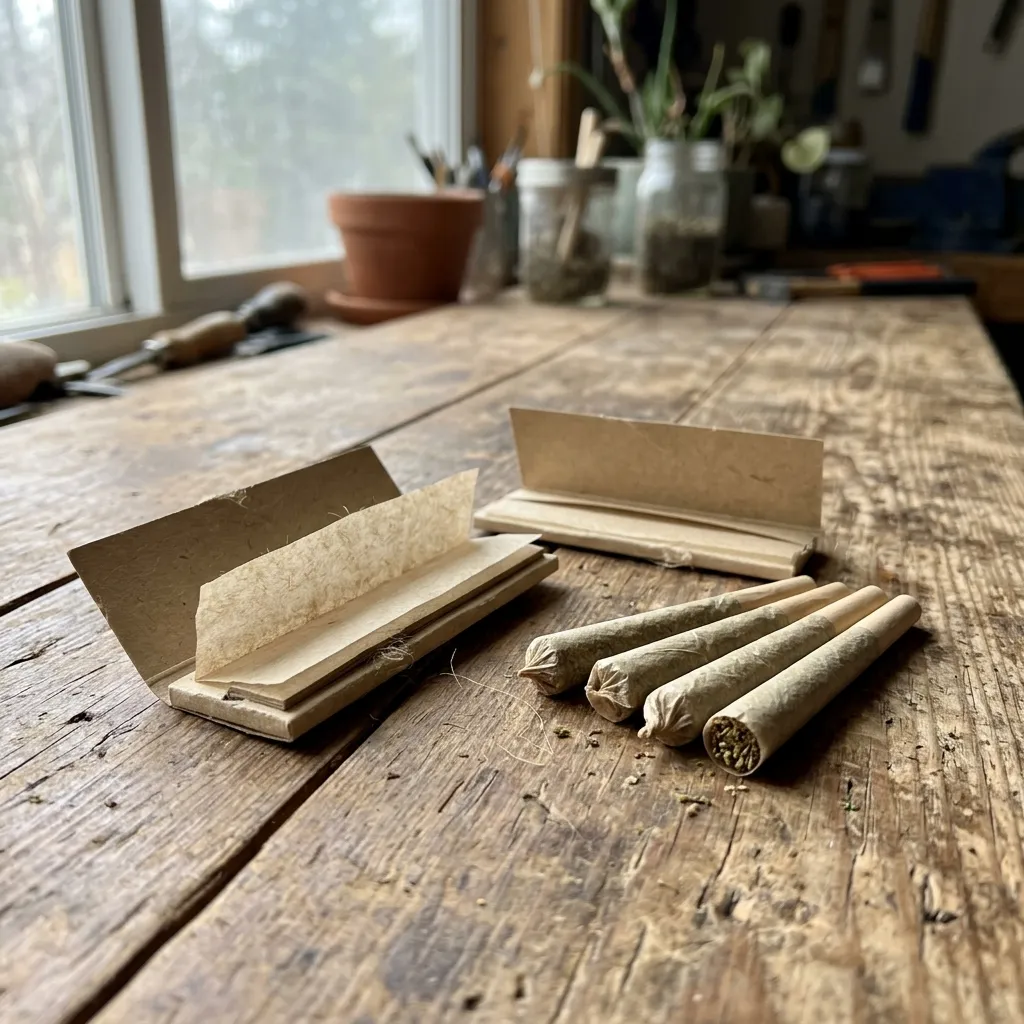
Summary: A COA can confirm the actual fiber composition (wood pulp, hemp, rice, flax percentages) matches what’s claimed in your product spec. This matters especially for private-label brands making a specific fiber claim on packaging, since composition testing substantiates that claim with lab data.
| Verification | Warum es wichtig ist |
|---|---|
| Fiber percentage confirmation | Matches packaging claims |
| Route consistency | Confirms lot matches spec |
| Supports labeling accuracy | Backs brand claims with data |
Wesentliche Erkenntnis: If your packaging makes a specific fiber claim, request composition data that substantiates it—don’t rely on the claim alone.
Benutzerdefinierte Papiere: https://ace-rolling.com/custom-rolling-papers/.
How Often Should Buyers Request an Updated COA?
Lead-in: A COA from one production run doesn’t guarantee the next run matches.
Summary: Request a COA per production lot or at a minimum per new PO, rather than treating one COA as valid indefinitely. Material sourcing and processing can shift between runs, so a current COA tied to your actual shipment is more meaningful than an older reference document.
| Frequency | Reliability |
|---|---|
| One-time reference only | Lower—may not reflect current lot |
| Per production lot | Higher—matches your actual shipment |
| Per new PO at minimum | Reasonable baseline |
Wesentliche Erkenntnis: Request a COA tied to your specific production lot or PO, not a one-time reference document reused indefinitely.
Qualitätsrahmen: https://ace-rolling.com/quality-certifications/.
How Does Ace Rolling Support COA Requests?
Lead-in: Documentation should be available on request as part of standard QC transparency.
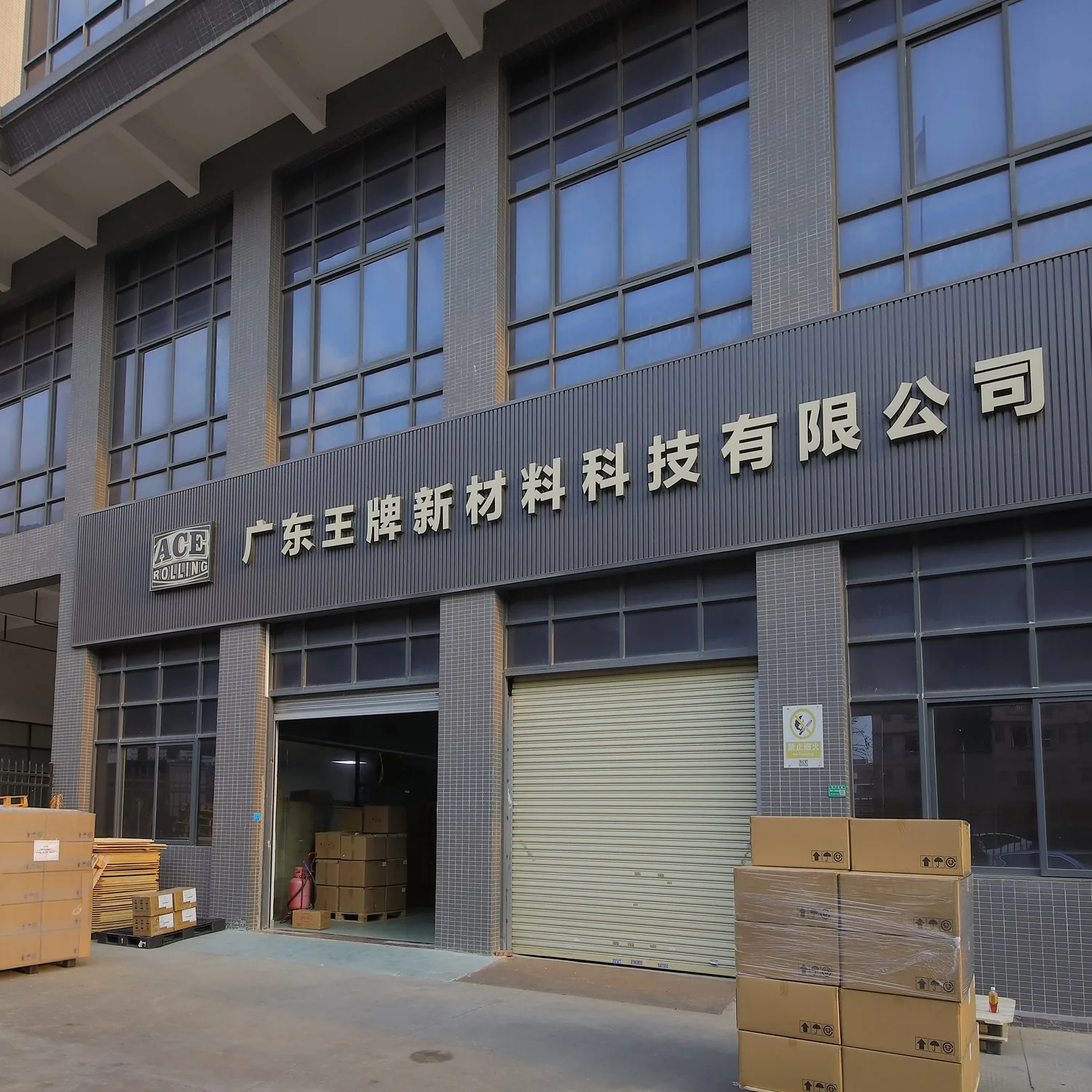
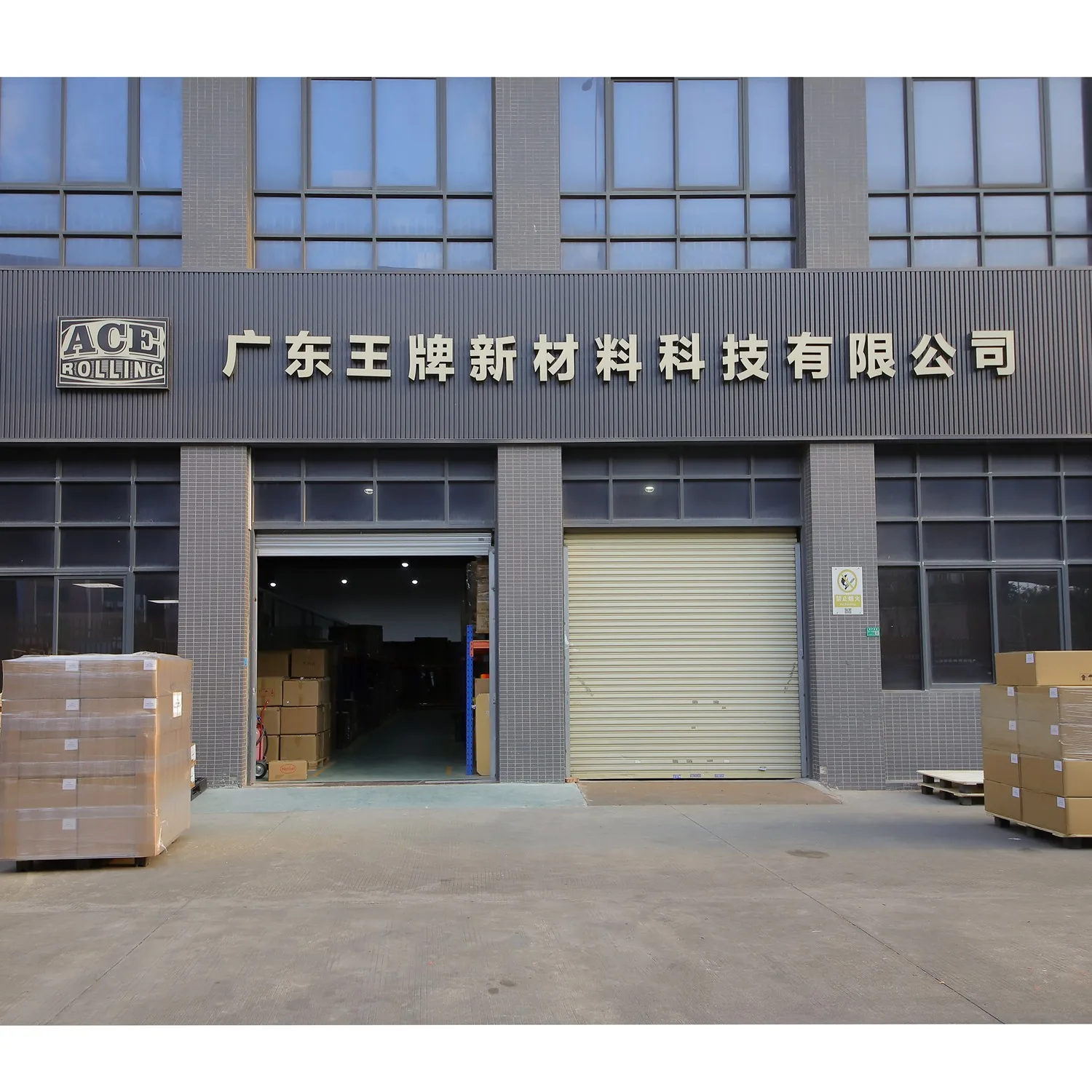
Summary: Ace maintains an ISO 9001:2015 quality management framework and can share relevant lab documentation on request for a given production run. Buyers should specify which tests matter most for their market (heavy metals, residue, composition) so the documentation request is scoped clearly from the start.
| Schritt | What Ace provides |
|---|---|
| ISO 9001:2015 framework | Documented quality management |
| Lab documentation | Available on request per production run |
| Scoped test requests | Buyer specifies priority tests |
Wesentliche Erkenntnis: Specify exactly which tests matter for your market when requesting documentation—a scoped request gets a more useful response.
Quality & certifications: https://ace-rolling.com/quality-certifications/.
How Do You Request a Material Safety COA for Your Order?
Lead-in: One clear request specifies scope, lot, and test priorities together.
Summary: Send Ace your product spec, target market, and which specific tests matter most (heavy metals, residue, fiber composition), and request documentation tied to your production lot. Build this into your standard QC process for every new PO, not as a one-time check.
| Schritt | Aktion |
|---|---|
| 1 | Specify product spec and target market |
| 2 | Name priority tests |
| 3 | Request lot-specific documentation |
| 4 | Repeat per new PO |
Wesentliche Erkenntnis: Make COA requests a standard part of every PO, scoped to your priority tests—not a one-time historical reference.
Start: https://ace-rolling.com/contact/.
FAQ
What should a rolling paper material safety COA include?
It should test the finished paper and gum for heavy metals, chemical residue, and fiber composition against a stated reference standard, with named test methods and limits. This is a material safety document about the paper and gum themselves—not a cannabinoid or potency test—and should be requested per production lot rather than treated as a one-time reference.
Does a rolling paper COA test for cannabinoid content?
No. A rolling paper COA is a material safety document covering the paper and gum materials only—heavy metals, chemical residue, and fiber composition. It does not test cannabinoid content or potency, since that would apply to a filled product rather than the accessory itself. Clarify this scope clearly when requesting documentation from any supplier.
What heavy metals should be tested on a material safety COA?
A thorough COA typically reports results for common heavy metals such as lead, cadmium, arsenic, and mercury, tested against a stated limit or reference standard with a named lab and test method. A COA that only states “passed” without naming specific metals, limits, or methods is much harder to independently verify.
How often should I request an updated COA from my supplier?
Request a COA per production lot or at minimum per new purchase order, rather than relying on a single reference document indefinitely. Material sourcing and processing conditions can shift between production runs, so a COA tied to your actual current shipment is more meaningful for verification than an older, generic reference.
Can Ace Rolling provide material safety documentation for my order?
Yes. Ace maintains an ISO 9001:2015 quality management framework and can share relevant lab documentation on request for a given production run. Buyers should specify which tests matter most for their target market—heavy metals, chemical residue, or fiber composition—so the request is scoped clearly and answered efficiently.
Why does fiber composition testing matter for private-label brands?
If your packaging makes a specific fiber claim (such as hemp or unbleached wood pulp), composition testing verifies that claim with lab data rather than relying on the claim alone. This substantiates your labeling accuracy and gives you documentation to reference if a retail partner or regulator later asks for supporting evidence.
Ready to Build COA Requests Into Your QC Process?
Specify your priority tests and request documentation tied to your production lot on every new PO.
- Quality & certifications: https://ace-rolling.com/quality-certifications/
- Sample process: https://ace-rolling.com/how-to-get-a-custom-rolling-paper-sample-kit/
- Quote: https://ace-rolling.com/contact/