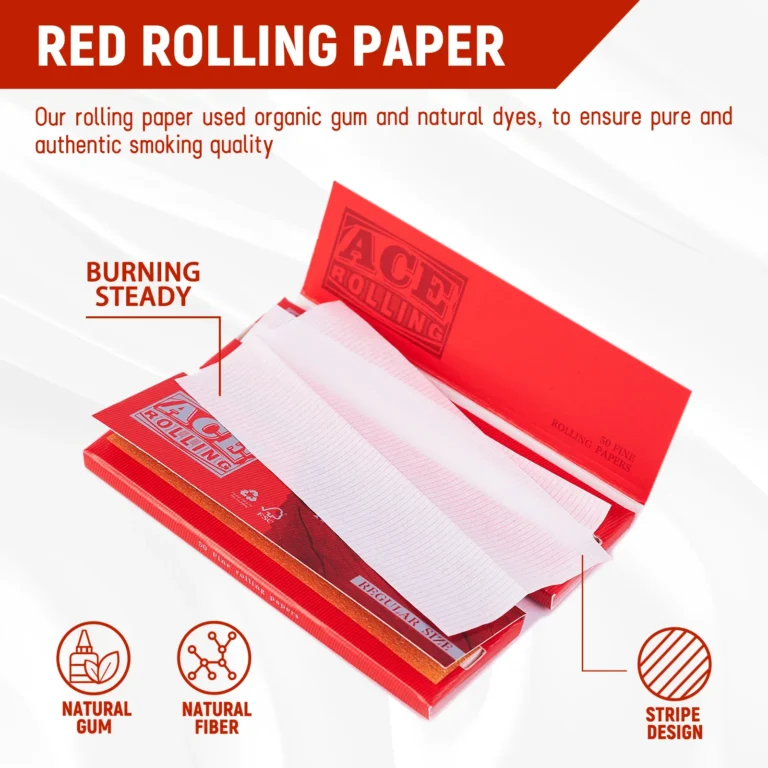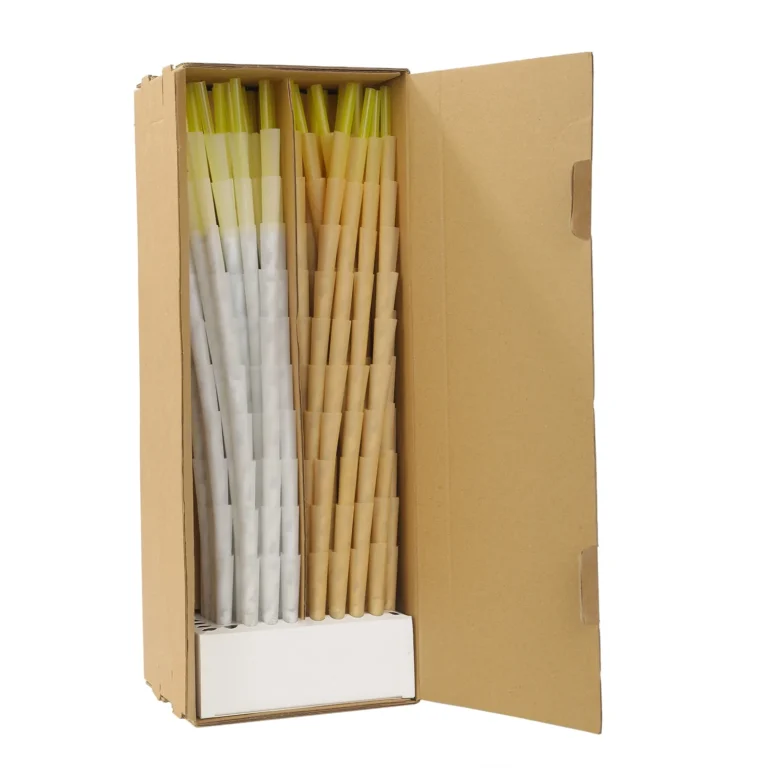

Das beste Rollpapier hängt von Ihrem spezifischen Anwendungsfall, Ihrer Zielgruppe und Ihrer Markenpositionierung ab, nicht von einer einzigen universellen Wahl. Was für eine Anwendung perfekt funktioniert, könnte für eine andere nicht ideal sein, was den Kontext zum wichtigsten Faktor bei Ihrer Entscheidung macht.
Für B2B-Käufer und Markenentwickler bedeutet dies, zu verstehen, wer Ihre Endkunden sind und wie sie Ihr Produkt nutzen werden, bevor Materialien und Spezifikationen ausgewählt werden. Die “beste” Wahl balanciert Nutzerpräferenzen mit Produktionspraktikabilität und Markenidentität.
Wie beeinflussen Anwendungsfälle Ihre Wahl?
Verschiedene Anwendungsfälle erfordern unterschiedliche Rollpapiereigenschaften. Zu verstehen, wie Ihre Kunden das Produkt verwenden werden, hilft Ihnen, die richtigen Spezifikationen für deren Bedürfnisse und Ihre Marke auszuwählen.
Betrachten Sie diese gängigen Anwendungsfälle und ihre typischen Anforderungen:
| Anwendungsfall | Wichtige Überlegungen | Ideale Eigenschaften |
|---|---|---|
| Alltäglicher Gebrauch | Konsistenz, Zuverlässigkeit, guter Wert | Mittlere Dicke, ausgewogener Abbrand, vertrautes Material |
| Premium-Erlebnis | Luxusgefühl, besondere Materialien, attraktive Verpackung | Dünnes Papier, natürliche Materialien, individuelles Branding |
| Neue Benutzer | Benutzerfreundlichkeit, vorhersehbare Leistung, klare Anweisungen | Mittlere Dicke, stabiler Kleber, einfache Verpackung |
| Hochfrequente Nutzung | Haltbarkeit, gleichmäßiger Abbrand, effiziente Nutzung | Robustes Papier, zuverlässige Versiegelung, Großhandelsoptionen |
Die beste Bewertung umfasst das Testen von Proben unter Bedingungen, die den tatsächlichen Gebrauch nachahmen. Arbeiten Sie mit Ihrem Hersteller zusammen, um zu verstehen, wie verschiedene Optionen abschneiden und welche am besten zu Ihren spezifischen Bedürfnissen und den Erwartungen Ihrer Zielgruppe passt.
Welche Größe von Rollpapier sollten Sie wählen?
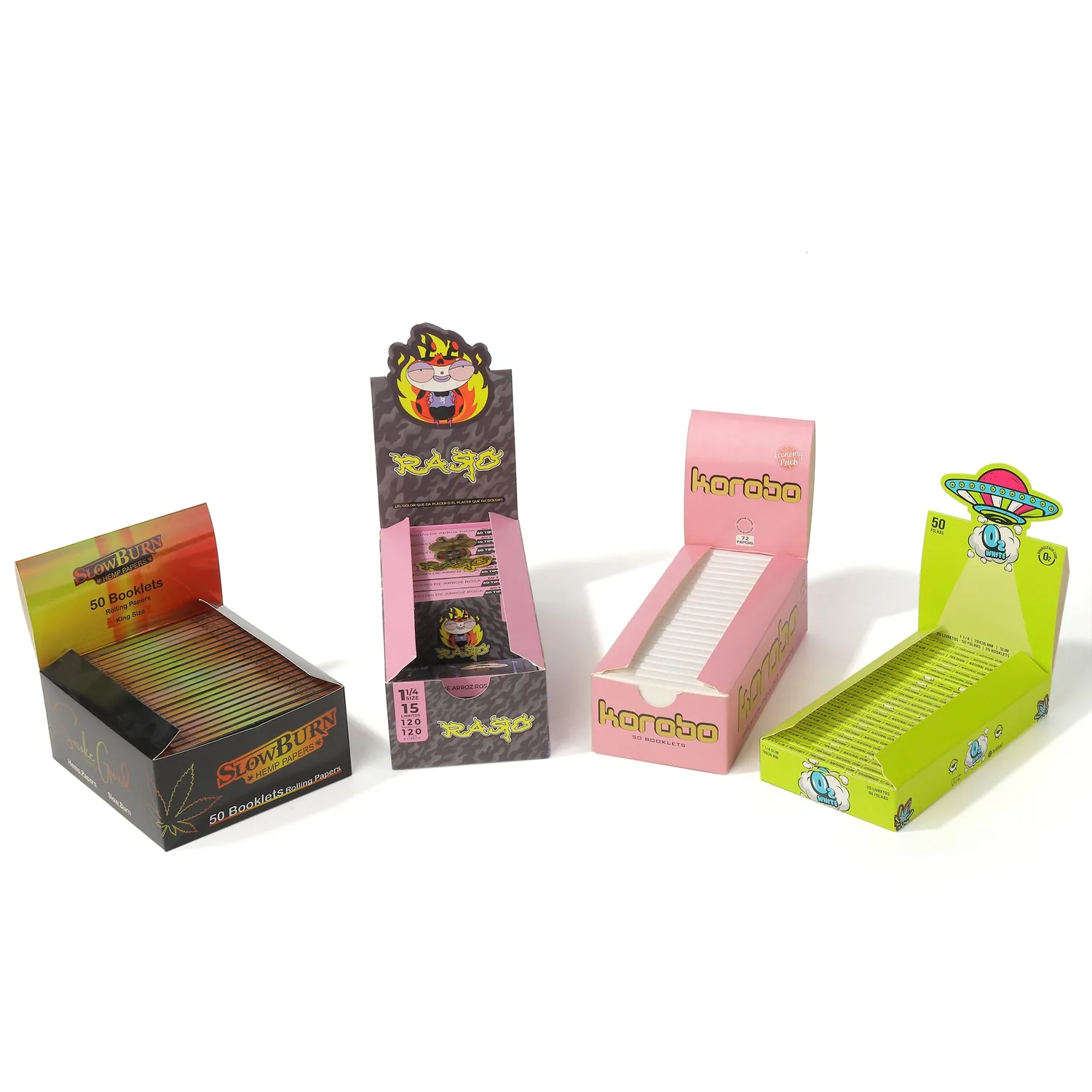
Die Größe des Rollpapiers beeinflusst das Nutzererlebnis und die Markenwahrnehmung erheblich. Die richtige Größe hängt von Ihrem Zielmarkt und der typischen Nutzung Ihres Produkts durch die Kunden ab.
Häufige Größenoptionen umfassen:
- Einfach breit: Kompaktes, traditionelles Format, gut für den Standardgebrauch
- 1¼ (eineinviertel): Vielseitige mittlere Größe, beliebte Wahl für viele Nutzer
- Königsgröße: Größeres Format, gut zum Teilen oder für längere Sitzungen
- Königsklasse schlank: Schlanke Form, modernes Gefühl, beliebt bei zeitgenössischen Marken
- Individuelle Größen: Einzigartige Maße, die Ihre Marke hervorheben
Ace Rolling bietet eine Reihe von Standardgrößen an und kann individuelle Maße für Marken entwickeln, die sich abheben möchten. Überprüfen Sie immer die Größenpräferenz durch Marktforschung und Probetests, anstatt anzunehmen, dass das, was anderswo funktioniert, auch für Ihr Publikum geeignet ist.

Wie beeinflusst die Materialwahl das Nutzererlebnis?
Das Rollpapiermaterial beeinflusst direkt, wie sich das Produkt anfühlt, brennt und schmeckt – was es zu einer der wichtigsten Entscheidungen für Ihre Marke macht. Jedes Material bietet besondere Eigenschaften, die verschiedene Nutzer ansprechen.
Gängige Materialoptionen:
| Material | Typische Eigenschaften | Am besten für |
|---|---|---|
| Weißes Holzschliffpapier | Sauberes Erscheinungsbild, konsistente Leistung | Mainstream-Marken, neue Nutzer |
| Ungebleichter Holzzellstoff | Natürliches Aussehen, erdiges Gefühl | Natürliche Positionierung, minimalistisch ausgerichtete Marken |
| Hanf | Unterschiedliche Textur, Materialgeschichte | Premium-Positionierung, natürliche Märkte |
| Flachs | Dünnes Profil, hochwertiges Gefühl | Luxusmarken, anspruchsvolle Benutzer |
| Bambus | Alternative Faser, nachhaltige Geschichte | Umweltbewusste Positionierung, moderne Marken |
Don’t assume one material is inherently “better” than another without context. The best choice depends on your brand story, target market preferences, and performance requirements. Always test multiple options and get feedback from your actual audience before making a final decision.
What Thickness (Grammage) Works Best?
Rolling paper thickness, measured in GSM (grams per square meter), affects durability, burn rate, and user experience. The right grammage depends on your use case and audience preferences.
Common thickness ranges:
- Thin (12-14 GSM): Premium feel, faster burn, more delicate
- Medium (14-17 GSM): Balanced performance, versatile use
- Thicker (17-20 GSM): Sturdier, slower burn, more substance
The best thickness depends on how your customers use the product and what they expect from your brand. Some markets prefer substantial, durable paper, while others value the premium feel of a thinner sheet. Work with your manufacturer to understand the tradeoffs and test samples to find the right balance for your specific needs.
Should You Consider Customization?
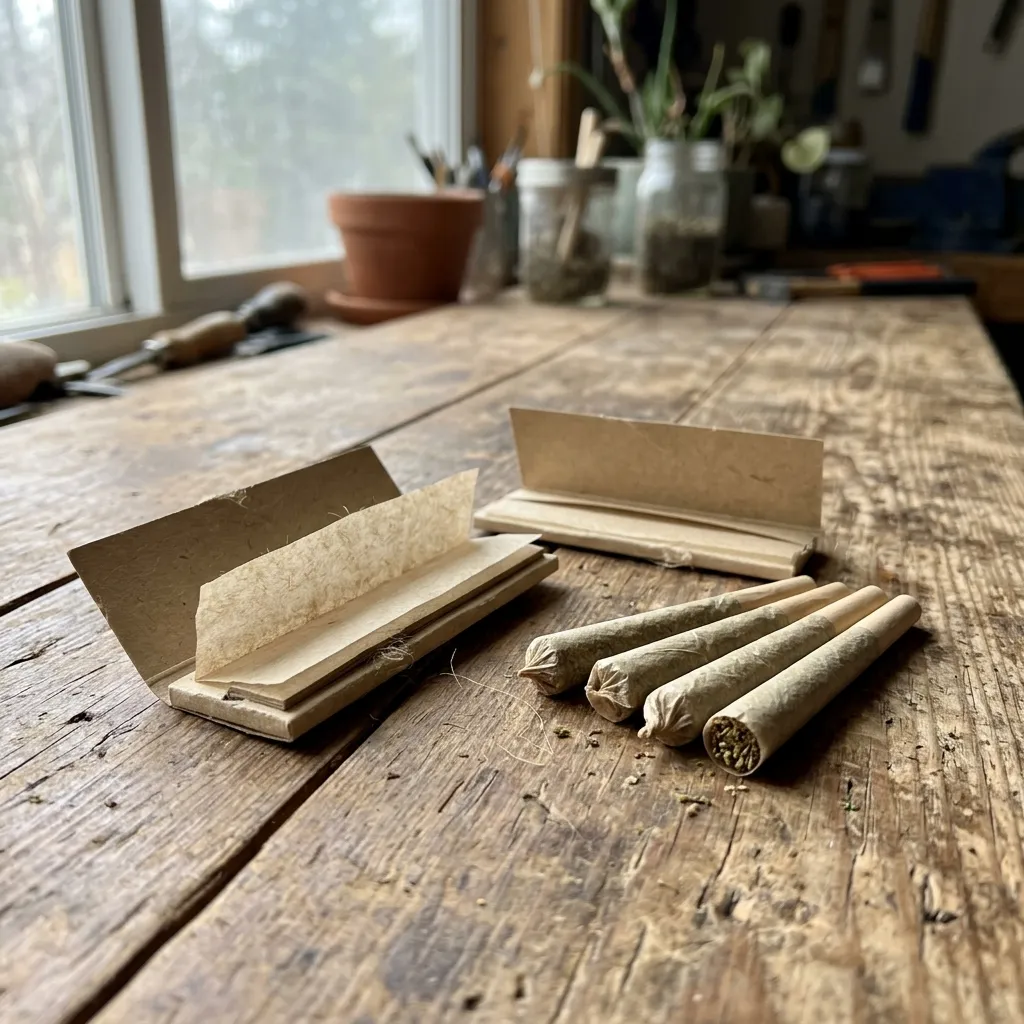
Customization becomes valuable when you want to create a distinct brand identity or meet specific market needs. While standard options work well for many brands, customization offers opportunities to stand out and create memorable experiences.
Customization options to consider:
- Custom printing: Brand logos, patterns, designs, or information
- Specialty materials: Unique paper types or exclusive material blends
- Custom packaging: Unique booklet designs, display options, or finishes
- Specialty gum: Different gum types or flavors (where appropriate)
- Individuelle Größen: Exclusive dimensions that define your brand
The best customization strategy focuses on elements that actually add value for your customers rather than just adding cost for the sake of being different. Ace Rolling works with brands to develop custom solutions that make sense for their business goals and market position.
How Do Manufacturing Capabilities Matter?
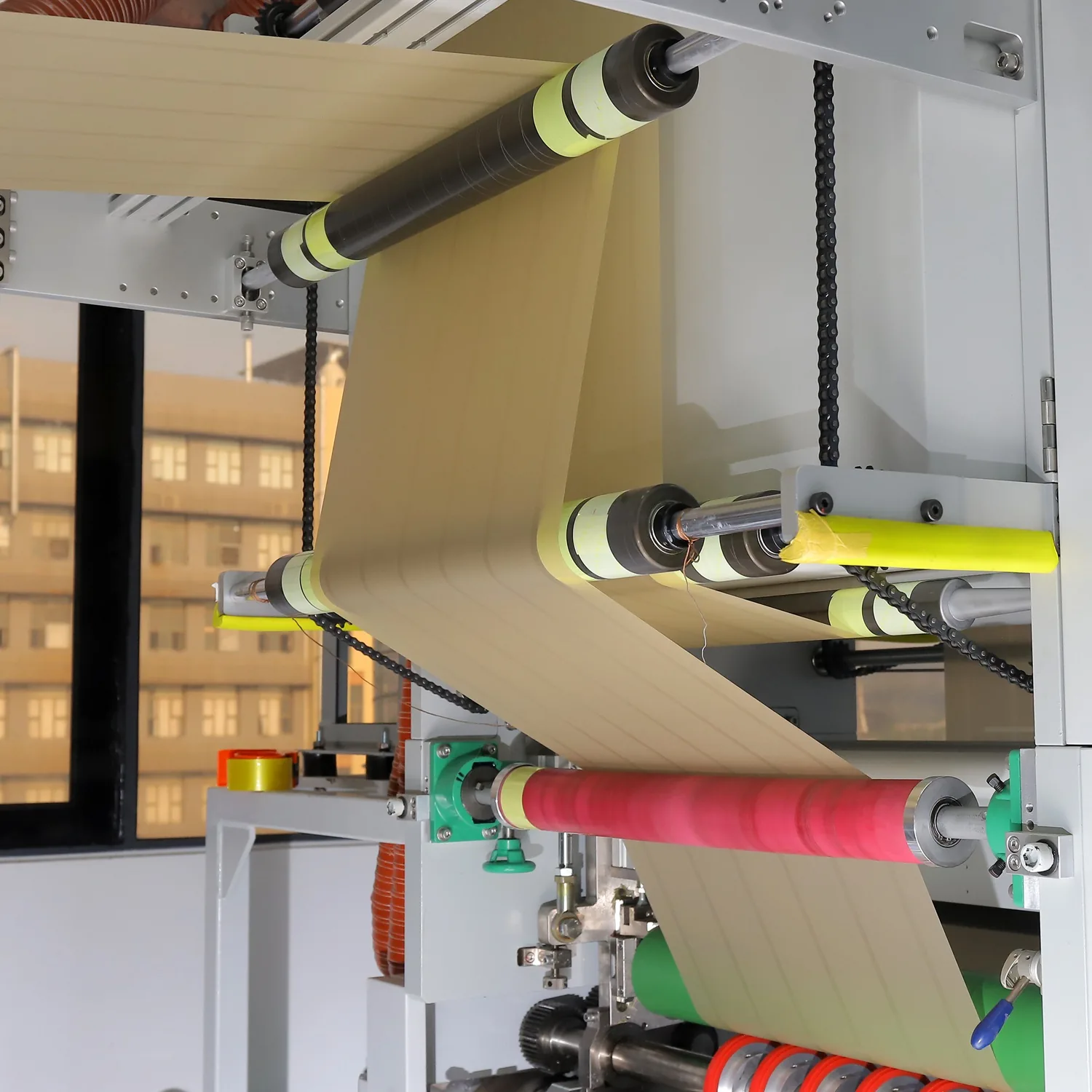
Manufacturing capabilities determine not just what you can create, but how consistently you can deliver it. A manufacturer with strong quality control, reliable production capacity, and transparent processes adds value beyond just making the product.
Important manufacturing considerations:
- Consistent quality across production runs
- Reliable lead times and delivery schedules
- Flexible order quantities and scaling options
- Clear quality standards and inspection protocols
- Good communication and partnership approach
When evaluating potential manufacturers, look for evidence of these capabilities through documentation, references, and trial production runs. The best manufacturing partnerships are built on transparency, reliability, and shared commitment to quality.
What Should You Confirm Before Ordering?
- Product format and size specifications
- Paper material and grammage selection
- Printing, artwork, and customization requirements
- Packaging format and display needs
- Sample approval with physical testing
- MOQ, lead time, payment, and shipping terms
- Required documents and destination compliance
- Quality standards and inspection criteria
- Reorder process and scaling capabilities
- Communication protocols and support availability
Which Ace Rolling Option Fits Your Project?
Start with the closest standard format and material combination, then explore customization if needed. Test samples under actual use conditions to verify performance and suitability for your audience before committing to a full order.
Siehe Ace Rolling Custom Rolling Papers und OEM/ODM Solutions. For a personalized recommendation, kontaktieren Sie Ace Rolling with your use case, target audience, brand positioning, estimated quantities, and destination market.
FAQ
What’s the best rolling paper to use for beginners?
The best rolling paper for beginners is typically a medium-thickness paper (14-17 GSM) in a standard size like 1¼. This balance offers durability and predictability while users develop their technique. Unbleached or white wood pulp are reliable choices that offer consistent performance without overwhelming users with strong material characteristics.
Does rolling paper size really matter?
Rolling paper size does matter because it directly impacts user experience. A size that feels awkward creates unnecessary friction. The best size depends on your target market and use case—some prefer compact single wide, others favor king size formats. Test multiple sizes with your audience to find the right fit.
Should I always choose the thinnest possible rolling paper?
Thin rolling paper isn’t automatically the best choice for every brand. While thin paper offers a premium feel, it can also be more delicate to handle. Thicker paper may provide better durability in some markets. The best choice depends on your audience preferences and use case, not a generic assumption.
How do I know what material will work best for my brand?
The best way to choose a material is to test samples with your actual audience under real use conditions. Reviewing specifications provides a starting point, but physical testing reveals important differences. Work with your manufacturer to understand characteristics and order samples of promising options.
Can I switch materials later if I need to?
You can typically switch materials, though the process varies by manufacturer. When considering a change, allow time for development, testing, and inventory transition. Test thoroughly before making a permanent switch and maintain clear communication with your customers about any changes.