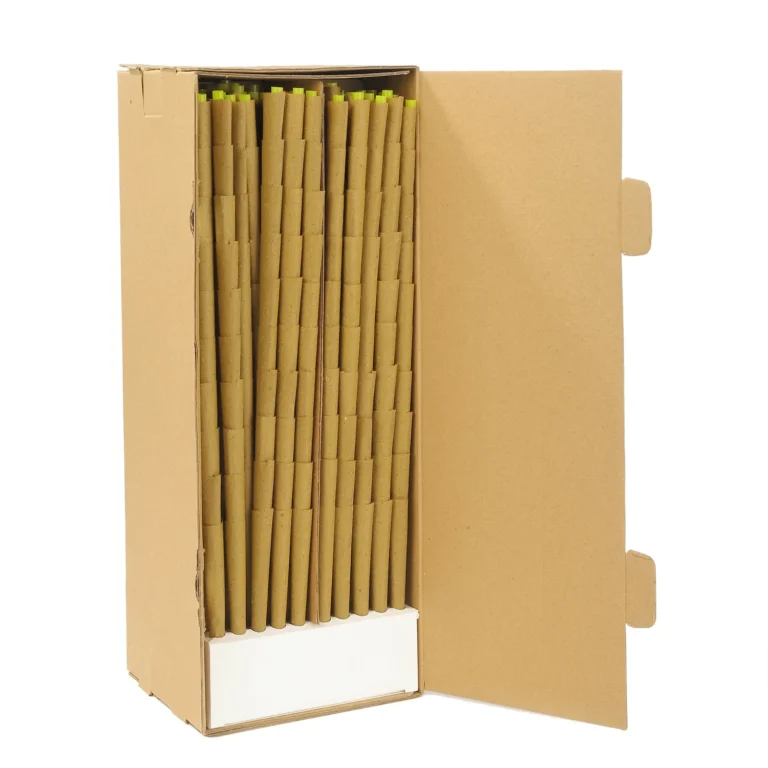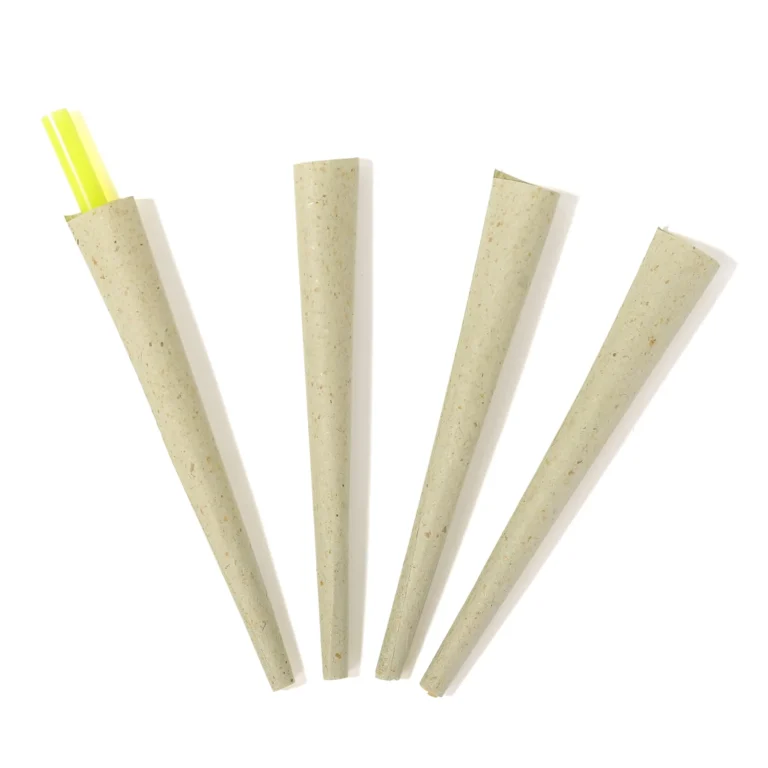

I’ve watched a brand cut their cone lineup from six size and diameter variants down to two, and their margins actually improved. The math behind that isn’t complicated once you see it.
Fewer cone SKUs mean higher per-SKU order volume, which improves per-unit pricing leverage, simplifies quality control and filling line changeovers, and reduces forecasting complexity—the tradeoff is losing some assortment variety, which only matters if that variety was actually driving incremental sales.
Read this and you’ll know the real mechanics behind this trend, so you can decide if it applies to your own lineup.
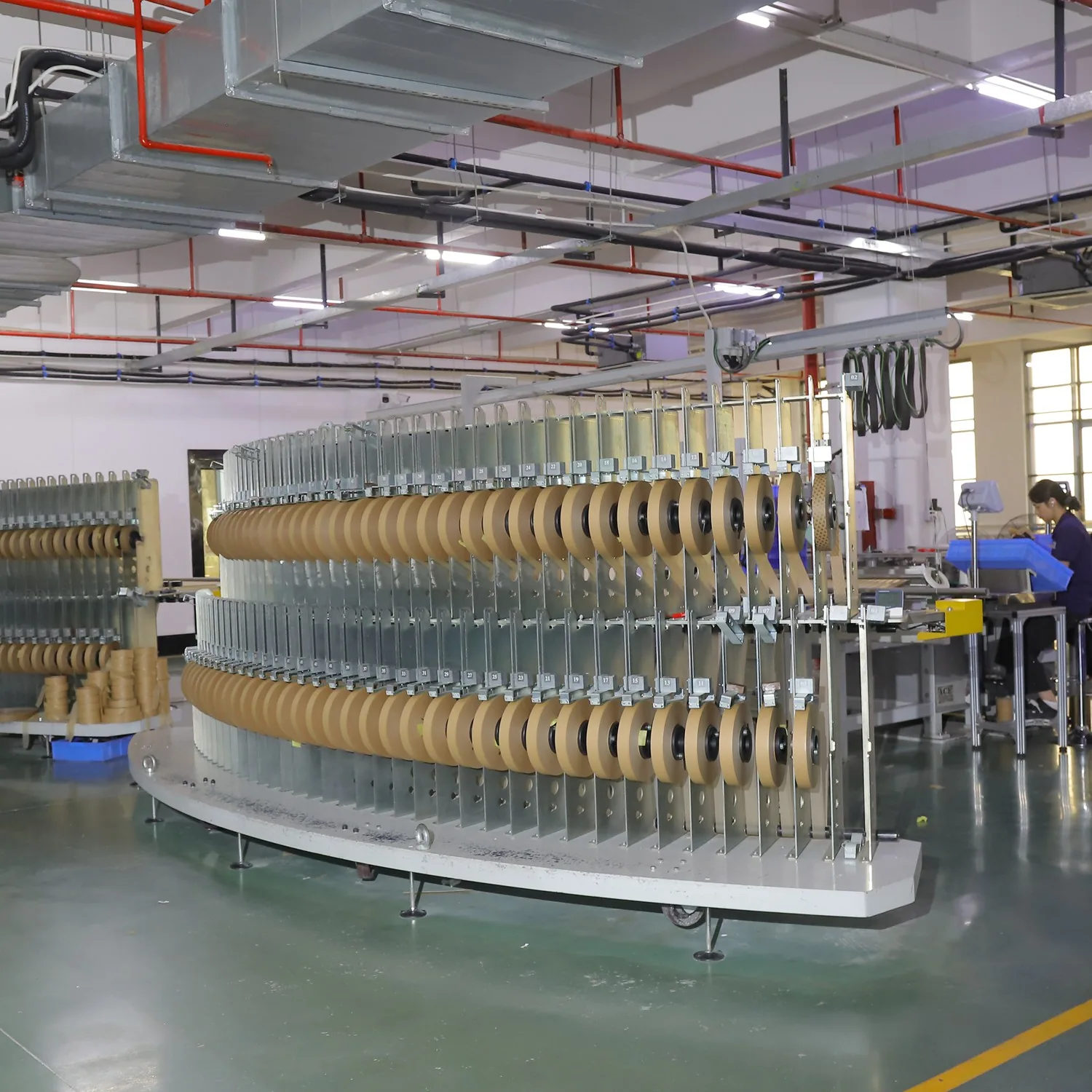
What Does “Reducing Cone Variations” Actually Mean in Practice?
I explain this with a concrete example rather than an abstract concept.
It typically means consolidating from several similar size, diameter, or tip combinations down to a smaller, more deliberate set—for example, moving from six near-identical SKUs across two sizes and three tip options down to two or three clearly differentiated configurations.

The goal isn’t necessarily fewer products overall—it’s fewer near-duplicate configurations that were splitting volume and complexity without each one earning a genuinely distinct reason to exist on the shelf or in the catalog.
| Before consolidation | After consolidation |
|---|---|
| 6 SKUs across sizes/tips | 2-3 deliberately differentiated SKUs |
| Volume split thin per run | Higher volume per run |
| Frequent line changeovers | Fewer changeovers |
Does Having Fewer SKUs Actually Lower Your Per-Unit Cost?
This is the financial mechanism driving most of this decision.
Yes, generally—concentrating your order volume across fewer SKUs means each individual production run is larger, which typically improves your per-unit pricing and makes it easier to hit favorable MOQ tiers consistently rather than spreading orders thin across many smaller runs.
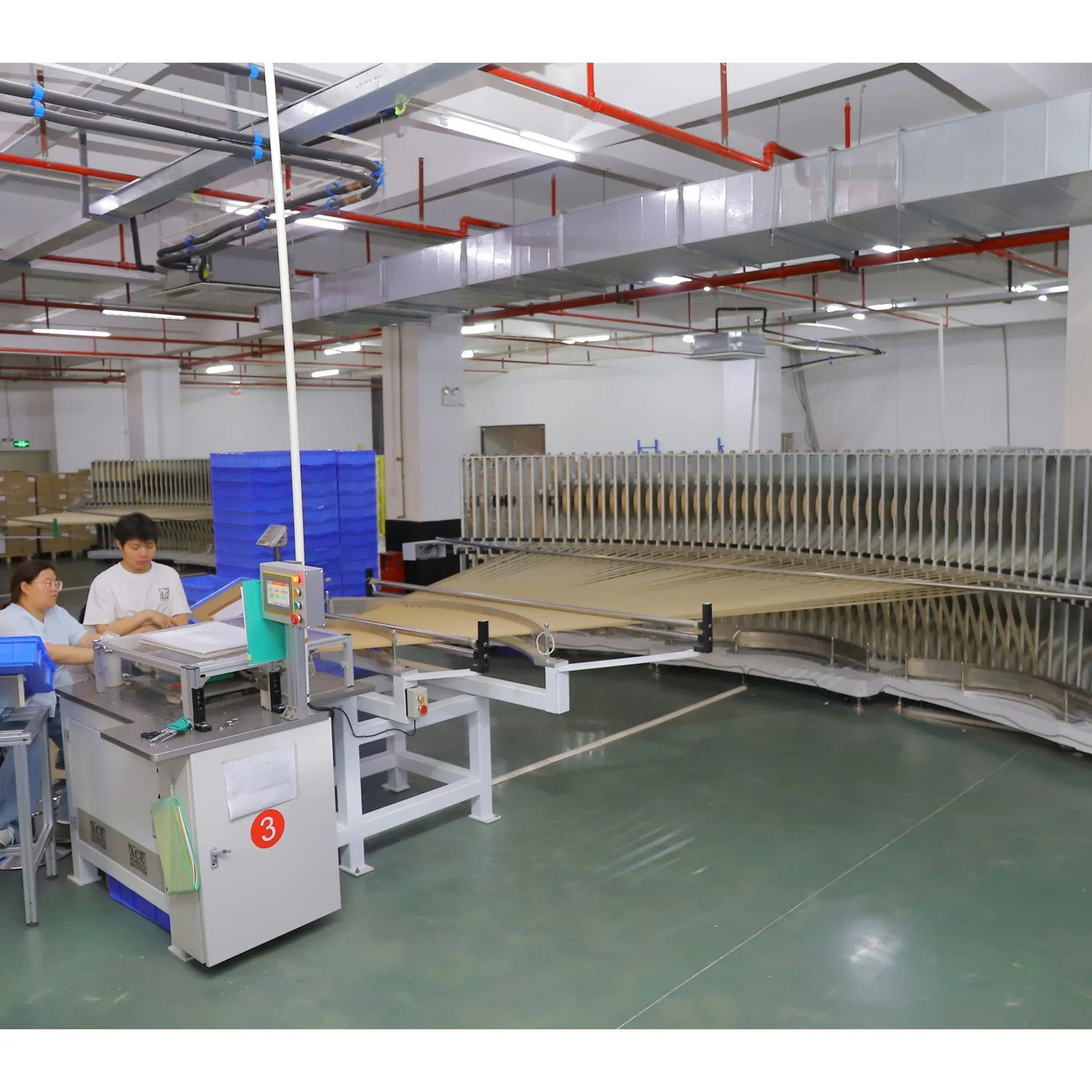
I’ve quoted the same total unit volume split across six SKUs versus split across two SKUs for the same buyer, and the two-SKU version consistently prices better per unit, because each run individually clears higher volume thresholds. This is one of the clearest, most quantifiable reasons behind the trend.
Does Standardization Actually Make Quality Control Easier?
I see this benefit less discussed than cost, but it’s just as real operationally.
Yes—fewer distinct configurations means your QC process has fewer variables to track and fewer opportunities for a configuration mix-up, and any process improvement you make applies to a larger share of your total production instead of being diluted across many small runs.

I’ve written about seam and fill weight QC separately, and both get genuinely easier to manage consistently when you’re not context-switching between many different size and tip combinations across the same production week. Consistency compounds when you’re not constantly recalibrating for a new configuration.
Does It Reduce Filling Line Changeover Time and Waste?
This is the production-floor-level benefit that ties directly back to the cost savings above.
Yes—every time a filling line switches between cone configurations, there’s changeover time and often some material waste during recalibration; fewer configurations mean fewer changeovers, which recovers production time that would otherwise be lost to setup rather than output.
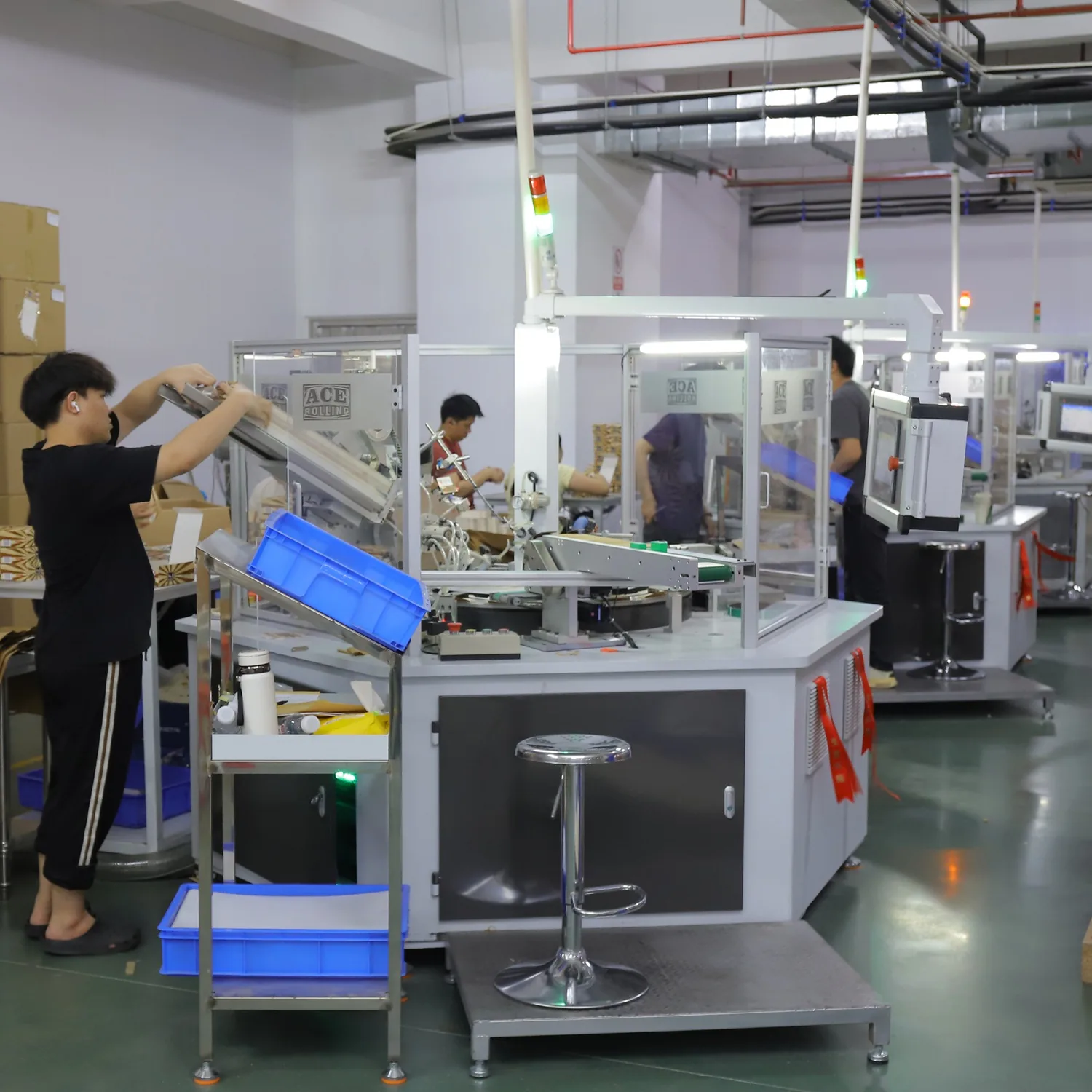
I ask buyers running multiple SKUs to actually estimate their total changeover time across a production month, because it’s often larger than expected once you add up every switch across every run. This is frequently the hidden cost that makes consolidation math even more favorable than the pure per-unit pricing improvement alone suggests.
Is There a Real Downside to Consolidating Your Size Mix?
I don’t want to present this as a decision with no tradeoffs, because there is one.
Yes—reducing SKUs means losing some assortment variety, which can matter if specific variants were genuinely driving incremental sales to different customer segments rather than just splitting the same demand across too many near-identical options.

Before consolidating, I ask brands to actually look at their sales data by SKU rather than assuming redundant variants are safe to cut. If a specific size or tip combination is genuinely reaching a different customer than your core lineup, cutting it purely for production efficiency can cost you that specific demand.
How Do You Decide Which Formats to Keep If You Simplify?
I’d rather walk through this analytically than have a brand guess which SKUs to cut.
Review sales data by SKU, identify which configurations are genuinely differentiated versus near-duplicates splitting the same demand, and consolidate toward the smaller set that still covers your real customer segments—not just the smallest number that’s operationally convenient.
| Consolidation check | What to look at |
|---|---|
| Sales data by SKU | Which variants drive genuinely distinct demand |
| Near-duplicate overlap | Which SKUs split the same demand pool |
| Changeover cost estimate | Time and waste recovered by cutting a SKU |
Ace’s cone programs quote from roughly USD $0.04–$0.06 per cone wholesale, and consolidating your order volume across fewer configurations generally improves your effective pricing at a given total unit count.
FAQ
Why are producers reducing their pre-roll cone SKU count?
Fewer SKUs concentrate order volume, which improves per-unit pricing leverage, simplifies quality control, and reduces filling line changeover time and waste. The tradeoff is losing some assortment variety, which only matters if the cut variants were genuinely driving incremental sales rather than splitting the same demand across too many similar options.
Does having fewer cone SKUs really improve my pricing?
Generally yes. Concentrating your total order volume across fewer SKUs means each individual production run clears higher volume thresholds, which typically improves per-unit pricing and makes it easier to hit favorable MOQ tiers consistently, compared to spreading the same total volume thin across many smaller SKU-specific runs.
How does SKU consolidation actually help with quality control?
Fewer distinct configurations means your QC process has fewer variables to track and fewer opportunities for a configuration mix-up. Any process improvement you implement also applies to a larger share of your total production, rather than being diluted across many small runs that each need separate recalibration.
Does reducing SKUs actually save meaningful production time?
Yes, often more than brands expect. Every filling line switch between configurations involves changeover time and sometimes material waste during recalibration. Estimating total changeover time across a full production month, added up across every switch, frequently reveals a bigger hidden cost than most brands initially assume.
Is there a risk to cutting cone SKUs from my lineup?
Yes. If a specific size or tip combination is genuinely reaching a different customer segment rather than just splitting demand with your core lineup, cutting it purely for production efficiency can cost you that specific demand. Review actual sales data by SKU before consolidating, rather than assuming all overlapping variants are safe to cut.
Can Ace Rolling help me evaluate which cone formats to consolidate?
Yes, Ace can discuss your current size and tip mix alongside your target order volume to help identify where consolidation would meaningfully improve pricing and production efficiency. Cone programs quote from roughly USD $0.04–$0.06 per cone wholesale, with better effective pricing typically available at higher per-SKU volume.
Considering Consolidating Your Cone Lineup?
Share your current SKU mix and volume, and I’ll help you identify where consolidation actually pays off.
- Pre-rolled cones: https://ace-rolling.com/pre-rolled-cones/
- OEM/ODM programs: https://ace-rolling.com/oem-odm-rolling-paper-manufacturer/
- Quote: https://ace-rolling.com/contact/