
I’ve caught a calibration drift on a filling line that had gone unnoticed for two weeks, purely because no one was sampling frequently enough during the run. Fill weight QC catches problems like that early, or it doesn’t catch them at all.
Fill weight variance QC means regularly sampling units across a production run, weighing against a set tolerance range, and tracking whether deviations cluster in specific time windows—a tight tolerance with infrequent sampling still misses drift, so sampling frequency matters as much as the tolerance number itself.
Read this and you’ll know the actual sampling method that catches variance while it’s still small, instead of after a full batch has already drifted.
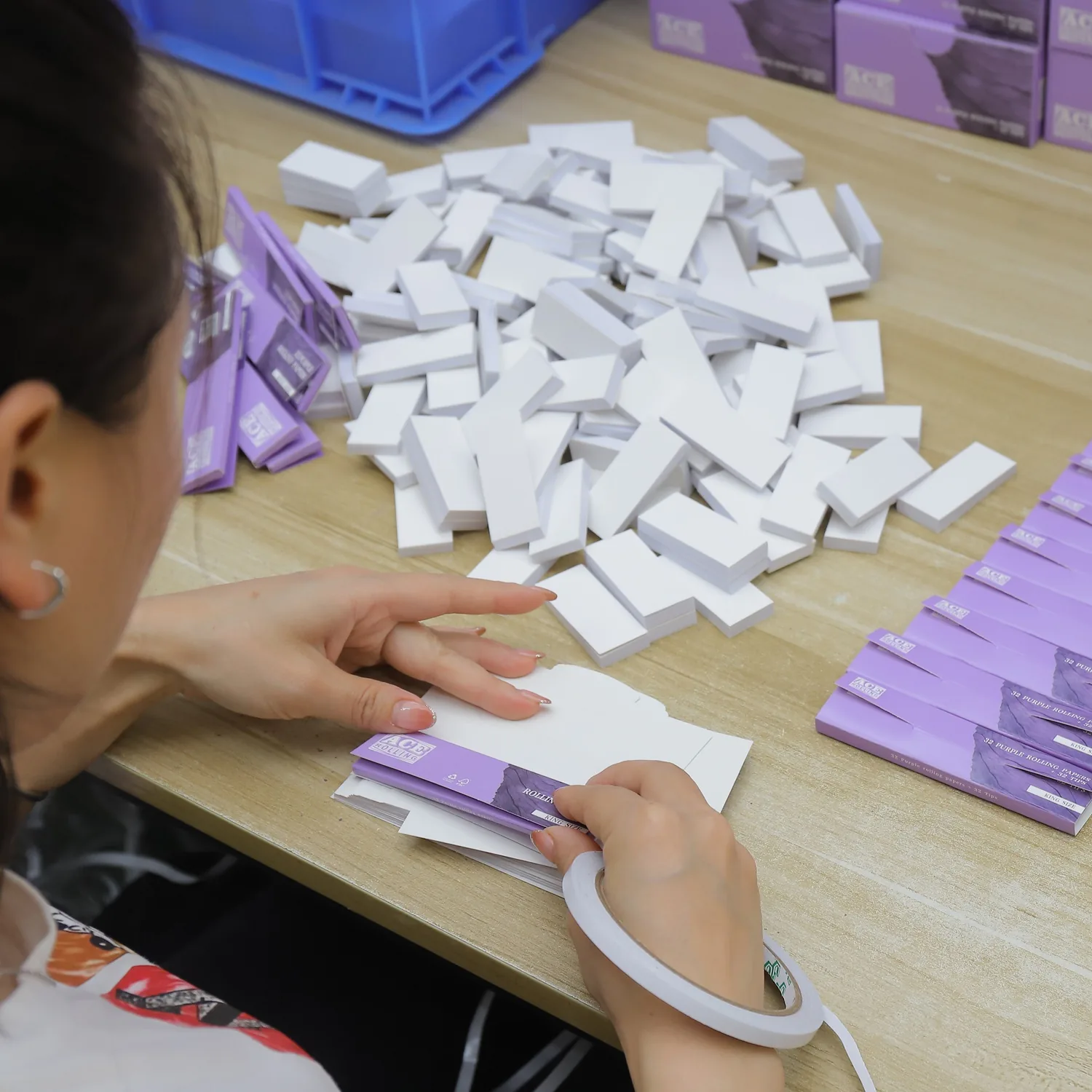
Why Does Fill Weight Variance Matter Beyond Just Compliance?
I raise this because buyers sometimes treat fill weight QC as a paperwork requirement rather than a real product-quality lever.
Fill weight variance directly affects burn consistency, canoeing risk, and the value proposition a consumer perceives on a per-unit basis—it’s not just a compliance number on a label, it’s connected to actual product performance and customer complaint rates.

I’ve covered how uneven packing density contributes to canoeing separately, and fill weight variance is closely related—a unit significantly underfilled relative to its neighbors is more likely to canoe or burn inconsistently, so this QC step is protecting more than just the number printed on your spec sheet.
What Sampling Method Actually Catches Variance Early?
This is the practical method I recommend over a single end-of-run check.
Sample units at regular intervals throughout the run—for example, every 15–30 minutes or every set number of units—rather than only checking at the start and end, since drift often happens gradually mid-run and a start/end-only check can miss it entirely.

I ask production teams to log each sample with a timestamp, not just a pass/fail mark, because timestamped data lets you see exactly when a drift started if one shows up. A pass/fail log alone tells you a problem exists somewhere in the run; a timestamped log tells you where to look.
| Sampling approach | What it catches |
|---|---|
| Start/end only | Gross failures, misses gradual drift |
| Fixed-interval, timestamped | Gradual mid-run drift, pinpoints when it started |
What Weight Tolerance Should You Actually Set?
Buyers often ask for a specific number here, and the honest answer depends on your target fill weight.
A common approach is setting tolerance as a percentage of target fill weight rather than a fixed gram figure, since the same absolute variance matters more on a lighter target fill than a heavier one—confirm your manufacturer’s percentage-based tolerance and how it scales across your size range.
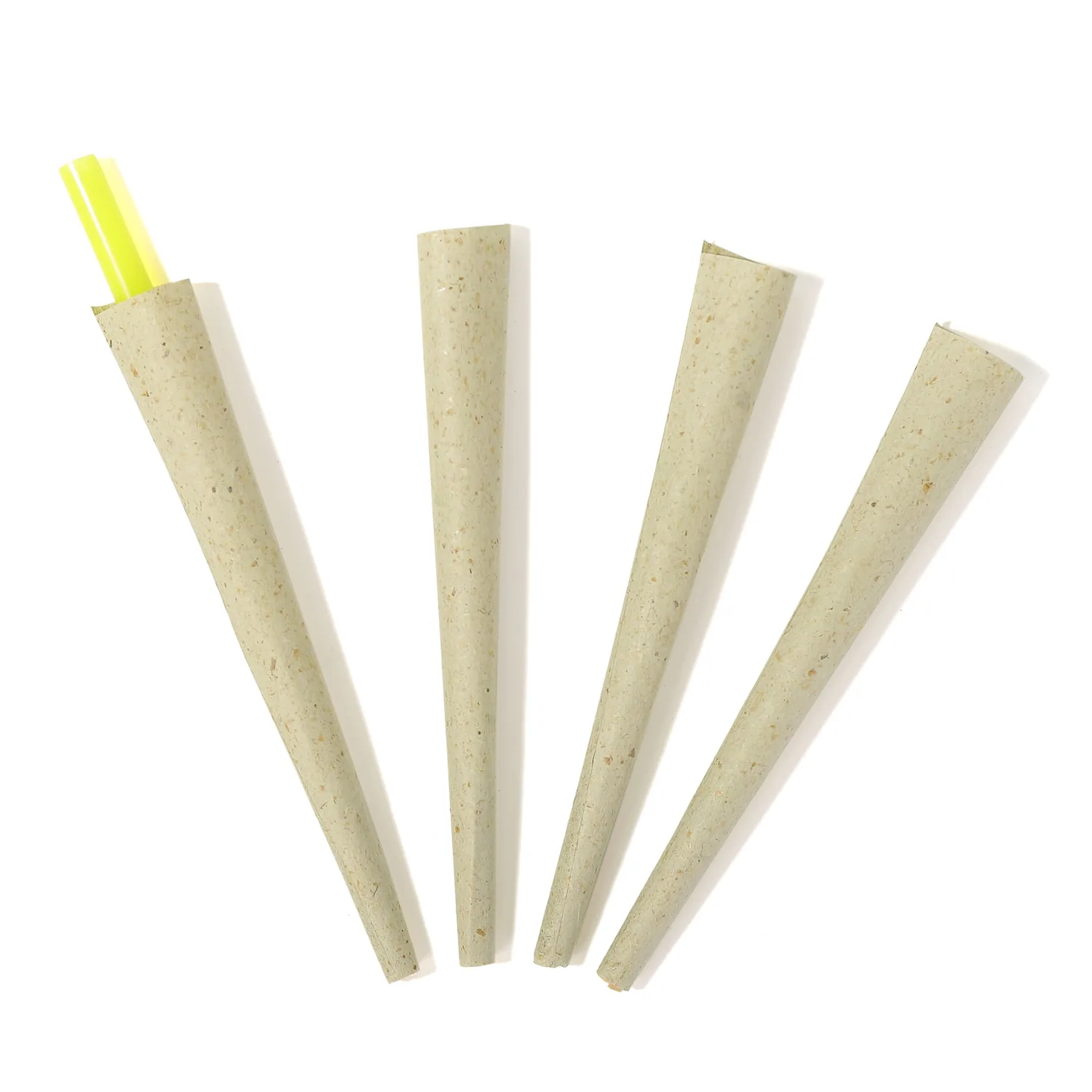
I’ve discussed how slender or narrower-diameter cones have less fill mass margin separately, and this is exactly why: the same fixed-gram tolerance that’s negligible on a heavier fill target becomes a much larger relative swing on a lighter one. Percentage-based tolerance accounts for that automatically.
Does Scale Calibration Drift Cause More Variance Than You’d Think?
I bring this up because it’s an easy failure point that has nothing to do with the fill process itself.
Yes—an uncalibrated or drifting scale can report false variance readings even when actual fill weight is consistent, so scale calibration checks need to happen on a defined schedule, separate from the fill weight sampling schedule itself.
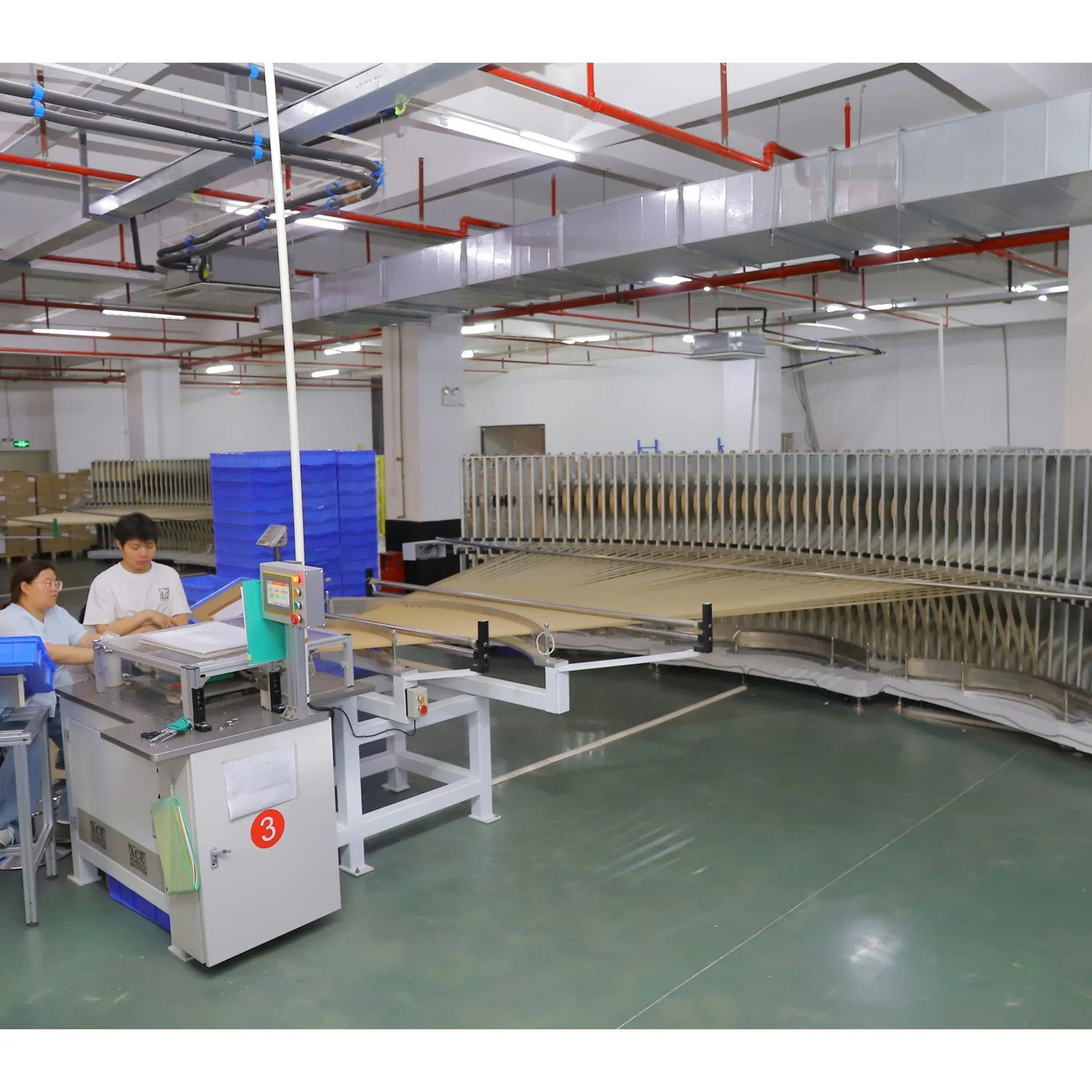
I ask manufacturers directly about their scale calibration schedule when a fill weight complaint comes up, because I’ve seen cases where the actual fill process was fine and the reported variance was really a measurement problem. Ruling this out first saves time chasing a fill process issue that doesn’t exist.
How Often Should You Actually Test During a Production Run?
I give buyers a concrete starting frequency rather than a vague “regularly” answer.
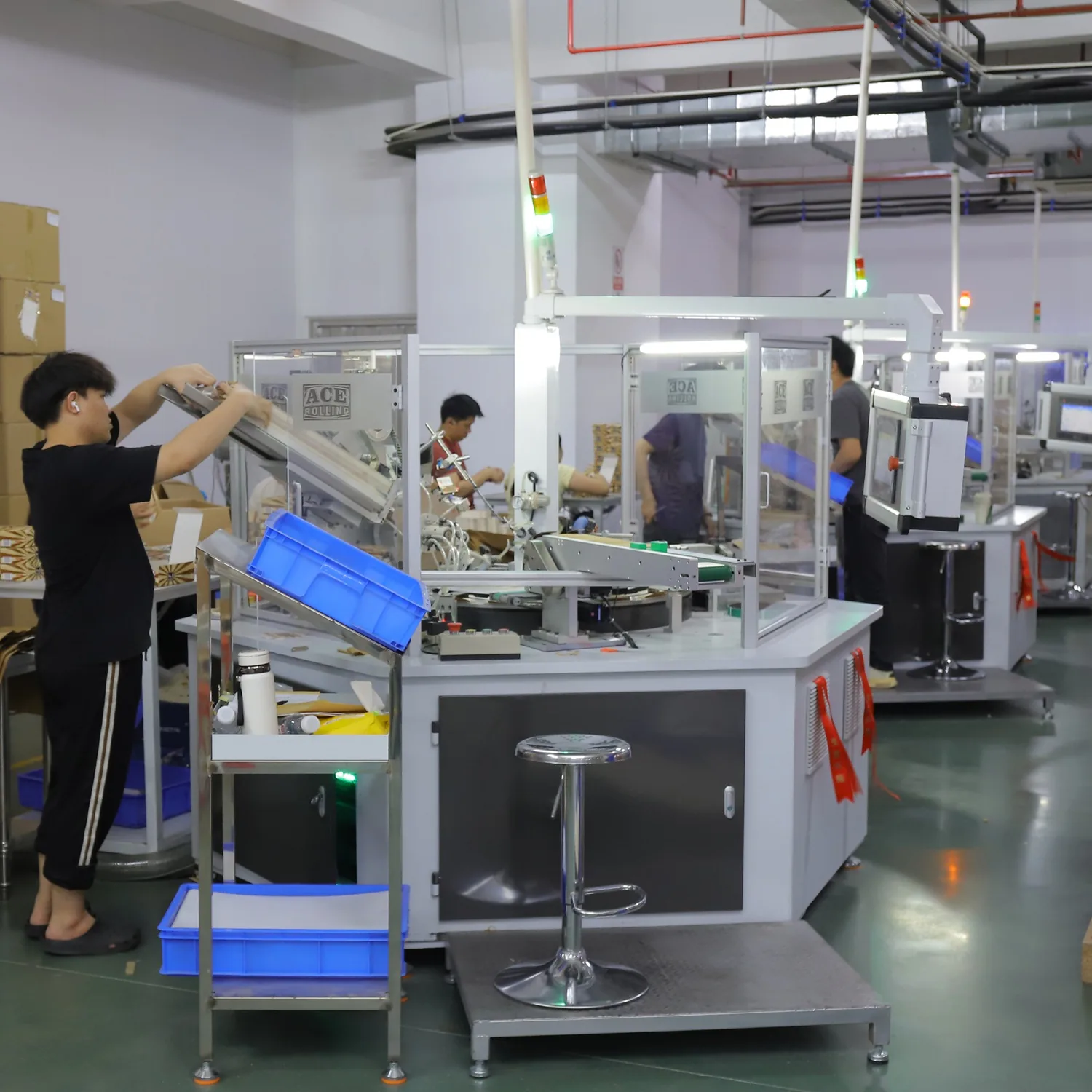
Test at fixed intervals throughout the run based on your total run length and risk tolerance—more frequent sampling on longer runs or higher-value products, and confirm your manufacturer documents the actual interval used, not just a general claim of “regular testing.”
| QC element | Qué confirmar |
|---|---|
| Sampling interval | Fixed schedule, documented with timestamps |
| Tolerance basis | Percentage of target weight, not fixed grams |
| Scale calibration | Separate, defined calibration schedule |
What Do You Do When a Batch Fails Your Tolerance?
I want buyers to have a clear escalation path defined before a failure happens, not improvised in the moment.
Isolate the affected time window using your timestamped sampling log, re-test units on either side of that window to confirm the scope of the issue, and decide whether to quarantine just the affected sub-batch or the full run based on how contained the drift actually was.
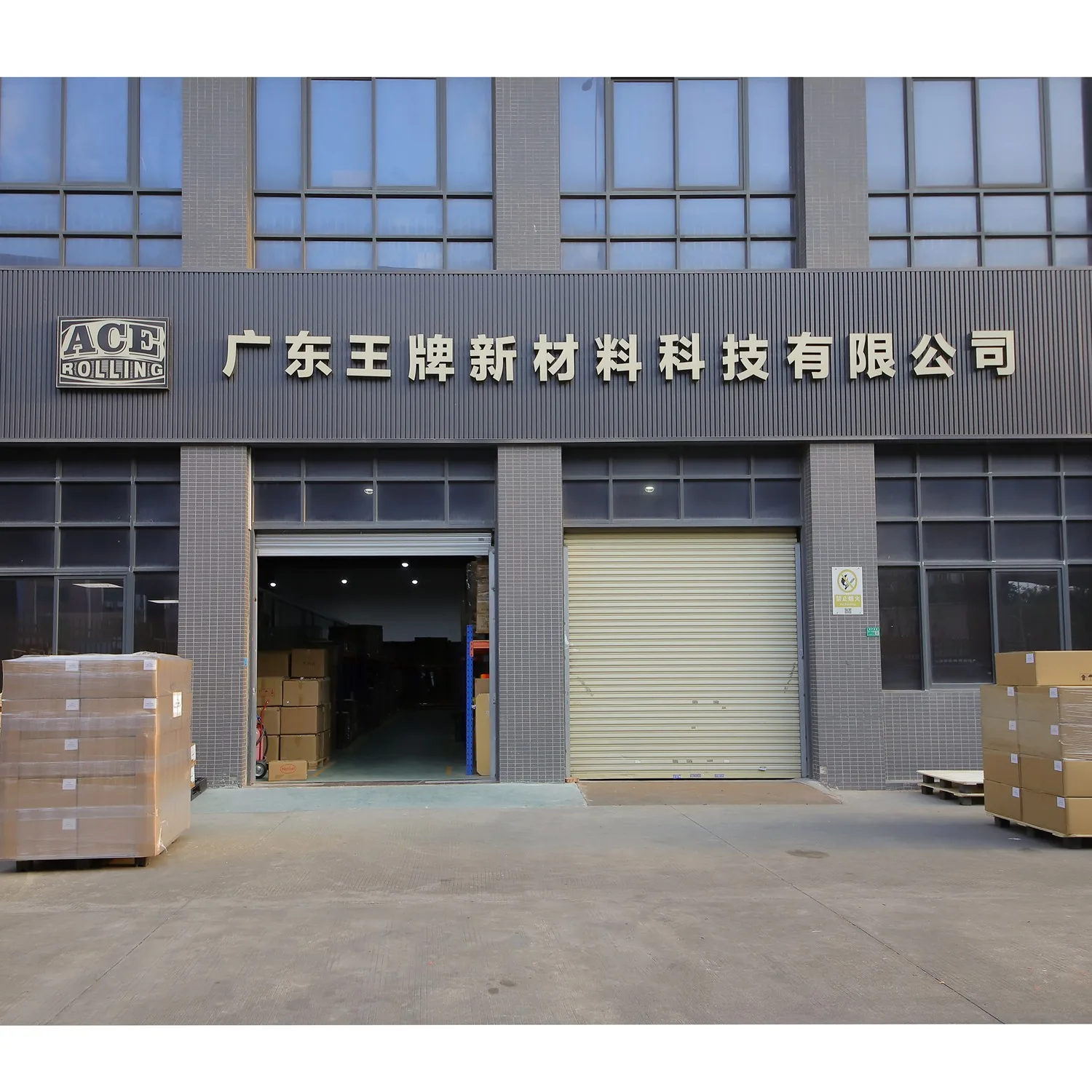
Ace Rolling documents fill weight sampling under its ISO 9001:2015 quality management framework, with sampling logs available for review as part of a production order.
Preguntas frecuentes
How do you quality-check pre-roll fill weight variance?
Sample units at regular timestamped intervals throughout the production run, weigh against a percentage-based tolerance relative to your target fill weight, and track whether deviations cluster in a specific time window. Confirm your manufacturer’s scale calibration schedule separately, since scale drift can create false variance readings independent of the actual fill process.
Why should tolerance be a percentage rather than a fixed gram number?
Because the same absolute gram variance matters more on a lighter target fill weight than a heavier one. A percentage-based tolerance scales sensibly across your size range, while a fixed gram figure can be too loose for light fills and unnecessarily tight for heavier ones.
How often should fill weight sampling actually happen during a run?
At fixed, documented intervals throughout the entire run—not just at the start and end—since drift often happens gradually mid-run. Confirm your manufacturer documents the actual sampling interval and logs timestamps, rather than only claiming general “regular testing” without specifics.
Can a miscalibrated scale cause a false fill weight variance reading?
Yes. An uncalibrated or drifting scale can report variance even when actual fill weight is consistent. Scale calibration should be checked on its own defined schedule, separate from the fill weight sampling schedule, so a measurement problem isn’t mistaken for a real fill process issue.
What should happen if a batch fails fill weight tolerance?
Isolate the affected time window using your timestamped sampling log, then re-test units on either side of that window to confirm how contained the issue actually is. This determines whether you quarantine just the affected sub-batch or the full run, rather than defaulting to the most disruptive option automatically.
Does Ace Rolling document fill weight QC for buyers?
Yes, Ace Rolling conducts fill weight sampling under its ISO 9001:2015 quality management framework, with sampling logs available for review as part of a production order. Ask your account contact for the documented sampling interval and tolerance basis used on your specific program.
Want to Confirm Fill Weight QC on Your Program?
Ask us for our documented sampling interval and tolerance basis before your next production run.
- Pre-rolled cones: https://ace-rolling.com/pre-rolled-cones/
- Calidad y certificaciones: https://ace-rolling.com/quality-certifications/
- Cotización: https://ace-rolling.com/contact/