

Choosing the right rolling paper manufacturer determines your product quality, margins, and brand reputation. Look for suppliers with verifiable certifications, flexible customization, transparent MOQ policies, and proven production capacity. In the EU and UK, compliance with REACH and food-contact regulations is non-negotiable.
What should you look for in a rolling paper manufacturer?
Most brands rush to price comparison and regret it later.
A reliable manufacturer combines production capability, quality systems, and regulatory compliance under one roof.

The first checkpoint is production infrastructure. A dedicated rolling paper factory should operate slitting machines, booklet assembly lines, and automated packaging systems — not outsourced piecework. In Germany and France, buyers often request on-site audits before placing trial orders. That might sound excessive, but here’s the thing: a factory tour reveals more than any brochure.
The second checkpoint is quality management. ISO 9001 is the baseline. For food-contact papers, look for FDA or EU 1935/2004 compliance. The reality is, many small workshops claim certification but cannot produce audit trails. Ask for certificate numbers and verify them directly with the issuing body.
The third checkpoint is customization depth. Can the supplier adjust grammage from 10 to 28 gsm? Can they apply custom watermarks, flavored gum lines, or branded packaging? SWM International offers “Be Unique” gum-band customization. PDL in France provides colored papers and licorice flavoring. Your manufacturer should match at least this level of flexibility.
| Evaluation Factor | Minimum Standard | Premium Standard |
|---|---|---|
| Production equipment | Slitting + booklet assembly | Full automation + packaging |
| Quality certification | ISO 9001 | ISO 9001 + ISO 14001 + REACH |
| Customization | Logo printing | Watermark + flavor + bespoke packaging |
| MOQ flexibility | 10,000 booklets | 5,000 booklets with sampling |
| Tiempo de entrega | 45 days | 25-30 days |
| Audit readiness | Photos/videos | On-site welcome |
Conclusión clave: Verify equipment, certifications, and customization depth before discussing price.
How do material choices affect your rolling paper product line?
Your customers feel the difference in every sheet.
Wood pulp, hemp, rice, flax, bamboo, and even sugarcane bagasse each create distinct burn rates, tastes, and brand stories.
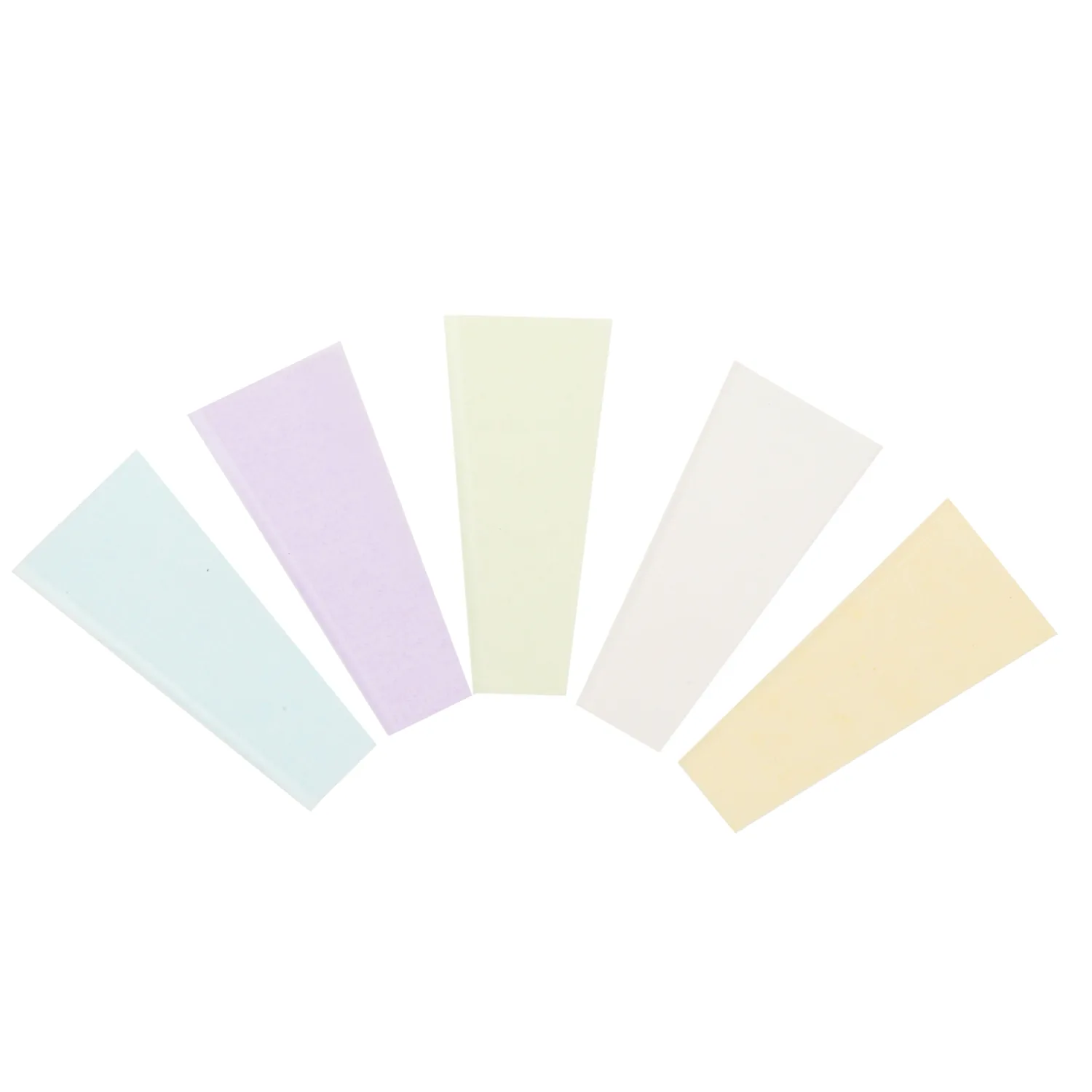
Wood pulp remains the industry default. It is affordable, consistent, and accepts printing well. But here’s what most people get wrong: not all wood pulp is equal. FSC-certified pulp costs 8-15% more but unlocks eco-conscious markets in the UK and Scandinavia. Uncertified pulp might save pennies per booklet and cost you a distributor in Germany.
Hemp papers command a 20-30% price premium. They burn slower and appeal to natural-product positioning. Rice papers offer the thinnest profile — ideal for king-size slim lines — but tear more easily during high-speed booklet assembly. It gets better: blended fibers let you tune both performance and story. A 70% hemp / 30% wood blend hits the sustainability angle without sacrificing durability.
So what does this mean for you? Your material choice is a marketing decision before it is a manufacturing one. In Spain and Italy, unbleached natural papers are trending. In France, colored papers (green, black, pink, blue) from manufacturers like PDL differentiate shelf presence.
| Material | Tasa de combustión | Cost Index | Ideal Para |
|---|---|---|---|
| Wood pulp (bleached) | Medio | 100 (baseline) | Volume markets, classic lines |
| Wood pulp (unbleached) | Medio | 105 | Natural positioning, EU eco buyers |
| Cáñamo | Lento | 120-130 | Premium natural brands |
| Arroz | Fast, thin | 115 | King-size slim, minimalist brands |
| Lino | Slow, smooth | 125 | Luxury positioning |
| Bambú | Medio-lento | 110 | Asian markets, sustainability story |
| Blends (custom) | Tunable | 110-140 | Unique brand differentiation |
Conclusión clave: Match material to your brand story, not just your cost target.
What gram weight and porosity specs matter most?
Paper thickness is not just about feel — it controls burn behavior and customer satisfaction.
Grammage between 10 and 28 gsm covers the full rolling paper spectrum, with 12-14 gsm being the sweet spot for most booklets.
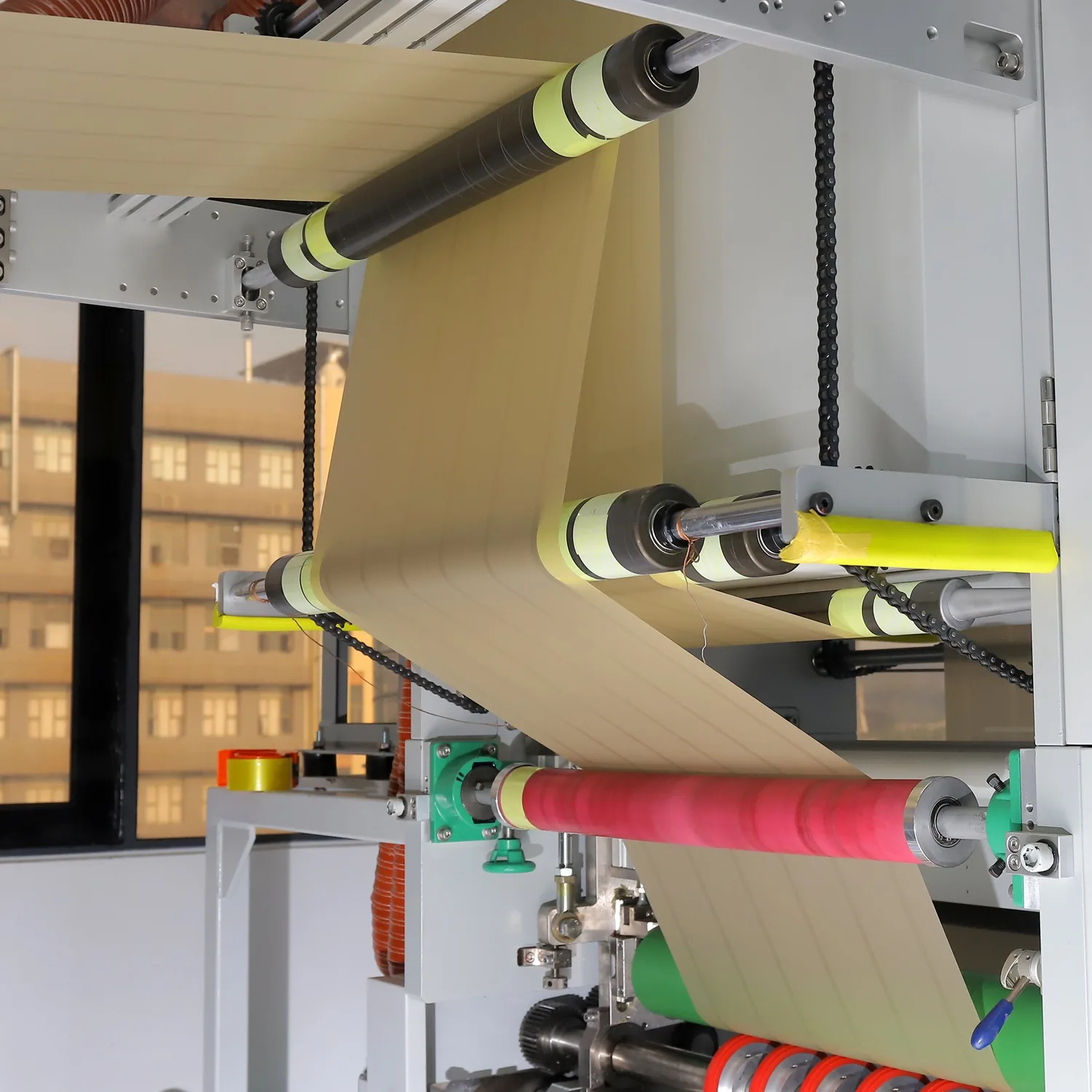
Ultra-light papers at 10-11 gsm create an almost transparent sheet. They appeal to purists who want minimal paper taste. The downside? They are harder to roll, harder to machine-assemble, and more fragile in shipping. In the UK market, 12-13 gsm represents the practical minimum that balances user experience with production yield.
Standard booklets at 13-15 gsm dominate retail. This range accepts printing, holds gum lines reliably, and feeds through automated booklet machines without jamming. And that’s not all: porosity — measured in Coresta Units (CU) — determines airflow and burn speed. Low porosity (5-20 CU) slows the burn. High porosity (80-120 CU) increases airflow for a lighter draw. Most successful brands spec 15-30 CU for a balanced experience.
The reality is that spec sheets from manufacturers like PDL (10-28 gsm, 5-120 CU) and SWM (11-25 gsm) overlap heavily. Your job is not to chase the widest range. Your job is to lock a spec that your target market prefers, then demand consistent batch-to-batch control.
| Especificación | Light Range | Standard Range | Heavy Range |
|---|---|---|---|
| Grammage | 10-12 gsm | 13-15 gsm | 16-28 gsm |
| Porosidad (CU) | 80-120 | 15-30 | 5-15 |
| Burn speed | Rápido | Medio | Lento |
| Best use case | Ultra-thin purist | Comercio tradicional | Specialty/slow-burn |
| Production yield | Lower (fragile) | Alto | Medio |
Conclusión clave: Lock 13-15 gsm / 15-30 CU for mainstream; go lighter or tighter only with purpose.
How can you verify a manufacturer’s quality certifications?
A certificate on a website means nothing until you verify it.
Cross-check certificate numbers with issuing bodies, request scope documents, and ask for recent third-party audit reports.

Start with the basics. ISO 9001 certificates should include a scope statement covering “manufacture of rolling papers” or “specialty paper production.” A generic scope like “trading company” is a red flag — it means the holder is a broker, not a manufacturer. In the EU, REACH compliance is mandatory for any paper product entering the market. Ask for the SVHC screening report, not just a blanket declaration.
Food-contact compliance is where many suppliers fall short. Rolling papers touch the lips and are effectively food-contact articles. EU Regulation 1935/2004 and FDA 21 CFR 176.170 apply. But here’s the thing: few manufacturers in Asia hold these specifically for rolling papers. If your target market includes Germany or the UK, demand migration test reports for gum arabic and printing inks.
Sustainability certifications add margin. FSC® or PEFC chain-of-custody certification lets you put the logo on packaging — a visible trust signal. PDL carries both. SWM publishes ESG reports. If your distributor in France or Italy asks for carbon footprint data, you need a supplier who can deliver it.
| Certification | What It Proves | Verify At |
|---|---|---|
| ISO 9001 | Quality management system | ISO.org or CB database |
| ISO 14001 | Environmental management | Same as above |
| REACH | EU chemical safety compliance | ECHA database |
| FDA 21 CFR 176.170 | US food-contact safety | Supplier test reports |
| FSC® / PEFC | Sustainable sourcing | info.fsc.org |
| GMP | Good manufacturing practice | Audit report |
Conclusión clave: Verify every certificate number independently; scope matters more than the logo.
What customization options should a rolling paper supplier offer?
Off-the-shelf booklets disappear into the noise.
Custom printing, bespoke sizes, flavored gum lines, and branded retail packaging separate commodity suppliers from brand partners.
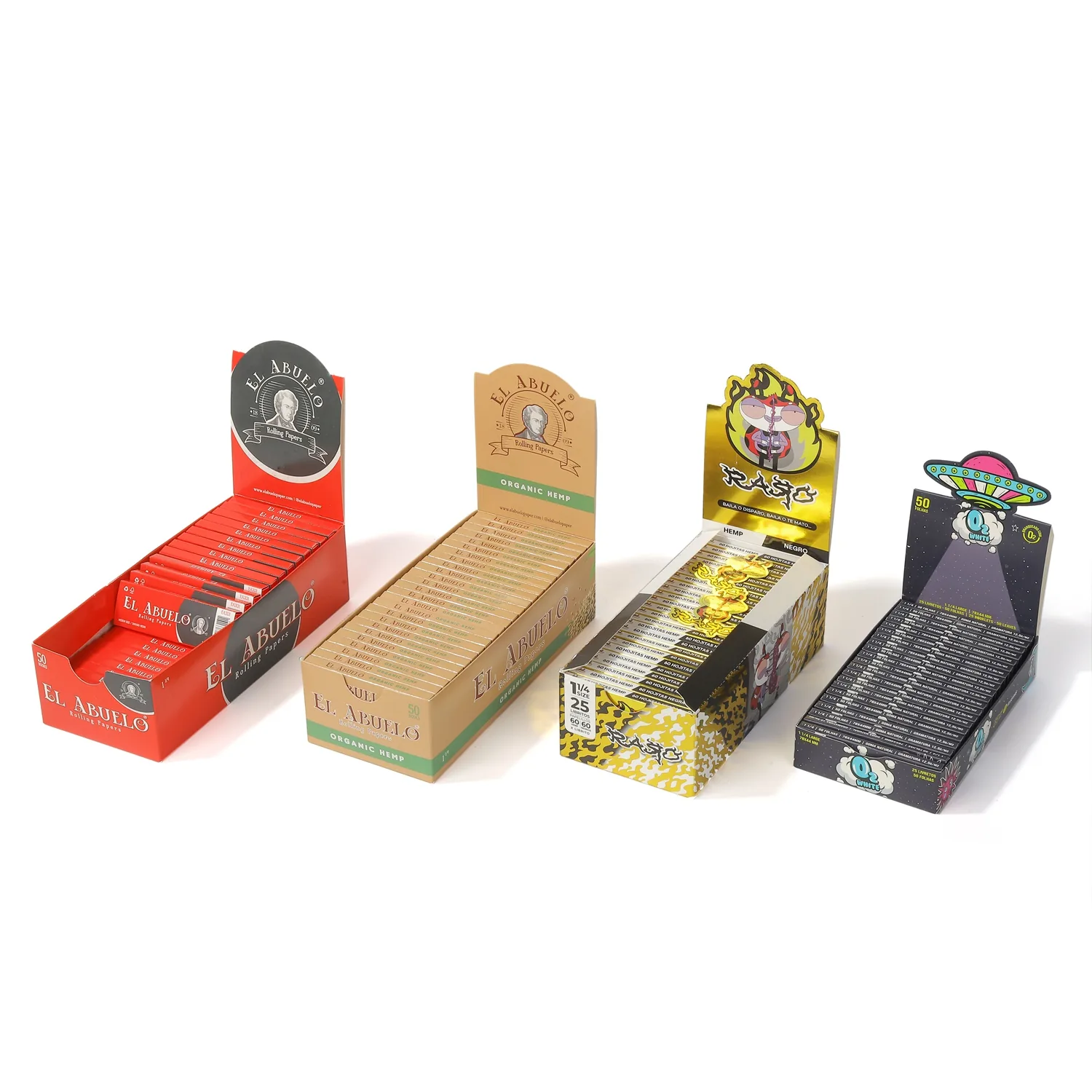
Logo printing is the entry point. Most manufacturers offer one- to four-color printing on booklet covers. The reality is that digital printing now makes short-run custom work viable. Egrandstand promotes award-winning design teams for cover, spine, and inner-panel artwork. You should expect the same from any supplier claiming “full customization.”
Watermark customization is rarer and more valuable. SWM’s “Be Unique” technology embeds custom filigree patterns into the paper itself. This prevents counterfeiting and signals authenticity to end users. If you are building a brand in the UK or EU where counterfeit products flood the market, watermarking is worth the tooling cost.
Packaging customization often matters more than the paper itself. PDQ display boxes, counter cartons, magnetic closures, and combo packs (papers + tips) drive retail placement. In Spain and Italy, countertop display presence determines sales velocity. Ask your manufacturer if they design and produce retail cartons in-house or outsource to a third party.
| Nivel de Personalización | What’s Included | Typical MOQ |
|---|---|---|
| Basic | Logo on standard booklet | 5,000-10,000 |
| Estándar | Custom cover art + sizes | 10,000-25,000 |
| Advanced | Watermark + flavor + tip packs | 25,000-50,000 |
| Full OEM | Custom paper + packaging + display | 50,000+ |
Conclusión clave: Demand in-house design support and packaging production, not just logo printing.
How do MOQ and lead times compare across manufacturers?
MOQ determines your cash flow. Lead time determines your shelf date.
Small-brand-friendly manufacturers start at 5,000-10,000 booklets; major mills often require 100,000+ unit commitments.

European manufacturers like PDL and SWM historically served large tobacco clients. Their MOQs reflect that heritage — 50,000 to 100,000 units for custom work is common. The trade-off is reliability: four paper machines, 85,000 MT annual output, and century-old processes. For a national distributor in Germany or France, this scale makes sense.
Asian manufacturers typically offer lower entry points. Here’s what most people get wrong: lower MOQ often means trading companies, not direct factories. A true factory with slitting, booklet assembly, and packaging under one roof can profitably run 5,000-10,000 unit custom orders. If a supplier quotes 1,000 units for full customization, dig deeper — they are likely subcontracting without quality control.
Lead times break into three phases: sampling (7-14 days), production (15-30 days), and shipping (sea: 25-40 days; air: 5-10 days). In the EU, sourcing from a French or Spanish mill cuts shipping to 3-7 days but increases unit cost by 30-50%. Sourcing from Asia cuts unit cost but adds complexity. It gets better: some manufacturers now hold EU warehouse stock for faster replenishment.
| Manufacturer Type | Typical MOQ | MOQ personalizado | Tiempo de Entrega | Ideal Para |
|---|---|---|---|---|
| European mill (PDL, SWM) | 50,000+ | 25,000+ | 30-45 days | Large distributors, EU brands |
| Asian direct factory | 5,000-10,000 | 5,000-10,000 | 25-40 days | Mid-size brands, cost focus |
| Trading company | 1,000-3,000 | 1,000+ | 35-50 days | Startups, testing markets |
| Premium custom house | 10,000+ | 10,000+ | 45-60 days | High-design brands |
Conclusión clave: Match MOQ to your forecast; verify factory ownership before celebrating low minimums.
What packaging formats work best for different sales channels?
The same paper in the wrong package will not sell.
Booklets, combo packs, pre-rolled cones, and display boxes each serve distinct retail and wholesale channels.
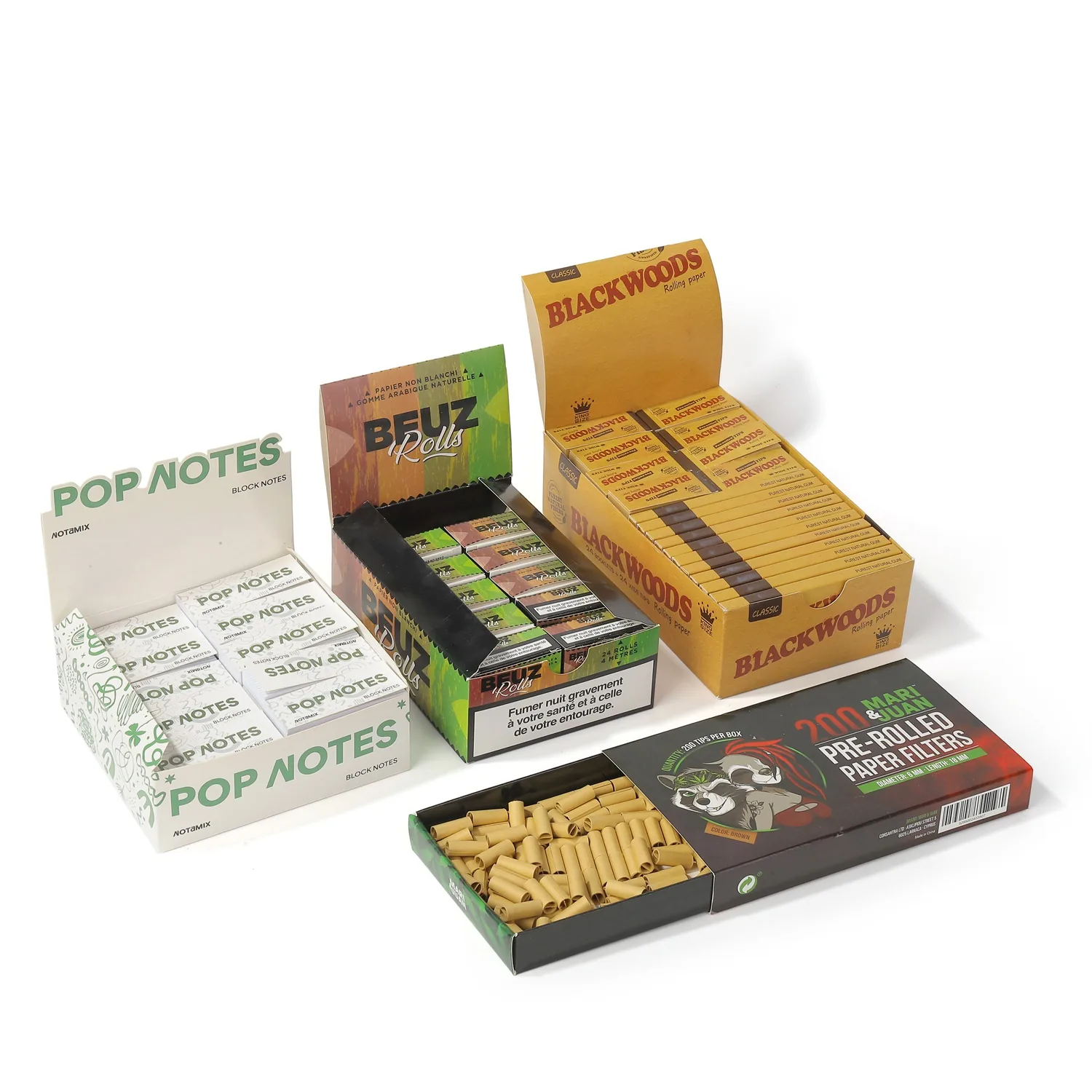
Classic booklets remain the volume driver. Single-wide, 1¼, and king-size slim formats cover 90% of the market. In the UK and Germany, king-size slim dominates. In France, 1¼ retains strong demand. Your manufacturer should offer all three with matching tip booklets.
Combo packs (papers + perforated tips) command 15-25% higher shelf price with minimal material cost increase. They also reduce the buyer’s decision friction. Egrandstand pushes combo packs as a core SKU. Any serious supplier should assemble these in-house.
Pre-rolled cones are the fastest-growing segment. They target convenience buyers and command premium pricing. The manufacturing is more complex — cone forming, filter insertion, and individual packing require dedicated equipment. But here’s the thing: cones open dispensary and head-shop channels that flat papers cannot reach. In Italy and Spain, pre-roll demand is accelerating.
Retail display packaging completes the picture. Kraft boxes, PDQ trays, and counter cartons determine whether a shop owner gives you shelf space. PDL and SWM both produce retail cartons. Your supplier should offer structural design support, not just printing.
| Formato | Target Channel | Margin Profile | Manufacturing Complexity |
|---|---|---|---|
| Classic booklets | Smoke shops, convenience | Estándar | Bajo |
| Combo packs (paper + tips) | Retail, online | Higher (+15-25%) | Low-Medium |
| Conos preenrollados | Dispensaries, premium retail | Premium (+40-60%) | Alto |
| Bulk rolls (for filling machines) | Industrial pre-roll brands | Volume, lower per-unit | Medio |
| Display boxes / PDQ | Retail placement | Marketing investment | Medio |
Conclusión clave: Choose formats by channel, not by manufacturing convenience.
How important is sustainability in rolling paper sourcing?
Sustainability is no longer a niche selling point — it is a market access requirement.
FSC-certified pulp, unbleached papers, and compostable packaging open EU retail channels that reject conventional products.
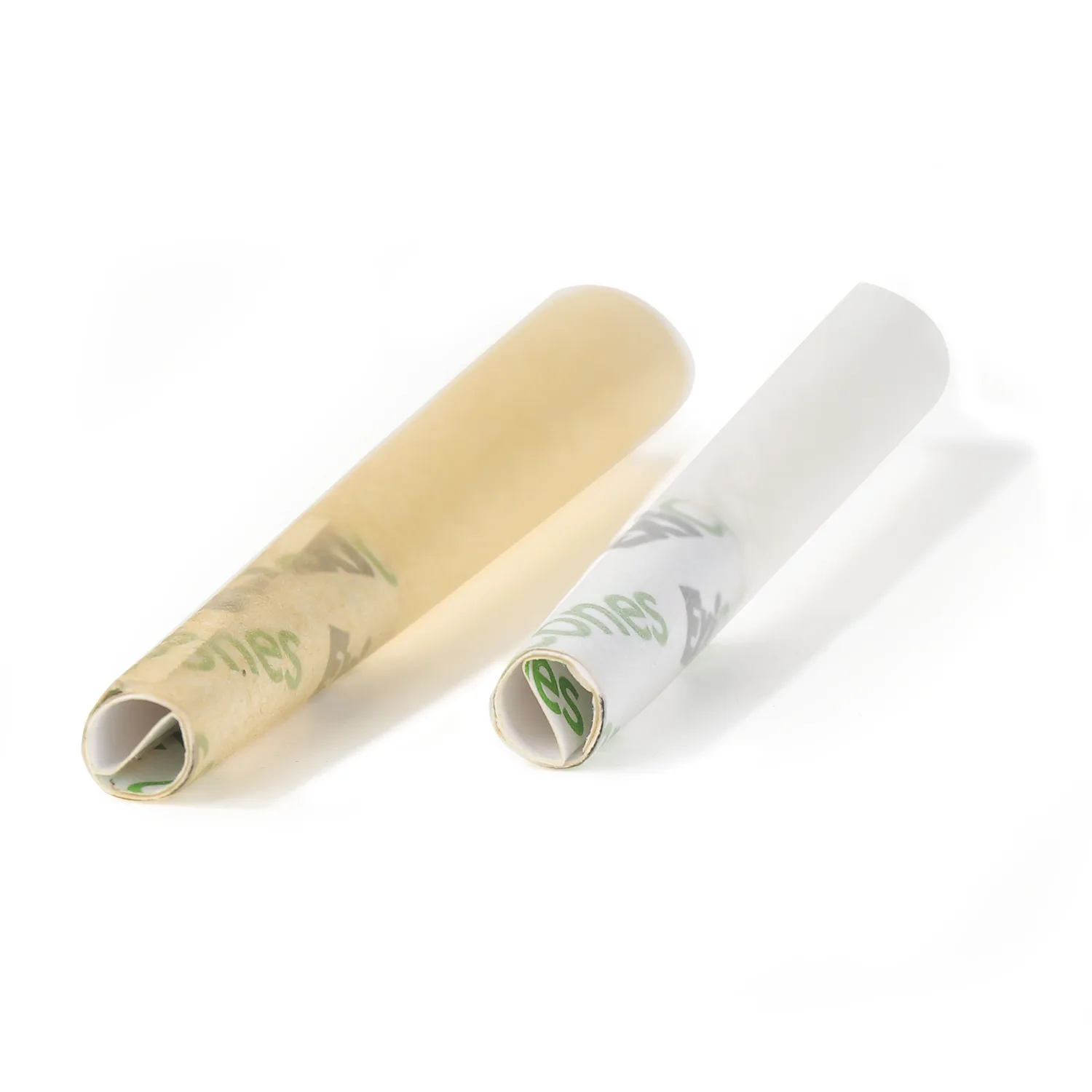
The EU Single-Use Plastics Directive and national packaging laws in France, Germany, and Italy now penalize non-recyclable packaging. Even if rolling papers themselves are paper-based, the plastic outer wrap or non-compostable filter tips can trigger compliance issues. A manufacturer with ISO 14001 and plastic-free packaging options protects your market access.
Consumer demand drives the trend harder than regulation. In the UK, unbleached natural papers grew 25% year-over-year in specialist retail. In Germany, organic hemp papers carry price premiums of 30% or more. The reality is that sustainability credentials printed on the booklet — FSC logo, “unbleached,” “organic hemp” — convert browsers into buyers.
Carbon footprint data is the next frontier. Large distributors in the EU now request Scope 1 and 2 emissions data from suppliers. PDL publishes CSR policies. SWM releases annual ESG reports. If your five-year plan includes major EU retail, your manufacturer must have the data ready.
| Sustainability Feature | Customer Impact | Regulatory Relevance |
|---|---|---|
| FSC/PEFC certified pulp | Trust signal, premium pricing | Required by some EU retailers |
| Unbleached natural paper | Health-conscious positioning | None directly, but market-driven |
| Plastic-free packaging | Eco-buyer conversion | EU packaging law alignment |
| Compostable filters | Full eco-product claim | Emerging requirement |
| Carbon footprint reporting | B2B distributor requirement | Increasingly requested |
Conclusión clave: Treat sustainability as a compliance layer, not just a marketing angle.
What red flags should you watch for when vetting suppliers?
A bad manufacturer costs more than a good one — in recalls, reputation damage, and lost distribution.
Watch for brokers posing as factories, missing certifications, vague specs, and pressure to skip sampling.
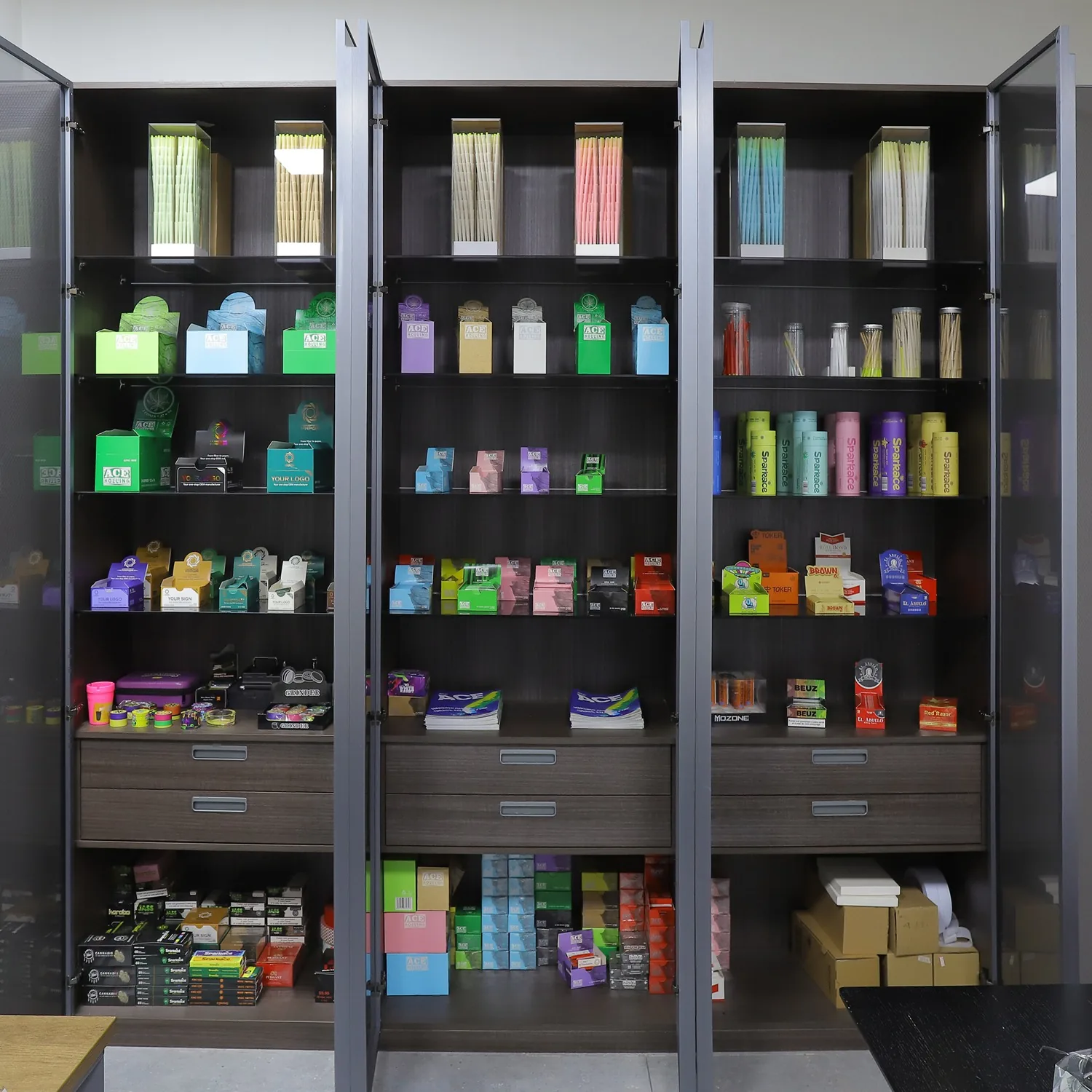
Broker detection is the first skill. Real factories show production floor videos with their company signage visible. They answer technical questions about slitting width, gum viscosity, and drying curves. Brokers send generic catalogues and dodge specifics. Ask for a video call from the production floor — not the sales office. If they refuse, you are likely talking to a middleman.
Vague specifications are the second red flag. A legitimate manufacturer quotes exact ranges: “13.5 gsm ± 0.5, porosity 22 CU ± 5.” A risky supplier says “about standard thickness” or “similar to RAW.” Precision in specs reflects precision in production. Ambiguity reflects either ignorance or deliberate opacity.
Pressure to skip sampling is the third danger sign. Any factory confident in its quality will send free or low-cost samples. If a supplier demands 50% deposit before you touch the product, walk away. In the EU and UK, distributors routinely evaluate 3-5 suppliers via sample before placing trial orders. This is standard practice, not an insult.
The final red flag is inconsistent communication. Factory-direct sales teams know their machines, their capacity, and their current backlog. If answers change between emails — “lead time is 20 days” then “actually 45 days” — the supplier is either disorganized or subcontracting your order without telling you.
| Red Flag | What It Means | Your Response |
|---|---|---|
| No factory video / refused visit | Likely broker | Demand proof or move on |
| Vague specs (“standard quality”) | Poor quality control | Request exact parameter ranges |
| Pressure to skip samples | Quality risk | Insist on sample-trial-order sequence |
| Inconsistent answers | Subcontracting or disorganization | Document everything, set penalties |
| Missing certification scope | Paper-only trading company | Verify certificate numbers |
| No quality agreement | No recourse for defects | Draft and sign before deposit |
Conclusión clave: Trust is earned through transparency, not promised through email.
How do you build a long-term partnership with your manufacturer?
The best supplier relationships outlast product lines.
Clear specs, regular audits, shared forecasts, and joint problem-solving turn vendors into strategic partners.

Start with a written quality agreement. Define acceptance criteria for grammage, porosity, print registration, gum adhesion, and packaging integrity. Include defect rates — AQL 1.0 or 2.5 is standard for consumer goods. Without this document, every dispute becomes a negotiation.
Share forecasts quarterly, not just when you place orders. Manufacturers plan pulp purchases and machine scheduling months ahead. If they know your Q4 volume in July, they can reserve capacity and avoid rush premiums. In return, ask for capacity guarantees and price lock periods. This is how partnerships in Germany and France operate — and it works.
Visit at least once per year, even if you source from Asia. The cost of a 3-day trip is recovered in one prevented quality issue. And that’s not all: face-to-face meetings surface improvement ideas that emails never capture. A production manager might mention a new flavoring technique. A packaging engineer might suggest a carton redesign that cuts shipping volume by 15%.
Finally, treat your manufacturer as a product development partner, not just a production vendor. Jointly develop exclusive formulations — a proprietary blend, a unique flavor, a custom watermark. These exclusives become competitive moats. PDL and SWM both co-develop with major clients. Your manufacturer should welcome the same approach.
| Partnership Element | Year 1 | Year 2+ |
|---|---|---|
| Quality agreement | Signed before first order | Reviewed annually |
| Forecast sharing | Monthly | Quarterly rolling |
| On-site visits | Once (initial audit) | Annual or bi-annual |
| Joint development | Sampling only | Exclusive formulations |
| Price terms | Spot pricing | Annual frame contracts |
| Communication | Email + video | Dedicated account manager |
Conclusión clave: Invest in the relationship early — the returns compound over years.
Preguntas frecuentes
Can I get custom printed rolling papers with my logo?
Yes. Most rolling paper manufacturers offer logo printing on booklet covers, with options ranging from one-color stamps to full four-color process printing. For smaller orders under 10,000 units, digital printing keeps setup costs low. For larger runs, offset or flexo printing delivers sharper detail and lower per-unit cost. The key is confirming whether your supplier handles design alignment in-house or expects print-ready artwork. In-house design support reduces errors and speeds approval cycles.
What’s the difference between hemp, rice, and wood pulp rolling papers?
Hemp papers burn slower and carry a natural, earthy flavor profile. They appeal to health-conscious and eco-focused buyers, especially in the UK and Germany. Rice papers are the thinnest option — nearly transparent — and burn fastest with minimal ash. They suit king-size slim formats but tear more easily during machine assembly. Wood pulp papers offer the most consistent performance across printing, gumming, and booklet assembly. They remain the volume standard for mainstream retail. Your choice should align with your brand positioning and target market preferences.
How long does it take to receive a first order from a new manufacturer?
A realistic first-order timeline is 45-75 days from initial contact to delivery. Sampling takes 7-14 days. Artwork approval and production setup add another 10-15 days. Production runs 15-30 days depending on MOQ and factory load. Sea shipping from Asia to Europe takes 25-40 days; air freight cuts this to 5-10 days but increases cost significantly. EU-based manufacturers like PDL in France can deliver in 15-25 days total but at higher unit costs. Plan your launch calendar backward from your target shelf date.
Do rolling paper manufacturers offer sample programs?
Reputable manufacturers always offer samples — either free for serious buyers or at low cost with freight covered by the prospect. A sample program should include 3-5 product variants: different materials, grammages, and finishing options. Request samples from the actual production line, not marketing prototypes. Test for burn consistency, gum adhesion after storage, and print quality under retail lighting. If a manufacturer refuses samples or charges full product price for them, treat this as a red flag and look elsewhere.
What certifications should a reliable rolling paper supplier have?
At minimum, ISO 9001 for quality management. For EU markets, REACH compliance is mandatory. For food-contact claims, EU 1935/2004 or FDA 21 CFR 176.170 testing reports are essential. Environmental credentials like ISO 14001, FSC®, or PEFC strengthen B2B positioning, particularly with distributors in France, Germany, and Italy. Always verify certificate numbers with the issuing body rather than accepting screenshots. Scope statements matter: a certificate covering “trading” does not validate manufacturing capability.
Contact Us Today to discuss your rolling paper requirements and receive a customised quotation for your brand. Recorrido Virtual 3D de la Fábrica supplies custom rolling papers, pre-rolled cones, and retail packaging solutions to distributors and brand owners across the UK and EU.