
I’ve had brands ask me to just print “organic” on their packaging without a certificate behind it. I always say no.
Real organic certification requires third-party verification of your agricultural fiber inputs and adds real cost and lead time—it’s worth pursuing if your brand’s core positioning depends on that specific claim, but it’s not worth faking, and “natural” marketing language isn’t a substitute for the actual certificate.
Read this and you’ll know what the certification actually verifies, what it costs, and how to decide if it’s worth it before you build a brand story around it.
What Does “Organic” Actually Mean for a Rolling Paper Product?
Buyers use this word loosely. Certifiers don’t.
A legitimate organic certification verifies that the agricultural fiber inputs were grown and processed under specific organic farming and handling standards, tracked through a documented chain of custody—it’s a claim about the raw material’s origin, not a general statement about how “clean” the finished paper is.
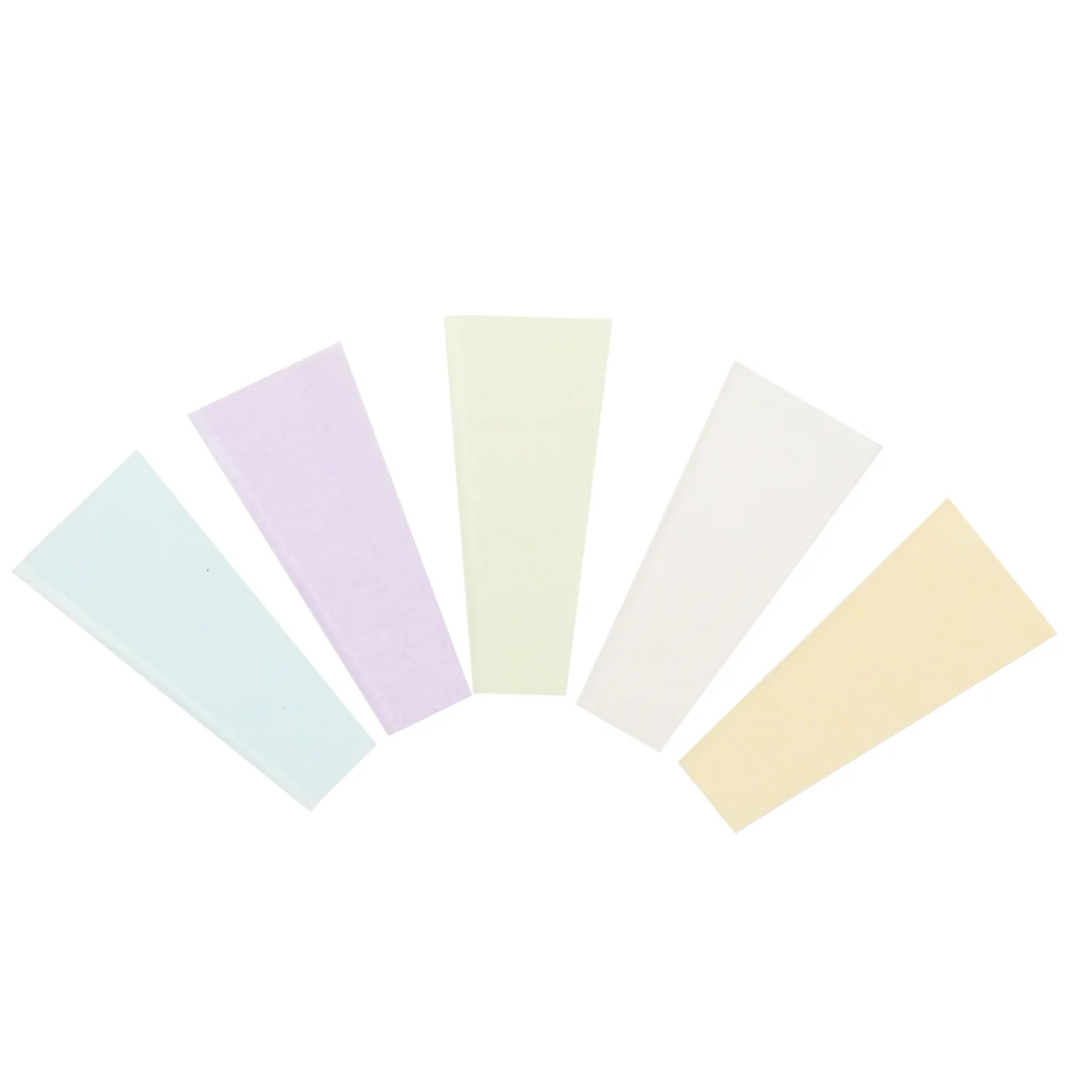
I explain it this way to brands: certification doesn’t test the finished rolling paper for some abstract “organic quality.” It verifies a documented, auditable chain going back to how the fiber crop was grown and handled before it ever reached a paper mill. That distinction matters because it means certification is fundamentally a sourcing and paperwork commitment, not a finishing-line adjustment you can bolt onto an existing product late in the process.
What Does Getting Certified Actually Cost a Brand?
This is the part that changes most buyers’ minds one way or the other.
Certification typically involves application fees, ongoing annual audit costs, and often a price premium on certified-organic fiber input itself—the total cost is meaningfully higher than sourcing standard fiber, and it recurs every certification cycle, not just once.

I want brands to budget for this as a recurring cost, not a one-time stamp. Certifying bodies conduct periodic audits to maintain the certification, and if your supply chain changes—a new fiber supplier, a different processing facility—you may need to re-verify that portion of the chain. This is exactly why I won’t recommend pursuing certification lightly; it’s a genuine operational commitment, not a marketing add-on.
Does Organic Certification Change Anything About Burn or Safety?
I get this question paired with certification almost every time.
Organic certification verifies agricultural input sourcing, not burn characteristics or material safety—a certified organic paper isn’t automatically slower-burning or “safer” than a non-certified paper with equivalent fiber and processing.
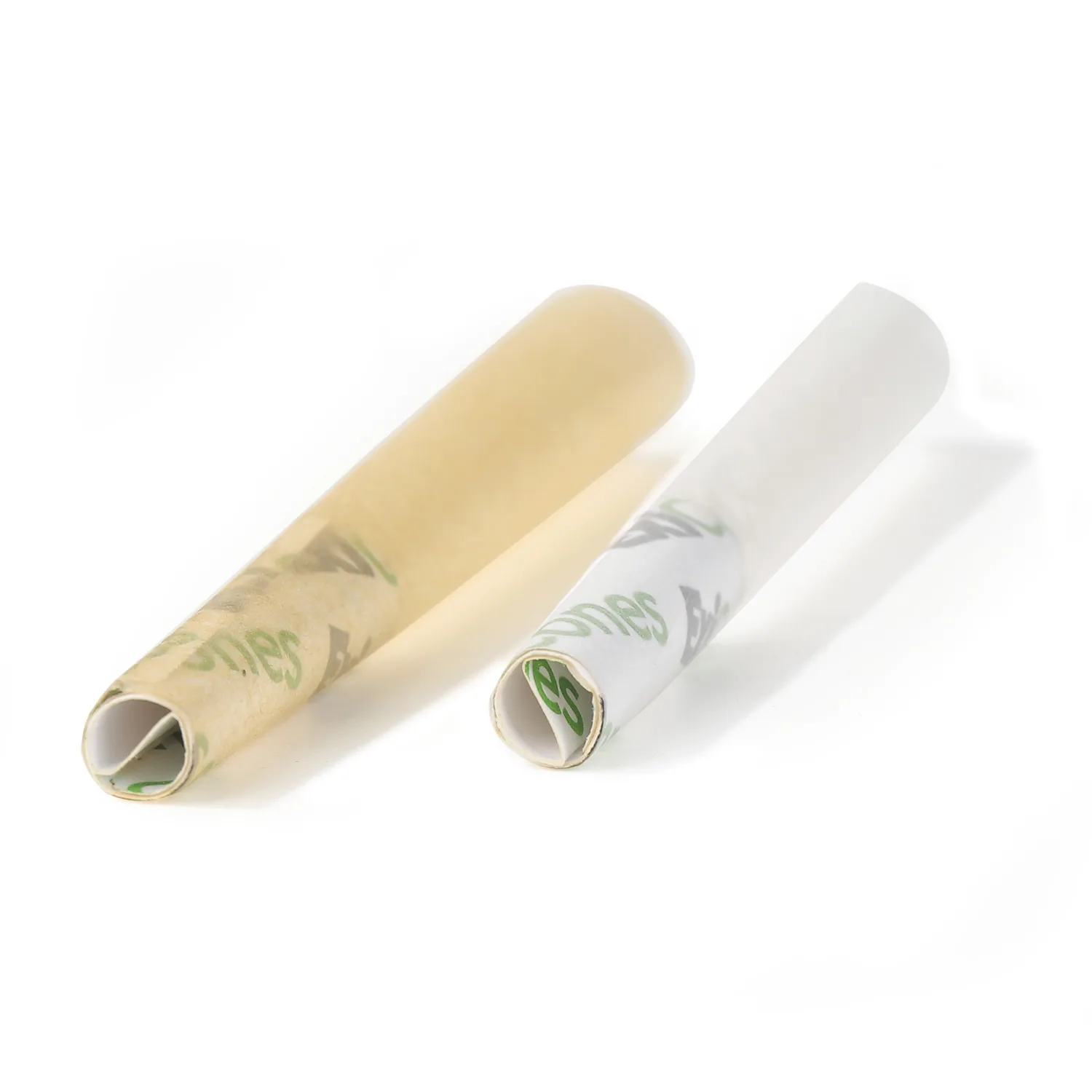
This is a distinction I make deliberately, because I don’t want a brand assuming certification covers ground it simply doesn’t cover. If burn behavior or material safety documentation matters to your buyers, those are separate things to test and document—a COA or burn rate test, for instance—regardless of whether the fiber input also carries organic certification.
| Claim | What it actually verifies |
|---|---|
| Organic certification | Agricultural input sourcing and chain of custody |
| Material safety COA | Heavy metals, residue, fiber composition |
| Burn rate testing | Combustion behavior on a physical sample |
Can Buyers Actually Charge a Premium for Certified Organic Papers?
This is the business case brands are usually really asking about.
Certified organic products can support a price premium in markets where that specific certification carries real weight with your target buyer, but the premium needs to realistically exceed your added certification and fiber cost, or the claim becomes a net cost rather than a net gain.
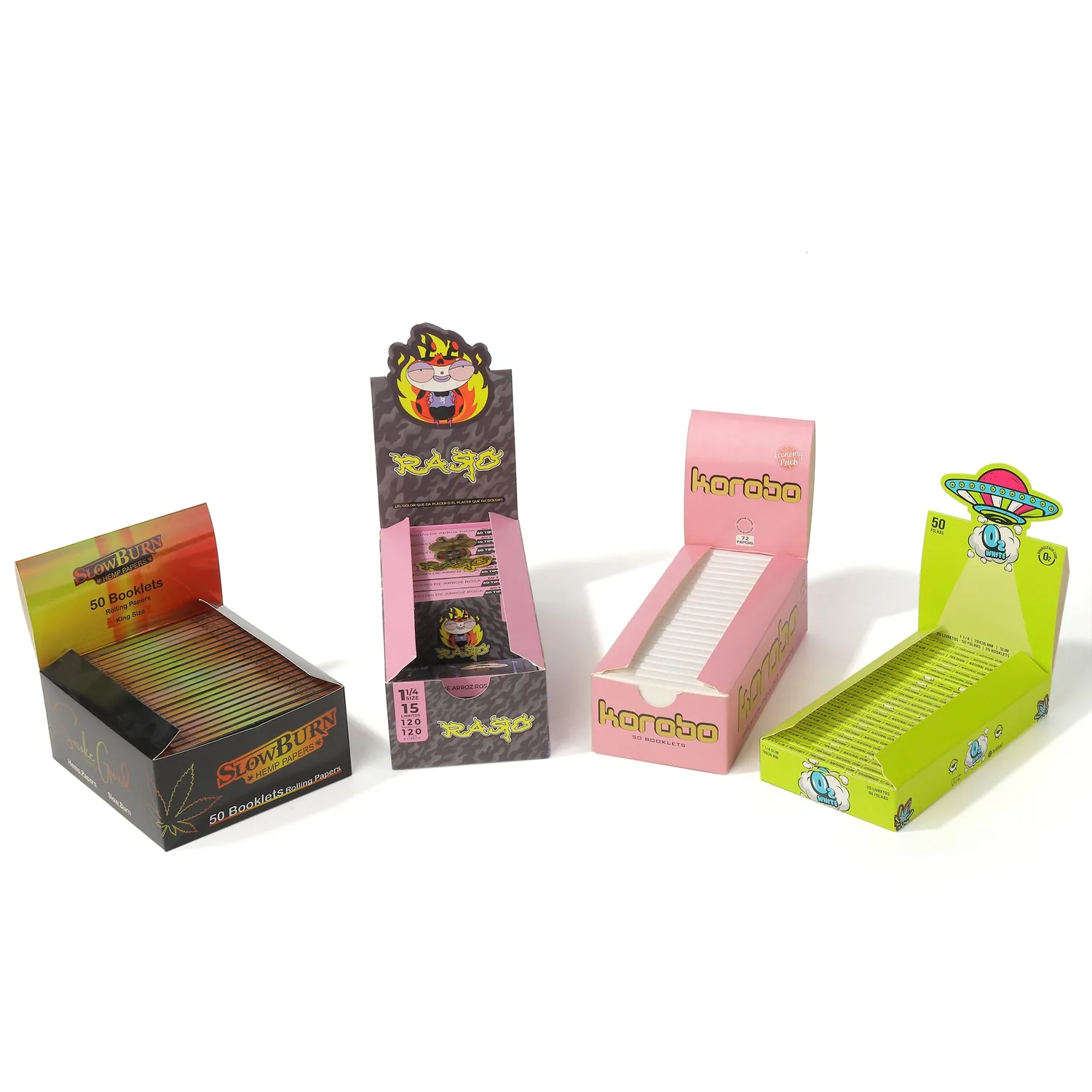
I ask brands to actually run this math before committing: your added per-unit fiber cost, your amortized annual certification cost per unit at your target volume, and your expected shelf premium. In some target markets and price tiers, this works out clearly in the brand’s favor. In others, the added cost outweighs what buyers are actually willing to pay more for, and a “natural” or “unbleached” positioning without full certification ends up making more commercial sense.
What’s the Real Difference Between “Organic” and “Natural” Marketing Language?
I see these two words used almost interchangeably, and they shouldn’t be.
“Organic” is a certifiable, legally regulated claim requiring third-party verification; “natural” is a much looser marketing term without a standardized certification behind it in most contexts, and the two shouldn’t be presented as equivalent on packaging.
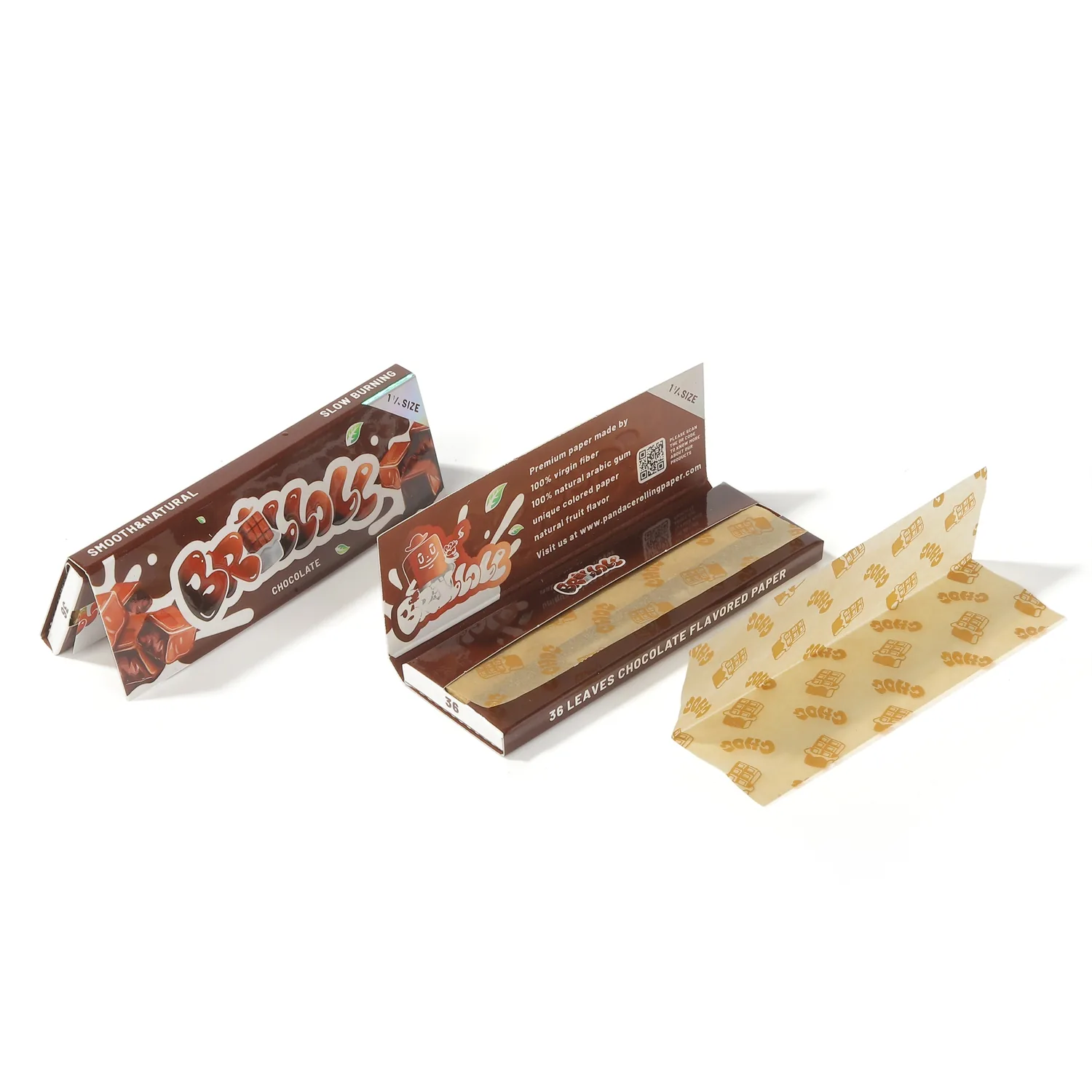
I actively steer brands away from using “organic” language without the certificate, because it’s the kind of claim regulators and marketplaces increasingly scrutinize. A “natural” or “unbleached” fiber story, told honestly about your actual material, is a legitimate positioning that doesn’t carry the same certification burden—it’s just a different, more accurate claim about a different thing.
How Do You Decide If Certification Is Worth It for Your Brand?
I’d rather walk through this math with a brand than let them guess.
Pursue certification if your target market specifically rewards it and your projected premium clearly exceeds your added fiber and audit cost; otherwise, consider an honest natural or unbleached positioning that doesn’t require the certification’s ongoing cost and paperwork burden.

| Factor de decisión | Qué verificar |
|---|---|
| Target market premium expectation | Do buyers actually pay more for this claim? |
| Added fiber cost | Certified input usually costs more |
| Recurring audit cost | Amortized per unit at your target volume |
| Alternative honest claim | “Natural”/”unbleached” without certification burden |
Ace Rolling can discuss fiber sourcing options with brands exploring this path and offers FSC-certified sourcing options on applicable programs, though “organic” specifically requires its own dedicated third-party certification separate from FSC.
Preguntas frecuentes
Is organic rolling paper worth the certification cost?
It depends on your target market and math: pursue certification if your buyers specifically reward that claim and your projected premium clearly exceeds your added fiber and audit costs. If the numbers don’t clear that bar, an honest “natural” or “unbleached” positioning can be a legitimate alternative that doesn’t carry the same ongoing certification burden.
What does organic certification actually verify for a rolling paper?
It verifies that the agricultural fiber inputs were grown and processed under specific organic farming and handling standards, tracked through a documented chain of custody back to the source crop. It’s a claim about raw material origin, not a general statement about the finished paper’s overall quality or cleanliness.
Does certification cost only apply once, or does it recur?
It recurs. Certifying bodies typically require periodic audits to maintain the certification, and supply chain changes—a new fiber supplier or processing facility—may require re-verification. Brands should budget certification as an ongoing operational cost tied to each certification cycle, not a one-time fee paid at the start.
Is certified organic rolling paper automatically safer or slower-burning?
No. Organic certification verifies agricultural input sourcing, not burn characteristics or material safety. A certified organic paper isn’t automatically slower-burning or safer than a non-certified paper with equivalent fiber and processing—those properties need separate testing and documentation regardless of certification status.
Can I just call my rolling paper “natural” instead of getting organic certified?
Yes, as long as the “natural” claim is honest about your actual fiber and processing choices. “Organic” is a specific, certifiable, third-party-verified claim, while “natural” is a much looser marketing term without a standardized certification behind it in most contexts—the two shouldn’t be presented as equivalent on packaging.
Can Ace Rolling help me source certified fiber for an organic claim?
Ace Rolling can discuss fiber sourcing options with brands pursuing this path and offers FSC-certified sourcing options on applicable programs, though organic certification specifically requires its own dedicated third-party verification separate from FSC. Bring your target certification and market to the conversation so sourcing can be scoped accurately.
Deciding Whether Certification Fits Your Brand?
Run the premium-versus-cost math first, then talk fiber sourcing options with us if it clears the bar.
- Papeles de fumar personalizados: https://ace-rolling.com/custom-rolling-papers/
- Calidad y certificaciones: https://ace-rolling.com/quality-certifications/
- Cotización: https://ace-rolling.com/contact/