
Should you choose clear cellulose or paper pre-rolled cones? Choose paper cones for the standard, widely available wholesale route with broad fiber and print flexibility; clear cellulose cones offer visible-fill shelf appeal but are a more specialized format—confirm feasibility, burn behavior, and cost with your supplier before committing, since cellulose is a structurally different material than paper.
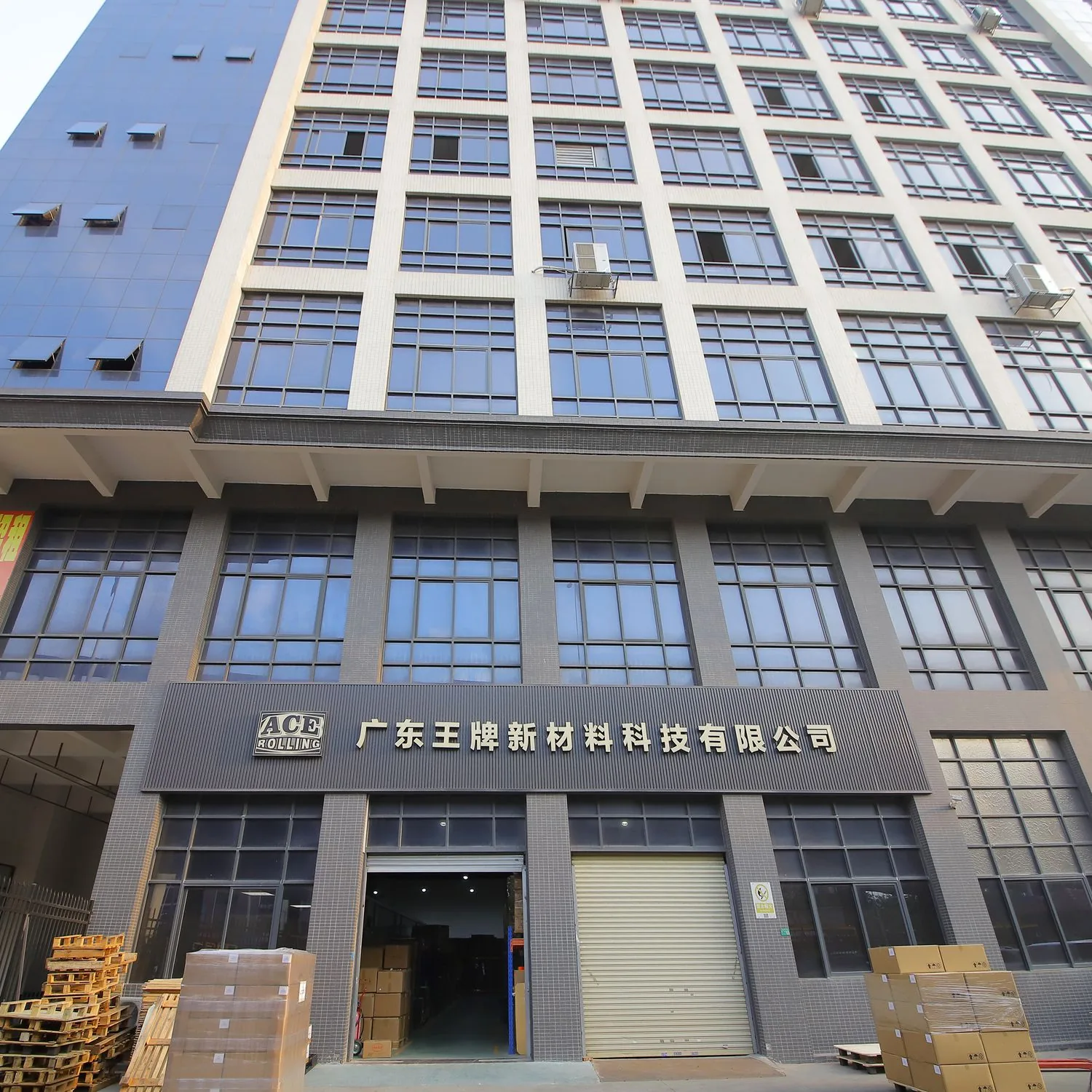
SERP peers such as Accelerant Manufacturing frame cellulose cones as a distinct pre-roll material category from paper. Guangdong Ace Rolling is a Dongguan, China OEM/ODM manufacturer producing paper-based cones across multiple fiber routes; clear cellulose is a specialized request buyers should scope carefully. This guide compares the two formats for private-label decision-making.
What’s the Structural Difference Between Cellulose and Paper Cones?
Lead-in: The two materials come from different processing routes entirely.
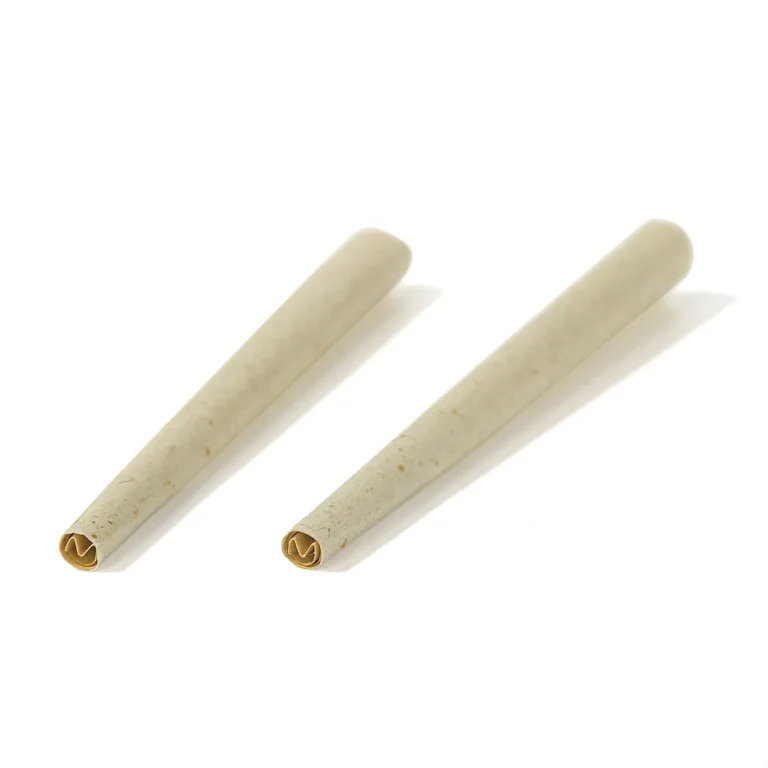
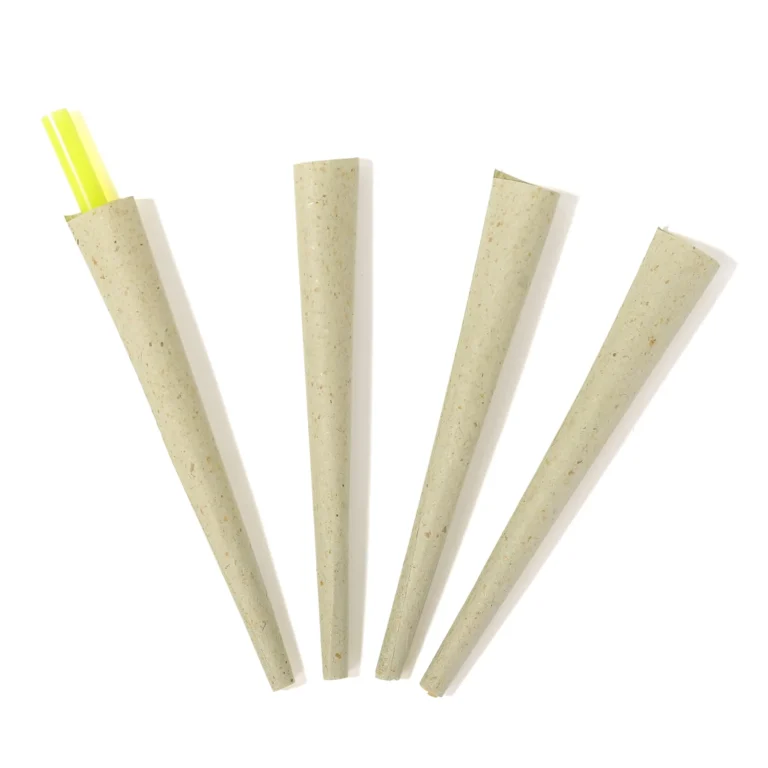
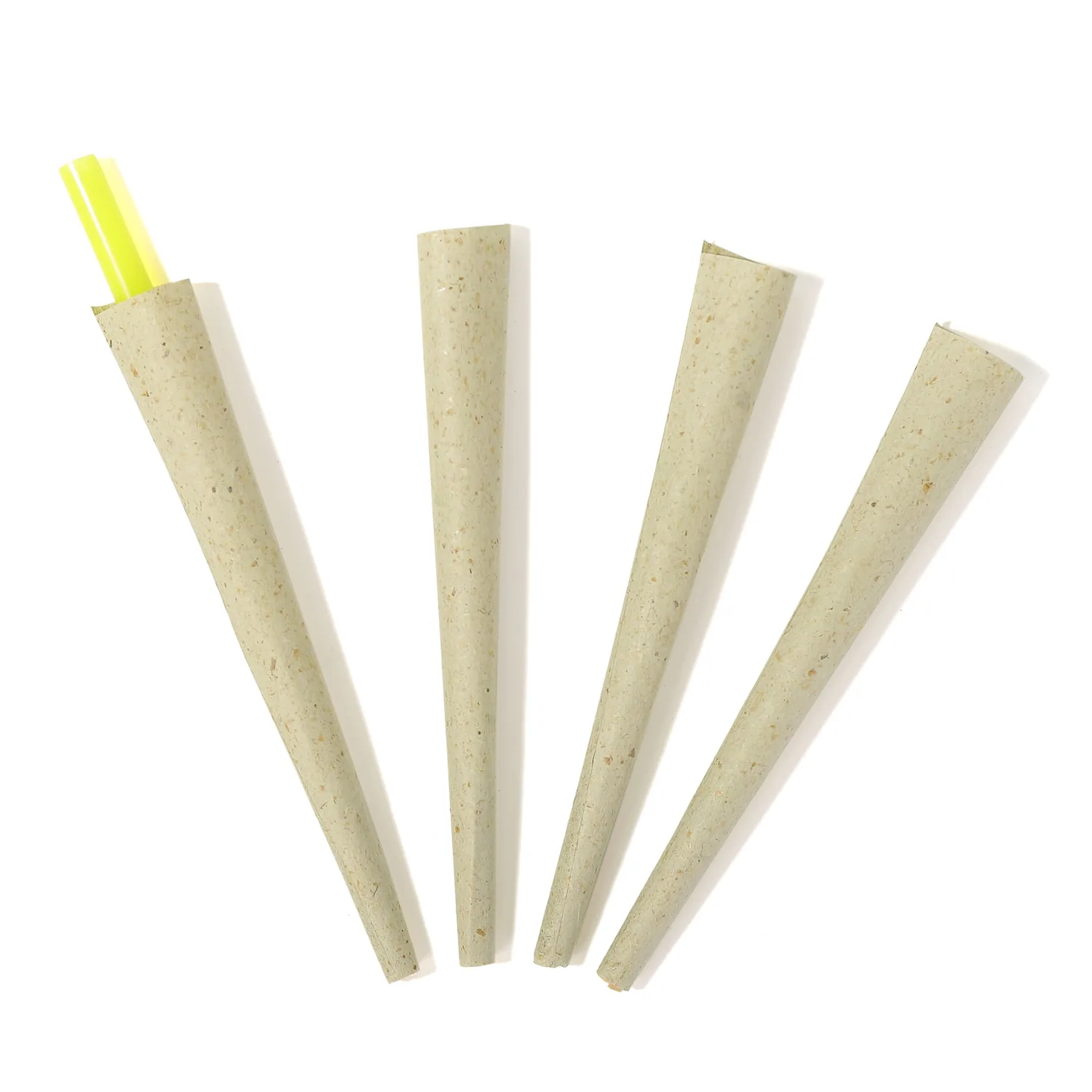
Summary: Paper cones use standard rolling paper fiber (wood pulp, hemp, rice, or similar) processed into a thin, typically opaque or lightly tinted sheet. Clear cellulose cones use a transparent cellulose film material, giving a see-through appearance that shows the fill inside, distinct from paper’s fiber-based structure and opacity.
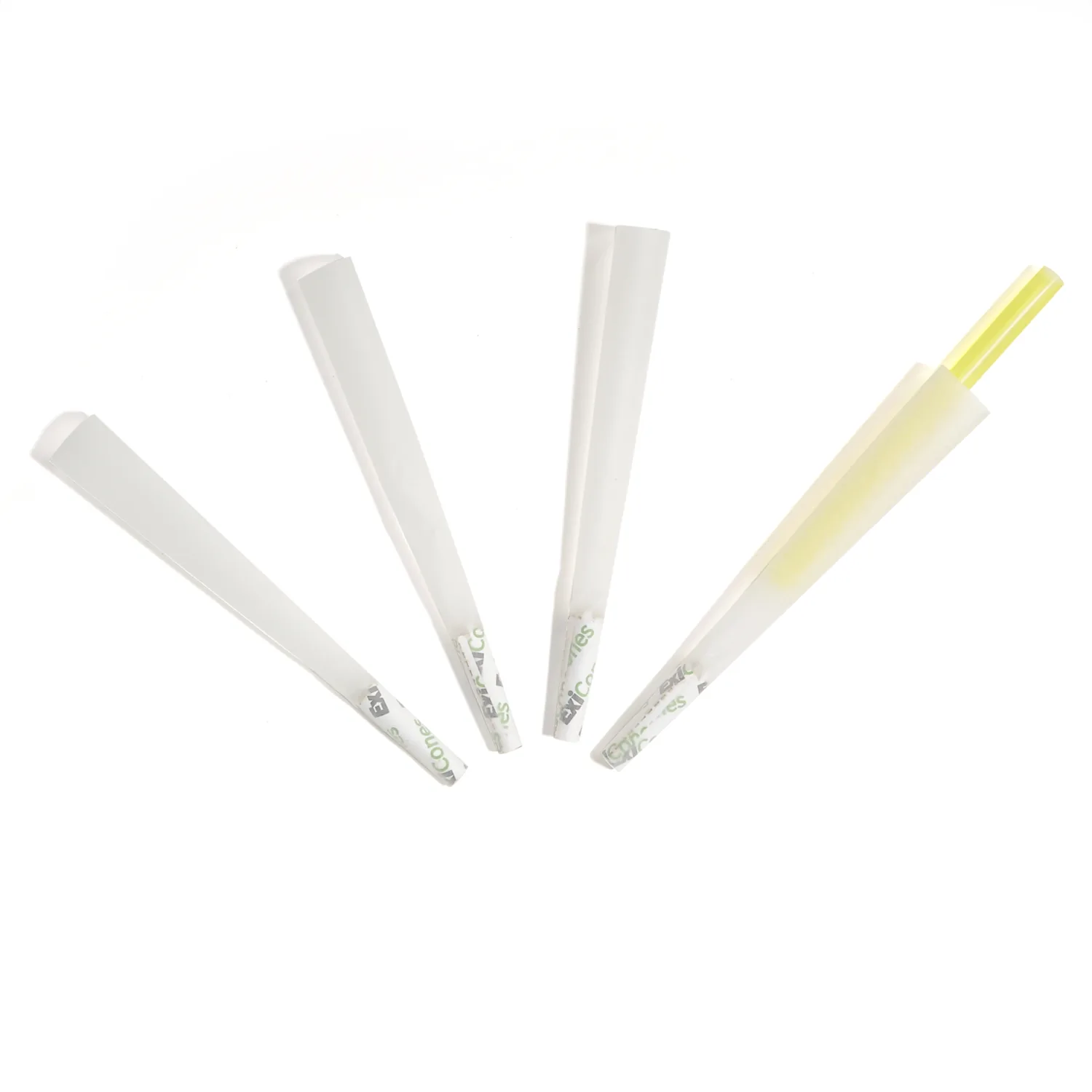
| Elemento | Paper cone | Clear cellulose cone |
|---|---|---|
| Material base | Fiber (wood pulp, hemp, etc.) | Cellulose film |
| Visual | Opaque/tinted | Transparent |
| Availability | Standard, widely offered | Specialized, confirm feasibility |
Conclusión clave: Cellulose and paper are structurally different materials—don’t assume they share the same production process or availability.
Opciones de conos: https://ace-rolling.com/pre-rolled-cones/.
Why Would a Brand Want a Transparent Cone?
Lead-in: Visibility of the fill is the primary selling point of clear cellulose.
Summary: A transparent cone lets the fill material be visible through the wrapper, which some brands use as a shelf-appeal or “see what you’re getting” positioning signal. This visual transparency is the core differentiator driving interest in the format, distinct from any burn or performance claim.

| Impulsor de posicionamiento | Detalle |
|---|---|
| Fill visibility | Core selling point |
| Shelf differentiation | Stands out next to opaque paper cones |
| Performance claim | Not the primary driver |
Conclusión clave: Clear cellulose is a visibility/shelf-differentiation play—evaluate it on that basis, not as a performance upgrade over paper.
Posicionamiento de marca: https://ace-rolling.com/house-of-brands/.
Does Burn Behavior Differ Between the Two Materials?
Lead-in: Different base materials can behave differently when burned.
Summary: Paper’s burn characteristics are well established and documented across many fiber routes. Clear cellulose is a less common cone material, so burn behavior should be validated on a physical sample specifically—don’t assume it burns identically to paper just because the format (“cone”) looks similar on the outside.
| Propiedad | Papel | Celulosa transparente |
|---|---|---|
| Comportamiento de combustión | Well established | Validate on sample |
| Documentation available | Extensive | Limited, confirm with supplier |
Conclusión clave: Don’t assume burn parity between materials—request and test a physical cellulose sample before any volume commitment.
Proceso de muestra: https://ace-rolling.com/how-to-get-a-custom-rolling-paper-sample-kit/.
How Does Availability and MOQ Compare Between Formats?
Lead-in: Standard formats move faster through sourcing than specialized ones.
Summary: Paper cones are a standard catalog offering with established MOQ starting around 2,000 units and multiple fiber routes ready to quote quickly. Clear cellulose cones are a more specialized request that needs a feasibility check first—confirm sourcing, tooling, and MOQ specifically for this material before assuming standard cone terms apply.
| Formato | Factibilidad | MOQ reference |
|---|---|---|
| Paper cones | Standard, ready to quote | ~2,000+ baseline |
| Celulosa transparente | Feasibility check needed | Confirm per spec |
Conclusión clave: Treat clear cellulose as a custom feasibility project, not a drop-in swap for a standard paper cone order.
Programas OEM: https://ace-rolling.com/oem-odm-rolling-paper-manufacturer/.
What Print and Branding Options Work With Each Material?
Lead-in: Branding placement differs when the material itself is meant to stay transparent.
Summary: Paper cones support direct printing on the paper surface across a wide range of colors and coverage. Clear cellulose cones, if printing is desired, typically need it placed carefully to preserve the transparency that’s the format’s main selling point—heavy print coverage would defeat the purpose of choosing a see-through material.
| Material | Printing approach |
|---|---|
| Papel | Full-coverage print options |
| Celulosa transparente | Light/partial print to preserve transparency |
Conclusión clave: If choosing clear cellulose for visibility, keep print minimal—heavy coverage undermines the format’s core appeal.
Papeles personalizados: https://ace-rolling.com/custom-rolling-papers/.
How Does Wholesale Cost Compare Between the Two?
Lead-in: Material specialization typically affects cost.
Summary: Paper cones quote inside Ace’s standard ~$0.04–$0.06 per-cone wholesale band with MOQ. Clear cellulose, being a more specialized material and process, should be quoted separately and may sit outside the standard paper cone band depending on sourcing and feasibility—confirm actual figures rather than assuming price parity.
| Formato | Pricing reference |
|---|---|
| Paper cones | ~$0.04–$0.06 per cone |
| Celulosa transparente | Quoted separately by spec |
Conclusión clave: Request cellulose-specific pricing—don’t assume it matches the standard paper cone wholesale band.
Planificación al por mayor: https://ace-rolling.com/quality-certifications/.
How Do You Decide and Order the Right Cone Material?
Lead-in: One brief settles feasibility, cost, and print scope together.
Summary: If broad availability and established fiber flexibility matter most, paper cones are the direct path. If shelf-visibility is your priority and you’re prepared for a feasibility and sampling process, raise clear cellulose as a specific request. Send Ace your priority, target quantity, and timeline to scope the right path.

| Paso | Acción |
|---|---|
| 1 | Decide: broad availability (paper) vs. visibility (cellulose) |
| 2 | Confirm feasibility for cellulose if chosen |
| 3 | Approve burn/print sample |
| 4 | Lock quote and MOQ |
Conclusión clave: Start with your priority—availability or visibility—then scope feasibility accordingly before committing to either material.
Inicio: https://ace-rolling.com/contact/.
Preguntas frecuentes
Should you choose clear cellulose or paper pre-rolled cones?
Choose paper cones for the standard, widely available wholesale route with broad fiber and print flexibility. Choose clear cellulose if fill visibility is a priority for your shelf positioning, but confirm feasibility, burn behavior, and cost with your supplier first, since cellulose is a more specialized, structurally different material than paper.
What’s the main structural difference between cellulose and paper cones?
Paper cones use standard rolling paper fiber processed into a thin, typically opaque or lightly tinted sheet. Clear cellulose cones use a transparent cellulose film material that shows the fill inside. The two materials come from entirely different processing routes, so buyers shouldn’t assume shared production capability or availability between them.
Does clear cellulose burn the same way as paper?
Not necessarily assumed to be identical. Paper’s burn characteristics are well established across many fiber routes, while clear cellulose is a less common cone material with less documented burn behavior. Request and test a physical cellulose sample specifically rather than assuming burn parity just because both formats are shaped as cones.
Is clear cellulose available at the same MOQ as paper cones?
Not necessarily. Paper cones are a standard catalog offering with established MOQ starting around 2,000 units and quick quoting across multiple fiber routes. Clear cellulose is a more specialized request that typically needs a feasibility check first to confirm sourcing, tooling, and an appropriate MOQ before assuming standard paper cone terms apply.
Can you print branding on a clear cellulose cone?
Yes, but carefully. Paper cones support full-coverage printing across a wide color range. Clear cellulose cones, if printed, typically need lighter or partial print placement to preserve the transparency that’s the format’s main selling point—heavy print coverage would defeat the purpose of choosing a see-through material in the first place.
Does clear cellulose cost more than a standard paper cone?
Likely, though it depends on the specific spec. Paper cones quote inside Ace’s standard ~$0.04–$0.06 per-cone wholesale band with MOQ. Clear cellulose, being a more specialized material and process, should be quoted separately and may sit outside that standard band—confirm actual figures with your supplier rather than assuming price parity.
Ready to Decide on Cone Material?
Start with your priority—availability or visibility—then scope feasibility and pricing accordingly.
- Cone options: https://ace-rolling.com/pre-rolled-cones/
- OEM programs: https://ace-rolling.com/oem-odm-rolling-paper-manufacturer/
- Cotización: https://ace-rolling.com/contact/