
I’ve watched a fill crew load a full tray before anyone opened a second carton, then spend the afternoon picking crushed tapers out of the hopper.
On a bulk cone shipment I verify count versus PO, carton integrity, then a sample drawn from more than the top layer for taper, seam, tip seat, moisture feel, and dimensional match to the approved sample—do that before any filling starts, because a bad carton at volume becomes a full production day.
Read this and you’ll have a receiving sequence you can hand to the dock, not a supplier-brochure checklist.
I’ve covered how to choose wholesale suppliers separately at https://ace-rolling.com/bulk-pre-rolled-cones-wholesale-suppliers/. This piece is only what you do when the freight is already on your floor.
What Do You Check on the Carton Before You Open Units?
I start outside the cone, because transit damage often never reaches a pretty top-layer sample.
Check carton count, PO and lot marks, crush or puncture, and whether inner packs shifted; a master that arrived wet, dented, or with broken straps is already a hold, even if the cones on top still look round.

I ask receiving to photograph the pallet and the worst carton before they break it down. That photo is the only leverage you have with a carrier or a supplier later. Once the crew dumps cones into a hopper, you have lost the chain of custody and you will argue about “maybe it happened on our line.”
| Receiving step | Transmettre le signal | Hold signal |
|---|---|---|
| Pallet / master | Dry, marked, straps intact | Wet, crushed, no lot mark |
| Inner pack | Count matches PO | Short pack, mixed sizes |
| Top vs deep sample | Same taper and tip | Only the top looks good |
Why Must the Sample Come From More Than the Top Layer?
This is the habit I will not let a new crew skip.
Top-layer cones are the ones least likely to be crushed, so a pass there tells you almost nothing; pull units from at least two depths and two cartons, then compare them to the signed sample, not to memory.
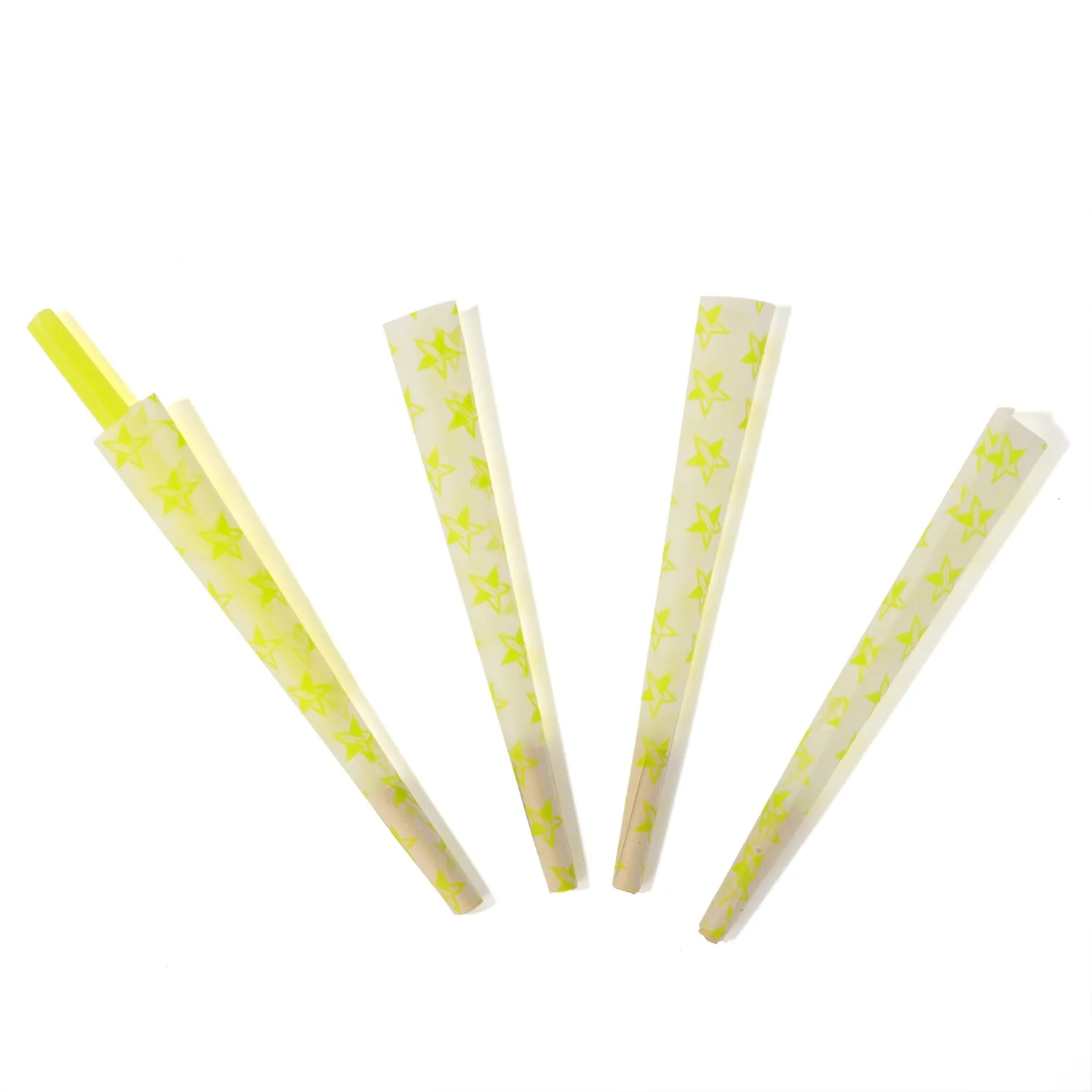
I learned this the expensive way on a shipment where the first two handfuls were fine and the bottom third had flattened crowns. Those units will not sit in a tray. They also canoe more easily once filled, which I covered as a separate root-cause map at https://ace-rolling.com/what-causes-canoeing-in-pre-rolls-and-how-do-you-stop-it/. Incoming crush is one of those causes you can catch before flower touches paper.
| Sample location | Ce que cela prouve | What it hides |
|---|---|---|
| Top handful only | Pretty units exist | Bottom-layer crush |
| Two depths, two cartons | Cohérence des lots | Almost nothing important |
Which Cone Features Are Worth a Finger-and-Ruler Check?
I keep this list short so receiving actually does it.
Check taper symmetry, seam continuity, tip centered and seated, crown roundness, and a quick length check against the approved drawing; if any of those fail on more than an isolated unit, stop the lot and do not “sort on the line.”
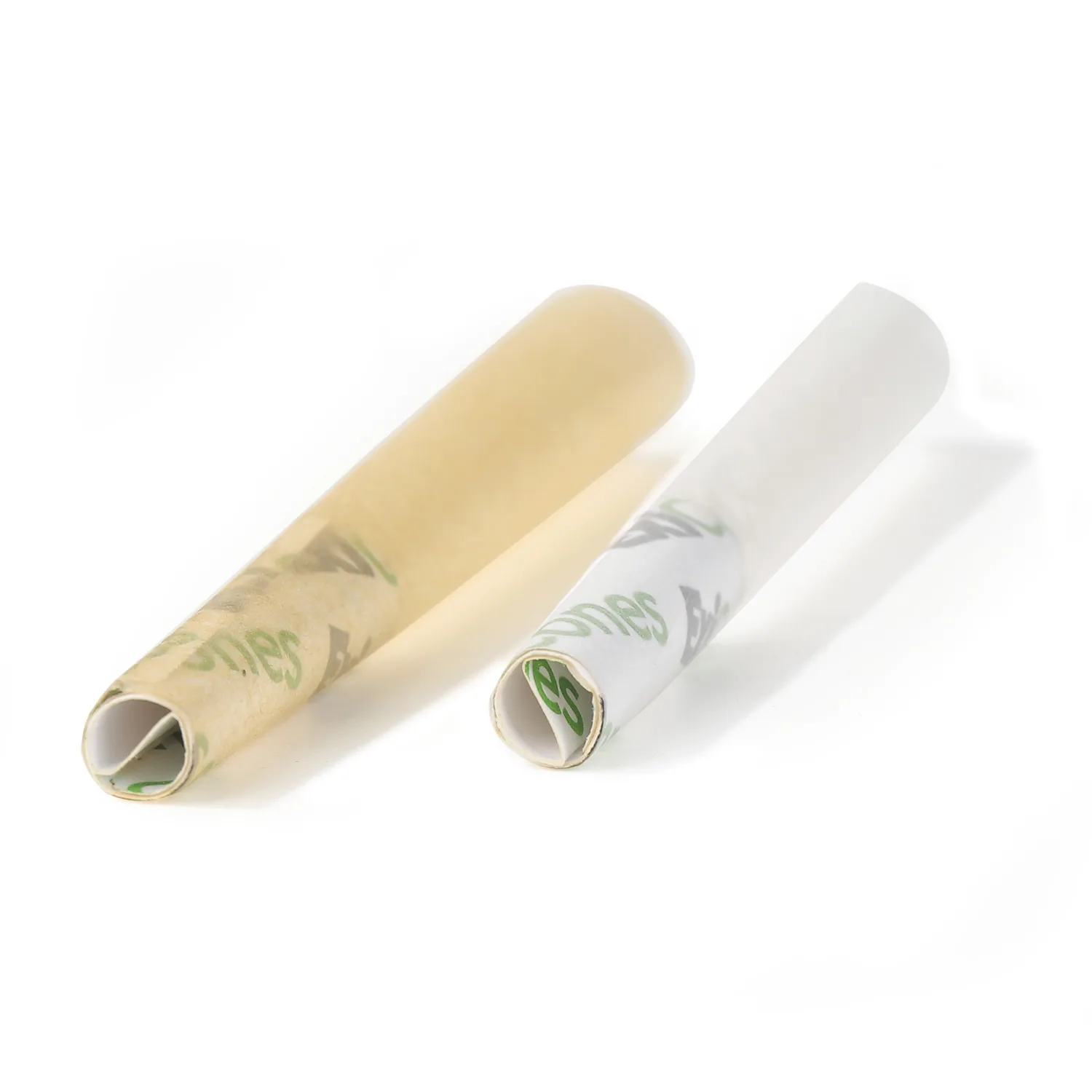
I do not ask dock staff for a lab GSM test on every inbound. I do ask them to reject a lot that already shows lifted gum, loose tips, or mixed lengths in one bag. Those are converting defects or mix-ups, and they will not improve after you vibrate flower into the cavity. Ace documents production under an ISO 9001:2015 framework; your receiving step is how that paperwork becomes a physical gate.
Does Moisture on Arrival Matter as Much as Shape?
Buyers sometimes skip this because the carton looks dry on the outside.
Yes—paper that feels limp or clammy will collapse in the tray and change how fill settles, so I treat a soft, cool, or musty handful as a hold even when the taper still looks round.
I have a separate warehouse-humidity piece at https://ace-rolling.com/how-should-you-store-rolling-papers-to-control-humidity/. The receiving version is simpler: if the paper does not feel like your approved sample, do not fill it. Moisture problems also travel with ocean freight more often than buyers expect, which is why I want the lot number on the hold tag, not just “carton 12.”
What Number Should Trigger a Full Lot Hold?
I give a rule of thumb so people stop improvising.
If the first deep sample already shows a repeating defect—crush, lifted seam, loose tip, mixed size—hold the whole lot and expand the sample; do not keep filling while you “watch it,” because volume turns a 5% defect into a full waste cart before lunch.
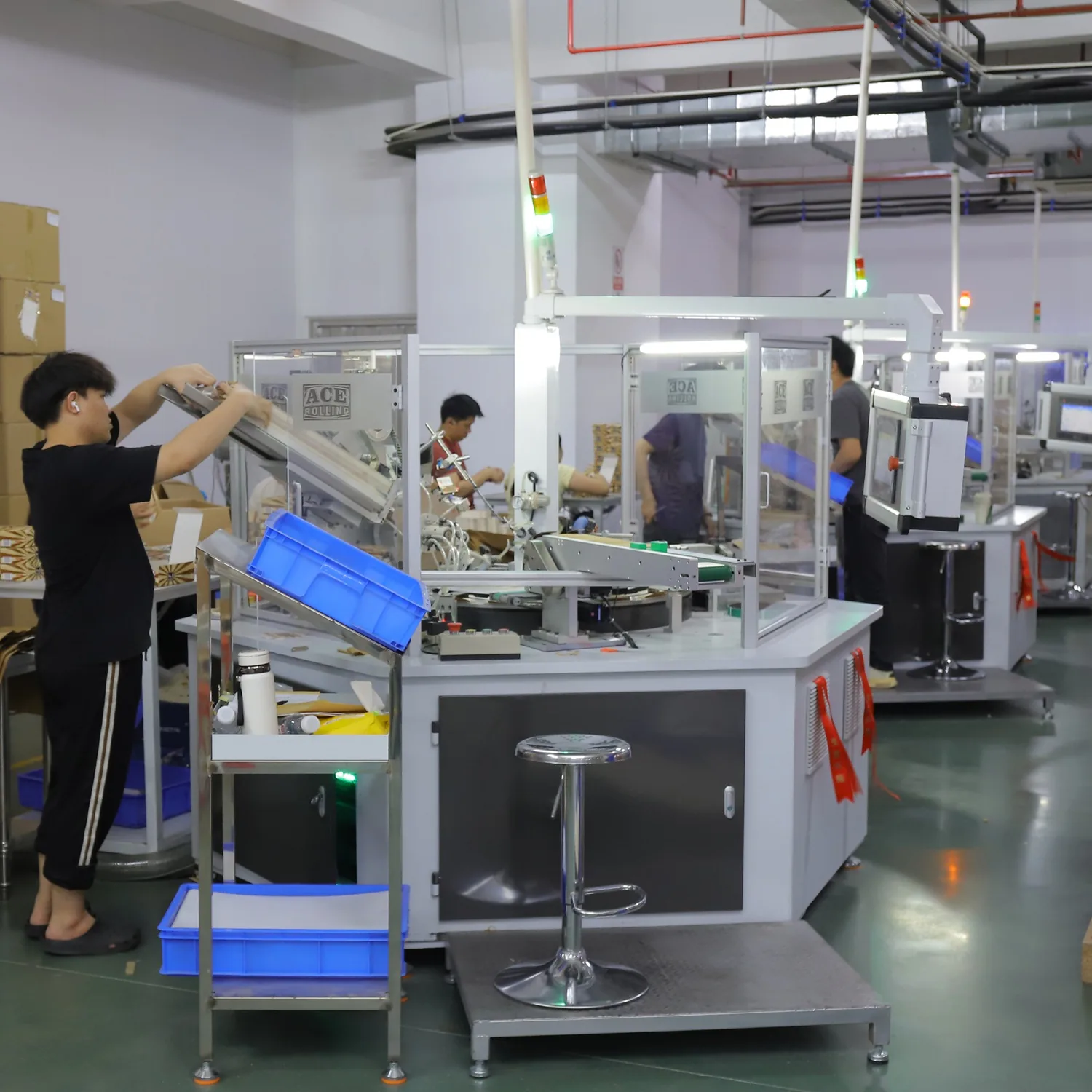
I would rather lose a morning to a hold than lose a day’s flower. Fill weight QC after the fact, which I wrote at https://ace-rolling.com/how-do-you-quality-check-pre-roll-fill-weight-variance/, cannot repair a cone that already arrived oval. Incoming QC is the cheaper gate.
How Do You Write This Into the Next Ace Purchase Order?
I’d rather lock the receiving rule before the next sailing.
Put the approved sample photo, target length and tip, and a written incoming sample plan on the PO—how many cartons, how many units, and who can release the lot—so receiving is executing a document, not inventing a habit when the truck arrives.
Ace cone orders still quote about USD $0.04–$0.06 per empty cone wholesale with MOQ. That price only stays cheap if you do not throw away a pallet because nobody sampled below the top layer. Send the receiving plan with the size brief to https://ace-rolling.com/pre-rolled-cones/.
FAQ
What should you verify on a bulk cone shipment?
What should you verify on a bulk cone shipment is count versus PO, carton integrity, then a deep-carton sample for taper, seam, tip seat, moisture feel, and match to the approved sample. Do that before any tray is loaded, because a hidden bottom-layer crush becomes a full production waste cart at volume.
Why isn’t a top-layer handful enough incoming QC?
Top-layer cones are the least crushed units in the carton. A pass there can hide flattened crowns in the bottom third. Pull from at least two depths and two cartons, then compare to the signed sample, not to memory or to the pretty units on top.
Which three cone features should receiving always touch?
Taper symmetry, seam continuity, and tip seat. Add a quick length check against the approved drawing. If those fail on more than an isolated unit, hold the lot. Do not sort defects on a running fill line after flower is already in the hopper.
Should a soft or clammy cone pass if the shape still looks round?
No. Limp or clammy paper will collapse in the tray and change how fill settles. Treat that handful as a hold, tag the lot number, and compare it to the approved sample’s hand-feel before anyone argues it is “just humidity in the warehouse.”
When should I hold the entire shipment instead of sorting?
Hold the lot as soon as a repeating defect shows up in the deep sample—crush, lifted seam, loose tip, or mixed size. Volume turns a small percent into a waste cart before lunch. Incoming holds are cheaper than filling first and investigating later.
Can Ace Rolling put an incoming sample plan on the purchase order?
Yes. Send the approved sample photo, target length and tip, and how many cartons and units receiving must pull. Ace documents production under ISO 9001:2015; your dock gate is how that framework becomes a physical release, not a PDF in email.
Want a Receiving Plan on the Next PO?
Send your tray type and approved sample photo, and I’ll write the inbound checks into the order notes.
- Pre-rolled cones: https://ace-rolling.com/pre-rolled-cones/
- Quality & certifications: https://ace-rolling.com/quality-certifications/
- Quote: https://ace-rolling.com/contact/