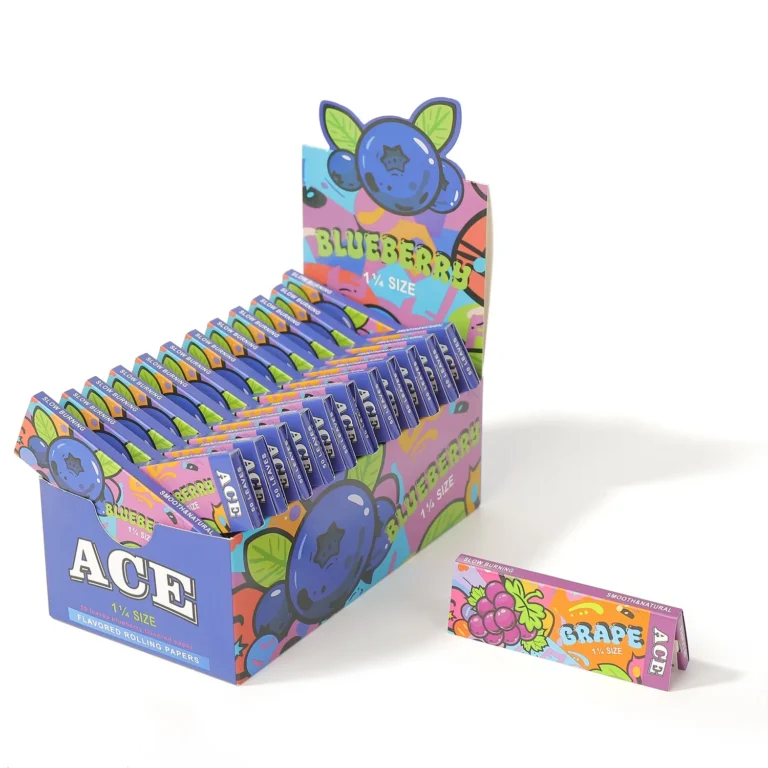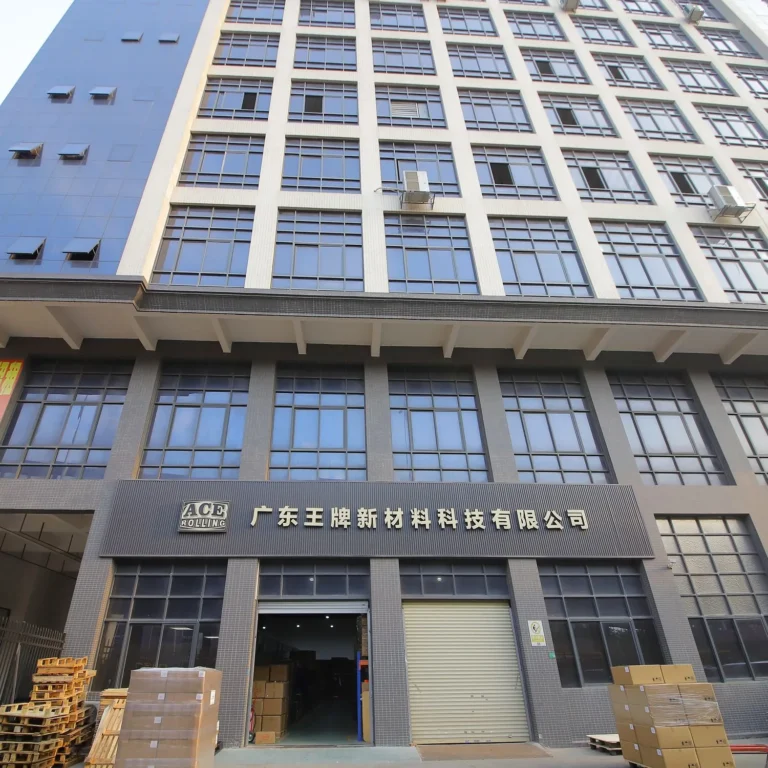

For international B2B buyers, distributors, and brand owners, the quality and consistency of your rolling paper supply chain is a critical driver of customer retention. Sourcing from uncertified, small-scale workshop mills often leads to paper thickness variances, failed adhesion seams, and shipping delays due to sudden customs holds.
To protect your brand reputation, partner with a direct Usine de papier à rouler ISO9001 that implements strict quality management systems (QMS) across every stage of production. Sourcing from a factory with verified ISO, SGS, and FSC certifications guarantees raw material traceability, chemical safety compliance, and predictable shipping schedules.
Understanding how standard quality audits, laboratory testings, and material traceabilities mitigate sourcing risks will help you establish a reliable long-term supply agreement.
—
What does ISO9001:2015 certification guarantee in paper production?
ISO9001:2015 is the international benchmark for quality management systems. In the context of rolling paper manufacturing, this standard ensures that the factory operates under repeatable, audited procedures to eliminate human error and equipment misalignment.
An ISO-compliant manufacturing plant maintains quality through three core pillars:
- Standardized Standard Operating Procedures (SOPs): Every process, from pulping and sheet winding to slitting and booklet packaging, follows documented protocols.
- Traceable Quality Audits: Every batch of raw materials and finished booklets is recorded with unique lot numbers, allowing instant traceability in the event of a product defect.
- Continuous Process Improvements: Implementing regular audits and customer feedback reviews to systematically resolve operational bottlenecks and material variances.
—
Which compliance certifications are essential for B2B buyers?
In regulated markets, raw product safety documentation is a prerequisite for customs clearance and retail distribution. A qualified manufacturer should supply:
SGS Chemical Analysis Reports
SGS testing verifies that the rolling papers and Arabic gum adhesives are free of heavy metals (such as lead and arsenic), residual chemical solvents, and toxic pesticides, ensuring compliance with global consumer safety acts.
FSC Forest Stewardship Council Certification
FSC certification guarantees that the wood pulp, bamboo, or hemp fibers originate from responsibly managed, sustainable forests. Providing FSC-certified products helps brands satisfy consumer demand for eco-friendly products.
Food-Grade Adhesive Compliance
Confirm that the adhesive gum line is made from 100% natural, food-grade Acacia gum sap. This natural glue contains no synthetic binders or combustion accelerators, ensuring a clean, tasteless burn.
—
How does Ace Rolling structure quality control?
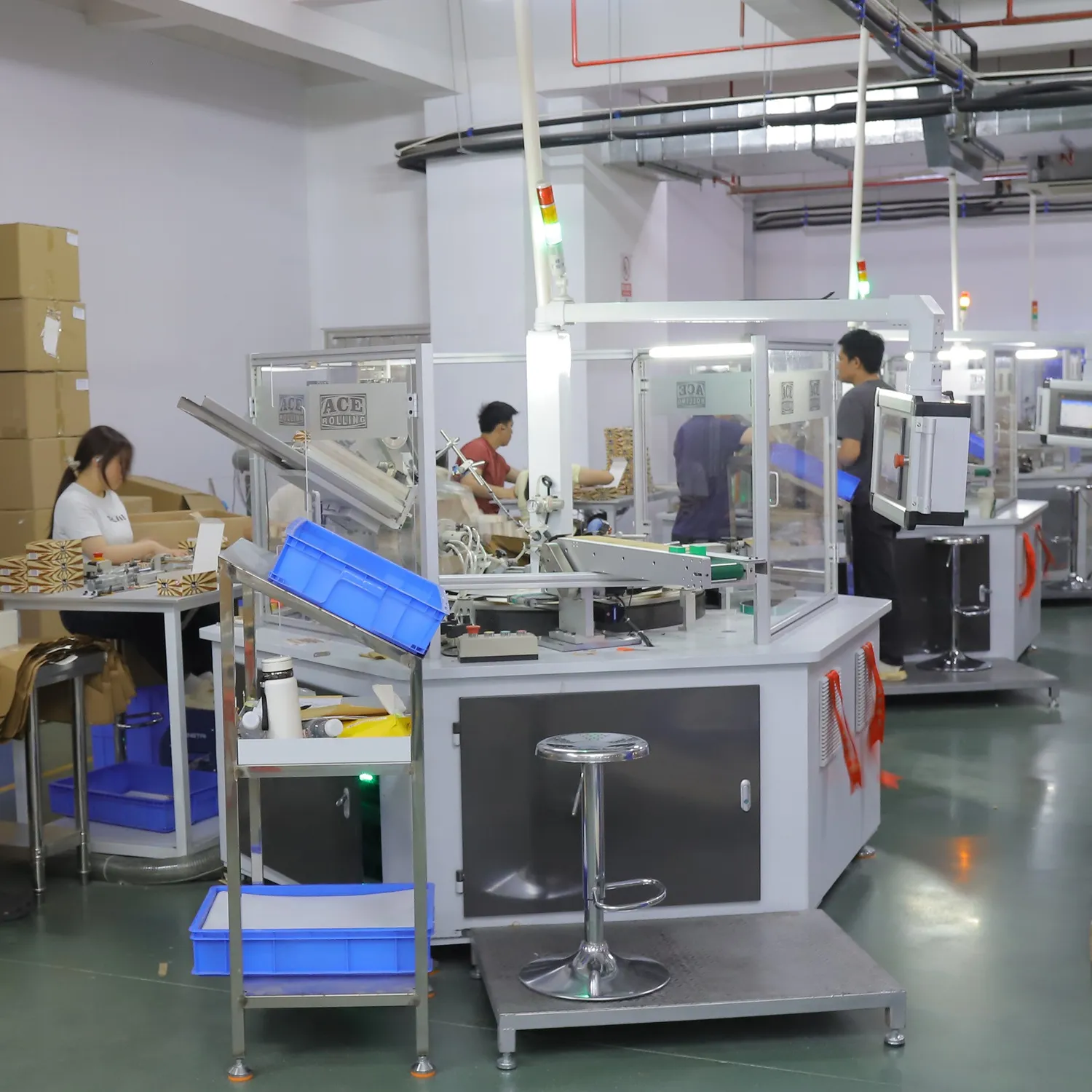
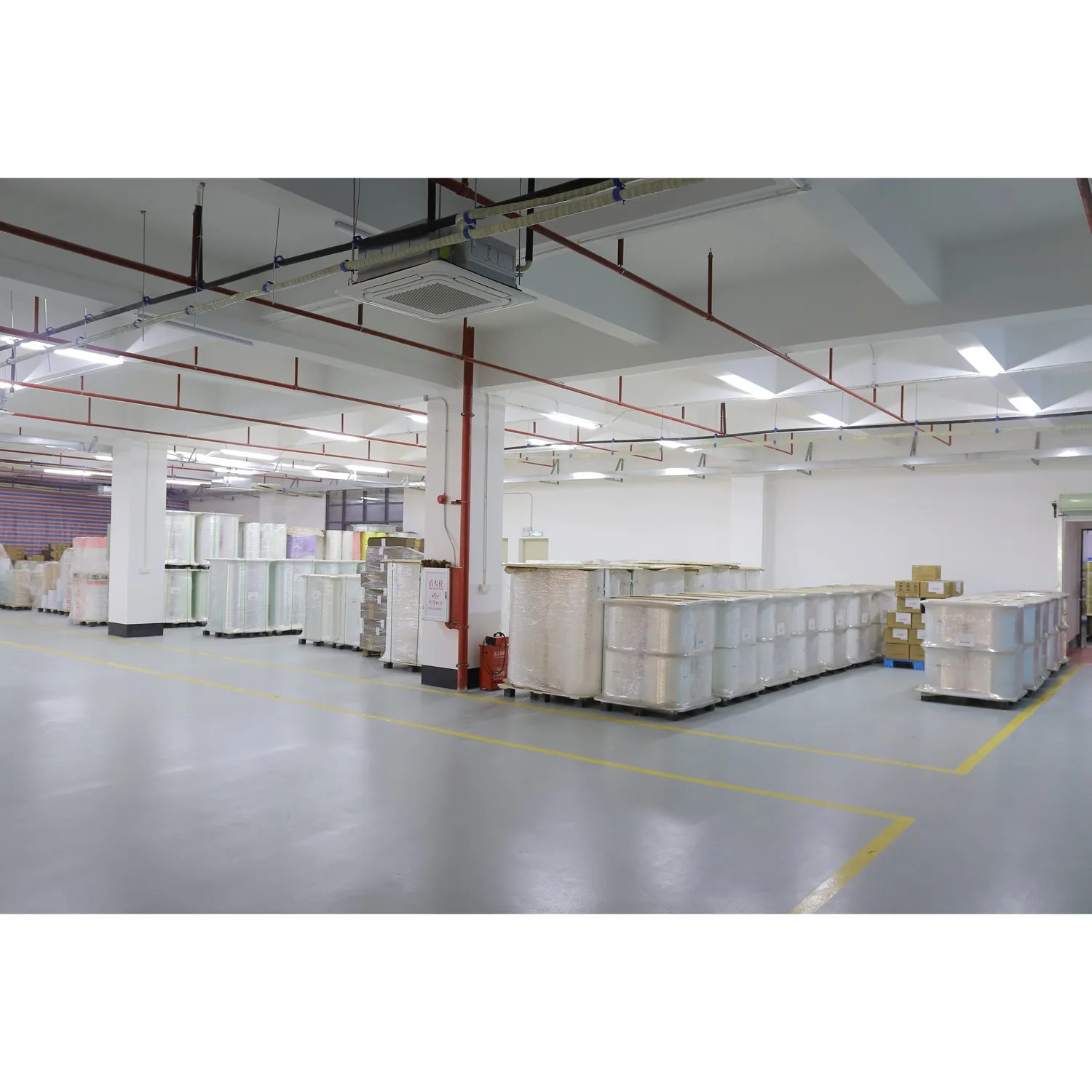
Ace Rolling operates a 4,000 square meter modern manufacturing facility equipped with 7 automated production lines. Backed by the industrial expertise of state-owned Hengfeng Paper, we maintain strict quality thresholds through:
- Dedicated QA/QC Inspectors: Specialized quality assurance staff conduct hourly audits on the assembly floor, checking booklet dimensions, flap fold alignment, and glue line placement.
- 100% Outgoing Inspection: Finished master cases undergo a final visual check before container loading, ensuring only perfect retail-ready packaging leaves the factory.
- Cleanroom Winding and Slitting: Core slitting and paper converting operations are executed in a climate-controlled, dust-free workshop floor to prevent contamination.
Sourcing Audit Checklist for Quality Managers
- [ ] Request a copy of the factory’s active ISO9001:2015 Quality Management System certificate.
- [ ] Obtain laboratory SGS testing reports for both the paper leaves and the natural gum adhesive.
- [ ] Confirm the manufacturer uses traceable raw material lots and maintains FSC supply chain certification.
- [ ] Review the factory’s internal QC defect allowance thresholds before signing a bulk supply contract.