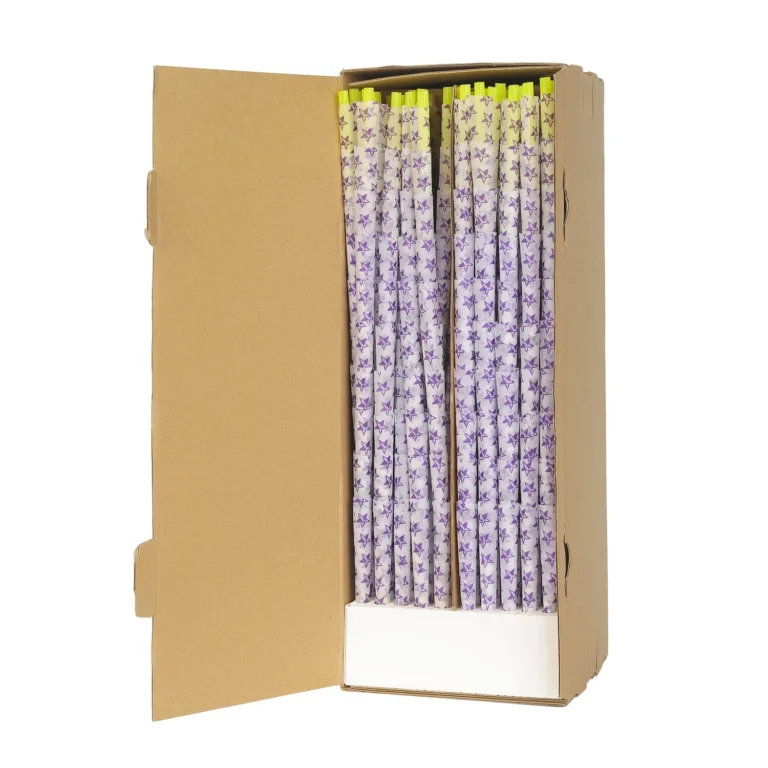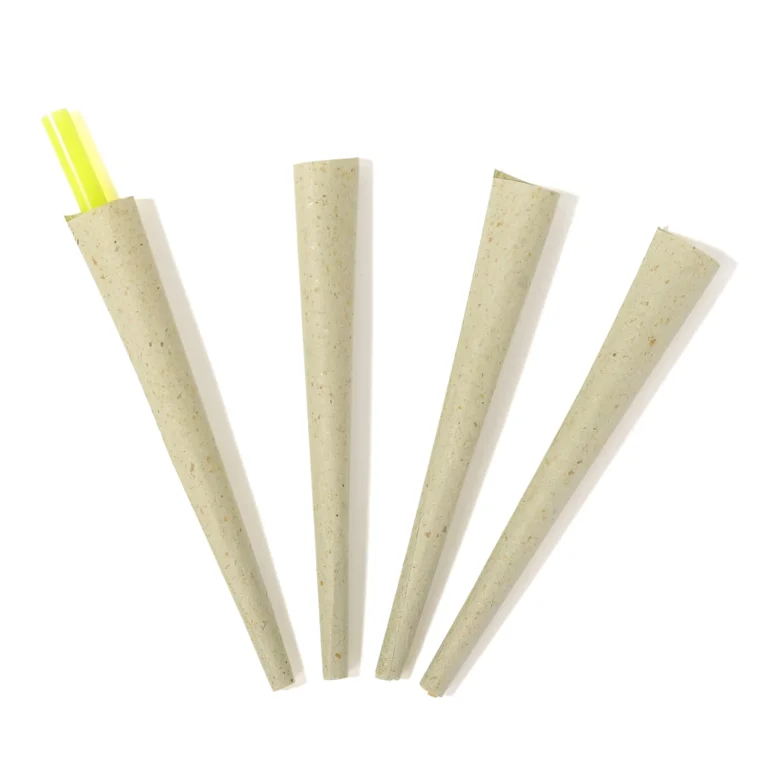

I get asked about tip style and size before this question, but structurally, this decision usually matters more to your filling process.
Closed end cones come pre-formed with a sealed, shaped tip ready to fill—the standard format for most private-label programs; open end cones stay open at both ends until after filling, giving more flexibility for certain fill methods but requiring an added shaping or closing step.
Read this and you’ll know which structural format actually fits your filling process, before you get to size or tip decisions layered on top.
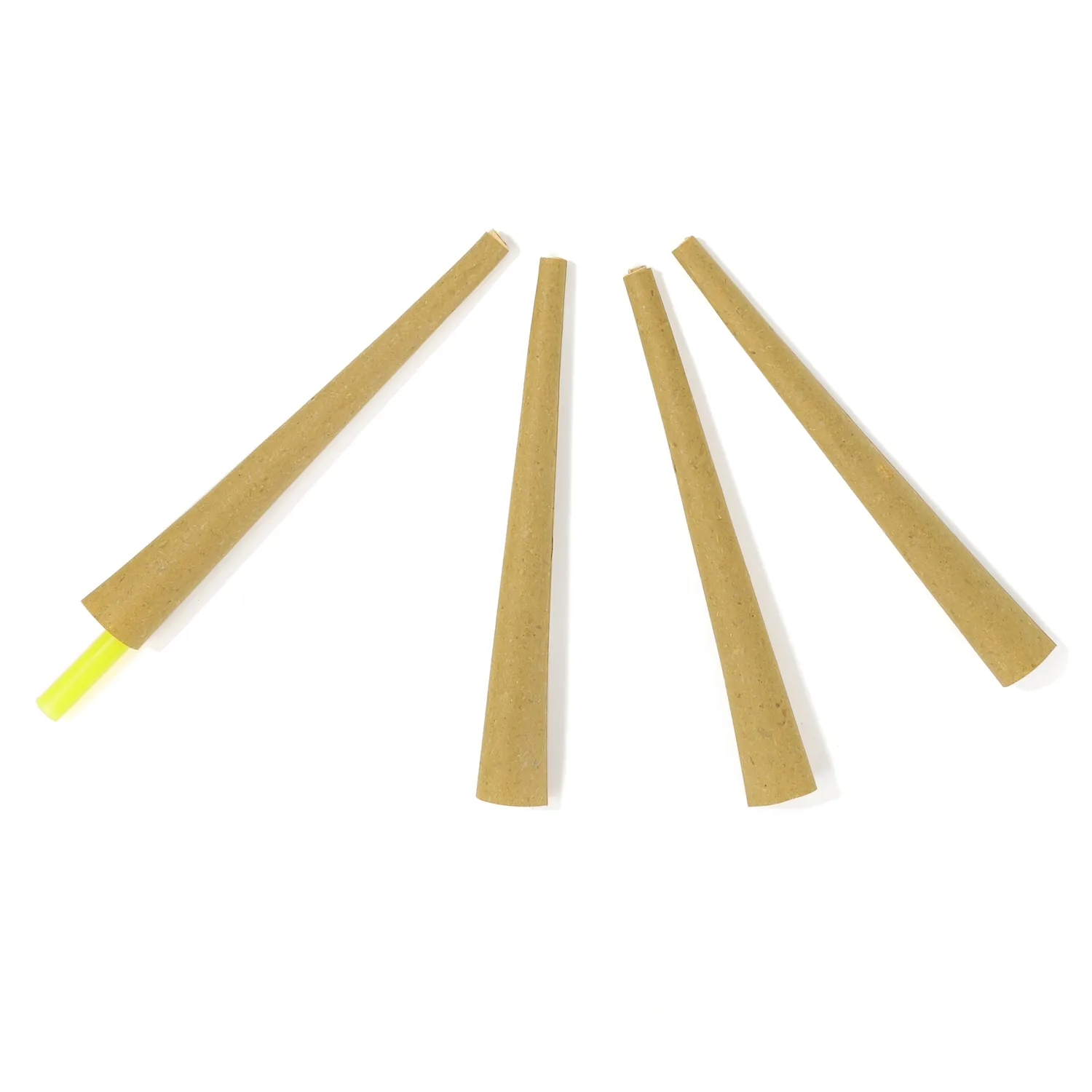
What’s the Actual Structural Difference Between the Two?
I explain this as a manufacturing sequence difference first.
A closed end cone is pre-formed with its final shape and seam already set before it reaches your filling line, ready to accept fill material directly; an open end cone arrives more like a tube, requiring the tip end to be shaped or closed as a separate step after (or during) filling.
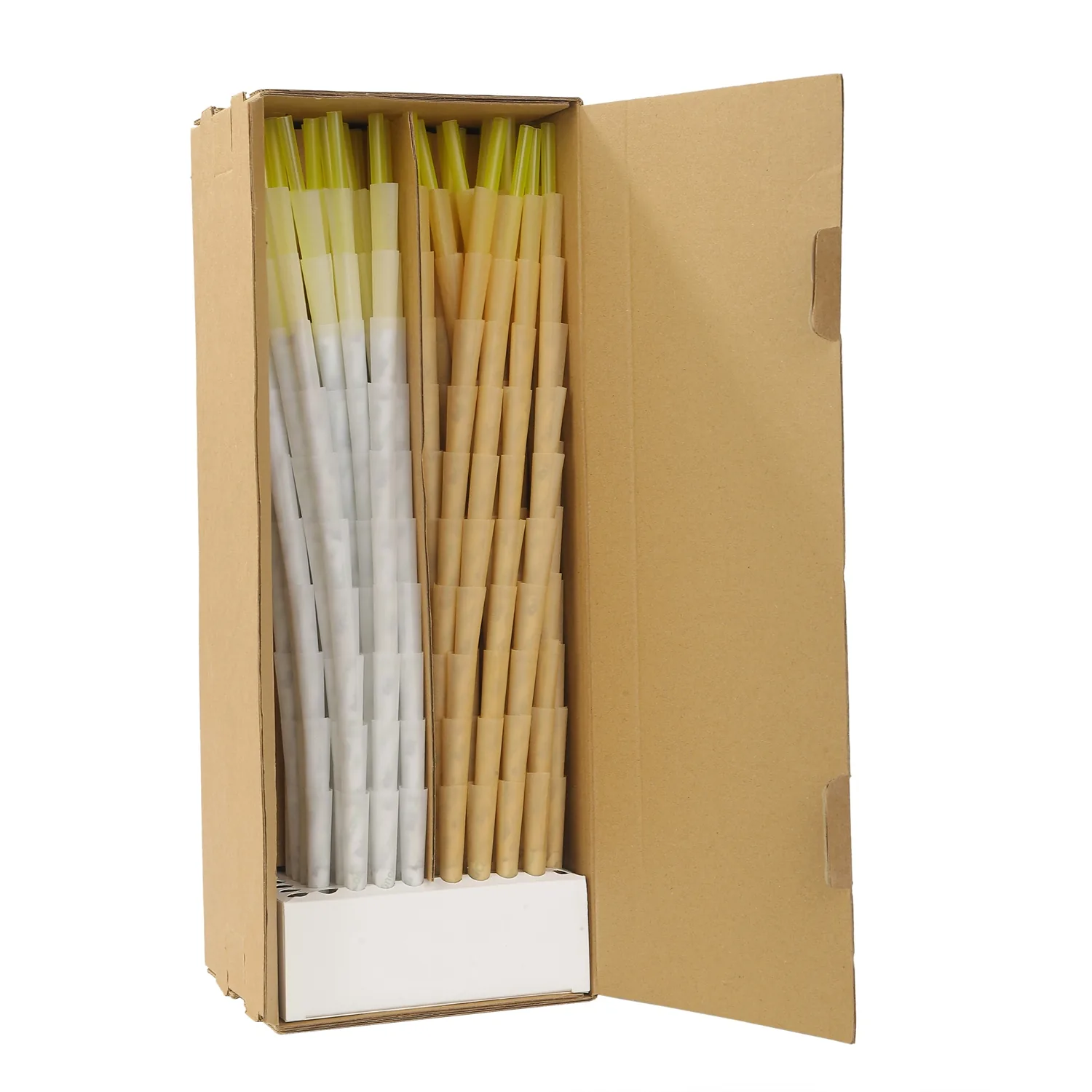
This is the structural fact that drives most of the practical differences buyers actually care about. Closed end is the format most brands picture when they think “pre-rolled cone,” precisely because the pre-forming step removes one variable from your own production process.
| Structural trait | Closed end | Open end |
|---|---|---|
| Tip shape at delivery | Pre-formed, sealed | Open, unshaped |
| Ready to fill directly | Ya | Needs a closing step |
| Industry default | Ya | Tidak |
Does Closed End Reduce Spillage Risk During Filling?
This is the practical concern that usually drives the decision for buyers new to this format question.
Generally yes—a closed end cone’s sealed tip acts as a natural stop point during filling, reducing the risk of fill material passing through, while an open end format needs that containment handled separately, either through technique or equipment.
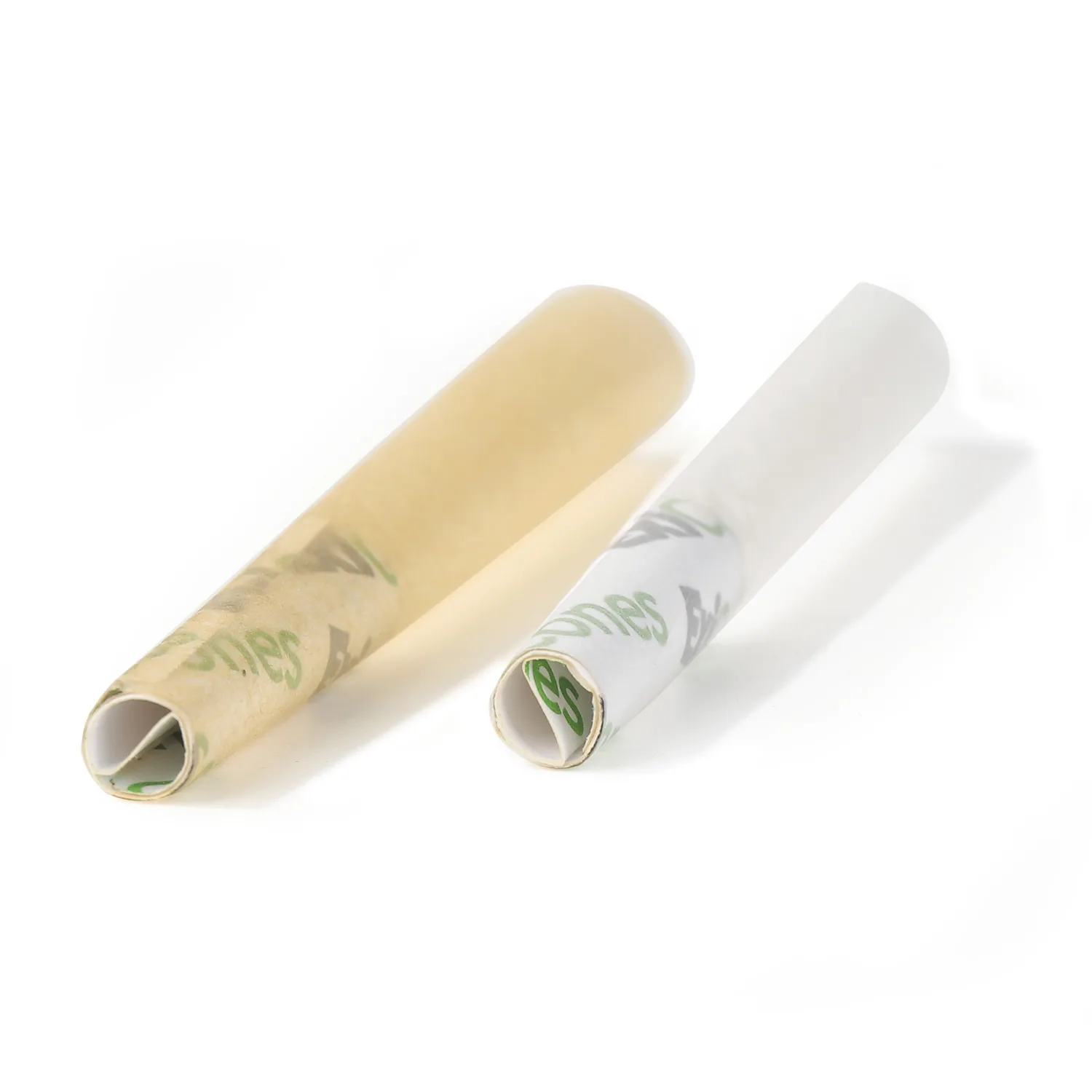
I point new buyers toward closed end as the lower-risk default specifically because of this containment factor, especially for hand-filling operations without specialized equipment. It removes a failure point that would otherwise need to be actively managed.
Which Format Works Better With Standard Filling Machines?
Equipment compatibility is where this decision connects directly to your production setup.
Most standard filling machines and trays are built around the closed end format, since it’s the more common industry standard—open end programs may need specialized equipment or an added manual step, so confirm compatibility with your specific filling method before committing.

I’ve covered filling machine and cone size compatibility in more depth separately, and the same logic applies to end format: confirm with your equipment supplier or co-packer whether they’re set up for anything other than closed end before you plan a program around the open end format.
Opsi kerucut: https://ace-rolling.com/pre-rolled-cones/.
Does Open End Give You More Flexibility on Fill Method?
There’s a real reason some programs still choose open end despite the added step.
Open end format can offer more flexibility for certain specialty fill techniques or unusual fill materials that don’t suit a pre-shaped tip constraint, but this flexibility comes at the cost of an added shaping or closing step your process needs to account for.
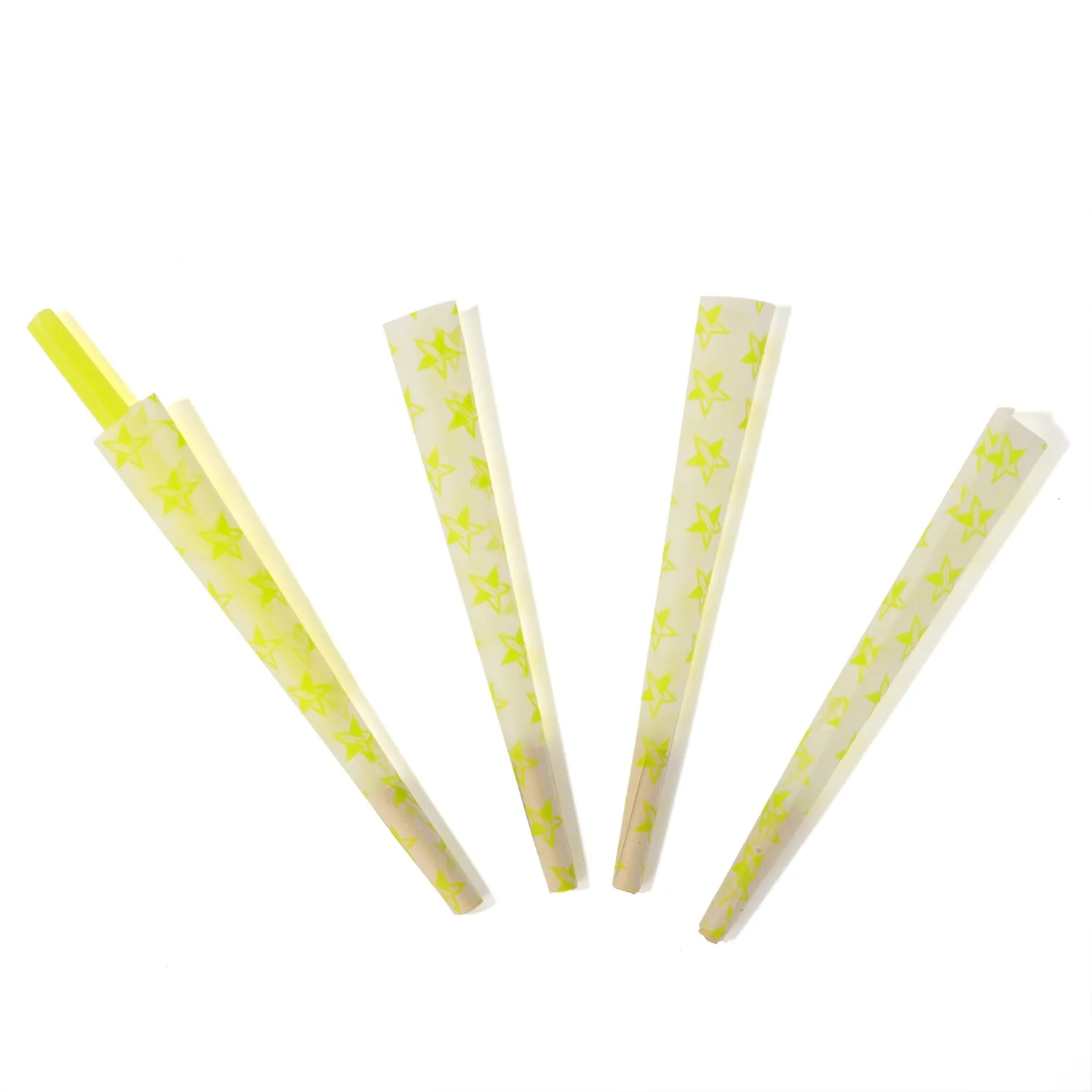
I only recommend open end when a brand has a specific fill technique or material reason that closed end genuinely doesn’t accommodate well. For the large majority of standard flower or ground-fill programs, the added complexity of open end isn’t worth trading against the simplicity of closed end’s pre-formed structure.
Does the End Format Actually Affect the Consumer’s Experience?
Buyers sometimes assume this is purely a production-side decision. It isn’t entirely.
The tip shape and how securely the end is closed affects the consumer’s actual smoking experience—a well-formed closed end typically presents a more consistent, familiar shape than an inconsistently closed open end unit, which can affect perceived quality on shelf and in hand.
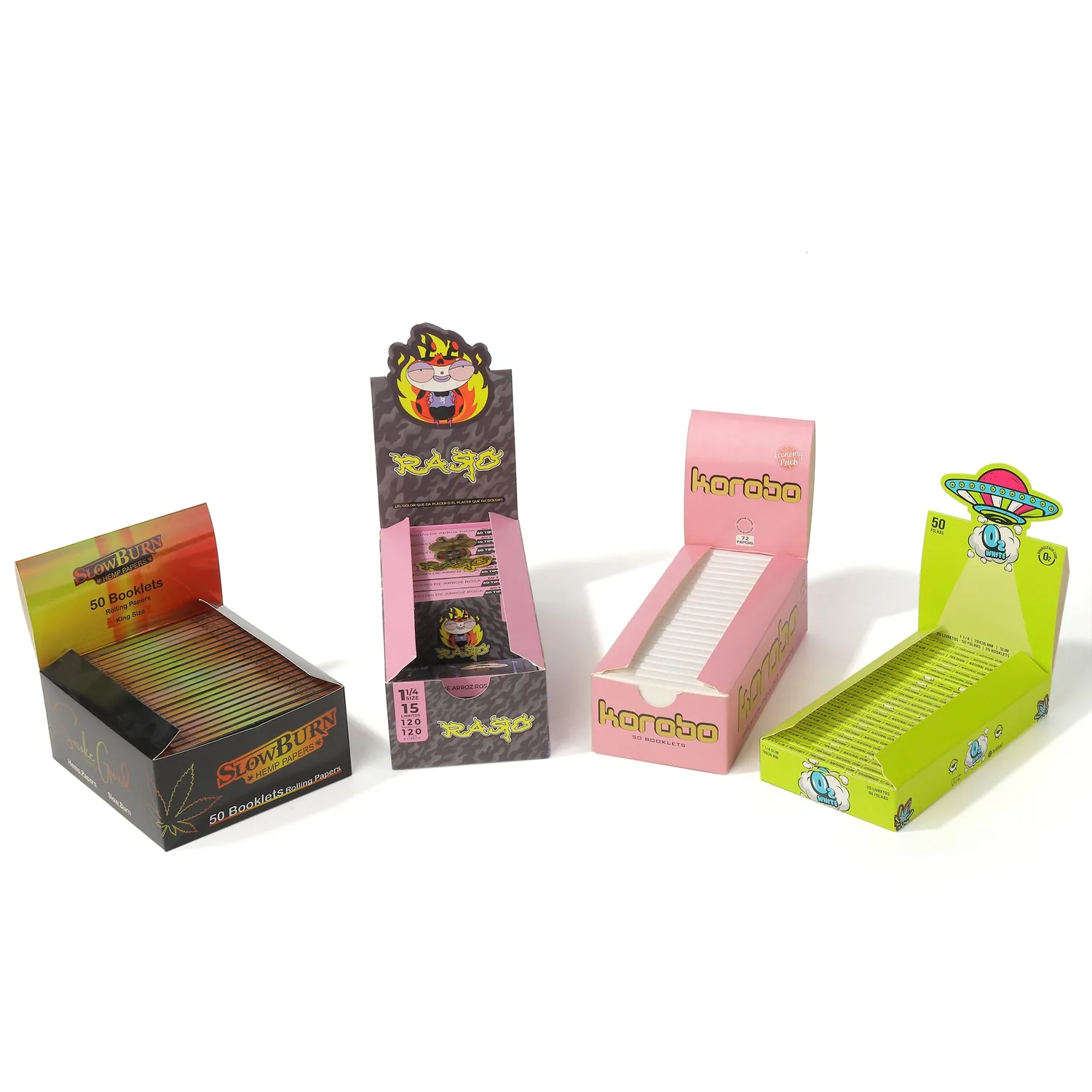
This is part of why closed end remains the default recommendation for most brands: it’s not just easier for you to produce, it also delivers a more visually and functionally consistent unit to the end consumer without requiring your filling process to nail a shaping step perfectly every time.
How Do You Decide Between the Two for Your Program?
I’d rather walk through this with a buyer than have them guess based on looks alone.
Choose closed end by default unless your fill method or material specifically requires the flexibility open end offers, and confirm filling equipment compatibility for whichever format you choose before locking in a production order.

| Faktor keputusan | Favors |
|---|---|
| Standard flower or ground fill | Closed end |
| Specialty fill technique or material | May favor open end |
| Standard filling equipment available | Closed end |
| Spillage risk tolerance is low | Closed end |
Ace’s cone programs quote from roughly USD $0.04–$0.06 per cone wholesale, MOQ applying depending on size, format, and material.
FAQ
Closed end or open end cones: which fits your program?
Choose closed end by default, since it’s the pre-formed, ready-to-fill industry standard that reduces spillage risk and works with most standard filling equipment. Choose open end only if your specific fill method or material genuinely needs the added flexibility, and confirm equipment compatibility either way before committing to a production order.
Does closed end format actually reduce spillage during filling?
Generally yes. The sealed, pre-formed tip on a closed end cone acts as a natural stop point during filling, reducing the risk of fill material passing through the end. Open end format needs that containment handled separately, either through filling technique or specialized equipment.
Will my standard filling equipment work with open end cones?
Not necessarily. Most standard filling machines and trays are built around the closed end format, since it’s the more common industry standard. Open end programs may require specialized equipment or an added manual shaping step, so confirm compatibility with your specific equipment or co-packer before planning a program around this format.
Why would a brand choose open end cones despite the added complexity?
Open end format can suit certain specialty fill techniques or unusual fill materials that don’t work well with a pre-shaped tip constraint. This flexibility is the main reason to choose open end, but it only makes sense when there’s a specific fill-method reason driving it, not as a default choice.
Does end format affect how the finished pre-roll looks and feels to the consumer?
Yes. A well-formed closed end typically presents a more consistent, familiar shape than an inconsistently closed open end unit, which can affect perceived quality on shelf and in hand. This is part of why closed end remains the default recommendation for most standard programs.
Can Ace Rolling produce both closed end and open end cones?
Ace’s core cone programs are built around the closed end format as the standard, pre-formed option across 84mm, 98mm, and 109mm sizes. Discuss your specific fill method and material with us if you’re considering an open end format, and we’ll confirm what’s feasible for your program.
Ready to Confirm Your Cone Format?
Share your fill method and material, and I’ll confirm which end format actually fits your process.
- Kerucut pra-gulung: https://ace-rolling.com/pre-rolled-cones/
- Program OEM/ODM: https://ace-rolling.com/oem-odm-rolling-paper-manufacturer/
- Quote: https://ace-rolling.com/contact/