
How do I get my own branded rolling papers? Work with an OEM or white-label manufacturer: define the product, approve samples, lock artwork and packaging, then place a production order under your brand. You do not need your own paper mill—you need a clear brief, production-intent samples, and a factory that can hold the approved standard on reorders.
Ace Rolling manufactures rolling papers and packaging for private-label programs. The steps below mirror how serious branded projects actually move from idea to shipped cartons.
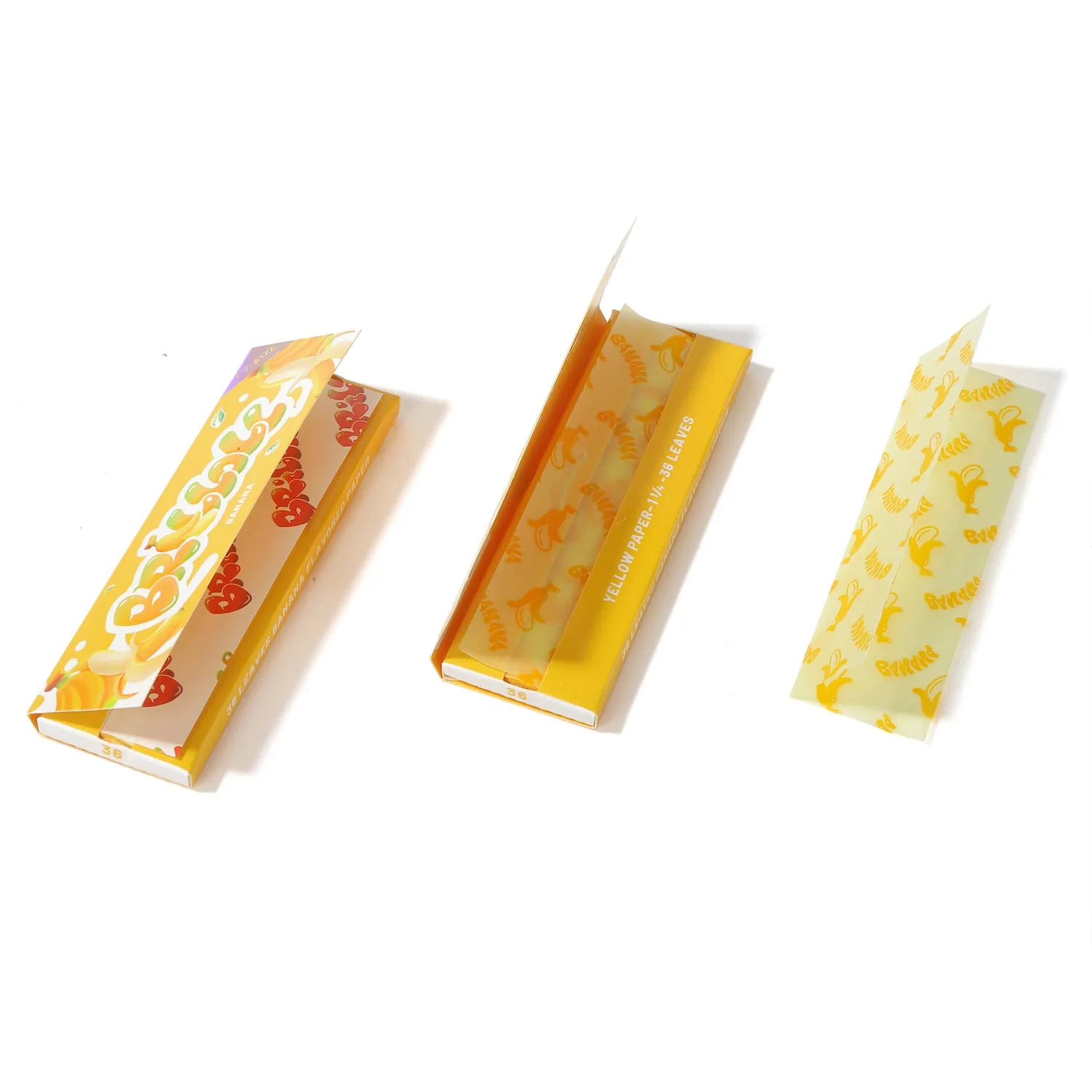
Step 1: Decide What “Your Brand” Needs to Mean
Start with business intent, not only a logo file. Branded papers can mean a fast white-label cover change or a fuller custom program with exclusive materials and pack architecture.
Clarify these points first:
- Target market and sales channel
- Preferred size (for example 1¼ or king size slim)
- Paper material and approximate grammage
- Leaf count and whether tips are included
- Cover-only branding vs printed leaves
- Packaging: single booklet, display tray, multipack, master carton
- First-order quantity and expected reorder volume
- Destination rules for claims and age-restricted retail
If you are unsure, begin with a standard size and unflavored paper, then customize packaging. That path is faster and cheaper than changing size, fiber, print, and dielines in the first order.
Step 2: Share Reference Samples and Lock the Spec
If you already like a competitor or retail paper, send a reference sample. Factories use references to discuss feel, burn, and construction—not to copy protected artwork. Your goal is a written specification the factory can reproduce.
A usable product definition usually includes:
| Spec item | Yang perlu dikonfirmasi |
|---|---|
| Format / size | Exact booklet dimensions and market name |
| BAHAN | Wood pulp, unbleached, hemp, or other approved option |
| Gramatur | Target GSM range |
| Permen karet | Type and sealing performance expectations |
| Cetak | Cover only, leaf print, colors, coverage |
| Tips | Termasuk atau terpisah |
| Pengemasan | Dieline, count, finish, display needs |
Ask for production-intent samples of the proposed paper—not only a mockup PDF. Physical handling reveals tear strength, gum feel, and print rub-off better than descriptions.
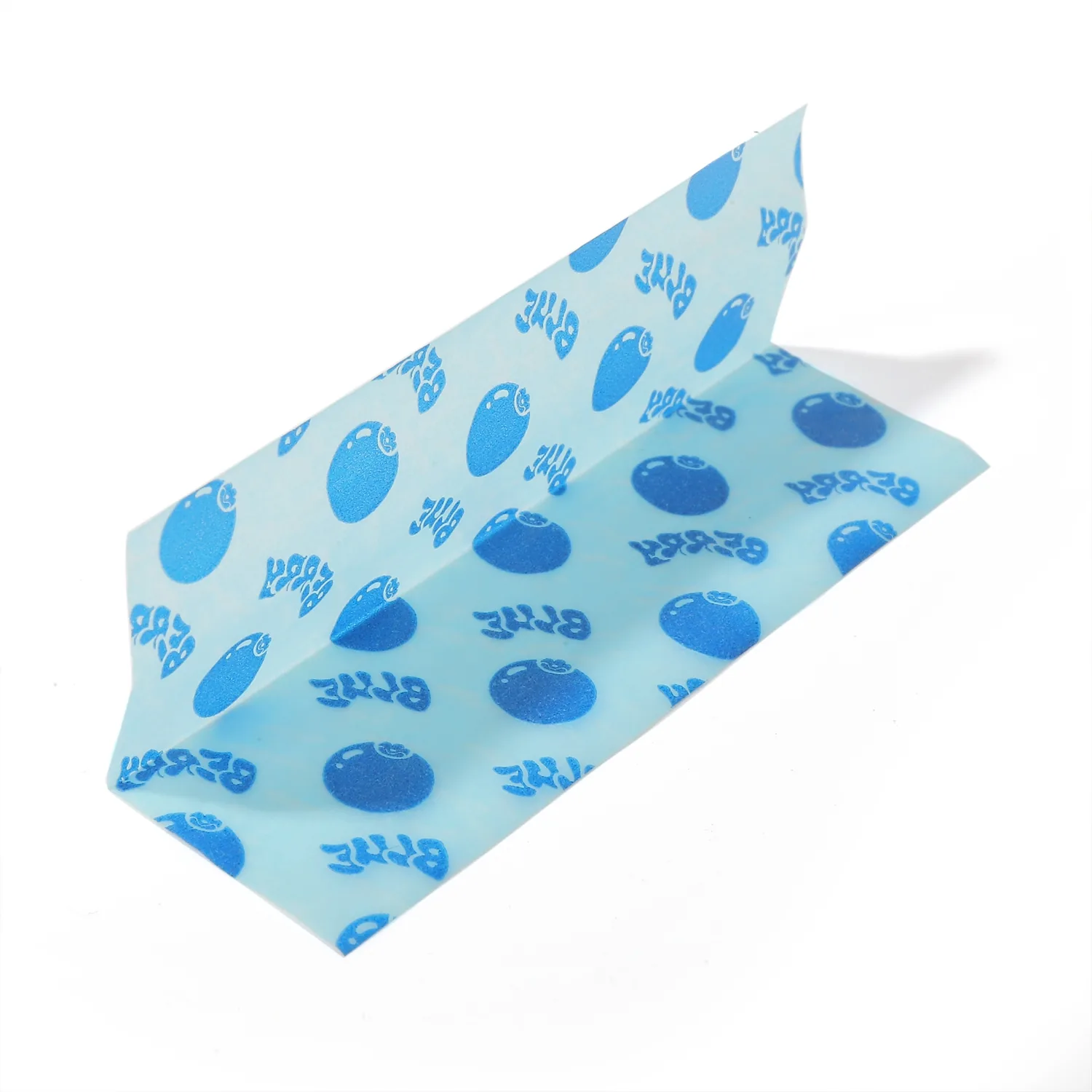
Step 3: Choose White Label or Full Custom
White label applies your brand to proven booklet structures. Full custom changes more variables—exclusive sizes, special materials, unique packaging systems—and needs more sample rounds.
Choose white label when:
- You need speed to first listing or wholesale launch
- Standard sizes already fit your market
- Brand differentiation can live mainly on cover and tray art
Choose fuller customization when:
- You need exclusive format or material positioning
- You already validated demand with a simpler private-label run
- You can support longer development and higher planning discipline
Many brands do both over time: launch white label, then deepen customization after sell-through data arrives.
Step 4: Develop Artwork Against Factory Guidelines
Once the product solution is clear, create artwork on the correct dielines. Factories typically provide technical drawings and print guidelines so your designer works to production reality—bleed, safe zones, color limits, and claim placement.
Artwork checklist:
- Use the factory dieline, not a freehand mockup size
- Keep claims accurate for your destination market
- Avoid youth-appeal and unsupported health or flavor claims
- Approve print proofs before bulk
- Retain a signed-off proof with the purchase order
If packaging is complex—magnetic booklets, multi-piece trays, coordinated cartons—approve structure samples before printing large quantities of covers.
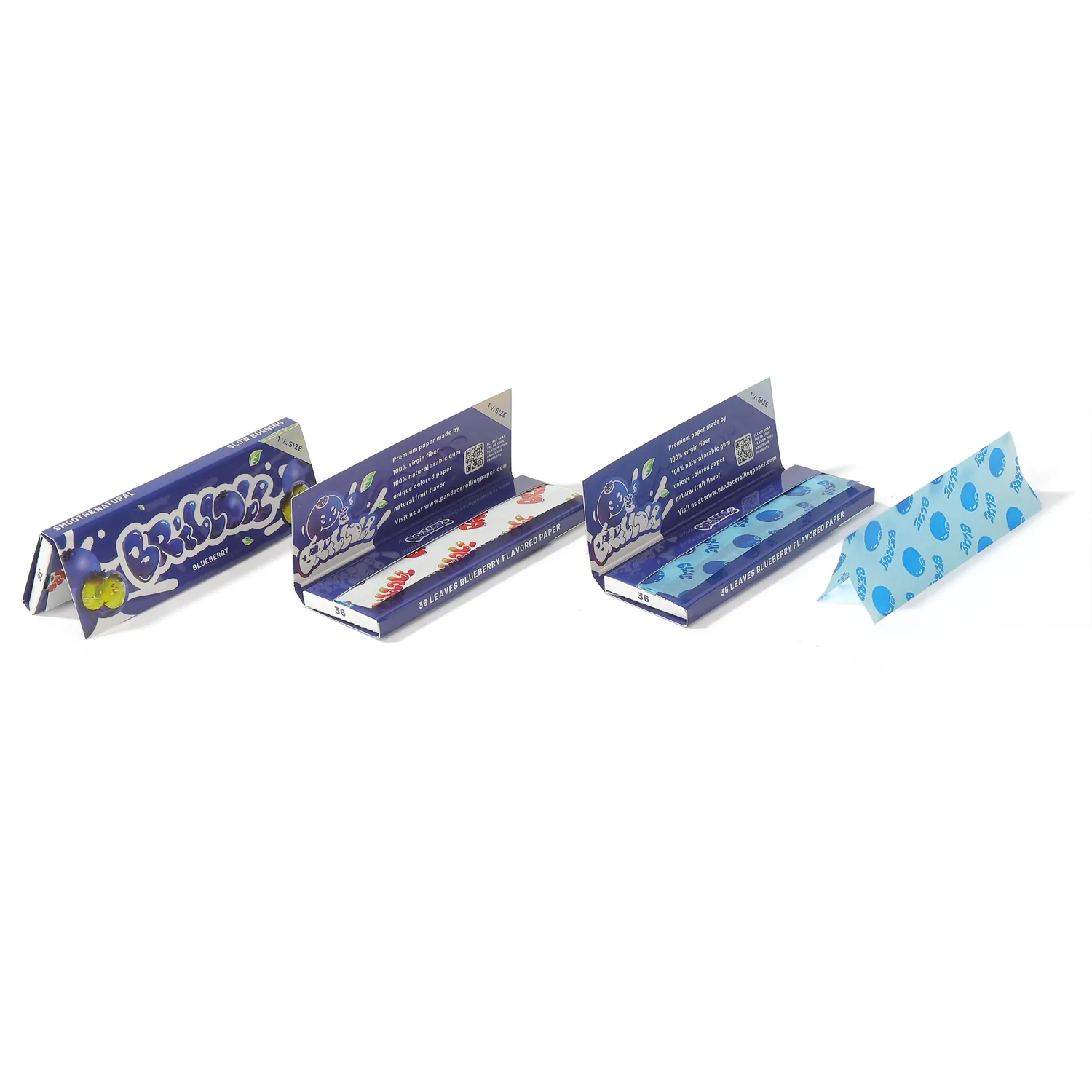
Step 5: Approve Pre-Production Samples, Then Manufacture
Do not skip the sample gate. A branded launch fails when bulk cartons arrive different from the pretty first sample.
Before mass production, confirm:
- Paper performance under your real rolling or filling conditions
- Color and print durability
- Pack fit, leaf count, and tip placement
- Carton marks, lot coding, and packing method
- Commercial invoice wording that matches the physical goods
Production timelines vary with artwork readiness, sample rounds, order complexity, and shipping mode. Competitor process pages often cite multi-week windows after approvals; treat any calendar as a project plan against your brief, not a universal promise. Ask for a dated sample-and-production schedule in writing.
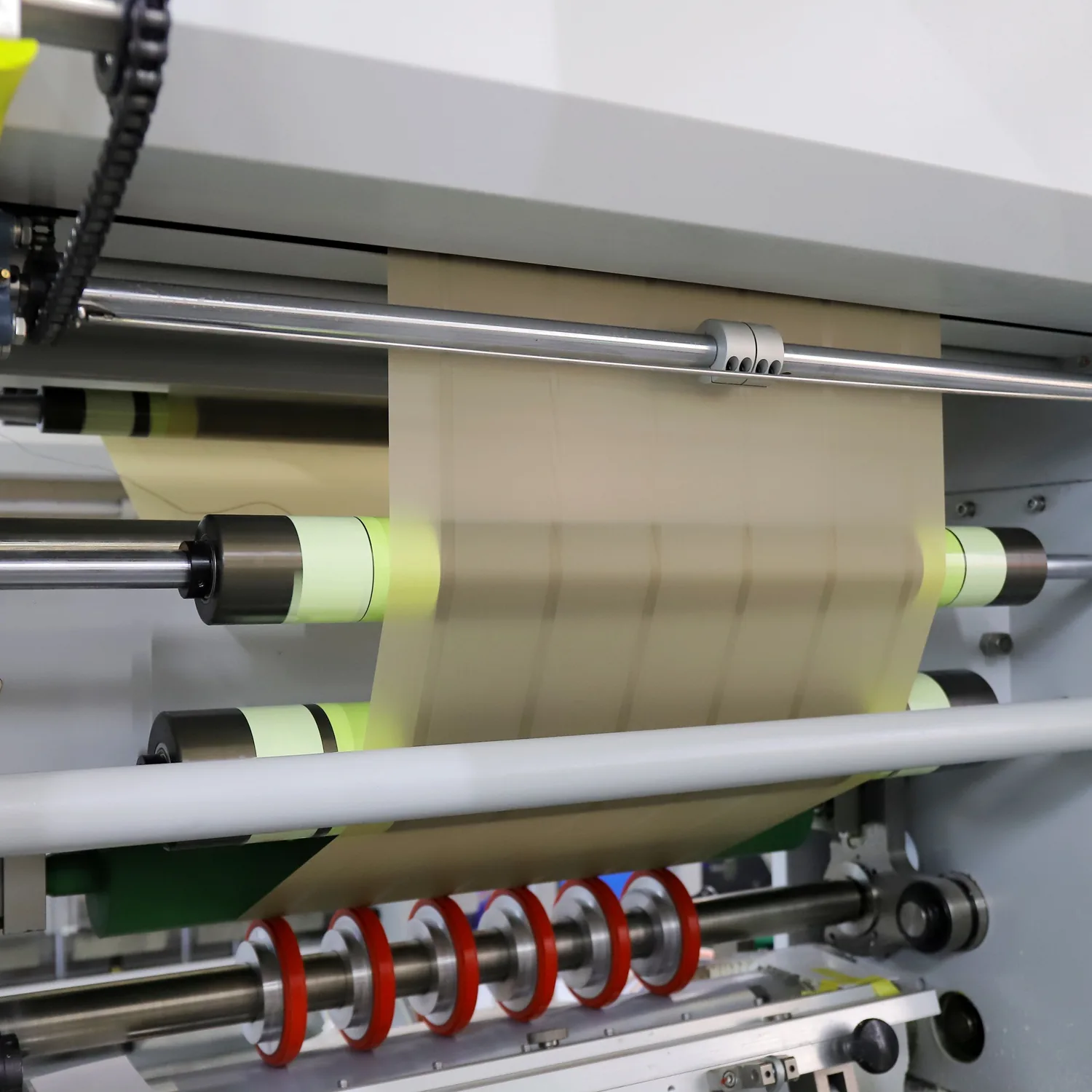
Step 6: Plan Reorders Like Part of the Brand
Own-brand papers only create equity if reorders match the first approved lot. Ask how the factory controls sample-to-bulk changes and how reorder codes map to your locked standard.
Keep on file:
- Approved physical retain sample
- Final artwork package
- Purchase-order specification
- Lot codes from the first shipment
- Quality rejection criteria
That packet makes the second and third orders faster and protects your brand consistency.
What Should You Send Ace Rolling to Start?
Send this with your first inquiry:
- Company and destination market
- Target size and material preference
- Rough volume (first order and annual range)
- Artwork status (concept, vector files, or need guidelines)
- Packaging needs
- Reference samples available or not
- Timeline for samples and first shipment
- Whether cones or tips should match the same brand system
Opsi Ace Rolling Mana yang Cocok untuk Proyek Anda?
For a first branded assortment, start with a white-label booklet and custom cover. For exclusive materials or pack architecture, plan a full custom path with sample gates. See Kertas Rolling Custom dan Solusi OEM/ODM. To begin, hubungi Ace Rolling with format, artwork status, destination, quantity, and packaging needs.
FAQ
How do I get my own branded rolling papers?
Contact an OEM or white-label manufacturer, define size and material, approve production-intent samples, lock artwork on factory dielines, then place a bulk order under your brand. You brand the product through private label manufacturing rather than building a mill. Clear specs and sample approval matter more than a logo alone.
Do I need a huge first order to start a brand?
You need enough volume for a real production run, but you do not need every SKU in the first shipment. Many brands start with one size, one paper type, and focused packaging, then expand after sell-through. Ask for MOQ against a simple brief before designing a wide assortment.
What is the difference between white label and full custom?
White label puts your brand on proven booklet structures for faster launch. Full custom changes more variables—exclusive sizes, special materials, or unique packaging—and needs more sample rounds. Start white label if speed matters; go fuller custom when demand and budget support deeper development.
How long does branded rolling paper production take?
Timelines depend on artwork readiness, sample rounds, order complexity, and shipping. After specifications and graphics are approved, production and dispatch often take multiple weeks, but the exact calendar should be written into your project plan. Do not schedule launch marketing until sample sign-off is complete.
What should I prepare before requesting a quote?
Prepare target size, material, volume range, destination, packaging needs, and artwork status. Reference samples help if you have a performance target. Ace Rolling can then recommend white-label or full-custom options and set a sample path before bulk pricing and production.