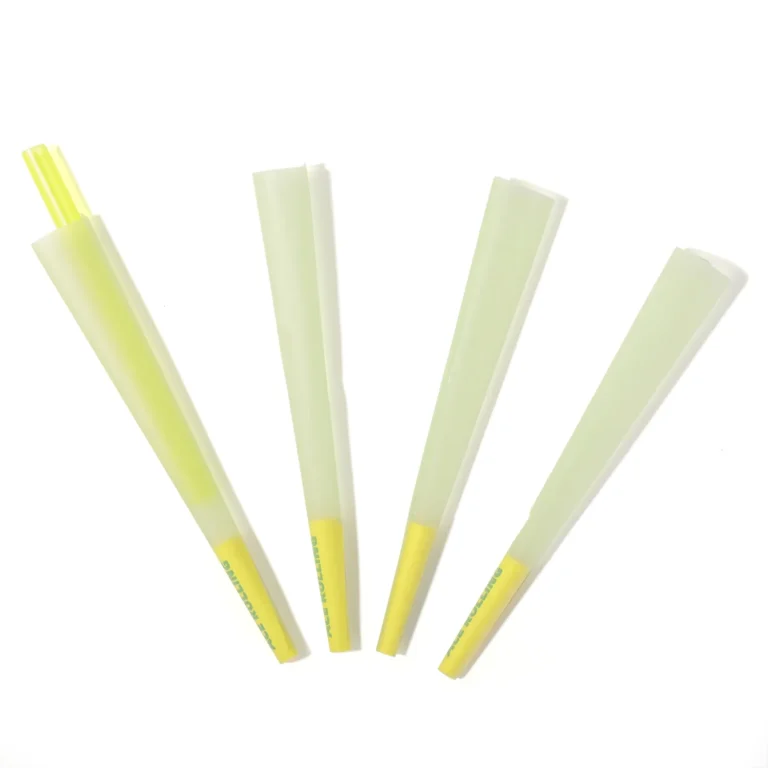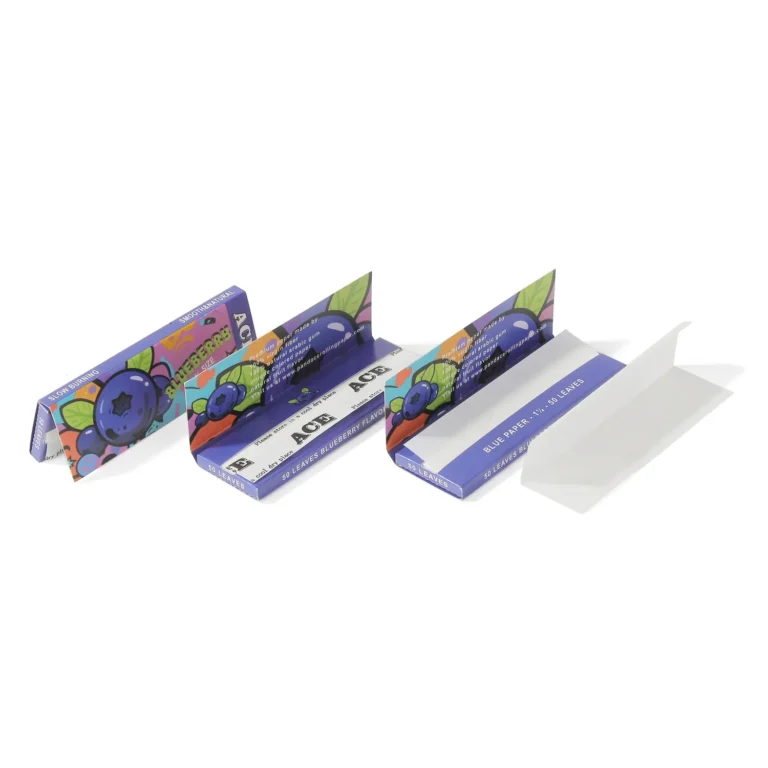

Haruskah merek Anda memilih bungkus rami atau kertas gulung? Pilih kertas gulung untuk kategori grosir yang paling luas, bergerak cepat dengan fleksibilitas serat/format terluas; pilih bungkus rami jika merek Anda secara khusus menginginkan format yang lebih tebal dan bergaya tumpul—keduanya melayani kasus penggunaan yang berbeda, jadi pilihan yang tepat tergantung pada format target Anda, bukan mana yang “lebih baik.”
Rekan SERP seperti blog Zig-Zag membandingkan pembungkus dan kertas sebagai keputusan penempatan merek. Ini adalah panduan keputusan format grosir untuk merek, berbeda dari diskusi status hukum—lihat artikel terpisah Ace tentang legalitas pembungkus rami beraroma untuk sudut pandang itu.
Apa Perbedaan Struktural Antara Bungkus Rami dan Kertas Gulung?
Pendahuluan: Kedua format berbeda dalam ketebalan, ukuran, dan kasus penggunaan tipikal.
Ringkasan: Kertas gulung adalah daun tipis yang digunakan dalam pembuatan rokok standar atau kerucut pra-gulung, tersedia di berbagai jenis serat (bubur kayu, rami, beras, rami). Pembungkus rami biasanya lebih tebal, lembaran besar yang dirancang untuk gulungan gaya tumpul, sering menggantikan pembungkus daun tembakau dengan alternatif serat rami.
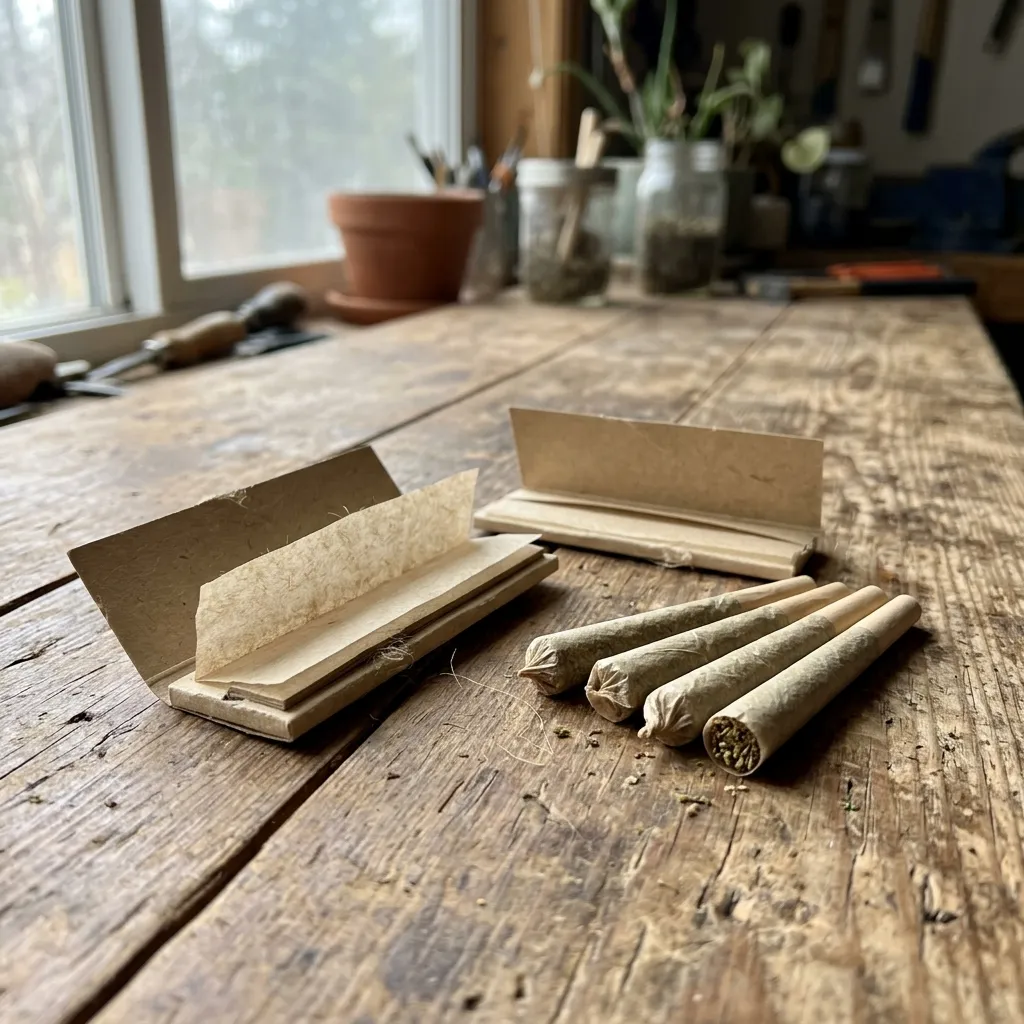
| Elemen | Kertas gulung | Pembungkus rami |
|---|---|---|
| Ketebalan | Tipis | Lebih tebal |
| Penggunaan umum | Gulungan bersama/kerucut | Gulungan bergaya tumpul |
| Pilihan serat | Luas (bubur kayu, rami, beras, rami) | Berfokus pada rami |
Poin Penting: Format menargetkan gaya menggulung yang berbeda—kertas gulung untuk rokok/kerucut standar, pembungkus rami untuk format gaya tumpul.
Kertas kustom: https://ace-rolling.com/custom-rolling-papers/.
Format Mana yang Memiliki Pasar Grosir yang Lebih Luas?
Pendahuluan: Kertas gulung mencakup rentang SKU dan titik harga yang lebih luas.
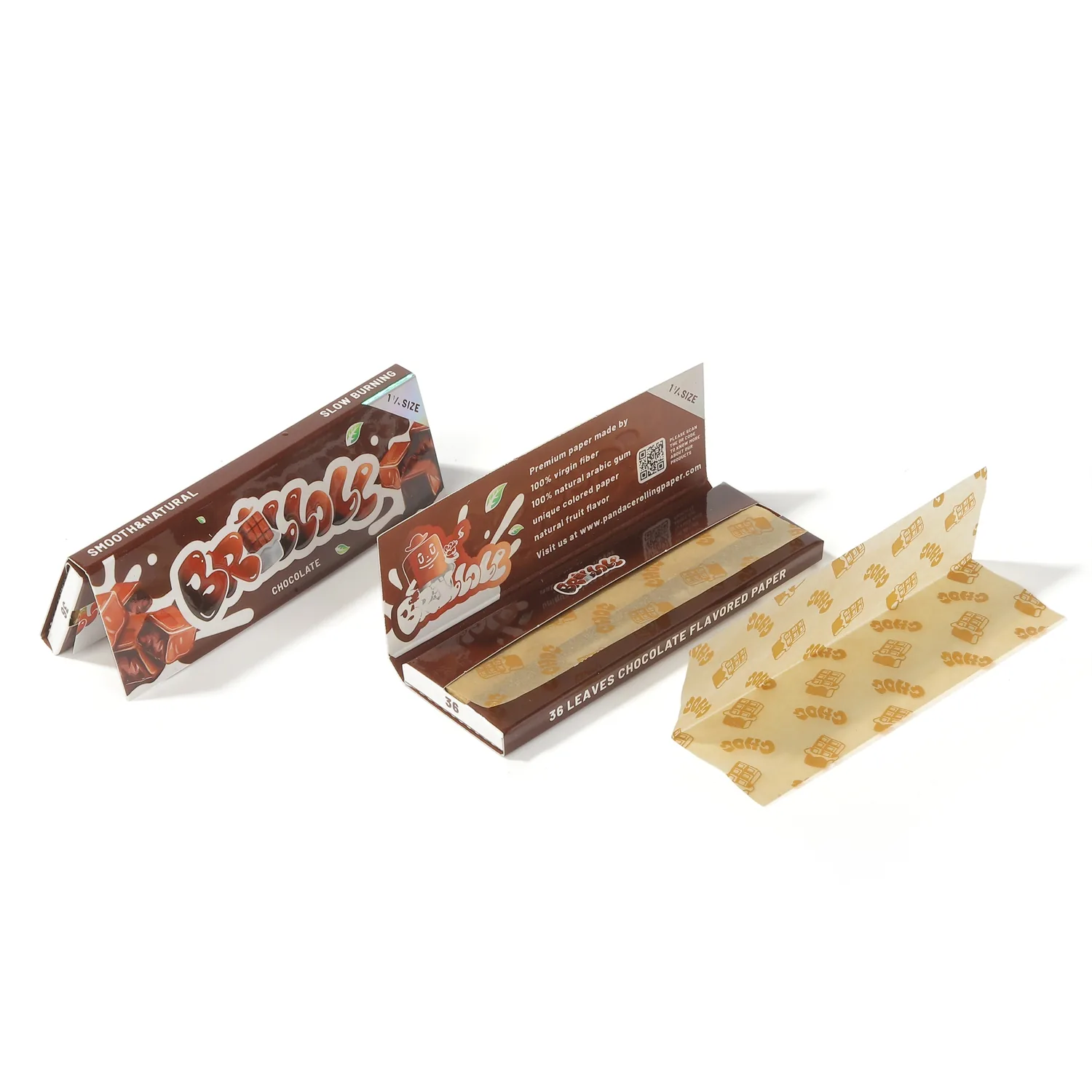
Ringkasan: Kertas gulung mewakili kategori grosir yang lebih luas dengan lebih banyak variasi serat, ukuran, dan format (buku, kerucut, berbagai jenis serat), memberi merek lebih banyak fleksibilitas untuk membangun lini produk lengkap. Bungkus rami menempati niche yang lebih sempit dan spesifik terkait dengan format gaya tumpul secara khusus.
| Faktor pasar | Kertas gulung | Bungkus rami |
|---|---|---|
| Variasi SKU | Luas | Lebih sempit |
| Fleksibilitas format | Tinggi | Spesifik format |
| Potensi pembangunan lini | Luas | Fokus |
Poin Penting: Kertas gulung memberi lebih banyak ruang untuk membangun lini produk yang terdiversifikasi; bungkus rami melayani satu format spesifik dengan baik.
Rentang produk: https://ace-rolling.com/pre-rolled-cones/.
Posisi Merek Apa yang Didukung oleh Setiap Format?
Pengantar: Pilihan format menandakan kesempatan penggunaan dan identitas tertentu.
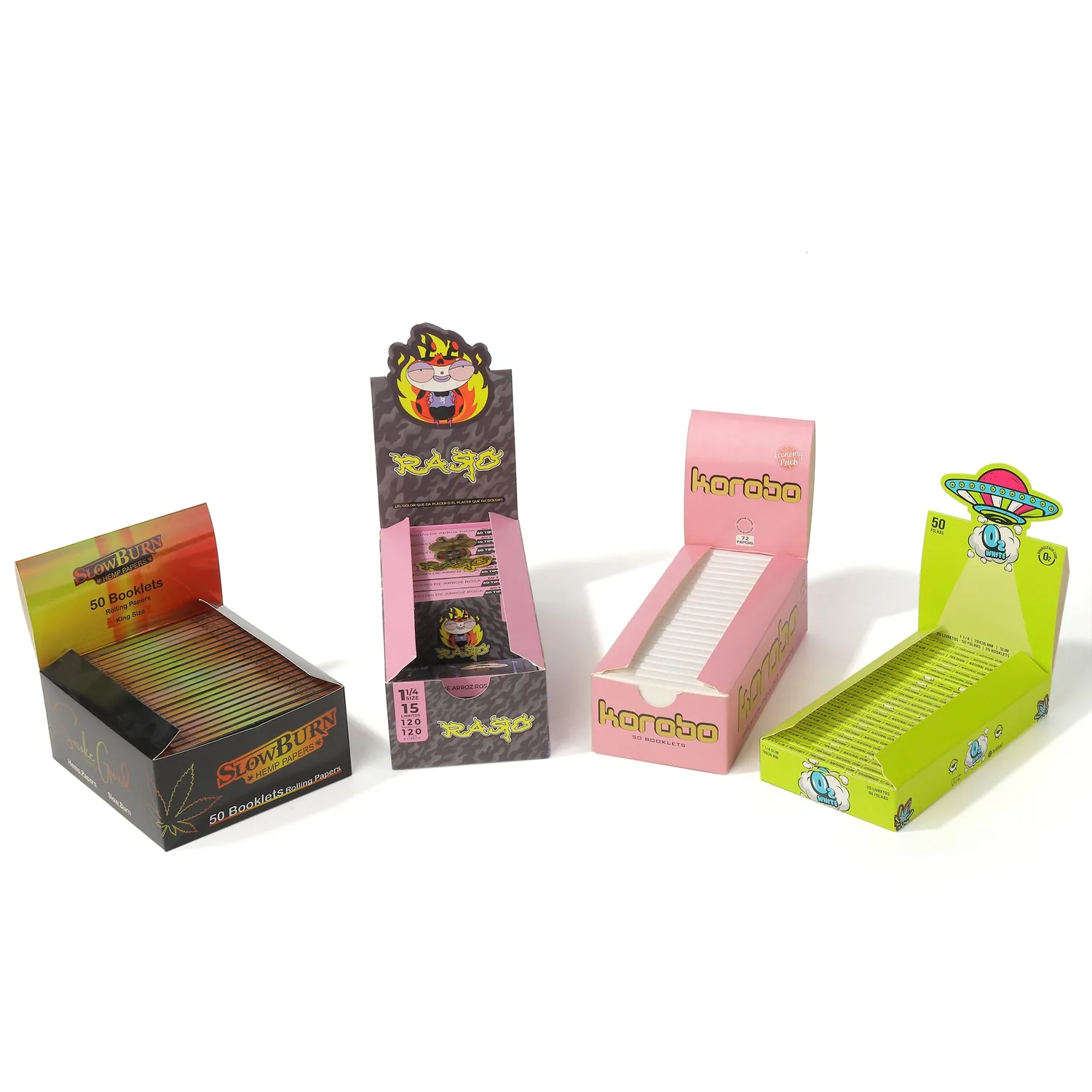
Ringkasan: Kertas gulung mendukung posisi merek yang luas di seluruh tingkatan alami, premium, anggaran, dan khusus karena formatnya sendiri fleksibel. Bungkus rami membawa posisi “budaya tumpul” spesifik dan alternatif serat alami, menarik bagi merek yang secara khusus menargetkan kasus penggunaan dan basis pengguna tersebut.
| Penempatan | Kertas gulung | Bungkus rami |
|---|---|---|
| Fleksibilitas | Luas, multi-tier | Spesifik format |
| Pengguna target | Pengguna kertas gulung umum | Pengguna format tumpul secara khusus |
Poin Penting: Pilih pembungkus rami hanya jika merek Anda secara khusus menargetkan basis pengguna format blunt; jika tidak, kertas gulung menawarkan jangkauan yang lebih luas.
Program merek: https://ace-rolling.com/house-of-brands/.
Bisakah Sebuah Merek Meluncurkan Kedua Format Bersamaan?
Pengantar: Kedua format dapat hidup berdampingan di bawah satu merek tanpa konflik.
Ringkasan: Ya—merek biasanya meluncurkan lini kertas gulung sebagai produk inti mereka yang menjangkau luas dan menambahkan pembungkus rami sebagai SKU pelengkap yang menargetkan segmen format tumpul secara khusus. Ini memungkinkan merek untuk menangkap kedua kasus penggunaan tanpa mengurangi posisi produk mana pun, asalkan masing-masing diberi pengarahan dan dipasarkan secara berbeda.

| Pendekatan | Manfaat |
|---|---|
| Hanya kertas | Luas, lini inti yang fleksibel |
| Hanya pembungkus | Niche format tumpul yang terfokus |
| Keduanya bersama | Covers both use cases |
Poin Penting: Launching both formats under one brand can capture broader reach plus the blunt-format niche, if marketed distinctly.
Program OEM: https://ace-rolling.com/oem-odm-rolling-paper-manufacturer/.
Does Wholesale Pricing Differ Between the Two Formats?
Lead-in: Format complexity and size affect the cost structure differently.
Summary: Rolling paper booklets generally quote inside Ace’s standard ~$0.07–$0.30 per-booklet wholesale band with MOQ. Hemp wrap pricing depends on sheet size, thickness, and finish, and should be quoted separately since it’s a structurally different product than a booklet—don’t assume booklet pricing transfers directly.

| Format | Pricing reference |
|---|---|
| Rolling paper booklets | ~$0.07–$0.30 per booklet |
| Bungkus rami | Quoted separately by spec |
Poin Penting: Request format-specific pricing—hemp wrap costs don’t map directly onto the standard rolling paper booklet band.
Band grosir: https://ace-rolling.com/quality-certifications/.
How Does MOQ Compare Between the Two Formats?
Lead-in: Minimum order quantity differs because the products are structurally distinct.
Summary: Rolling paper booklets generally start MOQ near 2,000 units per SKU, a well-established baseline given how common the format is in Ace’s catalog. Hemp wrap MOQ depends on the specific sheet size and finish requested and should be confirmed per spec, since it’s a less standardized production line than booklets.

| Format | Typical MOQ reference |
|---|---|
| Rolling paper booklets | ~2,000 units per SKU baseline |
| Bungkus rami | Confirm per spec |
Poin Penting: Don’t assume hemp wrap MOQ matches booklet MOQ—confirm the number for your specific spec before planning budget.
Panduan MOQ: https://ace-rolling.com/what-is-the-moq-for-custom-branded-rolling-papers/.
How Do You Decide Which Format Fits Your Brand?
Lead-in: Match the format to your actual target user’s rolling habit.
Summary: If your target buyer primarily rolls standard joints or uses pre-rolled cones, rolling papers are the more direct fit. If your target buyer specifically rolls blunt-style, or you want a complementary SKU alongside a paper line, hemp wraps are worth adding. Research your specific audience’s actual rolling habits before committing.
| Target user habit | Better format fit |
|---|---|
| Standard joint/cone rolling | Kertas gulung |
| Gulungan bergaya tumpul | Bungkus rami |
| Both audiences | Consider both formats |
Poin Penting: Base the format decision on your target user’s actual rolling habit, not a general assumption about which format is “trendier.”
Mulai: https://ace-rolling.com/contact/.
FAQ
Haruskah merek Anda memilih bungkus rami atau kertas gulung?
Choose rolling papers for the broadest, most flexible wholesale category with wide fiber and format options; choose hemp wraps specifically if your brand targets the thicker, blunt-style rolling format. The two serve different use cases and user habits, so the right answer depends on your target buyer’s rolling style, not a quality comparison.
What’s the main structural difference between hemp wraps and rolling papers?
Rolling papers are thin leaves used for standard joint-rolling or pre-rolled cones, available across many fiber types. Hemp wraps are typically thicker, larger sheets designed for a blunt-style roll, often serving as a hemp-fiber alternative to a tobacco leaf wrap. The formats target different rolling styles and user habits entirely.
Which format gives a brand more product line flexibility?
Rolling papers generally offer more flexibility, with wider fiber, size, and format variety across booklets and cones, letting a brand build a more diversified product line. Hemp wraps occupy a narrower niche tied specifically to the blunt-style format, which can still be valuable but serves a more focused segment of the market.
Can a brand sell both hemp wraps and rolling papers?
Yes. Many brands launch a rolling paper line as their core, broad-reach product and add hemp wraps as a complementary SKU targeting the blunt-format segment specifically. This captures both use cases without diluting either product’s positioning, as long as each format is briefed, priced, and marketed as its own distinct SKU.
Does hemp wrap wholesale pricing follow the same band as rolling paper booklets?
No, not directly. Rolling paper booklets generally quote inside Ace’s standard ~$0.07–$0.30 per-booklet wholesale band with MOQ, while hemp wrap pricing depends on sheet size, thickness, and finish and should be quoted separately as a structurally different product. Don’t assume booklet pricing transfers to a hemp wrap spec.
How do I decide which format actually fits my target customer?
Base the decision on your target buyer’s actual rolling habit: if they primarily roll standard joints or use pre-rolled cones, rolling papers are the more direct fit; if they specifically roll blunt-style, hemp wraps are worth adding. Research your specific audience rather than assuming one format is universally more popular or trendy.
Ready to Decide Your Format?
Match the format to your target buyer’s rolling habit, then brief pricing separately for each format.
- Custom papers: https://ace-rolling.com/custom-rolling-papers/
- OEM programs: https://ace-rolling.com/oem-odm-rolling-paper-manufacturer/
- Quote: https://ace-rolling.com/contact/