
What moisture barrier packaging fits rolling paper export? Long ocean transit and mixed climate zones raise humidity risk beyond what a standard retail pack alone handles—export shipments typically add a barrier layer (foil-lined poly, sealed master carton liner, or desiccant) sized to the actual transit time and route, not just the retail-facing pack.
SERP peers such as Roycopackaging discuss export-specific packaging considerations separate from retail shelf packaging. This guide focuses specifically on export/international shipping barrier needs, distinct from a general retail humidity-control packaging discussion covered elsewhere.
Why Does Export Shipping Raise Different Moisture Risk Than Retail Storage?
Lead-in: Ocean transit exposes goods to longer duration and more variable conditions than a warehouse.
Summary: A retail pack is typically designed for shelf-life humidity control in a relatively stable environment. Export shipping adds weeks of ocean transit through varying climate zones and humidity levels inside a shipping container, which is a meaningfully different risk profile than storage in a controlled warehouse or retail space.

| Environment | Risk profile |
|---|---|
| Retail storage | Relatively stable, shorter exposure |
| Ocean export transit | Variable climate zones, longer duration |
Poin Penting: Don’t assume retail-grade packaging alone is sufficient for export—transit conditions are a materially different risk profile.
Pembingkaian kualitas: https://ace-rolling.com/quality-certifications/.
What Barrier Film Options Add Export-Level Protection?
Lead-in: A barrier layer sits between the retail pack and the outer shipping carton.
Summary: Common export barrier options include foil-lined poly bags, high-barrier laminate film wraps, or sealed liners inside the master carton. These add a moisture barrier layer specifically for the transit period, working alongside—not replacing—your standard retail packaging design.
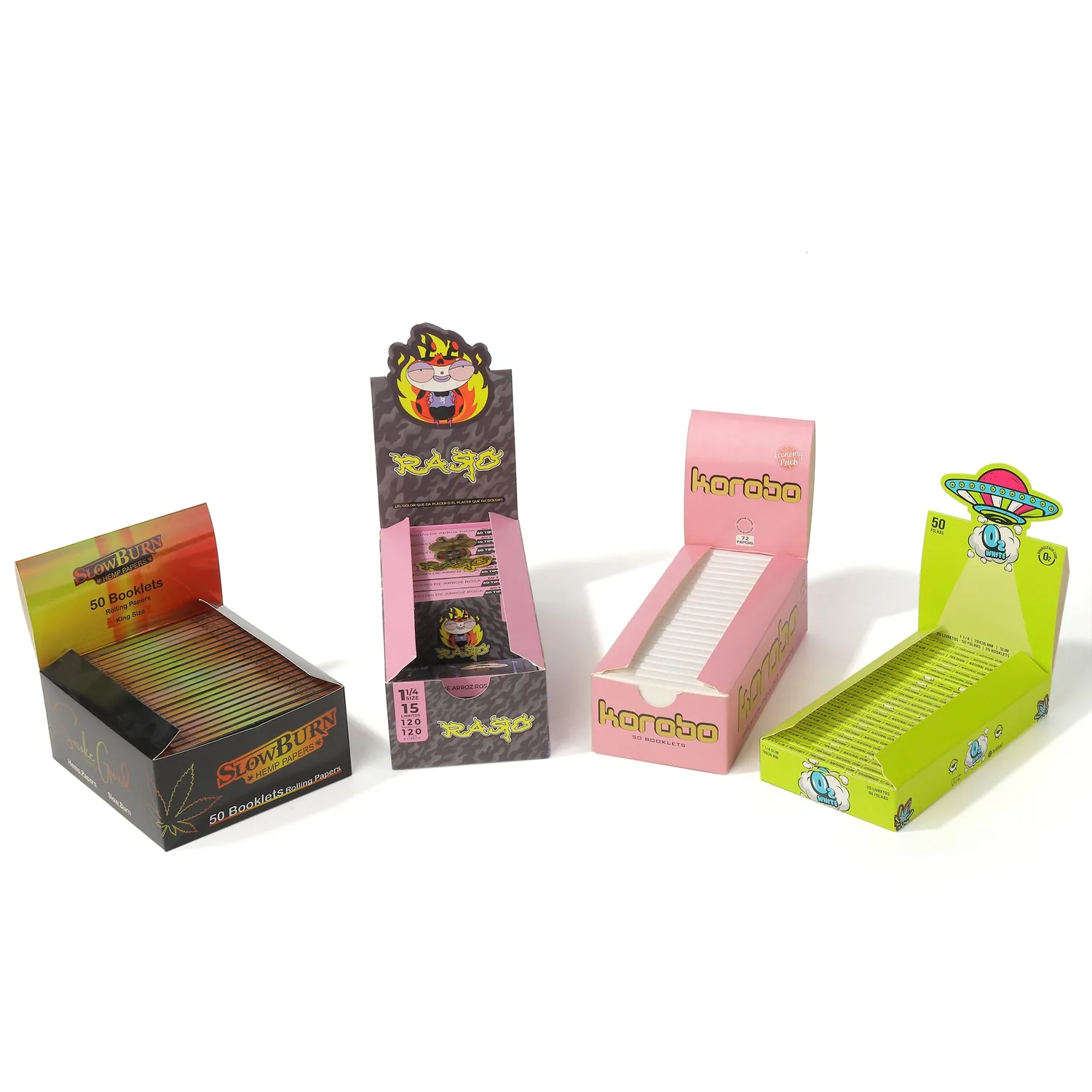
| Barrier option | Placement |
|---|---|
| Foil-lined poly bag | Around retail units or bulk pack |
| High-barrier laminate wrap | Inner carton liner |
| Sealed master carton liner | Inside outer shipping carton |
Poin Penting: Barrier packaging adds a transit-specific protective layer—it complements your retail pack design rather than replacing it.
Kemasan kustom: https://ace-rolling.com/custom-rolling-papers/.
Do Desiccants Play a Role in Export Packaging?
Lead-in: A barrier film keeps moisture out; a desiccant manages any residual moisture inside the sealed unit.
Summary: Desiccant packets placed inside a sealed barrier bag or carton can absorb residual moisture that gets trapped during packing, adding a second layer of protection beyond the barrier film itself. This combination is common for longer transit routes or destinations with especially high ambient humidity.
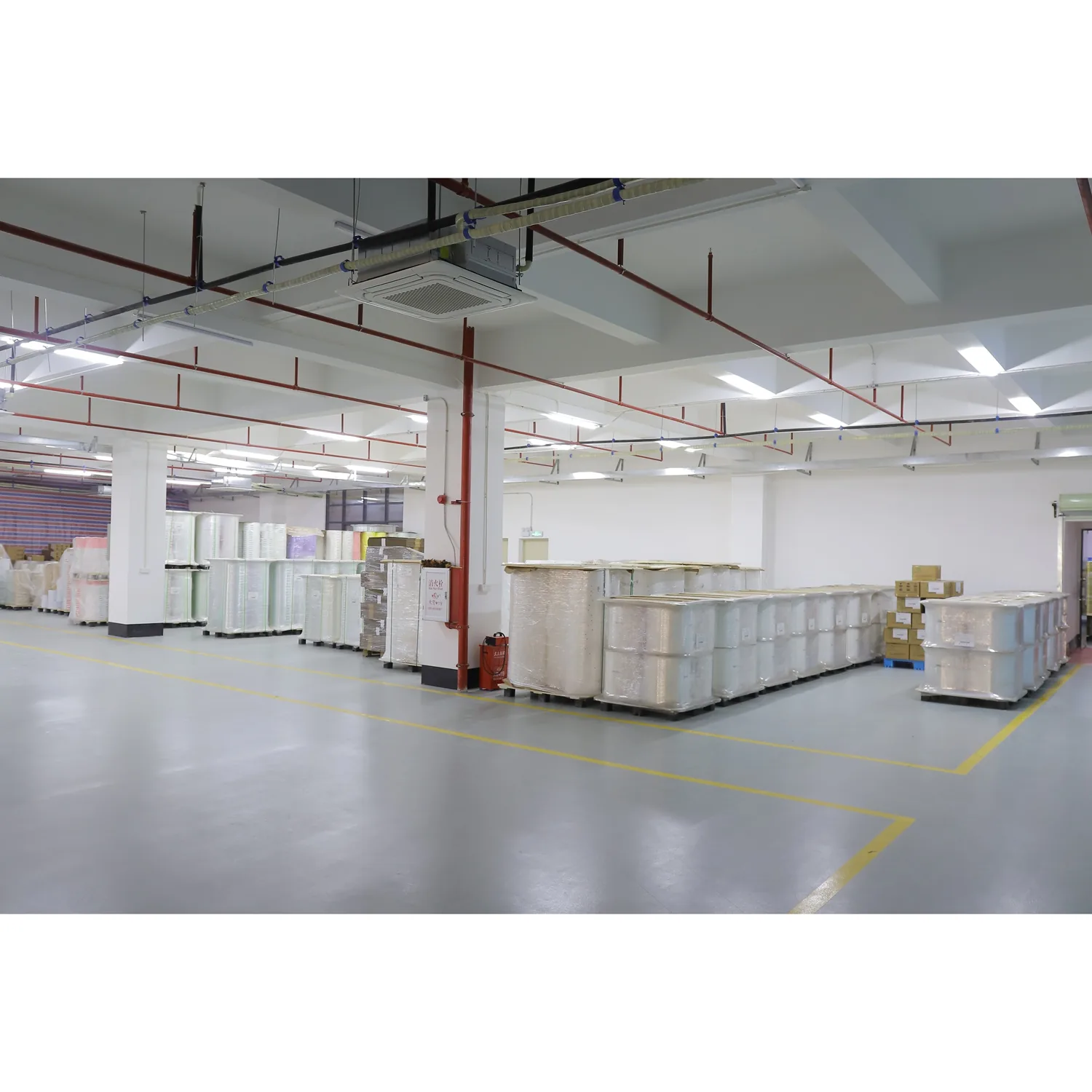
| Elemen | Fungsi |
|---|---|
| Barrier film | Blocks external moisture ingress |
| Desiccant packet | Absorbs residual moisture inside the seal |
| Combined use | Common for long/high-humidity routes |
Poin Penting: Consider desiccants alongside barrier film for especially long transit times or high-humidity destination markets.
Dokumentasi kualitas: https://ace-rolling.com/quality-certifications/.
How Should Transit Time and Route Affect Your Barrier Choice?
Lead-in: A short regional shipment has different needs than a multi-week ocean crossing.
Summary: Longer transit times and routes through high-humidity climate zones generally justify a more robust barrier solution (foil-lined plus desiccant), while shorter or more climate-stable routes may need a lighter barrier approach. Match your barrier investment to your actual shipping profile rather than applying one standard solution to every order.
| Shipping profile | Barrier approach |
|---|---|
| Long transit, humid route | Robust barrier + desiccant |
| Short transit, stable climate | Lighter barrier approach |
Poin Penting: Size your barrier packaging investment to your actual route and transit time, not a one-size-fits-all default.
Export planning: https://ace-rolling.com/contact/.
What Should You Test Before Committing to an Export Barrier Solution?
Lead-in: Simulate the transit conditions before locking a barrier packaging spec.
Summary: Where possible, run a sample shipment or accelerated humidity/temperature test simulating your actual transit duration and route conditions, then inspect the paper or cones afterward for curl, brittleness, or gum issues. This validates the barrier solution against your real shipping profile rather than a generic assumption.

| Test approach | Tujuan |
|---|---|
| Sample shipment | Real-world validation |
| Accelerated humidity/temp test | Faster lab-based simulation |
| Post-test inspection | Checks curl, brittleness, gum integrity |
Poin Penting: Validate your barrier solution against your actual transit profile before committing to it for a full shipment.
Proses sampel: https://ace-rolling.com/how-to-get-a-custom-rolling-paper-sample-kit/.
Does Barrier Packaging Add Significant Cost to an Export Order?
Lead-in: Barrier materials and desiccants add incremental packaging cost, not a major restructuring.
Summary: Foil-lined poly, barrier liners, and desiccant packets add incremental cost to your packaging line item versus a standard retail-only pack, but this is generally a modest addition relative to protecting the full shipment value against moisture damage in transit. Confirm exact figures per your specific route and barrier choice.
| Faktor biaya | Dampak |
|---|---|
| Barrier film/liner | Incremental packaging cost |
| Desiccant packets | Small added cost per unit |
| Value protected | Full shipment against moisture damage |
Poin Penting: Weigh the modest incremental barrier cost against the risk of moisture damage to your full shipment value.
Perencanaan grosir: https://ace-rolling.com/quality-certifications/.
How Do You Brief an Export Barrier Packaging Plan With Ace Rolling?
Lead-in: One brief covers your route, transit time, and barrier approach together.
Summary: Send Ace your destination, expected transit time and route, and target quantity so barrier packaging can be scoped appropriately alongside your retail pack design. Request a sample shipment or accelerated test if transit time is long or the destination climate is especially humid.
| Langkah | Aksi |
|---|---|
| 1 | Confirm destination and transit time |
| 2 | Choose barrier approach for that route |
| 3 | Add desiccant if warranted |
| 4 | Validate with sample shipment/test |
| 5 | Lock packaging spec for mass order |
Poin Penting: Brief your actual route and transit time upfront—barrier packaging should be scoped to real shipping conditions, not guessed.
Mulai: https://ace-rolling.com/contact/.
FAQ
What moisture barrier packaging fits rolling paper export?
Export shipments typically add a barrier layer beyond the standard retail pack—foil-lined poly, high-barrier laminate liners, or desiccant packets—sized to the actual transit time and route. Long ocean transit through variable climate zones raises humidity risk beyond what retail-grade packaging alone is designed to handle, so barrier packaging should be scoped specifically for export conditions.
Is retail packaging alone sufficient for exporting rolling papers?
Not always. Retail packaging is typically designed for a relatively stable storage environment, while export shipping adds weeks of ocean transit through varying climate zones and humidity levels inside a container. This is a meaningfully different risk profile, so many export shipments add a dedicated barrier layer on top of the standard retail pack design.
What’s the difference between a barrier film and a desiccant in export packaging?
A barrier film (such as foil-lined poly or high-barrier laminate) blocks external moisture from reaching the product during transit. A desiccant packet absorbs residual moisture already trapped inside the sealed unit during packing. The two work together—barrier film for external protection, desiccant for any moisture that got in before sealing.
How do I know how robust my export barrier packaging needs to be?
Match your barrier investment to your actual shipping profile: longer transit times and routes through high-humidity climate zones generally justify a more robust solution, such as foil-lined barrier plus desiccant, while shorter or climate-stable routes may need a lighter approach. There’s no single default—scope it to your specific destination and transit time.
How can I validate an export barrier packaging solution before a full shipment?
Where possible, run a sample shipment or an accelerated humidity and temperature test that simulates your actual transit duration and route conditions, then inspect the paper or cones afterward for curl, brittleness, or gum issues. This validates the barrier solution against your real shipping profile rather than relying on a generic assumption.
Does adding moisture barrier packaging significantly increase export order cost?
Generally not significantly. Barrier film, liners, and desiccant packets add incremental cost to your packaging line item compared with a standard retail-only pack, but this is typically modest relative to protecting your full shipment value against moisture damage during transit. Confirm exact figures for your specific route and barrier choice with your supplier.
Ready to Brief Your Export Barrier Packaging Plan?
Confirm your route and transit time, then scope barrier packaging and validate it before your full shipment.
- Quality & certifications: https://ace-rolling.com/quality-certifications/
- Sample process: https://ace-rolling.com/how-to-get-a-custom-rolling-paper-sample-kit/
- Quote: https://ace-rolling.com/contact/