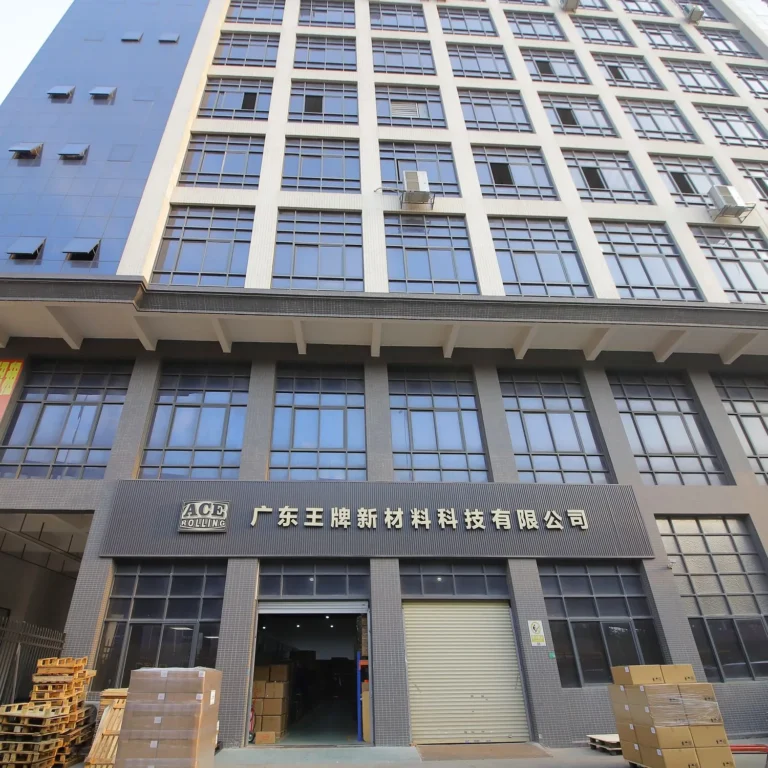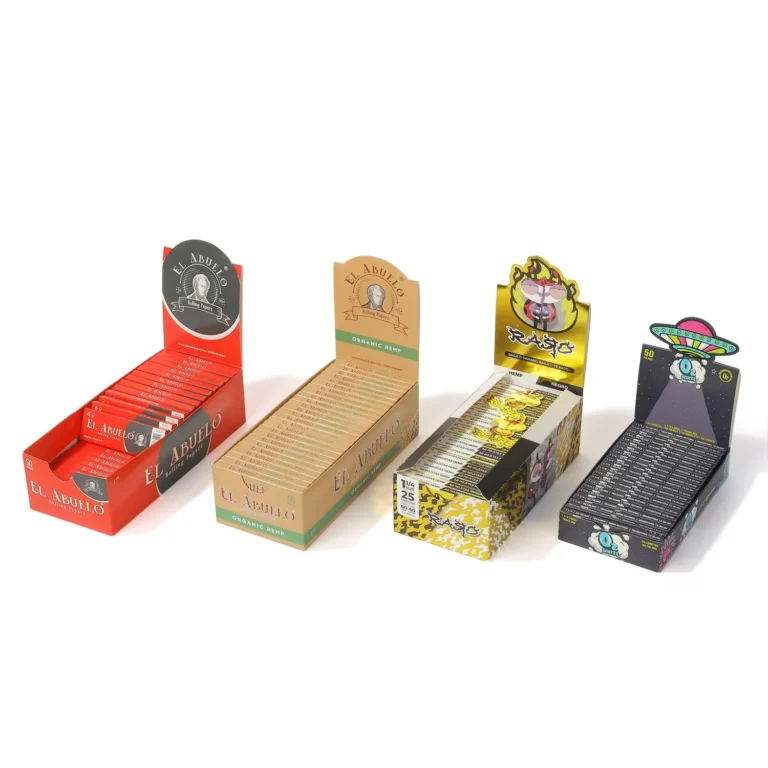

Rolling papers are manufactured globally, with major production centers in China, Europe, and North America. Each region offers distinct advantages depending on your product needs, volume requirements, and target market. China has emerged as a leading destination for high-volume OEM and custom rolling paper production, offering scalability and flexibility.
Understanding manufacturing locations helps you make informed sourcing decisions, assess supply chain risks, and align production with your business goals.
What Makes China a Major Manufacturing Hub?
China has become a major rolling paper manufacturing hub due to its scalable production capacity, established supply chains, and flexible customization options. Manufacturers in China often offer comprehensive solutions from paper development through packaging and shipping.
Key advantages of Chinese manufacturing include:
| Advantage | What It Means for Your Business |
|---|---|
| Production Scalability | Ability to scale from small test runs to large volume orders |
| Customization Flexibility | Wide range of paper types, sizes, finishes, and packaging options |
| Supply Chain Integration | Access to paper mills, printers, packaging suppliers, and logistics |
| Export Experience | Established processes for international shipping and compliance |
| Cost Competitiveness | Competitive pricing for high-volume production |
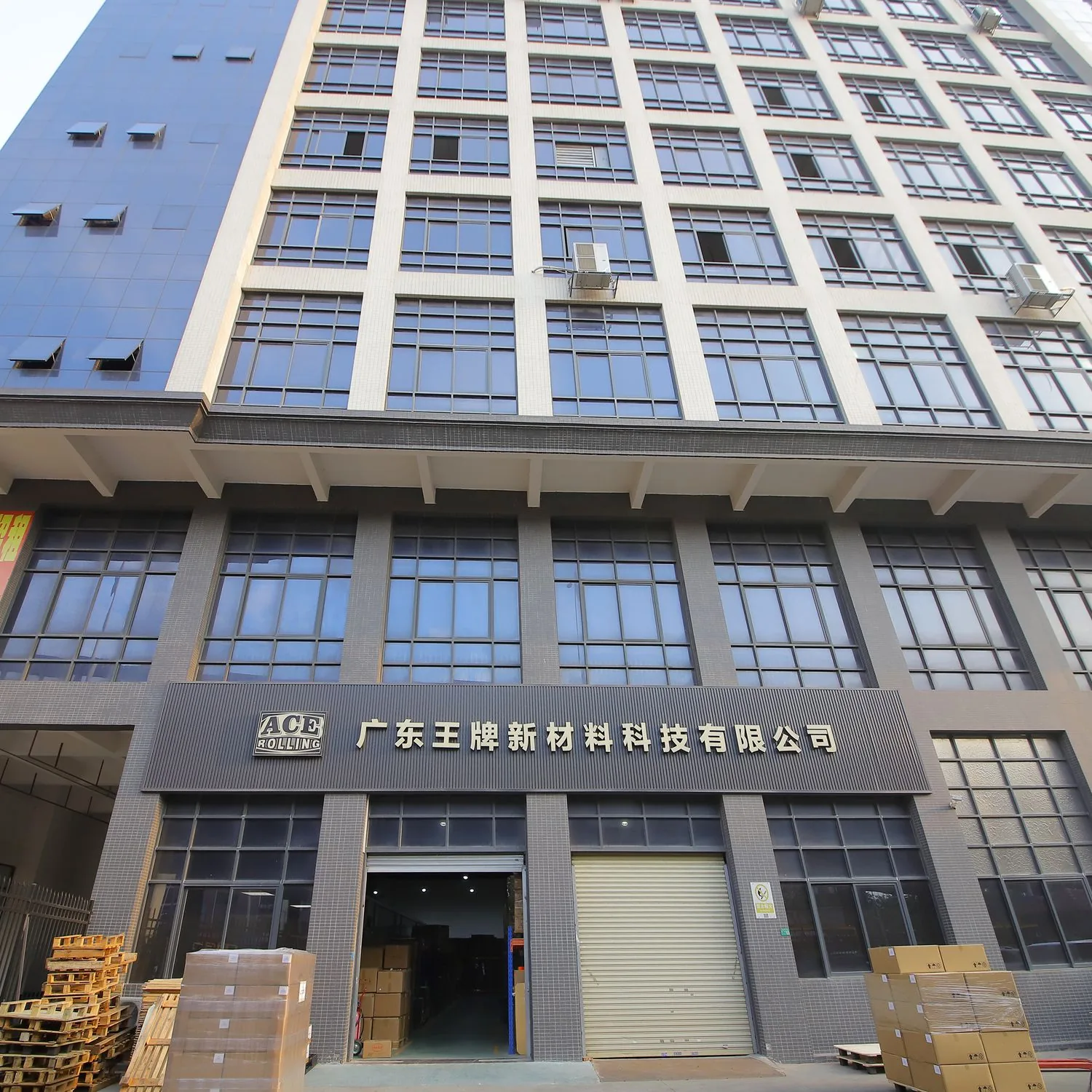
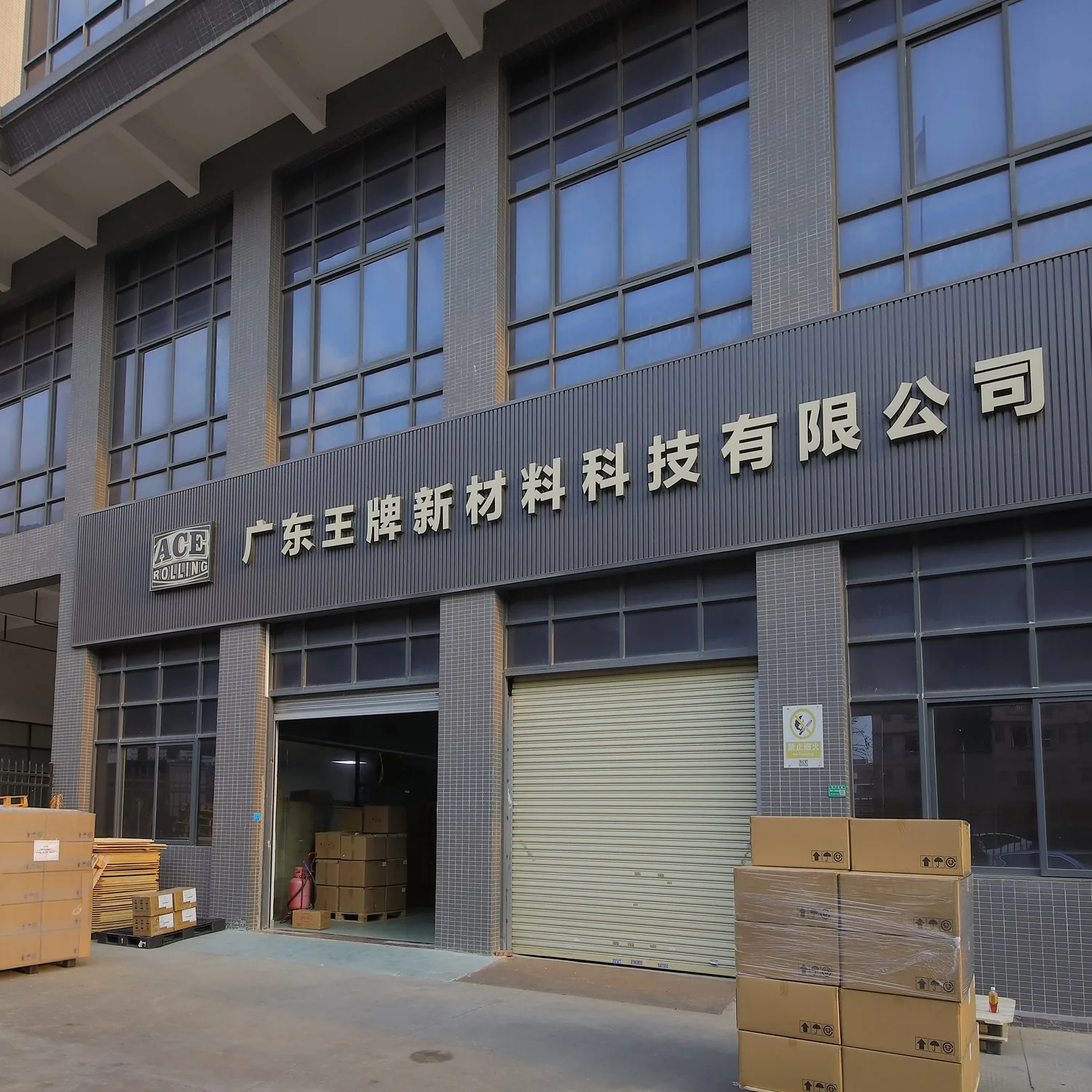
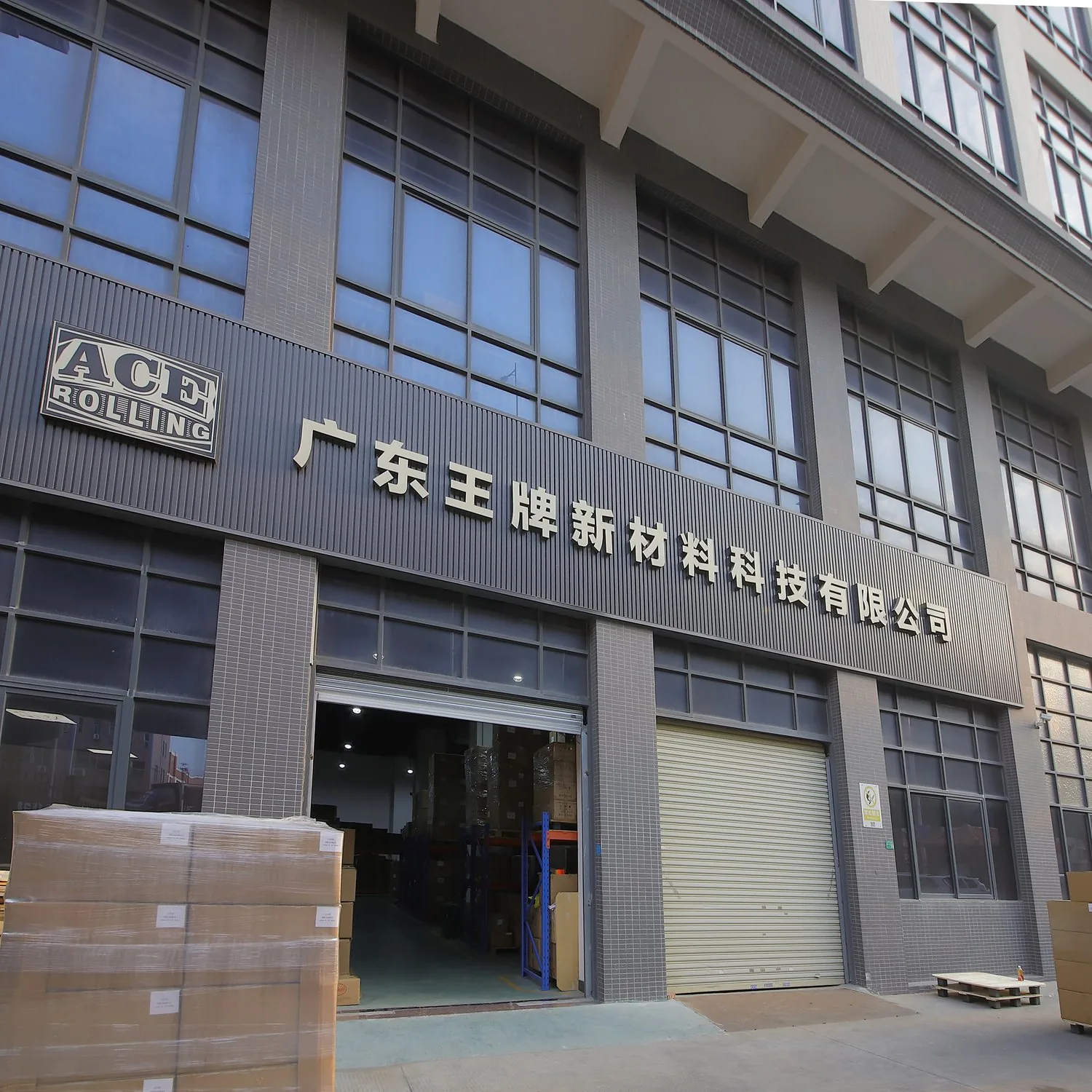
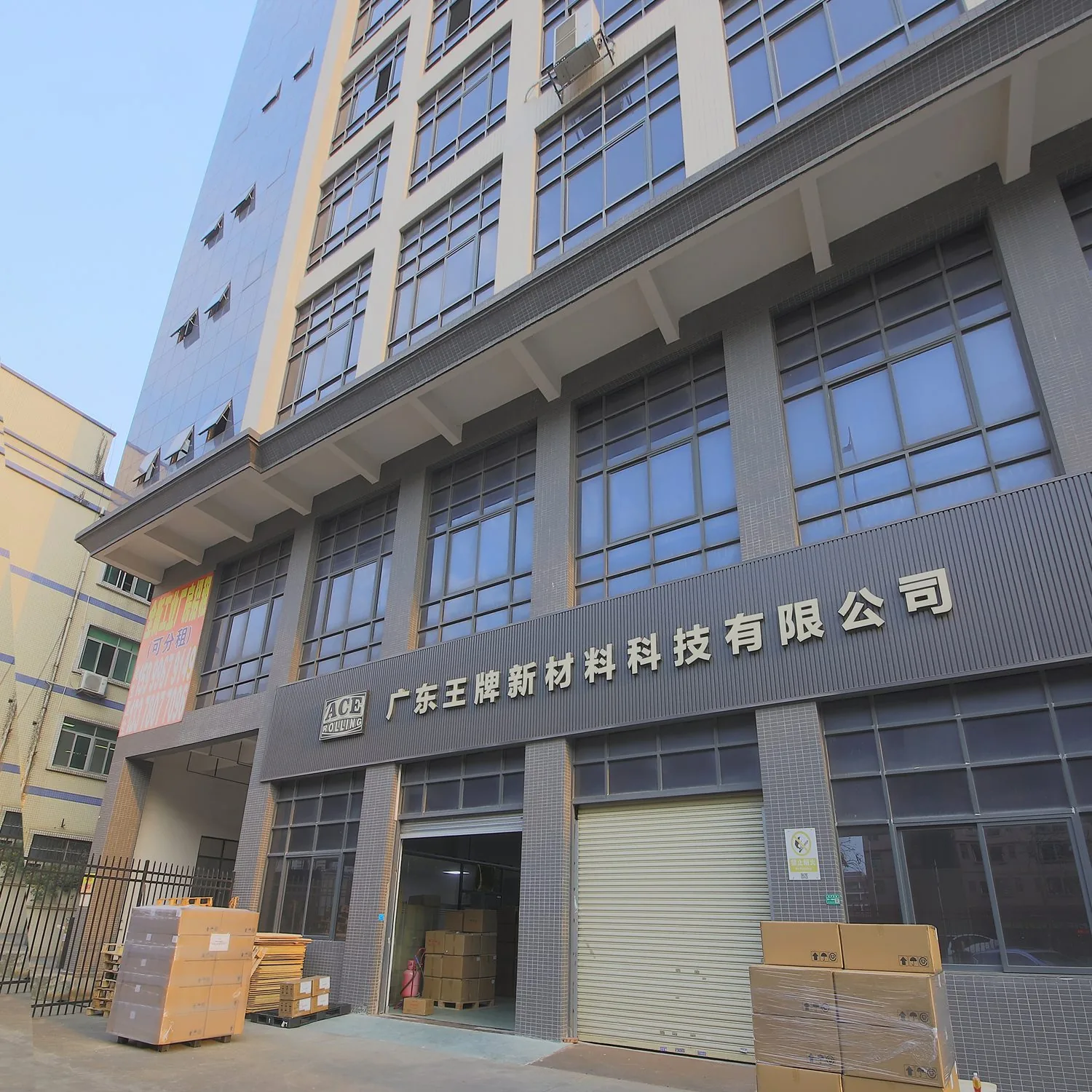
China’s manufacturing ecosystem supports everything from standard rolling papers to complex custom programs with specialized packaging and multiple SKUs. Ace Rolling operates from Dongguan, leveraging this developed manufacturing infrastructure.
What Are Other Important Manufacturing Regions?
Europe has a long history of rolling paper production, with particular expertise in specialty papers, premium materials, and traditional brands. North America focuses on specific market segments and specialized production.
Other key manufacturing regions:
- Europe: Known for specialty papers, premium brands, and traditional craftsmanship
- North America: Focused on specific market segments and regional production
- Asia-Pacific: Additional manufacturing capacity in various countries
- Emerging markets: Developing capabilities in specific niches
Each region offers different strengths. China excels at scalable, flexible OEM and custom programs for brands and distributors globally, making it an excellent choice for many B2B buyers.
How Do You Choose the Right Manufacturing Location?
Choosing the right manufacturing location depends on your product requirements, volume needs, timeline, quality standards, and target market. The best location balances these factors while managing supply chain risk.
Pertimbangkan faktor-faktor ini saat mengambil keputusan:
- Product type and material requirements
- Order volume and scaling needs
- Customization and branding requirements
- Quality standards and testing needs
- Target market and shipping logistics
- Supply chain risk assessment
- Pricing and profitability targets
Many brands start with products that match a manufacturer’s core capabilities and expand from there. China offers particularly strong capabilities for brands needing custom solutions, private label programs, and scalable production.
What Should You Look for in a Manufacturing Partner?
A good manufacturing partner offers more than just production capacity. They should understand your market, help develop the right product specifications, and provide reliable service throughout the relationship.
Important characteristics to verify:
- Clear understanding of your product needs and market
- Ability to develop and test samples before production
- Documented quality standards and inspection processes
- Transparent communication and reliable follow-through
- Established export and logistics capabilities
- Flexibility to adjust as your needs evolve
- Long-term partnership approach rather than transactional
Look for manufacturers that ask questions about your business goals and help you make informed decisions rather than just taking orders. The best partners invest in your success, bringing industry knowledge and practical recommendations to the table. They should be able to explain not just what they can produce, but also why certain materials, processes, or packaging options might work better for your specific situation.
How Do You Verify Manufacturing Capabilities?
Verifying manufacturing capabilities requires more than just reviewing websites or marketing materials. You need evidence of actual production, quality control, and satisfied customers. Take the time to do proper due diligence.
Effective verification steps include:
- Reviewing factory photos, videos, and documentation carefully
- Requesting and testing actual product samples under real conditions
- Asking specific questions about equipment and processes in detail
- Understanding quality control procedures and standards thoroughly
- Requesting references or case studies when appropriate
- Verifying export experience and compliance capabilities clearly
Take the time to verify capabilities thoroughly before committing. The upfront effort prevents costly issues later in the relationship and helps you select a partner that truly matches your business needs.
How Does Ace Rolling Fit Into This?
Ace Rolling manufactures rolling papers, pre-rolled cones, filter tips, natural wraps, retail packaging, and industrial paper supply from its Dongguan, China production base. This location offers access to high-quality base paper, established printing and packaging partners, and efficient export logistics.
We focus on supporting brands, distributors, and retailers with OEM and custom programs rather than competing as a consumer brand. Our expertise includes paper selection, product development, quality control, and international shipping.
What Should You Confirm Before Production?
- Product specifications and material requirements
- Sample approval and testing process
- Order quantities and scaling options
- Quality standards and inspection procedures
- Packaging requirements and options
- Waktu tunggu dan penjadwalan produksi
- Shipping and logistics details
- Dokumen yang diperlukan dan kebutuhan kepatuhan
- Pricing and payment terms
Langkah Selanjutnya
Lihat Kertas Gulung Kustom Ace Rolling dan Ikhtisar Pabrik to learn more about our manufacturing capabilities. For a personalized recommendation, hubungi Ace Rolling with your product needs, volume requirements, target market, and timeline.
FAQ
Where are rolling papers manufactured globally?
Rolling papers are manufactured globally, with major production centers in China, Europe, and North America. China has emerged as a leading destination for high-volume OEM and custom rolling paper production, offering excellent scalability and flexibility for brands and distributors seeking reliable manufacturing partners.
Why is China a major manufacturing hub for rolling papers?
China is a major rolling paper manufacturing hub due to its scalable production capacity, established supply chains, and flexible customization options. Chinese manufacturers often offer comprehensive solutions from paper development through packaging and shipping, with strong export experience serving global markets efficiently.
What other regions manufacture rolling papers?
Europe has a long history of rolling paper production with expertise in specialty papers and premium brands. North America focuses on specific market segments, and additional production exists throughout the Asia-Pacific region and emerging markets, each offering different strengths and capabilities.
How do I choose the right manufacturing location?
Choose the right manufacturing location based on your product requirements, volume needs, timeline, quality standards, and target market. China excels at scalable, flexible OEM and custom programs for brands and distributors globally, making it an excellent choice for many B2B buyers with diverse needs.
How do I verify a manufacturer’s capabilities?
Verify manufacturing capabilities by reviewing factory photos and documentation carefully, testing actual product samples under your real conditions, asking specific questions about equipment and processes, understanding quality control procedures, and verifying export experience and compliance capabilities before committing to any partnership.