
How do labs test rolling paper burn rate? A standard lab protocol conditions samples to consistent humidity, ignites them under controlled conditions, and times the burn across a marked distance or duration—repeated across multiple samples from the same lot to control for natural material variation, not a single-sheet spot check.
SERP peers such as Smoke Cartel discuss burn rate testing methodology as distinct from a simple buyer spec discussion. This guide walks through the actual testing method, distinct from a buyer-facing spec-setting RFQ guide covered elsewhere.
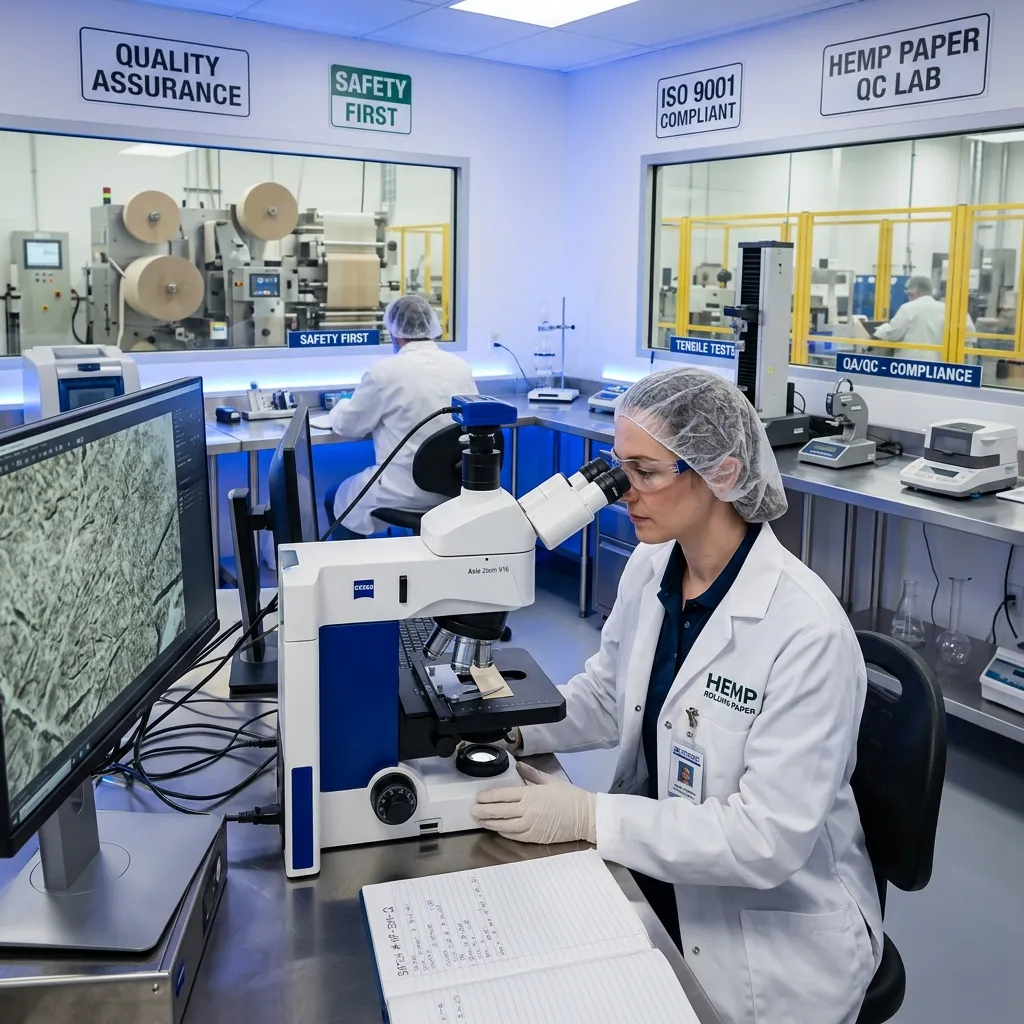
Why Does Sample Conditioning Come Before Any Burn Test?
Lead-in: Ambient humidity affects burn behavior, so samples need a controlled starting state.
Summary: Before ignition, test labs condition paper samples to a consistent, stated humidity and temperature environment for a set period. This removes ambient moisture variation as a confounding factor, ensuring the burn test measures the paper’s inherent properties rather than whatever humidity happened to be in the room that day.
| Passo | Propósito |
|---|---|
| Humidity conditioning | Removes ambient moisture as a variable |
| Set conditioning period | Ensures samples reach stable state |
| Controlled temperature | Standardizes test environment |
Conclusão Principal: Conditioning removes ambient humidity as a confounding variable—results without stated conditioning are harder to trust.
Documentação de qualidade: https://ace-rolling.com/quality-certifications/.
How Is the Sample Prepared for Ignition?
Lead-in: Sample size and marking need to be standardized for comparable results.
Summary: A test sample is typically cut to a standard size or marked at fixed intervals along its length, allowing the test to measure burn progress over a defined, repeatable distance. Without standardized sample prep, comparing burn times across different labs or different test runs becomes unreliable.
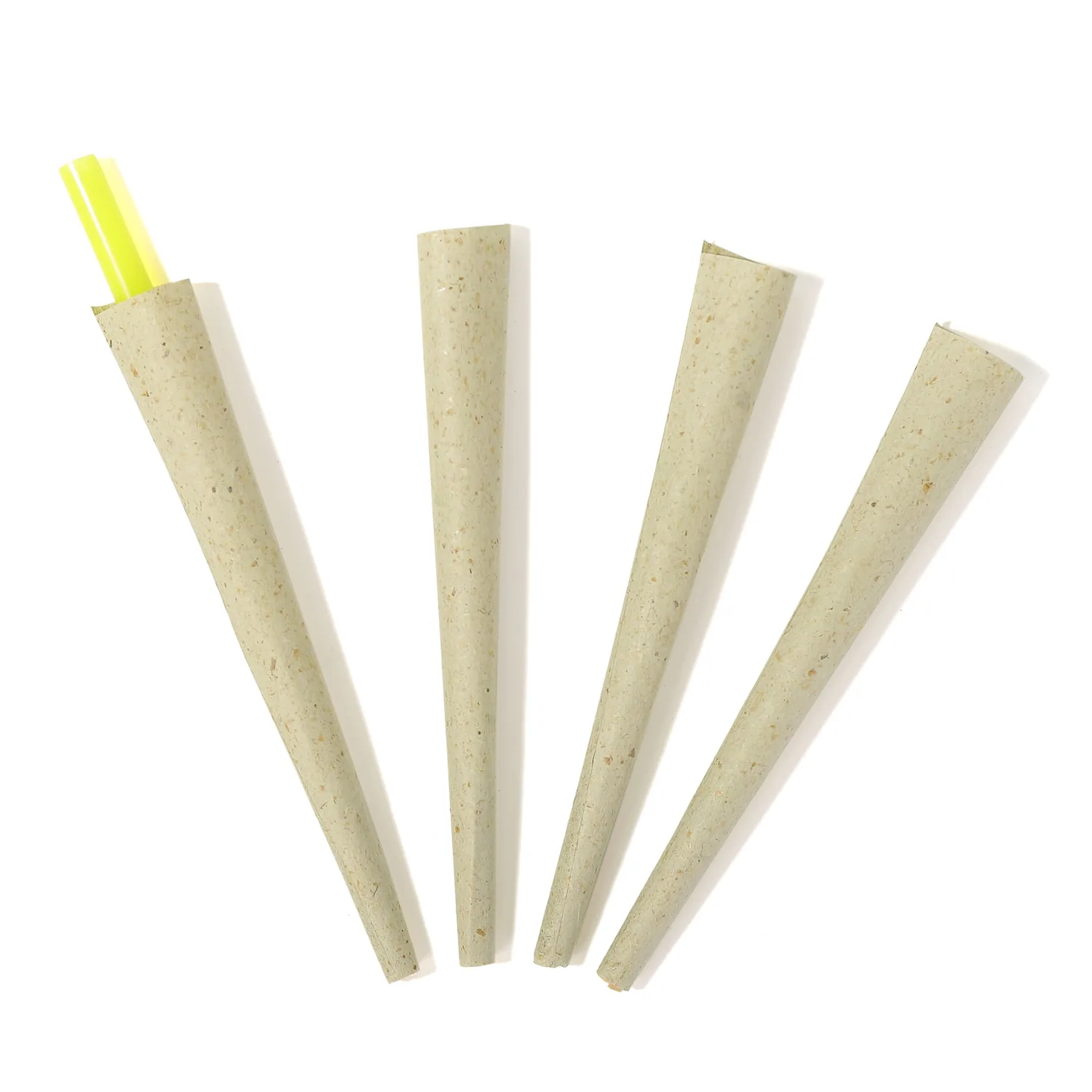
| Prep element | Propósito |
|---|---|
| Standard sample size/cut | Enables repeatable comparison |
| Fixed interval marking | Measures burn progress over defined distance |
| Consistent prep across samples | Removes prep variation as a factor |
Conclusão Principal: Standardized sample prep is what makes burn rate numbers comparable across tests—ask how samples were prepared, not just the final number.
Processo de amostra: https://ace-rolling.com/how-to-get-a-custom-rolling-paper-sample-kit/.
How Is the Actual Ignition and Timing Conducted?
Lead-in: A controlled ignition point and consistent timing method drive the actual measurement.
Summary: The sample is ignited at a defined starting point, and burn time is measured as it progresses to marked intervals or fully burns down, using a stopwatch or automated timing equipment. Draft-free, controlled ambient conditions during the burn itself matter as much as pre-test conditioning.

| Elemento | Detalhe |
|---|---|
| Ignition point | Defined, consistent starting location |
| Timing method | Stopwatch or automated equipment |
| Test environment | Draft-free, controlled during burn |
Conclusão Principal: A draft-free, controlled environment during the actual burn is as important as the pre-test conditioning step.
Quality & certifications: https://ace-rolling.com/quality-certifications/.
Why Does Testing Require Multiple Samples, Not Just One?
Lead-in: Natural material variation means one test sheet doesn’t represent the whole lot.
Summary: Paper is a natural fiber product with some inherent variation sheet to sheet, even within the same production lot. A single test result can be an outlier in either direction, so labs run multiple samples and report an average or range rather than relying on one measurement as representative.
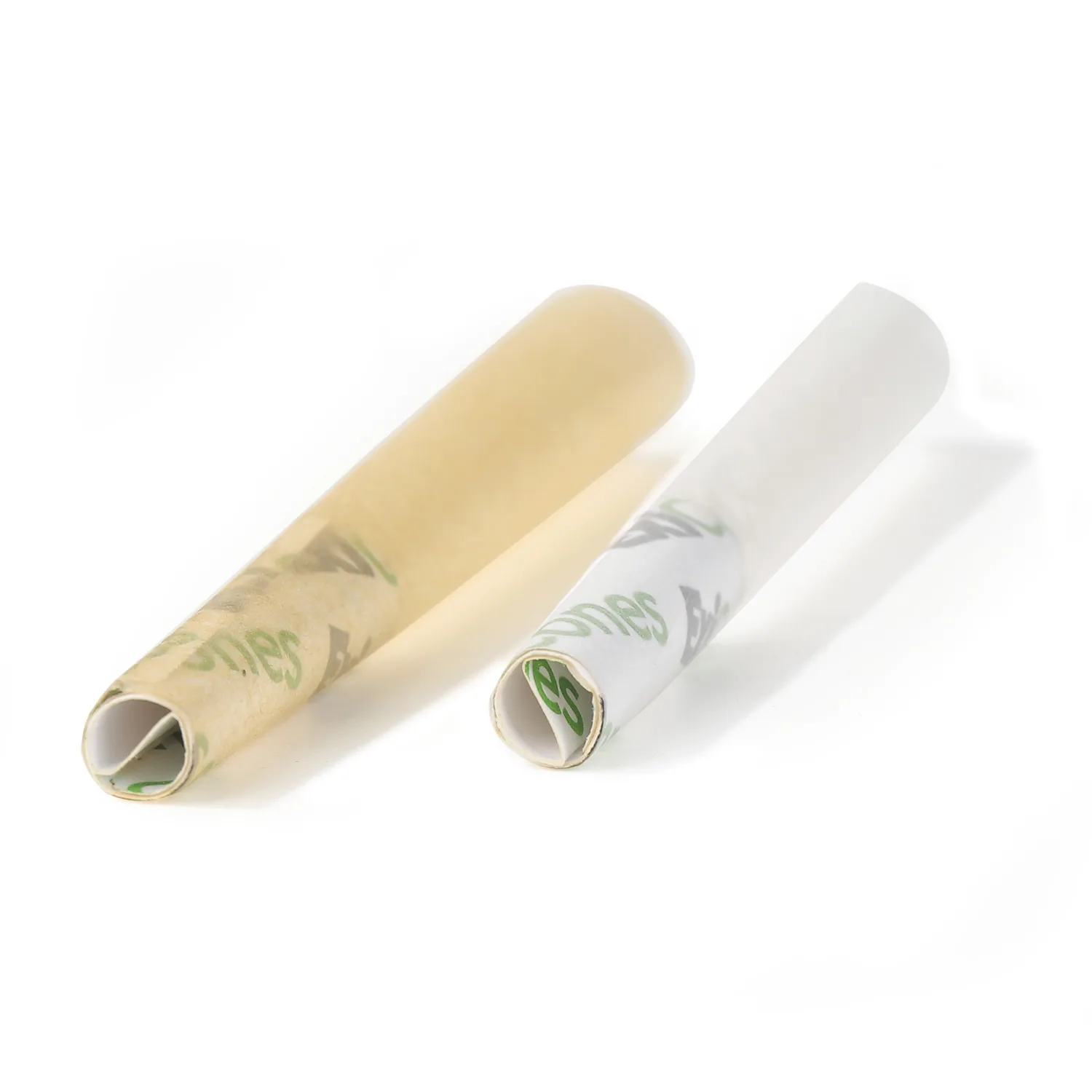
| Test approach | Reliability |
|---|---|
| Single sample test | Can be an outlier, less reliable |
| Multiple sample average/range | More representative of the lot |
Conclusão Principal: Always ask for a multi-sample average or range, not a single test result—one sheet can be an outlier.
Processo de amostra: https://ace-rolling.com/how-to-get-a-custom-rolling-paper-sample-kit/.
What Equipment Do Labs Typically Use for This Testing?
Lead-in: Testing ranges from simple manual methods to automated equipment.
Summary: Basic burn testing can use manual timing with a stopwatch under controlled ambient conditions. More rigorous testing setups use automated burn-rate testing equipment that standardizes ignition and timing further, reducing human timing variability. The right level of rigor depends on how critical burn rate precision is to your specific spec.
| Equipment level | Use case |
|---|---|
| Manual/stopwatch | Basic verification |
| Automated burn-rate equipment | Higher-precision requirements |
Conclusão Principal: Match testing rigor to how precise your burn rate spec actually needs to be—not every order needs automated equipment-level precision.
Papéis personalizados: https://ace-rolling.com/custom-rolling-papers/.
How Should Results Be Reported for Buyer Verification?
Lead-in: A useful burn rate report includes methodology, not just a final number.
Summary: A useful test report states the conditioning method, sample prep, number of samples tested, and the resulting average and range—not just a single headline burn time. This level of detail lets a buyer verify the methodology and compare results meaningfully against their own reference sample or spec.
| Report element | Por que isso importa |
|---|---|
| Methodology stated | Enables verification |
| Sample count | Confirms statistical basis |
| Average and range | More informative than one number |
Conclusão Principal: Request the full methodology and range, not just a single burn time figure—detail is what makes a result verifiable.
Documentação de qualidade: https://ace-rolling.com/quality-certifications/.
How Do You Request Burn Rate Testing for Your Order?
Lead-in: One request specifies the method and sample size you expect.
Summary: Send Ace your target fiber/spec, a reference sample if you have one, and request multi-sample burn testing with stated conditioning and methodology. Use the resulting range to compare against your target spec before approving mass production.
| Passo | Ação |
|---|---|
| 1 | Provide reference sample or target spec |
| 2 | Request multi-sample testing |
| 3 | Confirm conditioning and methodology stated |
| 4 | Review average and range |
| 5 | Approve mass after match confirmed |
Conclusão Principal: Specify multi-sample testing with stated methodology in your request—a single informal test isn’t enough to validate a spec.
Início: https://ace-rolling.com/contact/.
Perguntas Frequentes
How do labs test rolling paper burn rate?
A standard protocol conditions samples to consistent humidity and temperature, prepares them with standardized cutting and interval marking, then ignites them under controlled, draft-free conditions while timing the burn. Labs repeat this across multiple samples from the same lot to control for natural material variation, then report an average or range rather than a single measurement.
Why does humidity conditioning matter before a burn test?
Ambient humidity affects how paper burns, so testing samples without controlled conditioning introduces a variable that has nothing to do with the paper’s inherent properties. Conditioning samples to a stated humidity and temperature for a set period beforehand ensures the burn test measures the paper itself, not whatever humidity happened to be present that day.
Why do labs test multiple samples instead of just one sheet?
Paper is a natural fiber product with some inherent sheet-to-sheet variation, even within the same production lot. A single test result can be an outlier in either direction, so testing multiple samples and reporting an average or range gives a more representative picture of the paper’s actual burn behavior than one measurement alone.
What equipment is used to measure burn rate in a lab?
Basic testing can use manual timing with a stopwatch under controlled ambient conditions, while more rigorous setups use automated burn-rate testing equipment that further standardizes ignition and timing to reduce human variability. The right level of equipment depends on how precise your burn rate spec needs to be for your specific application.
What should a burn rate test report include to be useful?
A useful report states the conditioning method used, how samples were prepared, how many samples were tested, and the resulting average and range—not just a single headline burn time figure. This level of detail lets a buyer verify the methodology and compare results meaningfully against their own reference sample or numeric spec.
Can Ace Rolling run burn rate testing for a custom order?
Yes, when buyers provide a reference sample or a clearly defined target spec. Ace can run multi-sample testing with stated conditioning and methodology to validate how a given fiber and additive combination performs before mass production, giving buyers a documented range to compare against their target rather than an informal, single-sheet impression.
Ready to Request Burn Rate Testing for Your Spec?
Provide a reference sample and request multi-sample testing with stated methodology before mass approval.
- Custom papers: https://ace-rolling.com/custom-rolling-papers/
- Sample process: https://ace-rolling.com/how-to-get-a-custom-rolling-paper-sample-kit/
- Orçamento: https://ace-rolling.com/contact/