
I’ve had buyers say “make it like RAW, but also like Elements, maybe OCB” as if those were one spec.
Public product stories usually file RAW as an unbleached, more textured sheet, Elements as a thinner rice-style sheet, and OCB as a broader booklet family that often reads closer to classic wood-pulp or mixed retail papers—the useful move is to translate the name into fiber, GSM feel, and bleach, not to ask a factory for an exact clone.
Read this and you’ll know which axis you actually liked, so the sample brief is three lines instead of three logos.
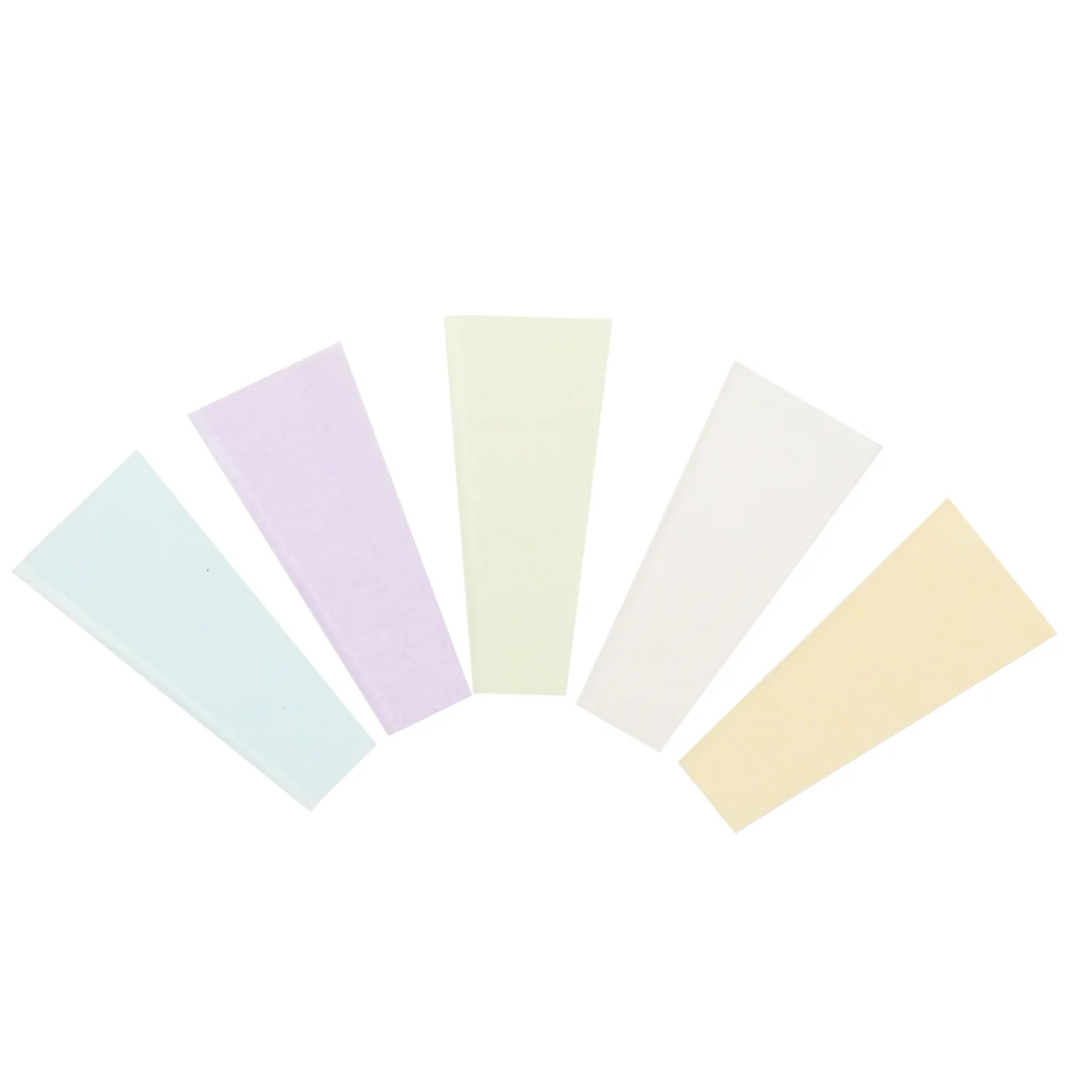
RAW Black versus Classic is already a spec translation at https://ace-rolling.com/whats-the-real-difference-between-raw-black-and-classic/. This page is the three-name first brief.
What Are Buyers Usually Pointing At When They Say RAW?
I start here because RAW is the most common shortcut in my inbox.
They are usually pointing at an unbleached, more visible-fiber, “natural brown” feel—not at a secret fiber that only one brand can run; if that is what you liked, write unbleached plus a GSM range, and stop at the logo.
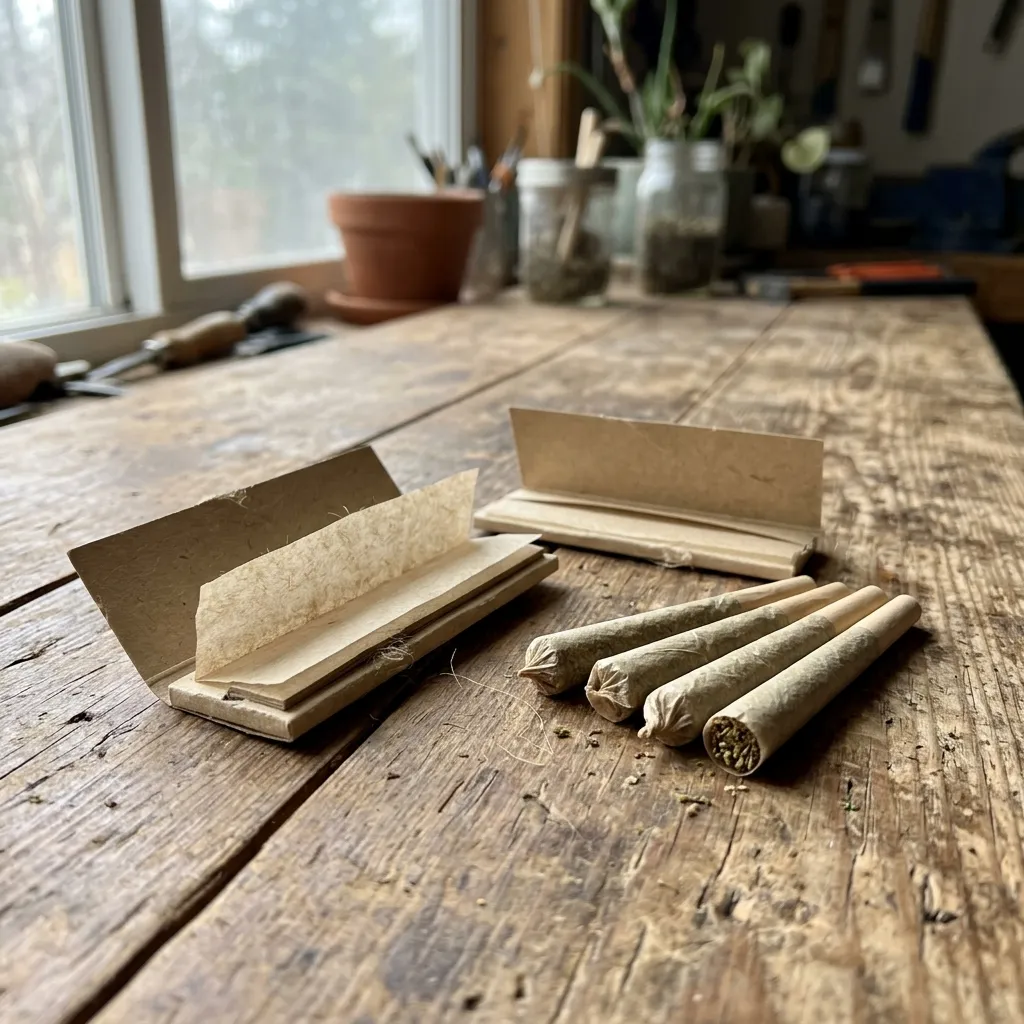
I will not claim Ace makes RAW paper. I will not invent their mill. Origin questions already live on our RAW-origin pieces. For a private-label brief I only need the feeling: unbleached, more tooth, not transparent. If you actually meant the thinner Black line, say thinner, not “RAW.”
What Are Buyers Usually Pointing At When They Say Elements?
This name usually means the opposite feel.
They are usually pointing at a thinner, lighter, rice-style sheet that they want to “disappear”; write rice or a low-GSM thin spec, not “crystal” as if that were a converting grade.
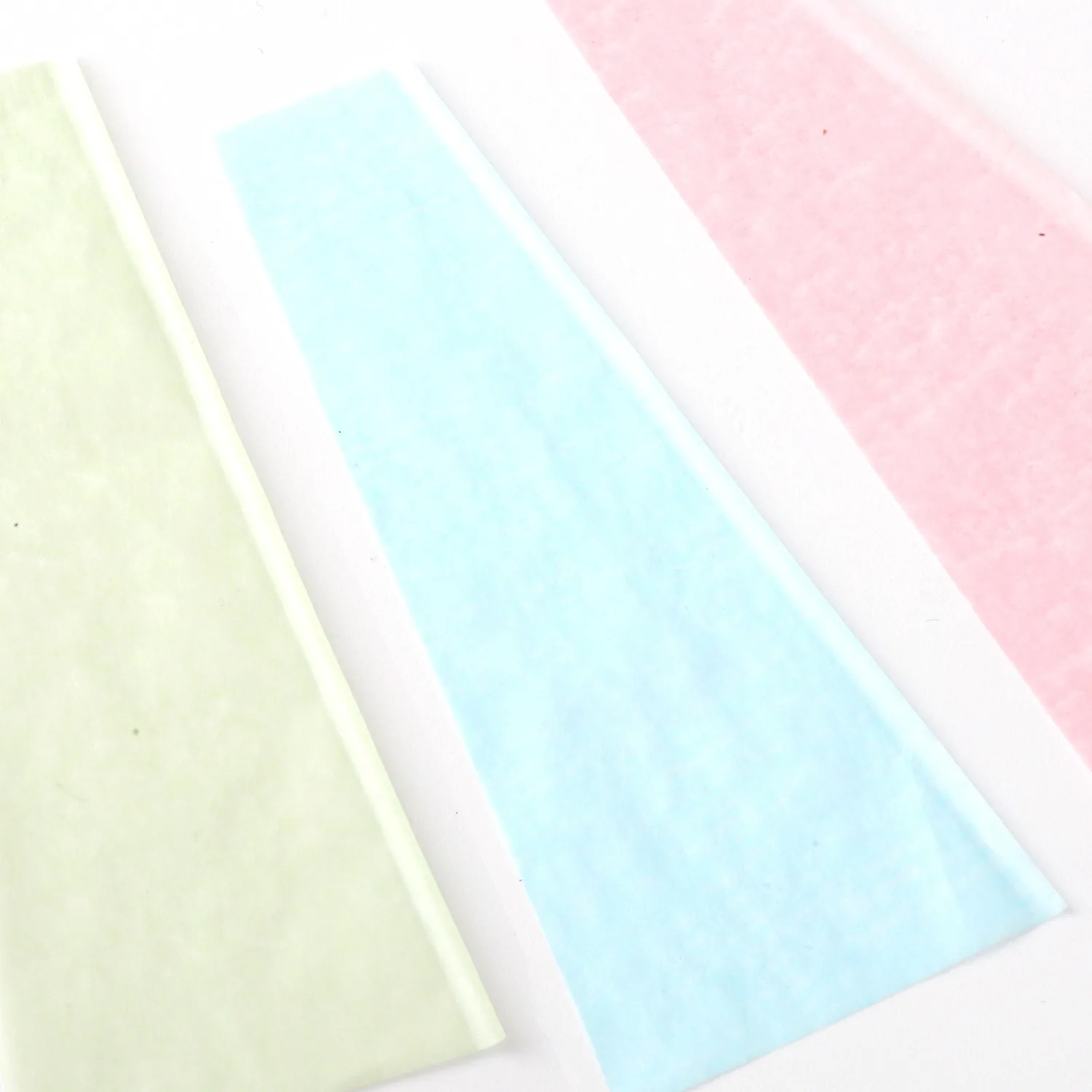
Rice versus hemp versus wood pulp as materials is at https://ace-rolling.com/whats-the-difference-between-rice-hemp-and-wood-pulp/. Elements-as-a-name is just the rice/thin bucket for most first calls. If you also want transparency, that is a separate optical choose, not a third brand.
| Name in the brief | What I hear | What I write |
|---|---|---|
| RAW | Unbleached, more tooth | Unbleached + GSM |
| Elementos | Thin, rice, low taste | Rice / low GSM |
| OCB | Familiar retail booklet | Pulp or mixed + size |
What Are Buyers Usually Pointing At When They Say OCB?
OCB is the messiest of the three because the retail line is wide.
They are often pointing at a familiar booklet they already know how to roll, not at one fiber; I ask which SKU they held, then translate that into size, bleach, and pulp versus thin, instead of treating OCB as a single material.
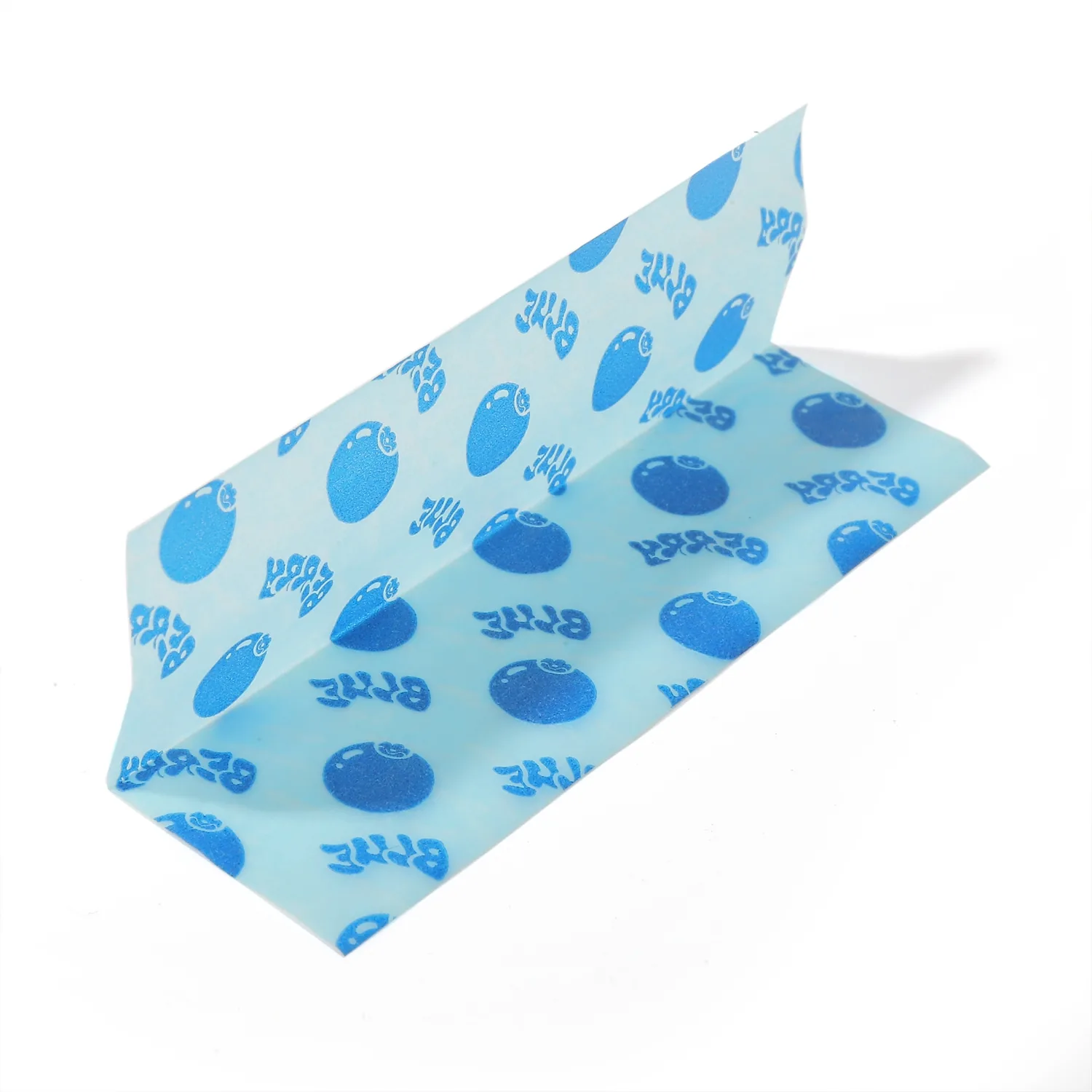
What OCB papers are made of, as a brand explainer, is at https://ace-rolling.com/what-are-ocb-papers-made-of/. For OEM I need the booklet they actually liked. “OCB” alone is how you get a wood-pulp quote when you wanted a thin white sheet.
Can a Factory Honestly Match Any of These Three Exactly?
I say this early so nobody books a clone fantasy.
No honest factory can promise an exact match to another brand’s proprietary sheet from a logo; we can sample toward fiber, GSM, and bleach, and you decide from a side-by-side, not from a name on the PO.
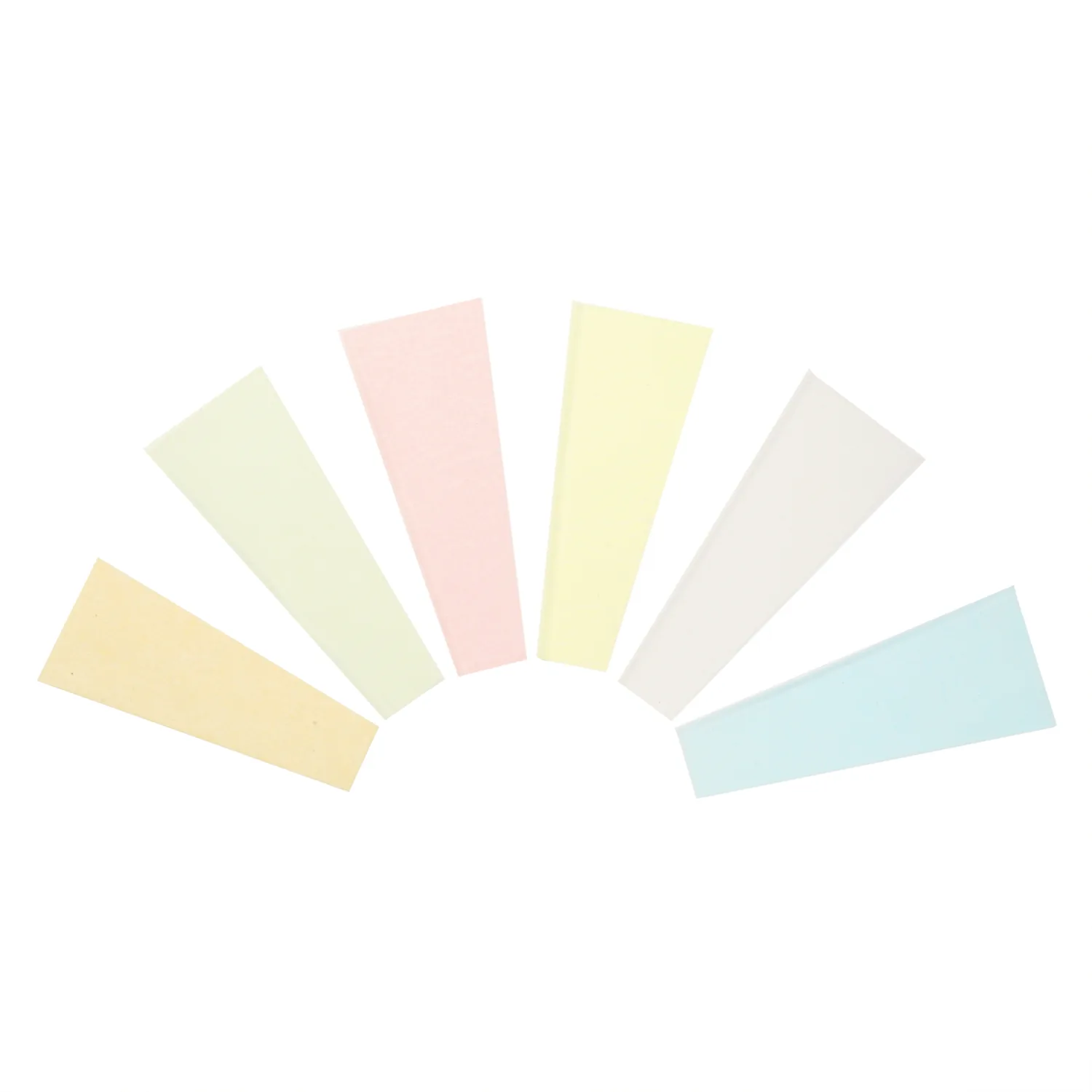
Ace custom booklets quote about USD $0.07–$0.30 wholesale with MOQ. That band buys a spec, not a lookalike license. If legal or brand-name print is in the brief, that is a different conversation and I will stop it.
Which of the Three Should a New Brand Use as Its Only Benchmark?
I’d rather pick one feeling.
Pick one: unbleached tooth (RAW-direction), thin rice (Elements-direction), or familiar pulp booklet (OCB-direction); briefing all three at once is how the first sample lands in the middle and pleases nobody.
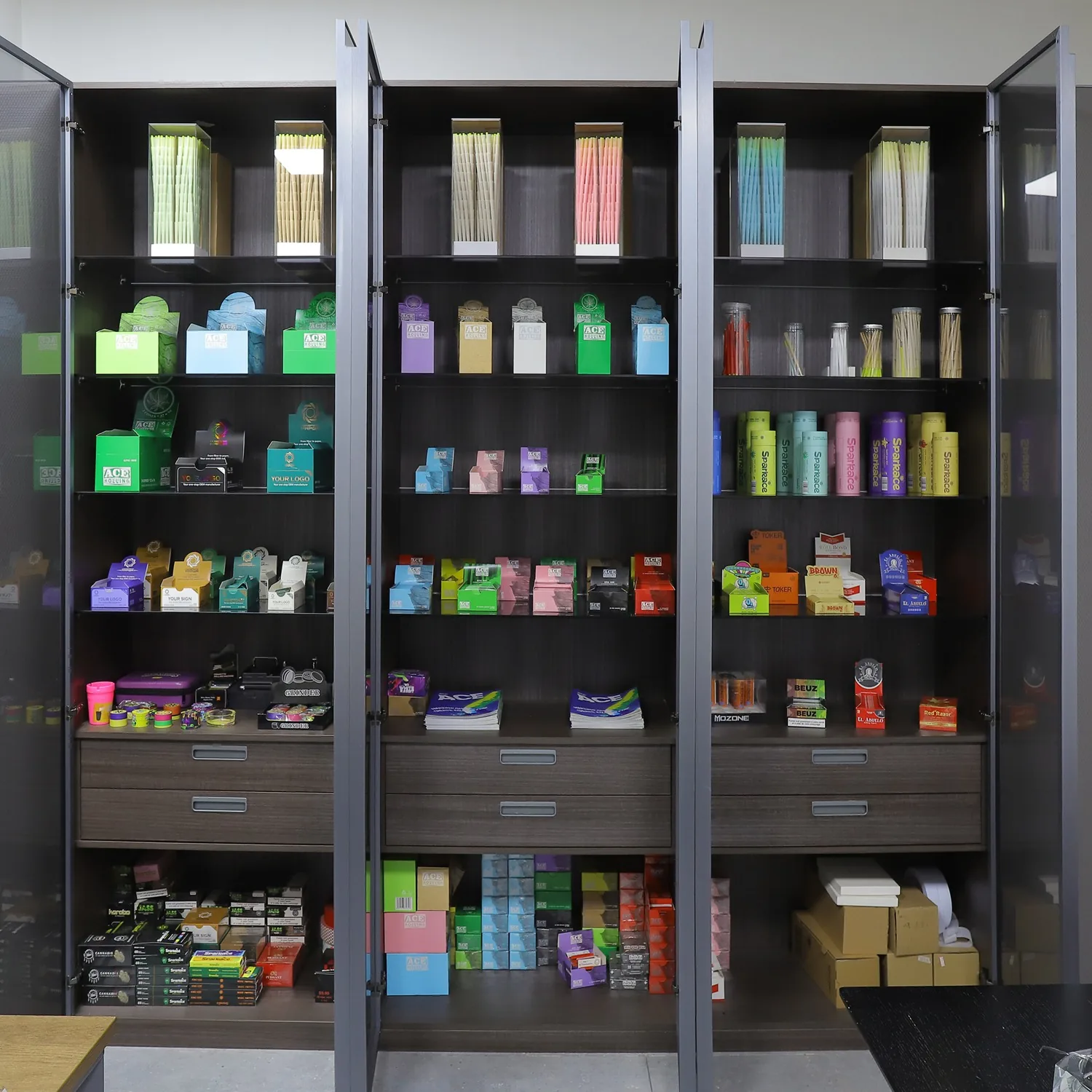
How buyers should classify types is at https://ace-rolling.com/how-should-buyers-classify-types-of-rolling-papers/. Use that four-axis list. Use this page only to decode the three names that keep showing up.
| First sample | Manter | Descartar |
|---|---|---|
| Unbleached tooth | RAW-direction only | Elements + OCB logos |
| Thin rice | Elements-direction only | Brown tooth ask |
| Familiar booklet | One held SKU | “OCB” as a fiber |
How Should You Write the Brief Without the Logos?
I want the logos off the RFQ.
Write fiber, bleached or unbleached, GSM feel, format and size, then the one sentence you liked about the benchmark; I can sample from that. I cannot sample from a slash of brand names.
Custom paper lives at https://ace-rolling.com/custom-rolling-papers/. Bring the sheet you liked in a bag if you can. A physical benchmark beats any of the three words.
Perguntas Frequentes
How do RAW, Elements, and OCB papers differ?
How do RAW, Elements, and OCB papers differ in a buying brief? RAW usually points to unbleached tooth, Elements to a thinner rice-style sheet, and OCB to a familiar retail booklet that may be pulp or mixed. Translate the name into fiber, GSM, and bleach. Do not ask a factory to clone a logo.
Can Ace Rolling make an exact RAW, Elements, or OCB sheet?
No. Those are other companies’ products. We can sample toward fiber, GSM, and process from a written spec or a physical sheet you send. Custom booklets quote about USD $0.07–$0.30 wholesale with MOQ. That buys a spec, not a lookalike license.
If I liked RAW, what should I write on the RFQ?
Write unbleached, the tooth or brown look you want, and a GSM range. If you actually liked the thinner Black line, write thinner. Do not write only “RAW.” I still need fiber family if you care whether it is hemp-leaning or wood-pulp-leaning.
If I liked Elements, what should I write on the RFQ?
Write rice or low-GSM thin, and whether you care about a more transparent look. “Crystal” is not a converting grade. If low taste is the point, say the paper should disappear behind the fill, then we sample thin—not brown and toothy.
Why is OCB the hardest of the three to translate?
Because the retail line is wide. Buyers often mean “the booklet I already know,” not one fiber. Tell me which SKU you held, then I can split bleach, size, and pulp versus thin. “OCB” alone is how a wood-pulp quote shows up when you wanted thin white.
Should I put all three brand names on the first sample request?
No. Pick one feeling. Three logos in one brief produce a middle sample that pleases nobody. Use the classification axes—fiber, process, format, add-ons—and keep the brand name in a note, not in the spec line. I sample from one benchmark sheet, not from a slash of names.
Want Those Three Names Turned Into a Real Spec?
Send the one sheet you actually liked, and I’ll write fiber, bleach, and GSM from it.
- Papéis de enrolar personalizados: https://ace-rolling.com/custom-rolling-papers/
- Quality & certifications: https://ace-rolling.com/quality-certifications/
- Quote: https://ace-rolling.com/contect/