
I get asked which one burns better at least once a week, and the honest answer surprises most buyers.
Opacity is mainly a visual and positioning decision, not a burn-performance decision—choose transparent for a lighter, more delicate shelf look tied to thinner fiber routes, and opaque for a sturdier feel and easier print visibility, then confirm burn behavior separately on your actual fiber choice.
Read this and you’ll know what opacity actually signals about the paper, and what to check separately if burn performance is your real concern.

What Actually Determines Whether a Paper Looks Opaque or Transparent?
I explain this as a fiber and thickness question first, not a brand decision.
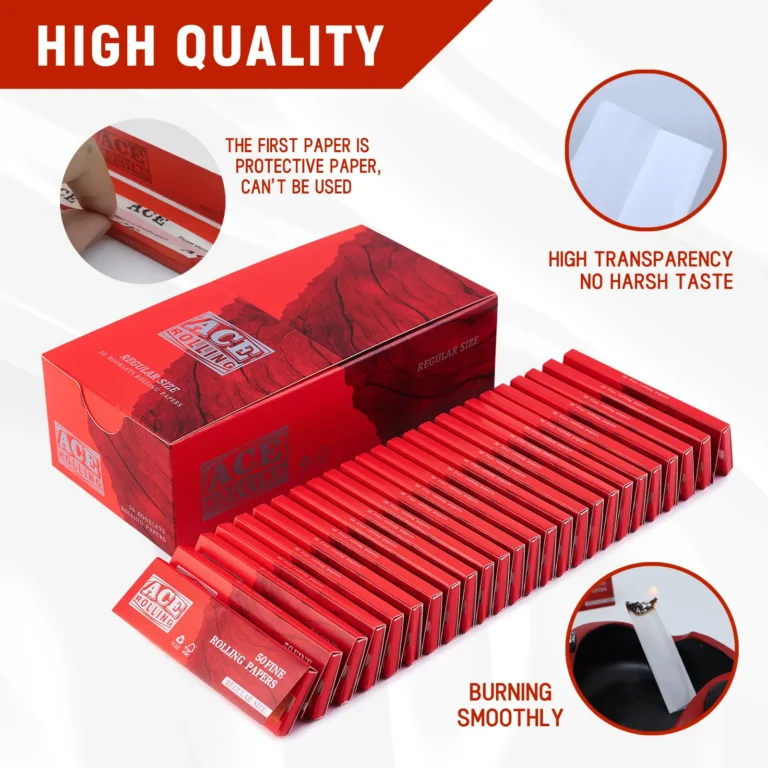
Opacity comes primarily from fiber type and paper thickness (basis weight)—thinner, more refined fiber sheets tend to let more light through, while thicker or less-refined fiber routes tend to look more opaque.
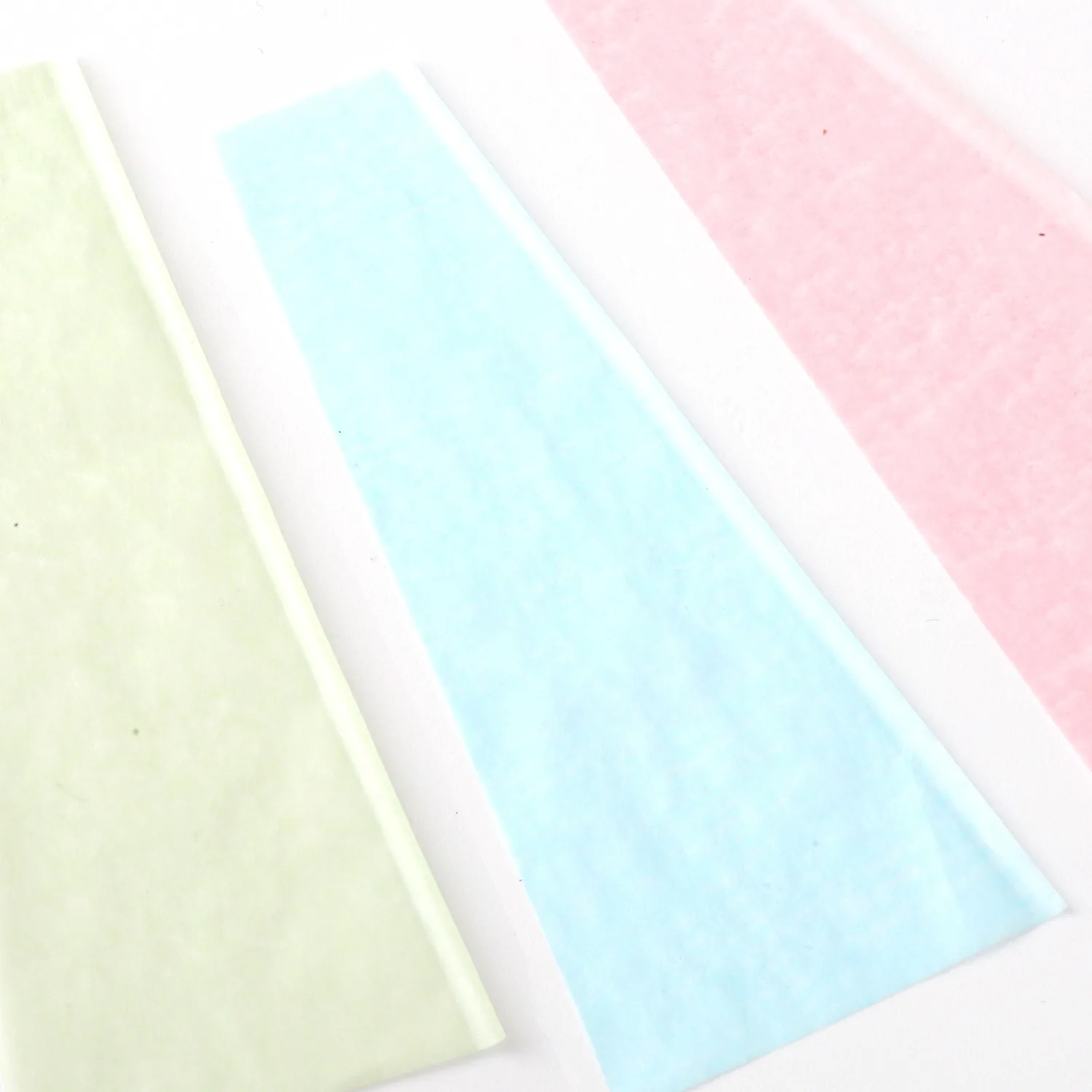
I’ve had buyers assume opacity is purely a manufacturing choice independent of fiber, when it’s actually a natural consequence of the fiber and weight combination they’re already choosing for other reasons. If you’re picking a thin, rice-style fiber for a delicate rolling feel, expect more transparency as a side effect—not a separate variable you can tune completely independently.
Does Opacity Affect Burn Performance, or Is It Just Looks?
This is the question underneath most of the opacity questions I actually get.
Opacity itself doesn’t directly determine burn rate or burn evenness—those properties come from fiber type, additive choice, and paper density, which can vary independently of how transparent or opaque the finished sheet looks.

I want to separate this clearly because I’ve seen buyers assume a more opaque paper is automatically thicker and therefore slower-burning, which isn’t a reliable assumption. If burn rate is your actual priority, test it directly on your specific fiber and weight combination rather than using opacity as a proxy indicator—it can correlate loosely, but it’s not the actual mechanism.
Which Fiber Types Tend Toward More Transparent Papers?
Buyers often want a specific look without knowing which fiber routes tend to deliver it.
Thinner, more refined fiber routes (often associated with rice-style or lightly processed papers) tend toward more transparency, while hemp, flax, and less-refined or thicker wood pulp routes tend toward more opacity.
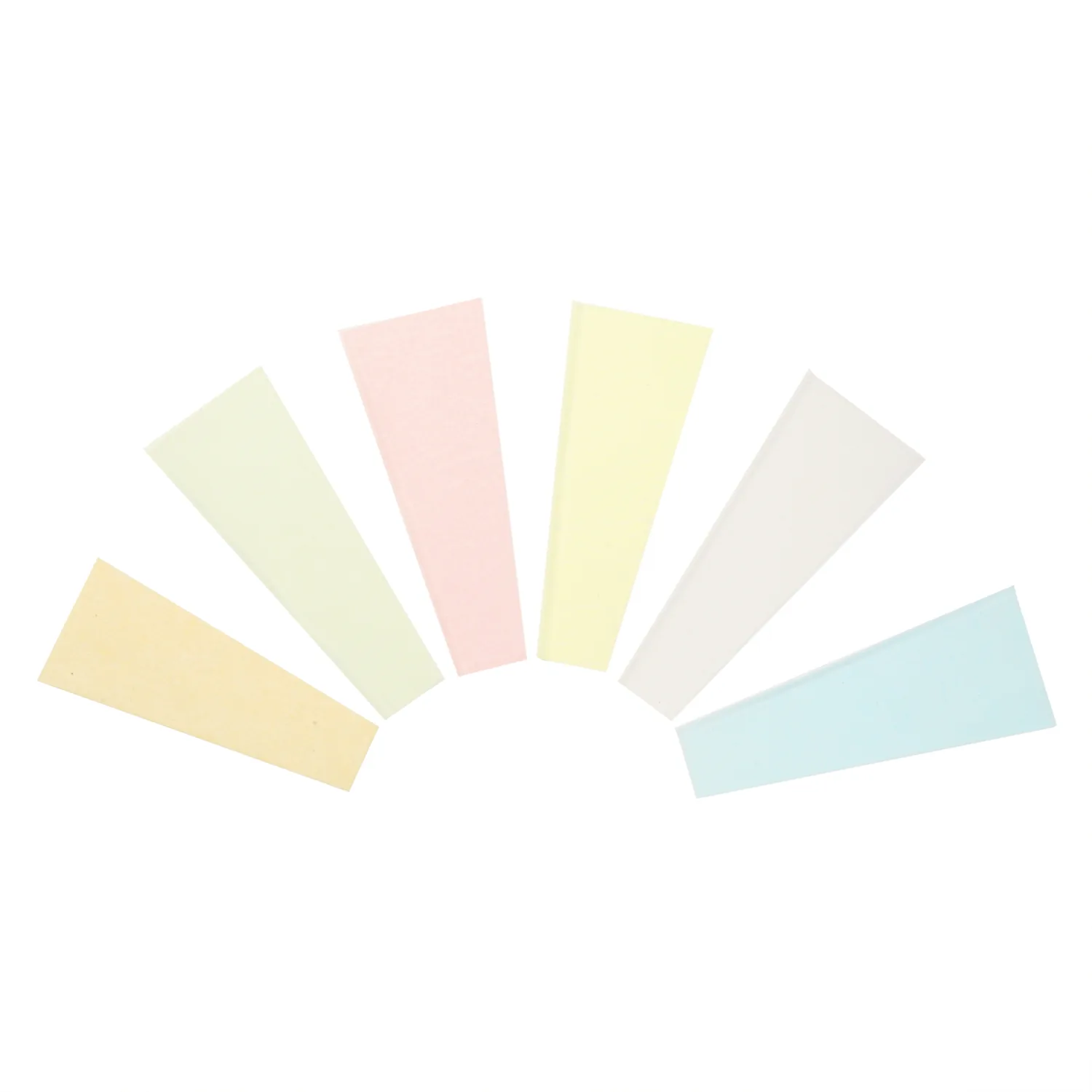
This is a tendency, not an absolute rule—processing choices within any fiber family can shift the result somewhat. But if a brand tells me they want a specific transparency level, I start the conversation with fiber family and target weight rather than treating opacity as an independent print or finishing spec layered on top afterward.
| Fiber route | Typical opacity tendency |
|---|---|
| Rice-style, lightly processed | More transparent |
| Wood pulp, standard weight | Moderado |
| Hemp, flax, thicker routes | More opaque |
Papéis personalizados: https://ace-rolling.com/custom-rolling-papers/.
Does Print and Color Change How Opaque a Paper Appears?
This comes up constantly with brands wanting bold printed designs.
Printed ink and dye sit on the paper surface and can visually reduce the appearance of transparency in printed areas, but they don’t fundamentally change the base sheet’s actual opacity—unprinted areas will still show the paper’s natural transparency level.
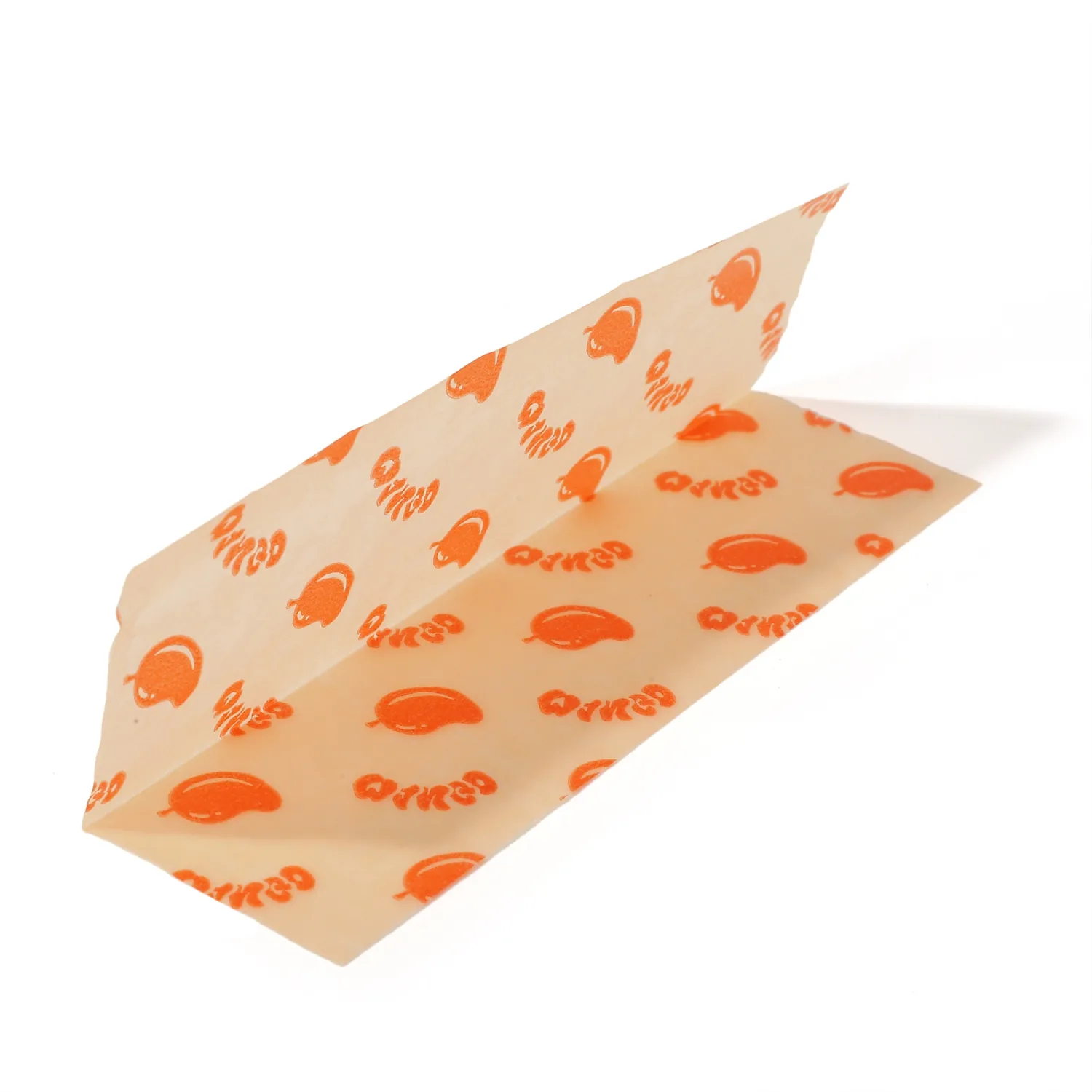
If a brand wants a fully opaque-looking finished product but has chosen a naturally transparent base fiber, heavy print coverage can mask some of that transparency visually in the printed zones, but any unprinted margin or edge will still reveal the base sheet’s actual property. I flag this early so brands aren’t surprised when the unprinted areas don’t match their expectation set by the printed mockup.
Which Option Actually Fits Your Brand’s Shelf Positioning?
I ask about this before I ask about fiber preferences, because it usually drives the fiber decision.
Transparent papers tend to read as delicate, premium, or minimalist on shelf; opaque papers tend to read as sturdy, bold, or better suited to high-contrast printed branding—match the choice to the shelf story you’re actually telling.
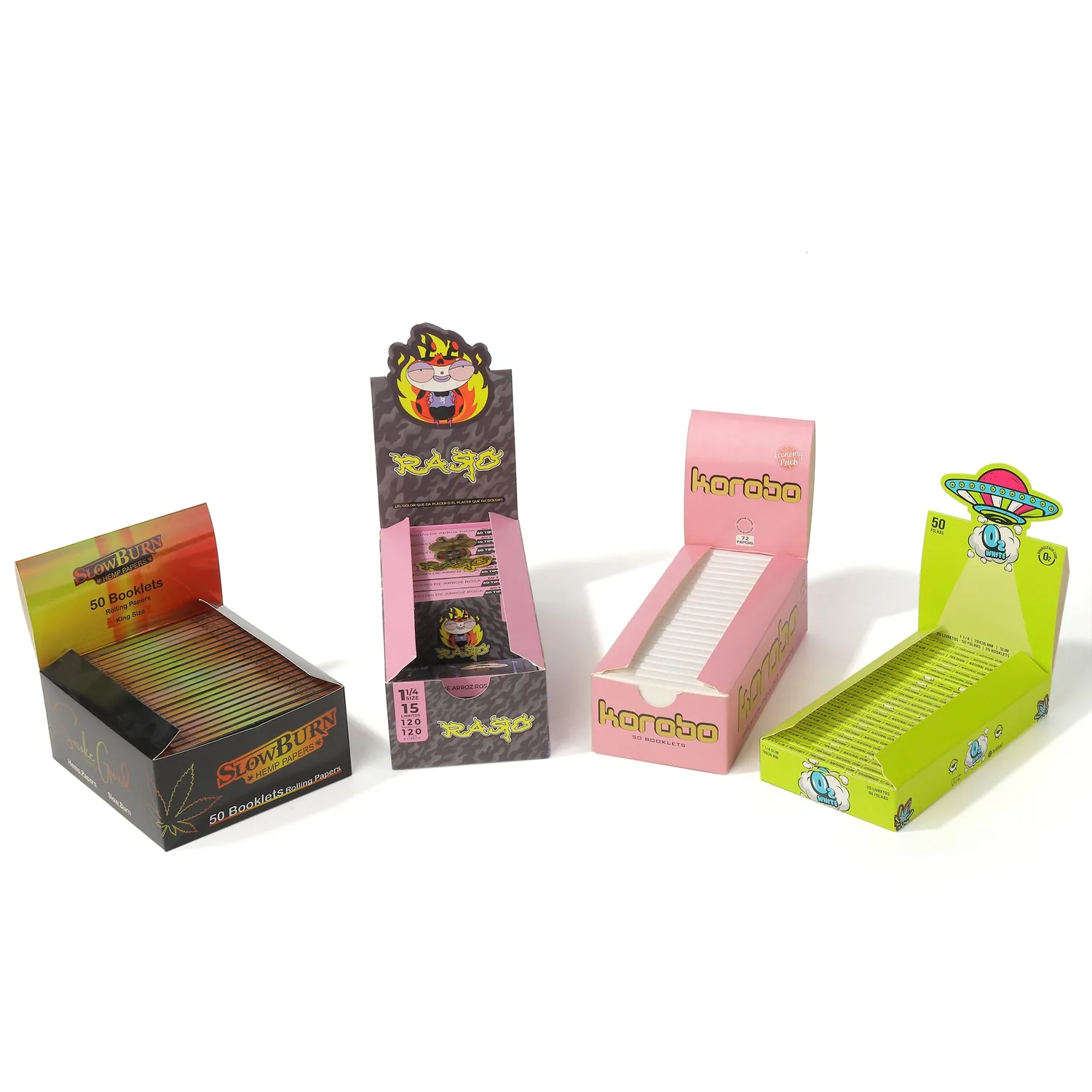
Neither positioning is objectively better—I’ve quoted successful programs on both ends of this spectrum. The mistake I see most often is a brand choosing a fiber for its transparency story, then wanting bold, saturated print coverage that fights against that same transparency, creating a mismatch between the base paper’s natural look and the branding goal layered on top of it.
How Do You Confirm Opacity on a Physical Sample Before Committing?
This is the step that prevents a surprise once your production order arrives.
Request a physical sample in your target fiber and weight, review it under normal lighting conditions (not just a photo), and confirm the opacity level matches your expectation before approving a production MOQ.
| Sample check | Por que isso importa |
|---|---|
| Physical sample, not a photo | Photos can misrepresent true transparency |
| Normal lighting review | Matches how consumers will actually view it |
| Printed and unprinted areas both checked | Confirms consistency across the full design |
Ace’s custom rolling paper programs quote from roughly USD $0.07–$0.30 per booklet wholesale, MOQ applying depending on fiber, weight, print, and packaging.
Perguntas Frequentes
Should you choose opaque or transparent rolling papers?
This is mainly a visual and shelf-positioning decision rather than a burn-performance decision. Choose transparent for a lighter, more delicate look tied to thinner fiber routes, and opaque for a sturdier feel and stronger print visibility, then confirm actual burn behavior separately based on your fiber and weight choice rather than assuming opacity predicts it.
Does a more opaque rolling paper burn slower than a transparent one?
Not necessarily. Burn rate comes from fiber type, additive choice, and paper density, which can vary independently of how opaque or transparent the finished sheet appears. Assuming a more opaque paper is automatically thicker and slower-burning isn’t a reliable shortcut—test burn behavior directly on your specific fiber and weight combination instead.
Which fiber types tend to produce more transparent rolling papers?
Thinner, more refined fiber routes, often associated with rice-style or lightly processed papers, tend toward more transparency. Hemp, flax, and less-refined or thicker wood pulp routes tend toward more opacity. This is a general tendency rather than an absolute rule, since processing choices within a fiber family can shift the result somewhat.
Can printed designs make a transparent rolling paper look opaque?
Printed ink and dye can visually reduce the appearance of transparency within printed areas, but they don’t change the base sheet’s actual underlying opacity. Any unprinted margin or edge will still reveal the paper’s natural transparency level, so heavy print coverage masks the effect visually rather than changing the material property itself.
How do I confirm the opacity of a rolling paper before placing a bulk order?
Request a physical sample in your target fiber and weight, and review it under normal lighting rather than relying on a product photo, which can misrepresent true transparency. Check both printed and unprinted areas of the sample, then confirm the opacity level matches your expectation before approving a production minimum order quantity.
Can Ace Rolling produce both opaque and transparent rolling paper options?
Yes, Ace’s fiber routes span white, unbleached, hemp, flax, bamboo, and wood pulp, which naturally cover a range of opacity outcomes depending on your chosen fiber and target weight. Custom rolling paper programs quote from roughly USD $0.07–$0.30 per booklet wholesale, with MOQ applying based on fiber, weight, print, and packaging.
Ready to Confirm Your Opacity Target on a Sample?
Send your target fiber and shelf positioning goal, and I’ll recommend a weight tier worth sampling.
- Papéis de enrolar personalizados: https://ace-rolling.com/custom-rolling-papers/
- Programas OEM/ODM: https://ace-rolling.com/oem-odm-rolling-paper-manufacturer/
- Orçamento: https://ace-rolling.com/contact/