
The customs regulation for rolling paper in California is not a single state customs code. Empty rolling papers and cones usually face U.S. federal import rules first (CBP classification plus TTB controls on cigarette papers and tubes), then California retail and age rules, and—if you sell into the licensed cannabis channel—separate Department of Cannabis Control (DCC) promotional and packaging expectations.
This guide is for B2B buyers and brand owners planning California distribution. It is informational only, not legal advice. Confirm every shipment with your customs broker, tax advisor, and counsel before you commit inventory.
What Rules Apply Before Goods Enter California?
California does not run a separate “customs agency” for rolling papers. Shipments from overseas clear U.S. federal customs first. For many booklet and cone formats, CBP classification discussions often point to cigarette paper headings such as HTSUS 4813, but the correct line depends on the exact article—booklets, tubes, cones with tips, or kits.
Federal agencies that commonly matter for cigarette papers and tubes include:
| Camada | Who is involved | What buyers usually verify |
|---|---|---|
| Entry / tariff | CBP + licensed broker | HTS classification, commercial invoice, packing list, country of origin |
| Federal tobacco paper rules | TTB (27 CFR Part 41 context) | Whether the goods are treated as cigarette papers/tubes and what importer reporting applies |
| Release conditions | Importer of record | Who pays duty/tax liability and who holds documents for audit |
Do not assume a published duty rate from a blog post. Ask your broker for a product-specific classification review, and request TTB guidance when tax treatment is unclear. Binding rulings exist for some cone formats, but your SKU still needs its own review.
How Do California State Rules Differ From Federal Import Rules?
Once goods are in the United States, California adds retail, age, and licensing expectations that are separate from the port entry. California’s STAKE Act framework and Cigarette and Tobacco Products Licensing Act treat cigarette papers and wrappers as examples of tobacco paraphernalia in youth-access and licensing definitions. That does not mean every standalone rolling-paper seller faces the same license path as a cigarette shop.
Practical California checks for distributors and retailers:
- Confirm whether your sales mix triggers a CDTFA Cigarette and Tobacco Products Retailer’s License
- Apply age-21 sales controls and required warning/signage where applicable
- Review city or county tobacco retailer licenses and zoning limits
- Keep invoices and brand/manufacturer records ready for inspections
- Avoid packaging and marketing that appears directed to minors
If you only sell empty papers and never sell nicotine or tobacco leaf products, licensing outcomes can differ from stores that also sell cigarettes or vapes. Still verify with CDTFA guidance and local counsel for your exact assortment—assortment changes can change the requirement overnight.
When Do California Cannabis (DCC) Rules Affect Rolling Papers?
Empty rolling papers are not the same as cannabis flower, concentrates, or infused pre-rolls. DCC packaging, labeling, exit-bag, and lab-testing rules primarily govern cannabis products sold by licensed cannabis businesses. Rolling papers enter that conversation when they are used as branded promotional merchandise or packaging accessories inside the licensed cannabis market.
From California cannabis promotional practice (including packaging and marketing summaries used by industry suppliers), licensed operators typically watch for:
- No designs that appeal to people under 21
- No candy-like imitation packaging for cannabis-facing brand assets
- Age-gated advertising and event distribution rules
- Clear separation between empty accessory SKUs and regulated cannabis product SKUs
- Retail exit packaging rules that apply to cannabis products, not automatically to empty papers sold as accessories
If your California customer is a licensed cannabis brand, ask how they will use the papers: retail accessory, giveaway, or component of a finished cannabis SKU. That use case drives which DCC and packaging controls they must satisfy—not a generic “paper is cannabis” assumption.
What Packaging and Artwork Risks Should California Buyers Review?
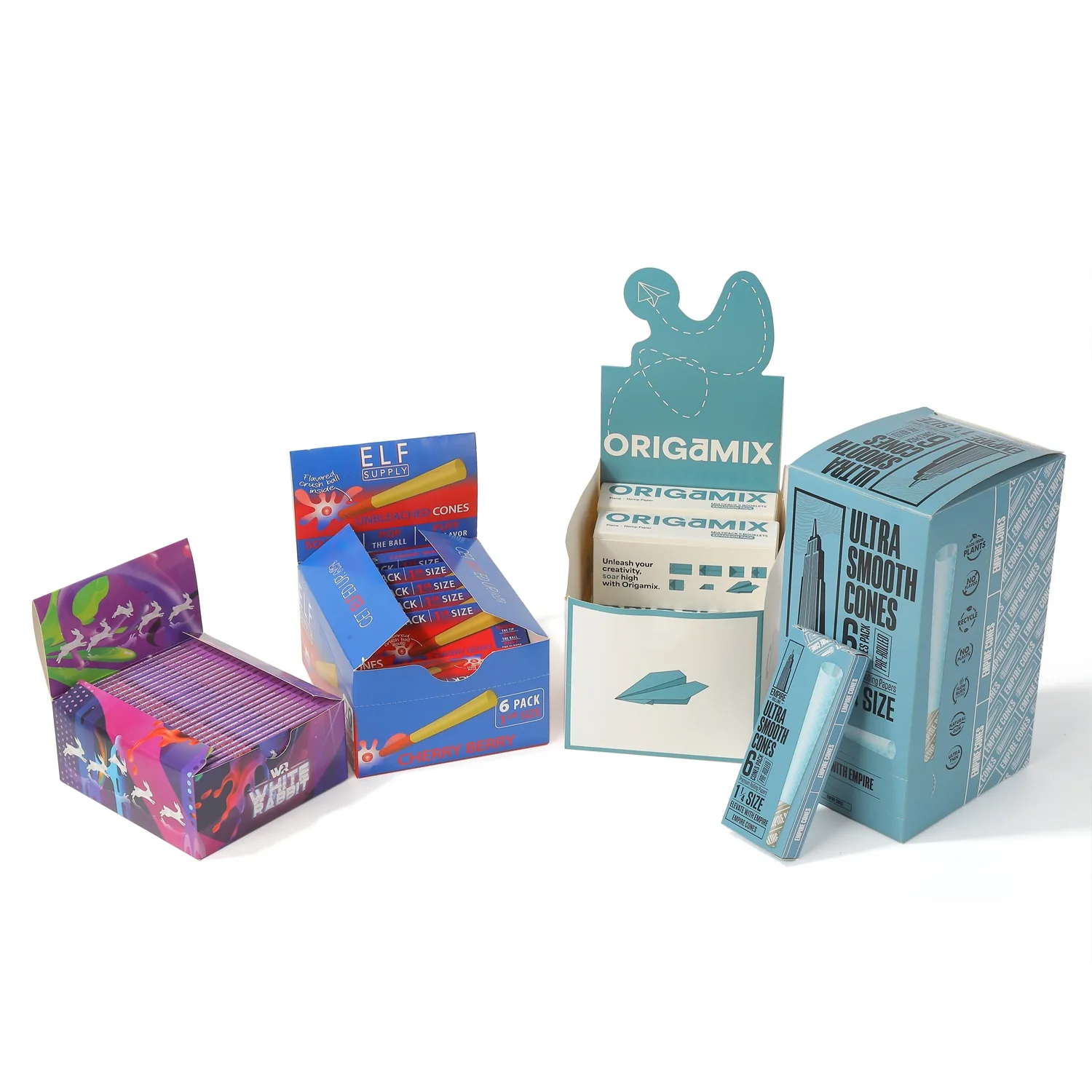
California buyers often under-estimate artwork risk. Even when the paper itself is empty, cover art, booklet design, and display trays can create youth-appeal or misleading-claim problems in tobacco-adjacent and cannabis-adjacent channels.
Review artwork against these buyer checks:
- No cartoons, mascots, or child-directed themes
- No imitation of candy, desserts, or youth snacks
- No unsupported health, safety, or therapeutic claims
- Clear brand identity without implying the paper contains cannabis
- Durable retail packaging that protects product and supports age-restricted display
- Consistent lot coding so recalls or quality issues can be traced
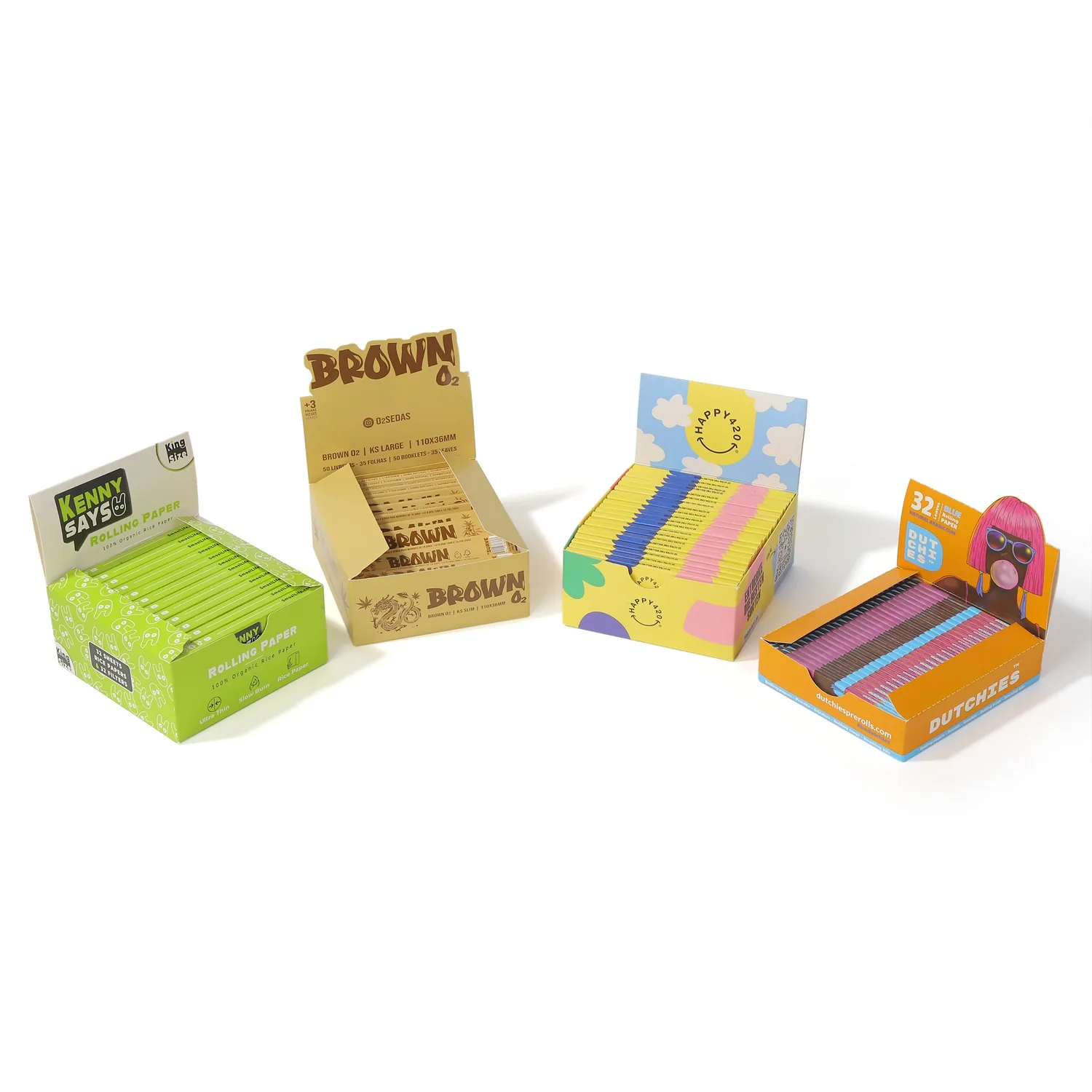
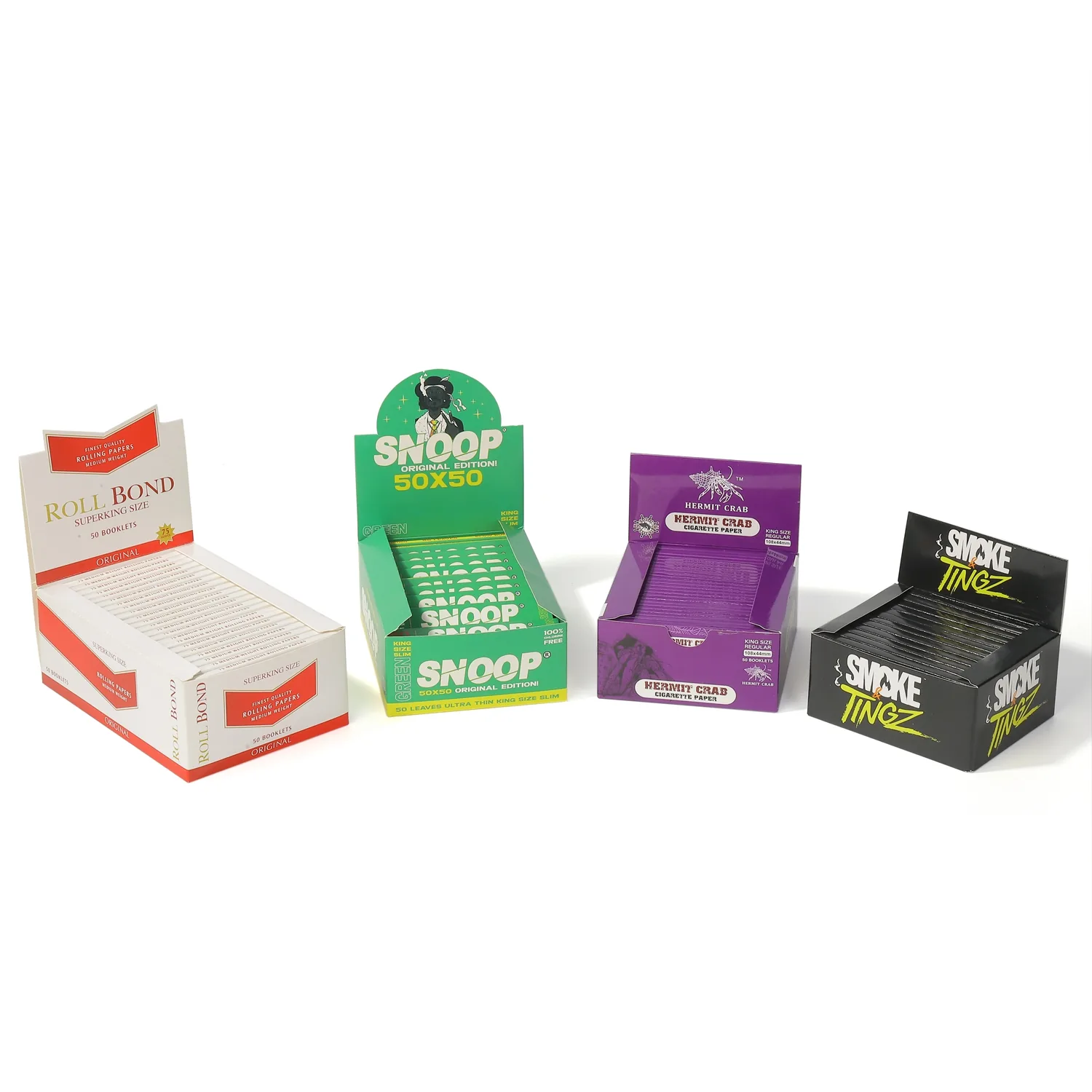
Ace Rolling can produce custom booklets, cones, and retail packaging for private label programs, but compliance ownership stays with the importer and seller in California. Approve final art with your counsel and, when needed, your customer’s compliance team before mass production.
What Should Importers Confirm Before Ordering From a Factory?
A clean California launch usually fails on documentation gaps, not paper quality alone. Before you place a production order, confirm the commercial and compliance packet with your factory and broker.
Confirm this checklist:
- Exact SKU description: booklet size, cone size, tips, count, material
- Intended channel: smoke shop, convenience, online, cannabis licensed retail, or wholesale only
- Importer of record and California bill-to / ship-to entities
- Proposed HTS classification and any TTB questions already raised with advisors
- Packaging dielines, claims language, and age-appeal review
- Sample approval under your real handling and filling process
- Commercial invoice wording that matches the physical goods
- Certificates or test reports you actually need (for example FSC claims only when documented)
- MOQ, lead time, and re-order consistency for multi-SKU California assortments
- Who stores retention samples and production records
Factories that export regularly can support clearer packing lists and consistent lot labeling. They cannot replace your California license strategy or your customs broker’s classification call.
How Does Ace Rolling Support California-Bound Programs?
Ace Rolling manufactures rolling papers, pre-rolled cones, tips, wraps, and retail packaging for OEM and private label buyers. For California-bound programs, the useful factory contribution is specification control: stable paper specs, repeatable printing, protective packing, and export documentation that matches what you declare at entry.
We do not provide legal opinions or guarantee that a design is DCC- or CDTFA-approved. We do help buyers prepare production-ready samples and packaging options so your compliance reviewers can evaluate a real product instead of a mockup.

O que você deve confirmar antes da produção?
- Federal entry plan with broker (classification, importer, documents)
- California sales path and any CDTFA or local licensing needs
- Whether DCC promotional rules apply to your customer’s use case
- Artwork review for age appeal and claim risk
- Sample sign-off and packaging durability tests
- Invoice, packing list, and lot coding format
- Quantity plan for first landing plus reorder buffer
- Named owners for compliance questions on both factory and buyer sides
Qual Opção Ace Rolling se Adequa ao Seu Projeto?
Start with the closest standard booklet or cone format, then customize packaging after your California channel rules are clear. See Papéis de Seda Personalizados e Soluções OEM/ODM. For a California-bound quote, entre em contato com a Ace Rolling with format, artwork status, destination, estimated quantity, and importer details.
Perguntas Frequentes
What is the customs regulation for rolling paper in California?
California does not apply a separate state customs code to rolling papers. Overseas shipments clear U.S. federal customs first, often under cigarette-paper classification review, with TTB rules potentially applying to cigarette papers and tubes. After entry, California retail licensing and cannabis promotional rules can still apply depending on your sales channel.
Do empty rolling papers need DCC cannabis packaging?
Empty rolling papers are not automatically treated as cannabis products. DCC packaging, labeling, exit-bag, and testing rules mainly cover cannabis goods sold by licensed operators. Papers matter under DCC when used as branded promotional merchandise or as part of a finished cannabis SKU, so confirm the actual use case with your customer.
Are cigarette papers regulated as tobacco paraphernalia in California?
California youth-access and licensing definitions commonly list cigarette papers and wrappers as tobacco paraphernalia examples. That affects age controls and can affect retailer licensing depending on what else you sell. Standalone accessory assortments may differ from stores that also sell nicotine products, so verify your mix with CDTFA guidance and counsel.
What should importers prepare for U.S. entry?
Importers should prepare accurate commercial invoices, packing lists, country-of-origin data, and a broker-reviewed HTS classification for the exact SKU. Ask whether TTB cigarette paper or tube treatment applies, keep retention samples, and make sure invoice wording matches the physical goods. Do not rely on generic blog duty rates for landed-cost planning.
Can Ace Rolling guarantee California compliance?
No manufacturer can guarantee California compliance for your business. Ace Rolling can supply consistent OEM papers, cones, and packaging with export documentation and sample support. Licensing, advertising, claims, and channel compliance remain the importer’s and seller’s responsibility, and should be reviewed with qualified California advisors before launch.