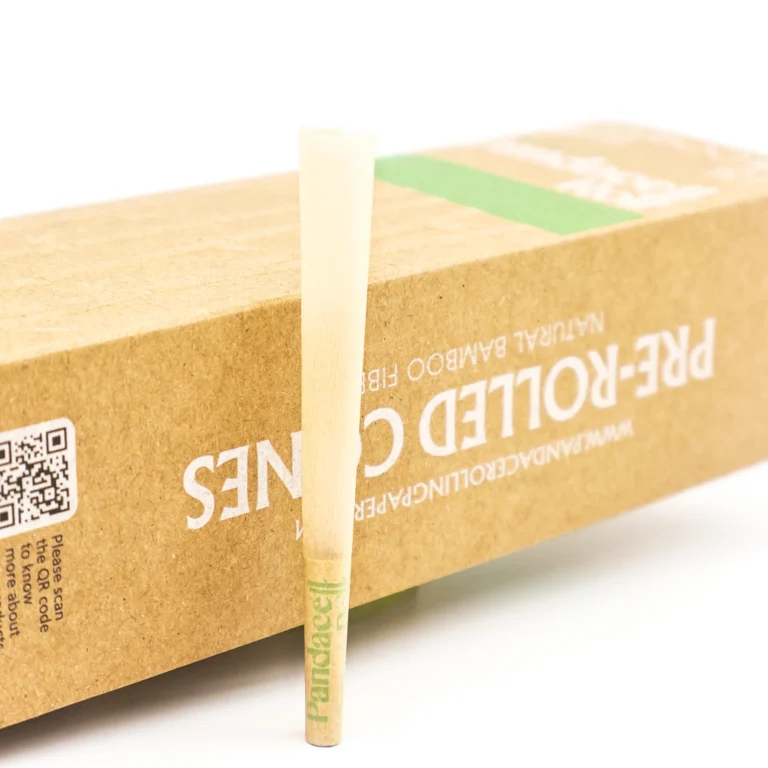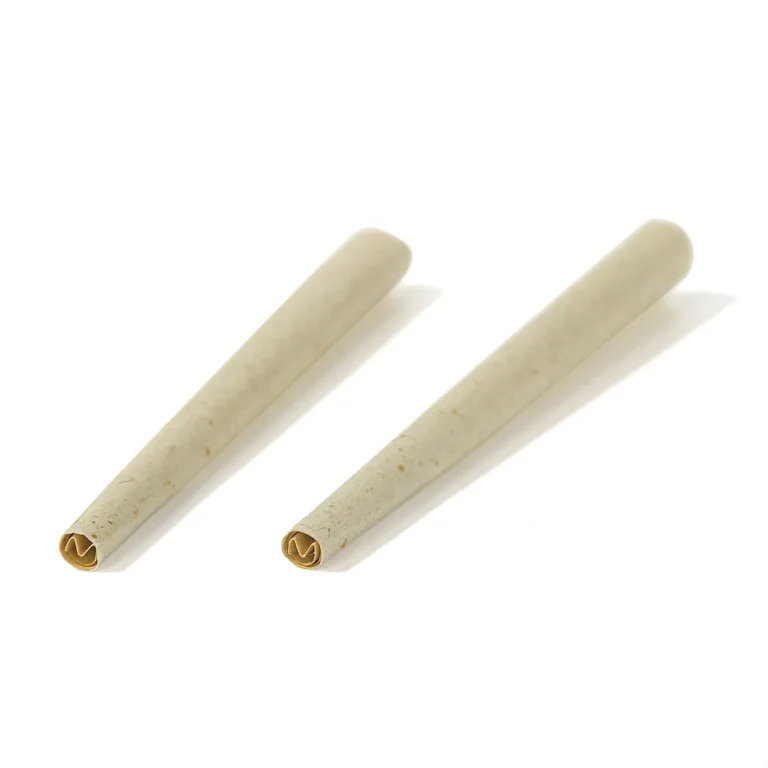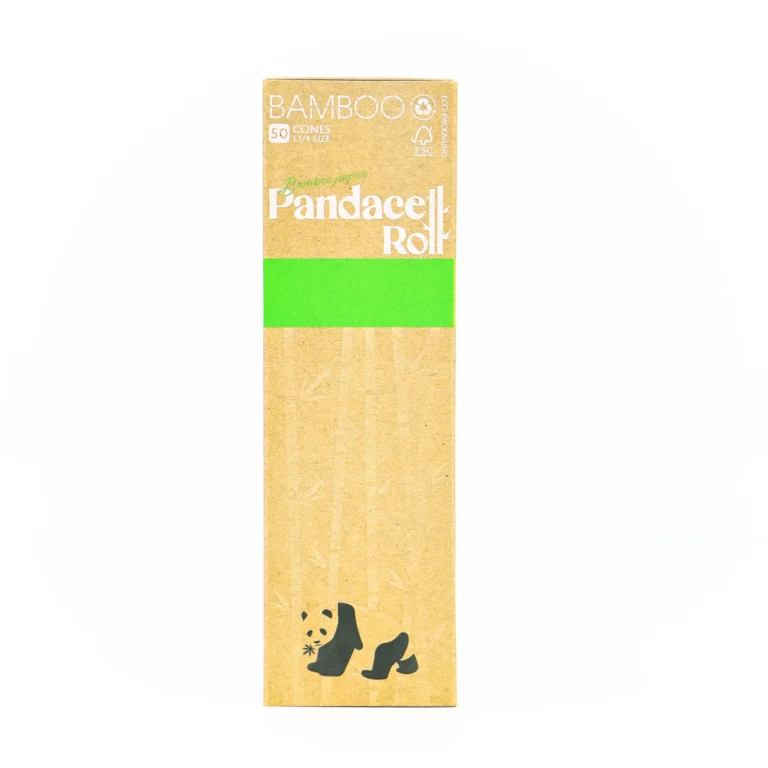

I get this question from brands chasing a minimalist look, and the shelf story is only part of what actually changes with this format.
Slender cones fit brands prioritizing a lean, minimalist positioning, but the narrower diameter also lowers your fill weight capacity, tightens your tip diameter options, and slightly raises canoeing risk from less fill mass—confirm those three tradeoffs fit your program before choosing this format for looks alone.
Read this and you’ll know the practical tradeoffs behind the slim look, not just whether it matches your brand aesthetic.
I’ve compared slender/slim against king size and 1 1/4 as a three-way size mix decision separately at https://ace-rolling.com/king-size-vs-1-1-4-vs-slim-cones-wholesale/. This piece is a deeper look at just the slender format on its own.
What Actually Defines a “Slender” or Slim Cone Format?
I clarify this before anything else, since the term gets used loosely.
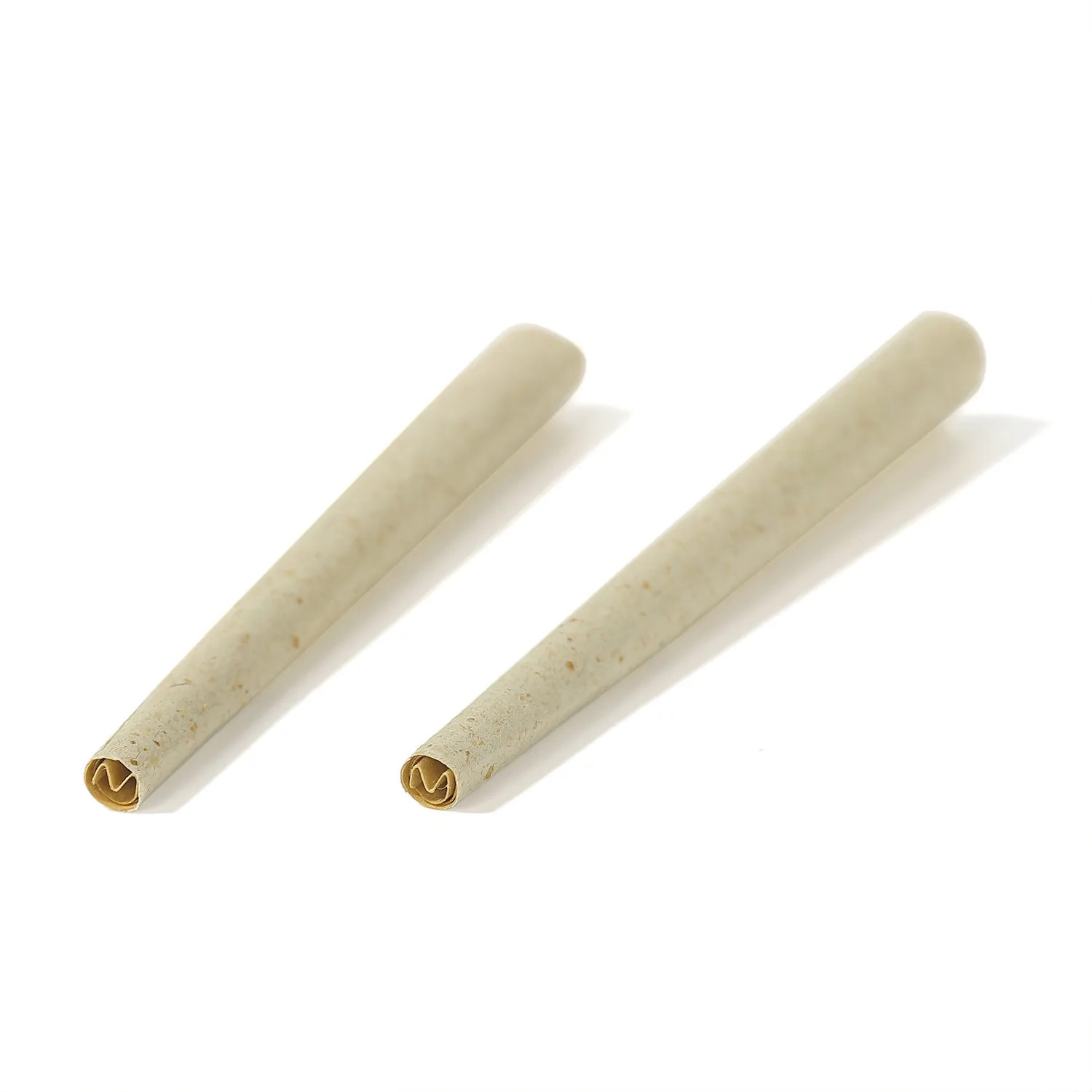
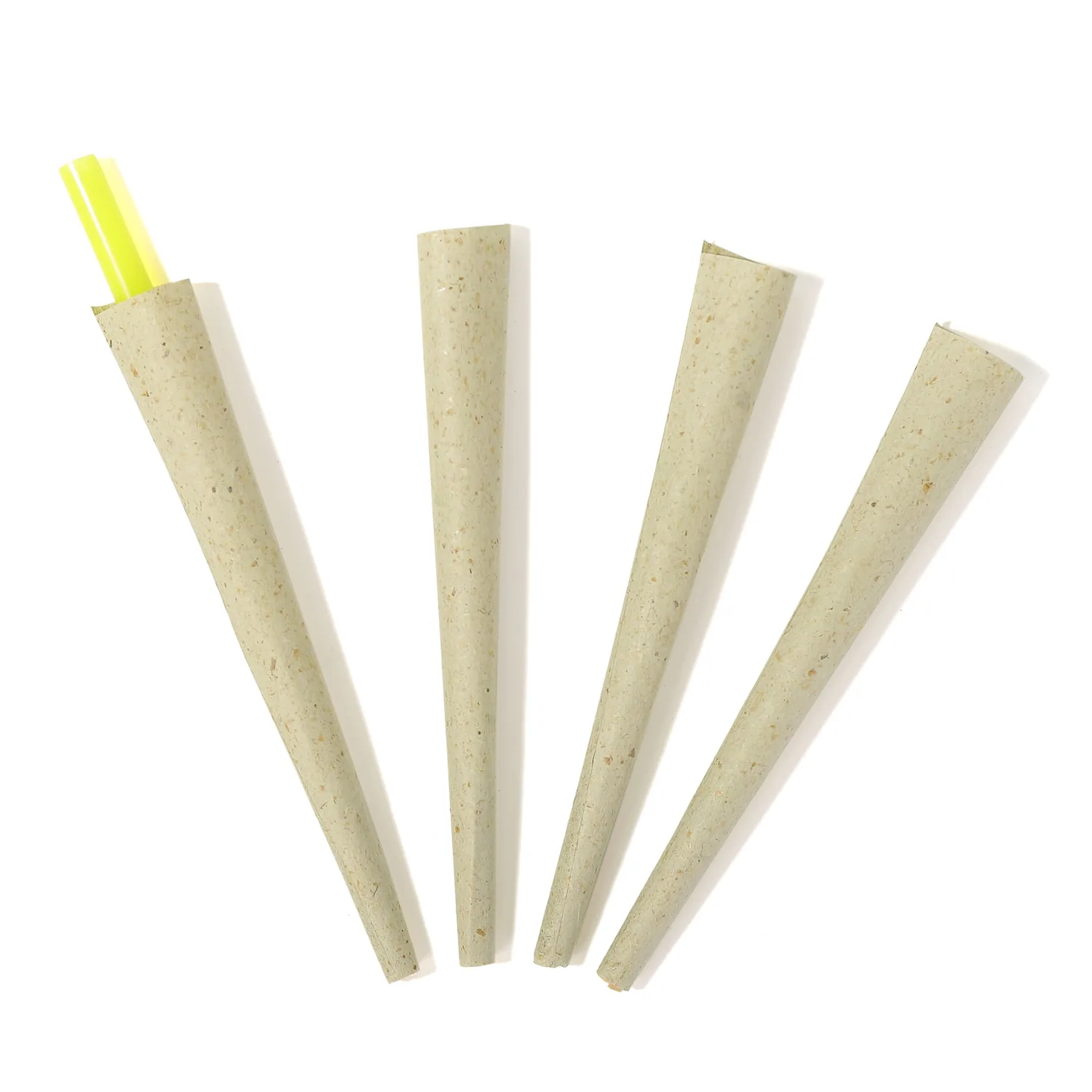
Slender or slim cones are defined primarily by a narrower diameter relative to standard formats, sometimes paired with a similar or slightly reduced length—the diameter reduction is the defining trait, and it’s what drives the downstream tradeoffs in fill capacity and tip compatibility.
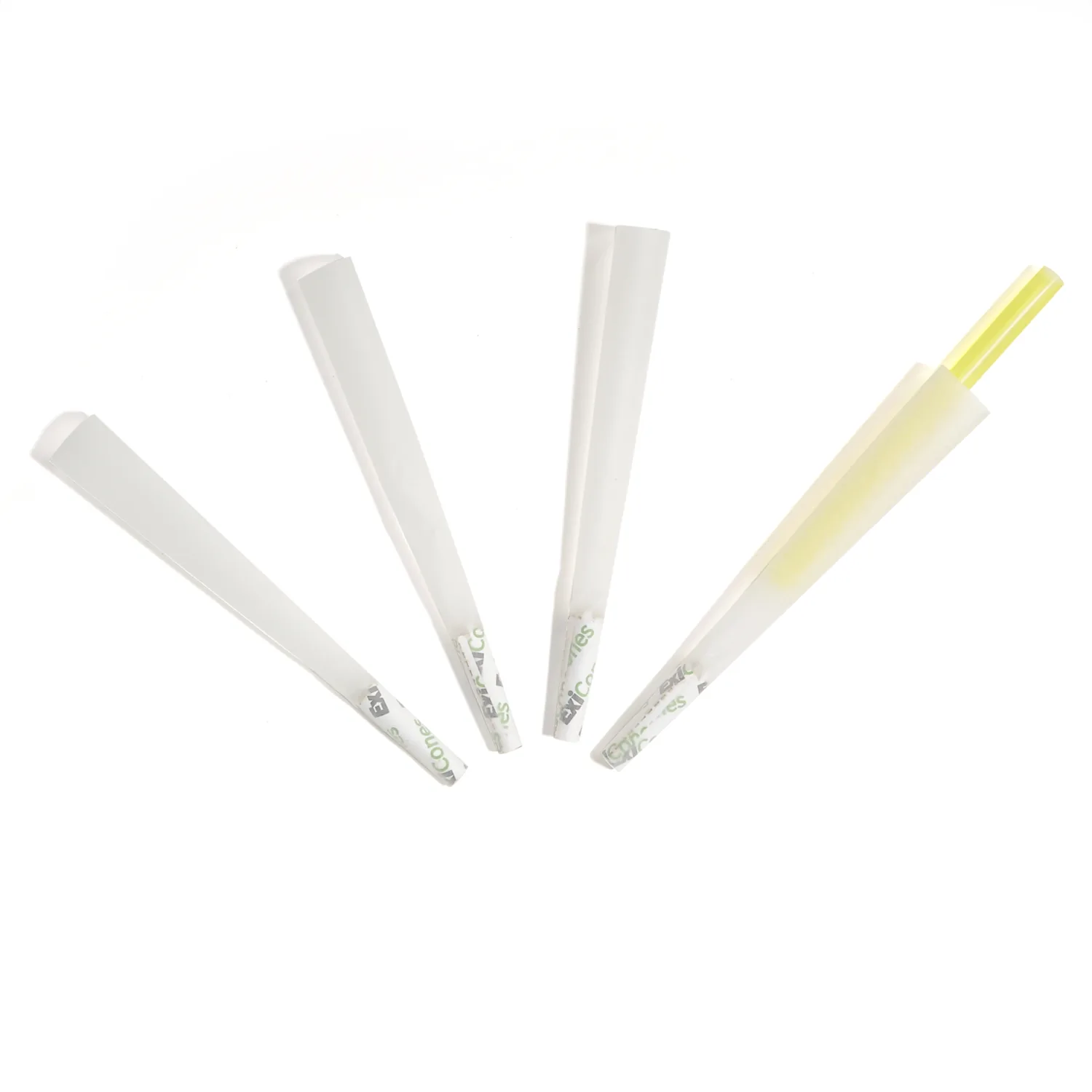
I ask brands specifically what “slim” means to them, because I’ve seen the term used for genuinely narrow-diameter formats and, separately, for standard-diameter cones marketed with slim-feeling branding. Getting the actual diameter target confirmed avoids a mismatch between what a brand pictures and what gets produced.
| Format trait | Standard cone | Slender cone |
|---|---|---|
| Диаметр | Wider | Уже |
| Fill capacity | Выше | Ниже |
| Tip diameter | Стандартный | Narrower to match |
Does a Narrower Diameter Actually Change Your Fill Weight Target?
This is the tradeoff I raise first, because it affects positioning and pricing downstream.
Yes—a narrower diameter cone holds meaningfully less fill material at a given length than a standard-diameter cone, so your target fill weight needs to scale down accordingly rather than assuming the same weight target works across formats.
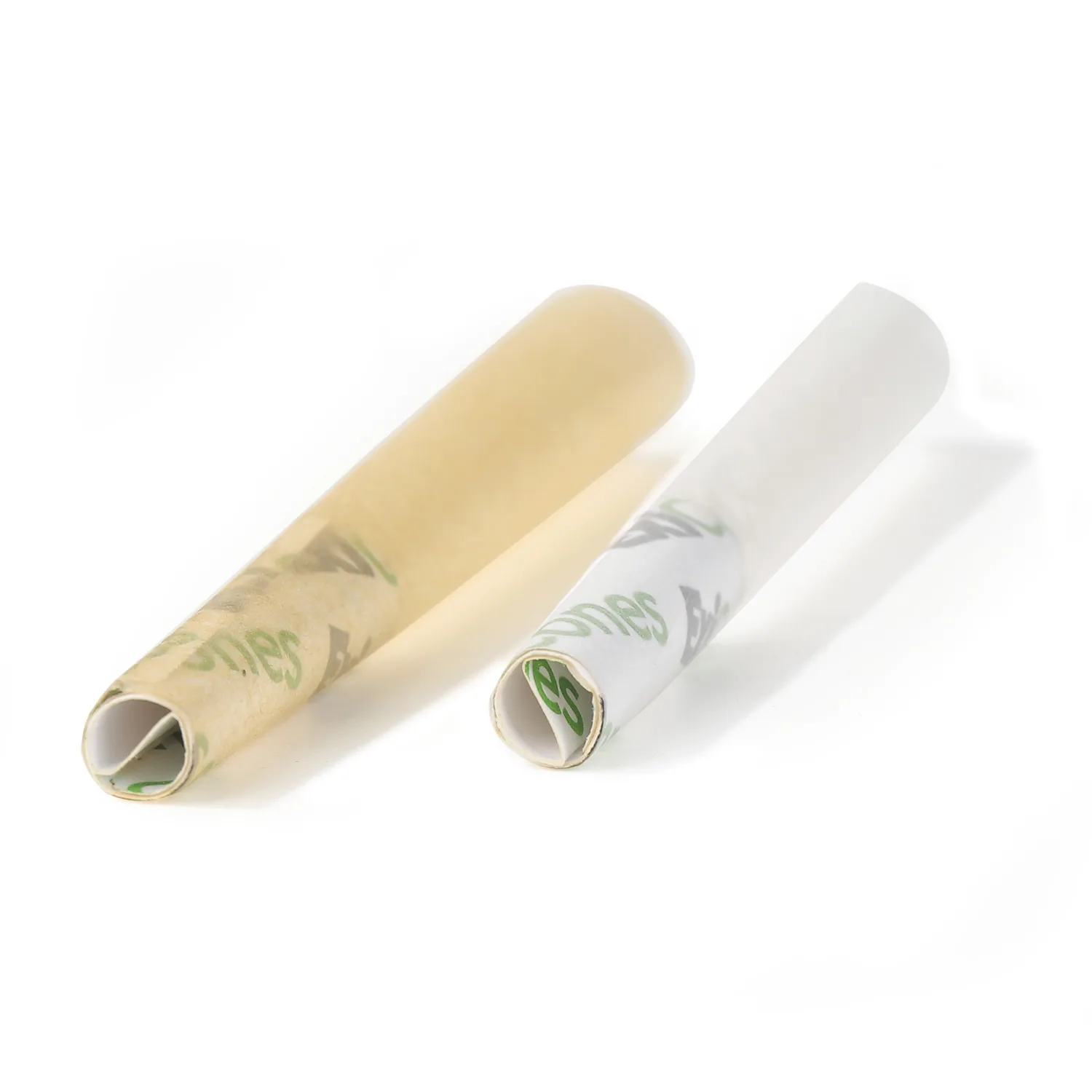
I’ve seen brands try to hit the same fill weight target on a slender cone that they use on a standard cone, which either overpacks the narrower format—raising canoeing risk—or requires accepting a genuinely lower fill weight as part of the format’s identity. Deciding this upfront changes your cost-per-unit math too, since fill material is a real cost input.
Does the Slender Format Increase Canoeing or Burn Risk?
I connect this directly to a broader topic I’ve covered elsewhere, because the mechanism is the same.
A narrower diameter has less fill material mass to work with, which can make uneven packing density more noticeable and slightly raise canoeing risk compared to a standard-diameter cone with more fill mass to buffer minor packing inconsistencies.
I’ve written about canoeing causes in more depth separately at https://ace-rolling.com/what-causes-canoeing-in-pre-rolls-and-how-do-you-stop-it/, and the same packing-density principle applies here with less margin for error. This isn’t a reason to avoid the format—it’s a reason to hold tighter packing consistency standards specifically when running slender cones.
What Tip Diameter Actually Fits a Slender Cone?
This is a spec question buyers often haven’t connected to their format choice yet.
A slender cone typically pairs with a narrower tip diameter than a standard cone would use, since a standard-width tip can look and feel disproportionate on a narrower body—confirm tip diameter compatibility with your specific cone diameter rather than assuming a standard tip works.
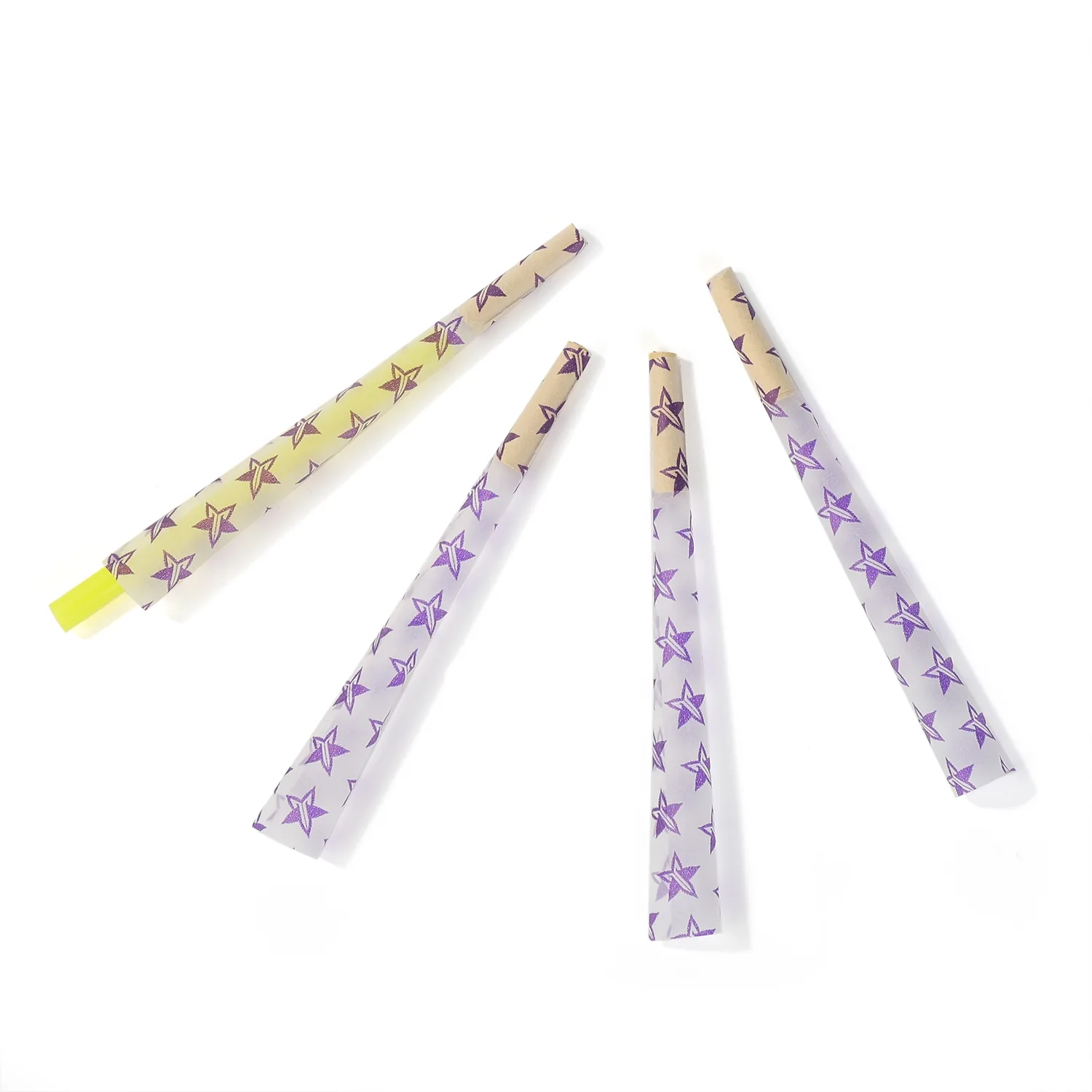
I ask about this specifically during sampling, because a mismatched tip-to-body ratio is one of those details that’s hard to describe in words but immediately obvious on a physical sample. It’s a quick fix once flagged, but easy to miss if it’s not explicitly checked.
Which Brand Positioning Actually Fits the Slender Format?
I ask about brand story before format, because this decision should follow positioning, not the reverse.
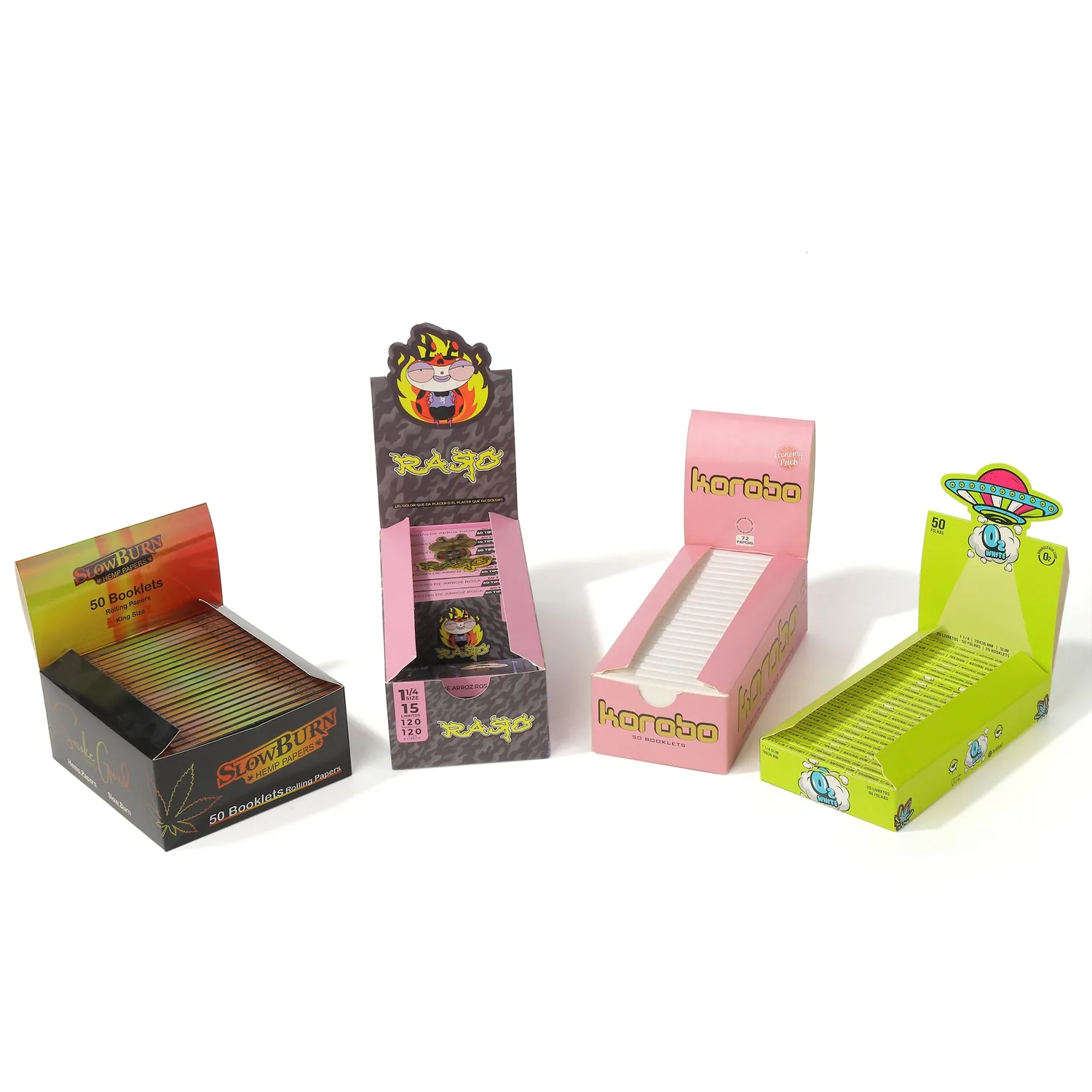
Slender format fits brands leaning into a minimalist, premium, or lifestyle-oriented shelf story, where the visual leanness itself communicates something about the brand—it’s a less natural fit for brands positioning around value or maximum fill quantity.
| Brand positioning | Fit for slender format |
|---|---|
| Minimalist / premium lifestyle | Strong fit |
| Value / maximum fill quantity | Weaker fit |
| Standard flower program | Neutral—works if positioning supports it |
How Do You Confirm Slender Format Works for Your Filling Process?
I’d rather confirm this before a brand commits marketing language to a format that doesn’t fit their equipment.
Confirm your target diameter and fill weight with your filling equipment or co-packer, request a sample at your actual target fill weight rather than a generic reference sample, and check packing consistency specifically given the reduced fill mass margin.

Ace’s cone programs can produce slender/slim diameter formats alongside standard 84mm, 98mm, and 109mm options, quoting from roughly USD $0.04–$0.06 per cone wholesale with MOQ applying depending on diameter, length, and tip choice.
Часто задаваемые вопросы
Are slender pre-rolled cones right for your brand?
Slender cones fit brands prioritizing a minimalist, premium shelf positioning, but the narrower diameter also lowers your fill weight capacity, tightens tip diameter compatibility, and slightly raises canoeing risk from reduced fill mass. Confirm these three tradeoffs fit your program and filling process before choosing the format based on looks alone.
Does a slender cone hold less fill material than a standard cone?
Yes, meaningfully less at a comparable length, since the narrower diameter reduces available fill volume. Your target fill weight needs to scale down accordingly rather than assuming the same weight target used on a standard-diameter cone, which also changes your fill material cost-per-unit math.
Does the slim format make canoeing more likely?
It can raise the risk slightly, since less fill mass gives less buffer against uneven packing density compared to a standard-diameter cone. This isn’t a reason to avoid the format, but it does mean packing consistency standards matter more specifically when running a slender cone program.
Do I need a different tip diameter for a slender cone?
Generally yes. A slender cone typically pairs with a narrower tip diameter than a standard cone, since a standard-width tip can look and feel disproportionate on a narrower body. Confirm tip diameter compatibility with your specific cone diameter during sampling rather than assuming a standard tip will work.
Which brand positioning fits the slender cone format best?
Slender format fits brands leaning into a minimalist, premium, or lifestyle-oriented shelf story, since the visual leanness itself supports that positioning. It’s a weaker natural fit for brands built around value positioning or maximizing fill quantity per unit, where a standard or larger diameter usually serves the story better.
Can Ace Rolling produce slender or slim diameter pre-rolled cones?
Yes, Ace’s cone programs can produce slender diameter formats alongside standard 84mm, 98mm, and 109mm options. Cone programs quote from roughly USD $0.04–$0.06 per cone wholesale, with MOQ applying depending on diameter, length, and tip choice—share your target fill weight for an accurate quote.
Ready to Confirm Slender Format Fits Your Fill Process?
Share your target diameter and fill weight, and I’ll confirm tip compatibility and packing considerations.
- Pre-rolled cones: https://ace-rolling.com/pre-rolled-cones/
- OEM/ODM programs: https://ace-rolling.com/oem-odm-rolling-paper-manufacturer/
- Quote: https://ace-rolling.com/contact/