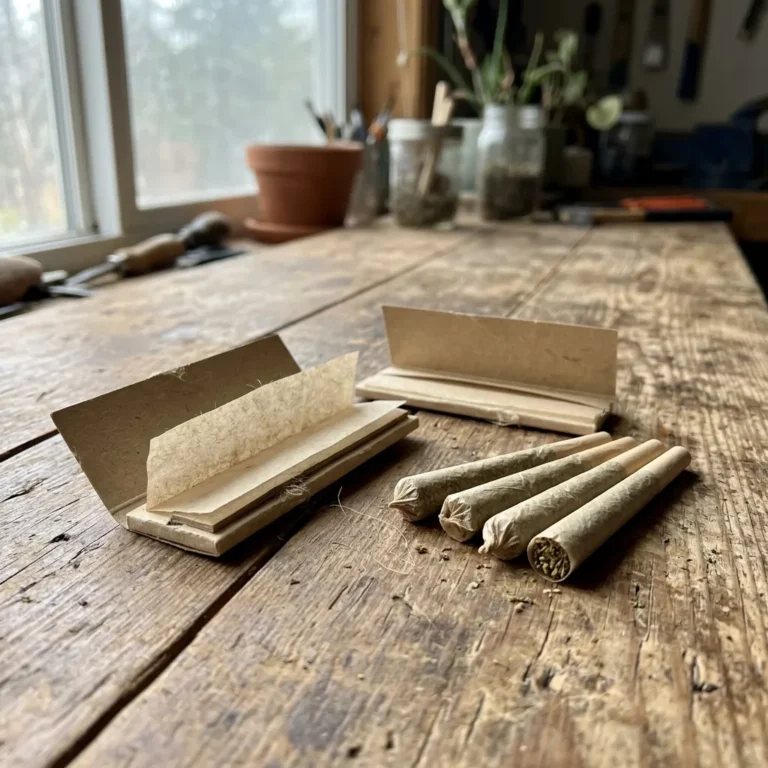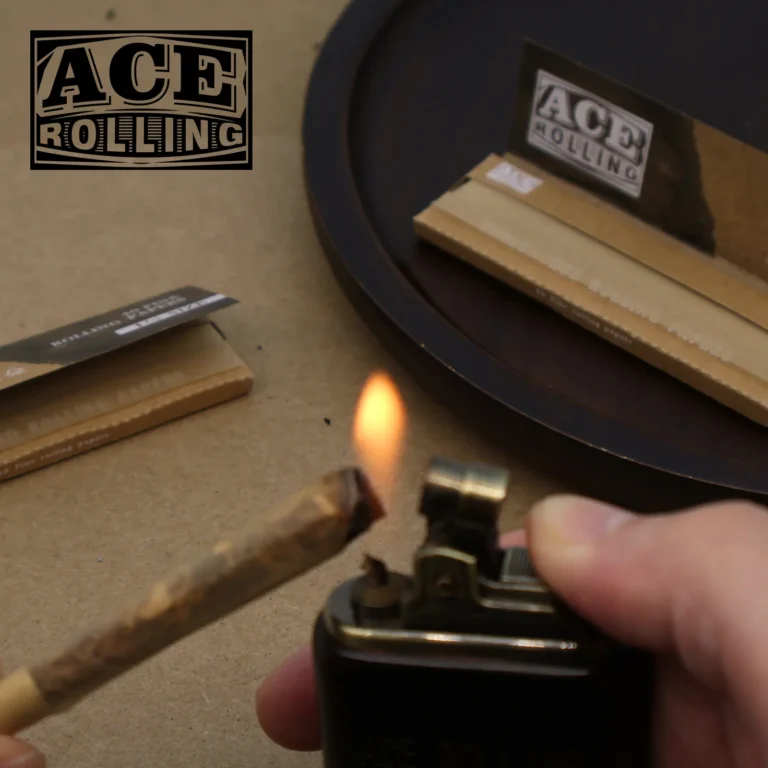

The best rolling paper brands match your market position, material story, and packaging requirements rather than simply following retail rankings. For distributors, retailers, and brand developers, the real decision is whether to build your own private label brand or distribute established names.
For B2B buyers, the useful comparison goes beyond retail preference. It involves material specifications, production capacity, quality consistency, packaging options, and supply chain reliability that can support your business growth.
What Makes a Rolling Paper Brand Successful?
A successful rolling paper brand combines consistent quality, distinct identity, reliable supply, and market-appropriate positioning. The paper itself must perform as expected—burning cleanly, sealing properly, and meeting the target market’s expectations for feel and appearance.
Use these criteria when evaluating brand options:
| Проверка покупателем | Что проверять |
|---|---|
| Источник материала | Paper composition, sourcing transparency, and documentation |
| Production consistency | Dimensional tolerance, weight variation, and seal reliability |
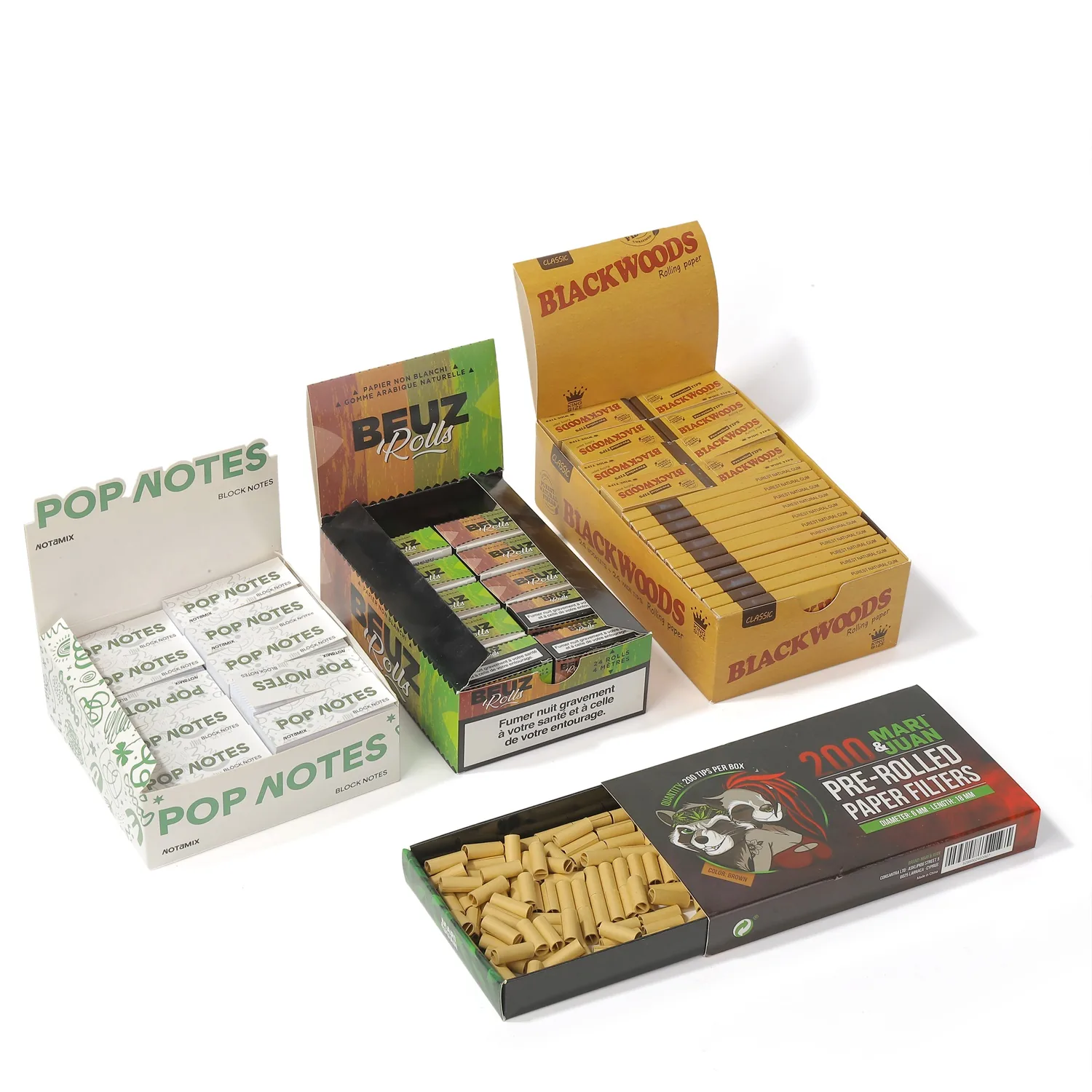
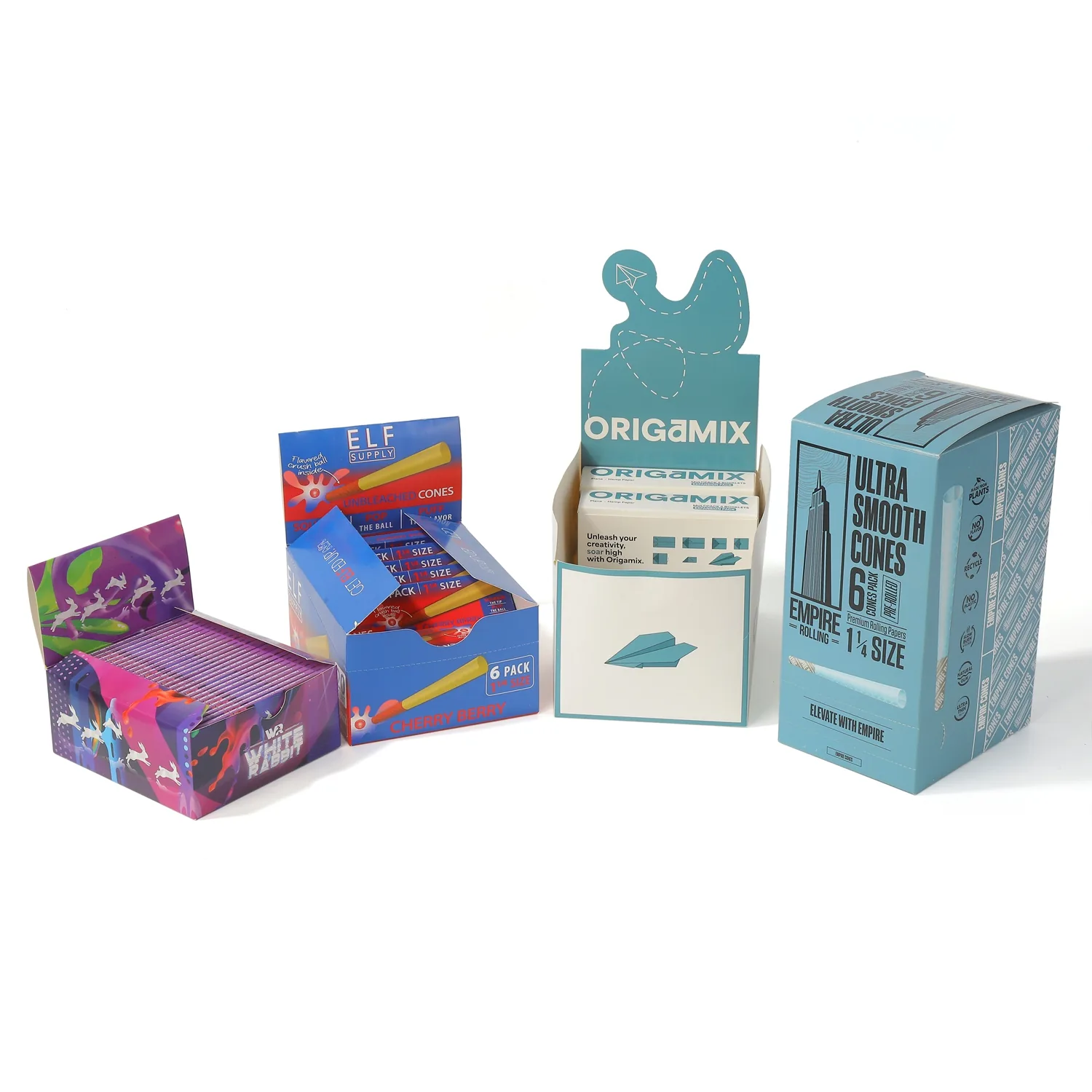
| Packaging options | Booklet formats, display boxes, carton configurations, and custom prints |
| Supply capacity | MOQ flexibility, lead time reliability, and scaling capability |
| Quality standards | QC processes, testing protocols, and any applicable certifications |
The best brand development strategy uses physical samples for evaluation. Comparing paper performance under your actual use conditions reveals differences that specifications alone cannot show.
Should You Build Your Own Rolling Paper Brand?
Building your own rolling paper brand makes sense when you want control over identity, margins, and product direction. Distributing established brands can be simpler for starting out but offers less control over pricing and product evolution.
Ace Rolling can develop rolling paper programs using white, unbleached, hemp, flax, bamboo, and wood pulp paper materials with custom colors and printed options. Start with samples that use the actual paper proposed for production rather than choosing from photographs alone.
What Paper Material Should Your Brand Use?
Paper material selection should start with your target market and then be verified through samples and testing. Different fiber types vary in texture, appearance, porosity, strength, and processing behavior. The factory should explain the quoted paper construction and provide relevant material information rather than relying on general descriptions.
| Material option | Practical reason to consider it | Что проверять |
|---|---|---|
| Белая древесная масса | Familiar retail appearance and clean printing base | Paper treatment, thickness, strength, and print results |
| Небеленая древесная масса | Natural brown appearance with minimal processing story | Shade consistency, visible fibers, and performance |
| Конопля | Distinct fiber story and natural texture | Composition, paper feel, strength, and documentation |
| Лён | Thin paper development and different material position | Handling strength, porosity, and machine behavior |
| Бамбук | Alternative fiber positioning and sustainability story | Fiber specification, paper consistency, and sourcing |
| Цветной или печатный | Stronger shelf identity and private label differentiation | Ink adhesion, artwork alignment, and market requirements |
Do not assume a particular fiber is automatically thinner, slower burning, cleaner tasting, or more sustainable. Those outcomes depend on the exact paper construction and evidence available for that product. Approve claims based on the supplied specification, documents, and physical tests.
What Packaging Format Works Best?
The best packaging format reaches your target customers, protects the product, and supports your brand identity. Ace Rolling supports standard rolling paper booklets, custom sizes, display boxes, carton configurations, and complete retail-ready packaging systems.
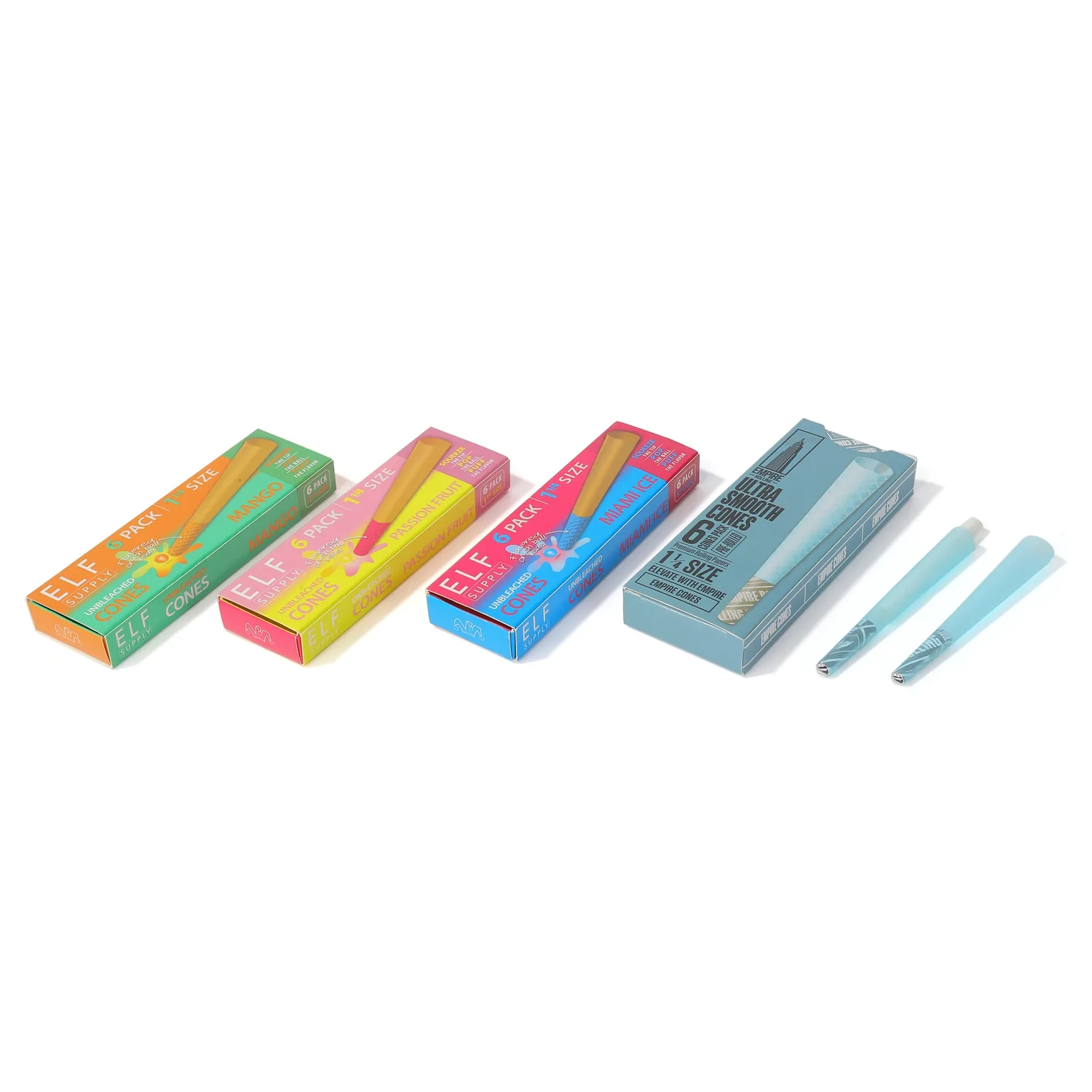
Names like 1¼, king size, and single wide are useful starting points but not complete specifications. The buyer should record booklet dimensions, paper count, tip inclusion, packaging materials, and acceptable tolerances before committing to bulk production.
How Do Production Capabilities Matter?
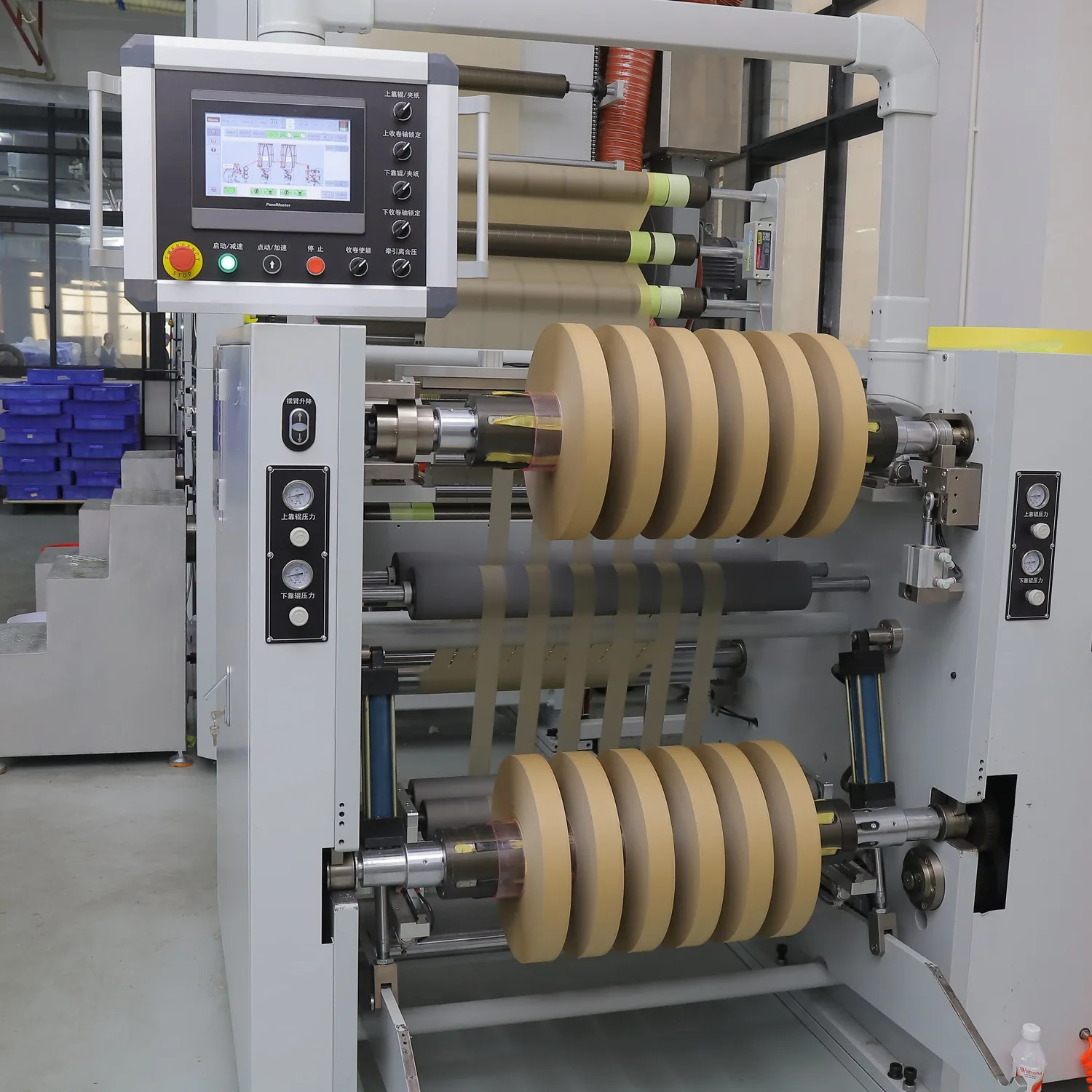
Production capabilities determine your brand’s reliability, scaling potential, and quality consistency. The factory should demonstrate control over paper converting, printing, packaging, and final inspection rather than just showing sample products.
For brand developers, verify:
- Paper slitting and converting tolerances
- Printing registration and color consistency
- Booklet folding and sealing reliability
- Packaging assembly and protection during transit
- Batch-to-batch consistency and quality records
- MOQ flexibility for both initial orders and reorders
A factory that can produce consistent booklets may still struggle with custom packaging or specialty printing. Production capabilities should be verified for the exact product you intend to sell rather than general statements.
Что следует подтвердить перед заказом?
- Product format and exact dimensions
- Paper material, weight, and treatment
- Требования к печати, дизайну и цвету
- Packaging format, count, and configuration
- Согласование образца с физическим тестированием
- MOQ, сроки выполнения, оплата и условия доставки
- Required documents and destination market compliance
- Стандарты качества и критерии проверки
Какой вариант Ace Rolling подходит для вашего проекта?
Start with the closest standard booklet format if you’re exploring, or request custom development if you have specific requirements. Compare paper materials, packaging options, and printing samples before committing to a full program.
См. Ace Rolling custom rolling papers и OEM/ODM manufacturing options. Для рекомендации по образцу, свяжитесь с Ace Rolling с учетом целевого формата, рыночной позиции, концепции упаковки, ориентировочного тиража и рынка сбыта.
Часто задаваемые вопросы
What are the best rolling paper brands for private label?
The best rolling paper brands for private label are the ones you build yourself with consistent quality, distinct identity, and reliable supply. Partnering with a factory that can deliver consistent paper, printing, and packaging while maintaining documentation and quality records creates a more sustainable brand than simply distributing existing names.
Should my brand use unbleached or white rolling paper?
Neither unbleached nor white rolling paper is automatically better for your brand. Unbleached paper provides a natural brown appearance that many brands use for an earthy or minimally processed identity, while white paper offers a clean and familiar look. Choose based on your market position, and verify the exact paper specification, strength, seal quality, and burn performance with physical samples.
What rolling paper size is best for a new brand?
The best rolling paper size for a new brand depends on your target market and retail format. Common starting points include 1¼ and king size, but the exact decision should consider your competition, retail display strategy, and customer preferences. Verify booklet dimensions, paper count, packaging fit, and physical sample performance before committing to production.
Is hemp paper better than wood pulp paper for rolling papers?
Hemp paper is not universally better than wood pulp paper for rolling papers. The better option depends on the exact paper construction, desired appearance, handling characteristics, burn performance, available documentation, and your brand position. Avoid making health or sustainability claims unless evidence applies to the selected material and product, and always verify with physical samples.
Can Ace Rolling make custom rolling paper packaging?
Ace Rolling can make custom rolling paper packaging with selected paper materials, colors, printing, booklet formats, display boxes, and carton configurations. Ace Rolling also supports standard rolling paper booklet sizes and packaging systems. The exact MOQ, sample plan, and lead time are confirmed after the complete specification and artwork are reviewed.