
I’ve watched a brand buy filling equipment before locking their cone spec, then find out the tooling didn’t fit. Order matters here.
Cone length and diameter determine which filling machine tooling actually works—confirm your target cone size (84mm, 98mm, 109mm, or custom) before selecting or ordering filling equipment, not after, since most machines are built around a specific size range, not every size.
Read this and you’ll know which order of operations avoids the expensive version of this mistake.
Why Does Cone Length Actually Matter to a Filling Machine?
I explain this to buyers as a physical fit problem, not a software setting.
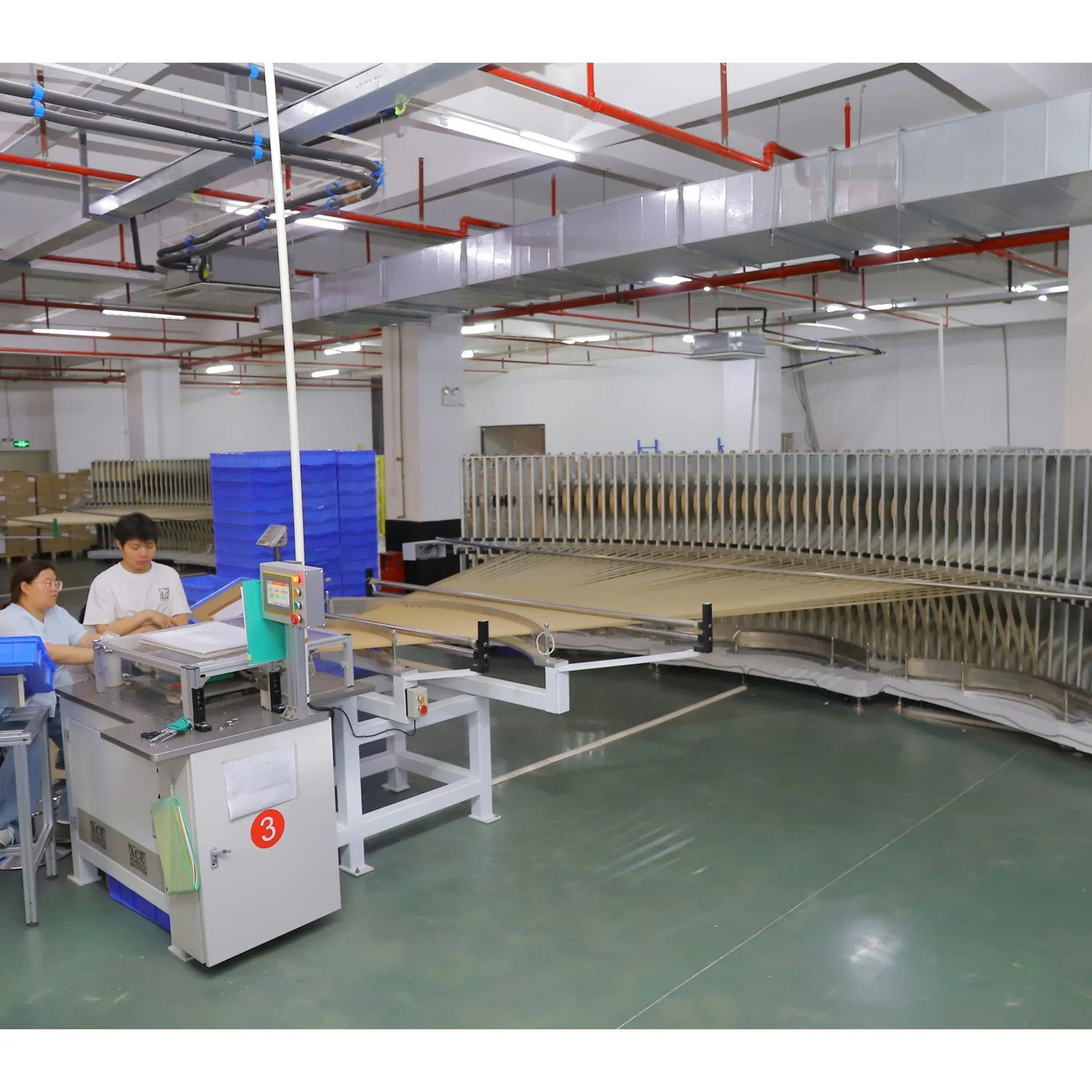
Filling machines use tooling—trays, funnels, and cone-holding fixtures—sized to a specific cone length and diameter range, so a cone that’s too long, too short, or too wide for the tooling simply won’t seat, fill, or index correctly through the machine.
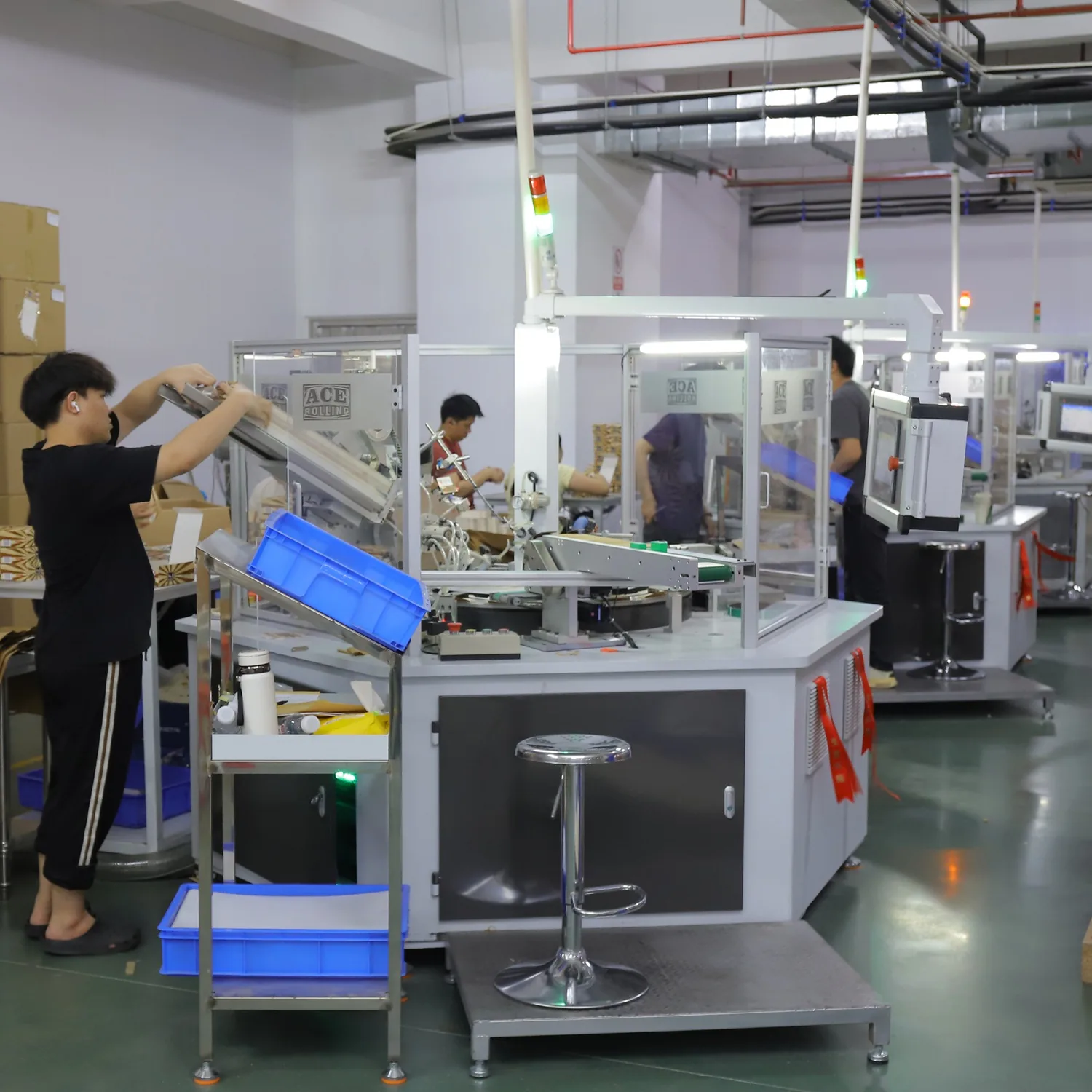
This is why “the machine fills cones” isn’t specific enough information on its own. I ask which exact cone length and diameter range the tooling was designed for, because equipment built around a 98mm cone doesn’t automatically handle a 109mm king-size cone well, even though both are common formats. The mismatch shows up as jams, inconsistent fill weight, or cones that don’t seat properly in the tray.
Does Every Filling Machine Support All Common Cone Sizes?
Buyers often assume “yes” here, and it’s usually not accurate.
Most filling machines are built or tooled around a specific cone size range, and switching to a meaningfully different size often requires a tooling change, not just a settings adjustment—confirm this with your equipment supplier before assuming flexibility.

Some machines do offer interchangeable tooling for a few common sizes, which is a real feature worth asking about if you expect to run multiple cone sizes on the same line. But I never assume this by default—I ask specifically whether tooling swaps are needed between your target sizes, how long that changeover takes, and whether it requires specialized parts that might have their own lead time.
| 纸筒尺寸 | Common tip pairing |
|---|---|
| 84mm / slim / 1¼-size | 6mm tip |
| 98mm / 109mm king-size | 8mm tip |
| 定制 | Matched per spec |
What Happens If You Run the Wrong Cone Length on the Wrong Tooling?
I’ve seen the downstream mess this creates more than once.
Running a mismatched cone size through incompatible tooling typically causes jams, inconsistent or incomplete fill, cones seating incorrectly in the tray, and in worse cases, physical damage to the cone during the fill cycle.
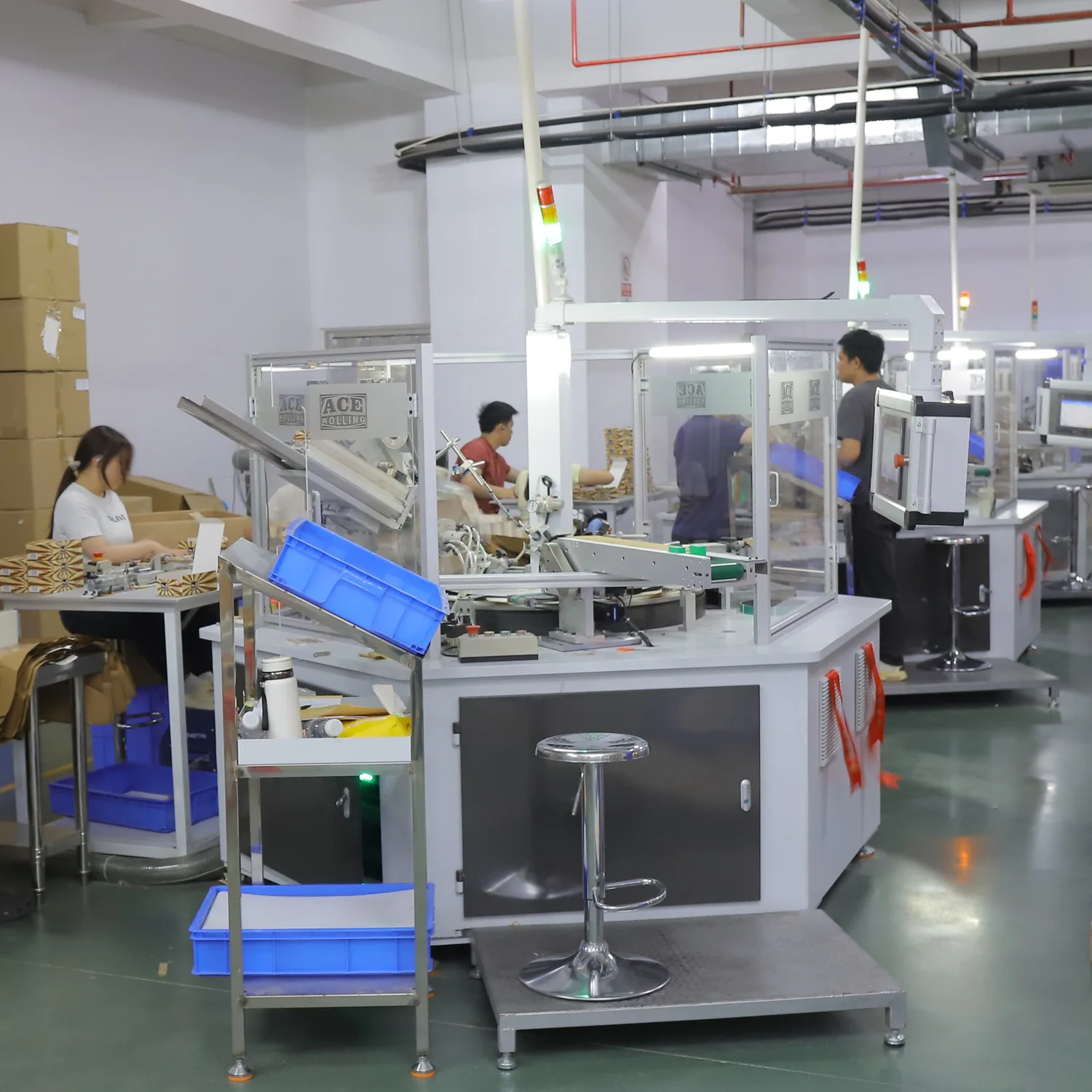
This isn’t a minor inconvenience at production volume—it’s lost material, lost line time, and potentially damaged product that still needs to be sorted out of a finished batch. This is exactly why I push buyers to confirm cone spec and filling equipment compatibility before committing to either a large cone order or a large equipment purchase, rather than treating the two as separate decisions made independently.
How Does Tip Type Affect Filling Machine Compatibility?
This adds another layer buyers sometimes forget to check.
Paper tip cones generally run through standard filling tooling without extra steps, while glass or other rigid tip formats may need tooling or process adjustments to accommodate the tip insertion step, separate from the fill weight tooling itself.
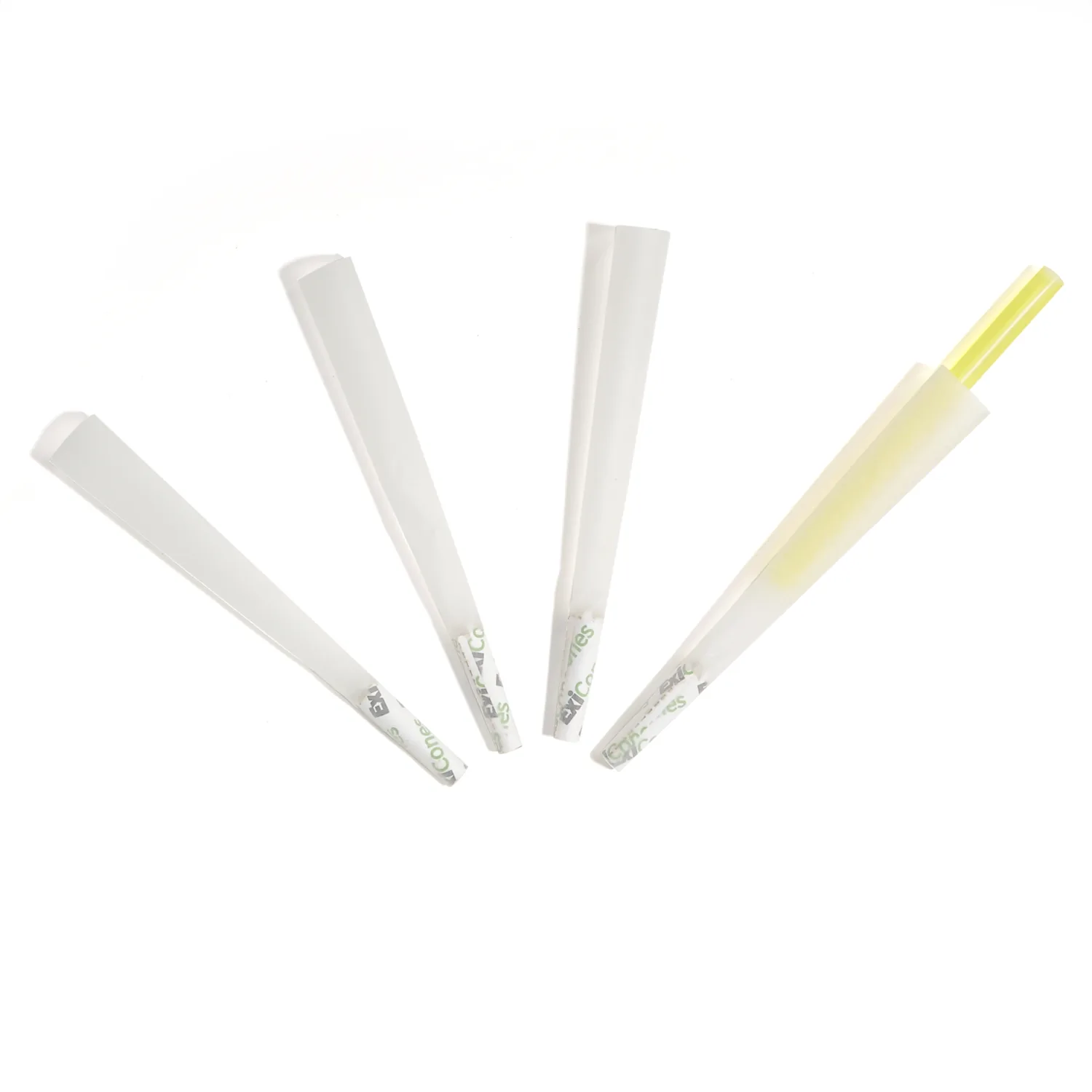
I’ve covered this in more depth when comparing paper and glass tip choices directly, but it’s relevant here too: if you’re planning a glass tip program, confirm both the cone size compatibility and the tip insertion compatibility with your filling equipment, since these are two separate technical questions that both need answers before you commit to a production line configuration.
纸锥选项:https://ace-rolling.com/pre-rolled-cones/.
Should You Confirm Equipment or Cone Spec First?
I always answer this the same way, regardless of how far along a buyer already is.
Confirm your target cone spec (size, tip type, fill weight) before selecting filling equipment, not the reverse—equipment is easier to source once your product spec is locked than a product spec is to change around equipment you’ve already bought.
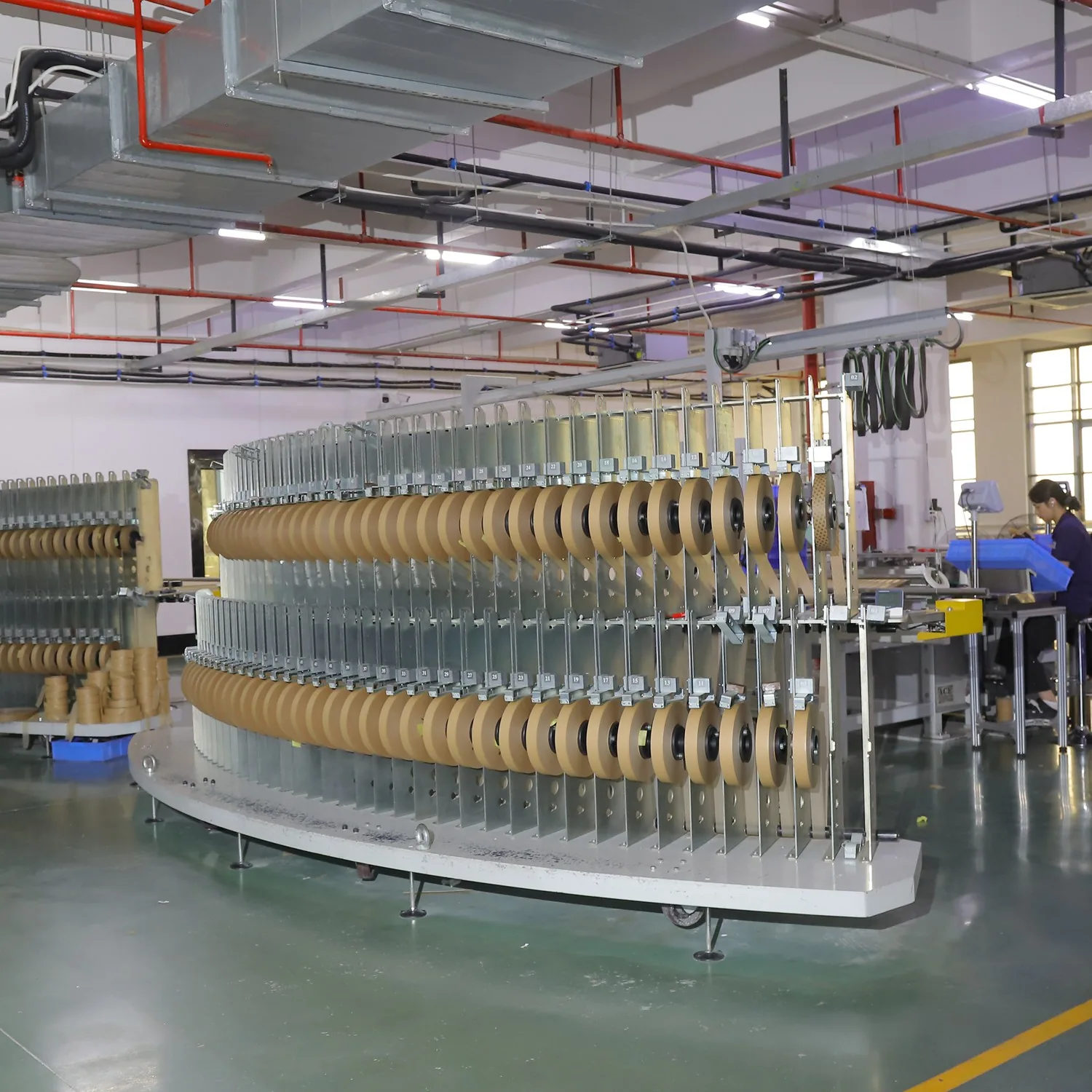
I understand the appeal of buying equipment early to feel like progress is happening, but I’ve seen this order of operations cause real rework. Your cone spec is the thing your entire brand and packaging decisions build around; your filling equipment is a tool that needs to serve that spec, not the other way around.
How Do You Confirm Compatibility Before Committing to a Production Run?
I’d rather answer these questions on a call than after a failed production run.
Get your exact cone dimensions from your paper manufacturer, share them with your filling equipment supplier (or co-packer) to confirm tooling compatibility, and request a test run on your actual cone before scaling to full production volume.
| Confirmation step | 为何重要 |
|---|---|
| Get exact cone dimensions | Tooling needs precise size data, not “approximately” |
| Share with equipment supplier/co-packer | Confirms tooling compatibility before purchase |
| Request a test run on your actual cone | Catches mismatch before full production commitment |
Ace’s cone programs cover 84mm, 98mm, 109mm, and custom sizes, quoting from roughly USD $0.04–$0.06 per cone wholesale with MOQ applying, and can provide exact dimensional specs for your filling equipment vetting process.
常见问题
How do you match filling machines to cone length?
Confirm your target cone length, diameter, and tip type before selecting filling equipment, since most machines are tooled around a specific size range rather than every possible cone size. Share exact cone dimensions with your equipment supplier and request a test run on your actual cone before committing to a full production volume.
Can one filling machine handle multiple cone sizes?
Some machines offer interchangeable tooling for a few common sizes, but this isn’t a given—switching between meaningfully different sizes often requires a tooling change rather than just a settings adjustment. Ask your equipment supplier specifically whether tooling swaps are needed between your target sizes and how long that changeover takes.
What actually goes wrong if I run the wrong cone size through my filling machine?
Running a mismatched cone through incompatible tooling typically causes jams, inconsistent or incomplete fill weight, cones seating incorrectly in the tray, and in worse cases, physical damage to the cone during the fill cycle. At production volume, this means lost material and lost line time, not just a minor inconvenience.
Does the tip type on my cone affect filling machine compatibility?
Yes. Paper tip cones generally run through standard filling tooling without extra steps, while glass or other rigid tip formats may require tooling or process adjustments to accommodate the tip insertion step. Confirm both cone size compatibility and tip insertion compatibility separately with your filling equipment or co-packer.
Should I buy filling equipment before or after finalizing my cone spec?
Confirm your cone spec first, including size, tip type, and fill weight, before selecting filling equipment. Equipment is generally easier to source once your product spec is locked than a product spec is to change around equipment you’ve already purchased, so locking the cone spec first avoids costly rework.
Can Ace Rolling provide exact cone dimensions for equipment vetting?
Yes, Ace’s cone programs cover 84mm, 98mm, 109mm, and custom sizes and can provide exact dimensional specs so you can confirm tooling compatibility with your filling equipment supplier or co-packer. Cone programs quote from roughly USD $0.04–$0.06 per cone wholesale, with MOQ applying based on size, material, and tip choice.
Ready to Confirm Your Cone Spec Before Sourcing Equipment?
Get exact dimensions from us first, then confirm tooling compatibility before you commit.
- 预卷锥形纸筒:https://ace-rolling.com/pre-rolled-cones/
- OEM/ODM项目:https://ace-rolling.com/oem-odm-rolling-paper-manufacturer/
- 报价:https://ace-rolling.com/contact/