
I’ve quoted programs where the closure style ended up adding more labor cost per unit than the paper itself. This decision is worth more attention than most brands give it.
A simple twist close is fast, low-cost, and works well for standard programs; a Dutch crown fold is a more decorative, labor-intensive closure that reads as premium but adds meaningful finishing time per unit—choose based on whether your positioning and margin can absorb that added labor cost.
Read this and you’ll know exactly what that added labor buys you, and whether it’s worth it for your specific program.

What’s the Actual Structural Difference Between Twist and Dutch Crown?
I explain the mechanics of each before getting into the tradeoffs.
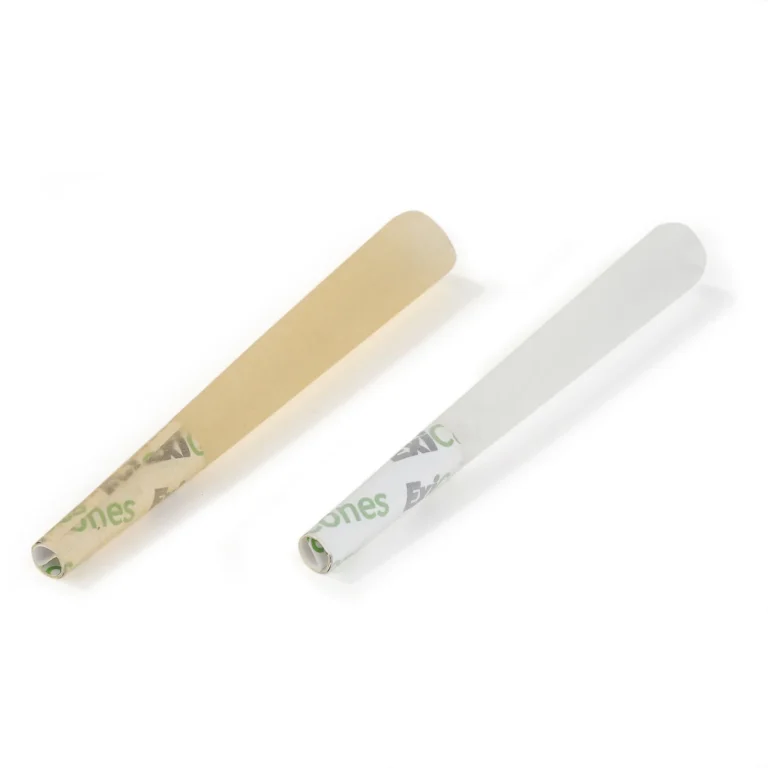
A twist close simply twists the tip end of the paper closed, a fast single motion; a Dutch crown fold shapes the tip into a distinct folded crown pattern that holds its shape without twisting, requiring more precise, deliberate handling to execute cleanly and consistently.

I walk brands through both physically during sampling whenever possible, because a photo doesn’t fully convey how much more finishing skill a clean, consistent Dutch crown fold actually requires compared to a twist, which is nearly foolproof by comparison.
| 特性 | Twist close | Dutch crown |
|---|---|---|
| Motion | Single twist | Multi-step fold |
| Skill required | 低 | 更高 |
| 典型用途 | Standard/high-volume | Premium positioning |
Does Dutch Crown Take More Production Time Than a Simple Twist?
This is the cost driver behind the whole decision.
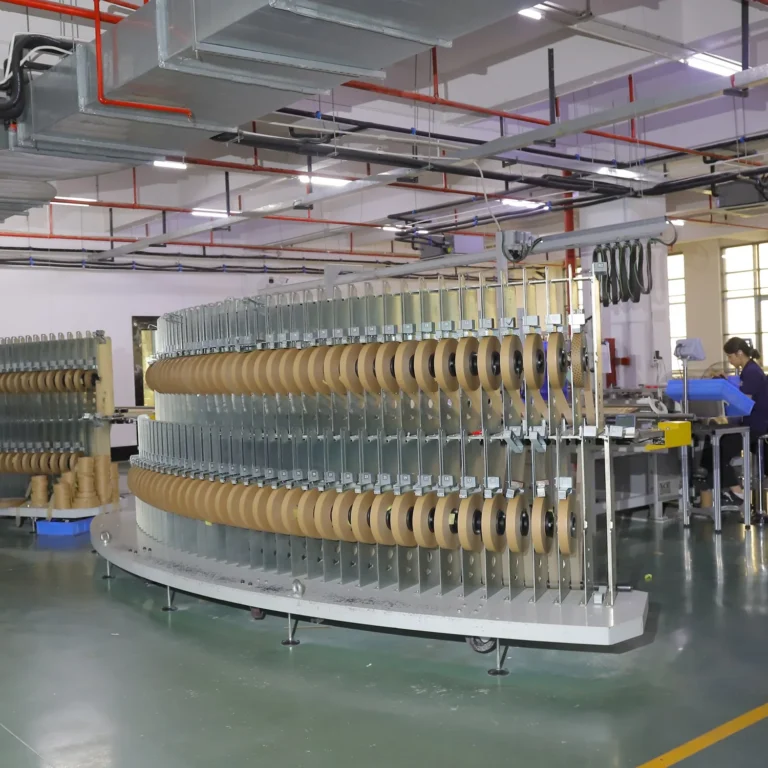
Yes, meaningfully more—a twist close takes a fraction of the time a well-formed Dutch crown fold requires, and that added per-unit time translates directly into higher finishing labor cost, especially at volume where seconds per unit compound across thousands of units.
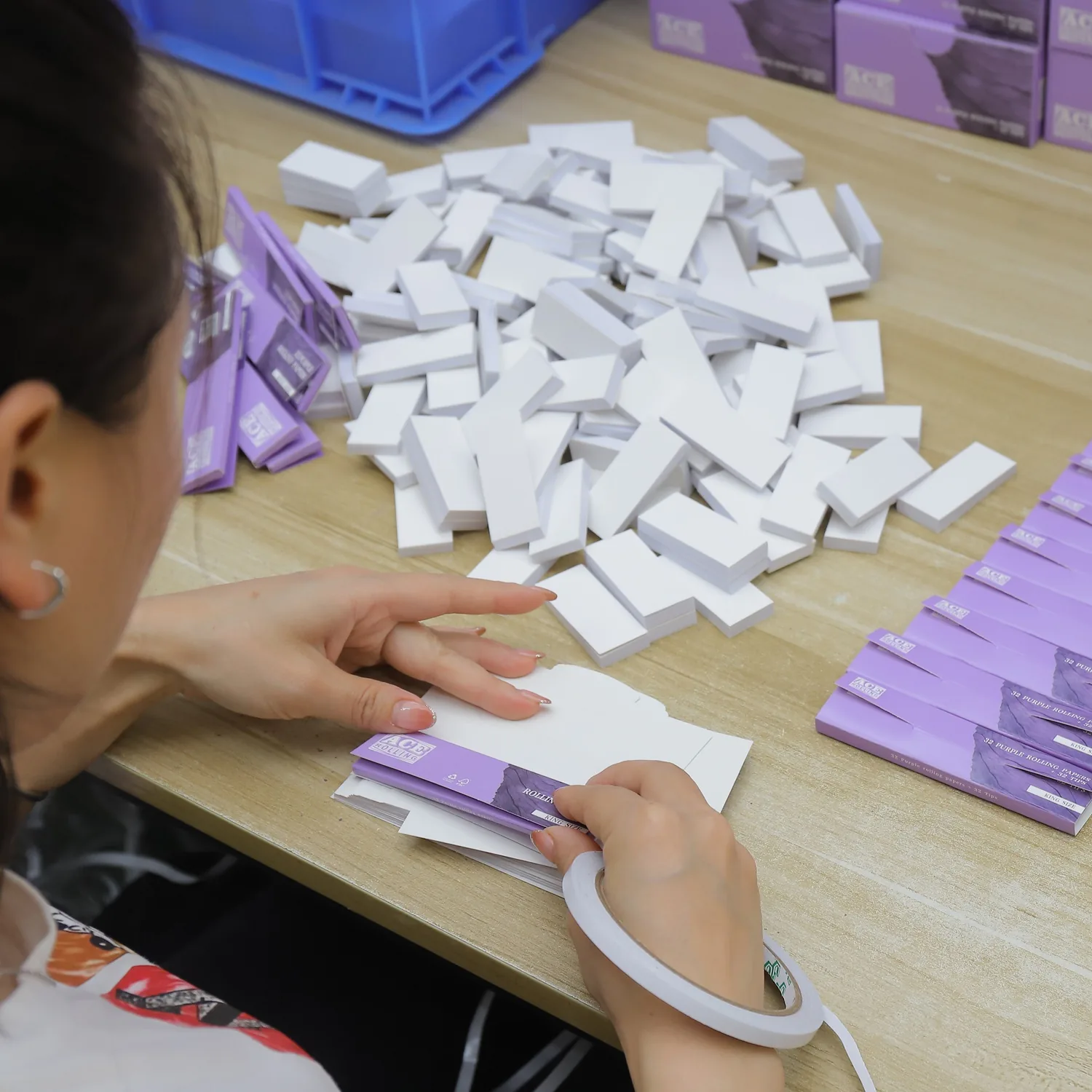
I always quote closure style as a separate line item specifically because of this labor difference. Brands sometimes assume closure style is a free design choice layered on top of the base cone cost, when in reality it’s one of the more direct labor-cost levers in the whole finishing process.
Which Closure Better Protects Against Fill Spillage?
Buyers sometimes assume the more elaborate closure is automatically more secure. It’s not necessarily.
Both closures, done well, provide adequate containment—a twist relies on the friction of the twisted paper itself, while a Dutch crown relies on its folded structure; a poorly executed version of either can underperform, so consistency of execution matters more than which style you choose.

I ask about a manufacturer’s finishing QC process for whichever closure a brand chooses, because containment failure is much more often an execution consistency problem than a fundamental flaw in either closure method itself.
Does Closure Style Actually Affect Brand Positioning on Shelf?
I raise this because it’s the main reason brands choose Dutch crown despite the added cost.
Yes—a Dutch crown fold reads as a more deliberate, premium finishing touch that some brands use specifically to differentiate on shelf, while a standard twist close is the familiar, no-frills default most consumers expect and don’t specifically notice either way.
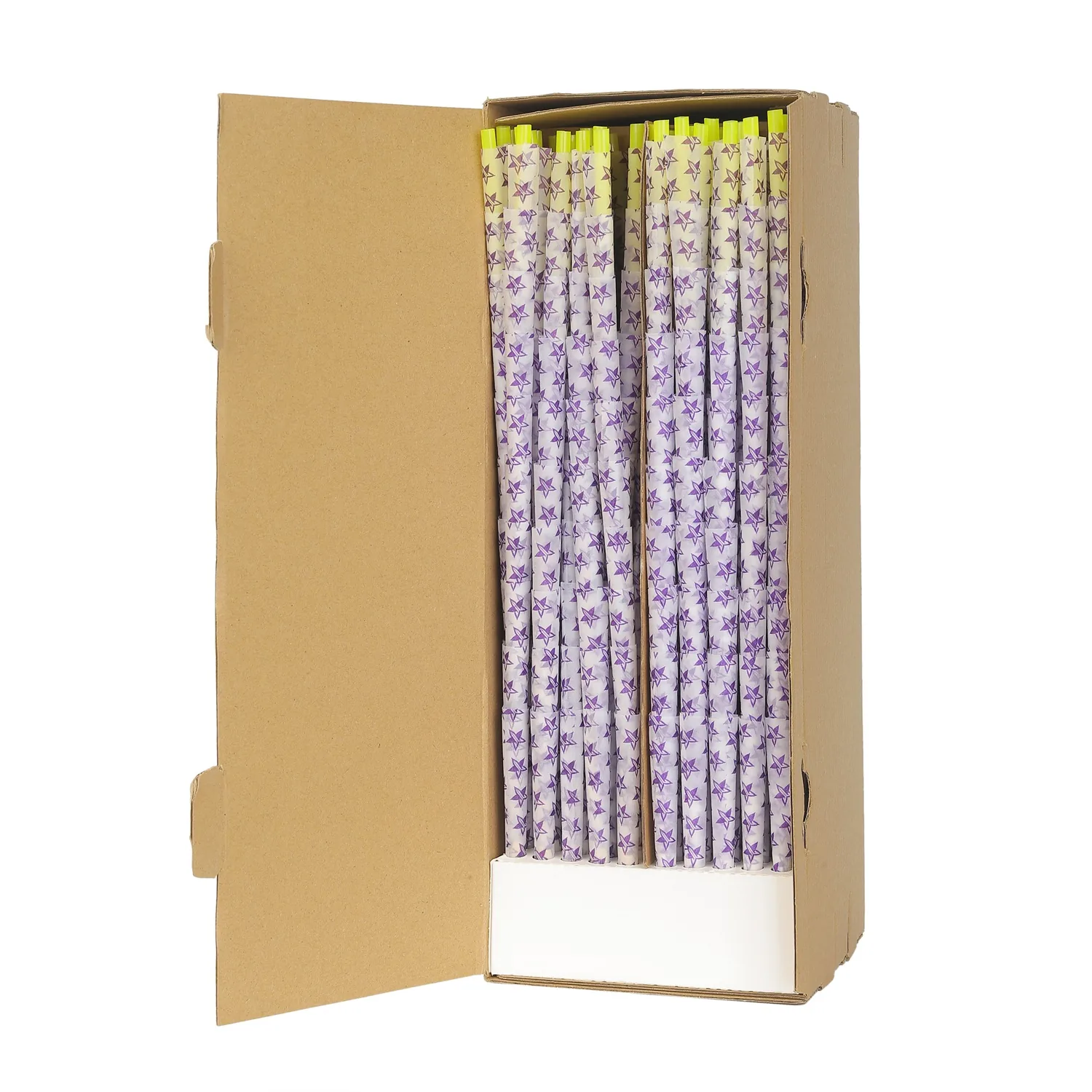
I only recommend Dutch crown when a brand has a specific premium positioning story that the added labor cost genuinely supports. For a standard-tier or value-positioned program, that added cost usually doesn’t translate into a proportional pricing benefit on shelf.
| Closure style | Positioning fit |
|---|---|
| Twist | Standard, value, or high-volume programs |
| Dutch crown | Premium positioning that can absorb added labor cost |
Can Dutch Crown Be Machine-Applied, or Is It Manual Only?
This affects whether the added cost is a permanent feature of your program or something that could improve with scale.
Dutch crown finishing is typically more hand-labor-intensive than a standard machine-applied twist close, so it doesn’t automatically get cheaper the same way twist-close production scales with automated equipment—confirm with your manufacturer whether their specific setup offers any automated assist for this fold.

I ask manufacturers directly about this when a buyer is planning a large-volume Dutch crown order, because the labor-cost math changes significantly depending on whether any part of the fold is assisted by equipment versus fully manual across the entire run.
Which Closure Should You Choose for Your Program?
I’d rather give a direct decision framework than leave this as a pure aesthetic call.
Choose twist for standard, high-volume, or value-positioned programs where cost efficiency matters most; choose Dutch crown only when your brand positioning specifically benefits from a premium finishing detail and your margin structure can absorb the added labor cost per unit.

Ace’s cone programs quote from roughly USD $0.04–$0.06 per cone wholesale with a standard twist close; a Dutch crown finishing option is quoted separately due to the added labor time.
常见问题
Twist or Dutch crown: how should you close a pre-roll?
Choose a standard twist close for high-volume or value-positioned programs, since it’s fast and low-cost. Choose a Dutch crown fold only when your brand positioning specifically benefits from a premium finishing detail and your margin structure can absorb the meaningfully higher labor cost per unit that the fold requires.
Why does Dutch crown cost more than a twist close?
A Dutch crown fold takes significantly more finishing time per unit than a twist, since it requires precise, deliberate handling to shape consistently, while a twist is a fast single motion. That added per-unit time compounds into meaningfully higher labor cost across production volume.
Is a Dutch crown closure more secure against spillage than a twist?
Not necessarily. Both closures, done well, provide adequate containment—a twist relies on the friction of the twisted paper, while a Dutch crown relies on its folded structure. A poorly executed version of either can underperform, so consistent execution matters more than which style is chosen.
Does closure style actually matter for how consumers perceive a brand?
Yes, to a degree. A Dutch crown fold reads as a more deliberate, premium finishing touch that some brands use to differentiate on shelf, while a standard twist is the familiar default most consumers expect without noticing it specifically either way. This makes Dutch crown a positioning choice more than a functional necessity.
Can Dutch crown finishing be automated to reduce its cost at scale?
Generally no, not to the same degree twist closing can be. Dutch crown finishing is typically more hand-labor-intensive, so it doesn’t automatically get cheaper as volume scales the way automated twist-close production does. Confirm with your manufacturer whether their specific setup offers any automated assist.
What does Ace Rolling charge for Dutch crown versus standard twist closure?
Ace’s standard cone programs with a twist close quote from roughly USD $0.04–$0.06 per cone wholesale. A Dutch crown finishing option is quoted separately due to the added labor time required, with pricing depending on volume and cone size—share your target volume for a specific quote.
Deciding Between Twist and Dutch Crown for Your Program?
Tell me your positioning and target volume, and I’ll quote both closure options for comparison.
- 预卷锥形纸筒:https://ace-rolling.com/pre-rolled-cones/
- OEM/ODM项目:https://ace-rolling.com/oem-odm-rolling-paper-manufacturer/
- 报价:https://ace-rolling.com/contact/