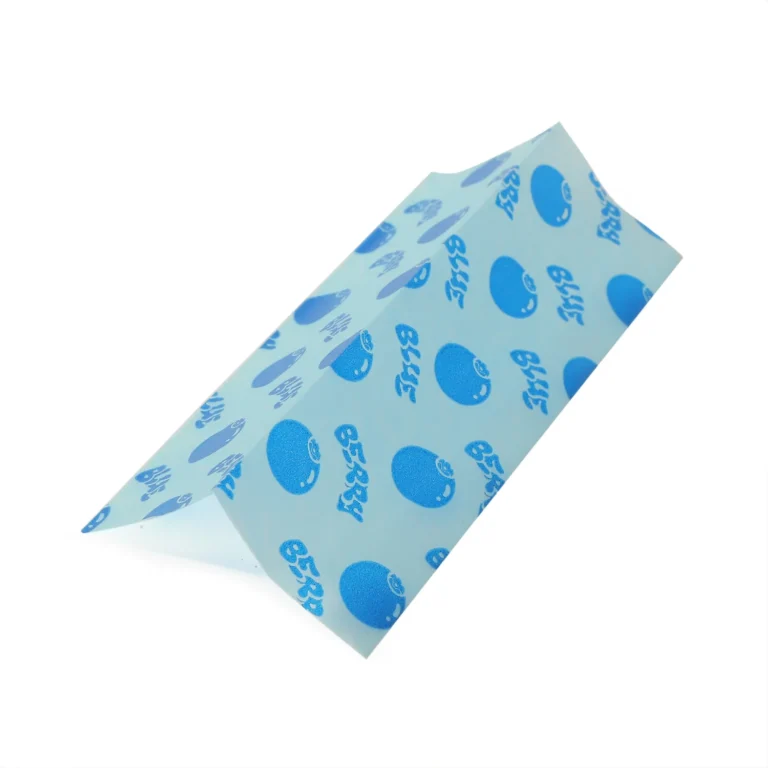

لقد دفعت عربونًا مقابل 10,000 كتيب مخصص. بدت العينة مثالية. وصلت الشحنة السائبة بخطوط صمغ غير متساوية، وطباعة غير مركزية، وورق يحترق باللون الأسود. ألقى موردك اللوم على “مورد المواد الخام” لكنه لم يستطع إصلاحه أو تفسير سبب حدوث ذلك. لم تكن تتعامل مع مُصنع. كنت تتعامل مع وسيط.
مصنع ورق لف مخصص حقيقي يتحكم في الإنتاج من المادة الخام إلى الكتيب النهائي. يقوم الوسيط بإعادة توجيه طلبك إلى مصنع مجهول، وزيادة السعر، وإدارة الاتصال. الفرق يحدد ما إذا كان علامتك التجارية ستنطلق في الوقت المحدد بجودة متسقة أو تفشل قبل إعادة طلبك الأولى.
يشرح هذا المقال ما يفعله المصنعون الحقيقيون، وما يمكنك تخصيصه، وما يجب التحقق منه قبل تقديم الطلب، وكيفية اكتشاف الوسيط قبل إرسال الأموال.
ماذا يفعل مصنع ورق لف مخصص بالفعل؟
يتحكم المصنع الحقيقي في الإنتاج من المواد الخام إلى المنتج النهائي. تشمل العملية:
- توفير واختبار ألياف الورق الأساسية (لب الخشب، القنب، الأرز، الكتان، أو الخلطات)
- تقطيع بكرات الورق العريضة إلى شرائط ضيقة تتطابق مع عرض كتيبك
- تطبيق خط الصمغ بمحاذاة دقيقة
- طباعة تصميمك باستخدام أحبار صالحة للاستخدام الغذائي
- طي وتداخل الأوراق في كتيبات
- إرفاق بطاقات الغلاف وإنهاء التعبئة والتغليف
- إجراء مراقبة الجودة في كل مرحلة
لا يقوم البائع أو الوسيط بأي من هذا. يأخذون طلبك، ويوجهونه إلى مصنع (أحيانًا دون الكشف عن أي واحد)، ويرفعون السعر، ويديرون الاتصال. في بعض الحالات، لم يزر الوسيط أبدًا المصنع الذي يدعي تمثيله.
خطر العمل من خلال وسيط ليس فقط السعر. إنه الغموض. إذا فشلت دفعة في تلبية معايير الجودة، لا يستطيع الوسيط إصلاحها. يمكنه فقط نقل الرسائل. إذا تأخر المصنع عن الجدول الزمني، لا يستطيع الوسيط تسريع الإنتاج. يمكنه فقط الاعتذار. إذا كنت بحاجة إلى تعديل المواصفات أثناء التشغيل، لا يستطيع الوسيط ضبط إعدادات الآلات. يمكنه فقط طلب التغيير والأمل في امتثال المصنع.
ما الذي يمكنك تخصيصه فعليًا على ورق التدخين؟
يُفاجأ معظم المشترين بعدد العناصر التي يمكن تخصيصها. يمكن للمصنع ذو الخدمة الكاملة تعديل:
مواصفات الورق
- نوع الألياف: لب الخشب (مبيض أو غير مبيض)، القنب، الأرز، الكتان، الخيزران، أو خلطات مخصصة
- الوزن الأساسي: عادةً 10–28 جم/م². الأوراق الأرق تحترق أسرع وتشعر بأنها أكثر حساسية. الأوراق الأسمك تحترق أبطأ وتشعر بأنها أكثر متانة.
- المسامية: تقاس بوحدات كورستا (CU). المسامية الأقل تعني احتراقًا أبطأ وأكثر تحكمًا. المسامية الأعلى تعني احتراقًا أسرع وسحبًا أكثر تهوية.
- الأبعاد: يمكن تعديل طول الورقة، وعرضها، وعرض خط الصمغ جميعها ضمن حدود الآلة.
الطباعة والعلامة التجارية
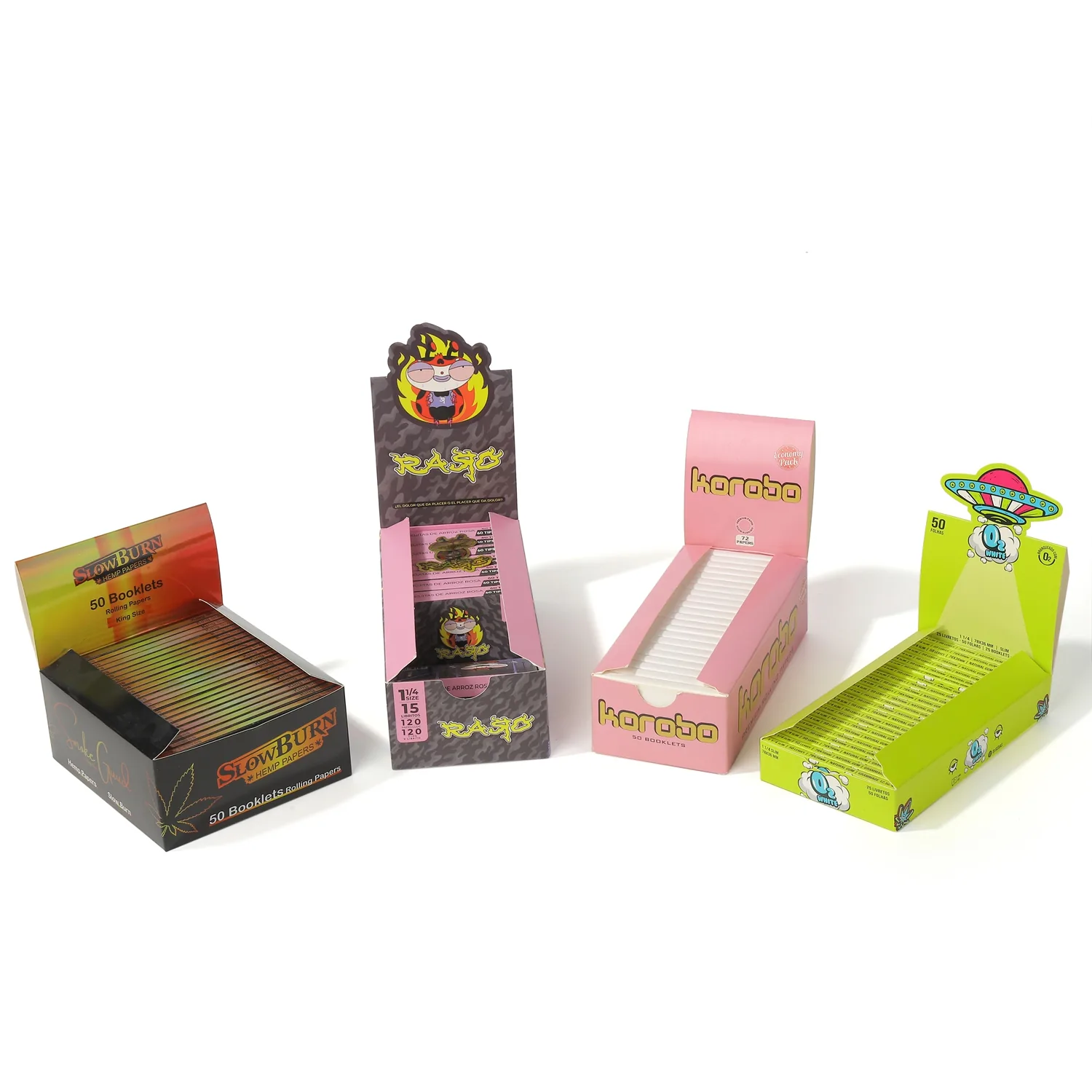
- طباعة بطاقة الغلاف: طباعة خارجية وداخلية كاملة الألوان على غلاف الكتيب
- ختم القصدير: رقائق معدنية ذهبية أو فضية أو ملونة لوضع منتج فاخر
- النقش البارز/الغائر: نسيج بارز أو غائر على بطاقة الغلاف
- طباعة يوفيڤ لامعة محددة: لمعان لامع على عناصر التصميم المحددة
- طباعة طرف الفلتر: الطباعة المباشرة على أطراف الورق أو النقش بالليزر على أطراف الخشب
- علامات مائية: علامات مائية حقيقية مدمجة أثناء صناعة الورق للأصالة
تنسيق الكتيب
- عدد الأوراق: المعيار هو 32 أو 50 ورقة لكل كتيب. يمكن لبعض المصنعين تخصيص هذا ضمن حدود الآلة.
- نوع الإغلاق: طية قياسية، إغلاق مغناطيسي، أو ختم لاصق
- إدراج الفلتر: يمكن أن تتضمن الكتيبات فلاتر مقطعة مسبقًا أو تكون ورقية فقط
- مادة الغلاف: بطاقة قياسية، بطاقة كرافت، أو ورق ذو ملمس متخصص
التعبئة والتغليف
- الكتيبات الداخلية: تصميم الكتيب الفردي وتجميعه
- صناديق عرض التجزئة: صناديق عرض مضادة تحمل 20–50 كتيبًا
- صناديق التعبئة الخارجية: صناديق شحن رئيسية مع علامة تجارية مخصصة
- التغليف بالانكماش الحراري: Tamper-evident film for individual booklets or multi-packs
| Customization Element | Typical MOQ Impact | Lead Time Impact |
|---|---|---|
| طباعة بطاقة الغلاف | منخفض | +1–2 weeks |
| ختم القصدير | متوسط | +1–2 weeks |
| Embossing/spot UV | متوسط | +1–2 weeks |
| طباعة طرف الفلتر | منخفض | +1 week |
| علامة مائية | مرتفع | +2–4 weeks |
| Custom sheet count | منخفض | Minimal |
| Magnetic closure | متوسط | +1–2 weeks |
| Custom porosity | مرتفع | +2–3 weeks |
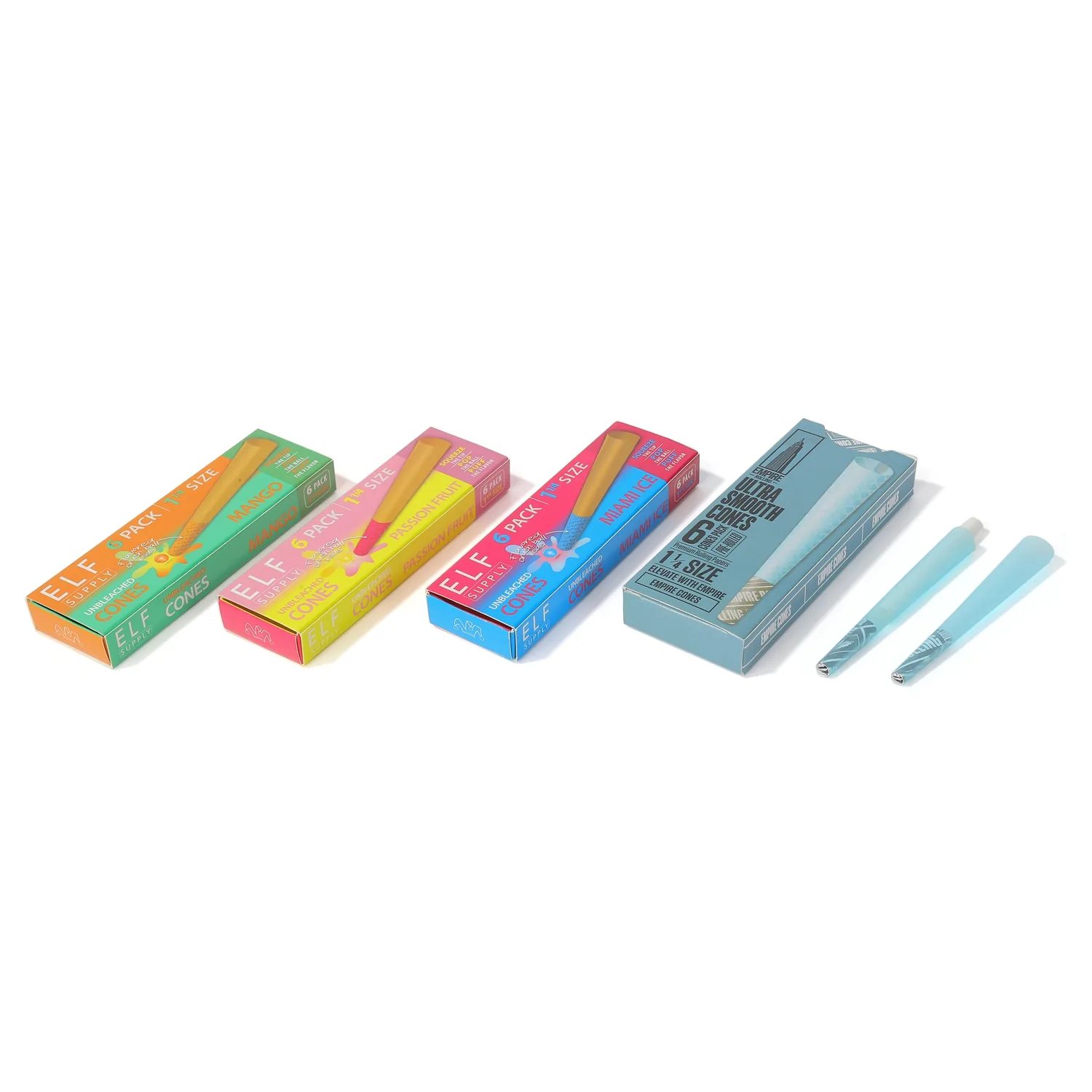
How Do You Evaluate a Custom Rolling Paper Manufacturer?
Before committing to a production partner, verify the following:
1. Do They Control Production In-House?
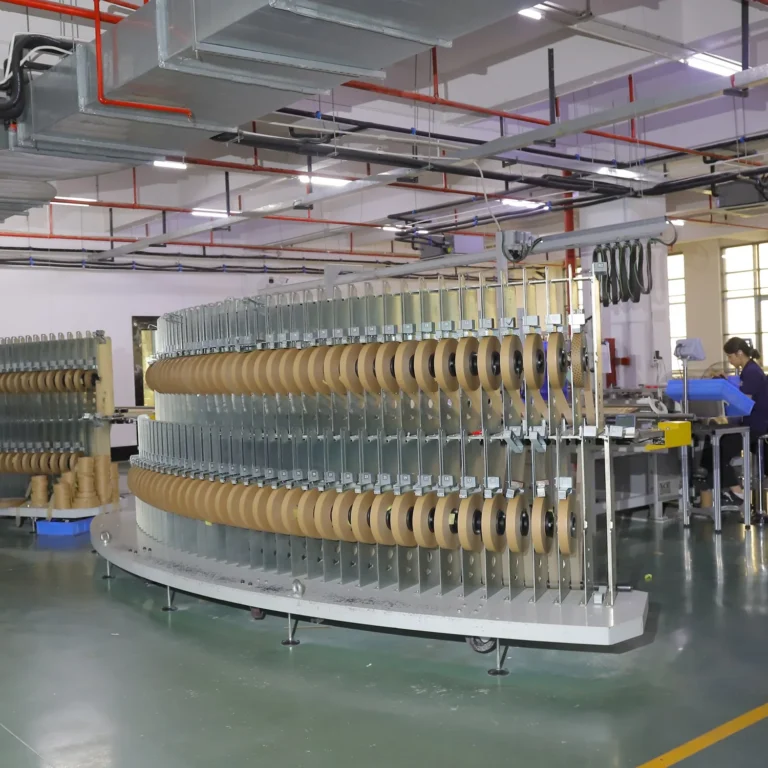
Ask directly: “Do you own the slitting, printing, and folding equipment, or do you outsource these steps?” A factory that controls the full process can adjust specifications faster, maintain tighter quality consistency, and offer lower minimum order quantities. A broker who outsources production adds cost, delay, and communication risk at every handoff.
Request video footage or schedule a virtual factory tour. If the supplier refuses to show production areas, that is a red flag.
2. What Is Their Material Sourcing?
Ask where their base paper comes from. A legitimate manufacturer will name a specific paper mill or supplier. Vague answers like “we source from various mills” often mean the broker is buying whatever is cheapest on the spot market that week, which leads to batch-to-batch inconsistency.
The best manufacturers have exclusive or long-term partnerships with established paper mills. This gives them pricing stability, material traceability, and input into new material development.
3. Can They Provide Certification Documentation?
Request copies of current certifications. Do not accept screenshots or verbal assurances. The key certifications are:
- ISO 9001:2015: Confirms documented quality management processes
- FSC or PEFC: Verifies responsible wood-pulp sourcing (for wood-pulp papers)
- Food-grade ink CoA: Certificate of Analysis from a third-party lab confirming heavy metals and toxic solvents are below detection limits
- Heavy metal / microbial testing: Required for regulated cannabis markets; recommended for all products
Verify that certificates are current and that the scope of certification covers the specific products you are ordering.
4. What Is Their Sample-to-Production Consistency?
Order samples from three different production batches. Compare them for color, texture, thickness, gum-line placement, and burn behavior. Significant variation between batches indicates poor process control. The sample you approve should be representative of what you receive in bulk.
5. What Customization Depth Do They Actually Offer?
Some suppliers advertise “full customization” but only offer standard paper with a printed cover. True customization includes control over basis weight, porosity, gum-line width, sheet count, filter type, and packaging dimensions. Ask for a list of every parameter they can modify, and which parameters would require additional tooling or development time.
6. What Are Their Realistic Lead Times?
Standard custom rolling paper production typically takes 4–8 weeks from artwork approval, depending on complexity and order size. Rush options of 2–3 weeks are sometimes possible but may limit customization options or incur surcharges. Be skeptical of quotes promising delivery in under two weeks for fully custom work — this usually means the supplier is shipping stock products with a printed label, not manufacturing to your specifications.
What Mistakes Do Buyers Make When Choosing a Manufacturer?
- Selecting based on lowest price: The cheapest quote often reflects non-food-grade inks, uncertified paper, outsourced production, or hidden fees for artwork setup, plate making, and shipping.
- Ignoring the material source: A beautiful printed cover means nothing if the paper inside burns unevenly or leaves chemical residue.
- Approving samples without batch verification: The sample may be perfect because it was carefully selected. Verify that bulk production matches the sample.
- Underestimating packaging complexity: Custom retail packaging often takes longer to produce than the booklets themselves. Coordinate timelines so both arrive together.
- Not clarifying intellectual property ownership: Ensure your contract specifies that artwork, designs, and any custom tooling (printing plates, embossing dies) belong to you, not the manufacturer.
- Overlooking compliance for your target market: If you plan to sell in California, Canada, or the EU, your products must meet specific testing and labeling requirements. Confirm that your manufacturer can provide the necessary documentation before production begins.
حول Ace Rolling
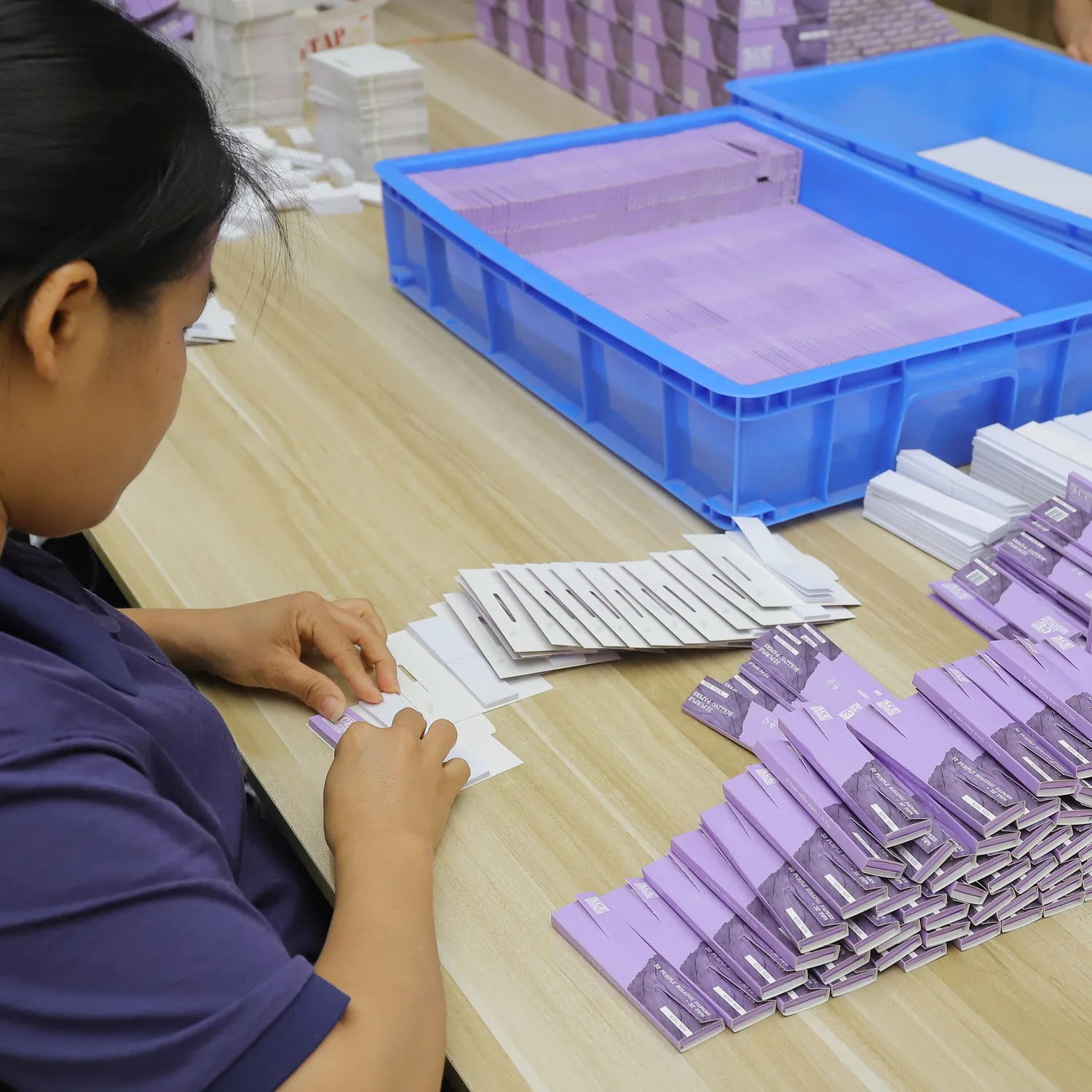
Ace Rolling is Guangdong Ace Rolling New Material Technology Co., Ltd. — one of only two RYO paper factories operating at this scale anywhere in the world. We manufacture custom rolling papers with full in-house control from fiber to finished booklet.
Manufacturing Infrastructure
Our 2,000–4,000 sqm facility in Dongguan, China runs fully automated production across 5–7 international-standard high-speed lines and 17 core machines. Annual capacity reaches 500 million booklets and cones.
We are also the only manufacturer in the industry equipped with advanced high-speed precision slitting machines capable of customizing booklets up to 120 leaves per booklet.
Material Control
Every sheet we produce starts with base paper from Mudanjiang Hengfeng Paper Co., Ltd. (Hengfeng Group) — the world’s third-largest specialty and smoking paper enterprise, commanding one-third of global smoking paper market share. This exclusive supply relationship gives us material stability, full traceability, and pricing leverage.
الشهادات
- ISO 9001:2015 — quality management systems
- FSC (Forest Stewardship Council) — responsible sourcing
- Alibaba Verified Supplier — audited on-site by TÜV Rheinland / SGS with full raw-material traceability
Customization Capabilities
We offer deep customization across every product parameter:
- Materials: Wood pulp (bleached/unbleached), hemp, rice, flax, bamboo, clear cellulose, and proprietary blends
- Sizes: Single Wide, 1 1/4, King Size, King Slim, and custom dimensions
- عدد الأوراق: 32 to 120 leaves per booklet (industry-unique maximum)
- Printing: Full-color cover printing, foil stamping, embossing, spot UV
- نصائح التصفية: Paper, wood (laser-engravable), glass, ceramic
- التعبئة والتغليف: Custom display boxes, shrink wrapping, branded master cartons
- المسامية: Custom-specified within machine limits for controlled burn rates
All papers use 100% natural organic Arabic gum with zero harmful chemical additives. Every batch is tested for dynamic porosity, slow burn rate, and ash purity.
Two Business Models
Whether you need fully finished retail products under our four registered brands, or deep OEM/ODM customization built from scratch — the same quality control applies.
Amazing Paper, Create, Enjoyable Life! — Ace Rolling
Frequently Asked Questions
What is the typical minimum order quantity for custom rolling papers?
MOQs vary significantly by manufacturer and customization depth. For standard printed cover cards on stock paper, some suppliers offer 500-booklet minimums. For deeper customization — custom basis weight, proprietary porosity, or true watermarks — MOQs typically start at 2,000–5,000 booklets. Manufacturers with in-house slitting and folding equipment can usually offer lower MOQs than those buying pre-made blanks.
How long does custom rolling paper production take?
Standard lead time is 4–8 weeks from artwork approval. Simple cover-printing projects on stock paper may take 3–4 weeks. Complex projects involving custom materials, foil stamping, embossing, or special packaging may take 6–8 weeks. Rush production is sometimes possible but may limit customization options.
What file format should artwork be submitted in?
Vector files (AI, EPS, or PDF with embedded vector graphics) are preferred for logos and text because they scale without quality loss. Raster images should be at least 300 DPI at final print size. Colors should be specified as Pantone spot colors for accuracy, or CMYK for full-color photographs.
Can I get samples before placing a bulk order?
Yes. Any legitimate manufacturer should provide samples, either from existing stock or as custom prototypes. Be sure to request samples from multiple production batches if possible, to verify consistency. Pay attention to paper texture, gum-line adhesion, print registration, and burn behavior.
What is the difference between a broker and a factory?
A broker takes your order and forwards it to a factory, adding markup and managing communication. They do not own production equipment and cannot directly control quality or timelines. A factory owns and operates the machinery. They can adjust specifications, troubleshoot defects, and expedite production directly. The price from a factory is typically lower, and the accountability is higher.
Final Thoughts
Choosing a custom rolling paper manufacturer is not just about finding someone who can print your logo on a booklet. It is about finding a partner who understands material science, maintains food-grade safety standards, and can scale with your brand as it grows.
The right manufacturer will ask detailed questions about your target market, your desired burn characteristics, your packaging requirements, and your compliance needs before quoting a price. The wrong manufacturer will give you a price immediately and ask questions later — if at all.
Ready to develop your custom rolling paper line? Ace Rolling offers end-to-end manufacturing with full customization — from material selection and porosity specification to printed booklets and retail packaging. Contact our team for samples, specifications, and production timelines tailored to your brand.