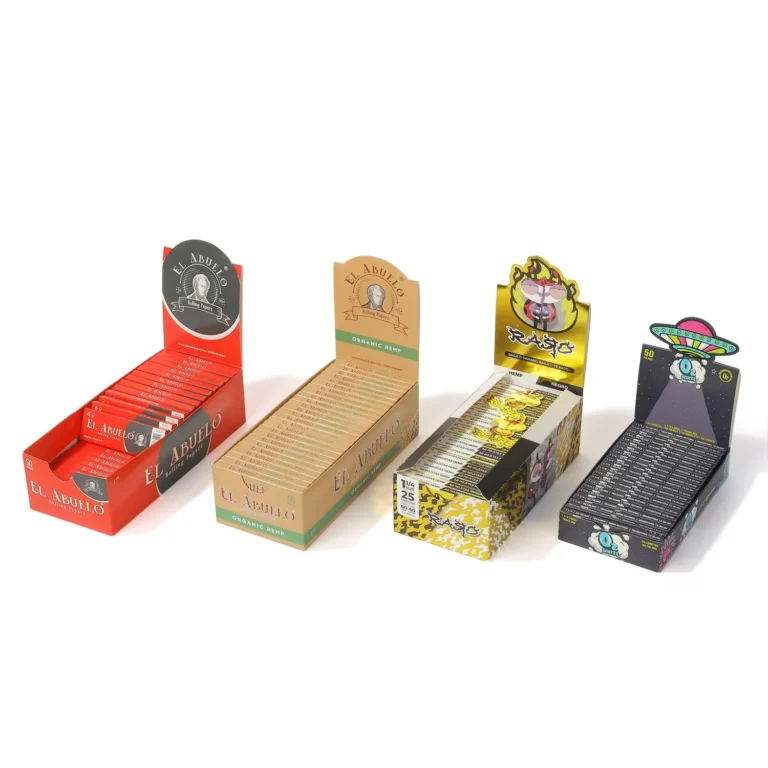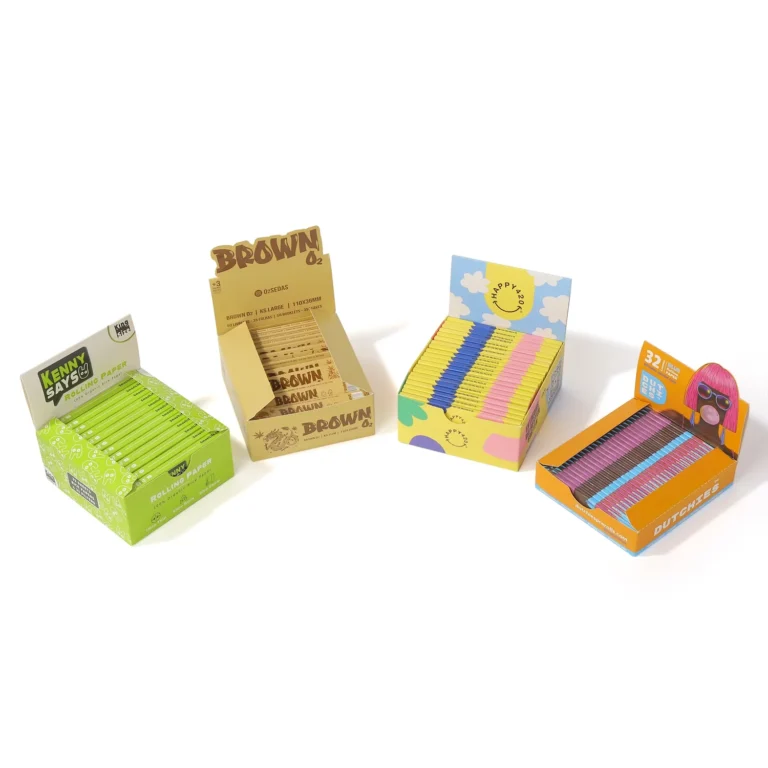

لماذا أوراق اللف باهظة الثمن؟ عادةً ليست باهظة كالورق الصناعي—تشعر بأنها باهظة لأنك تشتريها كـ عبوات استهلاكية صغيرة ذات علامة تجارية على هوامش المتاجر الصغيرة ومتاجر التدخين. عادةً ما تضع أدلة أسعار المستهلكين الكتيبات اليومية حول $1 إلى $5 لكل عبوة, ، مع العديد من العبوات القياسية بالقرب من $2 إلى $3. تقع وحدات حفظ المخزون الخاصة بالقنب، فائقة النحافة، المنكهة، التي تتضمن أطرافًا، المعبأة بكثافة، أو الفاخرة الجديدة في مرتبة أعلى. ترفع المخاريط والمشتريات الفردية من محطات الوقود شعور “لكل استخدام” بشكل أسرع.
لذا فإن السؤال الحقيقي نادرًا ما يكون “لماذا تكلفة السليلوز بهذا القدر؟” بل هو “لماذا تكلفة هذه الكتيب الصغير ما تكلفه على هذا الرف؟”
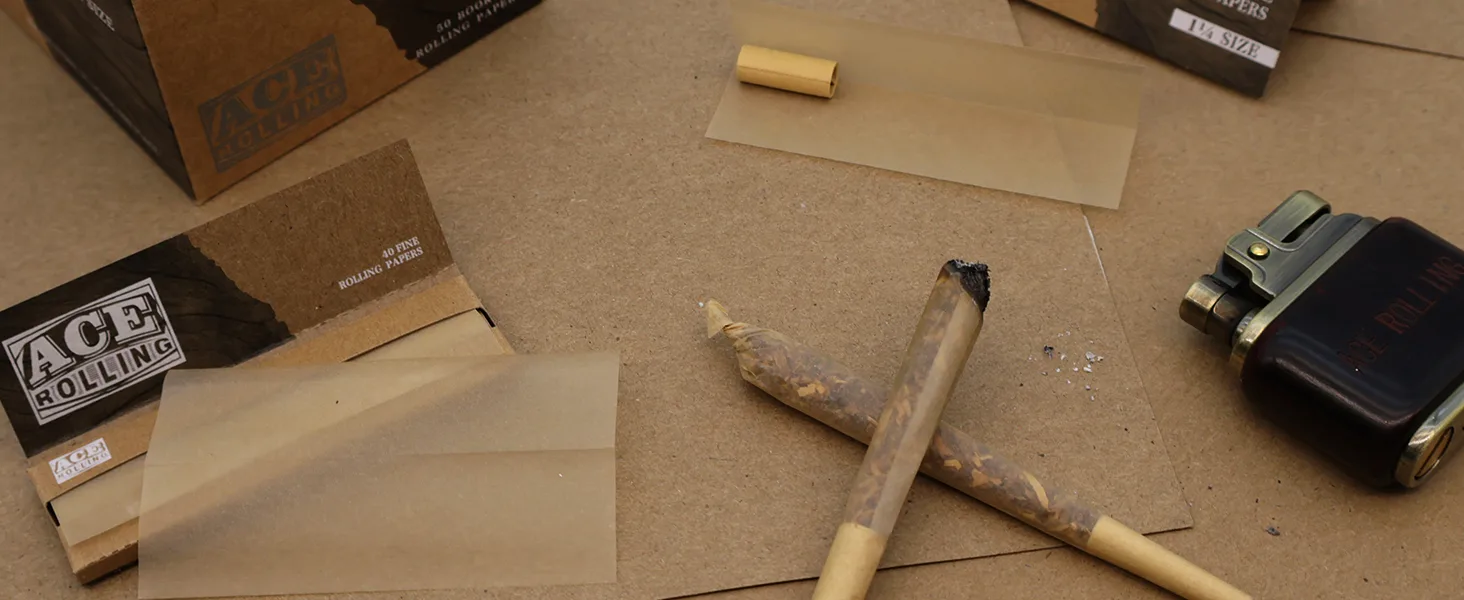
ما الذي تدفع مقابله حقًا؟
يضم سعر كتيب التجزئة أكثر من مجرد بضع أوراق من الورق:
| طبقة التكلفة | ما الذي يتضمنه |
|---|---|
| الورق الأساسي | الألياف، جرامات لكل متر مربع، عملية التبييض أو غير المبيضة، خط الصمغ |
| تحويل | التقطيع، تجليد الكتيبات، العلامة المائية، إدخال الأطراف، تشكيل المخروط |
| العلامة التجارية | التسويق، العلامة التجارية، علاوة الاعتراف بالتجزئة |
| التعبئة والتغليف | طباعة الغلاف، الصينية، العلبة المعدنية، الإغلاق المغناطيسي، صندوق العرض |
| القناة | تجارة التجزئة الصغيرة، عبوة فردية عبر الإنترنت، صندوق الموزع |
| الامتثال والخدمات اللوجستية | الملصقات، الشحن، التقلص، المعالجة المحلية |
عندما تصبح أي من هذه الطبقات أكثر ثراءً، يرتفع سعر العبوة حتى لو كان وزن الورقة لا يزال ضئيلًا تقريبًا.
الأسباب الرئيسية لشعور ورق التدخين بأنه باهظ الثمن
1. العلامة التجارية المتميزة
يمكن للعلامات التجارية المعروفة فرض أسعار أعلى لأن المتسوقين يدفعون مقابل الاتساق والألفة. يمكن أن تقع عبوة لب الخشب العامة بالقرب من الطرف المنخفض من نطاقات التجزئة؛ بينما غالبًا ما تكون علامة القنب أو الأرز الشهيرة أعلى لنفس عدد الأوراق. أنت تشتري جزئيًا الثقة والاعتراف على الرف - وليس الألياف فقط.
2. المواد والمعالجة
التركيبات المتخصصة تكلف أكثر في التوريد والتحويل:
- تحديد مكان القنب العضوي أو الطبيعي
- أوراق رقيقة جدًا على طراز الأرز
- قصص تسويقية غير مبيضة / أقل معالجة
- أوراق مبتكرة من السليولوز الشفاف
- إنشاءات فاخرة أو مبتكرة (على سبيل المثال، عبوات على طراز أوراق الذهب)
غالبًا ما يضع المفسرون في السوق عبوات لب الخشب الكلاسيكية حولها $1–$3, ، بينما تقع عبوات القنب غير المبيض/والأرز المتخصصة عادةً أقرب إلى $2–$4. تلك هي نطاقات تجزئة تقريبية من أدلة المستهلكين—وليست أسعار قائمة مصنع Ace Rolling.
3. الحجم، عدد الأوراق، و“رياضيات القيمة”
قد تبدو عبوة الحجم الكبير ذات الأوراق الأقل تكلفة بجوار كتيب 1¼ ذو العدد الأكبر حتى عندما تكون تكلفة الورقة الواحدة متشابهة. دائمًا قم بقسمة سعر العبوة على عدد الأوراق (وعلى عدد الجلسات القابلة للاستخدام) قبل أن تصف المنتج بأنه مبالغ في سعره.
4. الإضافات: الأطراف، النكهات، الطباعة، ادعاءات الاحتراق البطيء
تضيف أطراف الترشيح المضمنة، والطلاءات المنكهة، وطباعة الأوراق الملونة بالكامل، وميزات الاحتراق الخاصة عمليات التحويل ومراقبة الجودة. غالبًا ما توجد العبوات المنكهة أو المصممة بشكل مكثف في $2–$5 في أدلة التجزئة. تدفع مقابل الجدة والراحة بقدر ما تدفع مقابل الورق.
5. التغليف الذي يكلف أكثر من الأوراق
الغلاف البسيط رخيص. الكتيبات المغناطيسية، علب المجمعين، التشطيبات الورقية، وعروض العدادات تضيف تكلفة اللوحة، الطباعة، والتجميع. التغليف المتميز هو إحدى أسرع الطرق التي يصبح بها الملحق “البسيط” وحدة حفظ المخزون المتميزة.
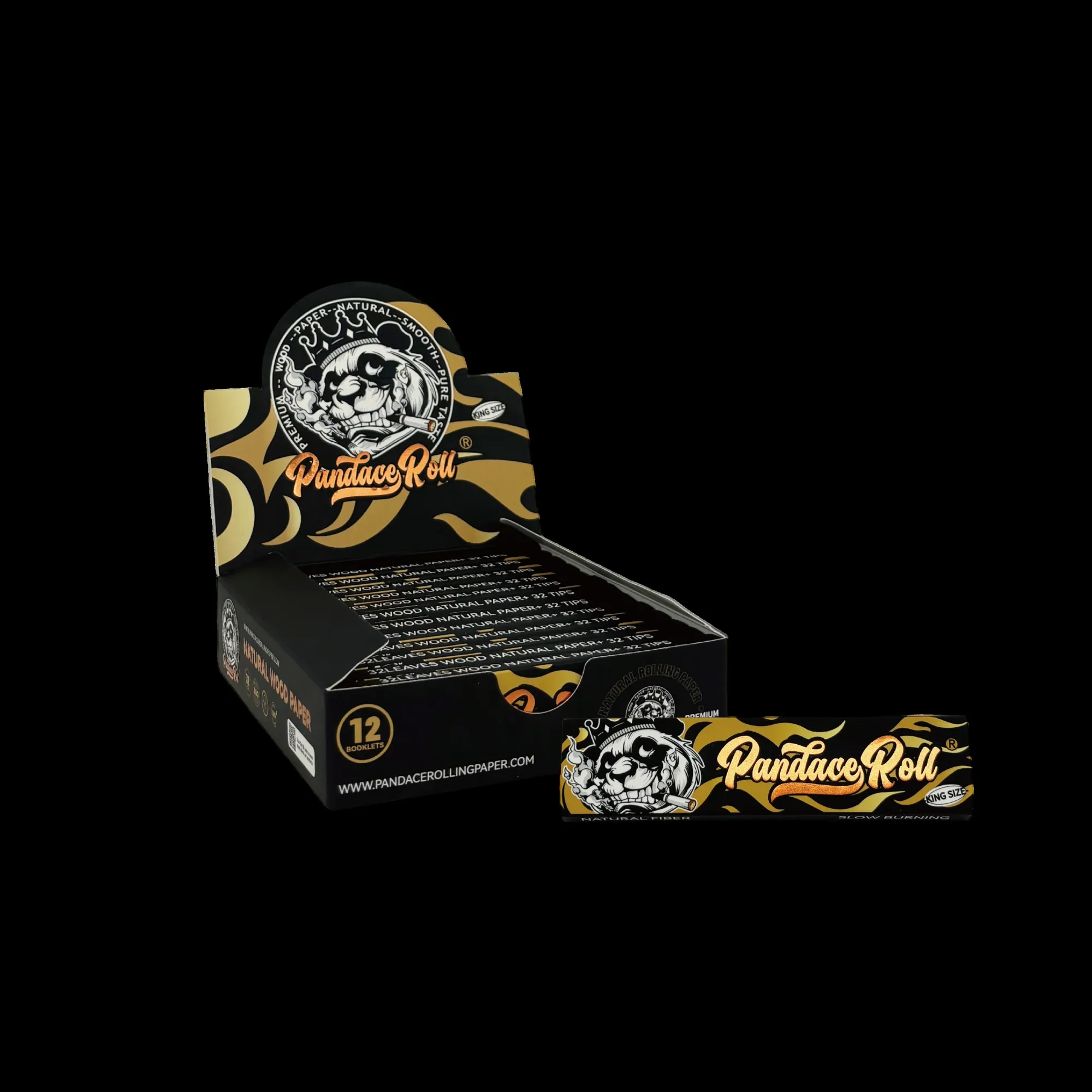
6. اشتريت عبوة واحدة من القناة ذات أعلى هامش ربح
يمكن أن يكلف كتيب واحد في متجر زاوية حوالي $2, ، بينما يمكن أن تنخفض تكلفة العبوة الفعالة نحو أقل من $1 في الأمثلة التي تستخدمها مدونات المستهلكين. نفس العائلة التجارية، اقتصاديات قنوات مختلفة. صدمة السعر غالباً ما تكون وحدة الشراء problem.
7. Cones and convenience formats
Pre-rolled cones add forming and tip insertion. Retail multipacks of a few cones are commonly cited around $3–$6. You pay for time saved, not only paper area.
8. Luxury novelty outliers
24K-style or ultra-novelty sheets can jump to $10–$20+ for tiny packs. Those SKUs are status and gift products. They should not define “normal” rolling paper economics.
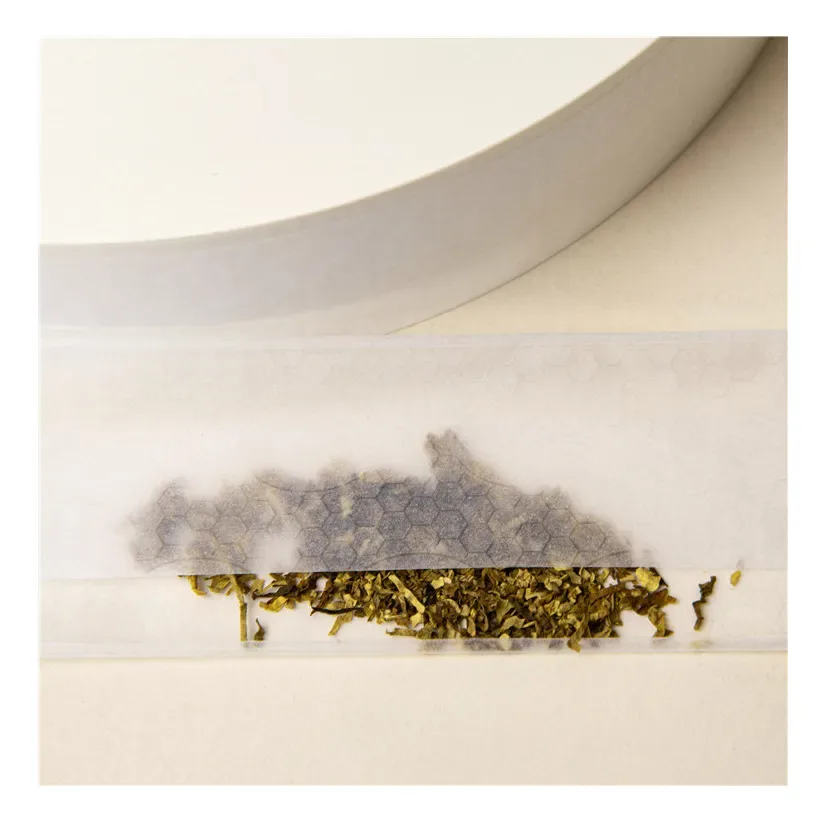
Are Rolling Papers Actually Expensive Per Use?
Often no. A $2–$3 booklet with 32–50 leaves can be a few cents per sheet. Papers feel expensive when:
- You compare them to grocery staples by pack size, not by use
- You only buy specialty brands one at a time
- You waste sheets while learning to roll
- You upgrade from basic wood pulp to hemp + tips + display packaging in one jump
If cost-per-session matters, track leaves used and stop treating every premium pack as the baseline.
Retail vs Wholesale vs OEM: Why B2B Buyers Ask This Differently
| المسار | What “expensive” means | How to respond |
|---|---|---|
| Consumer retail | High single-pack sticker | Buy boxes, compare cost per leaf |
| Distributor wholesale | Margin after retail price | Negotiate carton price and turns |
| Private-label OEM | Setup + MOQ + packaging complexity | Simplify first SKU; raise volume |
Retail averages already include brand and shop margin. Factory programs quote against specs, artwork, packaging, quantity, and destination. Ace Rolling does not publish a public consumer price list for every market; OEM pricing is quotation-based. Many custom programs start around 2,000 وحدة, and unit cost usually improves as volume amortizes print and packaging setup.
How to Spend Less Without Defaulting to the Worst Paper
- Buy boxes, not singles when you already know the SKU
- Compare cost per leaf, not pack sticker alone
- Start with standard wood pulp or a simple unbleached line before adding flavors and foils
- Skip novelty packaging if you only need burn performance
- Use a tray so failed rolls waste less paper and flower
- For brands: white-label a proven format before full custom architecture
- Request samples before paying for premium claims you cannot feel
What Should Brands Confirm Before Blaming “Paper Cost”?
If your private-label quote looks high, check the brief:
- Cover-only print vs full leaf print
- Tips included or separate
- Display tray and finishes
- Specialty material vs standard GSM
- First-order quantity vs reorder volume
- Freight mode and destination documentation
Often the expensive part is packaging theater and low volume—not the fiber web itself.
Ace Rolling Angle for Cost-Aware Buyers
Ace Rolling manufactures rolling papers and cones for Signature Collections and OEM/private-label programs. Buyers who want lower unit cost typically:
- Lock a simple size and material first
- Keep packaging retail-ready but not overbuilt
- Plan quantity that fits MOQ economics
- Approve samples so reorders do not restart development cost
Send format, material, packaging level, quantity, and destination for a factory-grounded quote—not a guess from gas-station stickers.
الأسئلة الشائعة
Why are rolling papers so expensive?
Rolling papers feel expensive mainly because of brand premium, specialty materials, tips, packaging, and single-pack retail margins—not because a sheet of paper is inherently costly. Consumer guides often place everyday packs around $1 to $5. Buying boxes or OEM volume usually improves unit economics versus convenience-store singles.
Why do hemp or ultra-thin papers cost more?
Hemp, organic positioning, and ultra-thin rice-style papers usually cost more because specialty fiber, processing, and brand positioning sit above basic wood-pulp booklets. Retail explainers often put these specialty packs nearer $2 to $4. Confirm burn performance with samples before paying only for marketing language.
Are pre-rolled cones more expensive than rolling papers?
Yes, pre-rolled cones are typically more expensive per unit than flat booklet papers because forming the cone and inserting a tip add manufacturing steps. Retail multipacks are commonly cited around $3 to $6. You pay for convenience and consistency as much as for paper area.
Can wholesale or private-label orders make rolling papers cheaper per pack?
Yes. Bulk boxes and private-label OEM runs usually lower cost per pack once quantity absorbs setup, print, and packaging. Ace Rolling custom programs commonly start around 2,000 units, with exact pricing quoted from specs. Compare landed cost per leaf—not only the first invoice total.