

Why are rolling papers so expensive? Usually they are not expensive as industrial paper—they feel expensive because you buy them as tiny branded consumer packs at convenience and smoke-shop margins. Consumer pricing guides commonly place everyday booklets around $1 to $5 per pack, with many standard packs near $2 to $3. Specialty hemp, ultra-thin, flavored, tip-included, heavily packaged, or luxury novelty SKUs sit higher. Cones and single gas-station purchases push the “per use” feeling up even faster.
So the real question is rarely “why does cellulose cost so much?” It is “why does this small booklet cost what it costs on this shelf?”
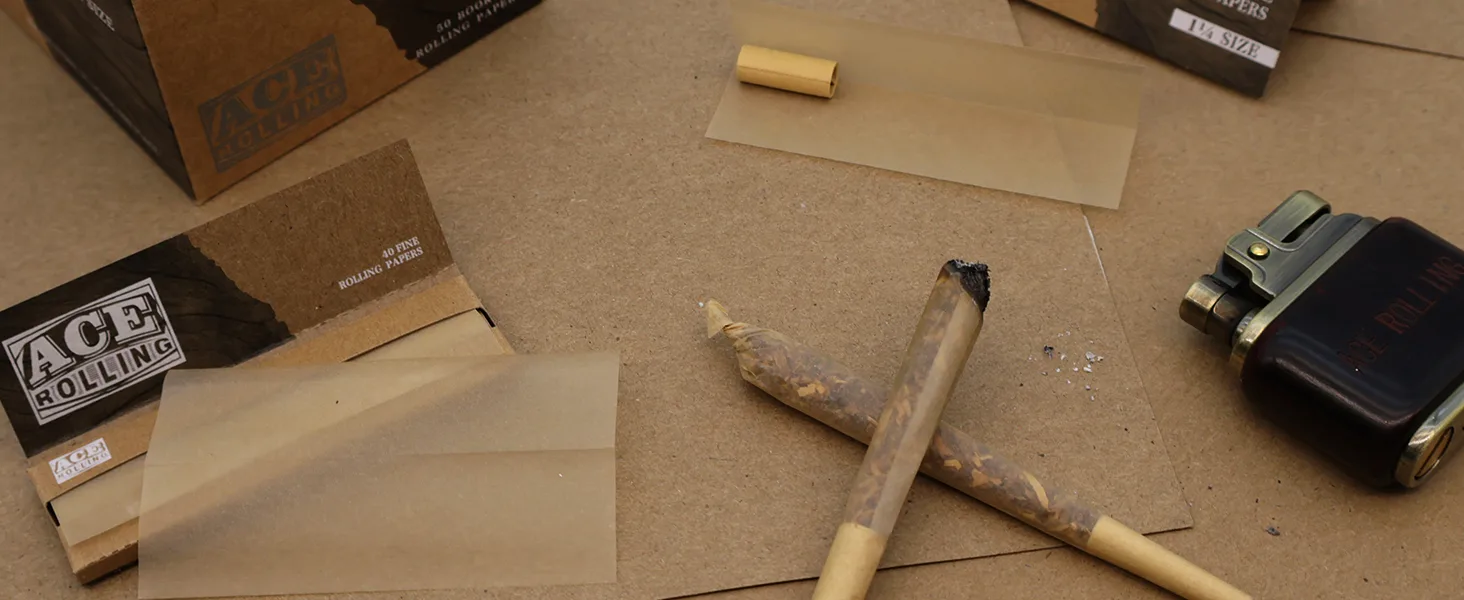
What Are You Actually Paying For?
A retail booklet price bundles more than a few sheets of paper:
| Couche de coût | What it includes |
|---|---|
| Base paper | Fiber, GSM, bleaching or unbleached process, gum line |
| Transformation | Slitting, bookleting, watermark, tips insert, cone forming |
| Marque | Marketing, trademark, retail recognition premium |
| Emballage | Cover print, tray, tin, magnetic closure, display box |
| Canal | Convenience retail, online single pack, distributor carton |
| Compliance & logistics | Labels, freight, shrink, local handling |
When any of those layers get richer, the pack price rises even if the sheet still weighs almost nothing.
The Main Reasons Rolling Papers Feel Expensive
1. Brand premium
Recognized names can charge more because shoppers pay for consistency and familiarity. A generic wood-pulp pack can land near the low end of retail ranges; a famous hemp or rice brand often sits higher for a similar leaf count. You are partly buying trust and shelf recognition—not only fiber.
2. Material and processing
Specialty compositions cost more to source and convert:
- Organic or natural hemp positioning
- Ultra-thin rice-style papers
- Unbleached / less-processed marketing stories
- Clear cellulose novelty sheets
- Luxury or novelty constructions (for example gold-leaf style packs)
Market explainers often put classic wood-pulp packs around $1–$3, while unbleached/hemp and rice specialty packs commonly land nearer $2–$4. Those are ballpark retail ranges from consumer guides—not Ace Rolling factory list prices.
3. Size, leaf count, and “value math”
A king-size pack with fewer leaves can look expensive next to a larger-count 1¼ booklet even when cost per leaf is similar. Always divide pack price by leaf count (and by usable sessions) before calling a product overpriced.
4. Extras: tips, flavors, print, slow-burn claims
Filter tips included, flavored coatings, full-color leaf prints, and specialty burn features add converting and QC work. Flavored or heavily designed packs frequently sit toward $2–$5 in retail guides. You pay for novelty and convenience as much as for paper.
5. Packaging that costs more than the sheets
A plain sleeve is cheap. Magnetic booklets, collector tins, foil finishes, and counter displays add board, print, and assembly cost. Premium packaging is one of the fastest ways a “simple” accessory becomes a premium SKU.
6. You bought one pack at the highest-margin channel
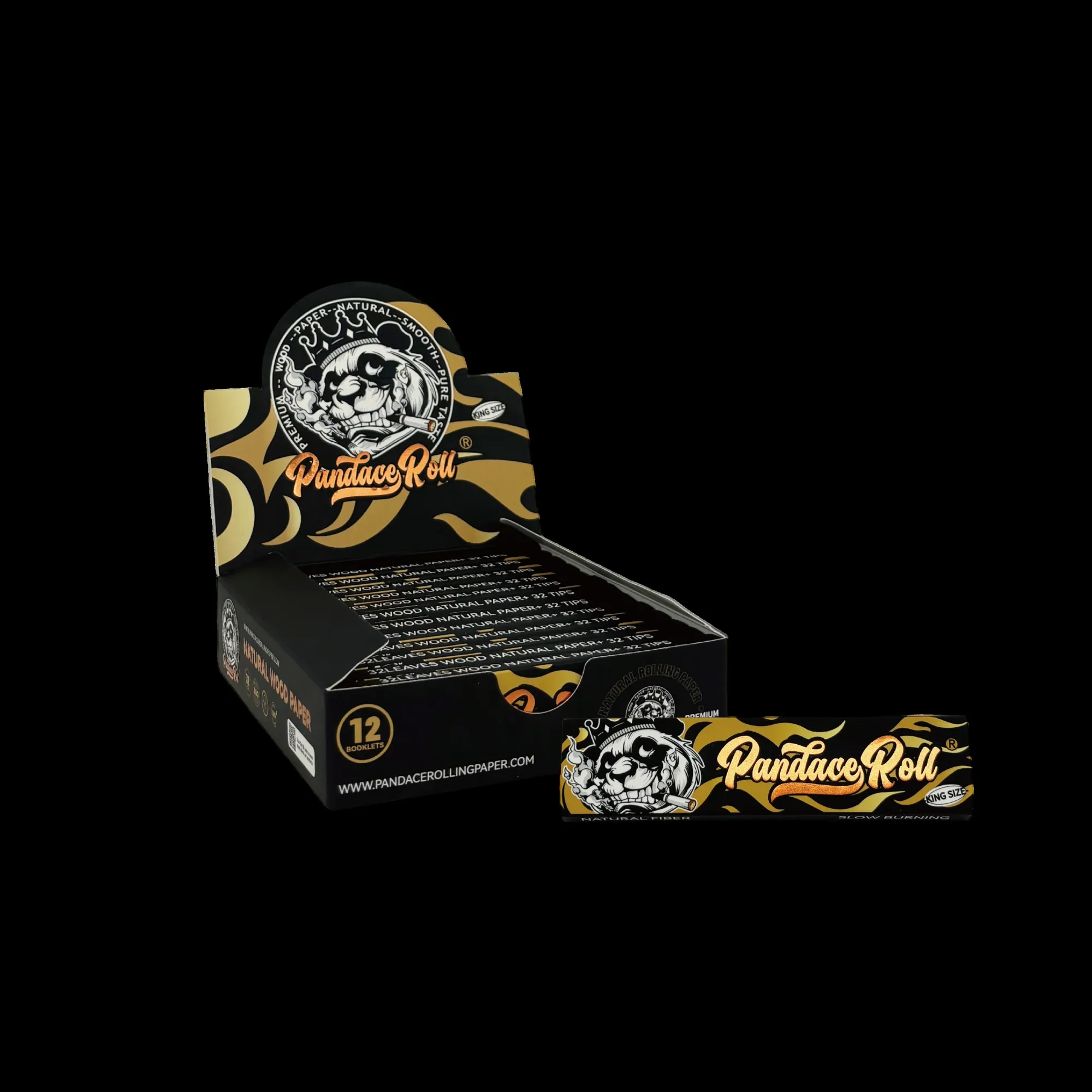
A single booklet at a corner store can cost about $2, while a full box online or through wholesale can drop effective pack cost toward under $1 in the examples consumer blogs use. Same brand family, different channel economics. Sticker shock is often a unité d'achat problem.
7. Cones and convenience formats
Pre-rolled cones add forming and tip insertion. Retail multipacks of a few cones are commonly cited around $3–$6. You pay for time saved, not only paper area.
8. Luxury novelty outliers
24K-style or ultra-novelty sheets can jump to $10–$20+ for tiny packs. Those SKUs are status and gift products. They should not define “normal” rolling paper economics.
Are Rolling Papers Actually Expensive Per Use?
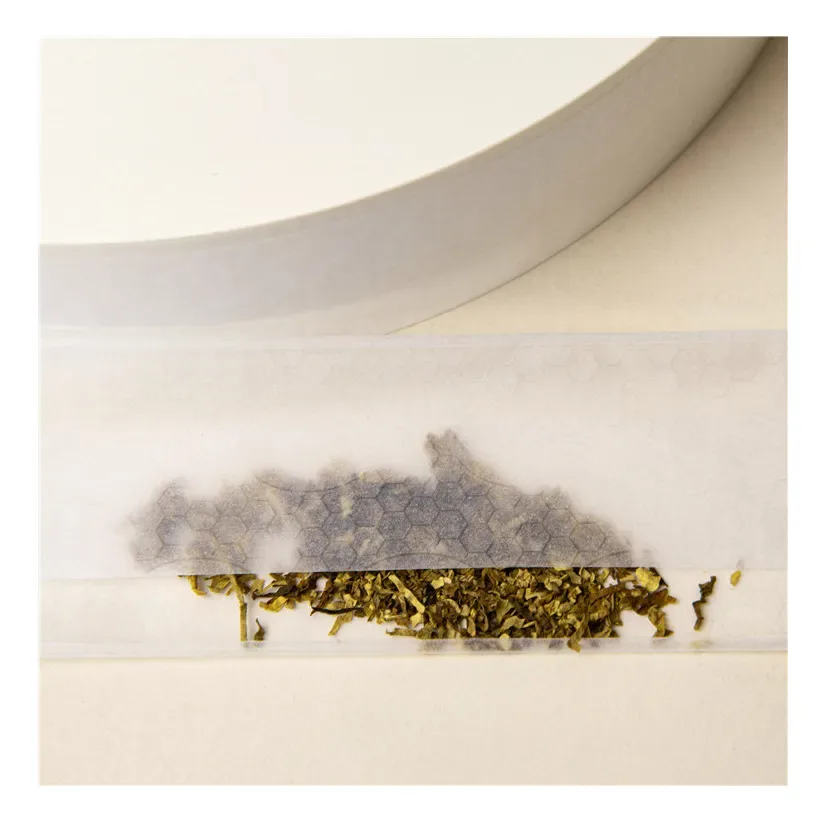
Often no. A $2–$3 booklet with 32–50 leaves can be a few cents per sheet. Papers feel expensive when:
- You compare them to grocery staples by pack size, not by use
- You only buy specialty brands one at a time
- You waste sheets while learning to roll
- You upgrade from basic wood pulp to hemp + tips + display packaging in one jump
If cost-per-session matters, track leaves used and stop treating every premium pack as the baseline.
Retail vs Wholesale vs OEM: Why B2B Buyers Ask This Differently
| Chemin | What “expensive” means | How to respond |
|---|---|---|
| Consumer retail | High single-pack sticker | Buy boxes, compare cost per leaf |
| Distributor wholesale | Margin after retail price | Negotiate carton price and turns |
| Private-label OEM | Setup + MOQ + packaging complexity | Simplify first SKU; raise volume |
Retail averages already include brand and shop margin. Factory programs quote against specs, artwork, packaging, quantity, and destination. Ace Rolling does not publish a public consumer price list for every market; OEM pricing is quotation-based. Many custom programs start around 2 000 unités, and unit cost usually improves as volume amortizes print and packaging setup.
How to Spend Less Without Defaulting to the Worst Paper
- Buy boxes, not singles when you already know the SKU
- Compare cost per leaf, not pack sticker alone
- Start with standard wood pulp or a simple unbleached line before adding flavors and foils
- Skip novelty packaging if you only need burn performance
- Use a tray so failed rolls waste less paper and flower
- For brands: white-label a proven format before full custom architecture
- Request samples before paying for premium claims you cannot feel
What Should Brands Confirm Before Blaming “Paper Cost”?
If your private-label quote looks high, check the brief:
- Cover-only print vs full leaf print
- Tips included or separate
- Display tray and finishes
- Specialty material vs standard GSM
- First-order quantity vs reorder volume
- Freight mode and destination documentation
Often the expensive part is packaging theater and low volume—not the fiber web itself.
Ace Rolling Angle for Cost-Aware Buyers
Ace Rolling manufactures rolling papers and cones for Signature Collections and OEM/private-label programs. Buyers who want lower unit cost typically:
- Lock a simple size and material first
- Keep packaging retail-ready but not overbuilt
- Plan quantity that fits MOQ economics
- Approve samples so reorders do not restart development cost
Send format, material, packaging level, quantity, and destination for a factory-grounded quote—not a guess from gas-station stickers.
FAQ
Why are rolling papers so expensive?
Rolling papers feel expensive mainly because of brand premium, specialty materials, tips, packaging, and single-pack retail margins—not because a sheet of paper is inherently costly. Consumer guides often place everyday packs around $1 to $5. Buying boxes or OEM volume usually improves unit economics versus convenience-store singles.
Why do hemp or ultra-thin papers cost more?
Hemp, organic positioning, and ultra-thin rice-style papers usually cost more because specialty fiber, processing, and brand positioning sit above basic wood-pulp booklets. Retail explainers often put these specialty packs nearer $2 to $4. Confirm burn performance with samples before paying only for marketing language.
Are pre-rolled cones more expensive than rolling papers?
Yes, pre-rolled cones are typically more expensive per unit than flat booklet papers because forming the cone and inserting a tip add manufacturing steps. Retail multipacks are commonly cited around $3 to $6. You pay for convenience and consistency as much as for paper area.
Can wholesale or private-label orders make rolling papers cheaper per pack?
Yes. Bulk boxes and private-label OEM runs usually lower cost per pack once quantity absorbs setup, print, and packaging. Ace Rolling custom programs commonly start around 2,000 units, with exact pricing quoted from specs. Compare landed cost per leaf—not only the first invoice total.