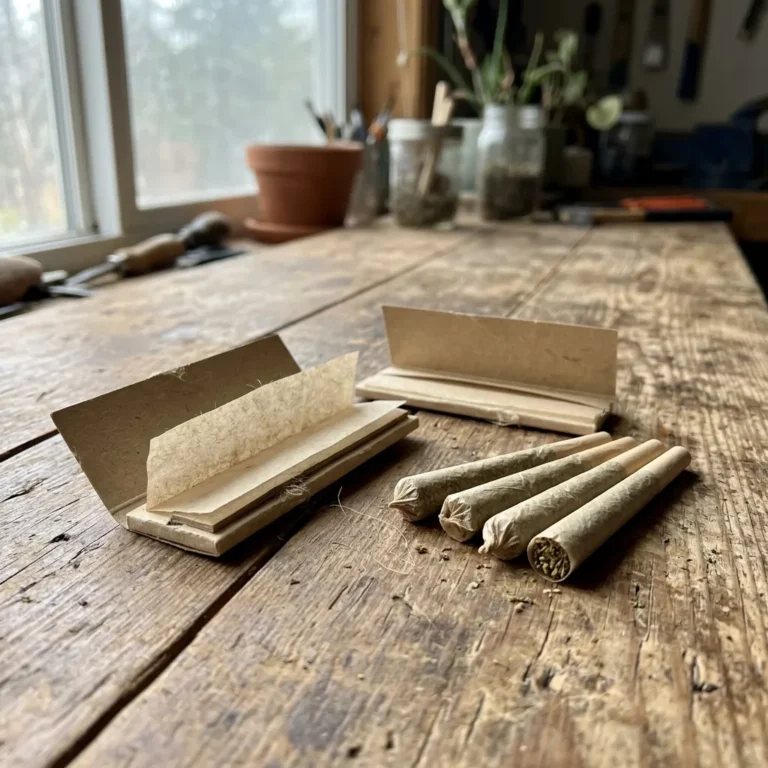

Are hemp rolling papers really better for you? Not as a medical claim—Ace Rolling will not call hemp “healthier” or safer for the body. Buyers choose hemp for plant-fiber sourcing, eco merchandising, and burn/handling feel, not clinical benefits.
Marketing pages (including Futurola-style benefit articles) often say cleaner, greener, or healthier. Treat those as brand narratives. This guide translates the search into B2B decisions: what you can print, what you must document, and when hemp is the better commercial SKU.

What Are People Really Asking with “Better for You”?
Lead-in: The query mixes health anxiety, eco values, and taste preference into one phrase.
Summary: Split the question into body-risk claims (avoid), material process claims (document), and experience claims (burn/taste) before you answer customers or print packs.
| Intent behind the search | Safe B2B response |
|---|---|
| “Will this hurt me less?” | No medical ranking from Ace |
| “Is it more natural?” | Plant-fiber hemp vs pulp—state facts |
| “Is it greener?” | Only with documented farming/sourcing claims |
| “Does it taste cleaner?” | Sample vs rice/pulp on same fill |
Key Takeaway: Answer “better for you” as better for a stated goal—never as a health guarantee.
Custom hemp programs: https://ace-rolling.com/custom-rolling-papers/.
What Benefits Do Hemp Papers Actually Deliver for Buyers?
Lead-in: Benefit lists sell when they stay operational.
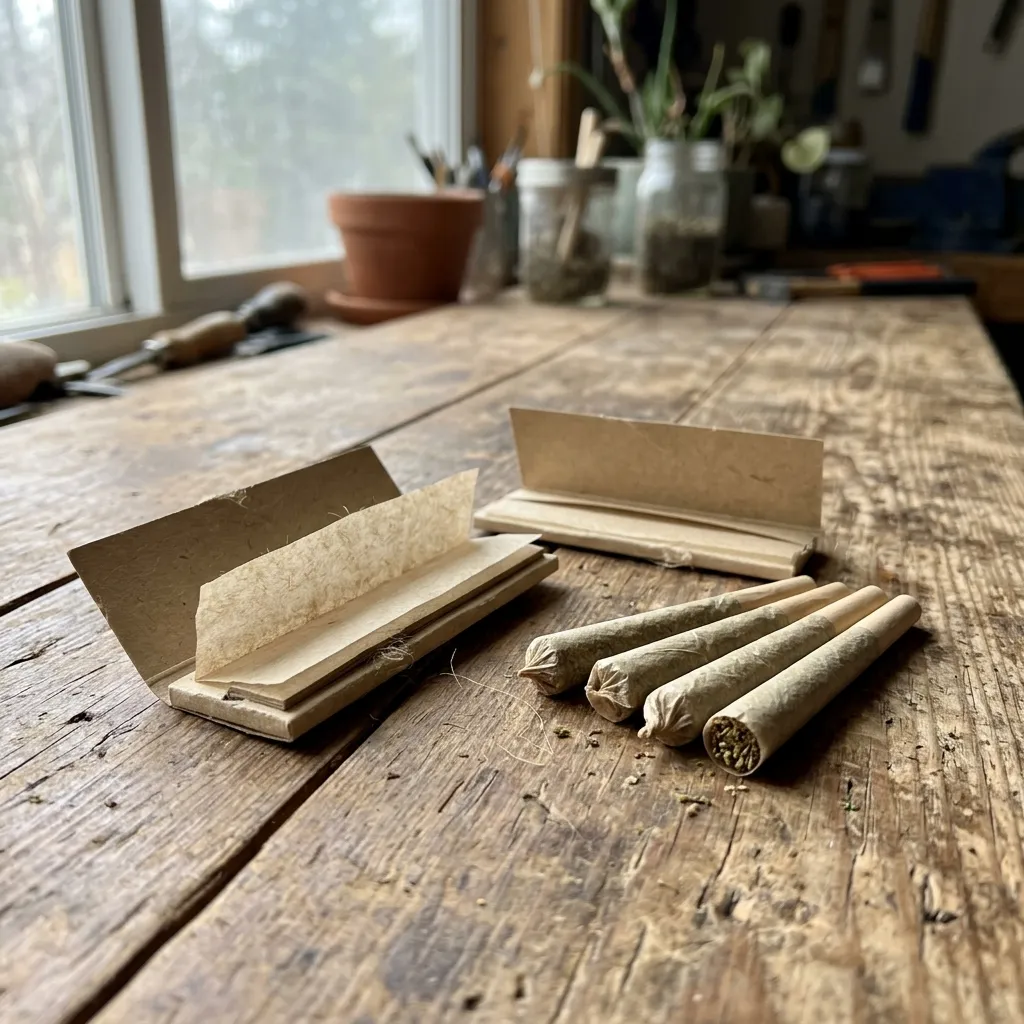
Summary: Industry hemp articles highlight slow/even burn, low paper taste interference for many users, and renewable-fiber storytelling. Ace frames these as product attributes to sample, not as detox or disease claims.
| Attribute often claimed | How Ace buyers should use it |
|---|---|
| Plant hemp fiber | Core OEM material Ace manufactures |
| Slow / even burn story | Verify on your fill and GSM |
| Mild / natural taste | Blind-test vs rice and pulp |
| Eco merchandising | Only print claims you can document |
| Beginner-friendly thickness | Strong retail demo paper |
Key Takeaway: Sell sampled burn and story—not “better for your lungs.”
OEM path: https://ace-rolling.com/oem-odm-rolling-paper-manufacturer/.
Why Should Brands Avoid Medical “Healthier” Claims?
Lead-in: Regulators and platforms punish wellness language on smoking accessories faster than shoppers notice.
Summary: Ace brand facts forbid medical, safer, non-toxic, or reduced-harm promises without approved evidence. “Better for you” on pack is a compliance risk even if a blog uses that tone.
| Claim style | Risk | Safer rewrite |
|---|---|---|
| “Healthiest papers” | Unsupported | “Hemp fiber rolling papers” |
| “Chemical-free always” | Absolute | “Specify additives/bleach route” |
| “Safer than tobacco papers” | Comparative health | Avoid—no Ace medical ranking |
| “Organic” without scope | Misleading | Only if fiber/docs support it |
Key Takeaway: If you cannot attach a document, do not print the benefit.
Docs page: https://ace-rolling.com/quality-certifications/.
How Do Hemp Papers Compare with Rice and Wood Pulp on “Feel”?
Lead-in: “Better for you” shoppers often mean “better session,” not a lab result.
Summary: Versus rice, hemp is usually easier to roll and more humidity-tolerant with a light earthy note; versus wood pulp, hemp often wins the natural/tree-free story. Rice still wins slowest/most neutral for many experienced rollers.
| Material | Session “feel” bias | When it beats hemp on experience |
|---|---|---|
| Hemp | Grip + natural story | Default everyday hero |
| Rice-style | Slow + neutral | Flavor-first experts |
| Wood pulp | Easy/cheap workhorse | Entry price over eco story |
Ace can supply hemp, bamboo, and wood pulp; confirm rice-style on samples.
Key Takeaway: Pick hemp when natural positioning and ease matter more than ultra-thin neutrality.
Factory sampling: https://ace-rolling.com/about-factory/.
What Eco Claims Can You Make without Overreaching?
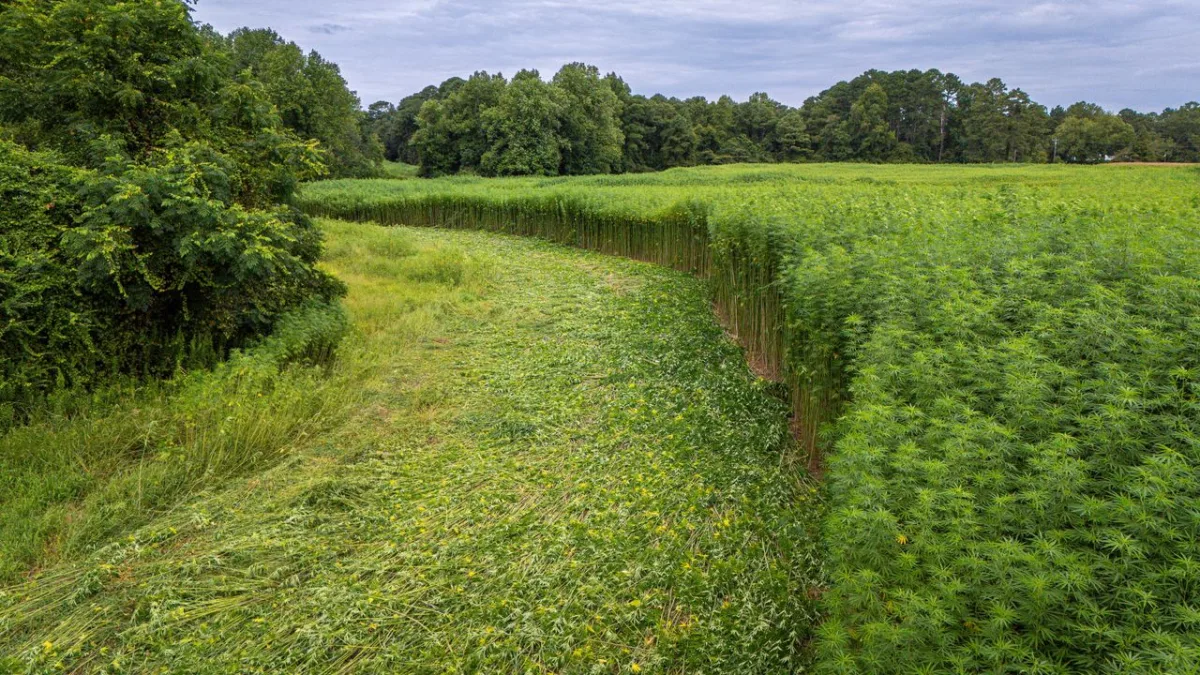
Lead-in: Futurola-style copy stresses low pesticides and smaller footprint—buyers still need proof chains.
Summary: Hemp is often marketed as lower-input agriculture versus some tree-pulp stories. Ace allows documented eco language only; FSC is a sourcing option, not automatic on every SKU.
| Eco angle | Allowed approach |
|---|---|
| Hemp plant fiber | State material when true |
| FSC board/paper | Only when option confirmed |
| Unbleached look | Specify bleach route |
| “Saves the planet” | Too broad—cut |
Key Takeaway: Green shelf stories work; planetary absolutes do not.
Cone hemp programs: https://ace-rolling.com/pre-rolled-cones/.
How Should Dispensaries and Wholesalers Answer Customers?
Lead-in: Budtenders get the “better for you?” question live—give them a script.
Summary: Train staff to say hemp is chosen for natural fiber and burn feel, that Ace/your brand does not claim medical benefits, and that rice may taste cleaner for some adults.
| Customer ask | Staff answer |
|---|---|
| “Is hemp healthier?” | “We don’t make medical claims; it’s a plant-fiber paper many prefer for feel and story.” |
| “Will it taste better?” | “Often milder paper note—try beside rice.” |
| “Is it organic?” | “Only if this SKU’s docs say so.” |
Key Takeaway: Honest scripts protect licenses better than wellness hype.
Jumbo/industrial: https://ace-rolling.com/industrial-jumbo-rolls/.
How Do You Source Hemp Papers from Ace Rolling?
Lead-in: Ace Rolling is a Dongguan, China OEM/private-label factory—not RAW, Rizla, or OCB.
Summary: Spec hemp booklets or cones, freeze claim language, sample burn, then buy wholesale near $0.07–$0.30/booklet or $0.04–$0.06/cone with MOQ; plan about two months concept-to-delivery.
| Quote field | Why it matters for “better for you” launches |
|---|---|
| Fiber = hemp | Locks material story |
| Bleach / gum notes | Limits on-pack claims |
| Destination | Doc pack |
| Qty + MOQ | Factory wholesale economics |
| Forbidden phrases list | Keeps ads compliant |
Key Takeaway: Ace sells hemp performance and branding—not a health product classification.
Request a quote at https://ace-rolling.com/contact/.
FAQ
Are hemp rolling papers better for you?
Not in a medical sense Ace Rolling will endorse. Hemp papers are chosen for plant-fiber construction, eco merchandising potential, and burn or handling preferences. Marketing sites may imply cleaner or healthier sessions, but brands should avoid disease or detox claims and stick to documented material attributes.
Why do blogs say hemp is a healthier alternative?
Many hemp articles contrast plant fiber and fewer marketing additives against wood-pulp or tobacco-paper stereotypes. That wording is positioning, not clinical proof Ace can stand behind. Brands should request composition statements and avoid copying blog adjectives like “healthier” onto packaging or ads.
Do hemp papers taste better than other papers?
“Better” taste is personal. Many adults find hemp mild or slightly earthy, while rice-style often tastes more neutral on the same fill. Run side-by-side samples before you print taste claims. Ace Rolling can supply hemp OEM programs and discuss rice-style options when you request samples.
Are hemp papers better for the environment?
Hemp is frequently marketed as a renewable fiber with lower agricultural input stories than some alternatives. Print eco claims only when your sourcing documents support them. Ace may offer FSC-certified sourcing options on request—they are not automatic on every product.
Should my shop replace all papers with hemp?
Not automatically. Hemp is a strong hero for natural positioning and easier rolling demos, but rice-style and pulp still serve other shoppers. Start with one hemp SKU, keep compliant scripts, and expand after sell-through. Match assortment to climate and customer skill.
How do I order hemp papers from Ace Rolling?
Send size, GSM targets, bleach/gum notes, artwork, quantity, and destination to https://ace-rolling.com/contact/. Expect wholesale booklet planning about $0.07–$0.30 and cones about $0.04–$0.06 with MOQ. Confirm claim language before mass print so “better for you” never becomes a medical statement.