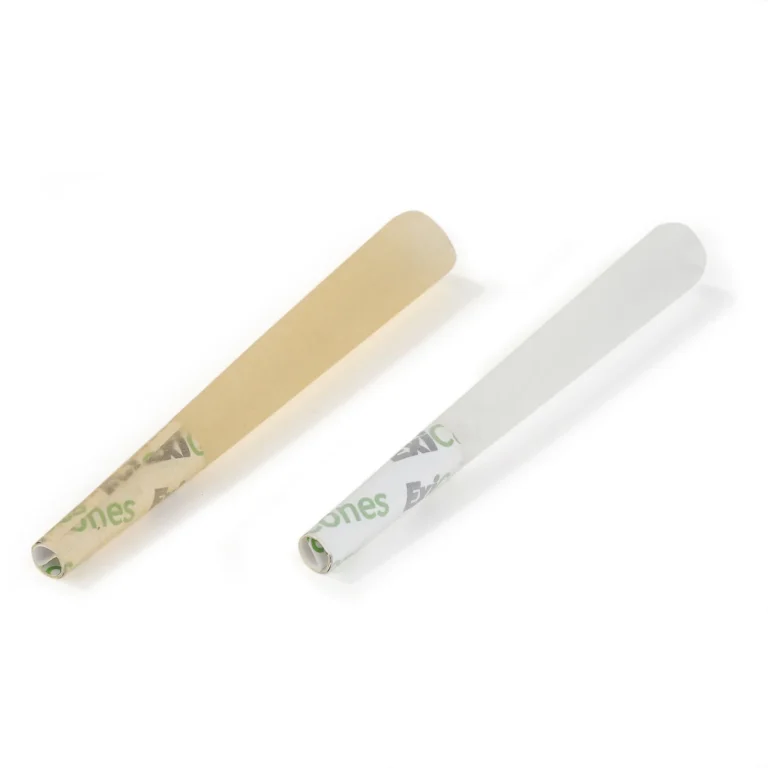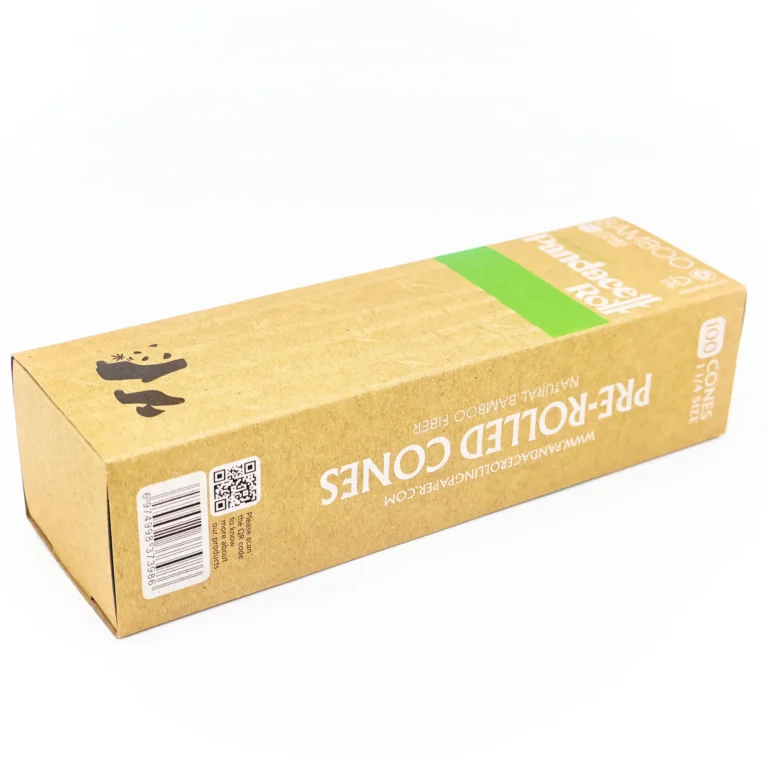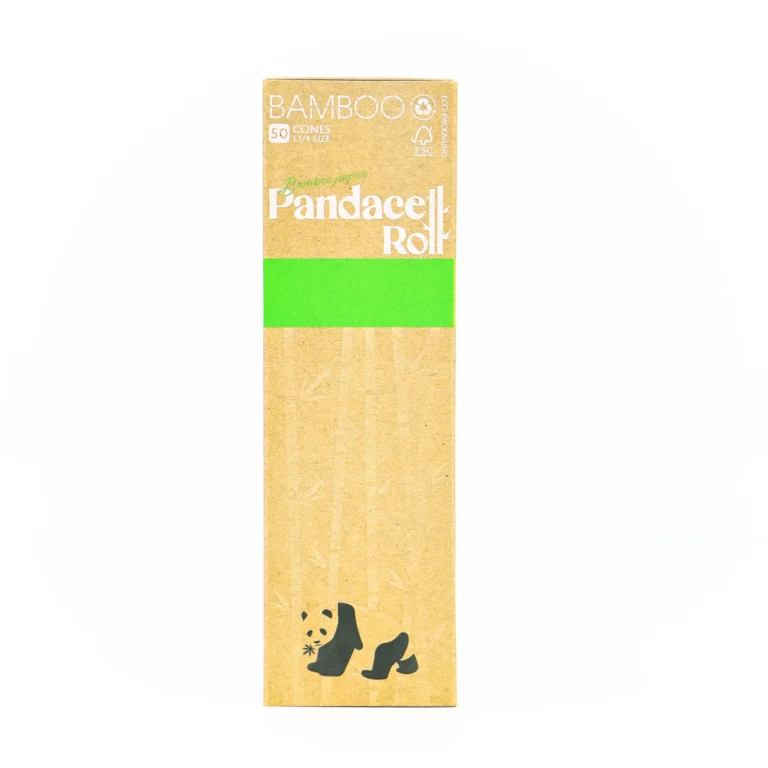

Are rolling papers cheaper than cones? Usually yes. Flat rolling paper booklets generally cost less per finished joint than pre-rolled cones, especially over time. Cones cost more because they are already formed and often include a tip, which adds converting and packaging value for speed and consistency.
For B2B buyers, the useful comparison is total program cost—not only the retail sticker. Papers win on materials cost and flexibility. Cones can win when labor time, training, and fill-line speed matter more than the lowest paper unit price.
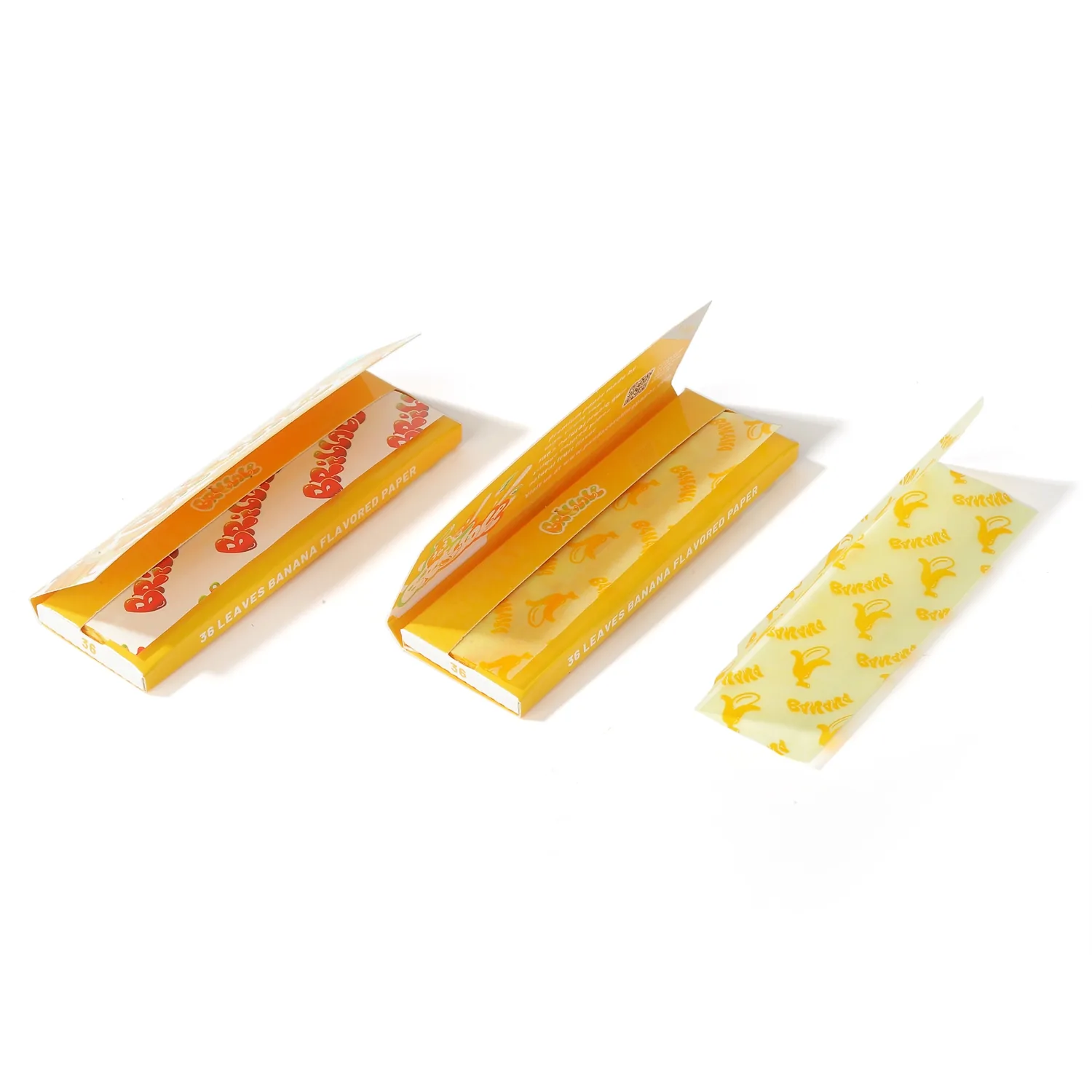
Why Are Rolling Papers Usually Cheaper?
A rolling paper booklet is a flat sheet product. A pre-rolled cone is a shaped tube with a filter tip already inserted. That extra forming and assembly work raises manufacturing and packaging cost before the product reaches a shelf or fill room.
Consumer guides commonly note that papers are cheaper and more portable, while cones trade price for convenience. A pack of papers plus tips can produce many joints and typically beats cone multipacks on long-run cost per joint.
Cost advantages of papers for most buyers:
| Cost factor | Rolling papers | Pre-rolled cones |
|---|---|---|
| Unit converting | Lower—flat sheets/booklets | Higher—formed tube + tip |
| Pack value density | Many leaves per booklet | Fewer ready cones per small retail pack |
| Skill / labor at use | User or staff must roll | Faster fill-and-seal workflow |
| Format flexibility | Easy to change size mid-roll | Fixed cone geometry |
| Typical long-run spend | Lower per joint | Higher per joint for convenience |
If your only goal is the lowest accessory cost per session, papers are usually the cheaper path.
When Do Cones Look Cheaper—but Aren’t?
Cones can look inexpensive in a small multipack because you are not buying a separate tip pack at the same moment. That “all-in-one” sticker can feel simple at checkout. Over repeated use, though, the formed cone usually costs more per finished joint than papers and tips bought as components.
Also compare apples to apples:
- Same paper material family (for example hemp vs hemp)
- Similar finished size
- Tips included or excluded on both sides
- Same channel (retail single pack vs wholesale carton)
- Cost per usable unit, not only pack price
A king-size cone multipack is not comparable to a small single-wide booklet without normalizing size and count.

What Extra Costs Should B2B Buyers Count?
Brands, lounges, and pre-roll producers should price labor and waste into the model.
Rolling paper programs
- Lower accessory purchase cost
- More training or rolling time if staff roll by hand
- Higher risk of inconsistent rolls if operators vary
- Flexible SKUs with one booklet format covering multiple fill styles
Pre-rolled cone programs
- Higher accessory purchase cost
- Faster, more repeatable filling for many operations
- Better fit for automated or semi-automated fill lines
- Less dependence on rolling skill
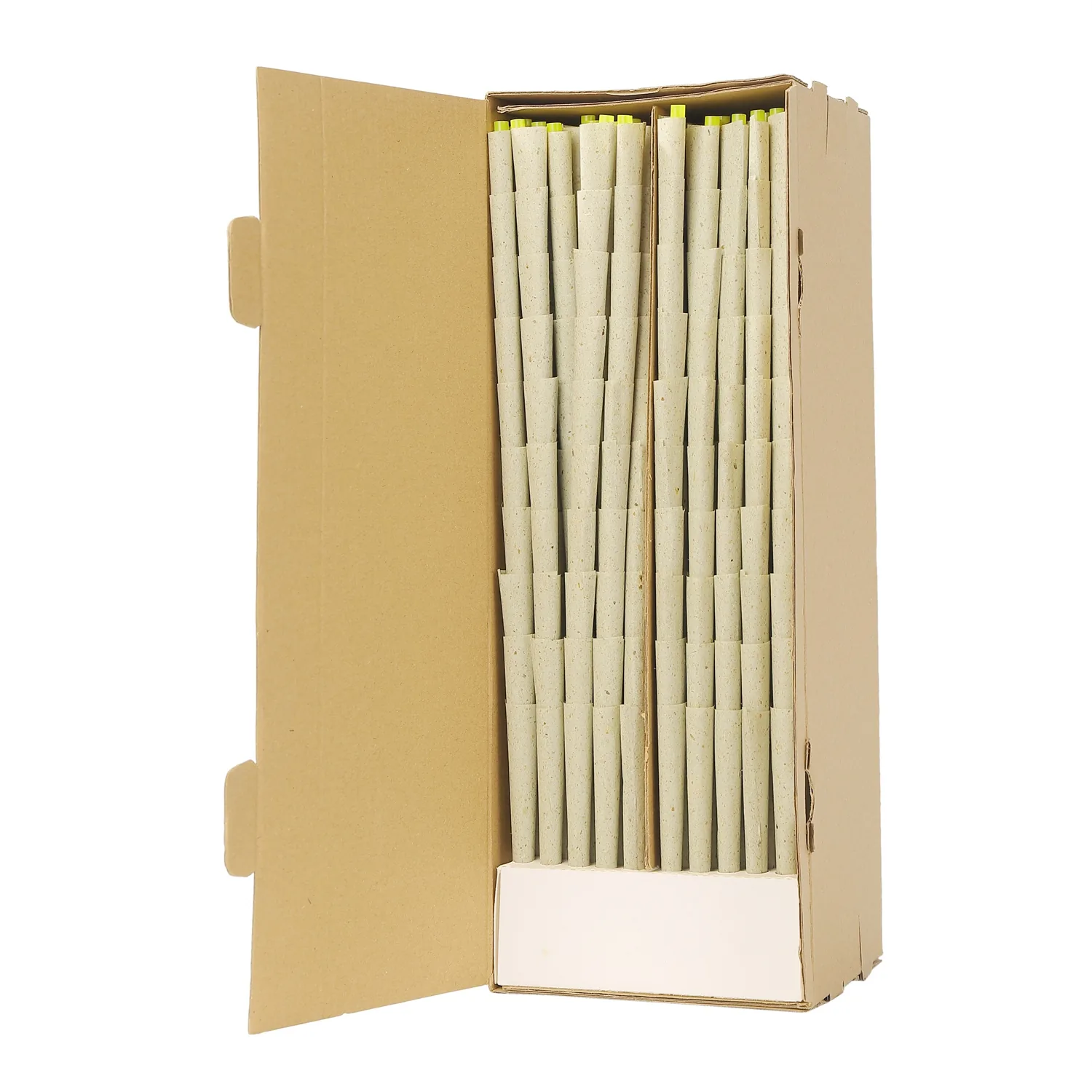
- Packaging and freight can rise because formed cones take more protective pack volume
For a production brand, a slightly higher cone unit cost can still be cheaper overall if it cuts labor minutes, scrap, and remakes. For a smoke-shop accessory assortment, papers often remain the value SKU while cones capture convenience demand.
Should Your Assortment Carry Both?
Many retailers and brands sell both because the shopper questions differ:
- “What is cheapest?” → papers
- “What is fastest / easiest?” → cones
- “What matches my brand ritual?” → either, based on positioning
A practical B2B assortment approach:
- Keep core unflavored paper booklets as the value line
- Add one or two cone sizes that match your best-selling joint formats
- Sample both under your real fill process before locking artwork
- Avoid launching every size and print variant in the first order
- Track sell-through separately so convenience SKUs do not hide weak paper turns
Ace Rolling manufactures both rolling papers and pre-rolled cones for OEM programs, so buyers can align paper and cone specs inside one brand system when needed.
How Should OEM Buyers Compare Factory Quotes?
Ask each supplier to quote papers and cones against the same market brief. Otherwise “cheaper” is just a messy spreadsheet.
Normalize quotes with:
- Material and grammage
- Size / finished length
- Tips included or not
- Print coverage
- Retail pack and master carton format
- MOQ and lead time
- Sample approval standard
- Landed cost assumptions
Also decide which cost you are optimizing: accessory purchase cost, labor cost per finished pre-roll, or retail margin mix. Those three goals can point to different SKU winners.

What Should You Confirm Before Ordering?
- Whether your customer prioritizes lowest cost or fastest prep
- Target joint size and daily/weekly volume
- Paper booklet vs cone SKU mix
- Tip requirements and packaging format
- Sample tests under real rolling or filling conditions
- Labor minutes and scrap assumptions in your cost model
- MOQ, lead time, and reorder plan
- Destination labeling and channel rules
Which Ace Rolling Option Fits Your Project?
If you need the lower accessory cost and maximum roll control, start with booklet papers. If you need speed and fill consistency, sample cones in your working size. Many programs use both. See Custom Rolling Papers, Pre-Rolled Cones, and OEM/ODM Solutions. For a comparison quote, contact Ace Rolling with target sizes, material, packaging, volume, and whether you need papers, cones, or both.
FAQ
Are rolling papers cheaper than cones?
Yes, rolling papers are usually cheaper than pre-rolled cones on a per-joint basis, especially over repeated use. Cones cost more because they are pre-formed and often include tips. Papers win on purchase cost and flexibility; cones win when convenience and fill speed matter more than the lowest unit price.
Why do pre-rolled cones cost more to make?
Cones require extra converting: shaping the tube, inserting the tip, and packing a formed product that needs more protection. Flat booklets skip those steps. That added work and packaging volume typically raise manufacturing and logistics cost versus an equivalent flat paper program.
Can cones be cheaper for a business overall?
Yes, in labor-heavy operations. If staff time, training, and inconsistent hand rolls create waste, cones can reduce total cost even when the accessory unit price is higher. Build the model with labor minutes and scrap, not sticker price alone, before choosing your primary production format.
Should retailers stock both papers and cones?
Most retailers benefit from both. Papers cover value and control-focused shoppers; cones cover convenience and beginner-friendly demand. Track sell-through separately, start with a focused size matrix, and expand print or material variants only after the core paper and cone SKUs prove repeat demand.
How can Ace Rolling help compare both options?
Ace Rolling can sample booklet papers and pre-rolled cones against the same size and material brief, then quote packaging options for each path. Share your target formats, volume, and whether you optimize purchase cost or fill-line speed. That keeps the “cheaper” decision grounded in your real program, not a generic average.