
I’ve watched a brand get a warning letter over exactly this wording confusion. The two terms aren’t interchangeable, and the difference is more specific than most people assume.
“Compostable” requires third-party certified testing proving material breaks down within a defined timeframe under specific conditions; “biodegradable” is a broader, less regulated term with no guaranteed timeframe or universal certification—compostable is the stricter, more provable claim, and using them interchangeably is where most green-claims risk starts.
Read this and you’ll know exactly what separates a provable claim from a vague one, so your brand copy doesn’t end up on the wrong side of that line.
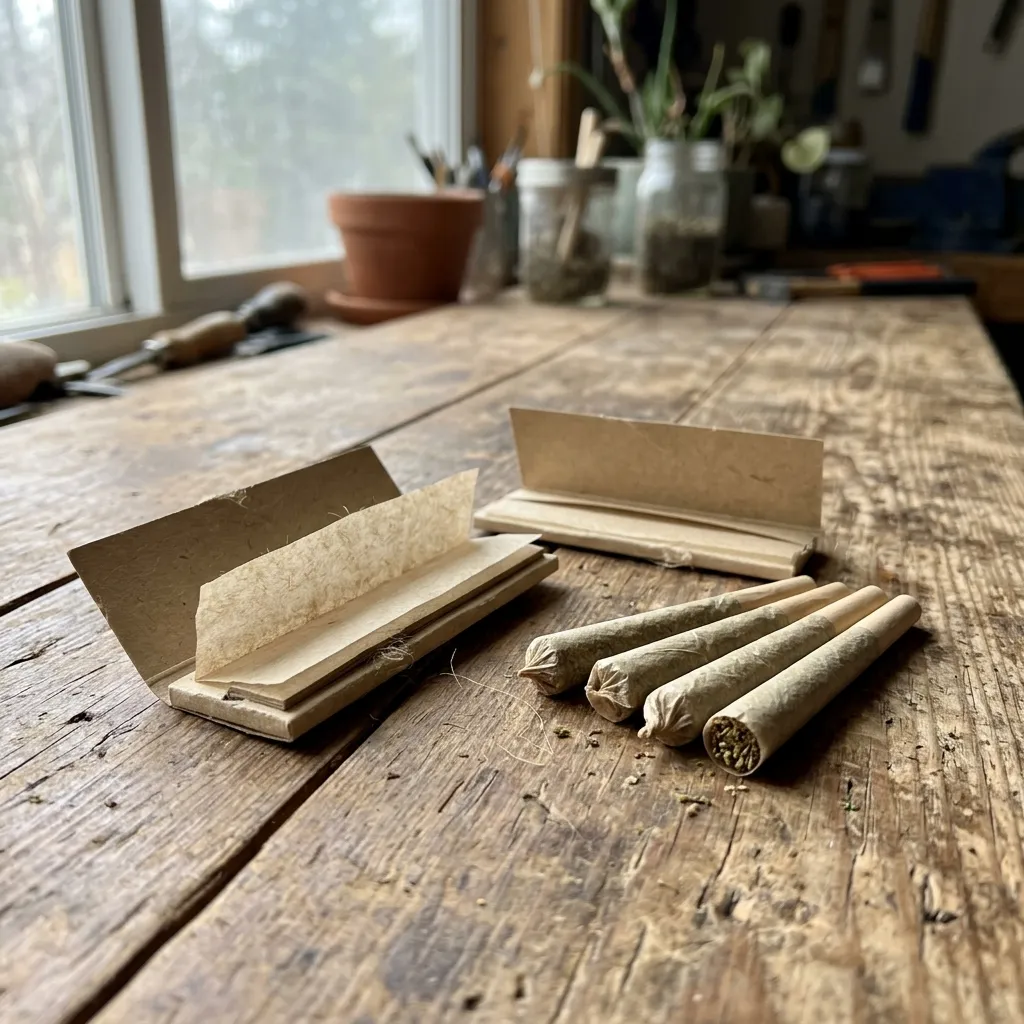
I’ve covered the wholesale sourcing and FTC compliance angle on this topic in more depth separately at https://ace-rolling.com/are-biodegradable-rolling-papers-sold-wholesale/. This piece focuses specifically on the technical distinction between the two terms themselves.
What Does “Compostable” Actually Require That “Biodegradable” Doesn’t?
I start here because this is the core distinction everything else builds on.
Compostable requires meeting a specific certification standard—breaking down into non-toxic components within a defined timeframe under defined conditions, verified by third-party testing; biodegradable simply means a material breaks down eventually, with no required timeframe, no required conditions, and no universal testing standard behind the word.
I explain this distinction to brands as: compostable is a claim you can prove with a certificate, and biodegradable is a claim you’re mostly asserting. That gap is exactly why regulators scrutinize “biodegradable” claims more heavily—there’s no standard backing it up unless a brand voluntarily adds specific, testable language.
| Claim element | Compostable | Biodegradable (unqualified) |
|---|---|---|
| Certification required | Ja | Nein |
| Timeframe specified | Ja | Nein |
| Third-party tested | Ja | Not required |
Is There a Guaranteed Timeframe Behind Either Term on Its Own?
This is where I see the most confusion in brand marketing copy.
Compostable certification standards specify an actual timeframe, often measured in weeks to months under industrial conditions; “biodegradable” alone carries no timeframe commitment at all—something could technically be biodegradable over years or decades and the word itself wouldn’t be inaccurate, which is precisely the problem.
I tell brands that “biodegradable” without a timeframe attached is one of the vaguer claims they can make, precisely because it’s technically true for almost any organic material given enough time. That vagueness is what regulators flag—not the word itself, but the absence of a specific, provable claim behind it.
Industrial Compostable vs Home Compostable: Does That Distinction Matter?
I raise this because even “compostable” isn’t a single, uniform claim.
Yes—industrial compostable certification assumes controlled facility conditions most consumers don’t have access to, while home compostable certification is a separate, stricter standard proving breakdown under typical backyard composting conditions; these are not interchangeable, and using the wrong one misleads consumers about what they can actually do with the product.
I ask brands specifically which certification they hold before allowing either claim in marketing copy, because an industrial-only certified product marketed as simply “compostable” without qualification implies most consumers can compost it at home, which isn’t accurate and is exactly the kind of gap regulators look for.
| Laufzeit | Requires certification? | Timeframe specified? |
|---|---|---|
| Compostable (industrial) | Ja | Yes, facility conditions |
| Compostable (home) | Yes, separate standard | Yes, backyard conditions |
| Biodegradable (unqualified) | No universal standard | Nein |
Why Doesn’t “Biodegradable” Have One Universal Certification?
This is a fair question buyers ask once they understand the gap.
Because “biodegradable” describes a general process—breaking down through natural biological activity—rather than a specific, measurable outcome within a set timeframe, it’s inherently harder to standardize into one testable certification the way “compostable” has been through defined standards bodies.

Some regions and standards bodies have introduced more specific biodegradability testing frameworks, but none function as the single, universally recognized standard the way certified compostable testing does. This is exactly why I push brands toward compostable claims with certification behind them whenever the product can actually support it.
Which of the Two Terms Actually Requires Third-Party Testing?
I make this the deciding factor when a brand asks which term is “safer” to use.
Compostable claims require third-party laboratory testing against a named standard before certification is granted; “biodegradable” claims can legally be made in many jurisdictions without any third-party testing at all, which is exactly why it’s the riskier claim to lean on without additional evidence behind it.
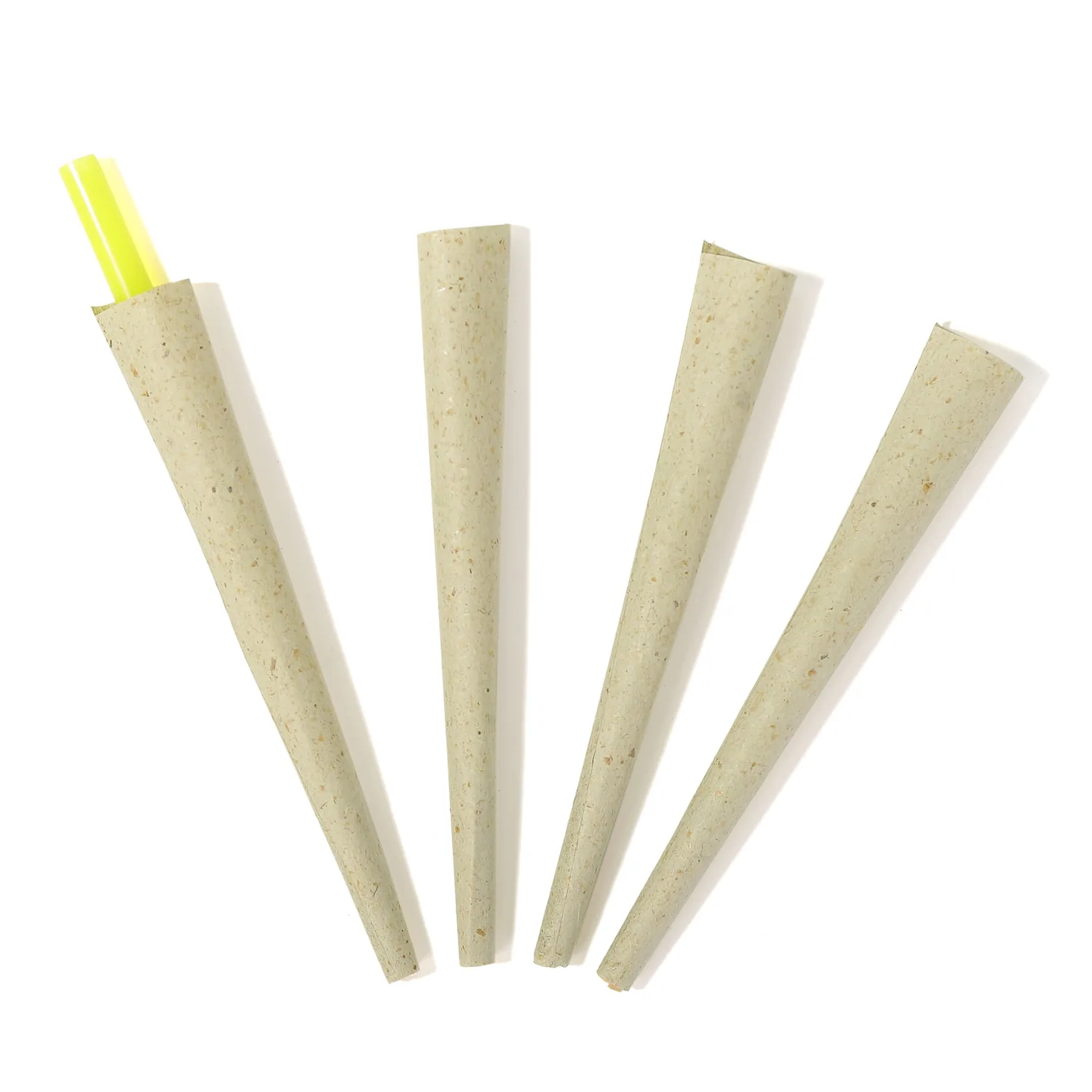
I tell brands that if they want a claim they can defend with documentation on request, compostable with a named certification is the stronger position. An unqualified biodegradable claim leaves you relying on the word’s general truth rather than a specific test result you can produce if challenged.
How Should a Brand Actually Talk About This Without Overclaiming?
I’d rather give brands language that holds up than let them guess and risk a warning letter.
Use “compostable” only with a specific certification standard named alongside it (industrial or home), and avoid unqualified “biodegradable” claims unless you can point to a specific timeframe and testing method behind the statement—vague environmental language without backing evidence is the highest-risk category of claim.
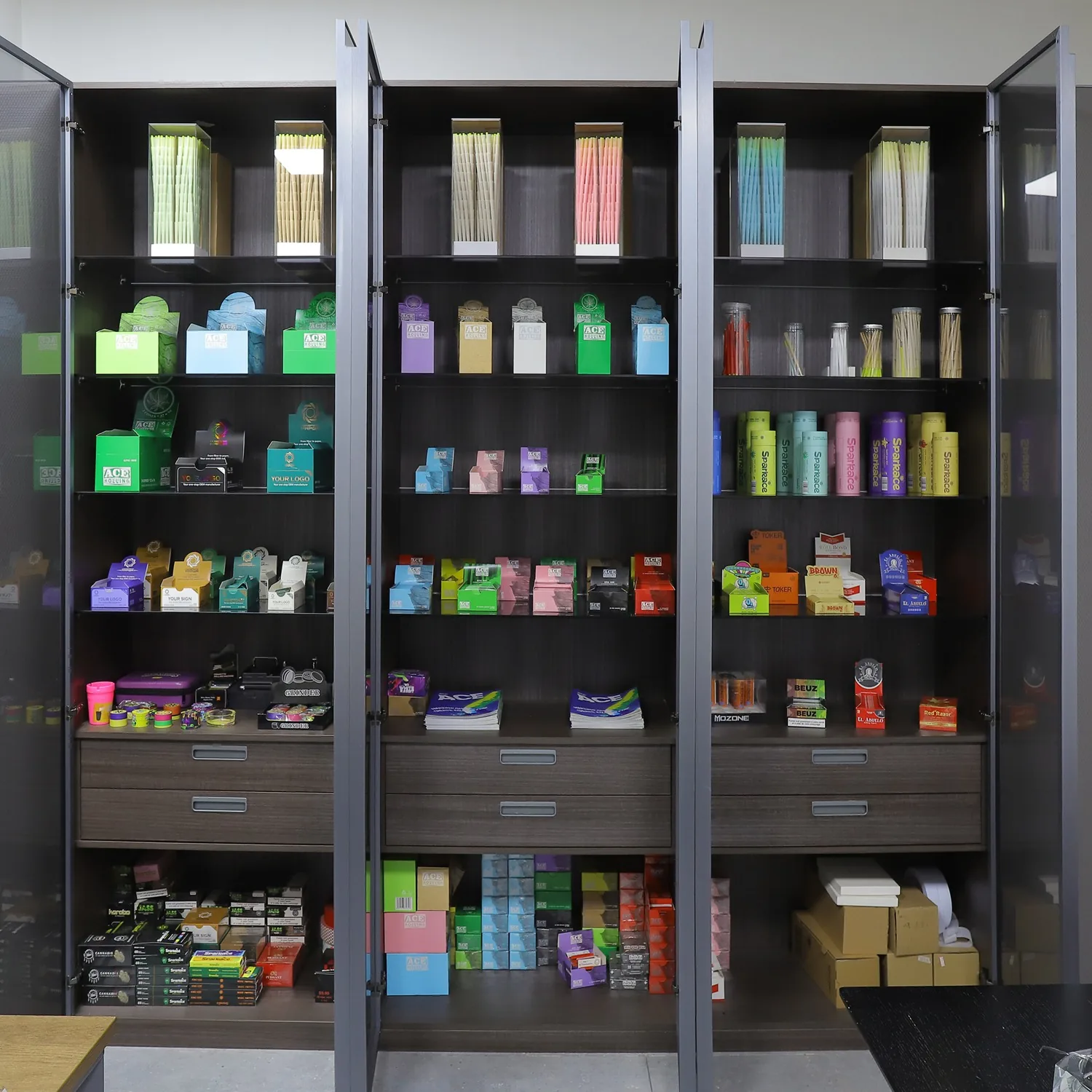
I’ve drafted green-claims-safe copy for brands before, and the pattern is always the same: name the specific standard, name the specific timeframe, and avoid the unqualified version of either word standing alone in headline marketing copy.
FAQ
What’s the real difference between biodegradable and compostable?
Compostable requires a specific certification standard proving breakdown into non-toxic components within a defined timeframe under defined conditions, verified by third-party testing. Biodegradable simply means a material breaks down eventually, with no required timeframe, no required conditions, and no universal testing standard behind the word.
Is there a specific timeframe attached to “biodegradable” claims?
No. Certified compostable standards specify an actual timeframe, often weeks to months under defined conditions. “Biodegradable” alone carries no timeframe commitment at all—something could technically be biodegradable over decades and the word itself still wouldn’t be inaccurate, which is the core vagueness problem with the unqualified term.
Is industrial compostable the same as home compostable?
No, these are separate certification standards. Industrial compostable certification assumes controlled facility conditions most consumers don’t have access to, while home compostable certification proves breakdown under typical backyard composting conditions. Using the wrong term for your actual certification misleads consumers about what they can do with the product.
Why isn’t there one universal certification for “biodegradable” claims?
Because biodegradable describes a general biological breakdown process rather than a specific, measurable outcome within a set timeframe, making it inherently harder to standardize into one testable certification. Compostable, by contrast, has defined standards bodies and testing protocols behind it, which is why it’s the more provable, specific claim.
How should a brand word an environmental claim to stay compliant?
Use “compostable” only alongside a named specific certification standard (industrial or home), and avoid unqualified “biodegradable” claims unless you can point to a specific timeframe and testing method behind the statement. Vague environmental wording without named evidence behind it is the highest-risk category of green claim.
Does Ace Rolling offer papers with a specific composability certification?
Ace Rolling can discuss composition and sourcing details for buyers considering a certified compostable claim on their program, though the specific certification available depends on your paper and material selection. Confirm your target certification standard with us before finalizing marketing copy that references it.
Want Help Wording an Environmental Claim Correctly?
Tell me which specific certification you’re targeting, and I’ll help you confirm what your program can actually support.
- Quality & certifications: https://ace-rolling.com/quality-certifications/
- Custom rolling papers: https://ace-rolling.com/custom-rolling-papers/
- Quote: https://ace-rolling.com/contact/