
I get asked for a single target density number constantly, and the honest answer depends heavily on your specific fill material. There’s a real range, though, and I can walk you toward it.
Pack too loosely and the cone burns too fast, falls apart, or delivers a weak draw; pack too tightly and airflow gets restricted, the draw becomes difficult, and burn can turn uneven or self-extinguish—the right density sits in a middle range that depends on your specific fill material’s texture and moisture, confirmed through sampling, not a single universal number.
Read this and you’ll know how to actually find that range for your specific fill material, instead of chasing one number that may not apply to your product.
This connects directly to canoeing risk, which I’ve covered in more depth separately at https://ace-rolling.com/what-causes-canoeing-in-pre-rolls-and-how-do-you-stop-it/, since packing density is one of the main contributors there too.
What Actually Happens If You Pack a Cone Too Loosely?
I start with the under-packed side, since it’s the more common complaint I hear about.
An under-packed cone burns faster because there’s less material and more air pocket space for the flame to consume quickly, often delivering a weaker, less satisfying draw and a higher risk the structure loosens or falls apart during handling before it’s even lit.
I flag this to brands doing their own hand-filling especially, since under-packing tends to happen when someone is trying to conserve fill material cost per unit without realizing the tradeoff in perceived product quality and consumer complaint rate that comes with it.
| Sign | Likely cause |
|---|---|
| Burns through unusually fast | Under-packed, too much air pocket |
| Hard to draw, feels stuffed | Over-packed, restricted airflow |
| Falls apart before lighting | Under-packed, insufficient structure |
What Actually Happens If You Pack a Cone Too Tightly?
The over-packed side has a different but equally real set of problems.
An over-packed cone restricts airflow through the fill material, making the draw harder to pull and sometimes causing the cone to burn unevenly or self-extinguish between uses—tight packing doesn’t just waste material relative to the target fill weight, it can actively hurt the smoking experience.
I’ve seen brands overcorrect toward over-packing specifically to avoid under-packing complaints, without realizing they’ve traded one complaint category for a different one. Neither extreme is a safe default—the goal is the middle range, not maximizing density.
Is There an Actual “Sweet Spot” Packing Density?
Buyers want a concrete answer here, and there is a real range, just not a single universal number.
Yes, a middle-density range exists where the fill material is compact enough to hold structure and burn consistently, but loose enough to allow adequate airflow through the draw—this range needs to be confirmed against your specific fill material’s texture and moisture level through actual sampling.
I don’t give buyers one universal gram-per-cubic-centimeter figure and call it done, because the same density target can feel different depending on how the specific fill material compresses. Sampling at a few density levels and getting direct feedback is more reliable than any single reference number.
| Packing level | Common issue |
|---|---|
| Under-packed | Fast burn, weak draw, structural looseness |
| Sweet spot | Consistent burn, adequate airflow |
| Over-packed | Restricted draw, uneven burn, self-extinguishing |
Does the Fill Material Itself Change the Right Density Target?
This is why I resist giving one fixed number regardless of the material.
Yes—finer, denser fill materials pack differently than coarser, airier ones, and moisture content also changes how the same volume compresses, so the ideal density target shifts depending on your specific fill material rather than staying constant across every product.
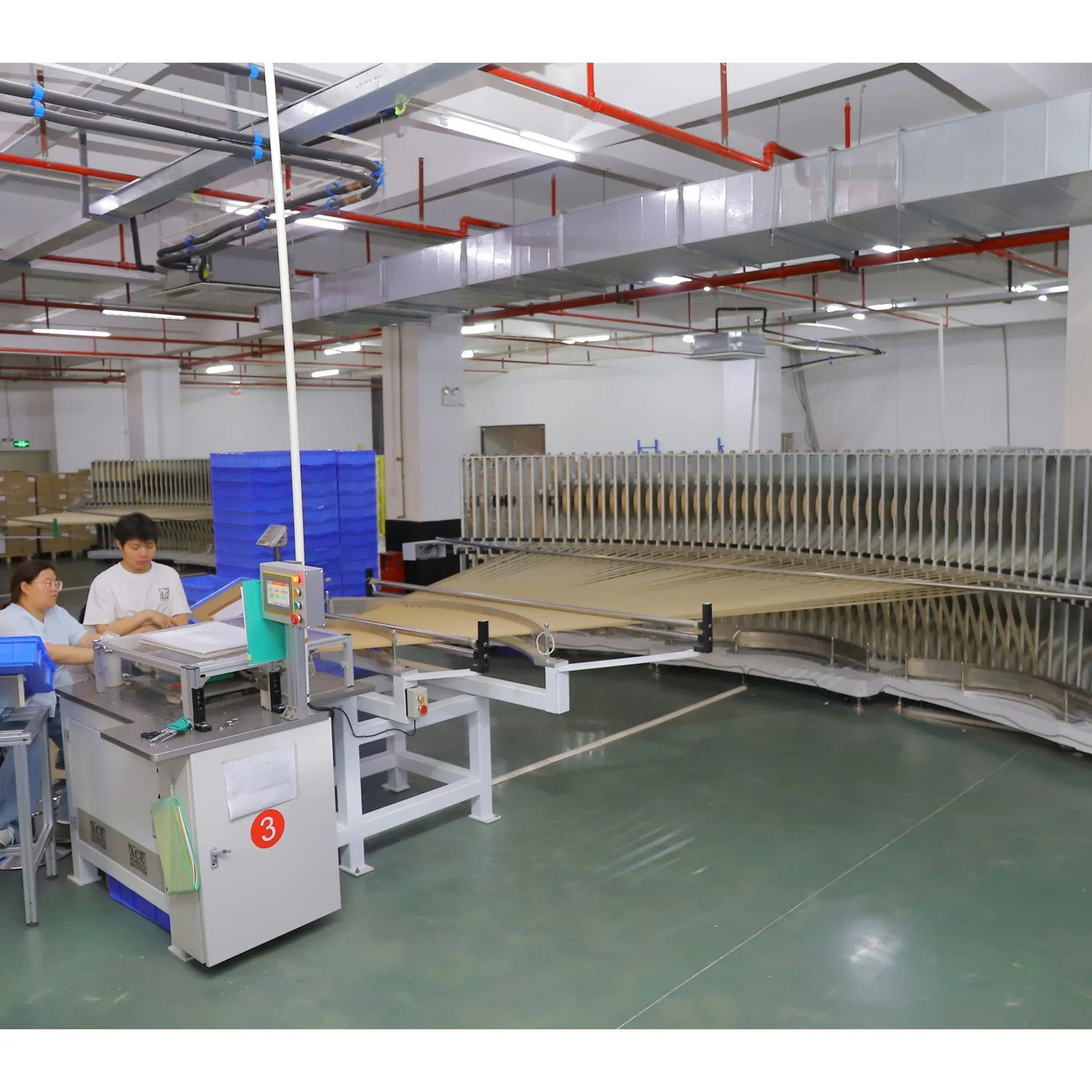
I always ask what fill material a brand is using before giving any density guidance, because a recommendation calibrated for one texture profile can be meaningfully wrong for another. This is a case where a generic answer genuinely risks being unhelpful.
How Do You Calibrate a Filling Machine to Hit That Target Consistently?
Once you know your target range, this is about holding it consistently across a production run.
Set your filling machine’s pressure or dosing parameters based on sample-and-weigh results at a few settings, confirm the resulting density falls in your target range through actual test units, then lock that setting and monitor it against fill weight variance QC throughout the run.
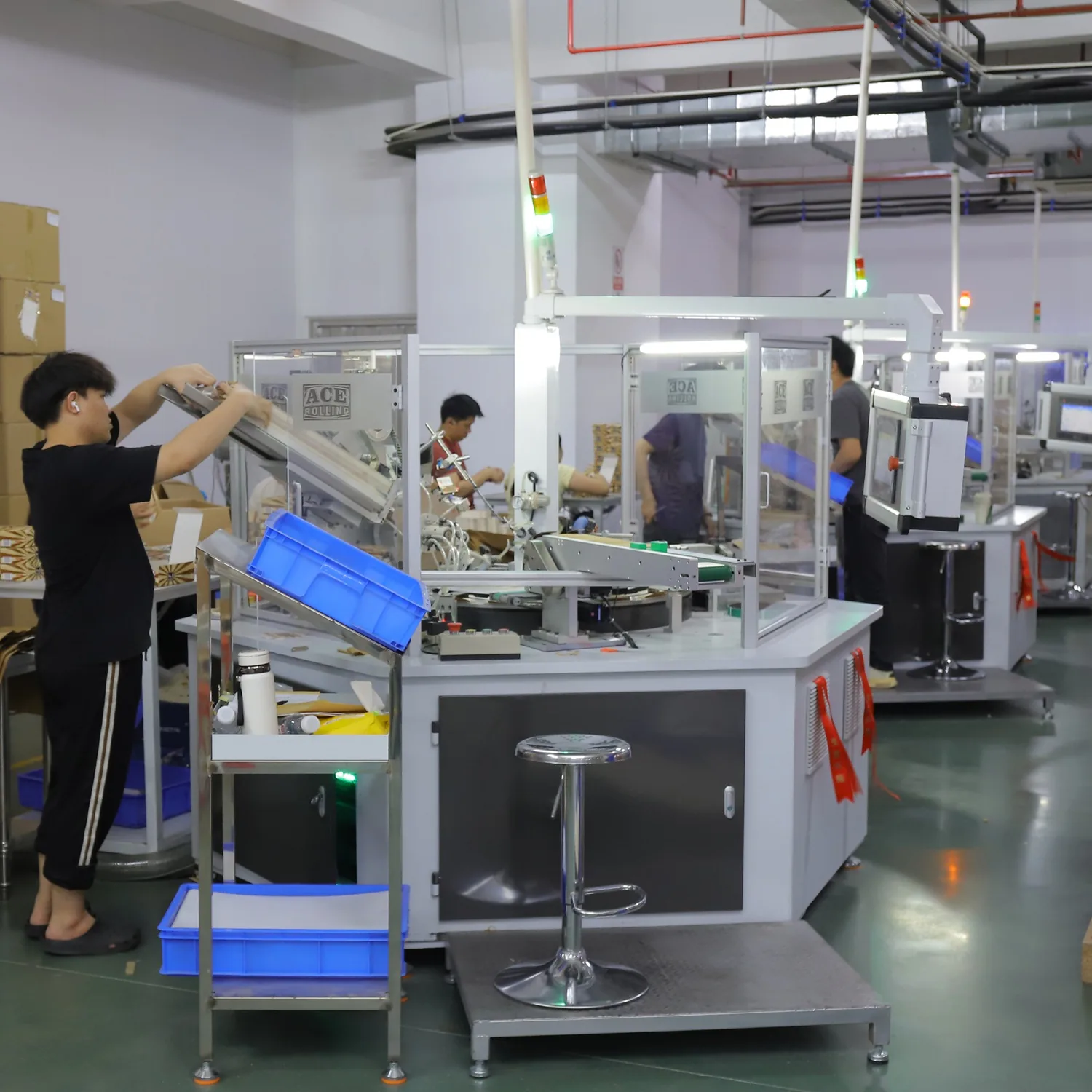
I’ve covered fill weight variance QC in more depth separately at https://ace-rolling.com/how-do-you-quality-check-pre-roll-fill-weight-variance/, and the two topics connect directly: the calibration step sets your target, and ongoing QC confirms the machine holds that target throughout the run rather than drifting.
How Do You Confirm Packing Density Is Right Before Scaling to Full Production?
I’d rather have a buyer confirm this on a small batch than discover an issue at full volume.
Run a small test batch at your calibrated setting, have a few people actually smoke-test units for draw and burn consistency, and only lock the setting for full production once that feedback confirms the density sits in your target range.
Ace’s cone programs quote from roughly USD $0.04–$0.06 per cone wholesale, and we can discuss target fill density alongside your specific fill material during sampling.
FAQ
How tight should you actually pack a pre-rolled cone?
Aim for a middle-density range where the fill material holds structure and burns consistently while still allowing adequate airflow through the draw. The exact target depends on your specific fill material’s texture and moisture level, confirmed through sampling rather than one universal number applied across every product.
What happens if a pre-rolled cone is packed too loosely?
An under-packed cone burns faster because there’s more air pocket space for the flame to consume quickly, often delivering a weaker draw and a higher risk the structure loosens or falls apart during handling. Under-packing sometimes happens when a brand is trying to conserve fill material cost per unit.
What happens if a pre-rolled cone is packed too tightly?
An over-packed cone restricts airflow through the fill material, making the draw harder to pull and sometimes causing uneven burning or self-extinguishing between uses. Over-packing doesn’t just waste material relative to target fill weight, it can actively hurt the smoking experience.
Does the type of fill material change the ideal packing density?
Yes. Finer, denser fill materials pack differently than coarser, airier ones, and moisture content also changes how the same volume compresses. The ideal density target shifts depending on your specific fill material rather than staying constant, which is why sampling matters more than a fixed universal figure.
How do I make sure my filling machine holds the right density consistently?
Set pressure or dosing parameters based on sample-and-weigh results at a few settings, confirm the resulting density falls in your target range through test units, then lock that setting and monitor it against ongoing fill weight variance QC throughout the full production run.
Can Ace Rolling help me find the right packing density for my fill material?
Yes, Ace Rolling can discuss target fill density alongside your specific fill material during the sampling process, using test batches to confirm the density holds up under actual smoke-testing feedback. Cone programs quote from roughly USD $0.04–$0.06 per cone wholesale, with MOQ applying by size.
Ready to Confirm Your Target Packing Density?
Tell me your fill material, and I’ll help you sample toward the right density range.
- Pre-rolled cones: https://ace-rolling.com/pre-rolled-cones/
- OEM/ODM programs: https://ace-rolling.com/oem-odm-rolling-paper-manufacturer/
- Quote: https://ace-rolling.com/contact/