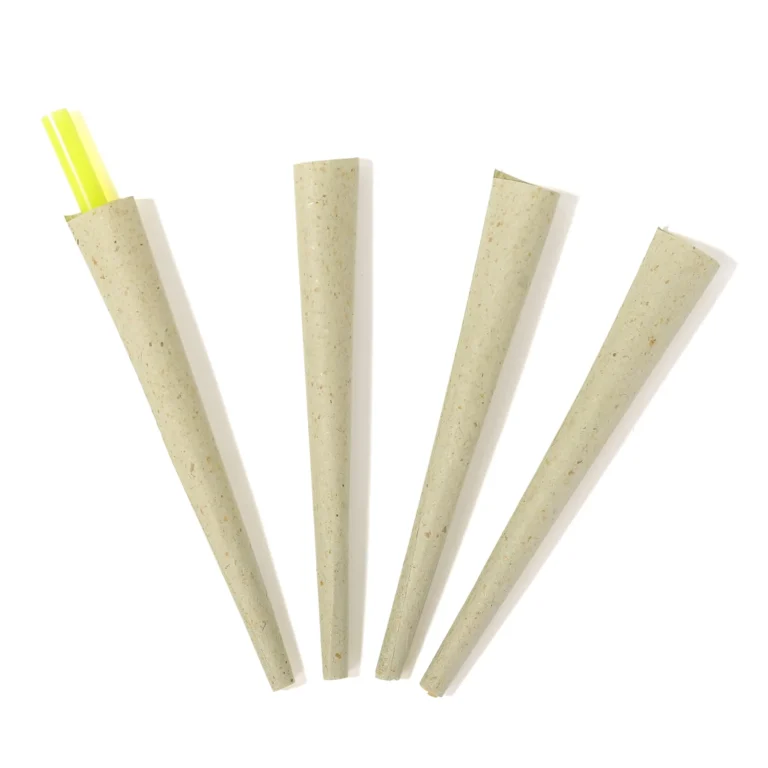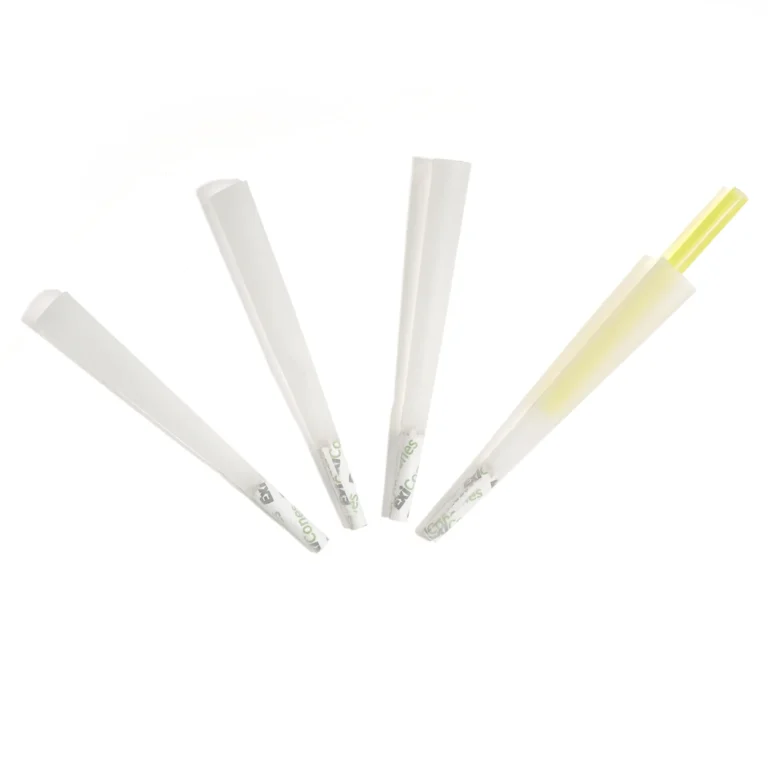

Wie werden individuell bedruckte Filtertips bei Ace hergestellt? Spitzenmaterial wird an einer dedizierten Druckstation bedruckt, bevor es während der Montage geschnitten, geformt und in den Konus eingesetzt wird – der Druck erfolgt vor dem Formen, nicht danach, daher muss das Design darauf ausgelegt sein, wie das flache Material gefaltet und zu seiner endgültigen Spitzenform gerollt wird.
SERP-Konkurrenten wie Thecones Factory skizzieren die Herstellungsschritte hinter individuell bedruckten Filtertips. Dieser Leitfaden führt durch den eigentlichen Produktionsprozess, der sich von einem kundenorientierten Bestell-/Briefing-Leitfaden unterscheidet, der anderswo behandelt wird.
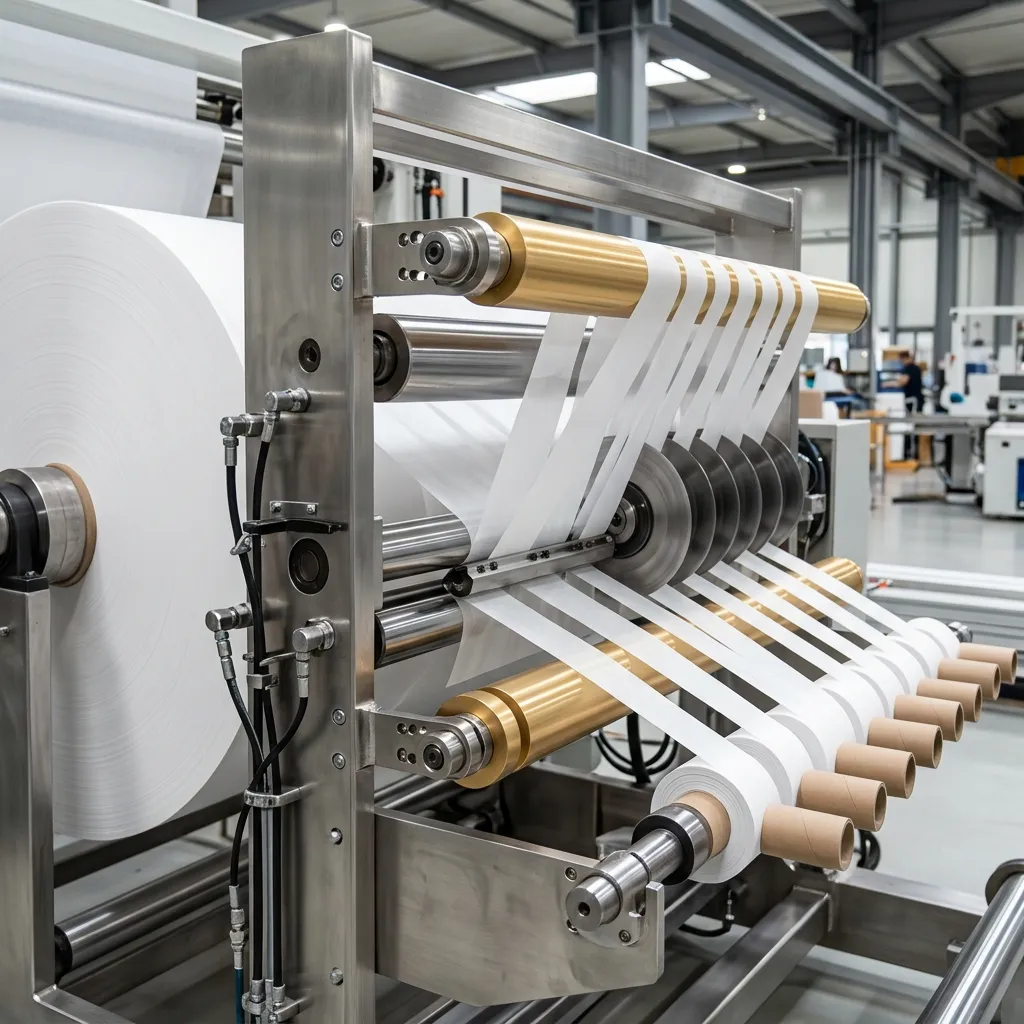
Welches Spitzenmaterial wird an die Druckstation zugeführt?
Einleitung: Das Basismaterial beginnt als flaches, unbedrucktes Material, bevor irgendwelche Konvertierungsschritte erfolgen.
Zusammenfassung: Das Tip-Papiermaterial kommt als durchgehende Rolle oder vorgeschnittene flache Bahn, unbedruckt, auf die Verarbeitungslinie. Dieses flache Material ist das Substrat, das später bedruckt, auf Größe geschnitten und zur gerollten Tip-Form geformt wird—das Verständnis dieses Ausgangszustands hilft zu erklären, warum die Druckplatzierung wichtig ist, bevor die Formung erfolgt.
| Stufe | Zustand |
|---|---|
| Eingehendes Material | Flache, unbedruckte Rolle oder Bahn |
| Nach der Druckstation | Flach, bedruckt |
| Nach dem Formen | Gerollte, eingesetzte Spitzenform |
Wesentliche Erkenntnis: Spitzenmaterial beginnt flach und unbedruckt – jede Druck- und Schneidentscheidung erfolgt, bevor die endgültige gerollte Form existiert.
Benutzerdefinierte Papiere: https://ace-rolling.com/custom-rolling-papers/.
Wie bringt die Druckstation individuelle Grafiken auf das flache Material auf?
Einleitung: Der Druck erfolgt auf dem flachen Substrat, positioniert, um den Formungsschritt zu überstehen.
Zusammenfassung: Die Druckstation bringt Logo-, Farb- oder Musterdesigns auf das flache Spitzenmaterial auf, indem sie den Druckprozess der Konvertierungslinie nutzt. Die Platzierung des Designs muss berücksichtigen, wie das flache Material später gefaltet und gerollt wird, da ein Design, das flach korrekt aussieht, sich verschieben, verzerren oder teilweise verstecken kann, sobald die Spitze geformt ist.

| Drucküberlegung | Warum es wichtig ist |
|---|---|
| Platzierung des flachen Designs | Muss die endgültige gerollte Form voraussehen |
| Farb-/Musterauftrag | Vor dem Schneiden/Formen aufgebracht |
| Risiko der Designverzerrung | Mit einem geformten Muster bestätigen, nicht mit einem flachen Proof |
Wesentliche Erkenntnis: Genehmigen Sie das Design an einem tatsächlich geformten Spitzenmuster, nicht nur an einem flach gedruckten Proof – das Formen kann die Lesbarkeit des Designs verschieben.
Probenprozess: https://ace-rolling.com/how-to-get-a-custom-rolling-paper-sample-kit/.
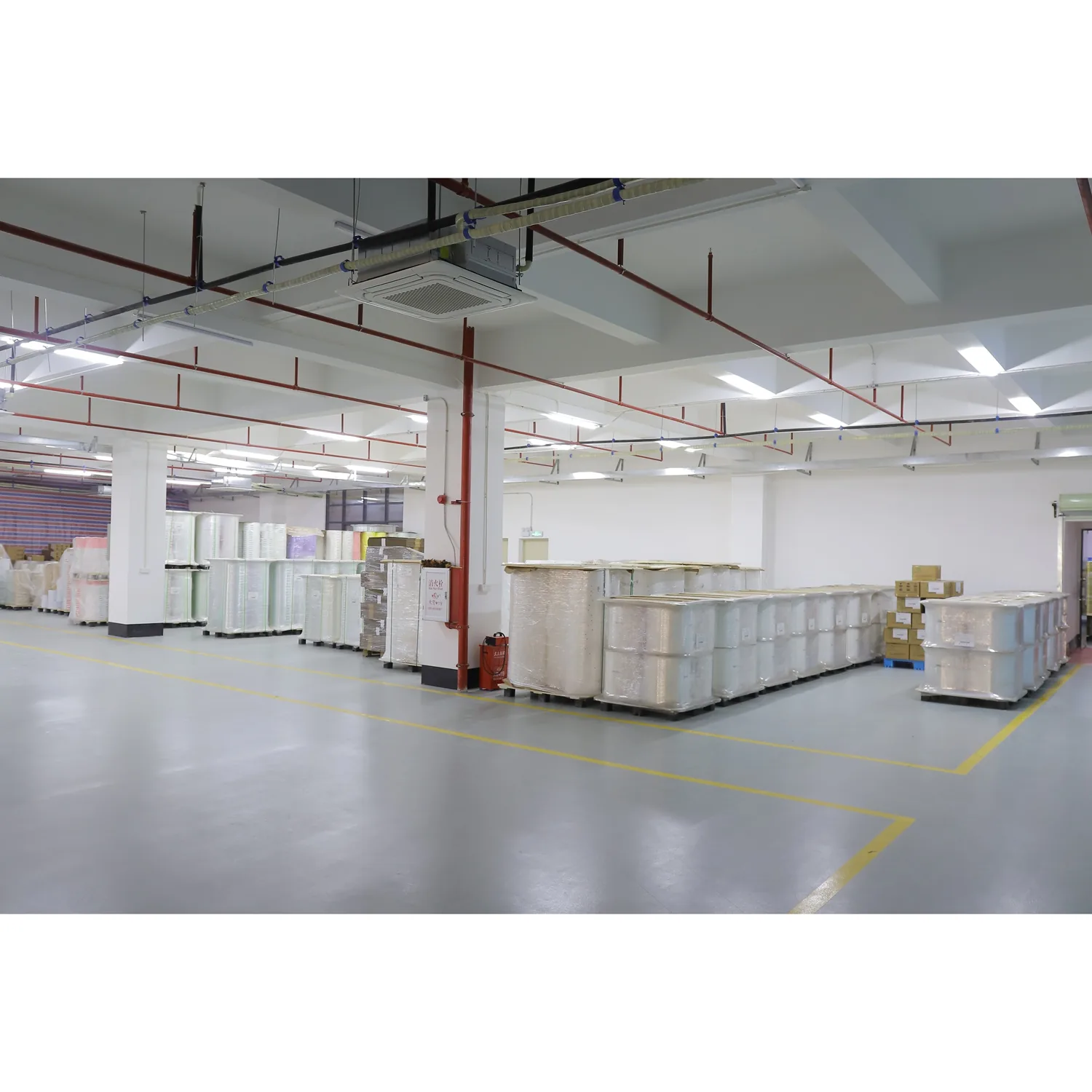
Wie wird bedrucktes Material auf die richtigen Spitzenabmessungen geschnitten?
Einleitung: Das Schneiden formt das flache bedruckte Blatt in die richtige Rohlinggröße für das Formen.
Zusammenfassung: Nach dem Druck wird das Material auf die präzisen Rohlingabmessungen für den gewünschten Spitzendurchmesser und die Länge geschnitten. Die Schnittpräzision hier beeinflusst direkt, wie konsistent die Spitze später geformt und platziert wird – ungleichmäßiges Schneiden kann zu variabler Passform führen, selbst bei korrekt bedrucktem Design.
| Schritt | Zweck |
|---|---|
| Auf Rohlinggröße zuschneiden | Legt Abmessungen für das Formen fest |
| Präzision erforderlich | Beeinflusst die endgültige Passgenauigkeit |
| Auswirkungen nachgelagert | Unregelmäßige Schnitte führen zu variabler Sitzposition |
Wesentliche Erkenntnis: Die Schnittpräzision ist genauso wichtig wie die Druckqualität—ein gut bedrucktes, aber schlecht geschnittenes Rohmaterial verursacht dennoch Passungsprobleme.
Qualitätsdokumentation: https://ace-rolling.com/quality-certifications/.
Wie wird der bedruckte Rohling zu einer gerollten Spitzenform geformt?
Einleitung: Das Formen faltet und rollt den flachen, bedruckten, geschnittenen Rohling in seine endgültige Form.
Zusammenfassung: Der geschnittene Rohling wird je nach angegebenem Spitzenstil gefaltet und zur endgültigen zylindrischen oder Ziehharmonika-Form gerollt. In diesem Formungsschritt wird das flache gedruckte Design zu einer dreidimensionalen Spitze – alle früheren Entscheidungen zur Druckplatzierung zeigen hier erstmals ihr reales Ergebnis.

| Formschritt | Unter 2 Stunden Durchschnitt |
|---|---|
| Falten | Erzeugt Akkordeonstruktur (falls zutreffend) |
| Rollen | Erzeugt zylindrische Spitzenform |
| Erste Sichtprüfung | Bestätigt die Druckplatzierung in der endgültigen Form |
Wesentliche Erkenntnis: Forming is the moment print placement decisions become visible in 3D—inspect formed samples carefully at this stage.
Benutzerdefinierte Papiere: https://ace-rolling.com/custom-rolling-papers/.
How Is the Formed Tip Seated Into the Cone or Booklet Assembly?
Lead-in: The finished tip integrates into the larger product during assembly.
Summary: Once formed, the printed tip is seated into the cone’s mouth end (for pre-rolled cones) or prepared as a standalone tip product, depending on the order type. This assembly step confirms fit and function together—a well-printed, well-formed tip still needs to seat correctly in its final product context.
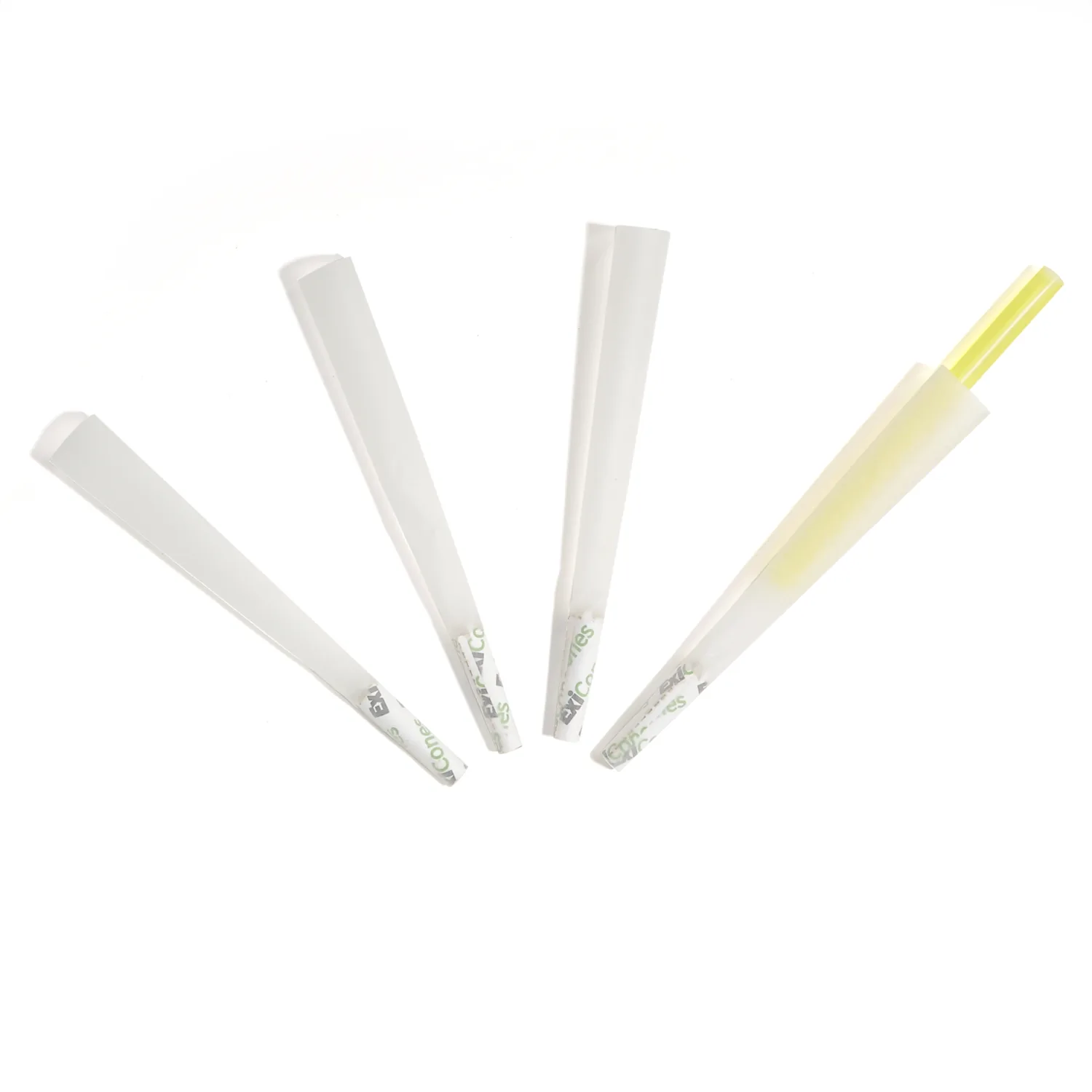
| Assembly context | Integration point |
|---|---|
| Vorgerollter Kegel | Seated at mouth end during cone assembly |
| Standalone tip product | Packaged as its own SKU |
Wesentliche Erkenntnis: Confirm the tip’s fit in its actual final product context, not just as a standalone formed piece.
Cone-Optionen: https://ace-rolling.com/pre-rolled-cones/.
What Quality Checks Happen Across This Manufacturing Process?
Lead-in: Each stage has its own checkpoint before moving to the next.
Summary: In-process QC checks print registration and color accuracy after the print station, dimensional accuracy after cutting, and fit/seating consistency after forming and assembly. Ace’s ISO 9001:2015 quality management framework documents checkpoints across these stages rather than relying on a single final inspection alone.

| Stufe | QC checkpoint |
|---|---|
| After printing | Registration, color accuracy |
| After cutting | Dimensional accuracy |
| After forming/assembly | Fit and seating consistency |
Wesentliche Erkenntnis: Multi-stage QC catches issues earlier than a single final inspection—ask your supplier how their checkpoints are structured.
Quality & certifications: https://ace-rolling.com/quality-certifications/.
How Do You Brief a Custom Printed Tip Manufacturing Order?
Lead-in: Understanding the process helps you brief artwork and specs more precisely.
Summary: Send Ace your artwork (designed with forming in mind), tip stock material, target diameter and length, and quantity. Request a formed sample—not just a flat print proof—to confirm how the design reads once rolled, and confirm fit in the actual final product context before mass approval.
| Schritt | Aktion |
|---|---|
| 1 | Design artwork accounting for forming |
| 2 | Confirm tip stock and dimensions |
| 3 | Approve formed sample (not flat proof) |
| 4 | Confirm fit in final product context |
| 5 | Mass after approvals |
Wesentliche Erkenntnis: Design and approve artwork with the forming step in mind from the start—it changes how the final design actually looks.
Start: https://ace-rolling.com/contact/.
FAQ
Wie werden individuell bedruckte Filtertips bei Ace hergestellt?
Tip stock is fed as flat, unprinted material onto a print station where custom artwork is applied, then cut to the correct blank dimensions, formed into the rolled tip shape, and seated into the cone or packaged as a standalone product. Print happens before forming, so artwork must be designed with the final rolled shape in mind.
Why does print placement need to account for the forming step?
Because printing happens on flat stock before the tip is folded and rolled into its final shape, a design that looks correct on a flat proof can shift, distort, or partially hide once formed. This is why approving artwork on an actual formed tip sample matters more than approving a flat printed proof alone.
Does cutting precision matter as much as print quality for custom tips?
Yes. After printing, the stock is cut to precise blank dimensions needed for the target tip diameter and length, and cutting precision directly affects how consistently the tip forms and seats later. A well-printed but poorly cut blank can still cause variable fit issues, so both print and cutting quality matter together.
What quality checks happen during custom printed tip manufacturing?
In-process QC typically checks print registration and color accuracy after the print station, dimensional accuracy after cutting, and fit or seating consistency after forming and assembly. Ace’s ISO 9001:2015 quality management framework documents checkpoints across these stages rather than relying on a single final inspection at the end of the process.
How is a formed printed tip integrated into a pre-rolled cone?
Once the printed blank is folded and rolled into its final tip shape, it’s seated into the cone’s mouth end during cone assembly, or prepared as a standalone tip product depending on the order type. This assembly step confirms both fit and function together, since a well-formed tip still needs to seat correctly in its final product context.
What should I provide when briefing a custom printed filter tip order?
Send your artwork designed with the forming step in mind, your target tip stock material, diameter, and length, and your target quantity. Request a formed sample rather than just a flat print proof so you can confirm how the design actually reads once rolled, and confirm fit in the final product context before approving mass production.
Ready to Brief a Custom Printed Tip Manufacturing Order?
Design artwork with forming in mind, then approve a formed sample before mass production.
- Custom papers: https://ace-rolling.com/custom-rolling-papers/
- Sample process: https://ace-rolling.com/how-to-get-a-custom-rolling-paper-sample-kit/
- Quote: https://ace-rolling.com/contact/