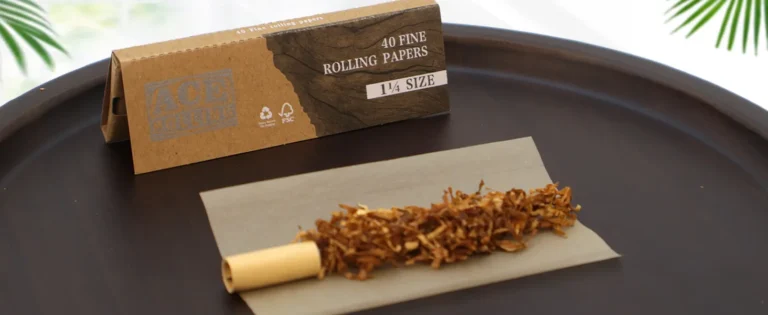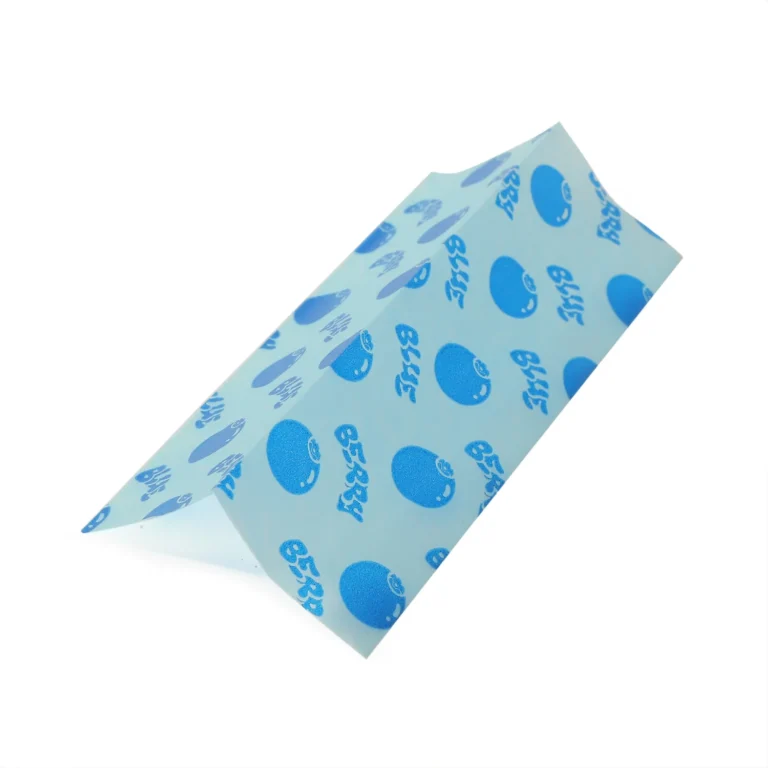

How to start a private label rolling paper brand? Pick a real converter (not a trader), lock a written spec pack, keep sample retains, own your artwork and dielines, and launch on booklets first. MOQ often starts near 2,000 packs with roughly a two-month concept-to-delivery runway.
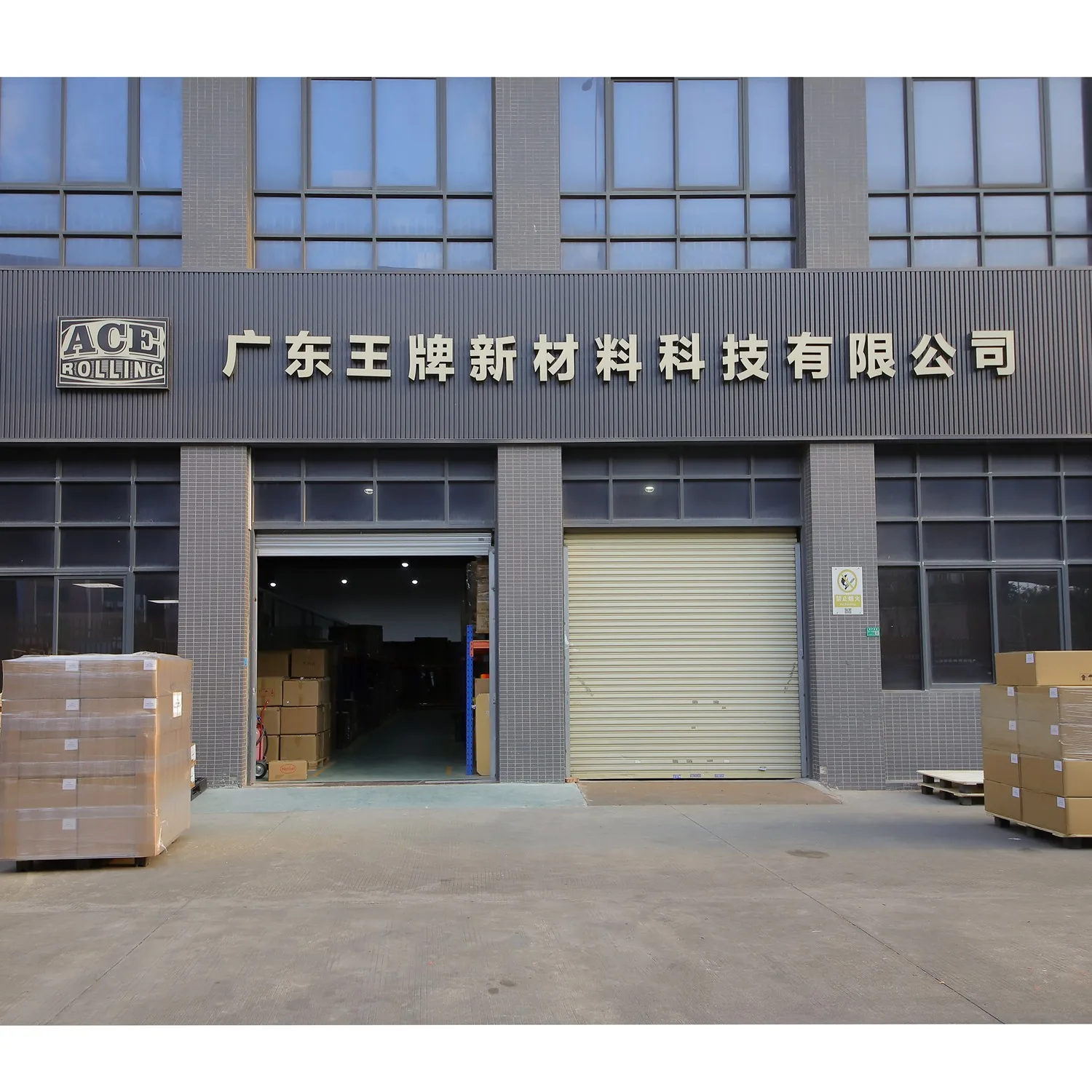
Ace Rolling in Dongguan runs OEM/ODM and private-label programs for booklets and pre-rolled cones under an ISO 9001:2015 framework, with FSC-certified sourcing options and food-grade natural Arabic gum on applicable papers. Peer content like rollyourownpapers.com’s “How to Start a Successful Custom Rolling Paper Brand” is useful market reading — this guide sharpens the *private label* path so a buyer can decide between white-label, private-label, and full-custom OEM without guesswork.
What Does “Private Label” Mean for a Rolling Paper Brand?
Private label sits between off-the-shelf white label and full-custom OEM: you get to shape the brand-facing SKU (paper route, pack format, print, and packaging) on top of the factory’s proven converting platform. It is the fastest way to own a shelf-worthy pack without funding a mill.
In short, private label is where your brand controls the story, and the converter controls the machines. You bring the pack brief; the factory brings the paper, gum, converting line, and QC.

New buyers often confuse the three routes. White label is a stock pack with your logo dropped on top — cheap, fast, but shared with other buyers. Private label lets you specify paper route, size, GSM band, gum, tip presence, count, and packaging while reusing the factory’s tested tooling and dielines. Full-custom OEM adds exclusive materials, exclusive dielines, and often a longer development runway. For a first launch, private label typically wins on speed, unit economics, and risk.
| Route | Who owns spec | Who owns tooling | Typical timeline | Am besten geeignet, wenn |
|---|---|---|---|---|
| White Label | Fabrik | Fabrik | Fastest (in-stock) | Testing a market on borrowed spec |
| Private label | You (spec pack) | Fabrik | ~2 Monate | Owning brand story, reusing proven line |
| Full-custom OEM | You (exclusive) | You / shared | 2–4 months+ | Defensible, patentable, or highly unique SKU |
Wesentliche Erkenntnis: Private label = your brief on the factory’s proven line. Read Ace’s OEM/ODM scope at https://ace-rolling.com/oem-odm-rolling-paper-manufacturer/.
How Do You Pick a Private-Label Converter Instead of a Trader?
The single biggest first-launch mistake is signing with a trader who sub-contracts your order to whichever converter is free. You never see the line, retains disappear, and quality drifts between batches. Filter hard before you send artwork.
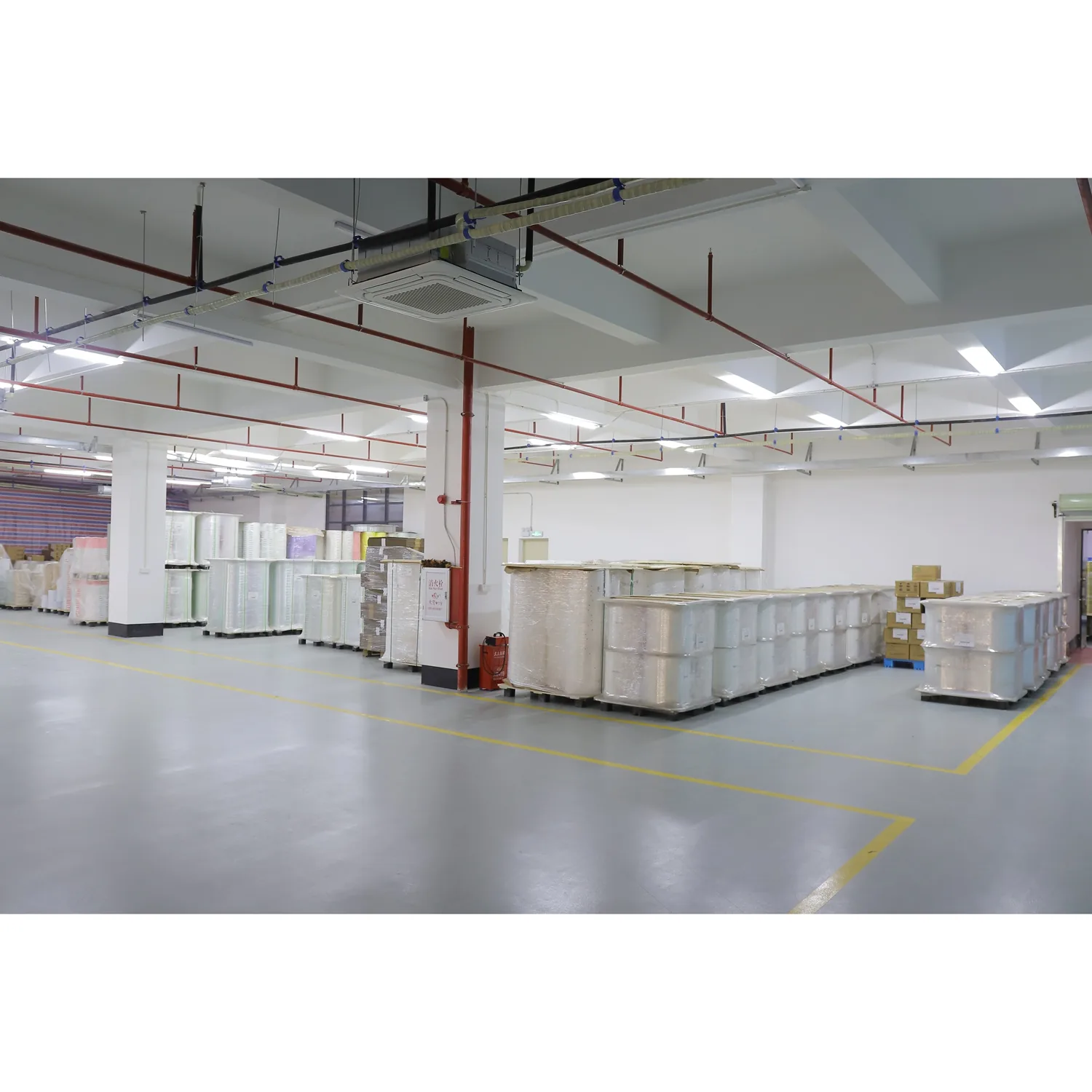
The short filter is simple: a private-label converter runs its own converting lines, publishes a real factory address, retains samples, and signs the QC report themselves.
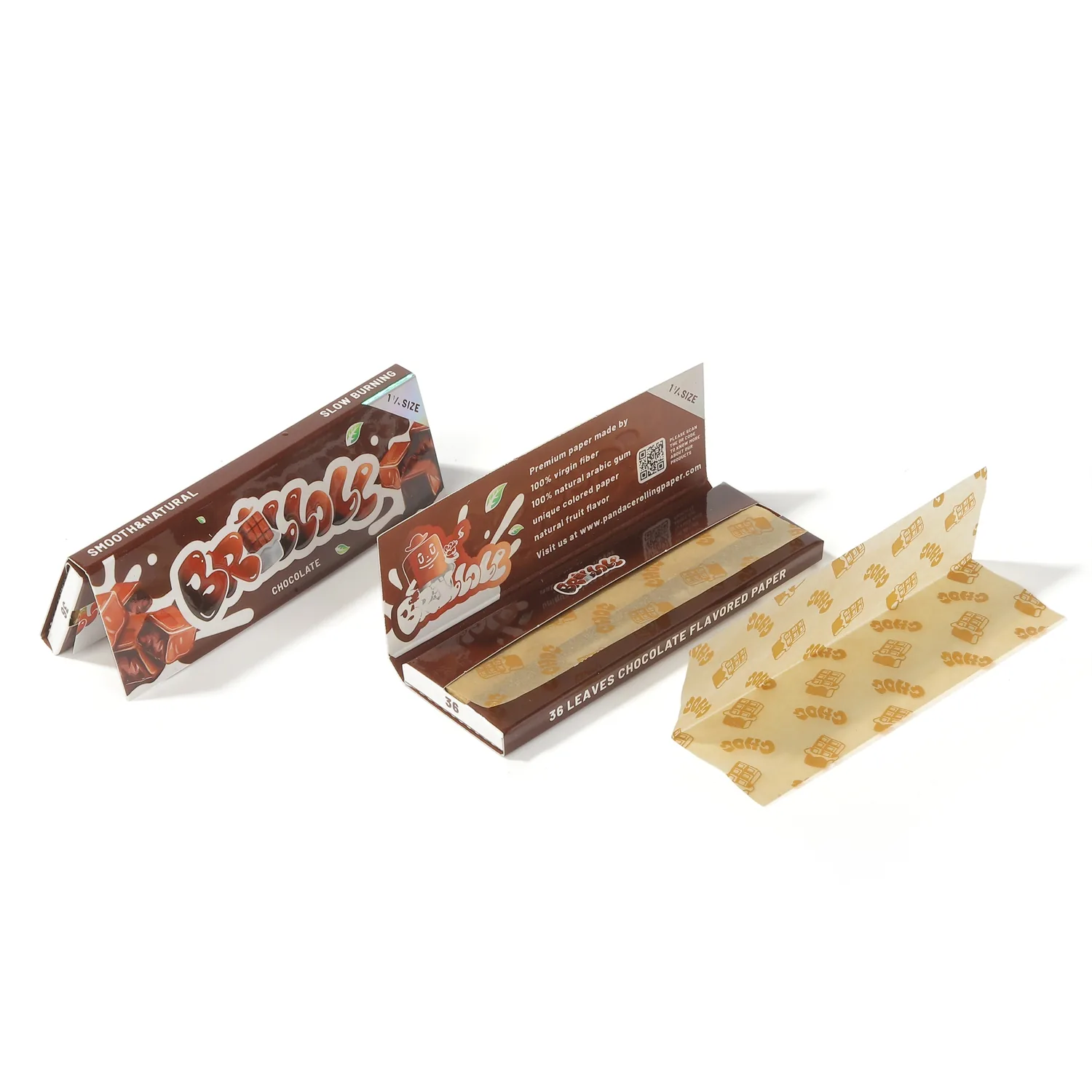
Ask for line photos with today’s date, ISO certificate scope pages (not just the cover), and a named QC contact who can send you a retain from the batch that ships to you. Ask which paper routes they actually convert in-house (white, unbleached, hemp, flax, bamboo, wood pulp, custom color, printed) versus which they buy finished. Ask what the food-grade Arabic gum source is on the applicable SKUs. Traders rarely answer these cleanly; converters do.
| Filter question | Converter answer looks like | Trader answer looks like |
|---|---|---|
| Factory address | Verifiable street + workshop photo | Generic office / no photo |
| ISO 9001:2015 scope | Certificate page listing rolling paper converting | Certificate for unrelated goods |
| Musterbehälter | Kept per batch, referenced by lot | “We can ask the supplier” |
| Line capacity | Booklet + cone lines named | Vague “we can do anything” |
| Named QC contact | One engineer signs the QC sheet | Rotating account manager |
Wesentliche Erkenntnis: A converter answers spec questions in minutes, not weeks. Review Ace’s factory profile at https://ace-rolling.com/about-factory/.
What Spec Pack Should Your Private-Label Brief Include?
The spec pack is the contract behind the artwork. Without it, “same as last time” turns into a coin flip on every reorder. Lock every dimension a converter will otherwise decide for you.
Think of the spec pack as a one-page recipe your converter, your QC, and your reorder team all read the same way.
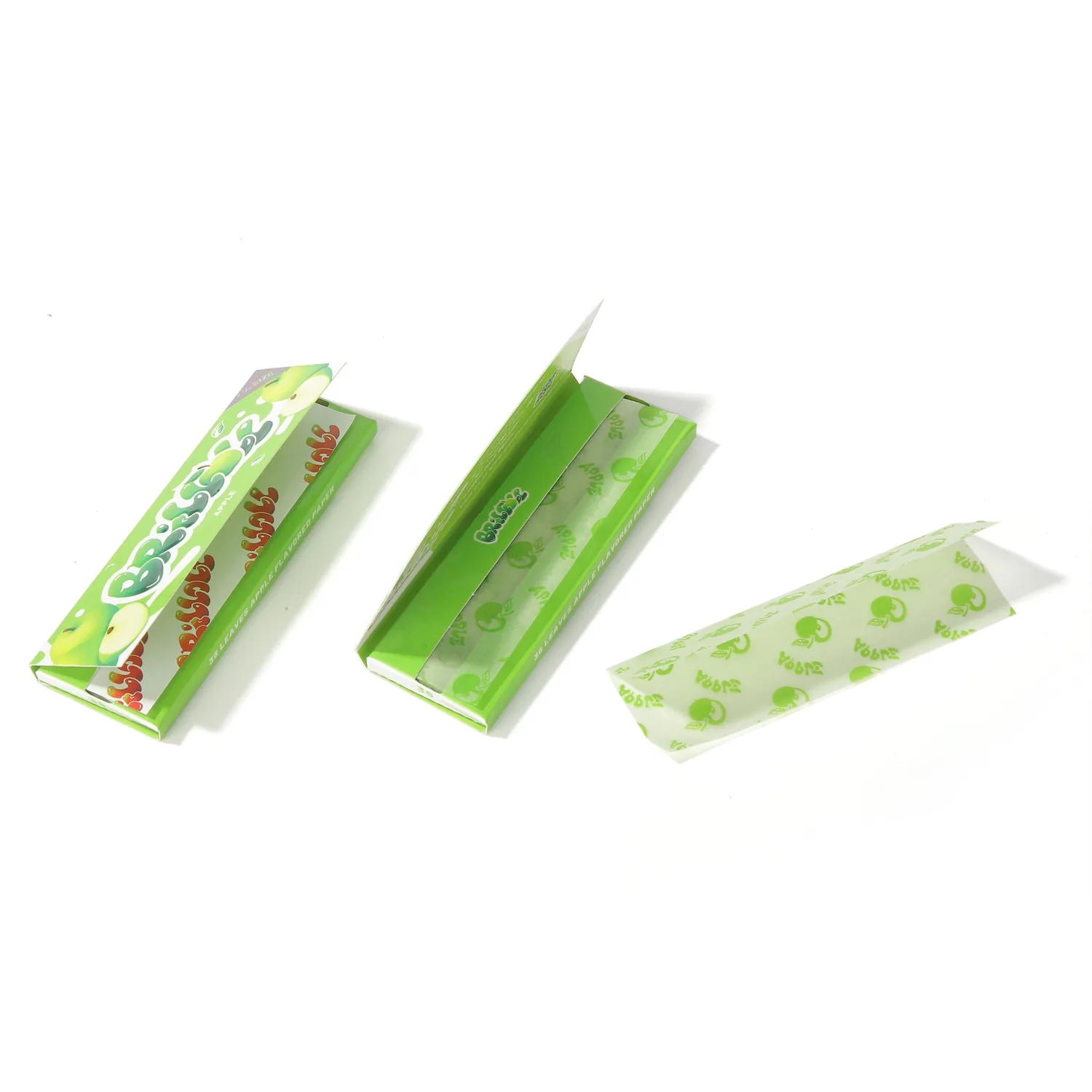
Minimum fields: format (booklet or cone), size (1¼, king slim, 98mm cone, etc.), fiber route (white, unbleached, hemp, flax, bamboo, wood pulp, custom color, printed), GSM band, gum type (natural Arabic gum where applicable), tip included or separate, leaves per booklet or cones per box, cover print (Pantone or CMYK), display box count, master carton count, barcode plan, and burn/seal acceptance criteria. Ace’s booklets typically land at roughly USD $0.07–$0.30 per unit with MOQ; pre-rolled cones typically land at roughly USD $0.04–$0.06 with MOQ, depending on spec.
| Spezifikationsfeld | Sperre vor Kunstwerk | Common mistake |
|---|---|---|
| Format | Booklet vs cone (or both) | Deciding after art is drawn |
| Größe | 1¼ / king slim / 98mm cone | Mixing sizes in one SKU |
| Fiber route | Hemp / unbleached / wood pulp / bamboo / flax / printed | Marketing a claim the paper cannot back |
| GSM band | Thin vs forgiving band | Chasing “thinnest” without burn test |
| Gummi | Natural Arabic gum on applicable papers | Assuming any gum performs the same |
| Pack counts | Leaves per booklet, box, carton | Wrong retail case pack |
Wesentliche Erkenntnis: Lock the spec pack, then draw art on top. Explore paper routes at https://ace-rolling.com/custom-rolling-papers/.
What MOQ, Sample, and Retain Steps Should You Plan?
Private-label MOQ is not one number — it is a stack: paper MOQ, print-plate MOQ, packaging MOQ, and converting run MOQ. Plan the stack, and the unit price stops surprising you at PO time.
The practical rule: plan two sample rounds, one pilot run, and one retain per production batch before you commit to a full MOQ.

Round 1: pre-production samples on the intended paper and gum, unprinted or with a proofing sticker, to approve burn and seal. Round 2: printed pre-production samples on the final cover stock and dieline, to approve color, registration, and pack fit. Then a small pilot run before ramp. Ask the converter to keep one retain from every production batch, labeled with lot code, so a reorder complaint can be checked against the retained sample. Ace often quotes from around 2,000-unit MOQ depending on spec, with roughly two months concept-to-delivery and mass production around four to five weeks after approvals.
| Milestone | What you approve | Typical timing |
|---|---|---|
| Spec pack sign-off | Written brief | Week 0 |
| Round 1 samples | Paper + gum + burn | Week 2–3 |
| Round 2 samples | Print + dieline + pack fit | Week 4–5 |
| Pilot run | First real batch | Week 6–7 |
| Mass production | Full PO | 4–5 weeks after approvals |
| Retain per batch | Lot-coded reference | Every batch, ongoing |
Wesentliche Erkenntnis: MOQ is a stack, not a number — approve samples in stages. Cone-first launches can start at https://ace-rolling.com/pre-rolled-cones/.
Who Owns Artwork, Dielines, and Tooling in a Private-Label Deal?
Artwork and dielines are where private-label deals quietly get expensive. If the converter owns your dieline, your reorder is locked in. If your designer owns the dieline but never gave you the working file, your reorder is still locked in — just with a different landlord.
The clean version: you own the brand-facing artwork and the working dielines; the converter owns the shared converting tooling; anything exclusive is written down.
Get the following in writing before mass production: who owns the print-ready cover art (AI/PDF with fonts outlined), who owns the die-cut vector for the booklet cover and display box, who pays for print plates and how long they are stored, whether the dieline is exclusive to your brand or shared, and what happens to plates and dielines if you move factories. For private label, the factory’s core converting tools (booklet folder, cone forming line) stay with the factory — that is the point. Everything brand-facing should travel with you.
| Asset | Typical private-label ownership | Written where |
|---|---|---|
| Cover artwork (working file) | You (the brand) | Supply/OEM agreement |
| Booklet + display dieline (vector) | You, licensed to factory for your SKU | Agreement + artwork brief |
| Print plates | Factory holds, you paid | PO + plate storage clause |
| Barcodes (GS1) | Sie | Registered under your company |
| Converting line + tooling | Fabrik | Not transferred |
| Exclusive custom dieline | You, exclusive | Written exclusivity clause |
Wesentliche Erkenntnis: Own the brand-facing files; let the factory own the machines. See how brand houses are structured at https://ace-rolling.com/house-of-brands/.
What Compliance and Labeling Belong on Your Private-Label SKU?
Compliance on a rolling paper booklet is thinner than tobacco or cannabis product compliance, but it is not zero. Get it wrong and a retailer pulls the pack; get it right and your SKU stays on the shelf while competitors get delisted.
Baseline: age-restricted accessory language where required, clean country-of-origin, honest material claims, and no borrowed certifications.

Do not print “organic,” “eco,” “biodegradable,” “medical grade,” or “health” claims you cannot back with a paper trail. FSC-certified sourcing is an option on applicable Ace SKUs but is not automatic on every paper route — only mark FSC on packs whose fiber is actually covered by the certificate and the chain-of-custody claim. Country of origin should read the country of converting (China) even if the fiber was imported. Age-restricted accessory language, retailer channel restrictions, and any local flavored-paper rules depend on your destination market — this is not legal advice; check with counsel for each country you ship to.
| Label element | Safe default | Watch out for |
|---|---|---|
| Material claim | “Unbleached wood pulp” / “hemp blend” | Vague “natural” without cert |
| FSC mark | Only when SKU is covered | Adding FSC across the range |
| Ursprung | Country of converting | Skipping origin entirely |
| Age language | “For adult use” style where required | Copy-pasting another brand’s disclaimer |
| Barcode | Your own GS1 prefix | Factory-supplied placeholder |
| Health / eco claims | Avoid unless certified | “Medical grade” / “eco” without proof |
Wesentliche Erkenntnis: Print what you can prove; skip what you cannot. Review the certification framework at https://ace-rolling.com/quality-certifications/.
How Do You Launch Your Private-Label Brand With Ace Rolling?
The launch calendar for a private-label booklet brand is shorter than most founders assume — because private label reuses proven converting. The bottleneck is almost always artwork approvals, not the factory.
Working target: spec pack signed in week 1, samples through week 5, pilot in week 7, and mass production shipping around week 9–10.
For a booklet-led launch, front-load one hero SKU (for example, a 1¼ unbleached booklet at a chosen GSM band) plus a display box design; add a cone SKU on the second PO once the retail account is proven. Ask Ace for a written spec pack template, a Round 1 sample kit on your paper route, and a plate-storage clause in the PO. Keep one retain per batch in your own warehouse — not just the factory’s — so any dispute has a physical reference on both sides.
| Week | Milestone | Who signs off |
|---|---|---|
| 1 | Spec pack signed | You + Ace sales |
| 2–3 | Round 1 samples (paper + gum) | You + Ace QC |
| 4–5 | Round 2 samples (print + dieline) | You + your designer |
| 6–7 | Pilot run | You + Ace QC |
| 8–9 | Mass production | Ace production |
| 9–10 | Ship + retain filed | Ace + your warehouse |
Wesentliche Erkenntnis: Book the spec pack first; artwork and MOQ follow. Start a private-label brief at https://ace-rolling.com/contact/.
FAQ
Is private label the same as white label for rolling papers?
No. White label is a stock, factory-owned pack that you rebrand with your logo, sharing the same specs with other buyers. Private label lets you specify paper route, size, GSM band, gum, count, and packaging on top of the converter’s proven line, so the SKU is meaningfully yours before artwork.
What is a realistic MOQ for a private-label rolling paper booklet?
MOQ depends on paper route, print complexity, and packaging. Ace often quotes from around 2,000 units for private-label booklets, moving up when custom paper, custom dielines, or exclusive artwork stack on top. Ask the converter to quote MOQ per component (paper, print plates, cartons) so the true stack is clear before you commit.
Should I launch on booklets or on pre-rolled cones first?
Booklets are usually the safer first private-label SKU because retail buyers already know how to shelve them, artwork approvals move faster, and MOQ economics are friendlier at Ace’s typical band. Cones are a strong second PO once a retail account or online channel is proven, especially for dispensary-adjacent buyers who need convenience formats.
Do I own the artwork and dielines when I use a private-label converter?
You should. Write it in the agreement: brand-facing artwork working files, booklet and display dielines, and your GS1 barcodes travel with you. The converter keeps its core converting tooling and, usually, the print plates it paid to make. Exclusive custom dielines should have a written exclusivity clause, not a handshake.
Can Ace put FSC, organic, or eco claims on my private-label pack?
Only when the SKU is actually covered. Ace offers FSC-certified sourcing as an option on applicable paper routes, not automatically on every SKU. Never print “organic,” “eco,” “biodegradable,” “medical grade,” or health claims you cannot back with certification and chain-of-custody paperwork. Match the label to the paper trail every time.
How long does a private-label launch with Ace usually take?
Around two months concept-to-delivery for a straightforward booklet program, once the spec pack is signed. Mass production typically runs four to five weeks after all approvals (spec pack, paper and gum samples, printed samples, pilot run). Complex custom dielines, exclusive paper routes, or multi-SKU launches add time, mostly on the artwork side.
Nächster Schritt
Ready to price a private-label booklet or cone program on your spec pack? Talk to Ace Rolling at https://ace-rolling.com/contact/.