
Como iniciar uma marca de papel de enrolar de marca própria? Escolha um conversor real (não um trader), trave um pacote de especificações por escrito, mantenha amostras retidas, possua sua arte e dielines, e lance primeiro em livretos. O MOQ geralmente começa perto de 2.000 pacotes, com um prazo de conceito à entrega de aproximadamente dois meses.
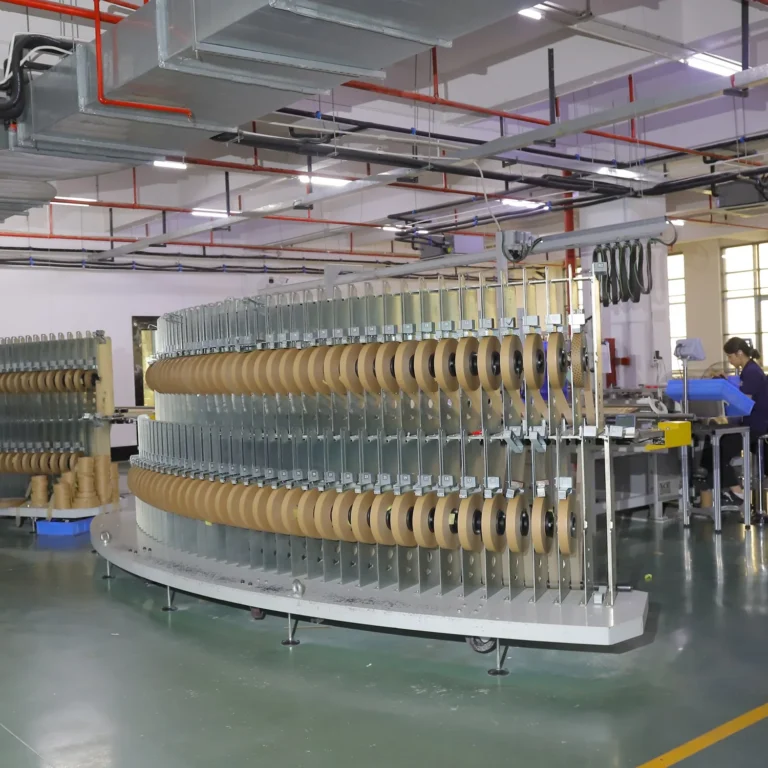
A Ace Rolling em Dongguan opera programas OEM/ODM e de marca própria para livretos e cones pré-enrolados dentro de uma estrutura ISO 9001:2015, com opções de fornecimento certificadas FSC e goma arábica natural grau alimentício em papéis aplicáveis. Conteúdo de pares como “Como Iniciar uma Marca de Papel de Enrolar Personalizada de Sucesso” do rollyourownpapers.com é uma leitura de mercado útil — este guia aprimora o caminho da *marca própria* para que um comprador possa decidir entre marca branca, marca própria e OEM totalmente personalizado sem adivinhação.
O Que Significa “Marca Própria” para uma Marca de Papel de Seda?
A marca própria fica entre a marca branca pronta e o OEM totalmente personalizado: você pode moldar o SKU voltado para a marca (tipo de papel, formato da embalagem, impressão e embalagem) sobre a plataforma de conversão comprovada da fábrica. É a maneira mais rápida de ter um pacote digno de prateleira sem financiar uma fábrica de papel.
Em resumo, marca própria é onde sua marca controla a história, e o conversor controla as máquinas. Você traz o brief do pacote; a fábrica traz o papel, goma, linha de conversão e QC.

Novos compradores frequentemente confundem as três rotas. Marca branca é um pacote de estoque com seu logo aplicado — barato, rápido, mas compartilhado com outros compradores. Marca própria permite que você especifique tipo de papel, tamanho, faixa de GSM, goma, presença de piteira, quantidade e embalagem, reutilizando as ferramentas e cortes testados da fábrica. OEM totalmente personalizado adiciona materiais exclusivos, cortes exclusivos e geralmente um prazo de desenvolvimento mais longo. Para um primeiro lançamento, a marca própria normalmente vence em velocidade, economia unitária e risco.
| Rota | Quem é dono da especificação | Quem possui as ferramentas | Cronograma típico | Melhor quando |
|---|---|---|---|---|
| Marca branca | Fábrica | Fábrica | Mais rápido (em estoque) | Testando um mercado com especificações emprestadas |
| Marca própria | Você (pacote de especificações) | Fábrica | ~2 meses | Posse da história da marca, reutilização de linha comprovada |
| OEM totalmente personalizado | Você (exclusivo) | Você / compartilhado | 2–4 meses+ | SKU defensável, patenteável ou altamente único |
Conclusão Principal: Marca própria = seu briefing na linha comprovada da fábrica. Leia o escopo de OEM/ODM da Ace em https://ace-rolling.com/oem-odm-rolling-paper-manufacturer/.
Como Escolher um Conversor de Marca Própria em vez de um Trader?
O maior erro no primeiro lançamento é contratar um comerciante que subcontrata seu pedido para qualquer conversor disponível. Você nunca vê a linha, as retenções desaparecem e a qualidade varia entre os lotes. Filtre rigorosamente antes de enviar a arte.
O filtro curto é simples: um conversor de marca própria opera suas próprias linhas de conversão, publica um endereço real de fábrica, retém amostras e assina o relatório de controle de qualidade pessoalmente.
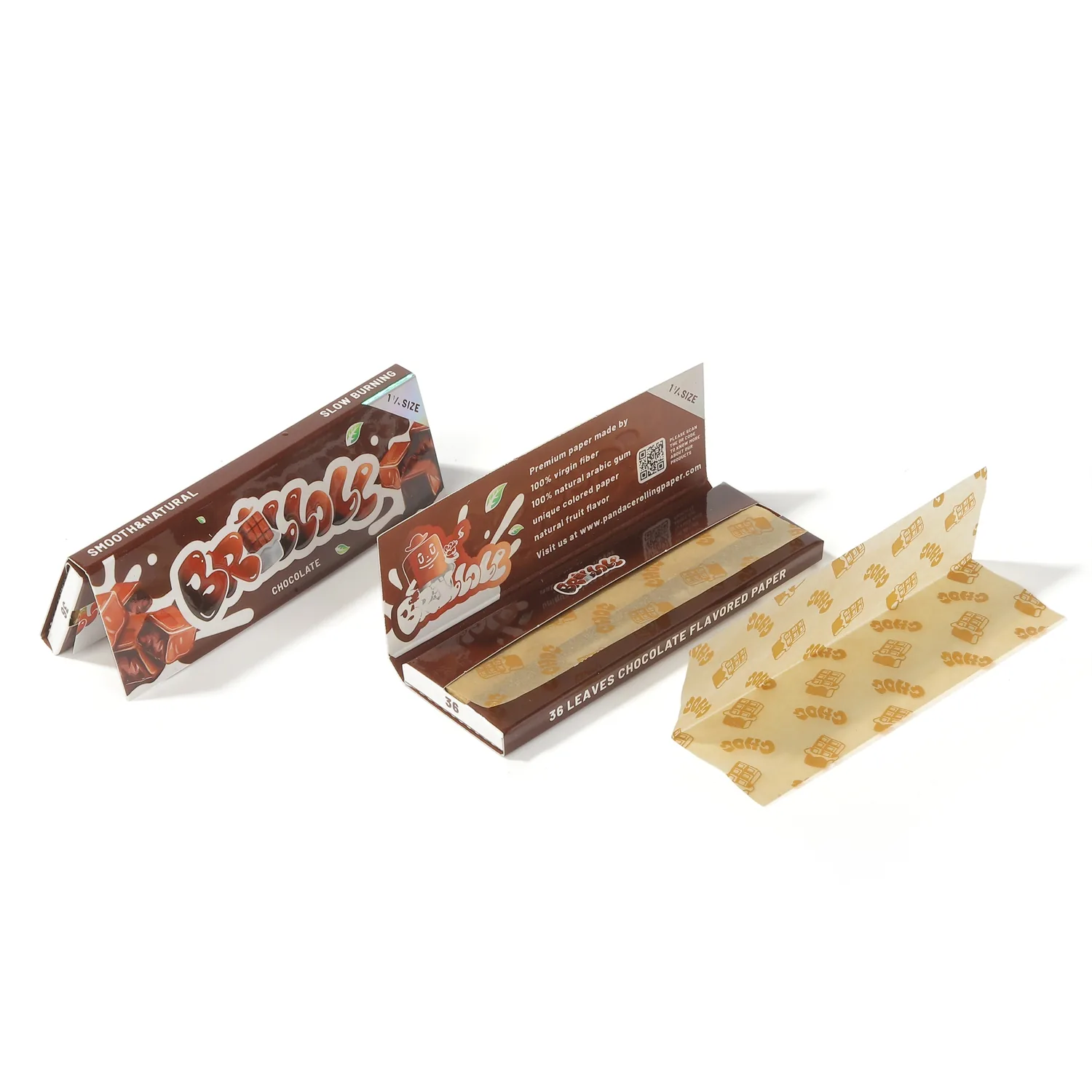
Peça fotos da linha com a data de hoje, páginas de escopo do certificado ISO (não apenas a capa) e um contato de QC nomeado que possa enviar uma retenção do lote que é enviado para você. Pergunte quais rotas de papel eles realmente convertem internamente (branco, não alvejado, cânhamo, linho, bambu, polpa de madeira, cor personalizada, impresso) versus quais eles compram prontos. Pergunte qual é a fonte de goma arábica grau alimentício nos SKUs aplicáveis. Traders raramente respondem isso claramente; conversores sim.
| Pergunta de filtro | A resposta do conversor se parece com | Resposta do trader parece |
|---|---|---|
| Endereço da fábrica | Foto verificável da rua + oficina | Escritório genérico / sem foto |
| Escopo ISO 9001:2015 | Página de certificado listando conversão de papel de seda | Certificado para bens não relacionados |
| Amostra retida | Mantido por lote, referenciado por lote | “Podemos perguntar ao fornecedor” |
| Capacidade da linha | Linhas de folheto e cone nomeadas | Vago “podemos fazer qualquer coisa” |
| Contato de QC nomeado | Um engenheiro assina a folha de controle de qualidade | Gerente de conta rotativo |
Conclusão Principal: Um conversor responde a perguntas de especificação em minutos, não semanas. Revise o perfil da fábrica da Ace em https://ace-rolling.com/about-factory/.
Qual Pacote de Especificações Seu Brief de Marca Própria Deve Incluir?
The spec pack is the contract behind the artwork. Without it, “same as last time” turns into a coin flip on every reorder. Lock every dimension a converter will otherwise decide for you.
Think of the spec pack as a one-page recipe your converter, your QC, and your reorder team all read the same way.
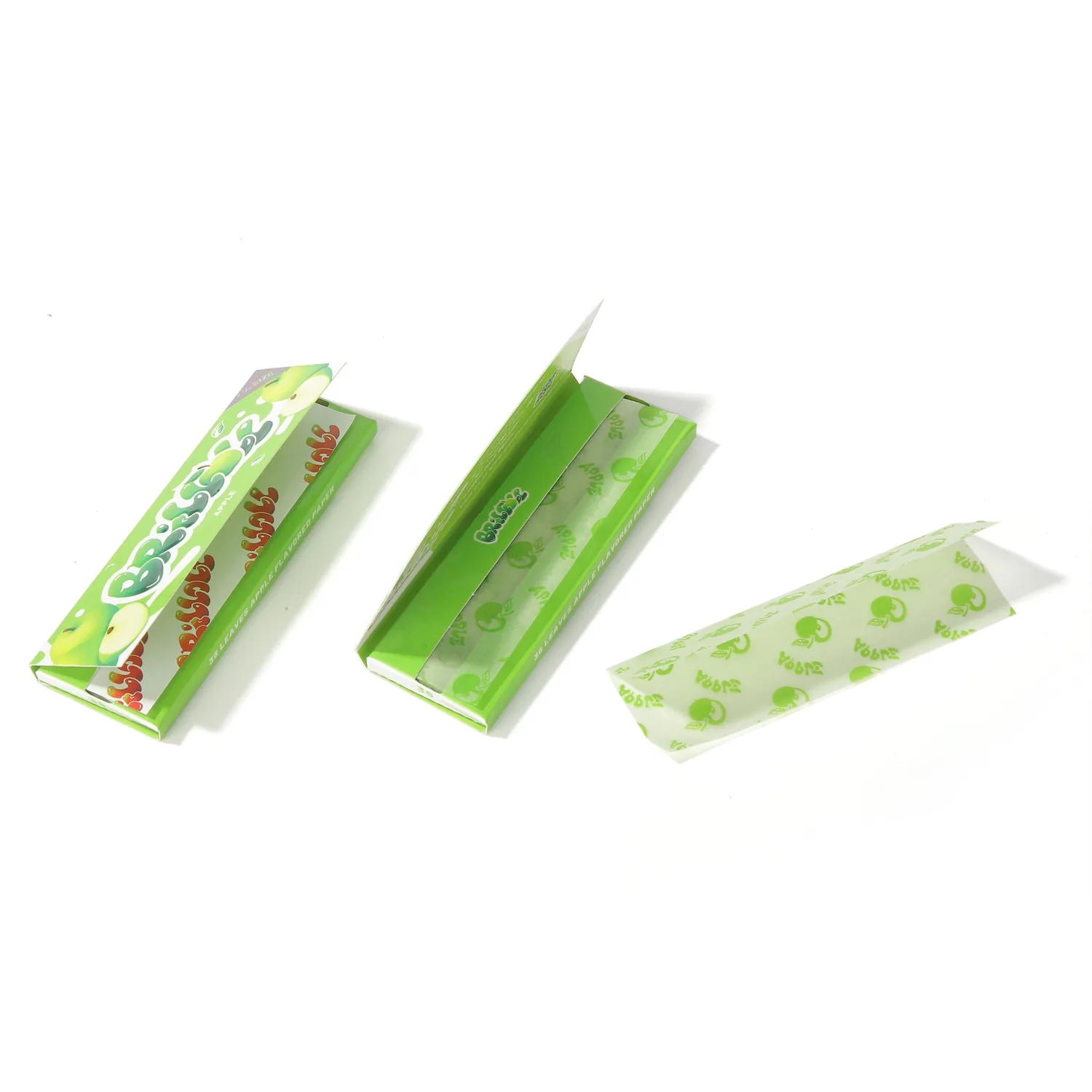
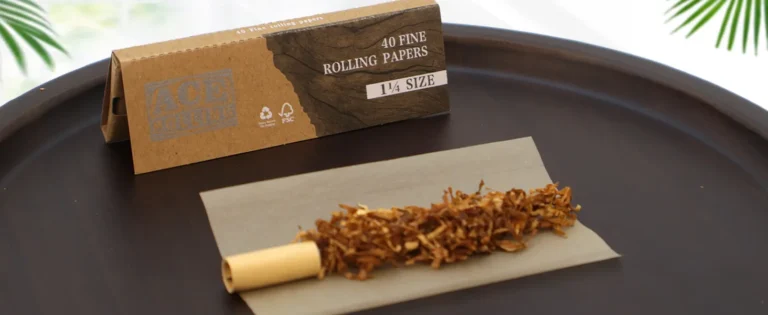
Minimum fields: format (booklet or cone), size (1¼, king slim, 98mm cone, etc.), fiber route (white, unbleached, hemp, flax, bamboo, wood pulp, custom color, printed), GSM band, gum type (natural Arabic gum where applicable), tip included or separate, leaves per booklet or cones per box, cover print (Pantone or CMYK), display box count, master carton count, barcode plan, and burn/seal acceptance criteria. Ace’s booklets typically land at roughly USD $0.07–$0.30 per unit with MOQ; pre-rolled cones typically land at roughly USD $0.04–$0.06 with MOQ, depending on spec.
| Campo de especificação | Bloquear antes da arte | Common mistake |
|---|---|---|
| Formato | Booklet vs cone (or both) | Deciding after art is drawn |
| Tamanho | 1¼ / king slim / 98mm cone | Mixing sizes in one SKU |
| Fiber route | Hemp / unbleached / wood pulp / bamboo / flax / printed | Marketing a claim the paper cannot back |
| GSM band | Thin vs forgiving band | Chasing “thinnest” without burn test |
| Goma | Natural Arabic gum on applicable papers | Assuming any gum performs the same |
| Pack counts | Leaves per booklet, box, carton | Wrong retail case pack |
Conclusão Principal: Lock the spec pack, then draw art on top. Explore paper routes at https://ace-rolling.com/custom-rolling-papers/.
What MOQ, Sample, and Retain Steps Should You Plan?
Private-label MOQ is not one number — it is a stack: paper MOQ, print-plate MOQ, packaging MOQ, and converting run MOQ. Plan the stack, and the unit price stops surprising you at PO time.
The practical rule: plan two sample rounds, one pilot run, and one retain per production batch before you commit to a full MOQ.

Round 1: pre-production samples on the intended paper and gum, unprinted or with a proofing sticker, to approve burn and seal. Round 2: printed pre-production samples on the final cover stock and dieline, to approve color, registration, and pack fit. Then a small pilot run before ramp. Ask the converter to keep one retain from every production batch, labeled with lot code, so a reorder complaint can be checked against the retained sample. Ace often quotes from around 2,000-unit MOQ depending on spec, with roughly two months concept-to-delivery and mass production around four to five weeks after approvals.
| Milestone | What you approve | Typical timing |
|---|---|---|
| Spec pack sign-off | Written brief | Week 0 |
| Round 1 samples | Paper + gum + burn | Week 2–3 |
| Round 2 samples | Print + dieline + pack fit | Week 4–5 |
| Pilot run | First real batch | Week 6–7 |
| Produção em massa | Full PO | 4–5 weeks after approvals |
| Retain per batch | Lot-coded reference | Every batch, ongoing |
Conclusão Principal: MOQ is a stack, not a number — approve samples in stages. Cone-first launches can start at https://ace-rolling.com/pre-rolled-cones/.
Who Owns Artwork, Dielines, and Tooling in a Private-Label Deal?
Artwork and dielines are where private-label deals quietly get expensive. If the converter owns your dieline, your reorder is locked in. If your designer owns the dieline but never gave you the working file, your reorder is still locked in — just with a different landlord.
The clean version: you own the brand-facing artwork and the working dielines; the converter owns the shared converting tooling; anything exclusive is written down.

Get the following in writing before mass production: who owns the print-ready cover art (AI/PDF with fonts outlined), who owns the die-cut vector for the booklet cover and display box, who pays for print plates and how long they are stored, whether the dieline is exclusive to your brand or shared, and what happens to plates and dielines if you move factories. For private label, the factory’s core converting tools (booklet folder, cone forming line) stay with the factory — that is the point. Everything brand-facing should travel with you.
| Asset | Typical private-label ownership | Written where |
|---|---|---|
| Cover artwork (working file) | You (the brand) | Supply/OEM agreement |
| Booklet + display dieline (vector) | You, licensed to factory for your SKU | Agreement + artwork brief |
| Print plates | Factory holds, you paid | PO + plate storage clause |
| Barcodes (GS1) | You | Registered under your company |
| Converting line + tooling | Fábrica | Not transferred |
| Exclusive custom dieline | You, exclusive | Written exclusivity clause |
Conclusão Principal: Own the brand-facing files; let the factory own the machines. See how brand houses are structured at https://ace-rolling.com/house-of-brands/.
What Compliance and Labeling Belong on Your Private-Label SKU?
Compliance on a rolling paper booklet is thinner than tobacco or cannabis product compliance, but it is not zero. Get it wrong and a retailer pulls the pack; get it right and your SKU stays on the shelf while competitors get delisted.
Baseline: age-restricted accessory language where required, clean country-of-origin, honest material claims, and no borrowed certifications.

Do not print “organic,” “eco,” “biodegradable,” “medical grade,” or “health” claims you cannot back with a paper trail. FSC-certified sourcing is an option on applicable Ace SKUs but is not automatic on every paper route — only mark FSC on packs whose fiber is actually covered by the certificate and the chain-of-custody claim. Country of origin should read the country of converting (China) even if the fiber was imported. Age-restricted accessory language, retailer channel restrictions, and any local flavored-paper rules depend on your destination market — this is not legal advice; check with counsel for each country you ship to.
| Label element | Safe default | Watch out for |
|---|---|---|
| Material claim | “Unbleached wood pulp” / “hemp blend” | Vague “natural” without cert |
| FSC mark | Only when SKU is covered | Adding FSC across the range |
| Origin | Country of converting | Skipping origin entirely |
| Age language | “For adult use” style where required | Copy-pasting another brand’s disclaimer |
| Barcode | Your own GS1 prefix | Factory-supplied placeholder |
| Health / eco claims | Avoid unless certified | “Medical grade” / “eco” without proof |
Conclusão Principal: Print what you can prove; skip what you cannot. Review the certification framework at https://ace-rolling.com/quality-certifications/.
How Do You Launch Your Private-Label Brand With Ace Rolling?
The launch calendar for a private-label booklet brand is shorter than most founders assume — because private label reuses proven converting. The bottleneck is almost always artwork approvals, not the factory.
Working target: spec pack signed in week 1, samples through week 5, pilot in week 7, and mass production shipping around week 9–10.
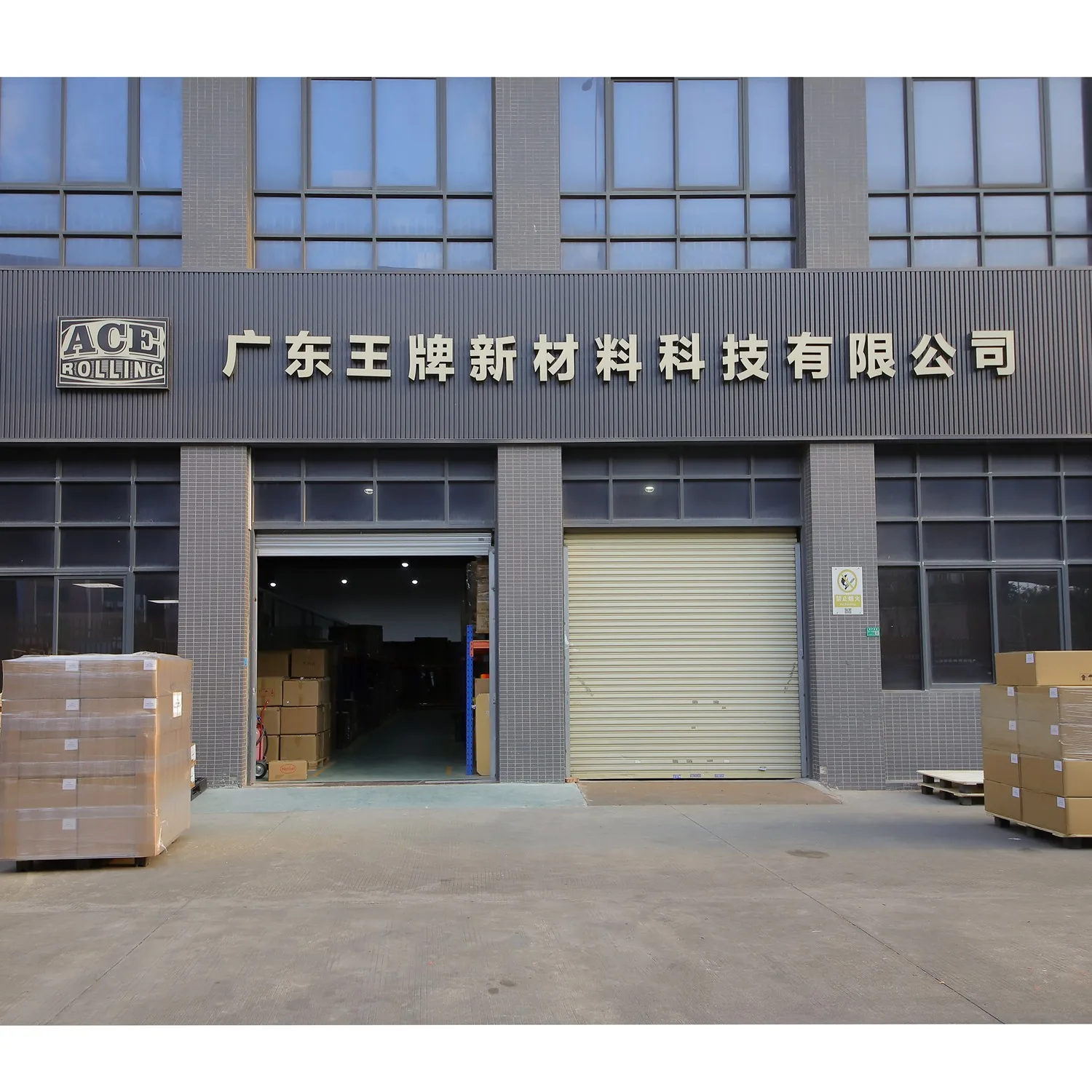
For a booklet-led launch, front-load one hero SKU (for example, a 1¼ unbleached booklet at a chosen GSM band) plus a display box design; add a cone SKU on the second PO once the retail account is proven. Ask Ace for a written spec pack template, a Round 1 sample kit on your paper route, and a plate-storage clause in the PO. Keep one retain per batch in your own warehouse — not just the factory’s — so any dispute has a physical reference on both sides.
| Week | Milestone | Who signs off |
|---|---|---|
| 1 | Spec pack signed | You + Ace sales |
| 2–3 | Round 1 samples (paper + gum) | You + Ace QC |
| 4–5 | Round 2 samples (print + dieline) | You + your designer |
| 6–7 | Pilot run | You + Ace QC |
| 8–9 | Produção em massa | Ace production |
| 9–10 | Ship + retain filed | Ace + your warehouse |
Conclusão Principal: Book the spec pack first; artwork and MOQ follow. Start a private-label brief at https://ace-rolling.com/contact/.
Perguntas Frequentes
Is private label the same as white label for rolling papers?
No. White label is a stock, factory-owned pack that you rebrand with your logo, sharing the same specs with other buyers. Private label lets you specify paper route, size, GSM band, gum, count, and packaging on top of the converter’s proven line, so the SKU is meaningfully yours before artwork.
What is a realistic MOQ for a private-label rolling paper booklet?
MOQ depends on paper route, print complexity, and packaging. Ace often quotes from around 2,000 units for private-label booklets, moving up when custom paper, custom dielines, or exclusive artwork stack on top. Ask the converter to quote MOQ per component (paper, print plates, cartons) so the true stack is clear before you commit.
Should I launch on booklets or on pre-rolled cones first?
Booklets are usually the safer first private-label SKU because retail buyers already know how to shelve them, artwork approvals move faster, and MOQ economics are friendlier at Ace’s typical band. Cones are a strong second PO once a retail account or online channel is proven, especially for dispensary-adjacent buyers who need convenience formats.
Do I own the artwork and dielines when I use a private-label converter?
You should. Write it in the agreement: brand-facing artwork working files, booklet and display dielines, and your GS1 barcodes travel with you. The converter keeps its core converting tooling and, usually, the print plates it paid to make. Exclusive custom dielines should have a written exclusivity clause, not a handshake.
Can Ace put FSC, organic, or eco claims on my private-label pack?
Only when the SKU is actually covered. Ace offers FSC-certified sourcing as an option on applicable paper routes, not automatically on every SKU. Never print “organic,” “eco,” “biodegradable,” “medical grade,” or health claims you cannot back with certification and chain-of-custody paperwork. Match the label to the paper trail every time.
How long does a private-label launch with Ace usually take?
Around two months concept-to-delivery for a straightforward booklet program, once the spec pack is signed. Mass production typically runs four to five weeks after all approvals (spec pack, paper and gum samples, printed samples, pilot run). Complex custom dielines, exclusive paper routes, or multi-SKU launches add time, mostly on the artwork side.
Próxima Etapa
Ready to price a private-label booklet or cone program on your spec pack? Talk to Ace Rolling at https://ace-rolling.com/contact/.