
Are vegan rolling papers good for private label? Yes, and most natural-fiber rolling papers already qualify—vegan status depends on gum, ink, and finishing inputs, not the paper fiber itself; Ace’s food-grade natural Arabic gum on applicable papers is plant-based, but buyers must verify every input per program.
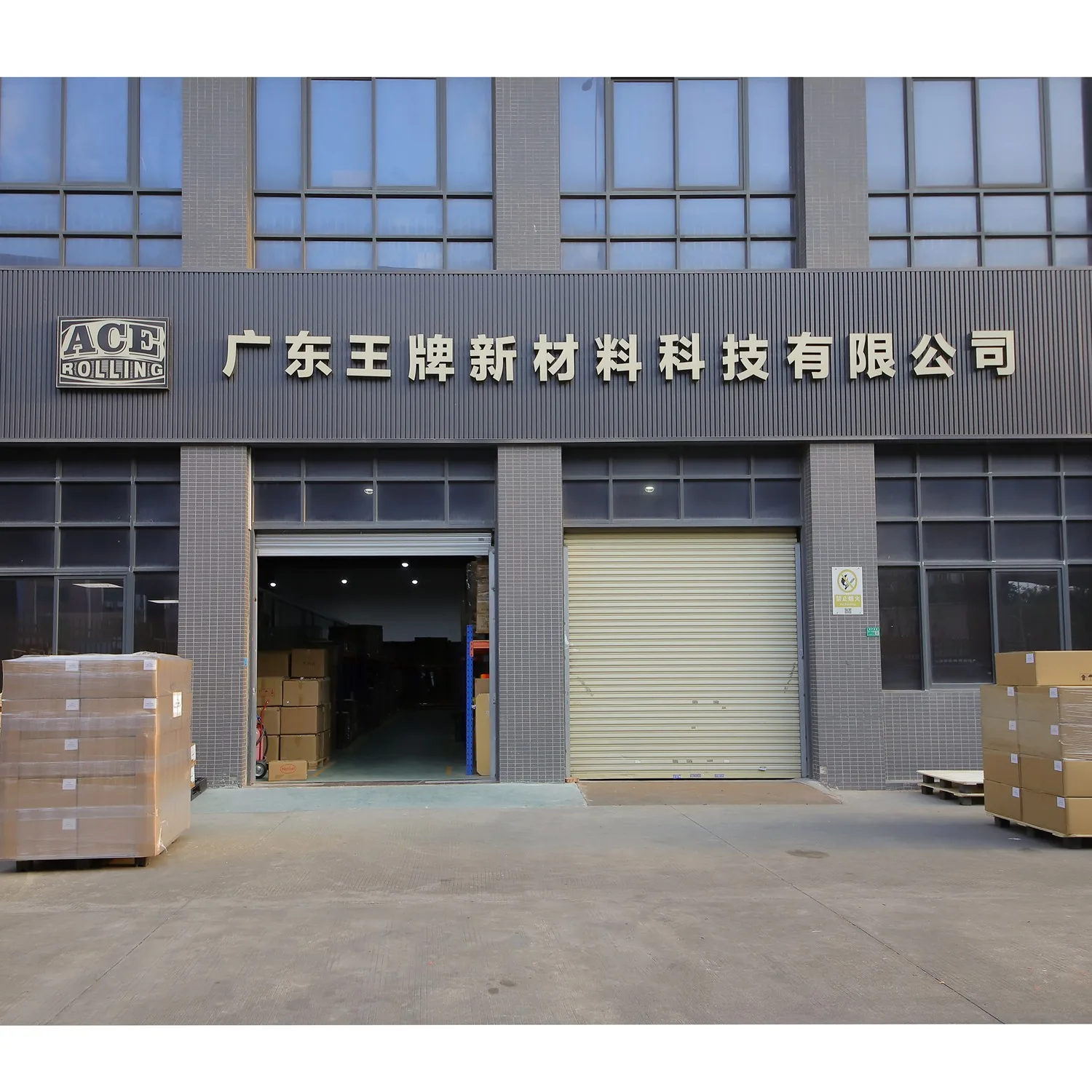
SERP peers such as munchmakers merchandise “vegan” rolling papers as a retail marketing lane, but B2B buyers need to trace each ingredient upstream. Guangdong Ace Rolling is a Dongguan, China OEM/ODM for private-label booklets (~USD $0.07–$0.30) and pre-rolled cones (~$0.04–$0.06), both with MOQ from about 2,000 depending on paper, print, tip, and packaging. Ace does not manufacture RAW, Rizla, or OCB. This article treats “vegan” as an ingredient-verification claim, not a health claim, and does not offer legal advice.
What Makes a Rolling Paper “Vegan” in the First Place?
Lead-in: Vegan means no animal-derived inputs anywhere in the SKU.
Summary: For rolling papers, the audit surface covers the paper fiber (usually plant-based already), the gum line, any ink or dye used for print, cover lamination adhesives, and secondary packaging glues. Most rolling papers are close to vegan by default because fibers are plant-based, but a single non-vegan additive—historically some gums or specialty inks—breaks the claim. Vegan is an ingredient claim, not a health claim.
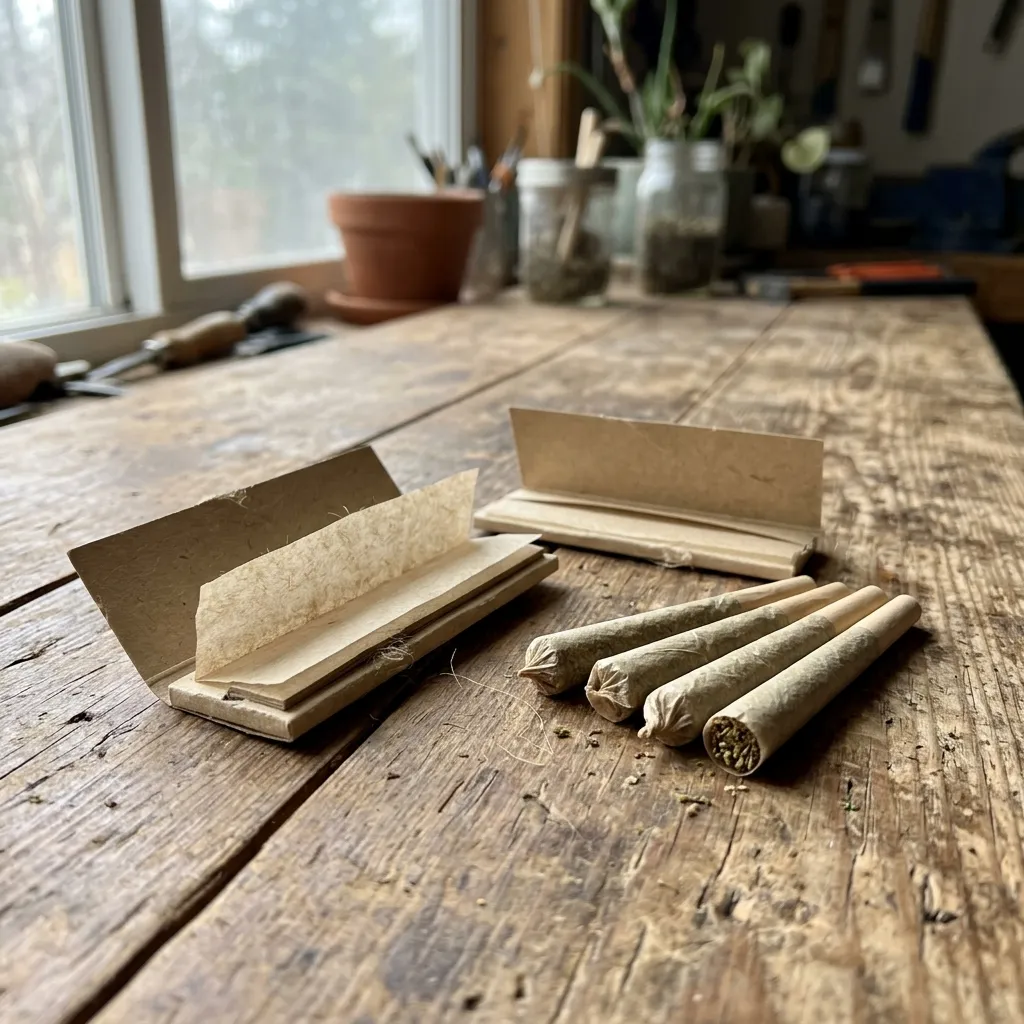
- Paper fiber: hemp / flax / rice / bamboo / wood pulp are plant-based
- Gum line: natural Arabic gum is plant-based (tree sap)
- Ink / dye: verify per print program
- Cover lamination adhesive: verify per finish
- Secondary packaging glues: audit upstream
| Audit input | Plant-based default | Verification needed |
|---|---|---|
| Fibra | Yes (hemp, flax, rice, bamboo, pulp) | Confirm blend spec |
| Goma | Arabic gum: yes | Ask for supplier declaration |
| Tinta | Depends on formulation | Request supplier statement |
| Adhesives | Depends on finish | Confirm per program |
Conclusión clave: Vegan is an ingredient-trace claim across every input—not a feel-good synonym for “natural.”
Rutas de papel: https://ace-rolling.com/custom-rolling-papers/.
How Is Arabic Gum Different from Non-Vegan Gum Options?
Lead-in: The gum line is the most-asked ingredient question.
Summary: Natural Arabic gum (also called gum acacia) is a tree sap harvested from Acacia senegal or Acacia seyal, making it fully plant-based. Historically, some rolling paper products used gelatin-based or animal-derived binders; those are not vegan. Ace uses food-grade natural Arabic gum on applicable papers—buyers should confirm this specifically in the RFQ because gum choice can shift for niche paper types.
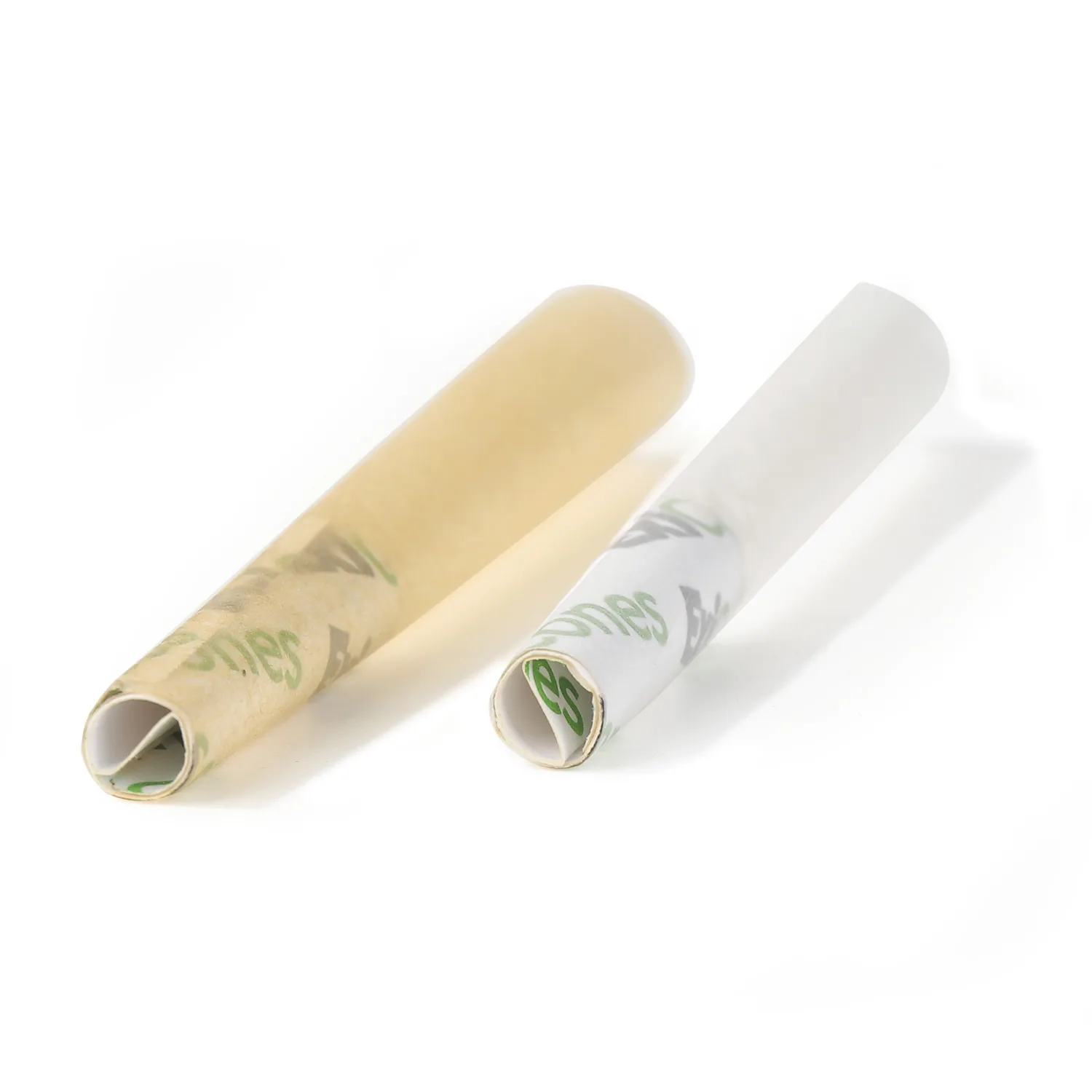
- Arabic gum (acacia sap): plant-based, food-grade, vegan-compatible
- Gelatin binders (historical, some markets): animal-derived, not vegan
- Synthetic PVA: not animal-derived, but ask for full declaration
- Confirm per Ace SKU in the RFQ
| Tipo de goma | Origin | Vegan? |
|---|---|---|
| Goma arábiga natural | Acacia tree sap | Sí |
| Gelatin binder | Animal collagen | No |
| Synthetic PVA | Petrochemical | Not animal-derived; verify per program |
| Custom blend | Program-specific | Request full declaration |
Conclusión clave: Arabic gum is the vegan-compatible default at Ace, but buyers must lock it as a spec, not assume it.
Gum used at Ace on applicable papers is discussed on: https://ace-rolling.com/quality-certifications/.
What Ink, Print, and Finish Inputs Need Vegan Verification?
Lead-in: The gum passes the audit; the print step is next.
Summary: Cover print and interior paper print use inks that may or may not be vegan-friendly depending on formulation. Cover finishes such as foil, spot UV varnish, and lamination adhesives add more inputs to trace. Ask each print supplier for a written declaration on the specific inks and adhesives used on the program. Do not accept a generic “our factory is vegan” claim without input-level documentation.
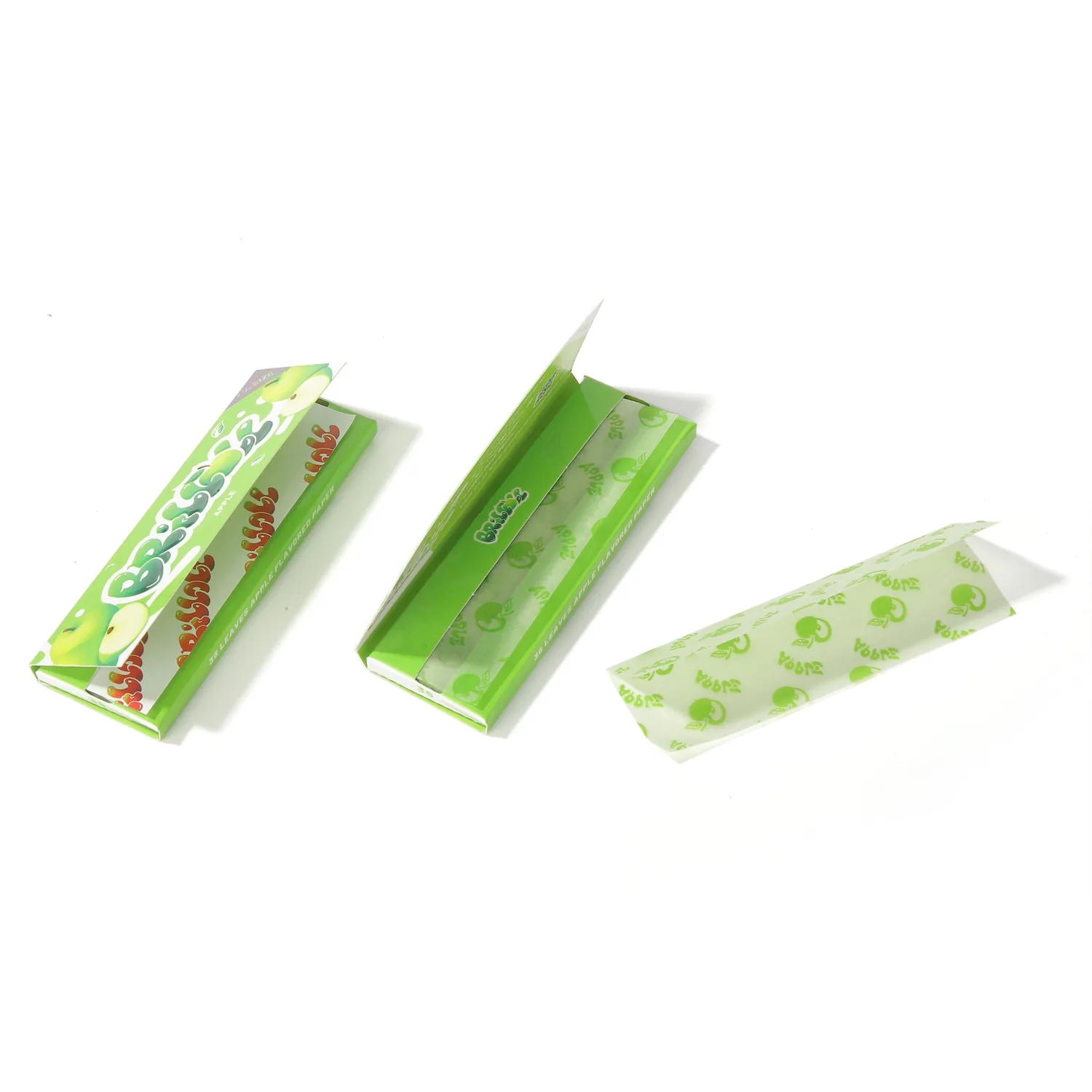
- Cover ink: pigment source and binder should be declared
- Interior paper print ink: same declaration required
- Foil stamping: verify carrier and adhesive
- Lamination film and adhesive: verify per finish
- Debossing / embossing: no ink, but confirm no shellac coatings
| Finish input | Vegan risk area |
|---|---|
| Cover ink | Pigment binder source |
| Interior print ink | Same as cover |
| Foil | Adhesive base |
| Lamination | Adhesive base + film |
| Varnish / spot UV | Solvent + carrier |
Conclusión clave: Print inputs are where a “vegan” claim usually breaks—require written supplier declarations for every ink and adhesive.
Print/finish scope: https://ace-rolling.com/oem-odm-rolling-paper-manufacturer/.
Which Paper Routes Fit a Vegan Private-Label Program Best?
Lead-in: Fiber choice signals the shelf story most loudly.
Summary: All standard Ace paper routes—hemp, flax, rice, bamboo, unbleached wood pulp, white wood pulp, custom color, printed—are plant-based fibers. For a vegan private-label program, hemp and unbleached wood pulp read as “natural” on the shelf and support a clean vegan story. Rice reads as premium thin. Bamboo reads as differentiated. The fiber does not decide vegan; the marketing does.
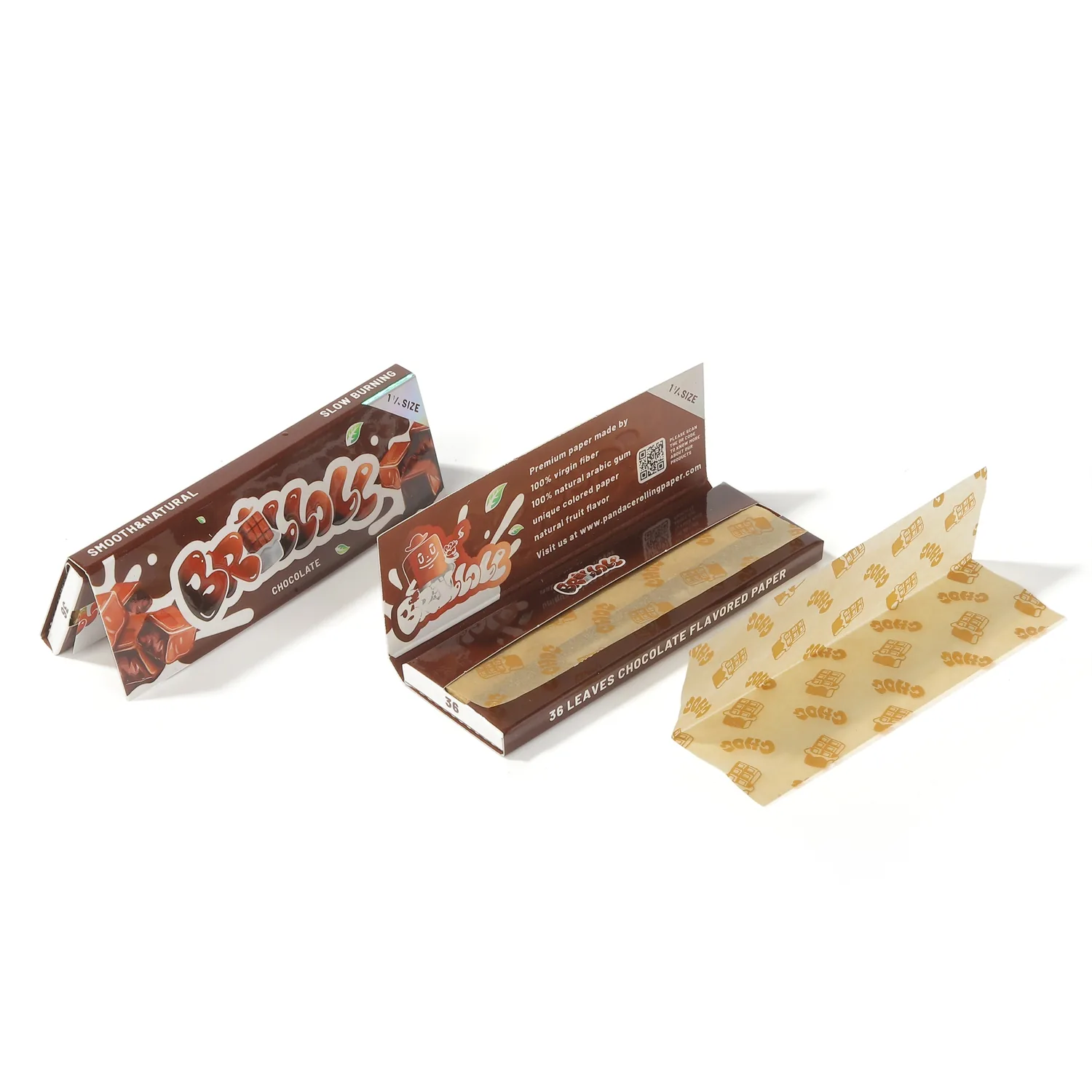
| Ruta del papel | Shelf story | Vegan compatibility |
|---|---|---|
| Cáñamo | Natural earthy | Plant-based fiber |
| Pulpa de madera sin blanquear | Value natural | Plant-based fiber |
| Arroz | Premium fino | Plant-based fiber |
| Lino | Crisp durable | Plant-based fiber |
| Bambú | Differentiated | Plant-based fiber |
| Custom-printed | Designer | Plant-based fiber |
Conclusión clave: Every Ace fiber route is plant-based; pick the one your shelf story wants, then audit gum, ink, and adhesives.
Fiber routes: https://ace-rolling.com/custom-rolling-papers/.
How Do You Document a Vegan Claim on a Retail Pack?
Lead-in: A retail vegan claim needs a paper trail behind it.
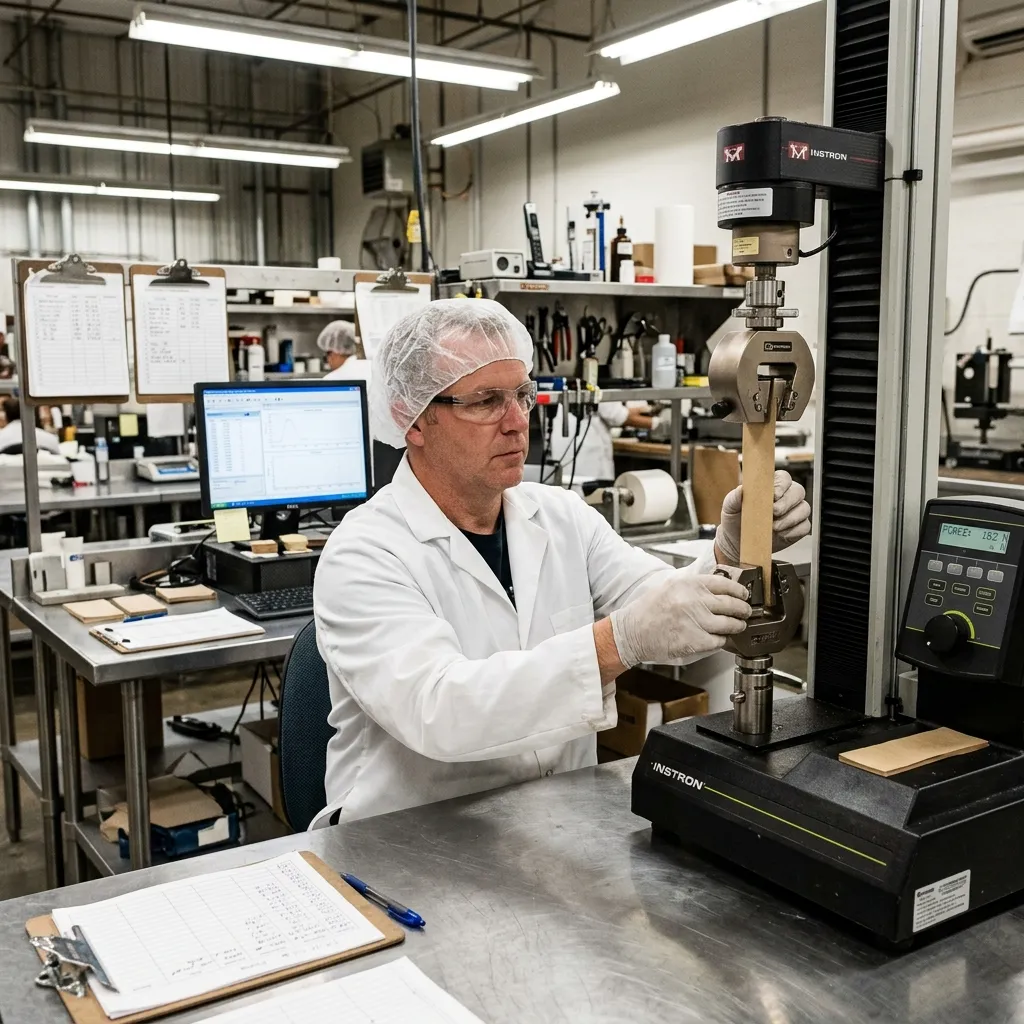
Summary: Documentation supporting a vegan claim on a retail pack typically includes fiber declaration from the paper supplier, gum declaration from the converter, ink and adhesive declarations from the print house, and a program-level statement from the OEM. Third-party vegan-certification bodies (for example, the Vegan Society Trademark) exist but are not automatic on any Ace SKU—the buyer applies and pays per program. This is not legal advice.

- Paper fiber declaration
- Gum declaration (Ace: food-grade natural Arabic gum on applicable papers)
- Ink and adhesive declarations per print program
- Optional third-party vegan certification (buyer-owned)
- Program-level statement in commercial documentation
| Documento | Owner | Propósito |
|---|---|---|
| Fiber declaration | Paper supplier | Confirms plant fiber |
| Gum declaration | Converter | Confirms Arabic gum |
| Ink / adhesive | Print house | Confirms input origin |
| Certification (optional) | Third-party body | Retail trust signal |
Conclusión clave: A defensible vegan pack has a paper trail—not just a leaf icon.
Quality documents framing: https://ace-rolling.com/quality-certifications/.
What Marketing Language Is Safe vs Risky for a Vegan SKU?
Lead-in: Vegan copywriting has FTC / ASA / EU enforcement risk if it drifts into health.
Summary: “Vegan” describing ingredients is generally low-risk when documented. Drifting into “cleaner,” “healthier,” “safer,” “detox-friendly,” or unqualified “eco” copy invites enforcement action from bodies like the US FTC, UK ASA, or EU Green Claims Directive. Keep vegan copy narrowly about ingredient origin, and pair it only with claims you have documented lab or supplier evidence for. This is not legal advice.
- Safe: “made without animal-derived ingredients” with documentation
- Safe: “plant-based Arabic gum” with supplier declaration
- Risky: “cleaner smoke” / “detox” / “healthier”
- Risky: “eco-friendly” / “biodegradable” without cert
- Risky: comparative claims against named brands
| Copy pattern | Riesgo | Corregir |
|---|---|---|
| Vegan ingredient claim | Low with docs | Document each input |
| Health-adjacent claim | Alto | Remove or scope narrowly |
| Comparative brand claim | Alto | Avoid named comparisons |
| “Respetuoso con el medio ambiente” | High without cert | Add cert or remove |
Conclusión clave: Keep vegan copy about ingredients only—everything else lives in a different regulatory box.
How Do You Order a Vegan Private-Label Program From Ace Rolling?
Lead-in: One brief, one input-declaration checklist.
Summary: Send Ace a single RFQ with paper route, gum spec (request Arabic gum by name), ink and adhesive declaration expectations, print scope, sample retains plan, target quantity, destination market, and desired timeline. Ace quotes booklets in the ~USD $0.07–$0.30 band and cones in ~$0.04–$0.06 with MOQ typically from about 2,000. Concept-to-delivery plans near two months; mass runs about four to five weeks after approvals.
| Paso | Acción |
|---|---|
| 1 | Send RFQ with vegan input checklist |
| 2 | Confirm Arabic gum on applicable papers |
| 3 | Get ink / adhesive declarations |
| 4 | Aprobar muestras retenidas |
| 5 | Freeze artwork and copy |
| 6 | Producción masiva 4-5 semanas después de las aprobaciones |
Conclusión clave: Vegan is a documented spec, not a slogan—brief every input, keep every declaration on file.
Inicio: https://ace-rolling.com/contact/.
Preguntas frecuentes
Are vegan rolling papers good for private label?
Yes. Most rolling papers are close to vegan by default because fibers such as hemp, flax, rice, bamboo, and wood pulp are plant-based. Ace uses food-grade natural Arabic gum on applicable papers. A defensible vegan private-label SKU still needs documentation on fiber, gum, ink, and adhesive from each supplier.
Is Arabic gum vegan for private-label rolling papers?
Yes. Natural Arabic gum, also called gum acacia, is harvested as sap from Acacia trees and is plant-based. Ace uses food-grade natural Arabic gum on applicable papers. Buyers should still confirm the gum type per SKU in the RFQ because specialty paper programs can use different binders on niche formats.
What ingredients most often break a vegan claim on rolling papers?
The paper fiber is almost always plant-based, so the risk usually lives in gum, ink, and finishing inputs. Historically some binders used animal-derived gelatin. Cover inks, foil adhesives, lamination films, and varnishes can also introduce non-vegan inputs depending on formulation. Ask every print and finish supplier for a written declaration on the specific inputs used per program.
Can Ace Rolling supply certified vegan booklets?
Ace can supply plant-based inputs on applicable programs, including food-grade natural Arabic gum and standard plant-fiber paper routes. Third-party vegan certification—for example, the Vegan Society Trademark—is a separate program the brand owner applies for and pays for per SKU. Ace does not automatically stamp certification marks on any product; buyers own the certification path and file the declarations.
What copy is safe on a vegan retail pack?
Safe copy describes ingredient origin: “made without animal-derived ingredients,” “plant-based Arabic gum,” “hemp fiber paper,” with supporting supplier declarations on file. Risky copy drifts into health (“cleaner,” “healthier”), unqualified environmental claims (“eco-friendly,” “biodegradable” without test data), or comparative attacks on named brands. Keep vegan claims narrowly about ingredients; this article is not legal advice.
What MOQ and timeline apply to a vegan private-label program?
Ace discusses booklet MOQ from about 2,000 per SKU depending on paper, print, tip, and packaging. Booklets quote inside ~USD $0.07–$0.30 and cones inside ~$0.04–$0.06, both with MOQ. Concept-to-delivery plans near two months; mass runs about four to five weeks after approvals lock.
Ready to Brief a Vegan Private-Label SKU?
Send one RFQ with a vegan input checklist: fiber, gum, ink, adhesive, print scope, sample plan, and target quantity. Ace quotes inside factory wholesale bands with MOQ and plans mass 4–5 weeks after approvals.
- Custom papers: https://ace-rolling.com/custom-rolling-papers/
- OEM programs: https://ace-rolling.com/oem-odm-rolling-paper-manufacturer/
- Cotización: https://ace-rolling.com/contact/