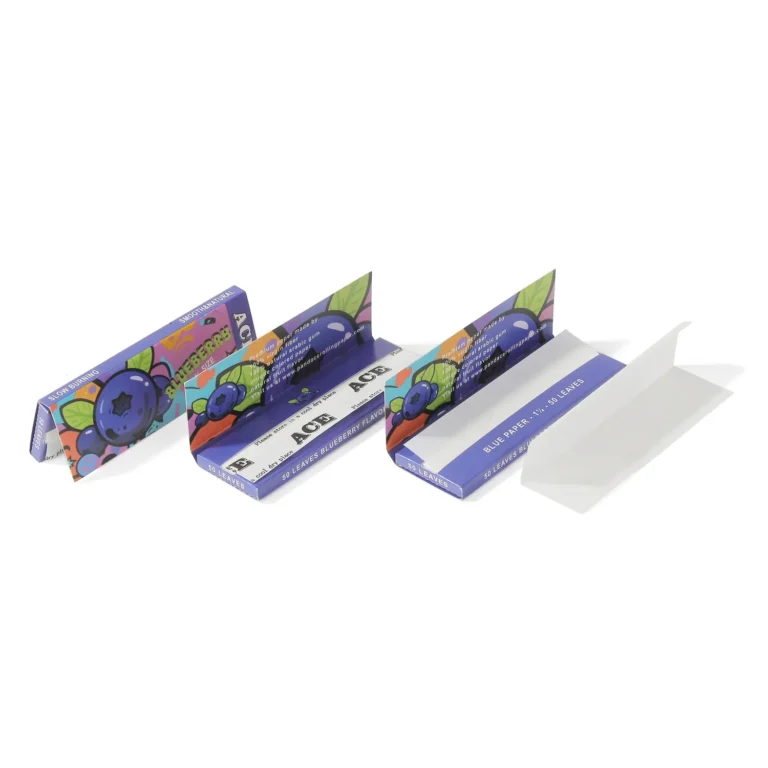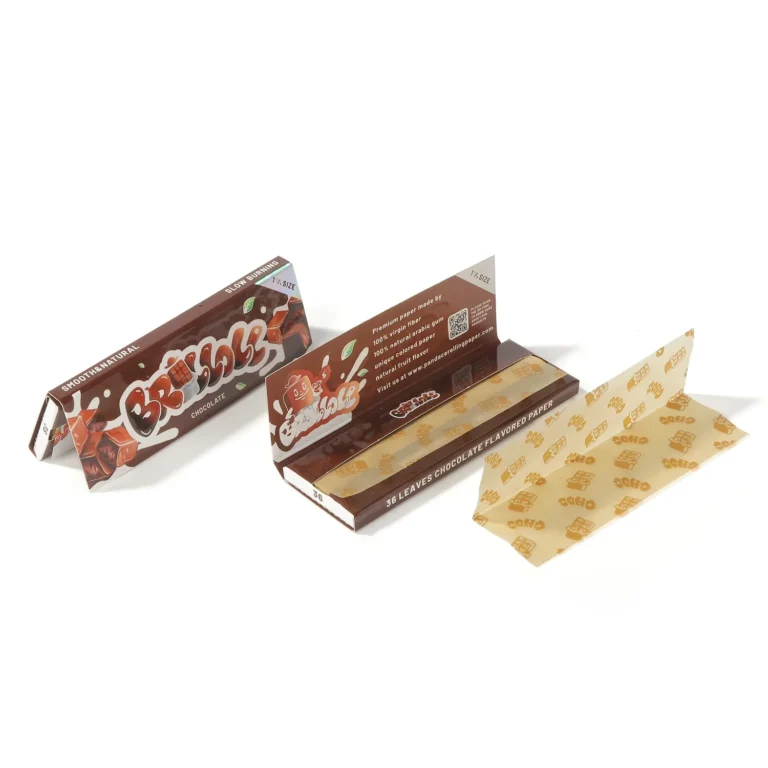

Should your brand choose wood pulp or hemp papers? Choose wood pulp for the lowest-cost value tier and widest bright-print flexibility; choose hemp for a natural, textured shelf story at a modestly higher price—both are standard Ace paper routes and the right pick depends on your price tier and brand story, not on which fiber “burns better.”
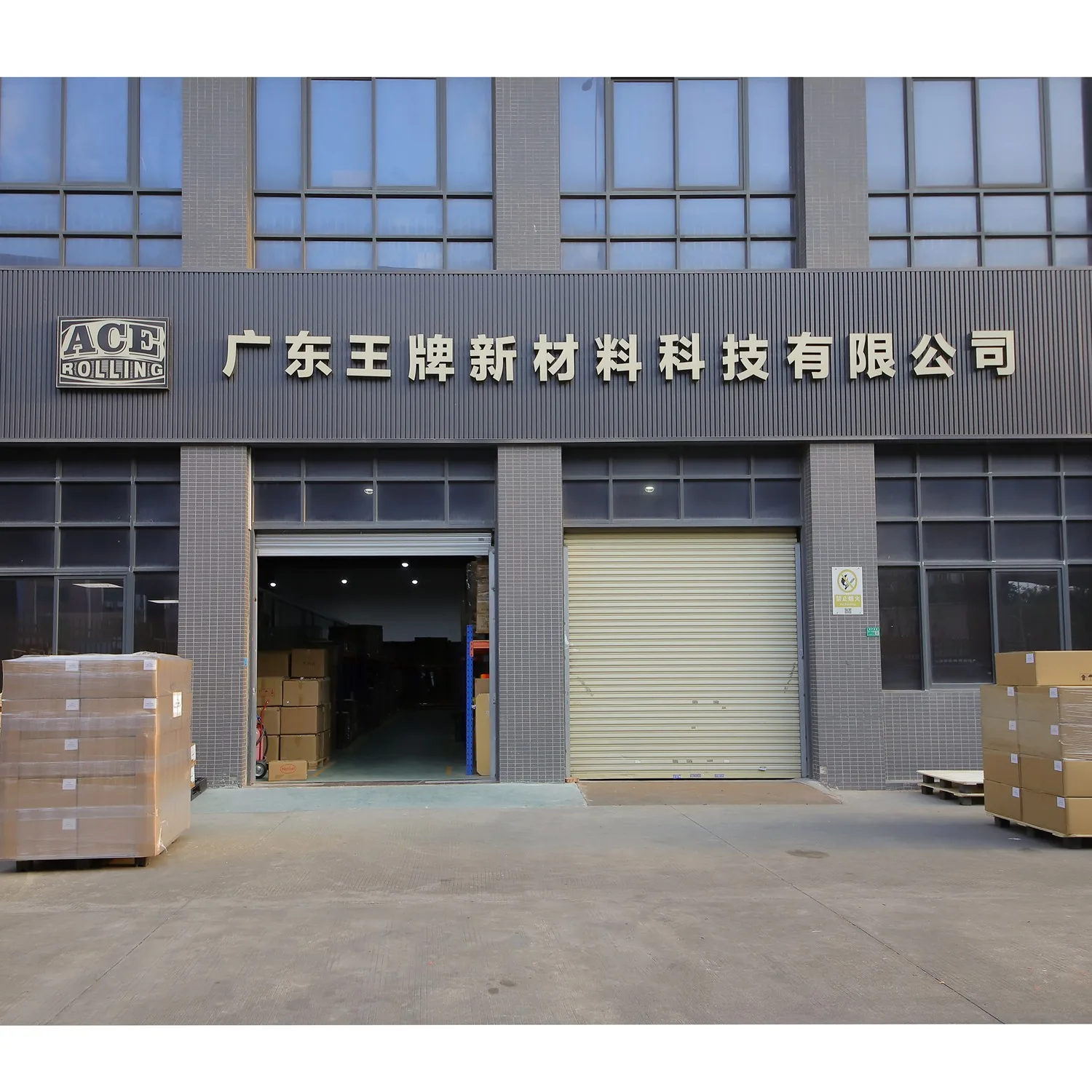
This article stays narrowly on the wood pulp vs hemp decision for private-label brand owners choosing between the two—see Ace’s separate rice/hemp/wood-pulp burn comparison for a broader three-way taste and burn breakdown. Guangdong Ace Rolling is a Dongguan, China OEM/ODM for private-label booklets (~USD $0.07–$0.30) with MOQ from about 2,000, offering white and unbleached wood pulp alongside hemp, flax, bamboo, and custom-printed routes.
What’s the Core Difference Between Wood Pulp and Hemp Paper?
Lead-in: Both are legitimate rolling paper fibers; they just tell different brand stories.
Summary: Wood pulp is the mass-market default fiber—consistent, printable, and typically the lowest-cost route. Hemp uses fiber from the hemp plant, giving a slightly textured feel and a “natural/plant-based” positioning that many private-label brands want on the shelf.
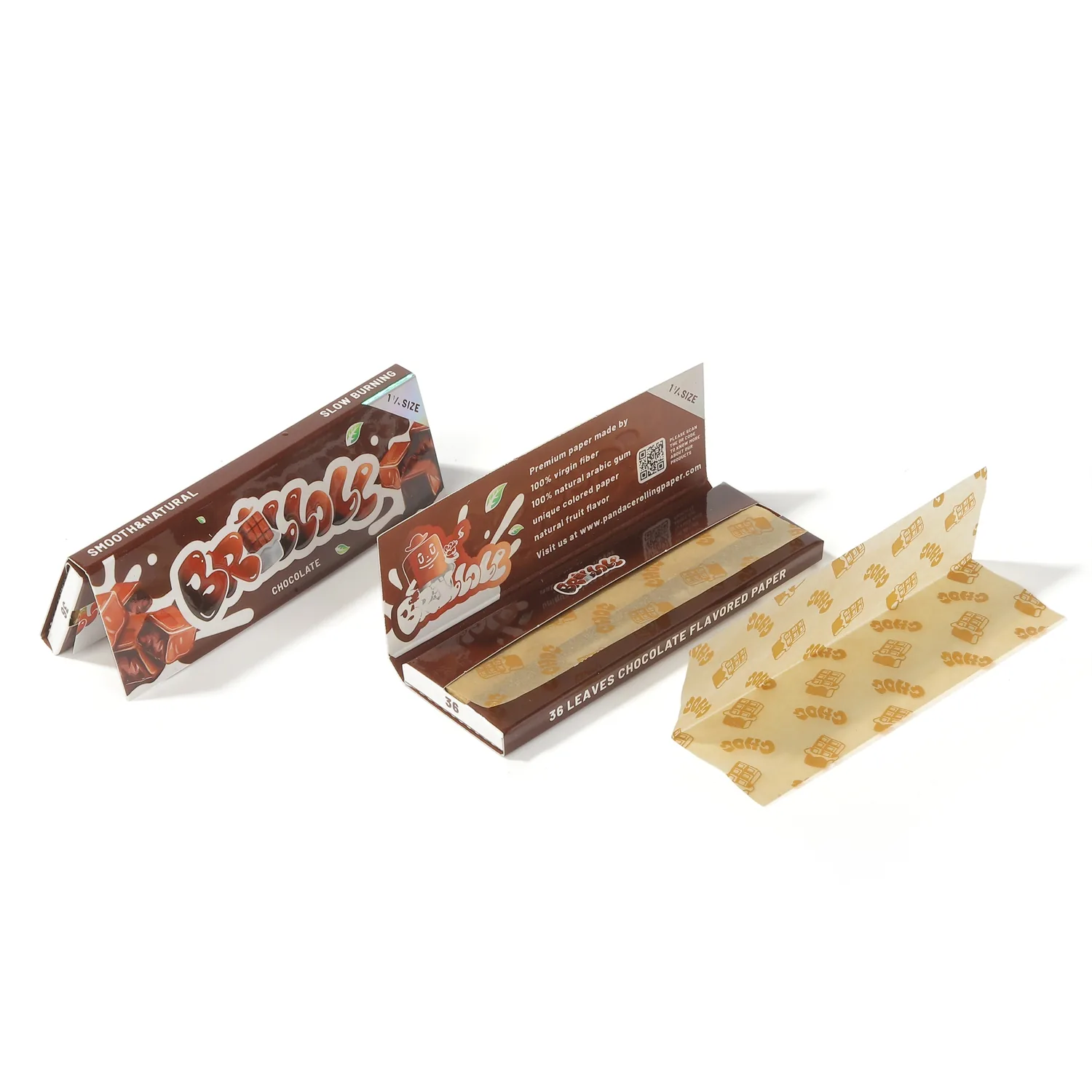
| Fibra | Cost tier | Shelf story |
|---|---|---|
| Pulpa de madera | Value / mass-market | Clean, printable |
| Cáñamo | Mid / natural | Earthy, plant-based |
Conclusión clave: Wood pulp wins on cost and print flexibility; hemp wins on natural shelf story—pick based on your price tier first.
Rutas de papel: https://ace-rolling.com/custom-rolling-papers/.
How Does Cost Compare Between the Two Fibers at Wholesale?
Lead-in: Fiber choice is one lever inside the same booklet wholesale band.
Summary: Both fibers quote inside Ace’s ~$0.07–$0.30 per-booklet wholesale band with MOQ. Wood pulp generally sits toward the lower end for a given spec because raw material and processing are simpler; hemp can sit slightly higher due to fiber sourcing and processing differences—confirm exact placement with a spec-matched RFQ.
| Factor de costo | Pulpa de madera | Cáñamo |
|---|---|---|
| Raw fiber cost | Más bajo | Slightly higher |
| Processing complexity | Estándar | Slightly more involved |
| Print flexibility | Alto | Good, texture-dependent |
Conclusión clave: Don’t compare a wood pulp quote to a hemp quote unless print, size, and packaging specs match exactly.
Wholesale bands: https://ace-rolling.com/quality-certifications/.
Which Fiber Prints and Handles Print Better?
Lead-in: Fiber surface texture affects how crisp your cover and paper art will look.
Summary: Wood pulp’s smoother, more uniform surface generally takes fine detail and bright color more predictably. Hemp’s natural texture can add character but may soften fine print detail slightly. Neither is “wrong”—brands leaning heavily on bold graphics often lean wood pulp; brands leaning on texture and story often accept hemp’s softer print.
| Factor de impresión | Pulpa de madera | Cáñamo |
|---|---|---|
| Detalle fino | Más nítido | Slightly softer |
| Bright color | Fiel a la tinta | Slightly muted |
| Texture character | Mínimo | Visible, tactile |
Conclusión clave: If your brand lives on bold cover graphics, wood pulp is the safer print base; if texture is part of the story, hemp delivers it.
Opciones de impresión vía OEM: https://ace-rolling.com/oem-odm-rolling-paper-manufacturer/.
Which Fiber Fits Which Brand Positioning?
Lead-in: This is fundamentally a brand-story decision dressed as a material spec.
Summary: Value and mass-market brands competing on shelf price and consistent print typically choose wood pulp. Brands building a natural, minimal, or plant-forward identity typically choose hemp to reinforce that story even before the cover copy is read. Mid-market brands sometimes test both across different SKUs.

| Brand type | Typical fiber pick |
|---|---|
| Value / mass shelf | Pulpa de madera |
| Natural / plant-forward | Cáñamo |
| Mid-market testing both | Split SKUs |
Conclusión clave: Let your brand positioning choose the fiber, not the other way around.
Programas de marca: https://ace-rolling.com/house-of-brands/.
Does Gum or Finish Change Between Wood Pulp and Hemp?
Lead-in: The gum line stays consistent; the finish choices can differ slightly.
Summary: Ace uses food-grade natural Arabic gum on applicable papers regardless of fiber. Cover finish choices (matte, gloss, foil, spot UV) work on either fiber, though hemp’s textured feel pairs naturally with more understated matte finishes while wood pulp handles high-gloss, bright covers cleanly.
| Elemento | Pulpa de madera | Cáñamo |
|---|---|---|
| Goma | Natural Arabic gum (applicable) | Natural Arabic gum (applicable) |
| Best-paired finish | Gloss, bright color | Matte, natural tone |
Conclusión clave: Gum stays consistent across fibers—finish choice is where the two fibers diverge stylistically.
Encuadre de materiales: https://ace-rolling.com/quality-certifications/.
Can You Launch With Both Fibers in One Brand Line?
Lead-in: A two-SKU launch can cover both price tiers and both brand stories.
Summary: Yes—many brands launch a value SKU on wood pulp and a premium/natural SKU on hemp under one brand umbrella, using the same cover template with different paper stock. This spreads shelf presence across price points without duplicating the entire artwork and packaging system.
| Enfoque | Beneficio |
|---|---|
| Wood pulp value SKU | Broad shelf price entry |
| Hemp premium SKU | Natural-story upsell |
| Shared cover template | Lower artwork duplication |
Conclusión clave: A dual-fiber line lets one brand cover two price tiers without building two separate identities.
Programas OEM: https://ace-rolling.com/oem-odm-rolling-paper-manufacturer/.
How Do You Order Wood Pulp or Hemp Booklets From Ace Rolling?
Lead-in: One brief settles fiber, cost tier, and finish together.
Summary: Send Ace your target price tier, brand story, size, cover finish, print scope, target quantity, destination, and timeline. Ace quotes booklets inside the ~$0.07–$0.30 wholesale band with MOQ from about 2,000, and plans mass production about four to five weeks after sample approvals.
| Paso | Acción |
|---|---|
| 1 | Decide value vs natural positioning |
| 2 | Pick wood pulp, hemp, or both |
| 3 | Aprobar muestras retenidas |
| 4 | Freeze cover and print art |
| 5 | Producción masiva 4-5 semanas después de las aprobaciones |
Conclusión clave: Brand positioning decides the fiber—brief that decision clearly and the rest of the quote follows.
Inicio: https://ace-rolling.com/contact/.
Preguntas frecuentes
Should your brand choose wood pulp or hemp papers?
Choose wood pulp for the lowest-cost value tier and the most predictable bright, detailed printing. Choose hemp for a natural, slightly textured shelf story that reinforces a plant-forward brand identity. Both quote inside Ace’s standard ~$0.07–$0.30 per-booklet wholesale band with MOQ—the decision is mostly about price tier and brand story, not paper performance.
Is hemp paper more expensive than wood pulp at wholesale?
Hemp can sit slightly higher than wood pulp for an otherwise identical spec because fiber sourcing and processing are a bit more involved. Both still land inside Ace’s standard booklet wholesale band of about $0.07–$0.30 with MOQ. Always compare quotes on matched specs—size, print scope, filter, and packaging—rather than assuming one fiber is universally cheaper.
Which fiber prints brighter colors better, wood pulp or hemp?
Wood pulp generally handles bright color and fine detail more predictably because its surface is smoother and more uniform. Hemp’s natural texture can soften fine print detail slightly, though many brands accept that tradeoff because texture reinforces a natural positioning. Brands relying heavily on bold cover graphics typically choose wood pulp as the safer print base.
Can I launch a brand with both wood pulp and hemp SKUs?
Yes. Many brands launch a value SKU on wood pulp and a premium or natural-positioned SKU on hemp under the same brand, often reusing a shared cover template with different paper stock. This lets one brand cover two price tiers and two shelf stories without duplicating the full artwork and packaging system for each SKU.
Does the gum change between wood pulp and hemp rolling papers?
No. Ace uses food-grade natural Arabic gum on applicable papers regardless of fiber choice. What does vary is which cover finishes typically pair best with each fiber—wood pulp handles high-gloss, bright covers cleanly, while hemp’s textured feel often pairs with more understated matte finishes to match its natural story.
What MOQ applies to wood pulp or hemp booklet orders?
Ace generally discusses booklet MOQ from about 2,000 per SKU, depending on size, print scope, filter tip, and packaging—fiber choice itself does not create a separate MOQ tier. Concept-to-delivery typically plans near two months, with mass production about four to five weeks after sample retains and artwork are approved for either fiber route.
Ready to Brief Your Fiber Choice?
Decide your price tier and brand story first, then send Ace one brief covering fiber, size, and finish.
- Custom papers: https://ace-rolling.com/custom-rolling-papers/
- OEM programs: https://ace-rolling.com/oem-odm-rolling-paper-manufacturer/
- Cotización: https://ace-rolling.com/contact/