
How do reverse gummed rolling papers work wholesale? Reverse gum flips the sealing strip to the opposite edge or side of the leaf from a standard layout, changing which direction a smoker rolls and seals—Ace can produce reverse-gum booklets as a converting variation inside the standard ~USD $0.07–$0.30 per-booklet wholesale band with MOQ.
SERP peers such as Shop The King market reverse gum as a specialty rolling technique feature. This guide explains what actually changes with reverse gum placement and how to brief it correctly for a private-label booklet program.
What Does “Reverse Gummed” Actually Mean on a Leaf?
Lead-in: The term describes gum position, not a different adhesive or paper type.
Summary: A standard leaf has its gum strip on a specific edge, positioned for a conventional roll-and-seal motion. A reverse gummed leaf places that strip on the opposite edge or the opposite face, which changes the rolling motion needed to seal the paper. The paper fiber and adhesive chemistry stay the same—only placement changes.
| Elemento | Standard gum | Reverse gum |
|---|---|---|
| Strip position | Conventional edge | Opposite edge/face |
| Paper fiber | Unchanged | Unchanged |
| Adhesive type | Unchanged | Unchanged |
Conclusión clave: Reverse gum is a placement variation, not a different material—confirm exact position in your converting brief.
Papeles personalizados: https://ace-rolling.com/custom-rolling-papers/.
Why Do Some Smokers or Brands Prefer Reverse Gum?
Lead-in: Rolling technique preference is the main driver behind this request.
Summary: Some smokers who roll with a particular hand orientation or technique find reverse gum placement more comfortable or efficient to seal. Brands sometimes offer reverse gum as a differentiated SKU appealing to that specific user preference, distinct from the standard-gum product most buyers expect by default.
| Reason | Detalle |
|---|---|
| Technique fit | Matches specific rolling motion |
| Diferenciación | Distinct SKU vs standard gum |
| User preference | Subjective, not universal |
Conclusión clave: Frame reverse gum as a preference-driven differentiator, not an upgrade—standard gum remains the default most buyers expect.
Custom OEM options: https://ace-rolling.com/oem-odm-rolling-paper-manufacturer/.
Does Reverse Gum Affect Seal Strength or Tear Quality?
Lead-in: Placement change shouldn’t change the adhesive’s core performance—but verify it on a sample.
Summary: Gum chemistry and seal strength are properties of the adhesive itself, not its position on the leaf. In theory, a reverse-gum leaf should seal just as reliably as standard gum. In practice, converting equipment calibrated for standard placement needs to be re-set for reverse placement, so a sample check is essential before mass approval.

| Propiedad | Expectation |
|---|---|
| Seal strength | Should match standard gum |
| Tear quality | Should match standard placement |
| Converting calibration | Needs re-setting for reverse position |
Conclusión clave: Approve a reverse-gum sample specifically—don’t assume standard-gum QC results transfer automatically.
Proceso de muestra: https://ace-rolling.com/how-to-get-a-custom-rolling-paper-sample-kit/.
How Should Packaging Communicate Reverse Gum to Buyers?
Lead-in: Reverse gum is invisible until the pack is opened, so packaging needs to say so.
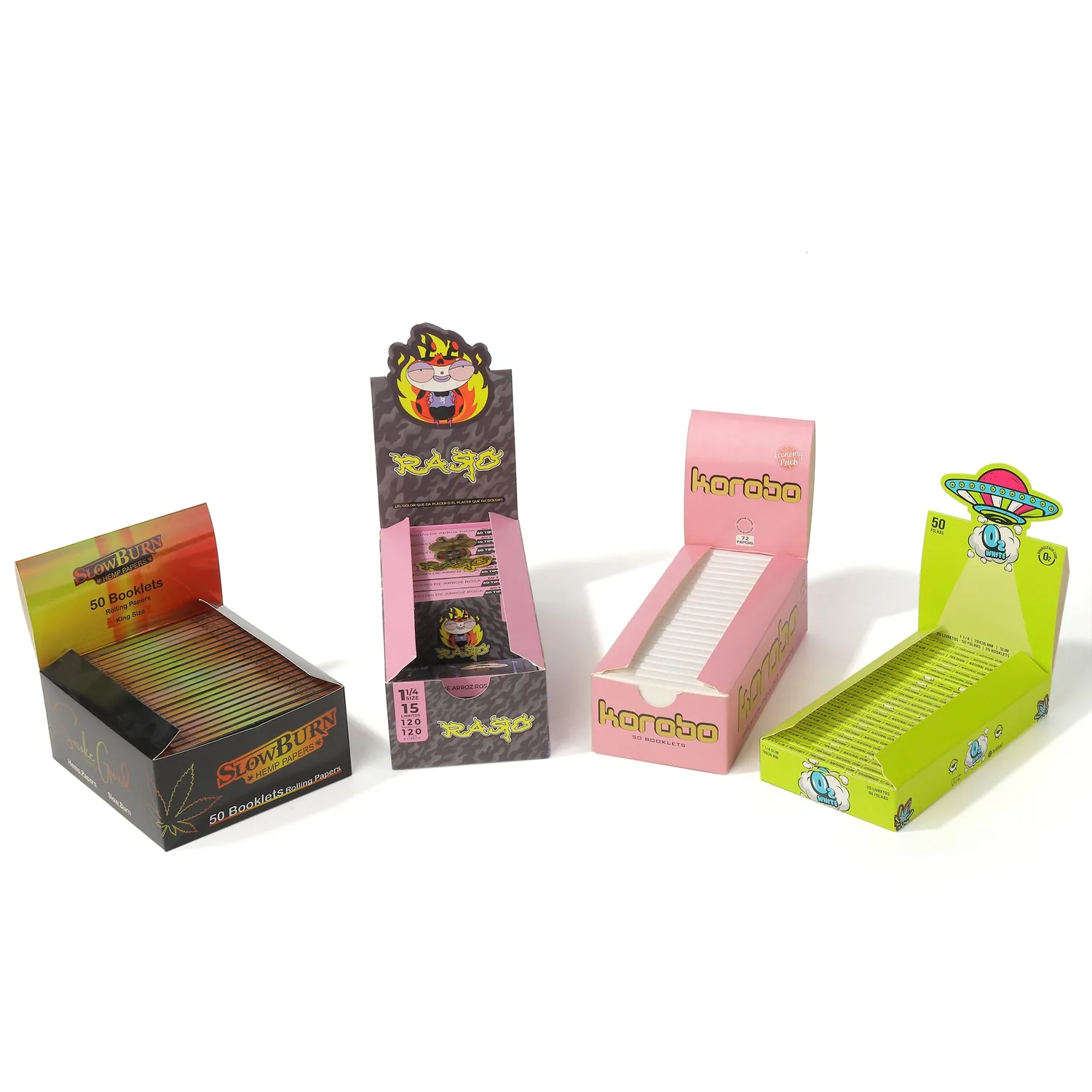
Summary: Since reverse gum isn’t visually obvious from the outside of a booklet, brands should label the pack clearly if this is a deliberate feature—otherwise regular users expecting standard placement may find the product confusing on first use. Clear on-pack copy turns a potential complaint into a stated feature.
| Packaging element | Por qué es importante |
|---|---|
| Clear “reverse gum” labeling | Avoids first-use confusion |
| Feature framing on copy | Turns variation into a selling point |
| Placement diagram (optional) | Helps first-time users |
Conclusión clave: Label reverse gum clearly on the pack—an unlabeled variation reads as a defect to unfamiliar users.
Rutas de empaquetado: https://ace-rolling.com/custom-rolling-papers/.
Does Reverse Gum Work Across Different Paper Fibers?
Lead-in: Placement is independent of the fiber the leaf is made from.
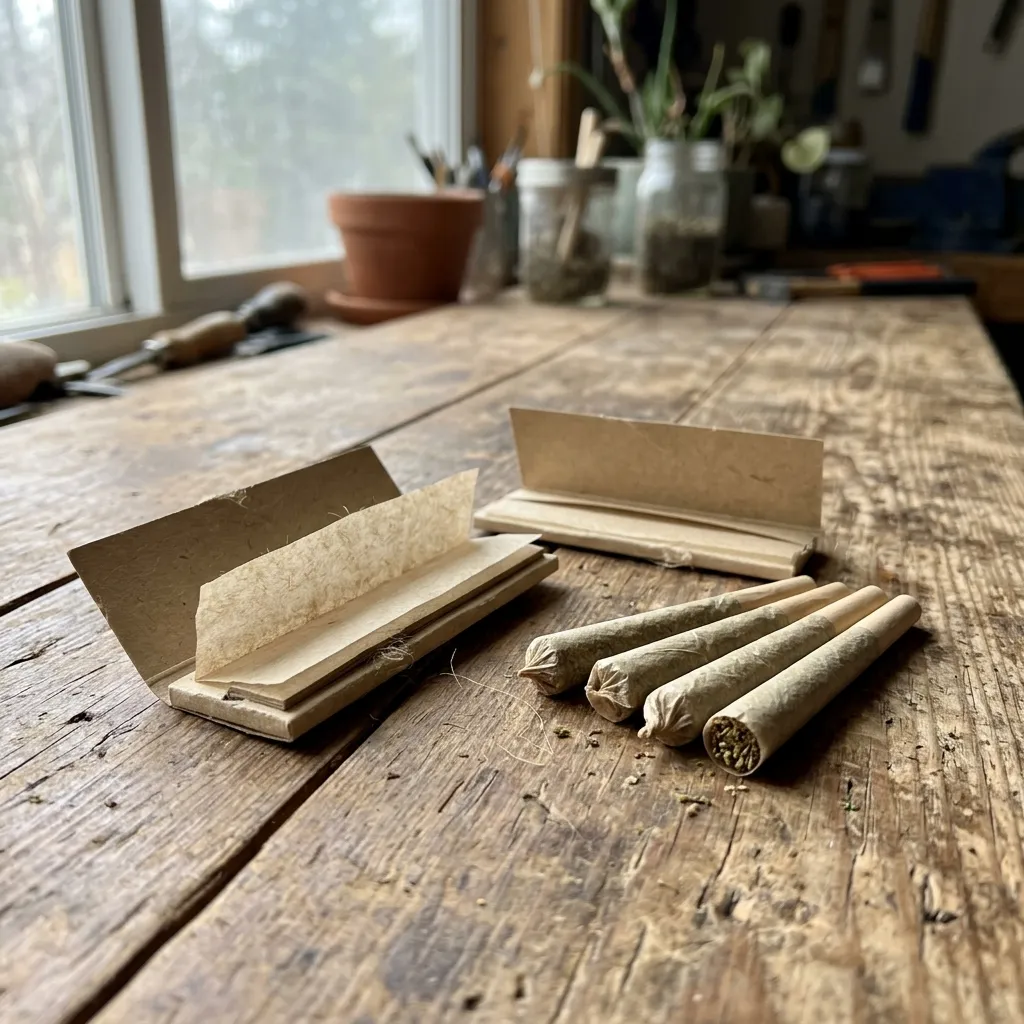
Summary: Reverse gum can be applied to white, unbleached, hemp, or other fiber routes offered in a booklet program—the placement variation is a converting-line decision, separate from fiber selection. Brands can combine reverse gum with any fiber and print choice already planned for their SKU.
| Combination | Compatibility |
|---|---|
| Reverse gum + any fiber | Compatible |
| Reverse gum + custom print | Compatible |
| Reverse gum + perforation | Compatible |
Conclusión clave: Reverse gum is an independent converting line item—brief it alongside, not instead of, your fiber and print decisions.
Material routes: https://ace-rolling.com/quality-certifications/.
Does Reverse Gum Change the Wholesale Quote?
Lead-in: A placement variation is a converting-line adjustment, not typically a major cost driver.
Summary: Ace quotes reverse-gum booklets inside the same standard ~$0.07–$0.30 per-booklet wholesale band with MOQ as standard-gum booklets. The variation should still be specified clearly in the RFQ since it requires converting-line recalibration, but it does not represent a separate cost tier on its own.

| Factor de costo | Nota |
|---|---|
| Reverse gum placement | Minor converting adjustment |
| Paper fiber | Larger cost driver |
| Print/finish | Larger cost driver |
Conclusión clave: Reverse gum is a small line item to specify clearly—your fiber and print scope drive most of the wholesale cost.
Wholesale bands: https://ace-rolling.com/quality-certifications/.
How Do You Order Reverse Gummed Booklets From Ace Rolling?
Lead-in: One brief settles gum placement alongside fiber and print.
Summary: Send Ace your fiber choice, reverse gum requirement, print scope, cover finish, target quantity, destination, and timeline. Ace quotes booklets inside the ~$0.07–$0.30 wholesale band with MOQ, plans concept-to-delivery near two months, and runs mass about four to five weeks after sample approvals confirm seal quality.
| Paso | Acción |
|---|---|
| 1 | Specify reverse gum requirement |
| 2 | Confirm fiber and print scope |
| 3 | Approve seal-quality sample |
| 4 | Freeze artwork and pack copy |
| 5 | Producción masiva ~4–5 semanas después de las aprobaciones |
Conclusión clave: State “reverse gum” explicitly and early—it’s a converting detail your supplier needs flagged before tooling setup.
Inicio: https://ace-rolling.com/contact/.
Preguntas frecuentes
How do reverse gummed rolling papers work wholesale?
Reverse gum flips the sealing strip to the opposite edge or face of the leaf compared with a standard layout, changing the rolling motion needed to seal. Ace can produce reverse-gum booklets as a converting variation inside the standard ~$0.07–$0.30 per-booklet wholesale band with MOQ. The paper fiber and adhesive chemistry stay the same—only placement changes.
Does reverse gum weaken the seal compared to standard gum?
It shouldn’t, in principle—seal strength is a property of the adhesive itself, not its position on the leaf. In practice, converting equipment calibrated for standard placement needs re-setting for reverse placement, so approving a dedicated sample is essential before mass production to confirm seal quality matches standard-gum performance.
Can reverse gum be combined with any paper fiber or print?
Yes. Reverse gum placement is a converting-line decision independent of fiber selection, so it can be applied to white, unbleached, hemp, or other fiber routes, and combined with custom print or perforation. Brief it as one line item alongside your other fiber and print decisions in the same RFQ.
Should I label reverse gum on my packaging?
Yes. Since reverse gum isn’t visually obvious from outside a booklet, clear on-pack labeling helps first-time users understand the feature rather than mistaking it for a defect. Framing it clearly as a deliberate feature on the packaging copy turns the variation into a stated selling point instead of a support issue.
Does reverse gum cost more than standard gum placement?
Generally not significantly. Ace quotes reverse-gum booklets inside the same standard ~$0.07–$0.30 per-booklet wholesale band with MOQ as standard-gum booklets. It should still be specified clearly in the RFQ since it requires converting-line recalibration, but paper fiber and print scope remain the larger cost drivers in most quotes.
What should I check on a reverse-gum sample before mass production?
Confirm seal strength matches standard-gum performance, check tear quality along the gum edge, and verify the placement is consistent across multiple leaves in the booklet. Since converting equipment needs recalibration for reverse placement, don’t assume standard-gum QC results transfer automatically—approve a dedicated reverse-gum sample first.
Ready to Brief a Reverse Gum Booklet Program?
Specify reverse gum placement alongside your fiber and print plan, then validate seal quality on a sample.
- Custom papers: https://ace-rolling.com/custom-rolling-papers/
- OEM programs: https://ace-rolling.com/oem-odm-rolling-paper-manufacturer/
- Cotización: https://ace-rolling.com/contact/