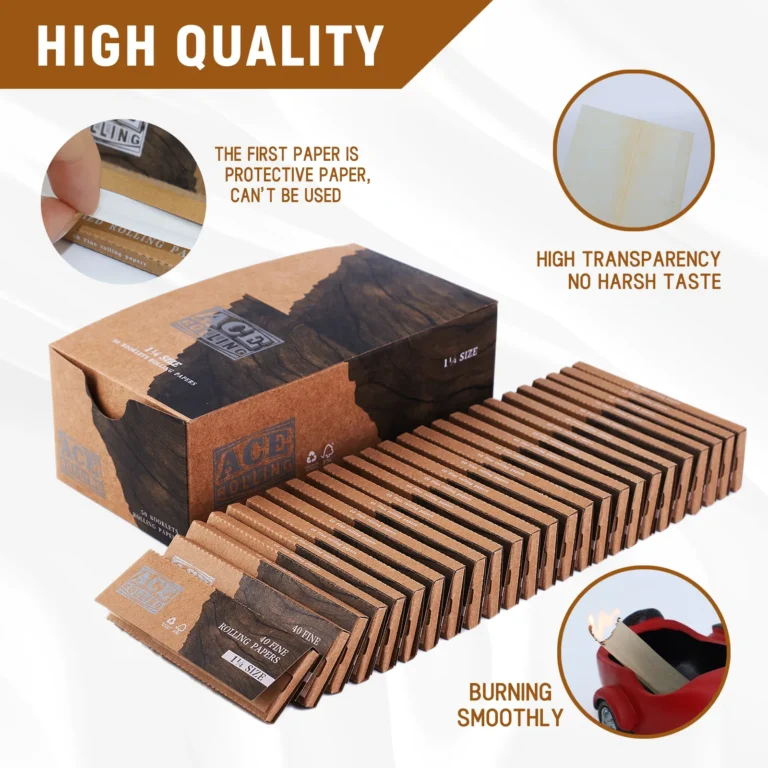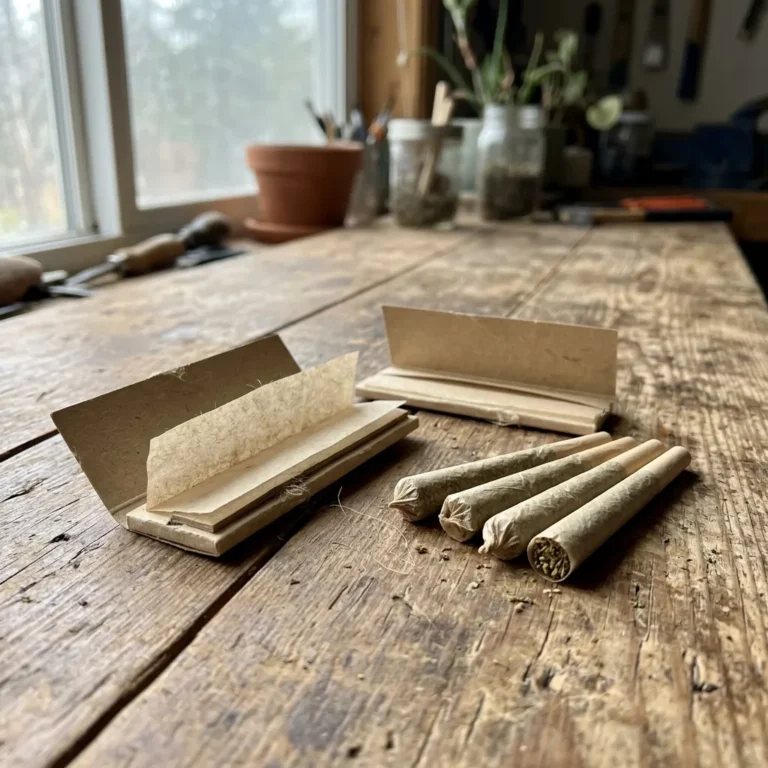

Bagaimana cara kerja kertas gulung bergusi terbalik secara grosir? Gusi terbalik memindahkan strip penyegel ke tepi atau sisi daun yang berlawanan dari tata letak standar, mengubah arah perokok menggulung dan menyegel—Ace dapat memproduksi booklet bergusi terbalik sebagai variasi konversi dalam kisaran grosir per-booklet standar ~USD $0.07–$0.30 dengan MOQ.
Rekan SERP seperti Shop The King memasarkan gusi terbalik sebagai fitur teknik penggulungan khusus. Panduan ini menjelaskan apa yang sebenarnya berubah dengan penempatan gusi terbalik dan cara mengarahkannya dengan benar untuk program booklet label pribadi.
Apa Arti “Bergusi Terbalik” Sebenarnya pada Sehelai Daun?
Pengantar: Istilah ini menggambarkan posisi gum, bukan jenis perekat atau kertas yang berbeda.
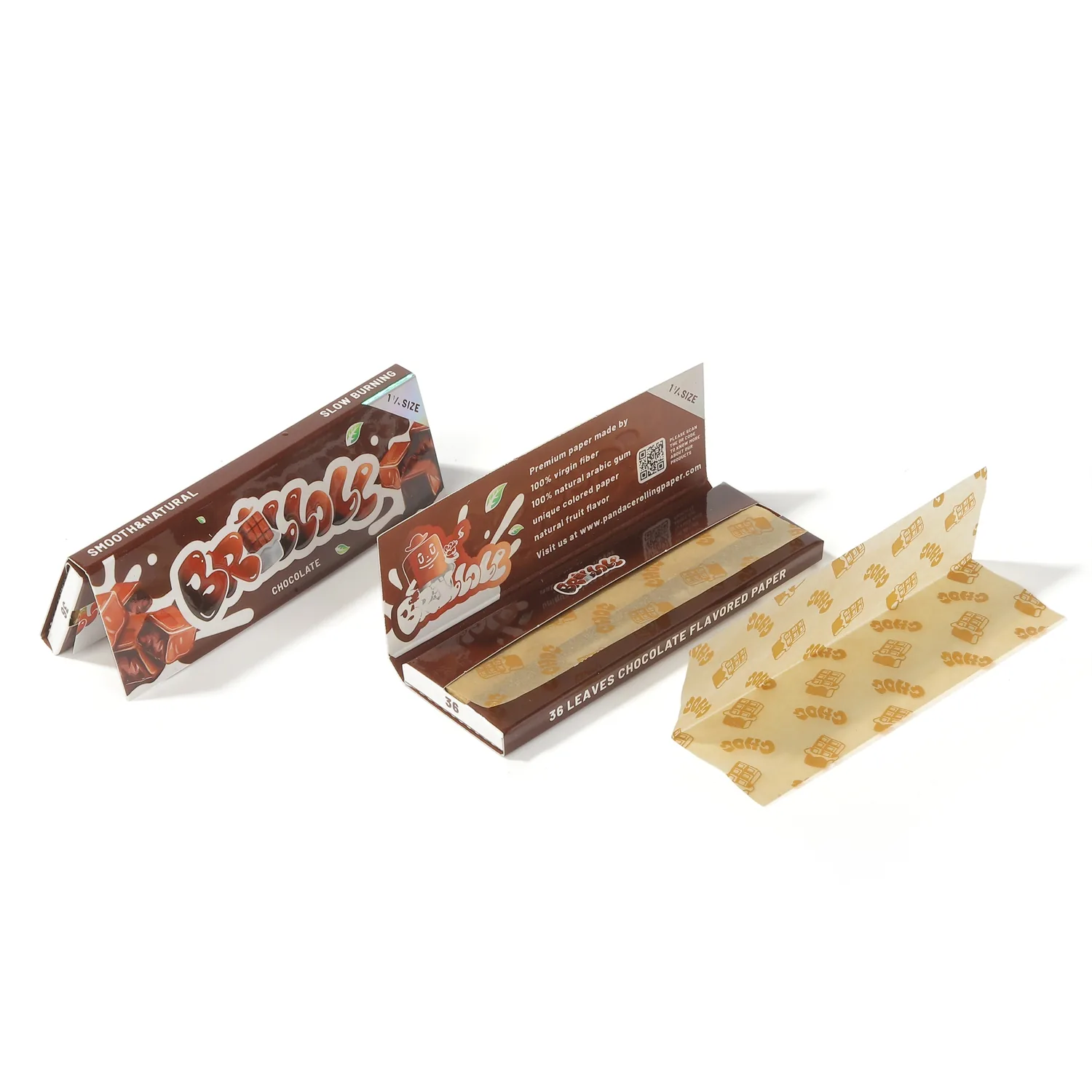
Ringkasan: Lembaran standar memiliki strip gum di tepi tertentu, diposisikan untuk gerakan gulung-dan-segel konvensional. Lembaran bergum terbalik menempatkan strip itu di tepi berlawanan atau sisi berlawanan, yang mengubah gerakan menggulung yang diperlukan untuk menyegel kertas. Serat kertas dan kimia perekat tetap sama—hanya penempatan yang berubah.
| Elemen | Gum standar | Gum terbalik |
|---|---|---|
| Posisi strip | Tepi konvensional | Tepi/sisi berlawanan |
| Serat kertas | Tidak berubah | Tidak berubah |
| Jenis perekat | Tidak berubah | Tidak berubah |
Poin Penting: Gum terbalik adalah variasi penempatan, bukan bahan yang berbeda—konfirmasi posisi tepat dalam brief konversi Anda.
Kertas kustom: https://ace-rolling.com/custom-rolling-papers/.
Mengapa Beberapa Perokok atau Merek Lebih Memilih Permen Terbalik?
Pendahuluan: Preferensi teknik penggulungan adalah pendorong utama di balik permintaan ini.
Ringkasan: Beberapa perokok yang menggulung dengan orientasi tangan atau teknik tertentu merasa penempatan gusi terbalik lebih nyaman atau efisien untuk disegel. Merek terkadang menawarkan gusi terbalik sebagai SKU terdiferensiasi yang menarik bagi preferensi pengguna spesifik tersebut, berbeda dari produk gusi-standar yang diharapkan sebagian besar pembeli secara default.
| Alasan | Detail |
|---|---|
| Kesesuaian teknik | Cocok dengan gerakan penggulungan tertentu |
| Diferensiasi | SKU berbeda vs gusi standar |
| Preferensi pengguna | Subjektif, tidak universal |
Poin Penting: Gusi terbalik bingkai sebagai pembeda yang digerakkan preferensi, bukan peningkatan—gusi standar tetap menjadi default yang diharapkan sebagian besar pembeli.
Opsi OEM kustom: https://ace-rolling.com/oem-odm-rolling-paper-manufacturer/.
Apakah Permen Terbalik Mempengaruhi Kekuatan Segel atau Kualitas Robekan?
Pengantar: Perubahan penempatan seharusnya tidak mengubah kinerja inti perekat—tetapi verifikasi pada sampel.
Ringkasan: Kimia gum dan kekuatan segel adalah sifat perekat itu sendiri, bukan posisinya pada lembaran. Secara teori, lembaran bergum terbalik harus menyegel sama andalnya dengan gum standar. Dalam praktiknya, peralatan konversi yang dikalibrasi untuk penempatan standar perlu diatur ulang untuk penempatan terbalik, jadi pemeriksaan sampel sangat penting sebelum persetujuan massal.

| Properti | Harapan |
|---|---|
| Kekuatan segel | Harus sesuai dengan gum standar |
| Kualitas sobekan | Harus sesuai dengan penempatan standar |
| Kalibrasi konversi | Perlu pengaturan ulang untuk posisi terbalik |
Poin Penting: Setujui sampel permen terbalik secara khusus—jangan berasumsi hasil QC permen standar dapat diterapkan secara otomatis.
Proses sampel: https://ace-rolling.com/how-to-get-a-custom-rolling-paper-sample-kit/.
Bagaimana Kemasan Harus Mengomunikasikan Gum Terbalik kepada Pembeli?
Pengantar: Gum terbalik tidak terlihat hingga kemasan dibuka, jadi kemasan perlu menyatakannya.
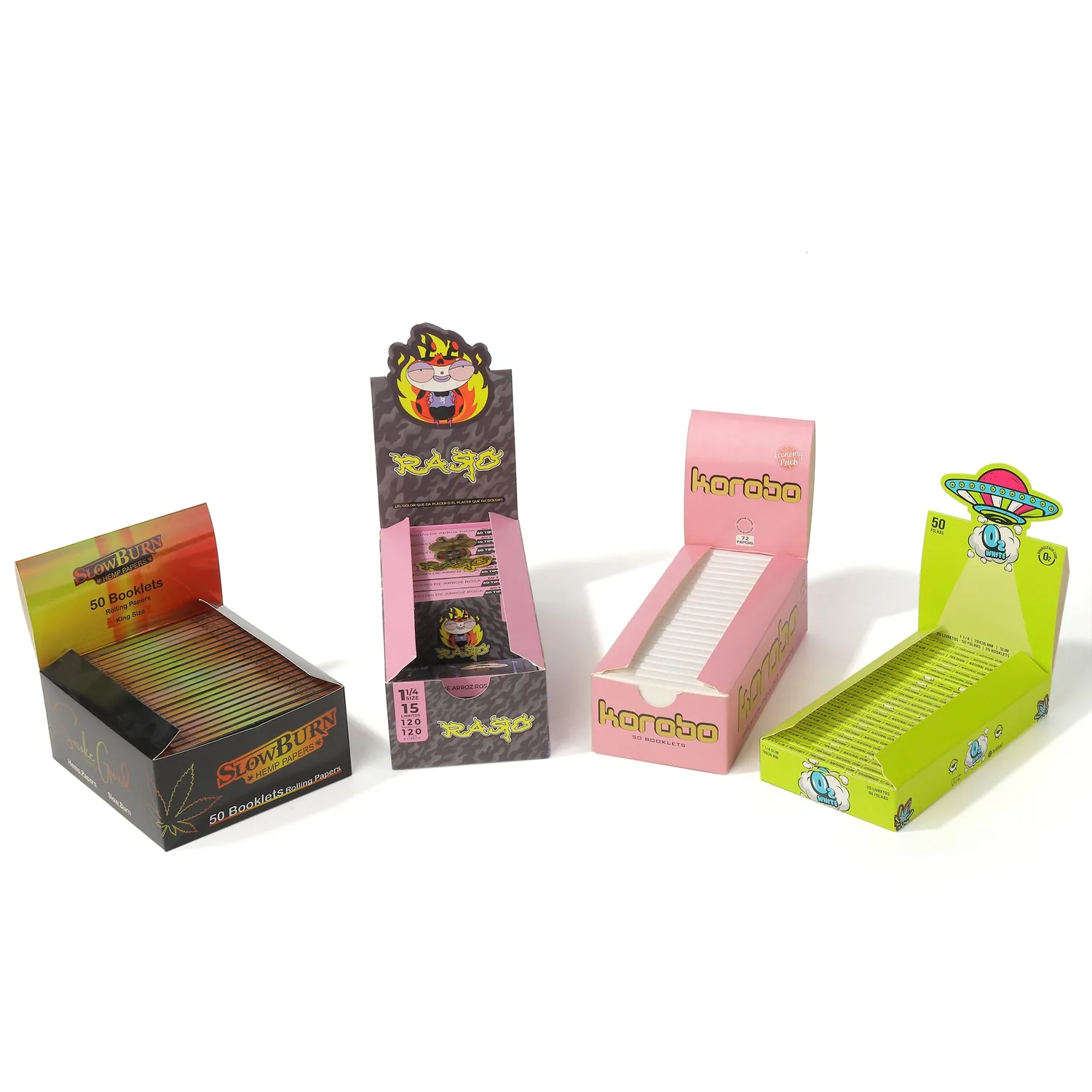
Ringkasan: Karena permen terbalik tidak terlihat jelas dari luar buku, merek harus memberi label pada kemasan dengan jelas jika ini adalah fitur yang disengaja—jika tidak, pengguna biasa yang mengharapkan penempatan standar mungkin merasa produk ini membingungkan pada penggunaan pertama. Salinan pada kemasan yang jelas mengubah potensi keluhan menjadi fitur yang dinyatakan.
| Elemen kemasan | Mengapa hal ini penting |
|---|---|
| Pelabelan “gum terbalik” yang jelas | Menghindari kebingungan penggunaan pertama |
| Pembingkaian fitur pada salinan | Mengubah variasi menjadi titik penjualan |
| Diagram penempatan (opsional) | Helps first-time users |
Poin Penting: Label reverse gum clearly on the pack—an unlabeled variation reads as a defect to unfamiliar users.
Rute pengemasan: https://ace-rolling.com/custom-rolling-papers/.
Does Reverse Gum Work Across Different Paper Fibers?
Lead-in: Placement is independent of the fiber the leaf is made from.
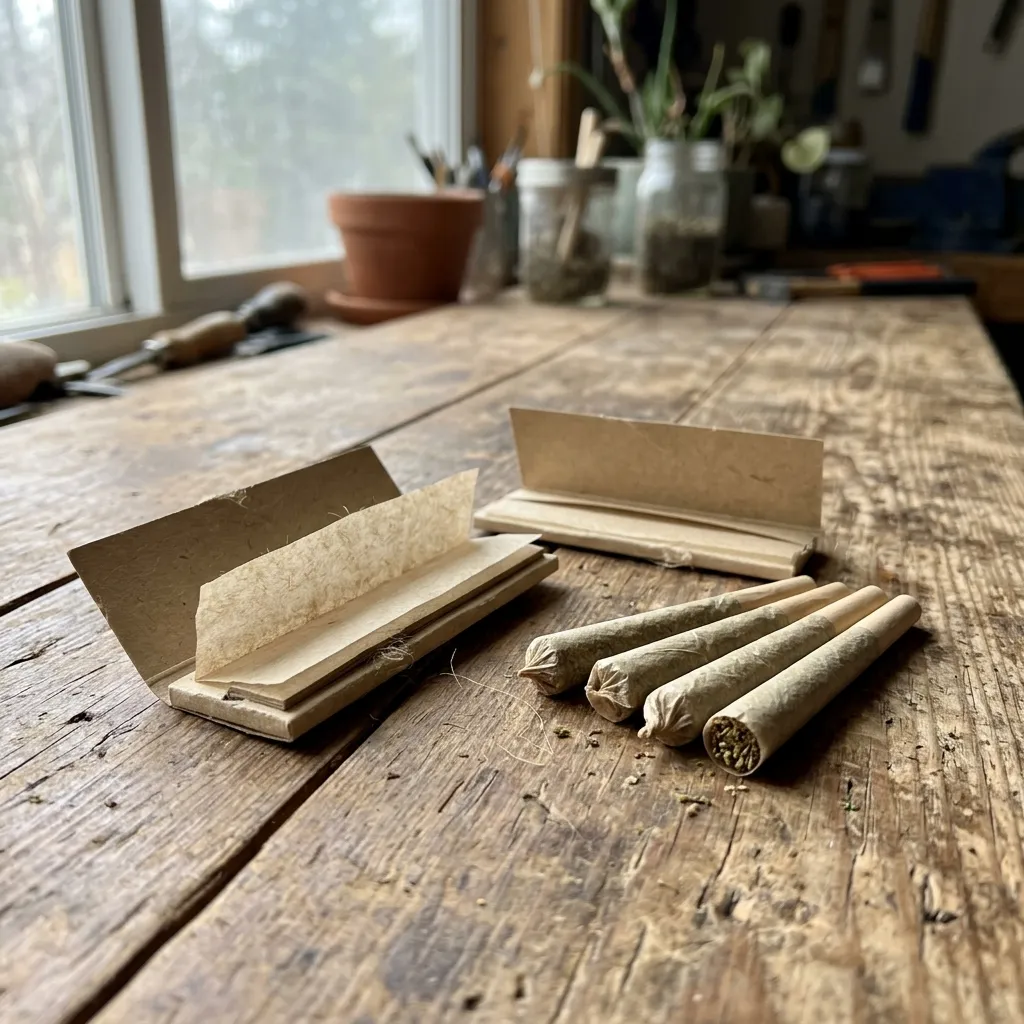
Summary: Reverse gum can be applied to white, unbleached, hemp, or other fiber routes offered in a booklet program—the placement variation is a converting-line decision, separate from fiber selection. Brands can combine reverse gum with any fiber and print choice already planned for their SKU.
| Combination | Compatibility |
|---|---|
| Reverse gum + any fiber | Compatible |
| Reverse gum + custom print | Compatible |
| Reverse gum + perforation | Compatible |
Poin Penting: Reverse gum is an independent converting line item—brief it alongside, not instead of, your fiber and print decisions.
Material routes: https://ace-rolling.com/quality-certifications/.
Does Reverse Gum Change the Wholesale Quote?
Lead-in: A placement variation is a converting-line adjustment, not typically a major cost driver.
Summary: Ace quotes reverse-gum booklets inside the same standard ~$0.07–$0.30 per-booklet wholesale band with MOQ as standard-gum booklets. The variation should still be specified clearly in the RFQ since it requires converting-line recalibration, but it does not represent a separate cost tier on its own.

| Faktor biaya | Catatan |
|---|---|
| Reverse gum placement | Minor converting adjustment |
| Serat kertas | Larger cost driver |
| Print/finish | Larger cost driver |
Poin Penting: Reverse gum is a small line item to specify clearly—your fiber and print scope drive most of the wholesale cost.
Band grosir: https://ace-rolling.com/quality-certifications/.
How Do You Order Reverse Gummed Booklets From Ace Rolling?
Lead-in: One brief settles gum placement alongside fiber and print.
Summary: Send Ace your fiber choice, reverse gum requirement, print scope, cover finish, target quantity, destination, and timeline. Ace quotes booklets inside the ~$0.07–$0.30 wholesale band with MOQ, plans concept-to-delivery near two months, and runs mass about four to five weeks after sample approvals confirm seal quality.
| Langkah | Aksi |
|---|---|
| 1 | Specify reverse gum requirement |
| 2 | Confirm fiber and print scope |
| 3 | Approve seal-quality sample |
| 4 | Freeze artwork and pack copy |
| 5 | Mass ~4–5 weeks after approvals |
Poin Penting: State “reverse gum” explicitly and early—it’s a converting detail your supplier needs flagged before tooling setup.
Mulai: https://ace-rolling.com/contact/.
FAQ
Bagaimana cara kerja kertas gulung bergusi terbalik secara grosir?
Reverse gum flips the sealing strip to the opposite edge or face of the leaf compared with a standard layout, changing the rolling motion needed to seal. Ace can produce reverse-gum booklets as a converting variation inside the standard ~$0.07–$0.30 per-booklet wholesale band with MOQ. The paper fiber and adhesive chemistry stay the same—only placement changes.
Does reverse gum weaken the seal compared to standard gum?
It shouldn’t, in principle—seal strength is a property of the adhesive itself, not its position on the leaf. In practice, converting equipment calibrated for standard placement needs re-setting for reverse placement, so approving a dedicated sample is essential before mass production to confirm seal quality matches standard-gum performance.
Can reverse gum be combined with any paper fiber or print?
Yes. Reverse gum placement is a converting-line decision independent of fiber selection, so it can be applied to white, unbleached, hemp, or other fiber routes, and combined with custom print or perforation. Brief it as one line item alongside your other fiber and print decisions in the same RFQ.
Should I label reverse gum on my packaging?
Yes. Since reverse gum isn’t visually obvious from outside a booklet, clear on-pack labeling helps first-time users understand the feature rather than mistaking it for a defect. Framing it clearly as a deliberate feature on the packaging copy turns the variation into a stated selling point instead of a support issue.
Does reverse gum cost more than standard gum placement?
Generally not significantly. Ace quotes reverse-gum booklets inside the same standard ~$0.07–$0.30 per-booklet wholesale band with MOQ as standard-gum booklets. It should still be specified clearly in the RFQ since it requires converting-line recalibration, but paper fiber and print scope remain the larger cost drivers in most quotes.
What should I check on a reverse-gum sample before mass production?
Confirm seal strength matches standard-gum performance, check tear quality along the gum edge, and verify the placement is consistent across multiple leaves in the booklet. Since converting equipment needs recalibration for reverse placement, don’t assume standard-gum QC results transfer automatically—approve a dedicated reverse-gum sample first.
Ready to Brief a Reverse Gum Booklet Program?
Specify reverse gum placement alongside your fiber and print plan, then validate seal quality on a sample.
- Custom papers: https://ace-rolling.com/custom-rolling-papers/
- OEM programs: https://ace-rolling.com/oem-odm-rolling-paper-manufacturer/
- Quote: https://ace-rolling.com/contact/