
I’ve had founders ask me how to build a cone factory when what they actually needed was a filling room and a reliable empty-cone supplier.
A profitable pre-roll cone factory is a paper-converting business—jumbo to cut, gum, form, and pack empty cones—not a flower filling plant; most brands should buy empty cones from an OEM and invest in filling, QC, and packaging, unless they already have sustained volume that can keep a converting line busy.
Read this and you’ll know which of those two businesses you are actually starting, before you spend capital on the wrong floor.
I’ve written the brand-launch path separately at https://ace-rolling.com/how-to-start-a-rolling-paper-business/. This piece is the factory-or-not decision, not the private-label checklist.
Are You Building a Converting Plant or a Filling Plant?
I force this split in the first call, because the word “factory” hides it.
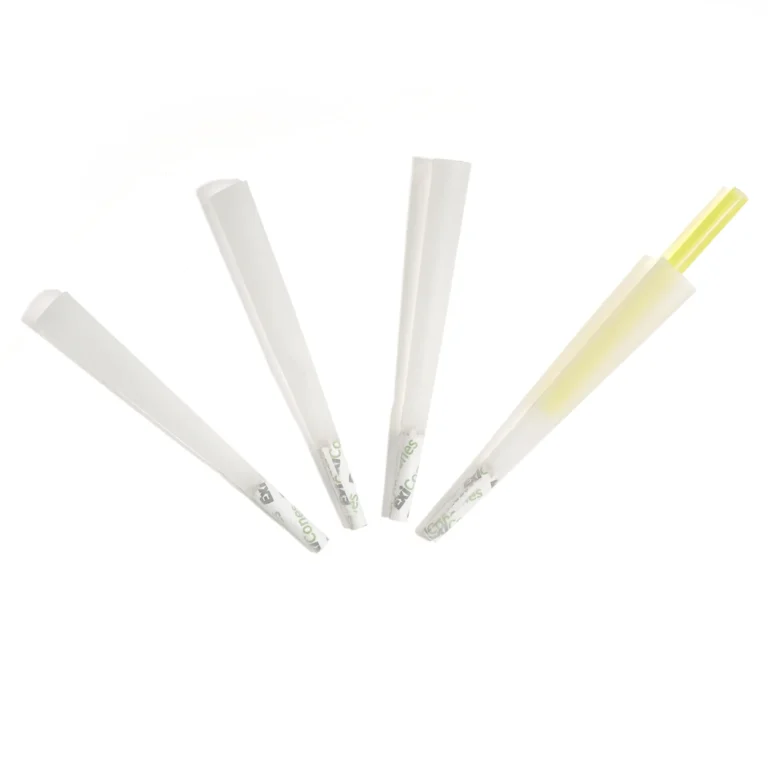
A converting plant turns jumbo paper into empty cones; a filling plant loads those empty cones with your material, closes them, and packs finished units—those are different machines, different permits, different QC, and different working capital, and mixing the words is how people buy the wrong line.
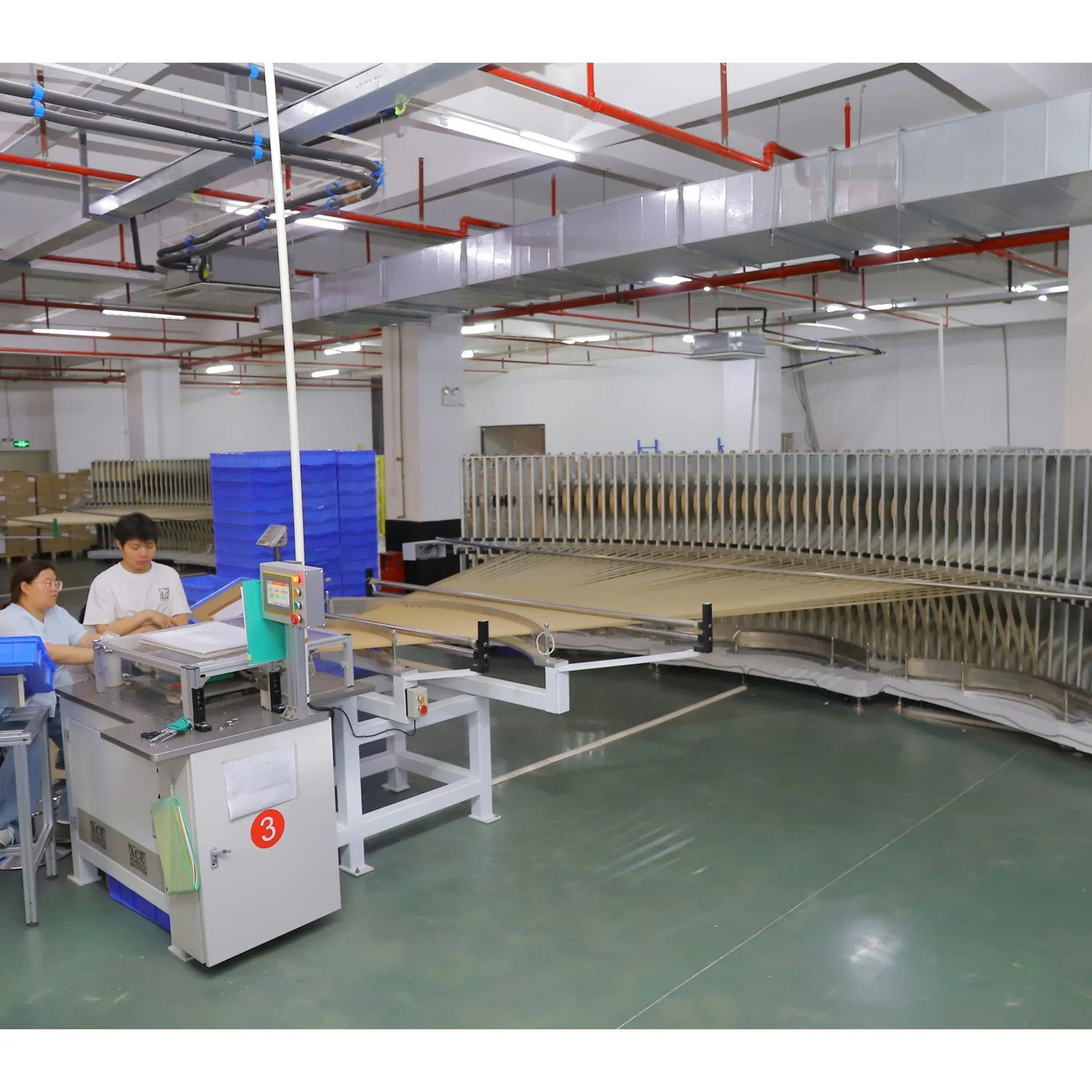
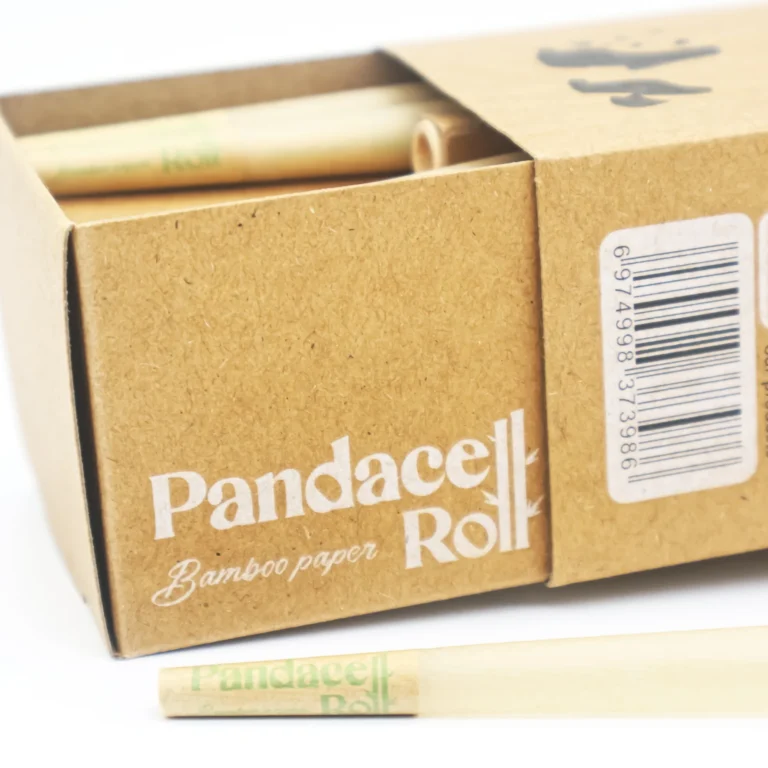
Ace Rolling is the converting side: Dongguan OEM for empty booklets, cones, tips, wraps, and cartons. We do not fill cannabis. When a founder tells me they want a “cone factory” next to a licensed fill site, I ask which P&L they are trying to own. Owning both only makes sense when empty-cone volume is large, stable, and worth the paper-supply risk.
| Year-one move | Usually profitable | Usually not |
|---|---|---|
| OEM empty cones + fill QC | Sí | — |
| Buy a former with no forecast | — | Sí |
| Visit a converting floor first | As research | As a purchase trigger |
| Business | What you make | Capital sits in |
|---|---|---|
| Converting plant | Conos vacíos | Paper, gum, forming tools |
| Filling plant | Finished pre-rolls | Flower, fillers, close labor |
| OEM + fill | You fill; factory converts | Inventory and QC only |
What Volume Actually Justifies Owning a Converting Line?
This is the number conversation I will not skip.
I only discuss owning converting equipment when a buyer can show a multi-year cone forecast that keeps the line running as a real production asset, not a demo; below that, OEM empty cones at about USD $0.04–$0.06 each with MOQ usually beat the depreciation, waste, and paper-inventory cost of a private line.
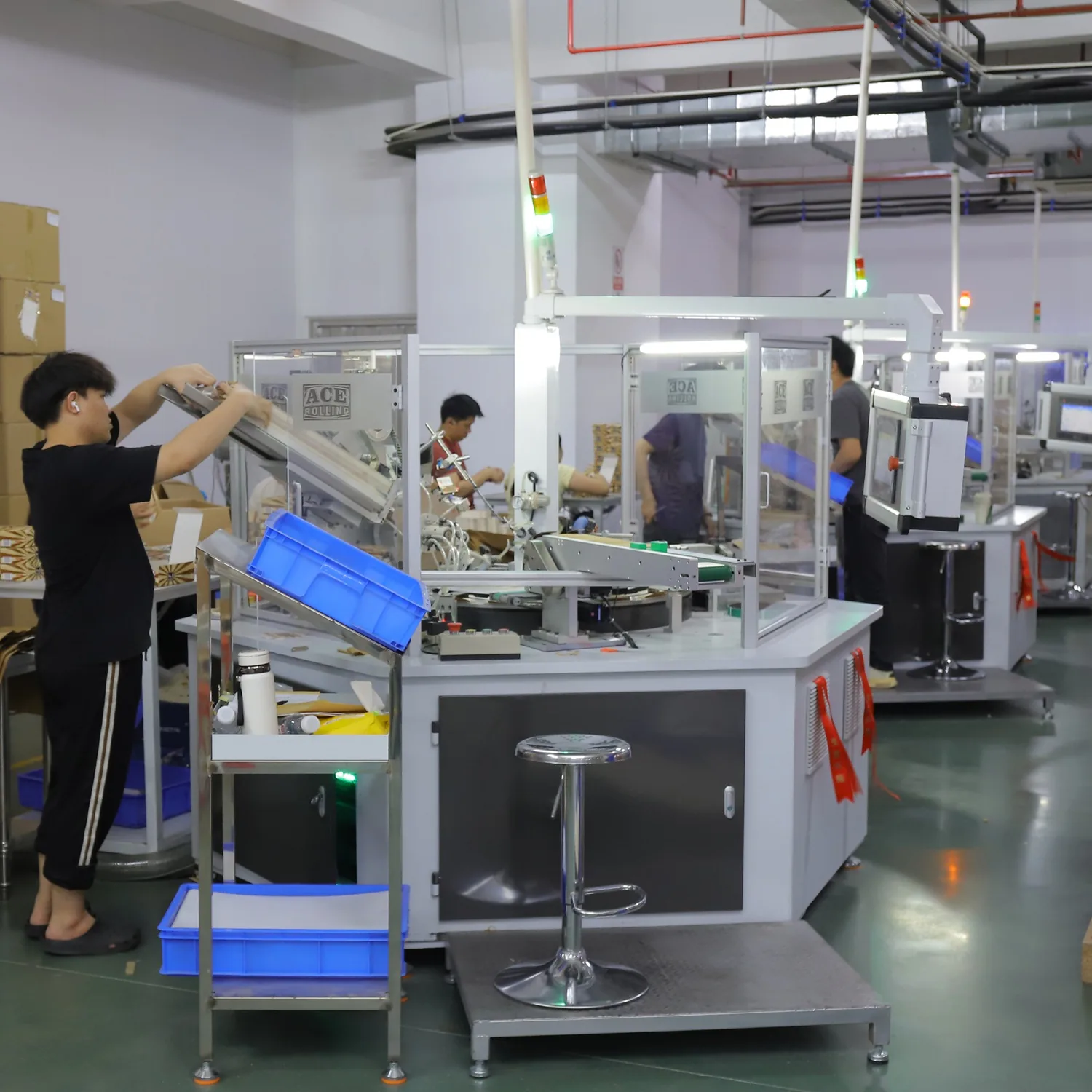
I will not invent a break-even unit count in this article, because it changes with local labor, power, and which sizes you form. What I will say from quoting both paths: founders almost always underestimate waste on gum, seam, and size changeovers. I’ve covered why producers are cutting SKU count at https://ace-rolling.com/why-are-producers-reducing-their-pre-roll-cone-sku-count/—that same changeover math is harsher when the line is yours.
What Inputs Does a Real Cone Converting Line Need?
I list these because “buy a cone machine” ads leave them out.
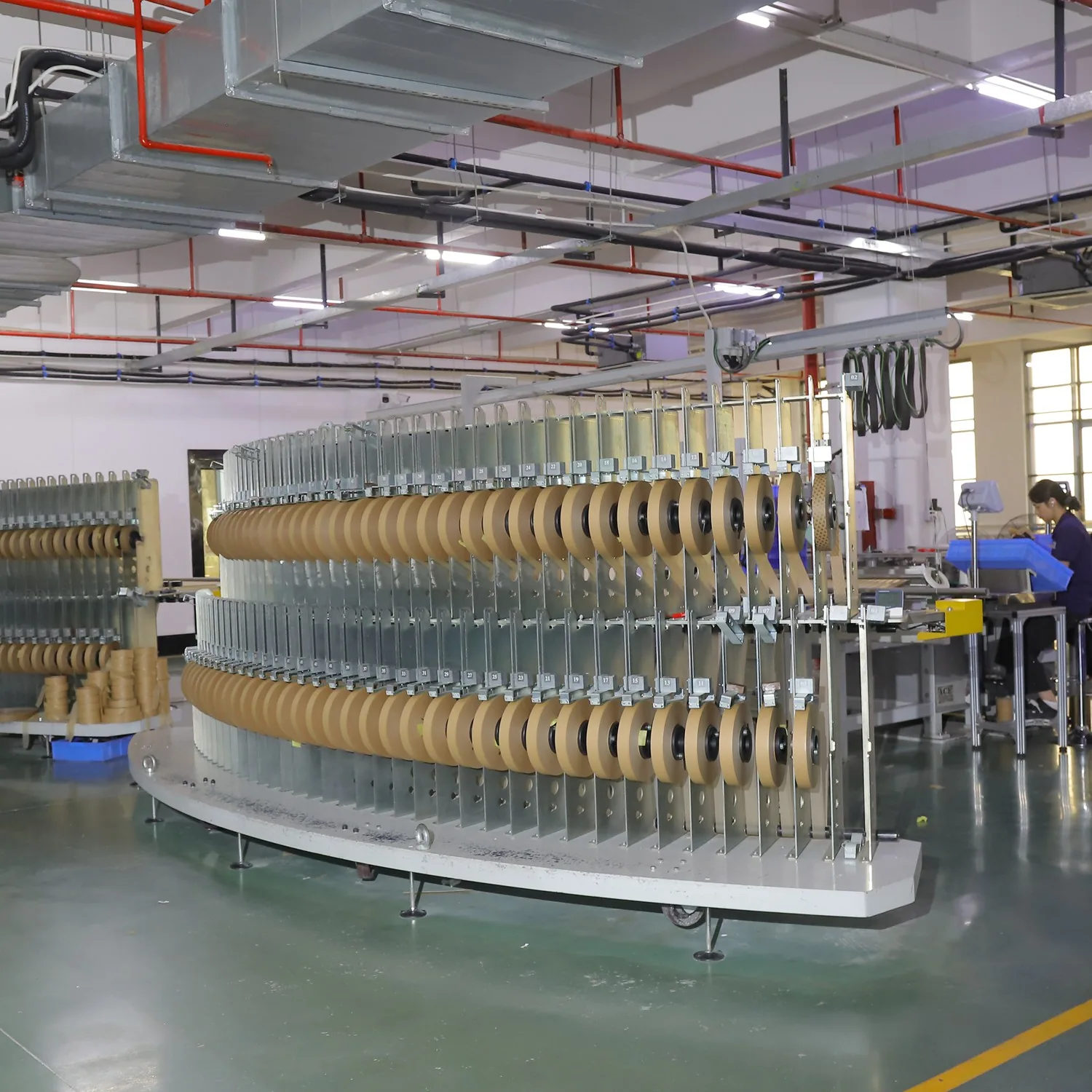
You need a stable jumbo-paper source, food-grade gum, tip supply, forming and gumming stations, packing, and a QC method for seam, taper, and count—plus the working capital to hold paper while you wait for customer POs, which is the part most startup budgets forget.
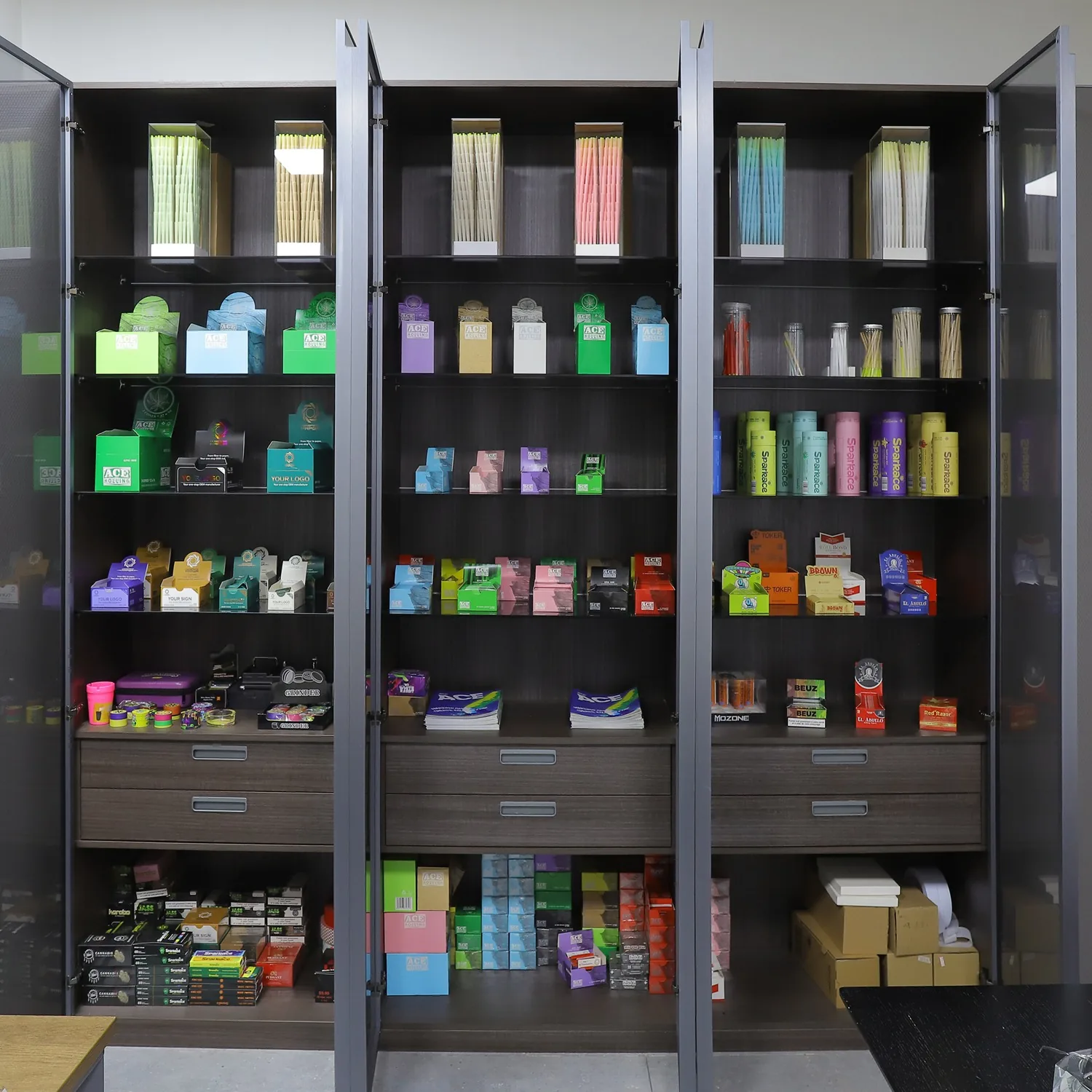
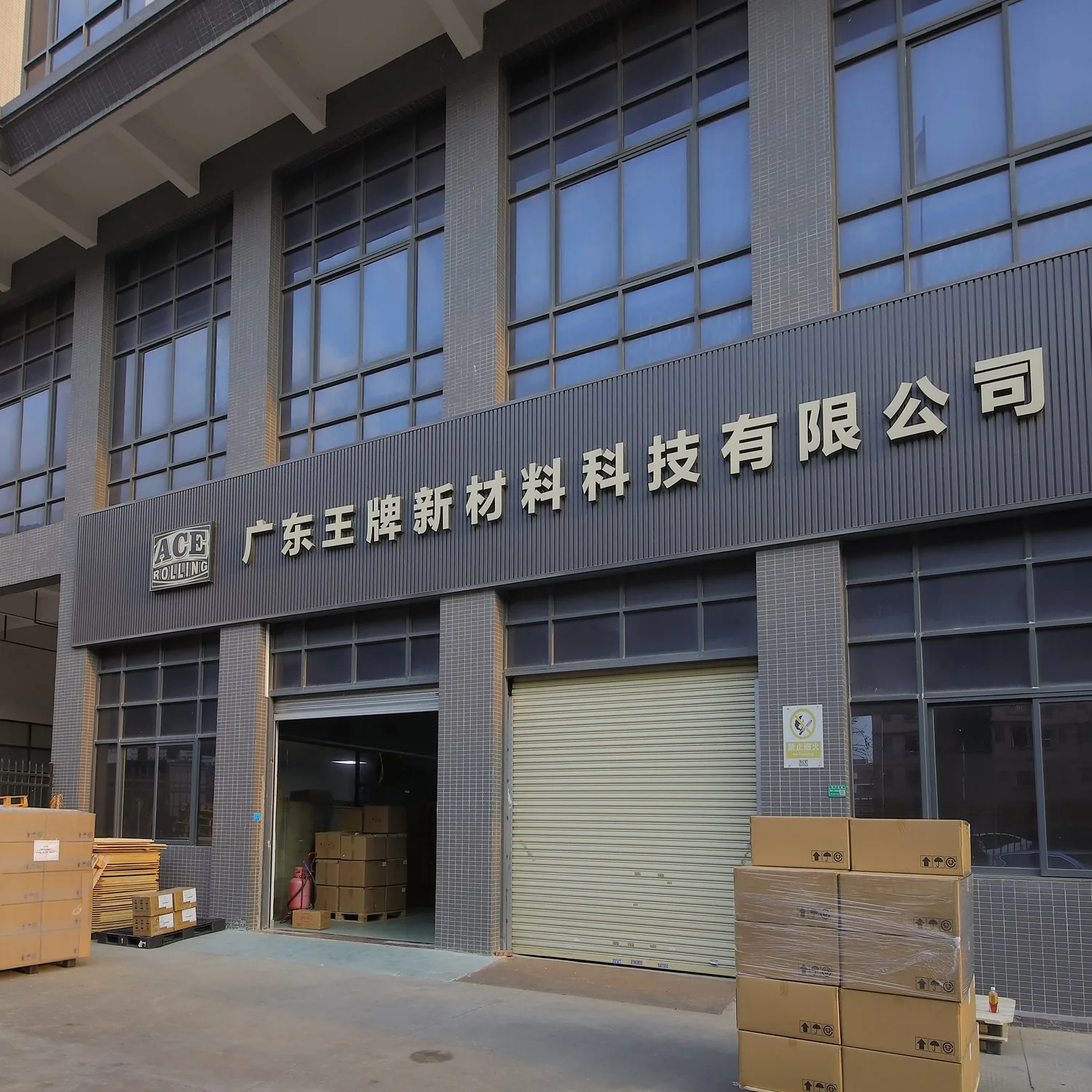
Ace can discuss Hengfeng-backed base-paper routes and ISO 9001:2015 process control because that is already our converting stack. A new plant has to recreate that stack from zero, including rejected bobbins and humidity control. I send people to https://ace-rolling.com/industrial-jumbo-rolls/ when they are serious about paper, and to https://ace-rolling.com/about-factory/ when they want to see what a converting floor actually looks like.
Which Skills Are Missing If You Only Know Filling?
Buyers who already run a Knockbox-style filler often assume converting is “the same, earlier.”
Filling skill does not transfer cleanly—converting is paper, gum, and dimensional tolerance work, while filling is density, moisture, and close work; I have watched excellent fill operators fail a first converting trial because they treated seam and GSM like packaging details instead of the product.
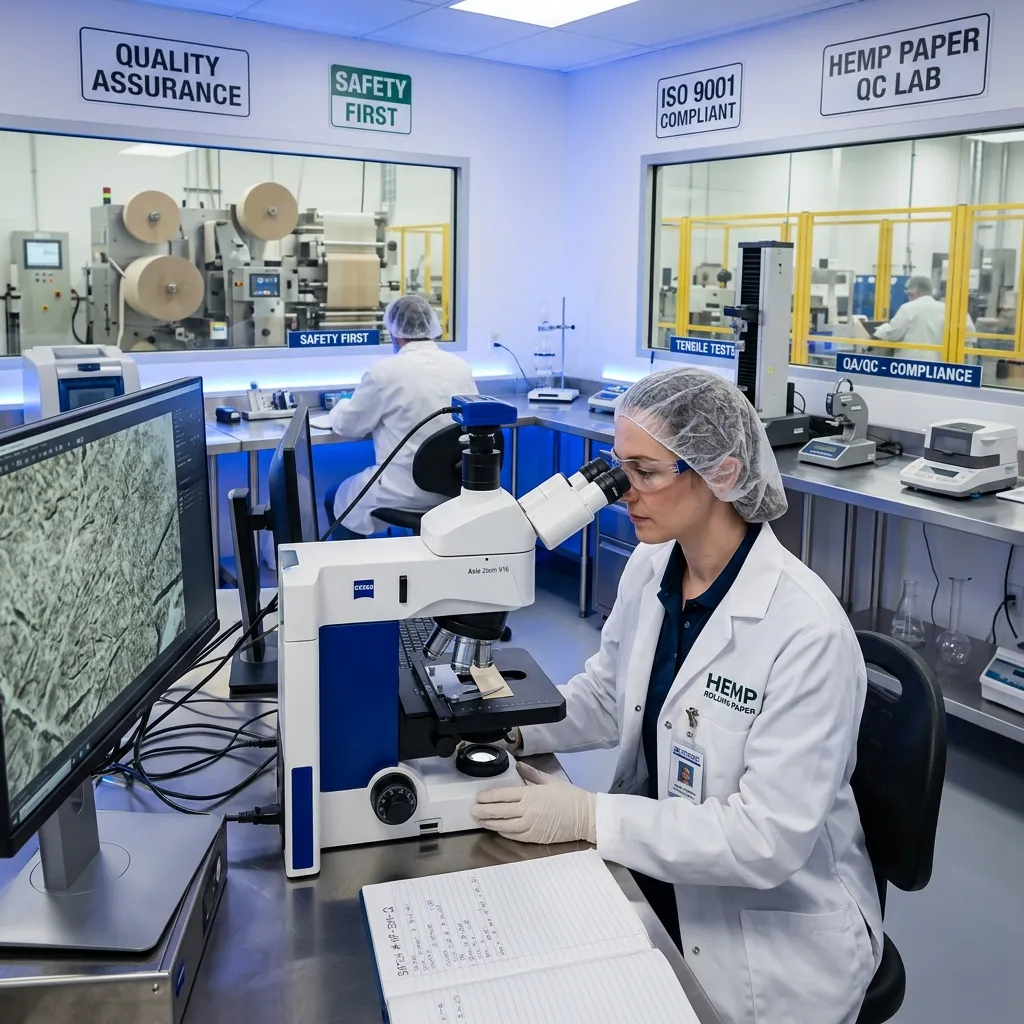
I ask filling-only teams to spend a week on incoming cone QC before they talk about buying a former. If they cannot write a seam and taper reject rule for purchased cones, they are not ready to own the process that creates those cones. That is not a slight. It is the cheapest way to learn whether converting is even the business they want.
When Is OEM Still the More Profitable “Factory” Decision?
I’d rather say this directly than dance around Ace’s interest.
OEM is the more profitable path when your scarce resource is licensed fill capacity, brand, or distribution—not paper converting—because you keep capital in flower and sales while a Dongguan plant already carries paper inventory, gumming, and size tooling.
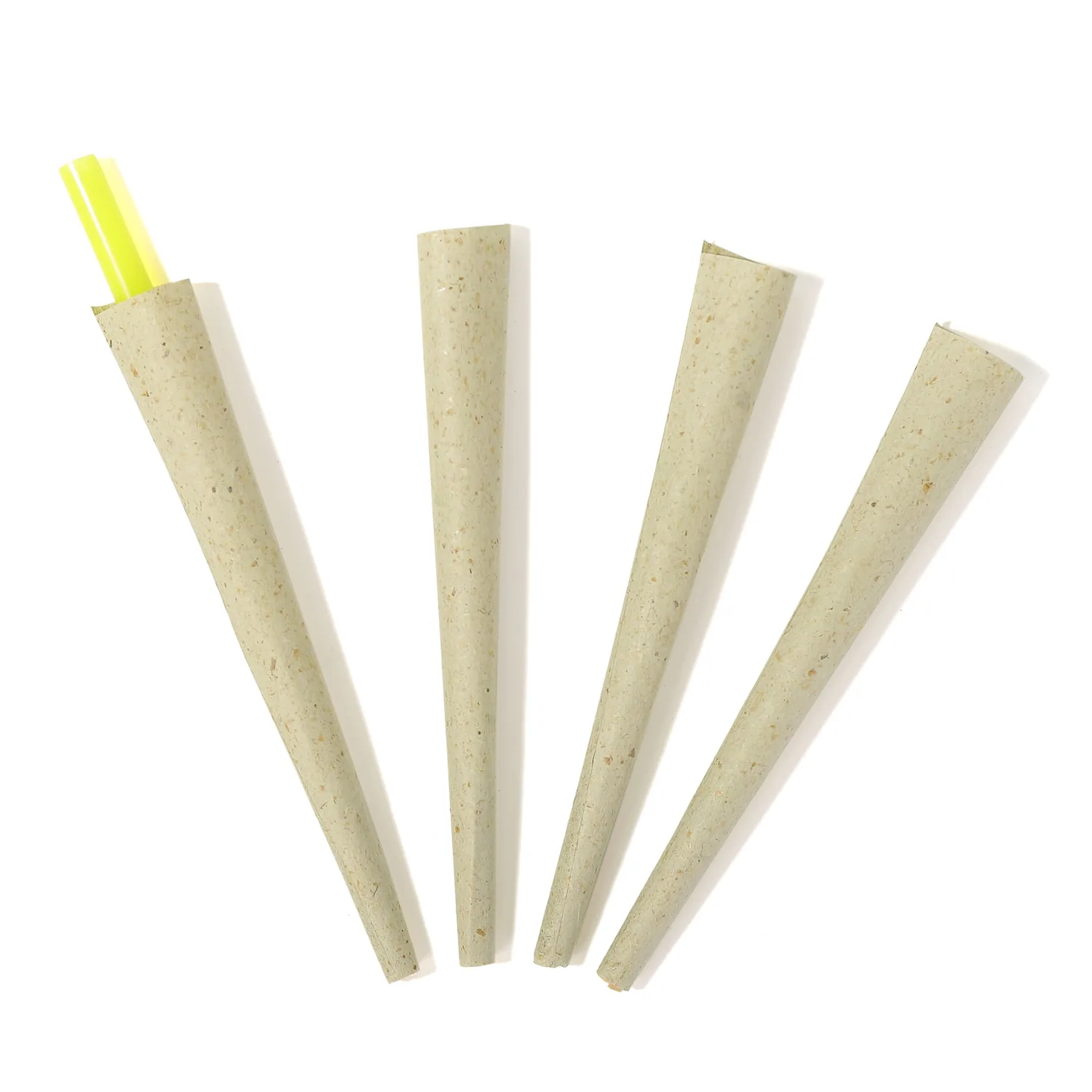
Ace cone programs start around a 2,000+ unit conversation depending on size, paper, print, tip, and pack, and they quote in that $0.04–$0.06 wholesale band. A private converting plant has a much larger first check and a slower path to the same empty cone. I only push founders toward ownership when they already resent waiting on OEM lead time *and* they can prove the volume.
How Should You Sequence the First Twelve Months?
I give a sequence so the romantic factory tour does not happen in month one.
Month one through six: lock sizes, sample empty cones, stand up fill QC, and sell; month seven through twelve: review actual cone usage and only then reopen the “own a line” question with real numbers, not a catalog photo of a former.
If those twelve months show one or two sizes eating almost all volume, you may have a converting case. If they show six sizes and a still-moving mix, you have an OEM case. I will help you read that mix. I will not help you buy a line to feel like a manufacturer.
Preguntas frecuentes
How do you start a profitable pre-roll cone factory?
How do you start a profitable pre-roll cone factory? First decide whether you mean converting empty cones or filling finished pre-rolls. Most profitable starts buy empty OEM cones at about USD $0.04–$0.06 with MOQ and put capital into filling, QC, and sales, instead of buying a forming line before the forecast is real.
Is a filling room the same thing as a cone factory?
No. A filling room loads empty cones; a cone factory converts jumbo paper into those empty cones. Different machines, different QC, and different permits apply. Ace Rolling is on the converting side in Dongguan and does not fill cannabis, so a licensed fill site still sits with you or your co-packer.
What volume do I need before I should own converting equipment?
I will not publish a fake break-even count, because labor, power, and size mix change it. I only reopen ownership when a buyer can show a multi-year forecast that keeps a line busy as a production asset. Below that, OEM empty cones plus your fill line is usually the cheaper P&L.
What inputs does a converting plant need besides a cone machine?
Jumbo paper, food-grade gum, tips, forming and gumming stations, packing, humidity control, and working capital for paper inventory. Startup catalogs often show only the former. The forgotten cost is rejected bobbins and size changeovers while you wait for customer POs.
Can Ace Rolling help if I still want to visit a real converting floor?
Yes. Factory context lives at https://ace-rolling.com/about-factory/, and industrial paper context lives at https://ace-rolling.com/industrial-jumbo-rolls/. Use those visits to decide whether you want that converting P&L, not to copy a machine list from a brochure and call it a plan.
Should a new pre-roll brand build a cone factory in year one?
Almost never. Year one should lock one or two sizes, sample, fill, and sell. Reopen the factory question only after you have a year of actual cone usage. If the mix is still wide and moving, keep converting with an OEM and keep your scarce license capacity on fill.
Still Deciding Factory Versus OEM?
Send your size mix and twelve-month unit forecast, and I’ll tell you which P&L you are actually starting.
- Pre-rolled cones: https://ace-rolling.com/pre-rolled-cones/
- Factory overview: https://ace-rolling.com/about-factory/
- Cotización: https://ace-rolling.com/contact/