
I’ve quoted this decision for brands going both directions, and most buyers ask about looks first. That’s backwards.
Choose paper tip for simpler, lighter-weight, lower-cost production at scale; choose glass tip when your positioning specifically calls for a reusable, premium mouthpiece and you’ve confirmed your filling line and shipping process can handle the extra weight and breakage risk.
By the end you’ll know the mechanical, cost, and production factors to check before you commit—not just which one photographs better on a shelf.
I’ve covered whether glass tips make sense as a private-label positioning move in a separate piece—this one is about the operational decision once you already know you’re considering both. See that positioning discussion at https://ace-rolling.com/are-glass-tip-pre-rolled-cones-good-for-private-label/ if brand positioning is your main question.
What’s the Actual Mechanical Difference Between the Two Tip Types?
I explain this the same way every time a buyer asks: it’s not just material, it’s function.
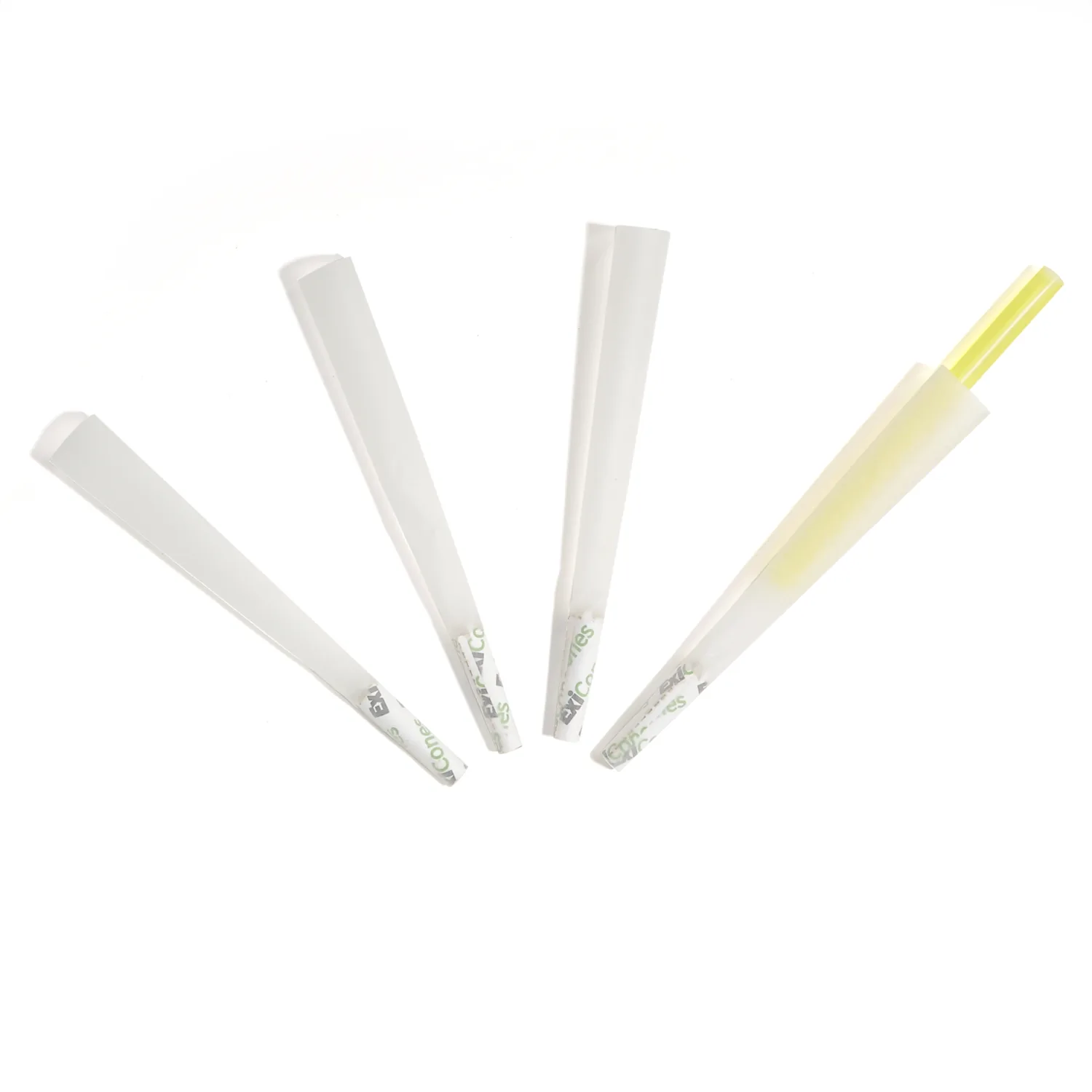
A paper tip is a rolled crutch made from the same fiber family as the cone itself, fully disposable; a glass tip is a separate rigid piece seated into the cone opening, designed to be pulled out and reused across multiple sessions.

A paper tip converts in the same process as the rest of the cone, so it adds essentially no separate handling step. A glass tip is manufactured elsewhere and has to be seated into the cone opening as its own assembly step, which is where most of the downstream considerations in this article actually come from—not the tip material itself, but the fact that it’s a separate rigid component being inserted into a paper structure.
| Factor | Punta de papel | Punta de vidrio |
|---|---|---|
| Material | Same fiber as cone | Separate rigid glass piece |
| Assembly | Integrated in converting | Separate insertion step |
| End-of-life | Fully disposable | Reusable, removable |
Does Glass Tip Add Meaningful Breakage Risk in Shipping?
I get this question from almost every buyer considering glass, and the honest answer is yes—manageable, but yes.
Glass tips introduce a real breakage risk during bulk shipping and handling that paper tips simply don’t have, so packaging design (padding, orientation, carton fill) needs more attention than it would for a paper-tip-only order.

I’ve seen this go two ways. Buyers who plan for it—confirming carton fill density, requesting appropriate internal padding, and testing a full pallet configuration before mass production—see breakage stay at a low, manageable rate. Buyers who treat glass tip cones exactly like paper tip cones in packaging design see a meaningfully higher breakage rate in transit, especially on longer ocean freight routes. This is a packaging engineering question as much as a tip material question, and I ask about it specifically before quoting a glass tip program.
How Does Each Tip Type Affect Your Filling Line Process?
This is the factor buyers underestimate most, and it’s the one I push hardest on.
Paper tips add no meaningful step to your existing filling process; glass tips require a separate insertion step either by hand or with compatible equipment, which changes your throughput and labor cost per unit whether you fill in-house or through a co-packer.
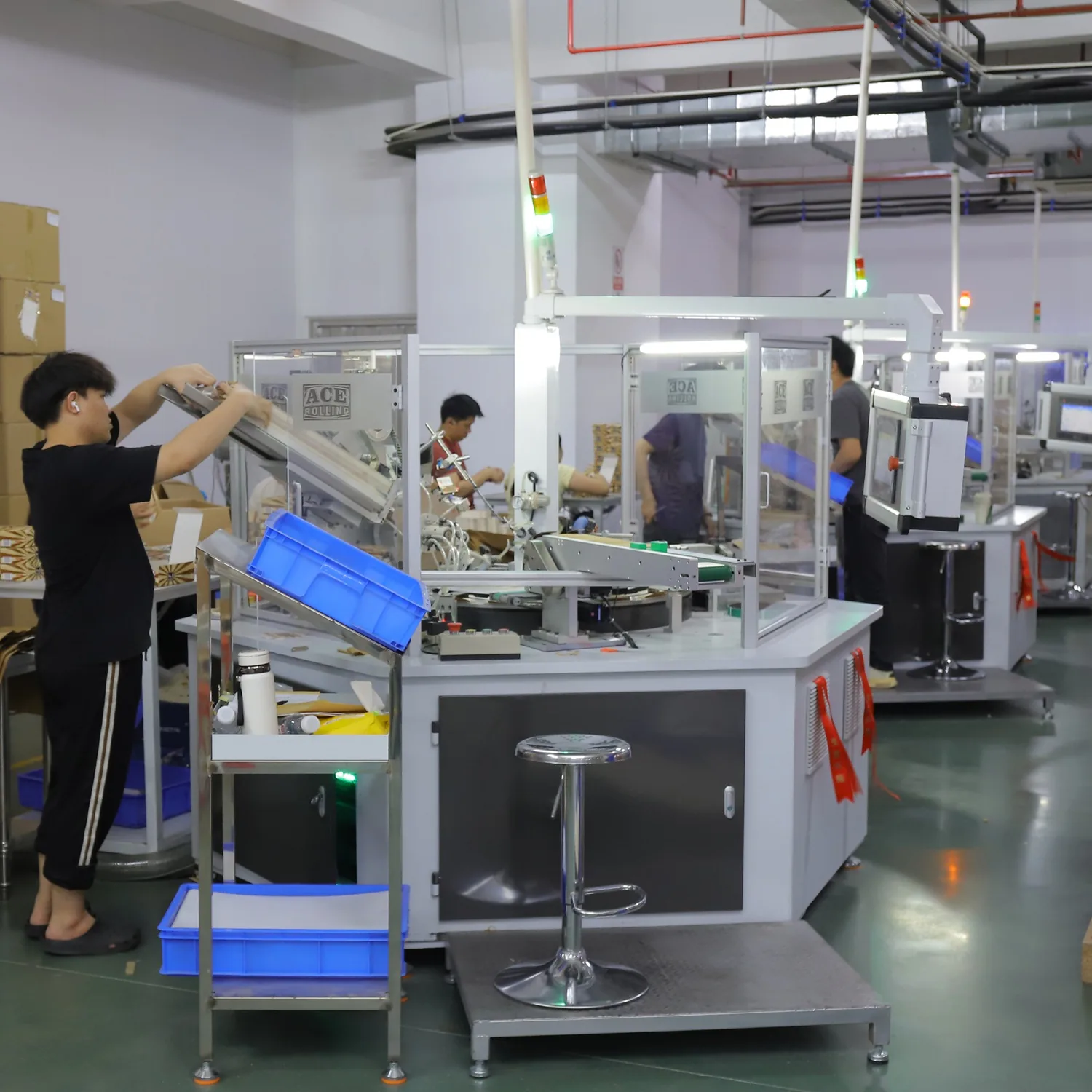
If you’re hand-filling at low-to-moderate volume, adding a glass tip insertion step is usually manageable with a small process adjustment. If you’re running high-volume machine filling, I want to know whether your equipment—or your co-packer’s equipment—is actually built to seat a rigid glass piece, because retrofitting a paper-tip-only line for glass isn’t always a simple swap. I ask about your fill method and volume before I’ll recommend glass tip as a realistic production choice, not just a spec on paper.
Opciones de conos: https://ace-rolling.com/pre-rolled-cones/.
What’s the Real Cost Delta Between the Two Tip Types?
Buyers usually assume the cost gap is small. It’s not trivial once you count the full picture.
Glass tips carry a higher per-unit component cost than paper tips, plus added packaging and labor considerations from the previous two sections—budget for the full delta, not just the raw component price difference.
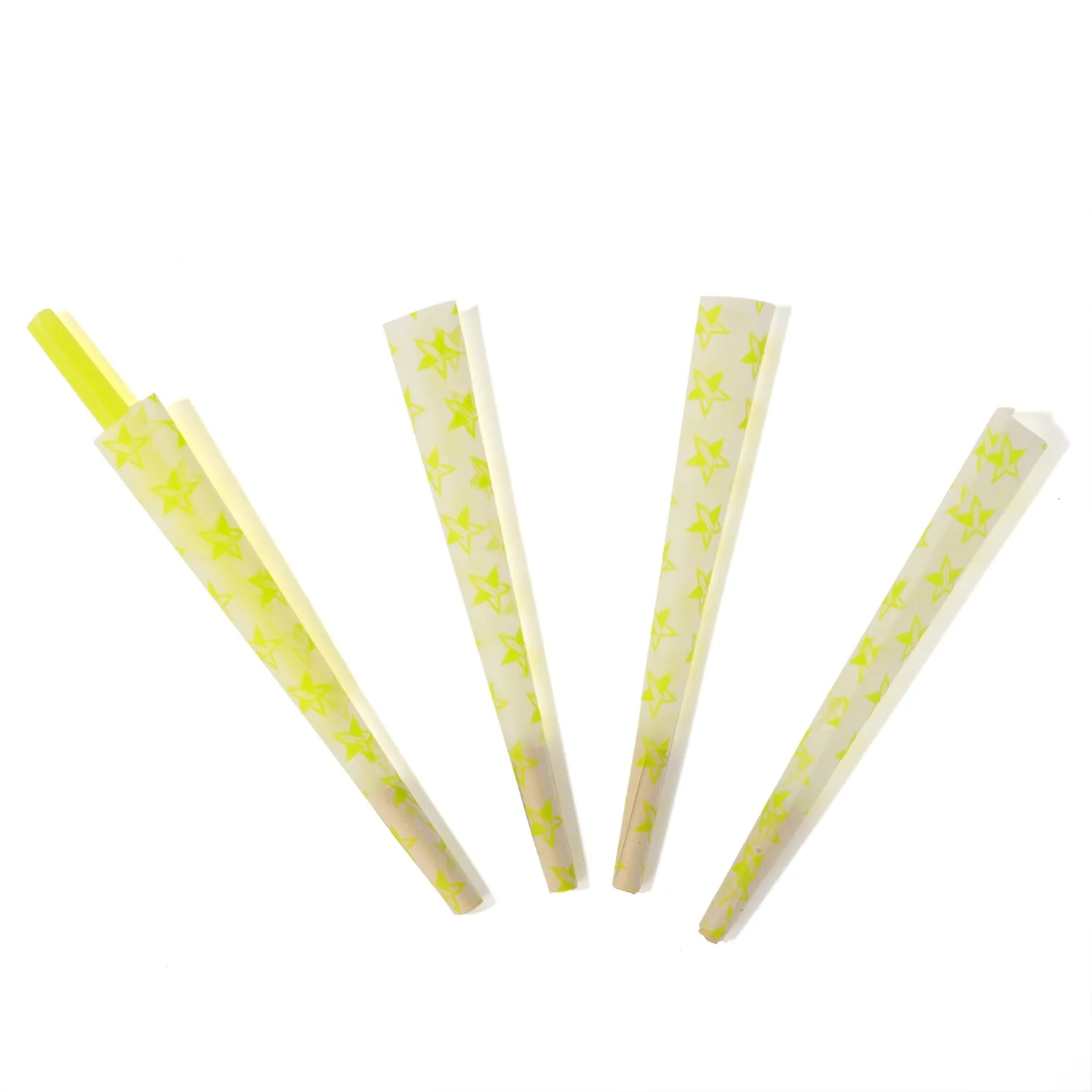
I break this into three line items when I quote a glass tip program: the tip component cost itself, any additional packaging spend for breakage protection, and any labor or equipment cost tied to the insertion step. Buyers who only budget for the component price difference are usually surprised by the total delta once production actually starts. Ace’s cone programs quote from roughly USD $0.04–$0.06 per cone wholesale with MOQ applying, and I’ll walk through the glass tip add-on cost separately once I know your target volume and fill method.
Does Infused or Oil-Coated Fill Change This Decision?
If you’re running an infused SKU, this question comes up almost every time.
Glass doesn’t absorb oil the way a paper tip fiber can, so for heavier oil-saturation programs a glass tip can actually reduce one specific failure mode—oil wicking into and through the tip—compared to a standard paper tip.
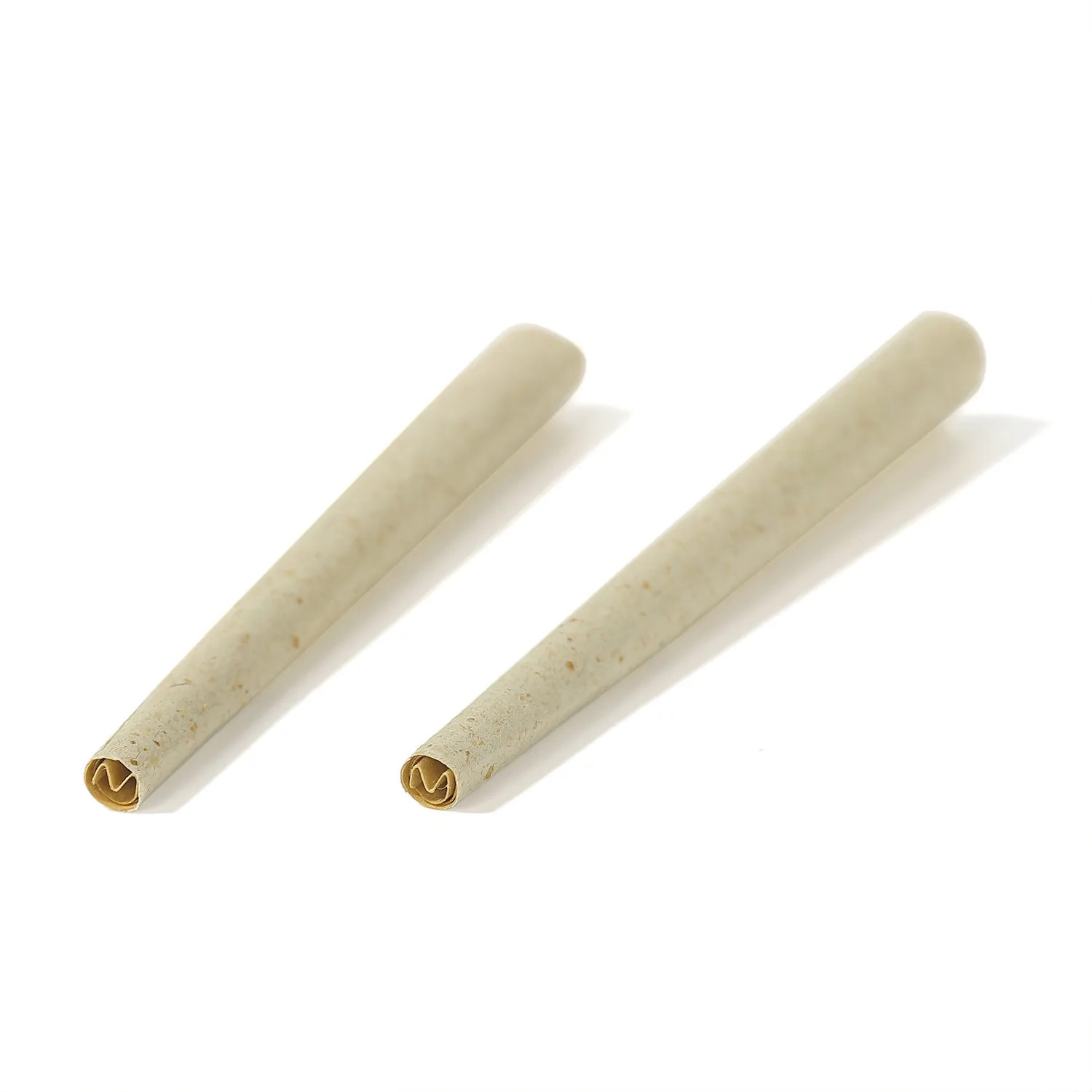
This is a real, quantifiable advantage for glass in specific infused use cases, but it’s not automatically worth the added cost and production complexity for every infused program—it matters most at higher saturation levels where paper tip wicking is a documented complaint. I ask infused-format buyers about their coating weight before recommending glass tip purely on this basis, because at lighter coating levels the wicking risk with a standard paper tip is often manageable without the added cost.
How Do You Brief This Decision for Your Next Order?
I’d rather get this information up front than revise a quote twice.
Confirm your fill method, target volume, positioning goal, and whether your product is infused before choosing between paper and glass tip, then request a sample run in your actual shipping carton to test real breakage risk before committing to a production MOQ.

| Brief input | Por qué es importante |
|---|---|
| Fill method (hand/machine) | Determines glass tip production feasibility |
| Target volume | Sets cost and labor impact of glass insertion |
| Positioning goal | Confirms whether glass tip’s premium story matters |
| Infused or dry fill | Flags whether glass’s oil resistance is relevant |
Preguntas frecuentes
How do you choose between paper tip and glass tip for cones?
Choose paper tip for simpler, lower-cost production at any scale; choose glass tip when your positioning needs a reusable, premium mouthpiece and you’ve confirmed your filling line and shipping packaging can handle the added weight and breakage risk. The right call depends on your fill method, volume, and whether the product is infused.
Is glass tip actually a production risk, or just a shipping concern?
Both. Glass adds breakage risk in shipping if packaging isn’t adjusted, and it adds a separate insertion step in your filling process that paper tip doesn’t require. Buyers who plan padding and carton fill in advance, and confirm their filling equipment can handle glass insertion, generally avoid the worst outcomes on both fronts.
How much more does a glass tip program actually cost versus paper tip?
Glass tips carry a higher per-unit component cost, plus additional packaging spend for breakage protection and potential labor or equipment costs from the insertion step. Budgeting only for the raw component price difference between paper tip and glass tip usually understates the true total cost delta once production actually runs.
Does glass tip make more sense for infused pre-rolls specifically?
It can, because glass doesn’t absorb oil the way paper tip fiber does, reducing one specific failure mode at higher coating saturation levels. At lighter coating weights, a standard paper tip’s wicking risk is often manageable, so I recommend confirming your actual coating weight before choosing glass tip purely for oil-resistance reasons.
What should I tell my manufacturer before choosing tip type for my order?
Share your fill method (hand or machine), target production volume, brand positioning goal, and whether your product is infused. These four inputs determine whether glass tip is production-feasible at your volume, what the real cost delta looks like, and whether glass’s oil-resistance advantage is actually relevant to your product.
Can Ace Rolling produce both paper tip and glass tip cones?
Yes, Ace’s cone programs can integrate paper, glass, wood, ceramic, or custom tip options depending on the program, quoting from roughly USD $0.04–$0.06 per cone wholesale with MOQ applying based on size, material, and tip choice. Share your fill method and target volume for an accurate quote on either tip type.
Ready to Decide Between Paper and Glass Tip?
Send your fill method, volume, and positioning goal, and I’ll walk you through the real cost and production tradeoffs.
- Cone options: https://ace-rolling.com/pre-rolled-cones/
- OEM/ODM programs: https://ace-rolling.com/oem-odm-rolling-paper-manufacturer/
- Cotización: https://ace-rolling.com/contact/