
Haruskah merek Anda memilih kertas bubur kayu atau kertas rami? Pilih bubur kayu untuk tingkat nilai biaya terendah dan fleksibilitas cetak terang terluas; pilih rami untuk cerita rak alami dan bertekstur dengan harga yang sedikit lebih tinggi—keduanya adalah rute kertas Ace standar dan pilihan yang tepat tergantung pada tingkat harga dan cerita merek Anda, bukan pada serat mana yang “terbakar lebih baik.”
Artikel ini berfokus sempit pada keputusan bubur kayu vs rami untuk pemilik merek label pribadi yang memilih di antara keduanya—lihat perbandingan pembakaran beras/rami/bubur kayu terpisah Ace untuk analisis rasa dan pembakaran tiga arah yang lebih luas. Guangdong Ace Rolling adalah OEM/ODM di Dongguan, Tiongkok untuk booklet label pribadi (~USD $0.07–$0.30) dengan MOQ dari sekitar 2.000, menawarkan bubur kayu putih dan tidak diputihkan bersama rami, rami, bambu, dan rute cetak khusus.
Apa Perbedaan Inti Antara Kertas Bubur Kayu dan Kertas Rami?
Pendahuluan: Keduanya adalah serat kertas gulung yang sah; mereka hanya menceritakan kisah merek yang berbeda.
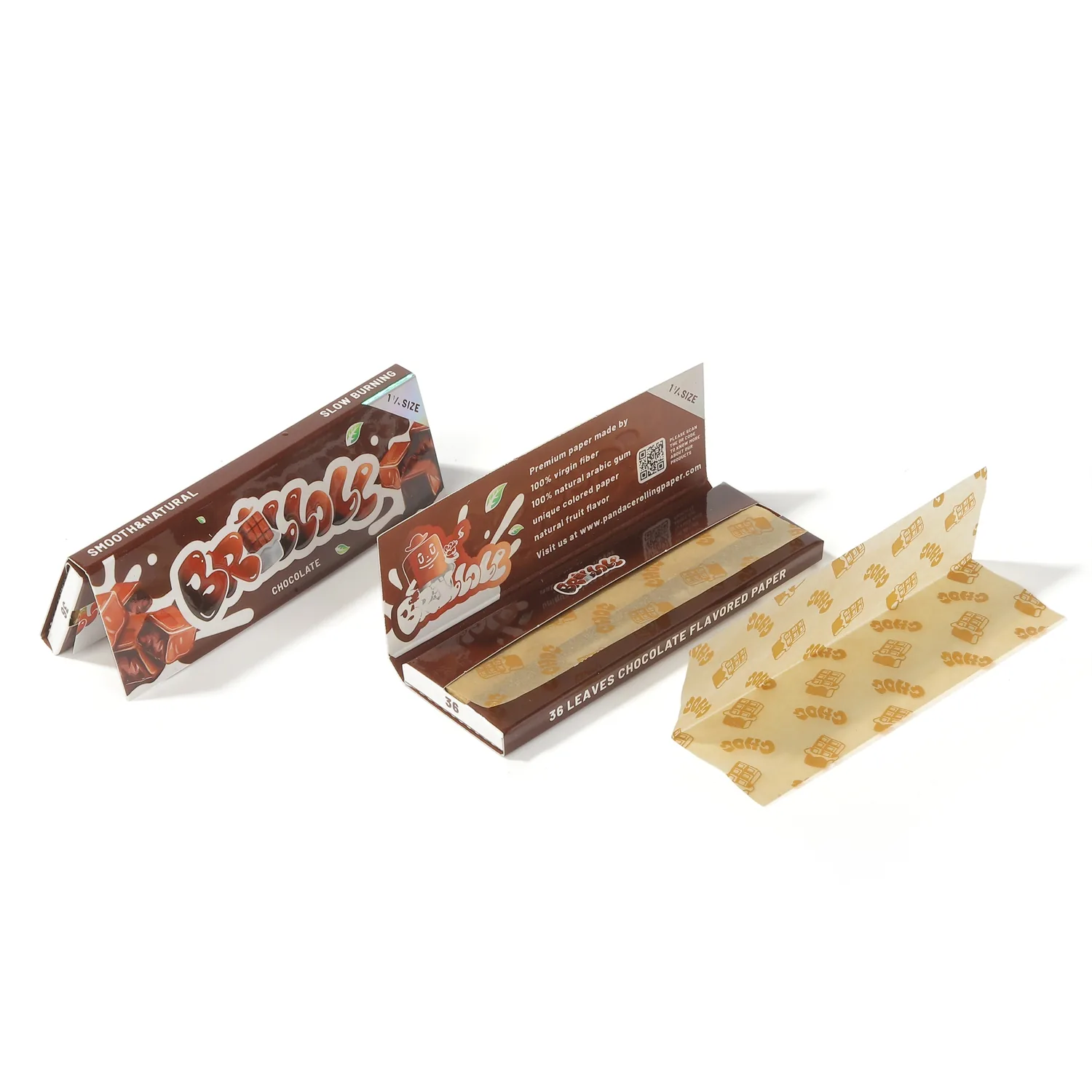
Ringkasan: Bubur kayu adalah serat default pasar massal—konsisten, dapat dicetak, dan biasanya rute biaya terendah. Rami menggunakan serat dari tanaman rami, memberikan rasa tekstur sedikit dan posisi “alami/berbasis tanaman” yang diinginkan banyak merek label pribadi di rak.
| Serat | Tingkat biaya | Cerita rak |
|---|---|---|
| Bubur kayu | Nilai / pasar massal | Bersih, dapat dicetak |
| Hemp | Menengah / alami | Alami, berbasis tanaman |
Poin Penting: Bubur kayu menang pada biaya dan fleksibilitas cetak; rami menang pada cerita rak alami—pilih berdasarkan tingkat harga Anda terlebih dahulu.
Rute kertas: https://ace-rolling.com/custom-rolling-papers/.
Bagaimana Perbandingan Biaya Antara Kedua Serat di Tingkat Grosir?
Pendahuluan: Pilihan serat adalah salah satu tuas di dalam pita grosir bukulet yang sama.
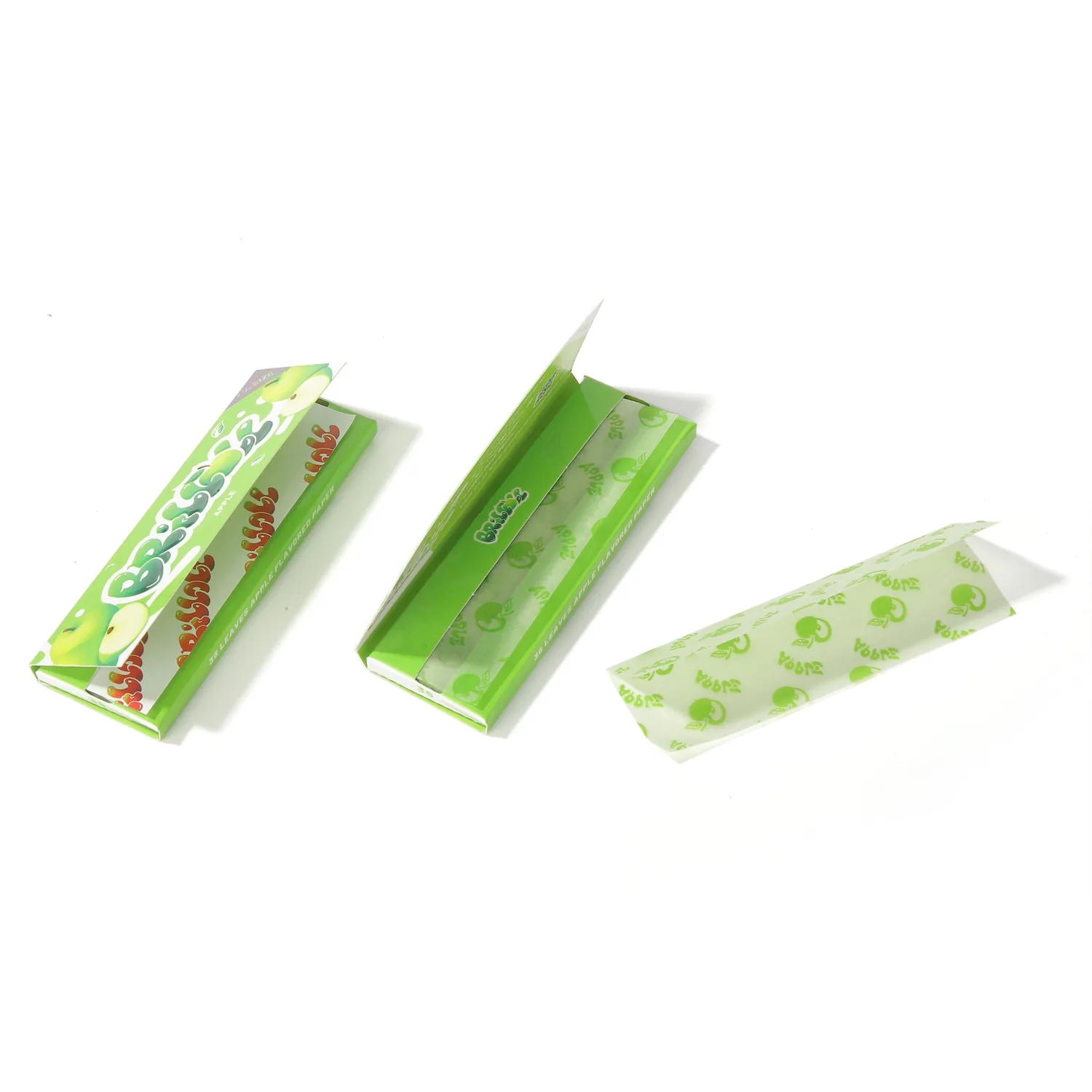
Ringkasan: Kedua serat dikutip di dalam pita grosir per-bukulet Ace ~$0.07–$0.30 dengan MOQ. Bubur kayu umumnya berada di ujung bawah untuk spesifikasi tertentu karena bahan baku dan pemrosesan lebih sederhana; rami dapat sedikit lebih tinggi karena perbedaan sumber serat dan pemrosesan—konfirmasi penempatan tepat dengan RFQ yang sesuai spesifikasi.
| Pendorong biaya | Bubur kayu | Hemp |
|---|---|---|
| Biaya serat mentah | Lebih rendah | Sedikit lebih tinggi |
| Kompleksitas pemrosesan | Standar | Sedikit lebih rumit |
| Fleksibilitas cetak | Tinggi | Baik, tergantung tekstur |
Poin Penting: Jangan bandingkan kutipan bubur kayu dengan kutipan rami kecuali spesifikasi cetak, ukuran, dan kemasan cocok persis.
Band grosir: https://ace-rolling.com/quality-certifications/.
Serat Mana yang Mencetak dan Menangani Cetakan Lebih Baik?
Pendahuluan: Tekstur permukaan serat memengaruhi seberapa tajam sampul dan seni kertas Anda akan terlihat.
Ringkasan: Permukaan bubur kayu yang lebih halus dan seragam umumnya menerima detail halus dan warna cerah dengan lebih dapat diprediksi. Tekstur alami rami dapat menambah karakter tetapi mungkin sedikit melunakkan detail cetak halus. Keduanya tidak “salah”—merek yang sangat mengandalkan grafis tebal sering condong ke bubur kayu; merek yang mengandalkan tekstur dan cerita sering menerima cetakan rami yang lebih lembut.
| Faktor cetak | Bubur kayu | Hemp |
|---|---|---|
| Detail halus | Lebih tajam | Sedikit lebih lembut |
| Warna cerah | Setia pada tinta | Sedikit redup |
| Karakter tekstur | Minimal | Terlihat, dapat diraba |
Poin Penting: Jika merek Anda bergantung pada grafis sampul yang berani, bubur kayu adalah dasar cetak yang lebih aman; jika tekstur adalah bagian dari cerita, rami menyediakannya.
Opsi cetak melalui OEM: https://ace-rolling.com/oem-odm-rolling-paper-manufacturer/.
Serat Mana yang Cocok dengan Posisi Merek Mana?
Pendahuluan: Ini pada dasarnya adalah keputusan kisah merek yang dibungkus sebagai spesifikasi material.
Ringkasan: Merek nilai dan pasar massal yang bersaing pada harga rak dan cetak yang konsisten biasanya memilih bubur kayu. Merek yang membangun identitas alami, minimal, atau berorientasi tanaman biasanya memilih rami untuk memperkuat cerita itu bahkan sebelum salinan sampul dibaca. Merek pasar menengah terkadang menguji keduanya di berbagai SKU.

| Jenis merek | Pilihan serat tipikal |
|---|---|
| Nilai / rak massal | Bubur kayu |
| Alami / berorientasi tanaman | Hemp |
| Mid-market testing both | Split SKUs |
Poin Penting: Let your brand positioning choose the fiber, not the other way around.
Program merek: https://ace-rolling.com/house-of-brands/.
Does Gum or Finish Change Between Wood Pulp and Hemp?
Lead-in: The gum line stays consistent; the finish choices can differ slightly.
Summary: Ace uses food-grade natural Arabic gum on applicable papers regardless of fiber. Cover finish choices (matte, gloss, foil, spot UV) work on either fiber, though hemp’s textured feel pairs naturally with more understated matte finishes while wood pulp handles high-gloss, bright covers cleanly.
| Elemen | Bubur kayu | Hemp |
|---|---|---|
| Permen karet | Natural Arabic gum (applicable) | Natural Arabic gum (applicable) |
| Best-paired finish | Gloss, bright color | Matte, natural tone |
Poin Penting: Gum stays consistent across fibers—finish choice is where the two fibers diverge stylistically.
Materials framing: https://ace-rolling.com/quality-certifications/.
Can You Launch With Both Fibers in One Brand Line?
Lead-in: A two-SKU launch can cover both price tiers and both brand stories.
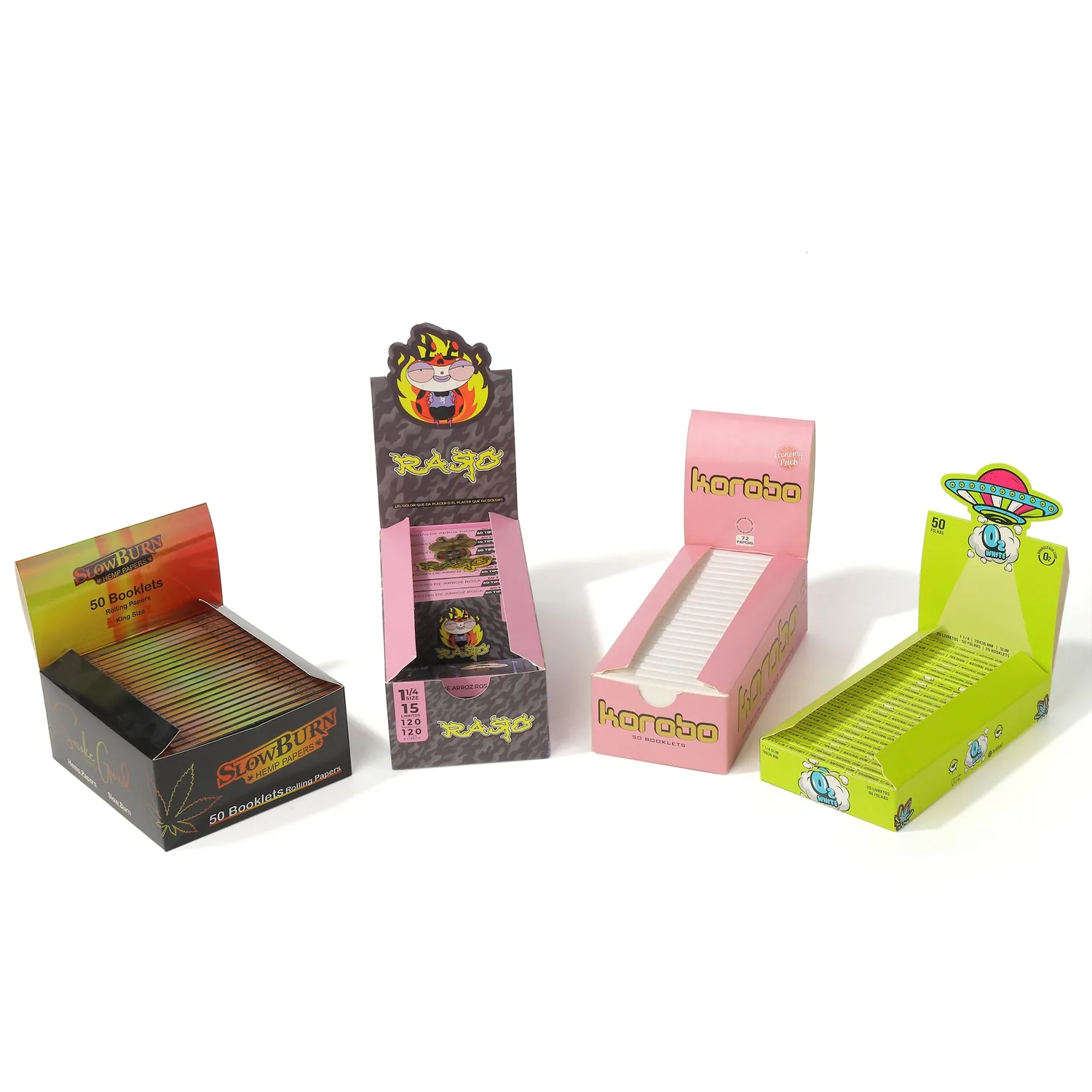
Summary: Yes—many brands launch a value SKU on wood pulp and a premium/natural SKU on hemp under one brand umbrella, using the same cover template with different paper stock. This spreads shelf presence across price points without duplicating the entire artwork and packaging system.
| Pendekatan | Manfaat |
|---|---|
| Wood pulp value SKU | Broad shelf price entry |
| Hemp premium SKU | Natural-story upsell |
| Shared cover template | Lower artwork duplication |
Poin Penting: A dual-fiber line lets one brand cover two price tiers without building two separate identities.
Program OEM: https://ace-rolling.com/oem-odm-rolling-paper-manufacturer/.
How Do You Order Wood Pulp or Hemp Booklets From Ace Rolling?
Lead-in: One brief settles fiber, cost tier, and finish together.
Summary: Send Ace your target price tier, brand story, size, cover finish, print scope, target quantity, destination, and timeline. Ace quotes booklets inside the ~$0.07–$0.30 wholesale band with MOQ from about 2,000, and plans mass production about four to five weeks after sample approvals.
| Langkah | Aksi |
|---|---|
| 1 | Decide value vs natural positioning |
| 2 | Pick wood pulp, hemp, or both |
| 3 | Setujui sampel yang disimpan |
| 4 | Freeze cover and print art |
| 5 | Mass 4–5 weeks after approvals |
Poin Penting: Brand positioning decides the fiber—brief that decision clearly and the rest of the quote follows.
Mulai: https://ace-rolling.com/contact/.
FAQ
Haruskah merek Anda memilih kertas bubur kayu atau kertas rami?
Choose wood pulp for the lowest-cost value tier and the most predictable bright, detailed printing. Choose hemp for a natural, slightly textured shelf story that reinforces a plant-forward brand identity. Both quote inside Ace’s standard ~$0.07–$0.30 per-booklet wholesale band with MOQ—the decision is mostly about price tier and brand story, not paper performance.
Is hemp paper more expensive than wood pulp at wholesale?
Hemp can sit slightly higher than wood pulp for an otherwise identical spec because fiber sourcing and processing are a bit more involved. Both still land inside Ace’s standard booklet wholesale band of about $0.07–$0.30 with MOQ. Always compare quotes on matched specs—size, print scope, filter, and packaging—rather than assuming one fiber is universally cheaper.
Which fiber prints brighter colors better, wood pulp or hemp?
Wood pulp generally handles bright color and fine detail more predictably because its surface is smoother and more uniform. Hemp’s natural texture can soften fine print detail slightly, though many brands accept that tradeoff because texture reinforces a natural positioning. Brands relying heavily on bold cover graphics typically choose wood pulp as the safer print base.
Can I launch a brand with both wood pulp and hemp SKUs?
Yes. Many brands launch a value SKU on wood pulp and a premium or natural-positioned SKU on hemp under the same brand, often reusing a shared cover template with different paper stock. This lets one brand cover two price tiers and two shelf stories without duplicating the full artwork and packaging system for each SKU.
Does the gum change between wood pulp and hemp rolling papers?
No. Ace uses food-grade natural Arabic gum on applicable papers regardless of fiber choice. What does vary is which cover finishes typically pair best with each fiber—wood pulp handles high-gloss, bright covers cleanly, while hemp’s textured feel often pairs with more understated matte finishes to match its natural story.
What MOQ applies to wood pulp or hemp booklet orders?
Ace generally discusses booklet MOQ from about 2,000 per SKU, depending on size, print scope, filter tip, and packaging—fiber choice itself does not create a separate MOQ tier. Concept-to-delivery typically plans near two months, with mass production about four to five weeks after sample retains and artwork are approved for either fiber route.
Ready to Brief Your Fiber Choice?
Decide your price tier and brand story first, then send Ace one brief covering fiber, size, and finish.
- Custom papers: https://ace-rolling.com/custom-rolling-papers/
- OEM programs: https://ace-rolling.com/oem-odm-rolling-paper-manufacturer/
- Quote: https://ace-rolling.com/contact/