
Los mejores conos prerollados son consistentes en forma, utilizan papel que se adapta al producto previsto, mantienen su costura durante el llenado y almacenamiento, y se ajustan al tamaño, filtro y empaque preferidos del comprador. No existe un solo papel o tamaño de cono que sea el mejor para cada marca, línea de llenado, minorista o cliente.
Para los compradores B2B, la pregunta útil no es simplemente qué cono tiene el nombre más familiar. Es qué especificación funciona de manera confiable con su método de llenado, alcanza el peso de llenado previsto, presenta la historia de papel adecuada y llega protegido en el empaque que planea vender.

¿Qué hace que un cono prerollado sea mejor que otro?
Un cono debe evaluarse como un sistema completo. El papel, la goma, el filtro, las dimensiones, la precisión de formación, el anidamiento y el empaque afectan el resultado. Un papel delgado aún puede decepcionar si la costura se abre. Un cono resistente aún puede ser inadecuado si no se separa limpiamente en una línea automatizada. Una impresión atractiva aún puede fallar si los conos empaquetados llegan doblados.
Utilice estas verificaciones al comparar muestras:
| Verificación del comprador | Lo que una muestra fuerte debe demostrar |
|---|---|
| Forma | Una conicidad repetible, apertura redonda, filtro centrado y sin aplastamiento |
| Papel | Sensación adecuada, color, resistencia y comportamiento de combustión para el producto previsto |
| Costura | Adhesión segura sin levantamiento durante el manejo, llenado o almacenamiento |
| Filtro | Dimensiones estables, colocación limpia y la ruta de extracción y marca requerida |
| Llenado | Separación fácil, carga predecible y compatibilidad con el equipo previsto |
| Paquete | Recuento correcto y suficiente protección contra flexión, humedad y movimiento |
La mejor comparación utiliza muestras del mismo tamaño y las mismas condiciones de llenado. Cambiar simultáneamente el papel, las dimensiones, el material de relleno, el método de empaque y el equipo dificulta identificar por qué una muestra se comporta de manera diferente.
¿Es mejor el papel blanco o sin blanquear para los conos prerollados?
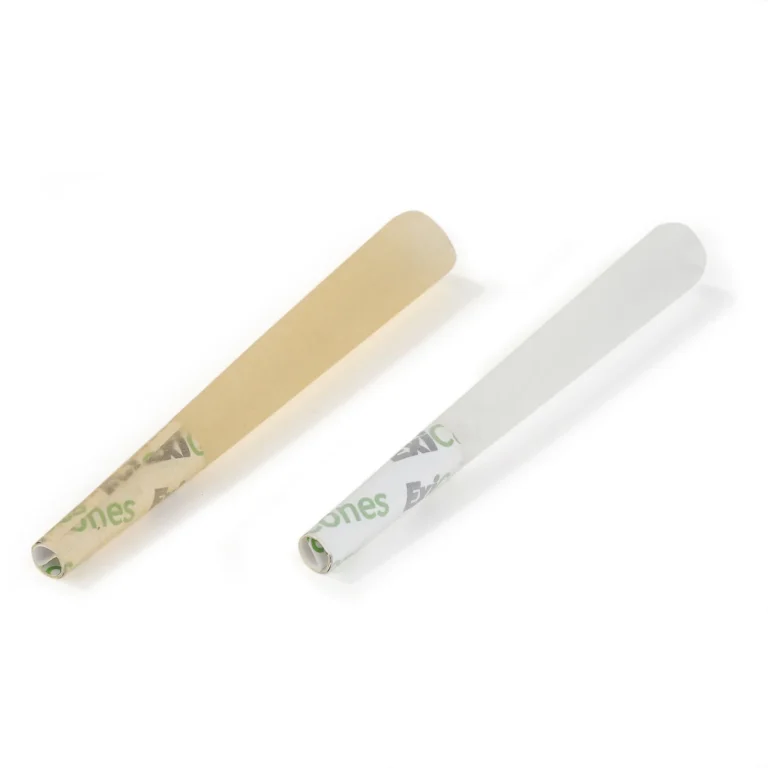
Ninguno es automáticamente mejor. El papel blanco ofrece una apariencia limpia y familiar. El papel sin blanquear tiene un tono marrón natural que muchas marcas utilizan para una identidad visual terrosa o mínimamente procesada. La elección correcta depende del mercado previsto, la especificación del papel, el plan de impresión y la muestra aprobada.
El color por sí solo no prueba cómo se comportará un cono. Los compradores deben comparar el grosor del papel, la porosidad, la resistencia, la adhesión de la costura, el comportamiento de las cenizas y las características sensoriales bajo sus propias condiciones de prueba. Cualquier afirmación ambiental o de material colocada en el empaque minorista debe estar respaldada por documentación que se aplique al papel seleccionado.
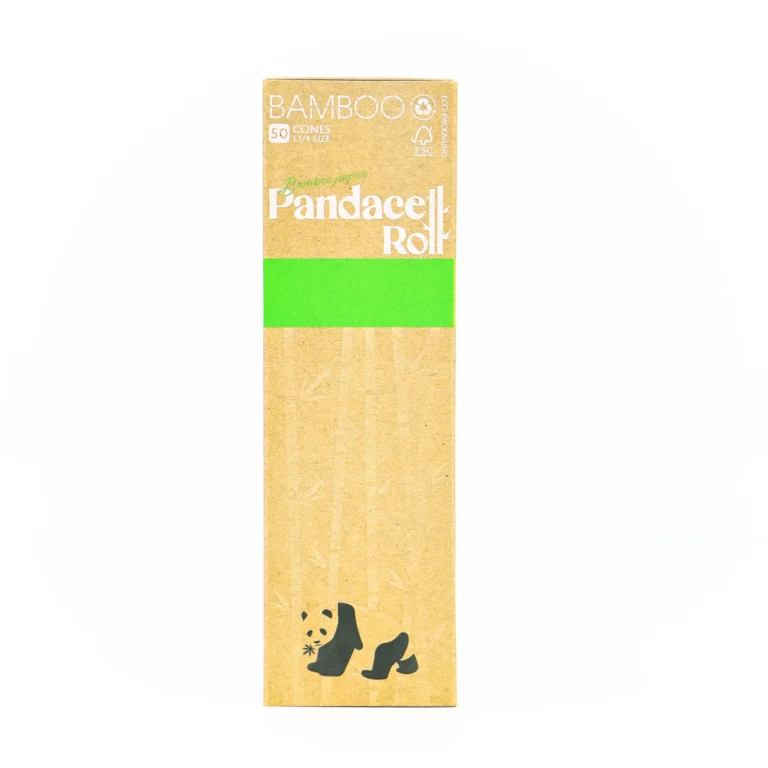
Ace Rolling puede desarrollar programas de conos en papel blanco, sin blanquear, cáñamo, lino, bambú, pulpa de madera, colores personalizados e impreso. Solicite muestras que utilicen el material real propuesto para producción en lugar de elegir a partir de una fotografía o nombre de color.
¿Qué material de papel debe elegir una marca?
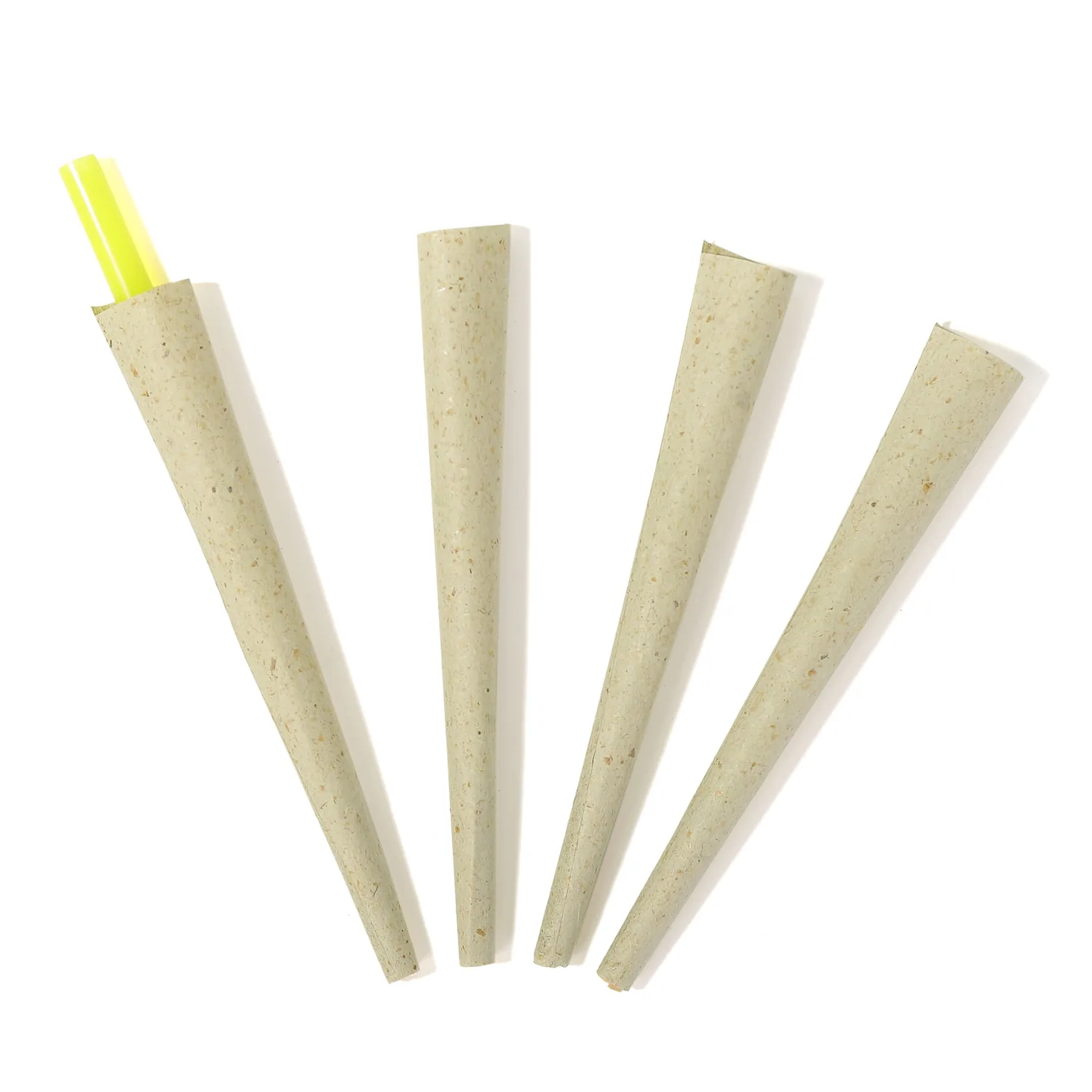
La selección del papel debe comenzar con la posición del producto y luego verificarse mediante pruebas de llenado y combustión. Diferentes rutas de fibra pueden variar en textura, apariencia, resistencia y comportamiento de procesamiento. La fábrica debe explicar la construcción del papel cotizado y proporcionar información relevante del material en lugar de depender de una etiqueta amplia como natural o premium.
| Ruta del papel | Razón práctica para muestrearlo | Qué verificar |
|---|---|---|
| Pulpa de madera blanca | Apariencia minorista familiar y una base de impresión limpia | Tratamiento del papel, grosor, resistencia y color final de impresión |
| Pulpa de madera sin blanquear | Apariencia marrón natural | Consistencia del tono, fibras visibles, rendimiento de la costura y respaldo de afirmaciones |
| Cáñamo | Historia de fibra distintiva y textura de aspecto natural | Composición, sensación del papel, resistencia, prueba de combustión y documentación |
| Lino | Desarrollo de papel delgado y un posicionamiento de material diferente | Resistencia al manejo, porosidad, estabilidad de la costura y comportamiento en máquina |
| Bambú | Posicionamiento de fibra alternativa | Especificación de fibra, consistencia del papel, documentos de abastecimiento y resultados de pruebas |
| Coloreado o impreso | Identidad de estante más fuerte y diferenciación de marca privada | Tinta, alineación del arte, consistencia del color, costura y requisitos del mercado |
No asuma que una fibra particular siempre es más delgada, de combustión más lenta, de sabor más limpio, más saludable o más sostenible. Esos resultados dependen de la construcción exacta del papel y la evidencia disponible para ese producto. Apruebe las afirmaciones y el rendimiento a partir de la especificación suministrada, los documentos y las pruebas físicas.
¿Cuál es el mejor tamaño de cono prerollado?
El mejor tamaño es aquel que alcanza el peso de llenado previsto sin sobrellenar, se ajusta al filtro y empaque minorista planificados, y funciona correctamente con el método de llenado del comprador. Ace Rolling admite rutas de conos de 84 mm, 98 mm, 109 mm y personalizadas.
| Tamaño | Dirección común del producto | Decisión de muestra |
|---|---|---|
| 84mm | Formato compacto y compra minorista frecuente | Confirmar capacidad, longitud del filtro, cantidad por paquete y precio objetivo en estante |
| 98 mm | Opción de tamaño medio entre formatos compacto y king-size | Confirmar diámetro de apertura, peso objetivo y configuración del equipo |
| 109 mm | Programas de productos king-size y de mayor llenado | Confirm cone rigidity, tray layout, carton protection, and fill consistency |
| Personalizado | Proprietary format or equipment-specific project | Confirm drawing, tolerances, tooling, MOQ, and physical approval sample |
Names such as 1 1/4, special, and king size are useful starting points, but they are not a complete specification. The buyer should record total length, filter length, filter diameter, opening diameter, paper, and acceptable tolerances before bulk production.
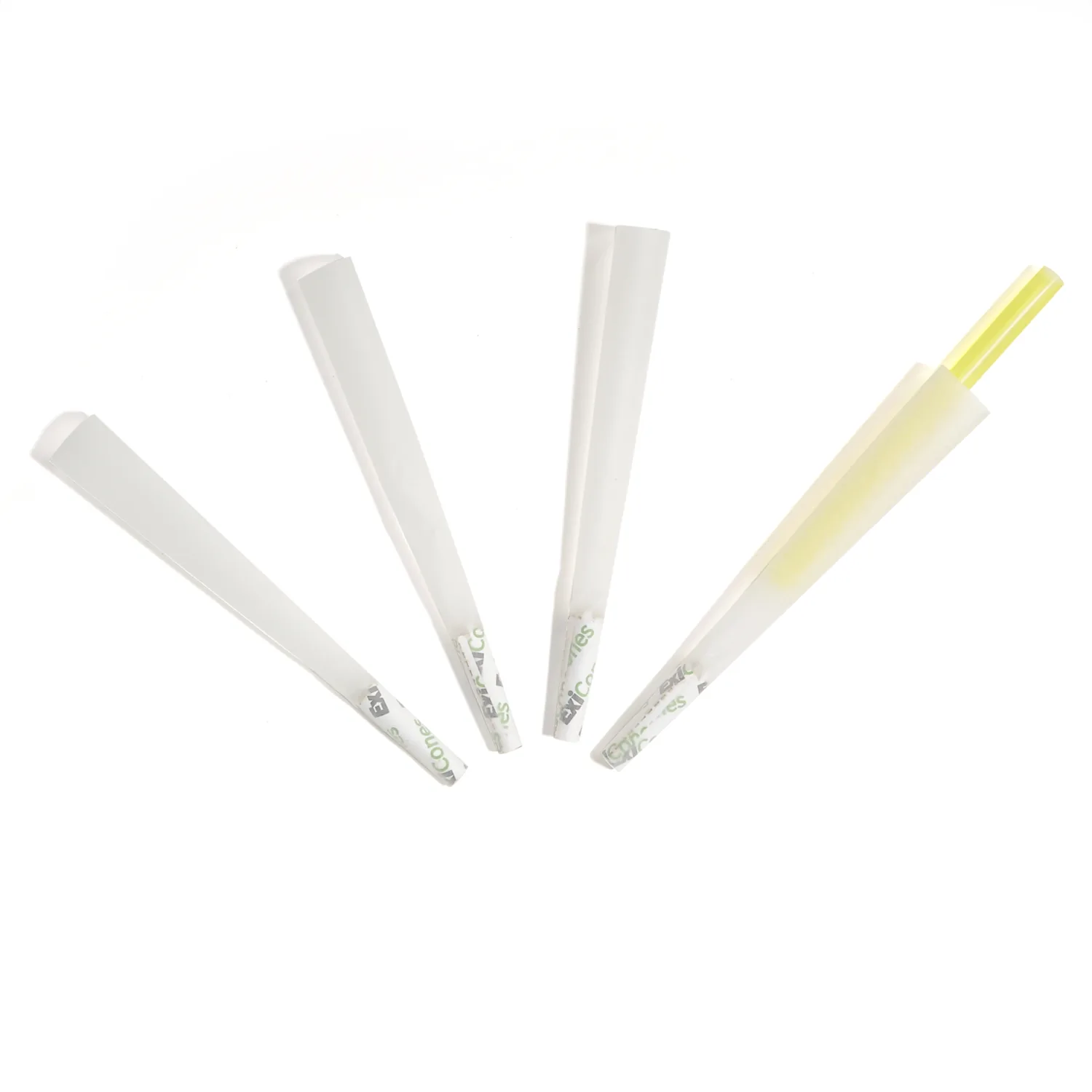
How important is the filter tip?
The filter supports the cone, affects the mouth-end dimensions, and can influence draw, filling, and brand presentation. A good filter should remain centered, keep its shape under normal handling, and match the dimensions approved for the product.
Paper tips are a common route, while Ace Rolling can also discuss glass, wood, ceramic, and custom options for suitable projects. Alternative tips can change unit cost, weight, packing, breakage risk, and filling setup, so they should be tested as part of the complete cone rather than selected in isolation.
For a printed filter, confirm artwork orientation, repeat position, color, and whether the print remains visible after the cone is formed. Ask the factory to record tip material, length, diameter, internal structure, and print requirements on the approved specification.
Are custom printed cones better than plain cones?
Custom printed cones are better when visible product identity supports the brand and the print performs correctly on the selected paper. Plain white or unbleached cones may be a better fit when the brand wants a classic appearance, simpler inventory, or lower development complexity.
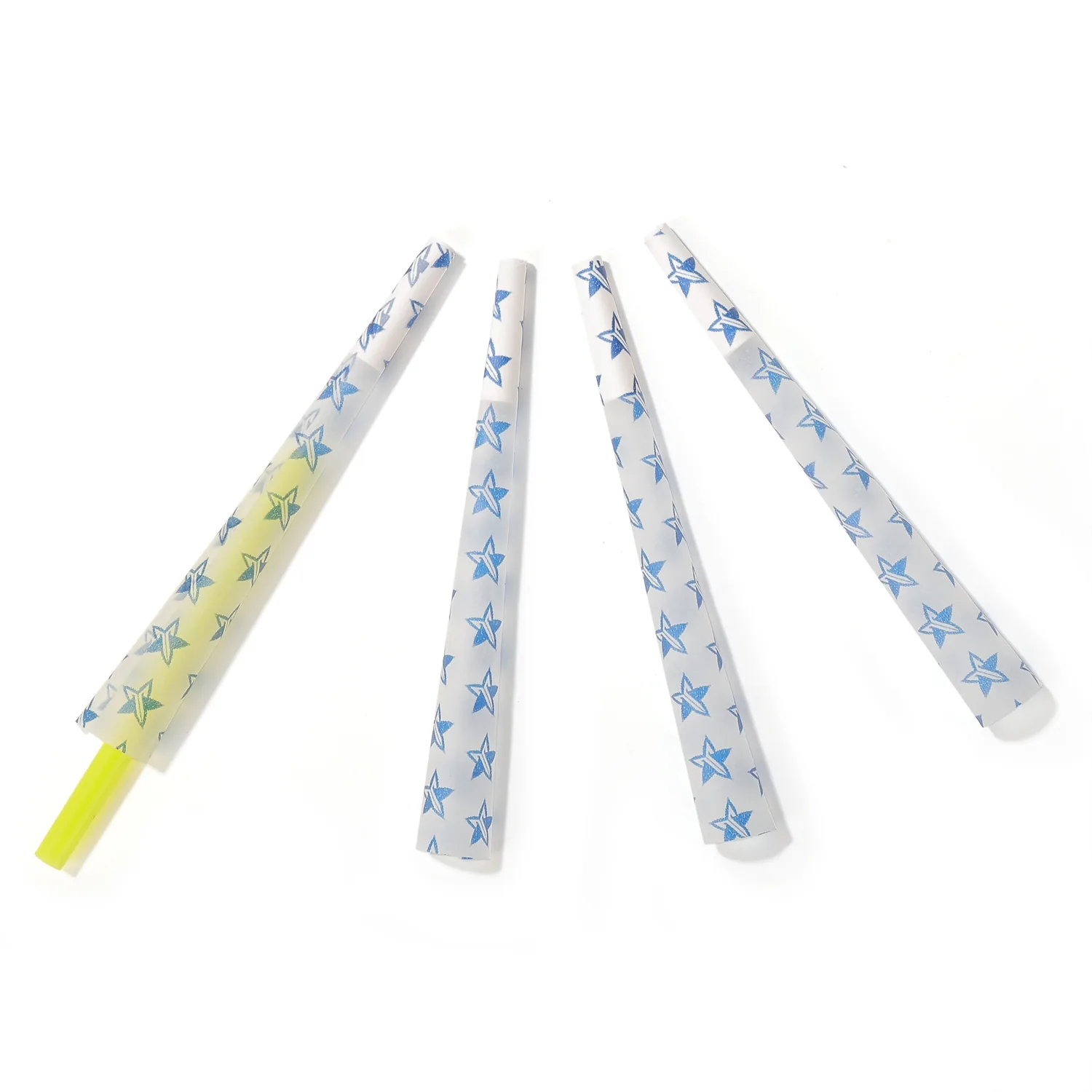
Printed cones should be sampled in their formed shape. Check whether the pattern aligns at the seam, whether important artwork remains visible, and whether ink coverage changes paper feel or handling. The same design should also be reviewed beside the retail pack so the cone, filter, and packaging look like one product line.
Custom printing is not a substitute for a stable base cone. Approve paper, dimensions, gum, and filter construction first, then approve print color and placement on the final structure.
What should automated filling buyers test?
Automated filling buyers need more than a satisfactory hand-filled sample. The cones must separate from nested stacks, enter trays consistently, stay open, tolerate normal machine handling, and reach the intended fill result without frequent stops or deformation.
Run a trial with the actual filling material, tray, machine settings, and staff procedure. Record stoppages, damaged cones, weight variation, loose or overpacked product, and completed units per test batch. Keep samples from the approved run as the reference for incoming inspection.
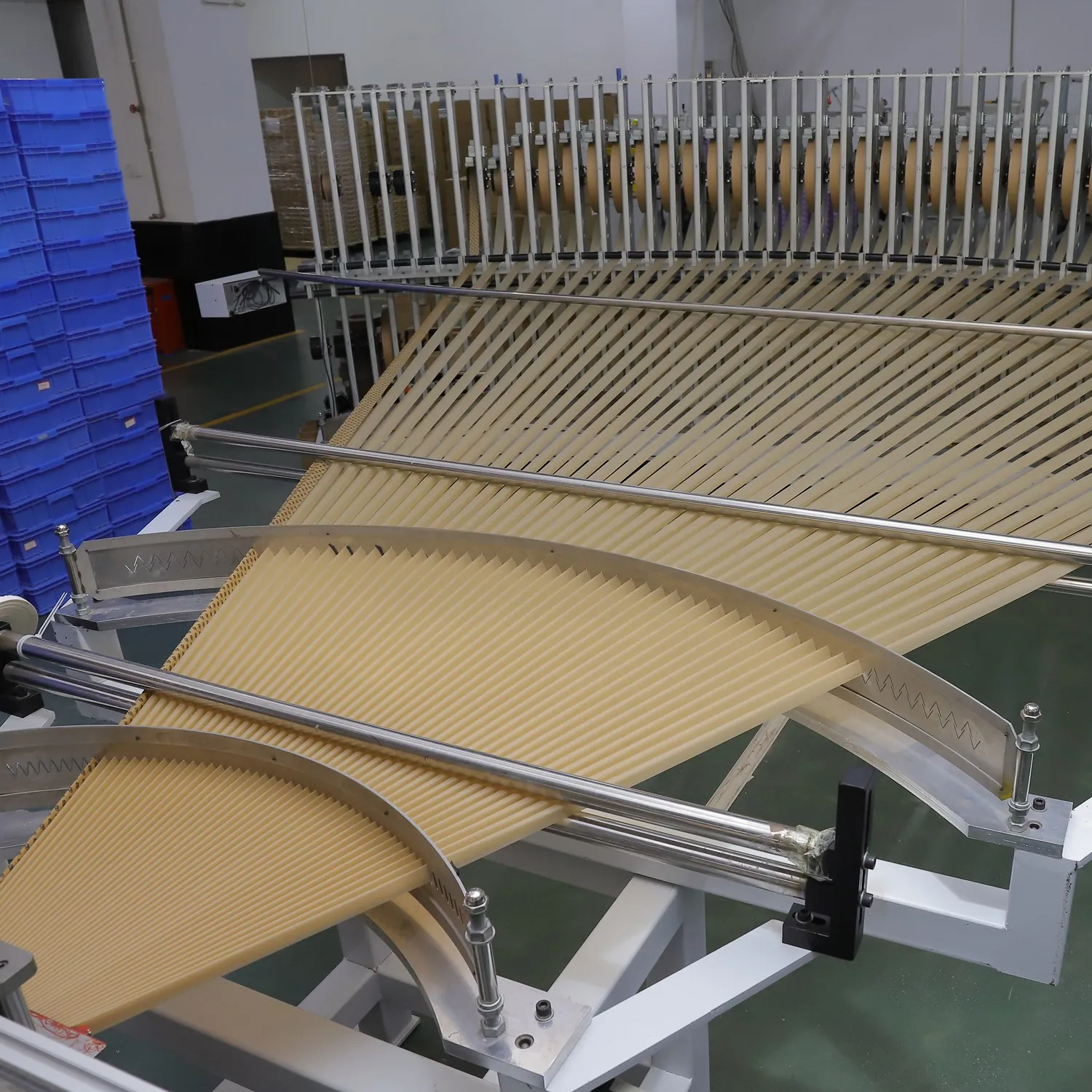
For machine-oriented projects, confirm:
- cone and filter dimensional tolerances
- nesting depth and stack quantity
- separation performance
- tray hole dimensions and layout
- paper stiffness and recovery after packing
- seam behavior during vibration or compression
- carton orientation and protection
- acceptable defect criteria for each batch
A cone that performs well by hand may still be unsuitable for a high-speed line. Equipment compatibility should be approved before the buyer commits to production volume.
Does packaging change which pre-rolled cone is best?
Yes. Packaging affects protection, inventory handling, retail presentation, and filling-line supply. Bulk cones need stable nesting and cartons that limit crushing and movement. Retail cones may use boxes, jars, display packs, or private-label cartons with different count and protection requirements.
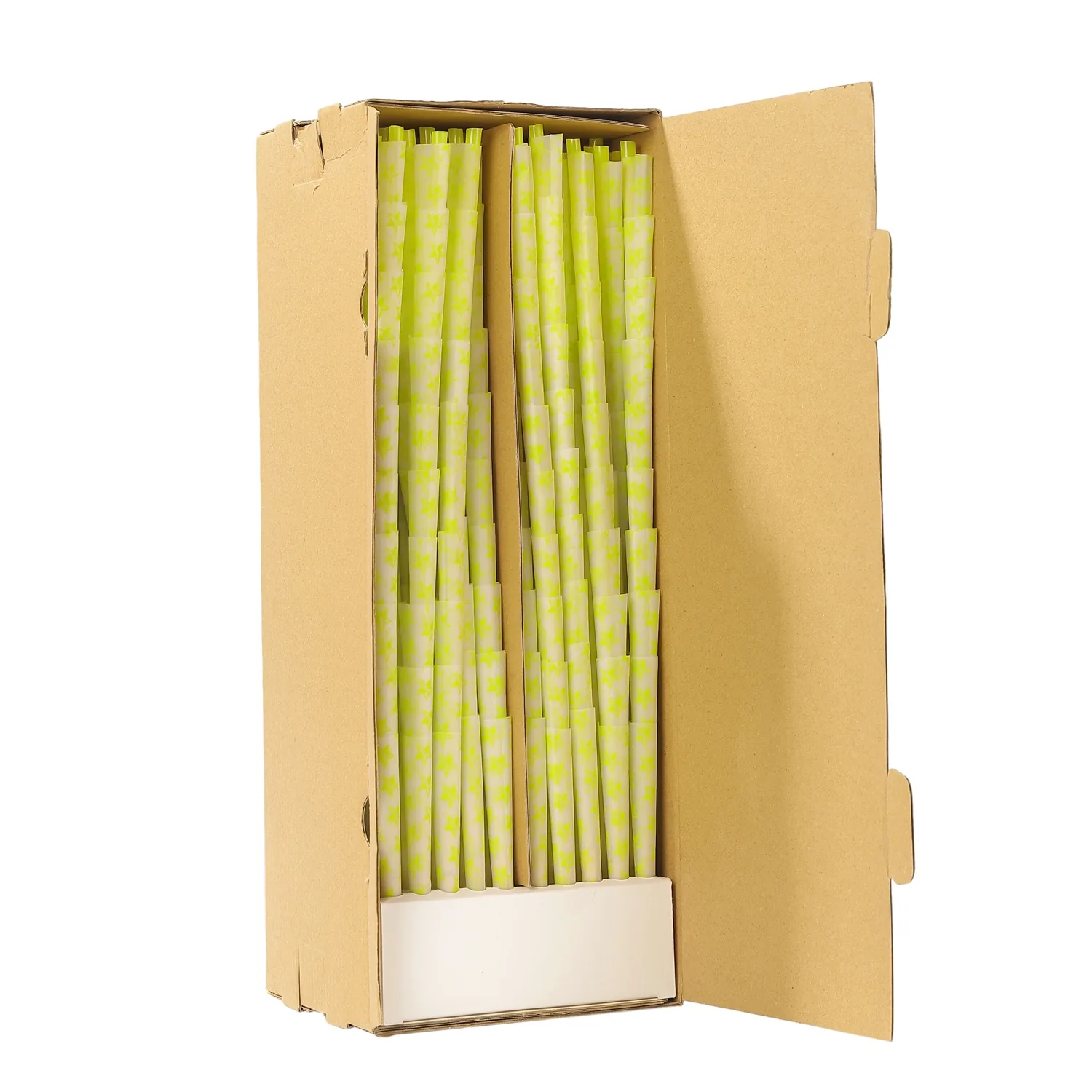
Ask for the full packing structure, including cones per stack, stacks per inner box, inner boxes per master carton, carton dimensions, gross weight, and orientation marks. For retail packaging, confirm pack count, barcode, warnings, labels, display arrangement, and how easily customers can remove a cone without damaging the remaining pieces.
The lowest-priced packing method is not always the lowest-cost option. Bent cones, incorrect counts, excessive warehouse handling, and retail damage can cost more than stronger inner protection.
How should a brand compare pre-rolled cone samples?
Use a written scorecard and test every supplier under the same conditions. Label samples with a code so the team can compare performance without being influenced by packaging or brand familiarity.
- Measure the cone and filter dimensions.
- Inspect shape, seam, paper condition, and filter placement.
- Test separation from nested stacks.
- Fill each sample with the same material and method.
- Record fill weight, handling damage, and machine stops.
- Conduct the buyer’s approved burn and sensory evaluation.
- Inspect cones after the proposed transport and storage conditions.
- Compare documents, MOQ, lead time, landed cost, and reorder control.
Do not choose from one perfect sample. Ask how the manufacturer controls variation across a batch and what will be checked before shipment. The best cone for a brand must remain consistent after the first order.
Which Ace Rolling pre-rolled cone should you sample first?
Start with the closest standard format: 84mm, 98mm, or 109mm. Compare white and unbleached paper if the material direction is not yet fixed. Then add hemp, flax, bamboo, custom print, or alternative filter samples only when they support a clear product decision.
Ver el Ace Rolling pre-rolled cone range y custom manufacturing options. Para una recomendación de muestra, contacte a Ace Rolling with the target size, fill weight, paper, filter, filling method, packaging, quantity, and destination.
Preguntas frecuentes
What are the best pre-rolled cones for a private-label brand?
The best pre-rolled cones for a private-label brand match the target size, paper position, filter, artwork, filling method, and retail packaging. A brand should compare physical samples under the same conditions, approve a written specification, and keep a sealed reference sample before authorizing bulk production.
Are unbleached pre-rolled cones better than white pre-rolled cones?
Unbleached pre-rolled cones are not automatically better than white pre-rolled cones. Unbleached paper provides a natural brown appearance, while white paper offers a clean and familiar look. Buyers should compare the exact paper specification, strength, seam, burn test, printing result, and supporting documentation before choosing.
What size is best for pre-rolled cones?
The best size for pre-rolled cones depends on target fill weight, filter dimensions, retail format, and filling equipment. Ace Rolling supports 84mm, 98mm, 109mm, and custom routes. Buyers should approve total length, opening diameter, filter dimensions, tolerances, and a physical filling test before ordering.
Are hemp pre-rolled cones better than wood-pulp cones?
Hemp pre-rolled cones are not universally better than wood-pulp cones. The better option depends on the exact paper construction, desired appearance, handling strength, burn test, supply documents, and brand position. Buyers should avoid making health or sustainability claims unless evidence applies to the selected material and product.
What are the best pre-rolled cones for automated filling?
The best pre-rolled cones for automated filling separate cleanly, hold their shape, fit the tray, and remain within approved dimensional tolerances. Buyers should test the cones with the actual machine, material, and settings, then record stoppages, damaged units, fill-weight variation, and completed output before approving production.
Can Ace Rolling make custom pre-rolled cones?
Ace Rolling can make custom pre-rolled cones with selected paper materials, colors, printing, filter tips, sizes, and packaging. Ace Rolling also supports standard 84mm, 98mm, and 109mm routes. The exact MOQ, sample plan, and lead time are confirmed after the complete specification and artwork are reviewed.