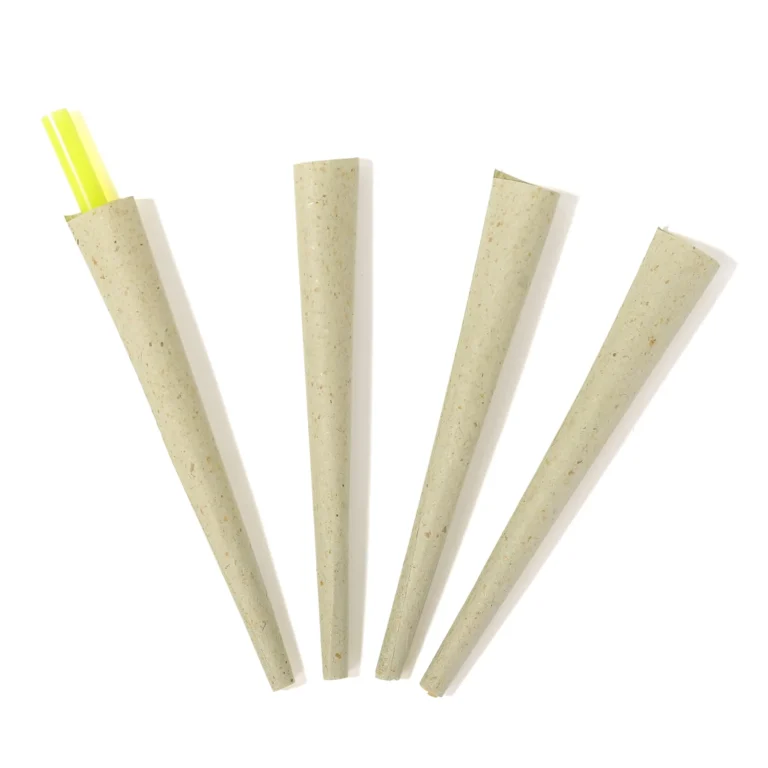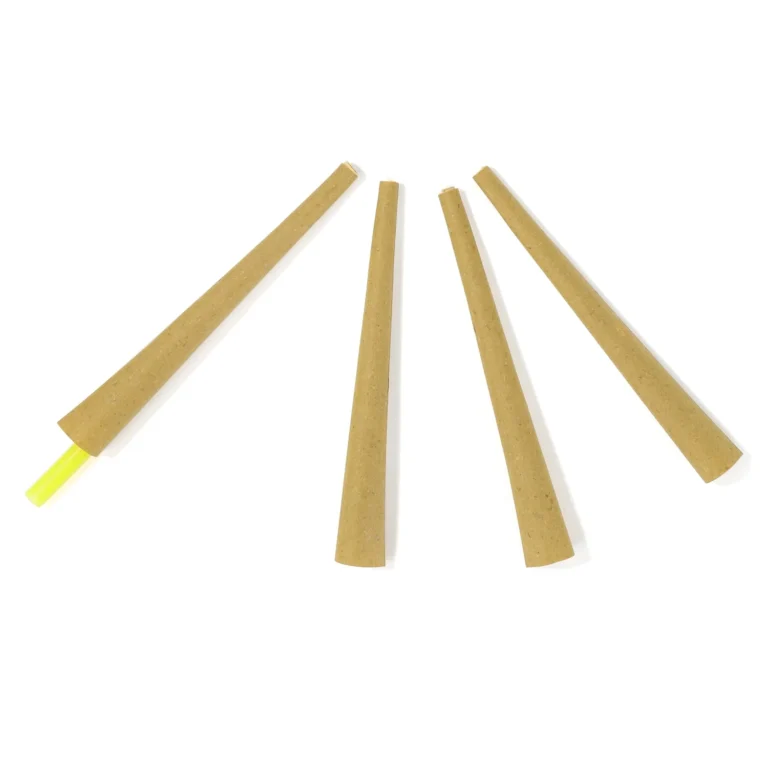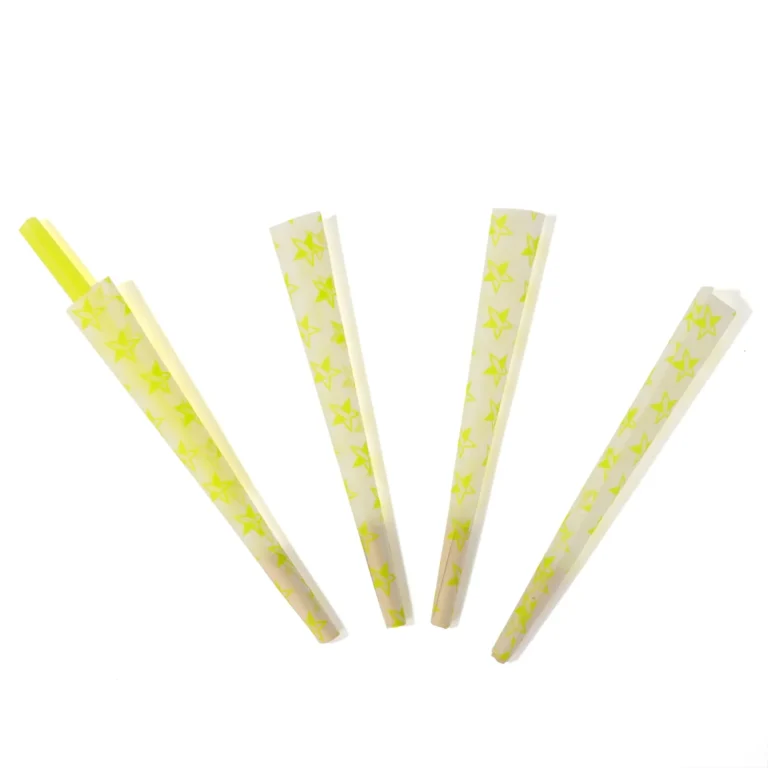

The best pre-rolled cones are consistent in shape, use paper that suits the intended product, hold their seam during filling and storage, and fit the buyer’s preferred size, filter, and packaging. There is no single paper or cone size that is best for every brand, filling line, retailer, or customer.
For B2B buyers, the useful question is not simply which cone has the most familiar name. It is which specification performs reliably with your filling method, reaches the intended fill weight, presents the right paper story, and arrives protected in the pack you plan to sell.

What makes one pre-rolled cone better than another?
A cone should be judged as a complete system. Paper, gum, filter, dimensions, forming accuracy, nesting, and packaging all affect the result. A thin paper can still disappoint if the seam opens. A sturdy cone can still be unsuitable if it does not separate cleanly on an automated line. Attractive printing can still fail if the packed cones arrive bent.
Use these checks when comparing samples:
| Verificação do comprador | What a strong sample should demonstrate |
|---|---|
| Shape | A repeatable taper, round opening, centered filter, and no crushing |
| Papel | Suitable feel, color, strength, and burn behavior for the intended product |
| Costura | Secure adhesion without lifting during handling, filling, or storage |
| Filter | Stable dimensions, clean placement, and the required draw and branding route |
| Enchimento | Easy separation, predictable loading, and compatibility with the intended equipment |
| Embalagem | Correct count and enough protection against bending, moisture, and movement |
The best comparison uses samples from the same size and the same filling conditions. Changing the paper, dimensions, fill material, packing method, and equipment at the same time makes it difficult to identify why one sample performs differently.
Is white or unbleached paper better for pre-rolled cones?
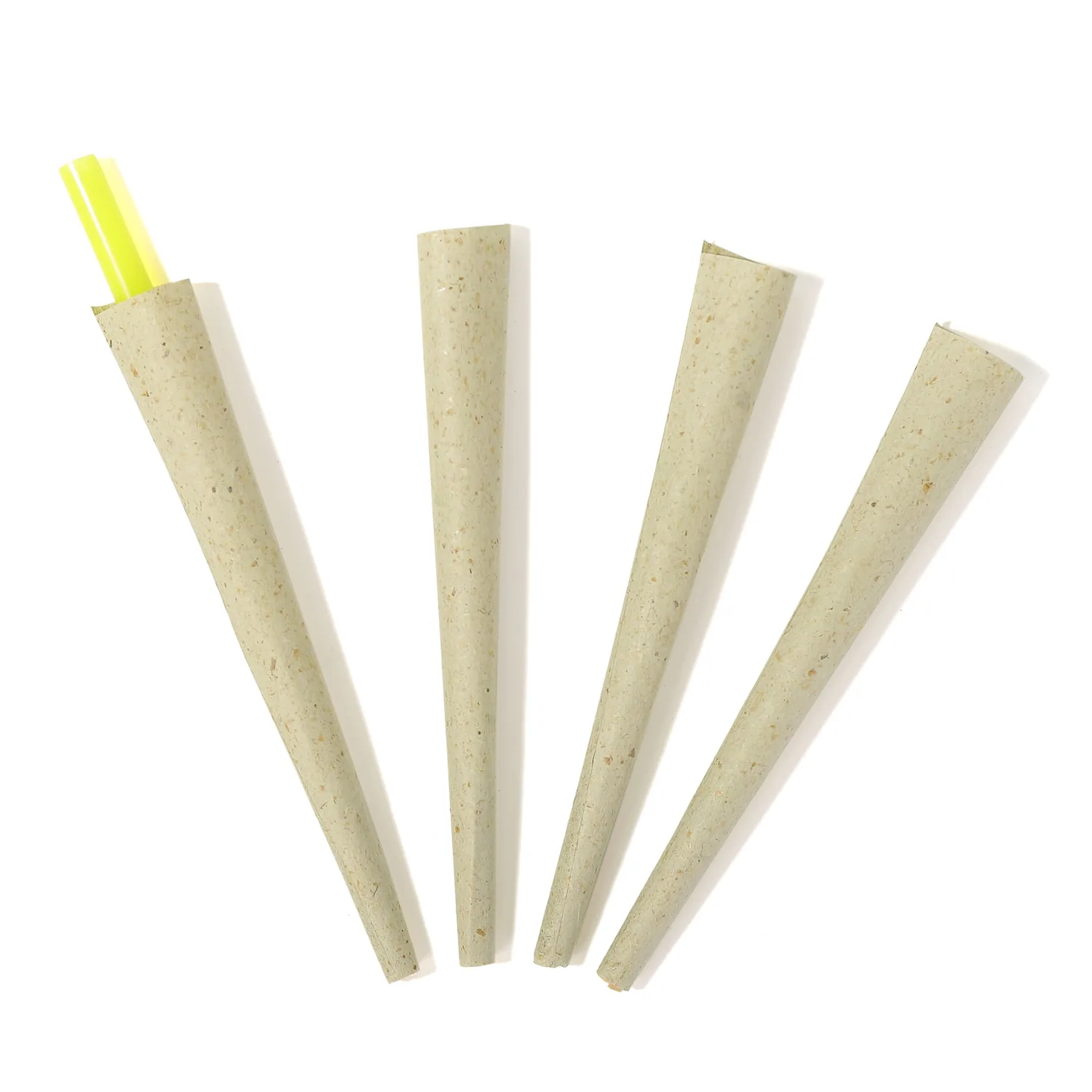
Neither is automatically better. White paper gives a clean and familiar appearance. Unbleached paper has a natural brown tone that many brands use for an earthy or minimally processed visual identity. The right choice depends on the intended market, paper specification, printing plan, and approved sample.
Color alone does not prove how a cone will perform. Buyers should compare paper thickness, porosity, strength, seam adhesion, ash behavior, and sensory characteristics under their own test conditions. Any environmental or material claim placed on retail packaging should be supported by documentation that applies to the selected paper.
Ace Rolling can develop cone programs in white, unbleached, hemp, flax, bamboo, wood pulp, custom colors, and printed paper. Ask for samples that use the actual material proposed for production rather than choosing from a photograph or color name.
Which paper material should a brand choose?
Paper selection should start with the product position and then be verified through filling and burn tests. Different fiber routes can vary in texture, appearance, strength, and processing behavior. The factory should explain the quoted paper construction and provide relevant material information instead of relying on a broad label such as natural or premium.
| Rota do papel | Practical reason to sample it | O que verificar |
|---|---|---|
| Polpa de madeira branca | Familiar retail appearance and a clean printing base | Paper treatment, thickness, strength, and final print color |
| Polpa de madeira não branqueada | Natural brown appearance | Shade consistency, visible fibers, seam performance, and supporting claims |
| Cânhamo | Distinct fiber story and natural-looking texture | Composition, paper feel, strength, burn test, and documentation |
| Linho | Thin-paper development and a different material position | Handling strength, porosity, seam stability, and machine behavior |
| Bambu | Alternative fiber positioning | Fiber specification, paper consistency, sourcing documents, and test results |
| Colored or printed | Stronger shelf identity and private-label differentiation | Ink, artwork alignment, color consistency, seam, and market requirements |
Do not assume a particular fiber is always thinner, slower burning, cleaner tasting, healthier, or more sustainable. Those outcomes depend on the exact paper construction and evidence available for that product. Approve claims and performance from the supplied specification, documents, and physical tests.
What is the best pre-rolled cone size?
The best size is the one that reaches the intended fill weight without overpacking, fits the planned filter and retail pack, and runs correctly with the buyer’s filling method. Ace Rolling supports 84mm, 98mm, 109mm, and custom cone routes.
| Tamanho | Common product direction | Sample decision |
|---|---|---|
| 84mm | Compact format and frequent retail purchase | Confirm capacity, filter length, pack count, and target shelf price |
| 98mm | Mid-size option between compact and king-size formats | Confirm opening diameter, target weight, and equipment setup |
| 109mm | King-size and higher-fill product programs | Confirm cone rigidity, tray layout, carton protection, and fill consistency |
| Personalizado | Proprietary format or equipment-specific project | Confirm drawing, tolerances, tooling, MOQ, and physical approval sample |
Names such as 1 1/4, special, and king size are useful starting points, but they are not a complete specification. The buyer should record total length, filter length, filter diameter, opening diameter, paper, and acceptable tolerances before bulk production.
How important is the filter tip?
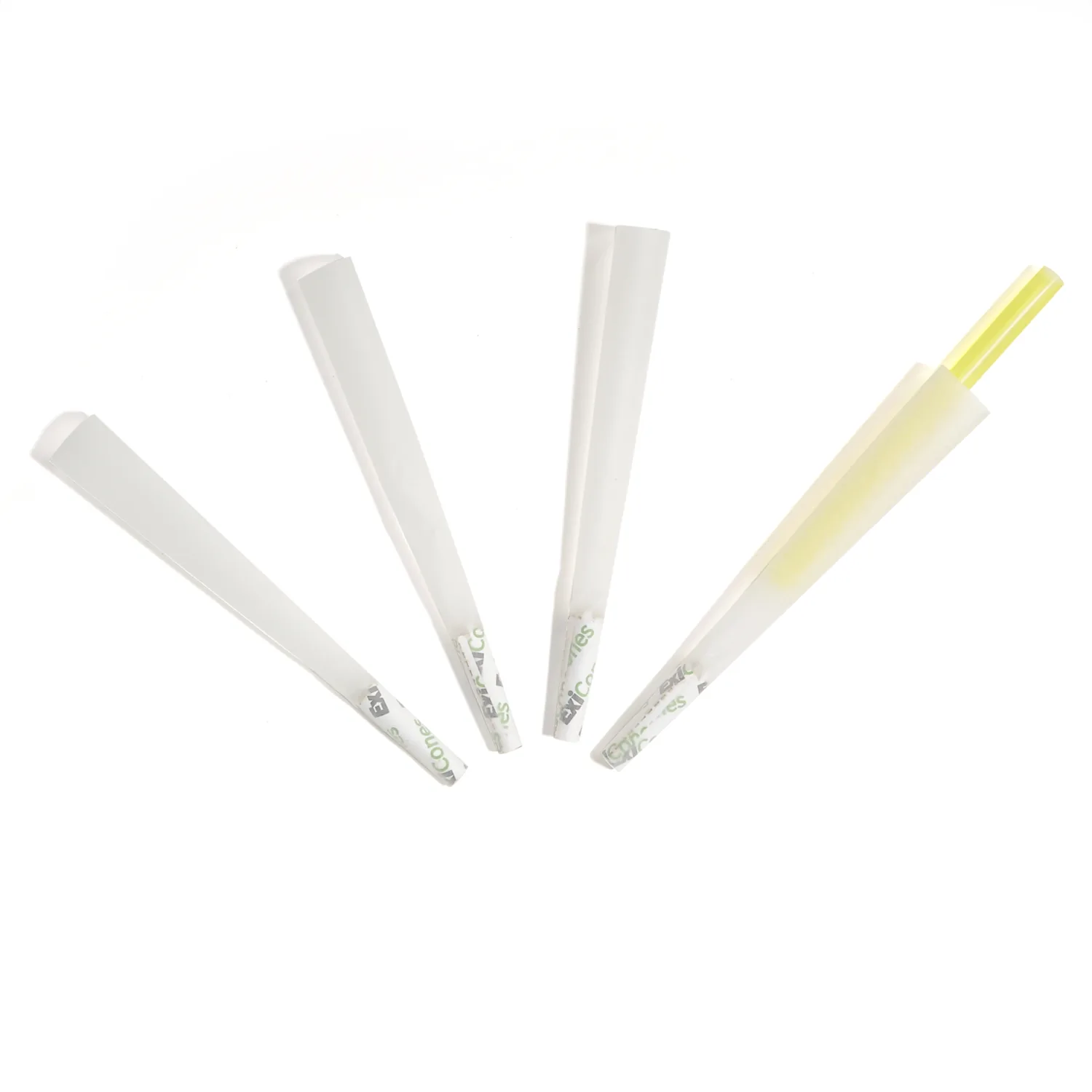
The filter supports the cone, affects the mouth-end dimensions, and can influence draw, filling, and brand presentation. A good filter should remain centered, keep its shape under normal handling, and match the dimensions approved for the product.
Paper tips are a common route, while Ace Rolling can also discuss glass, wood, ceramic, and custom options for suitable projects. Alternative tips can change unit cost, weight, packing, breakage risk, and filling setup, so they should be tested as part of the complete cone rather than selected in isolation.
For a printed filter, confirm artwork orientation, repeat position, color, and whether the print remains visible after the cone is formed. Ask the factory to record tip material, length, diameter, internal structure, and print requirements on the approved specification.
Are custom printed cones better than plain cones?
Custom printed cones are better when visible product identity supports the brand and the print performs correctly on the selected paper. Plain white or unbleached cones may be a better fit when the brand wants a classic appearance, simpler inventory, or lower development complexity.
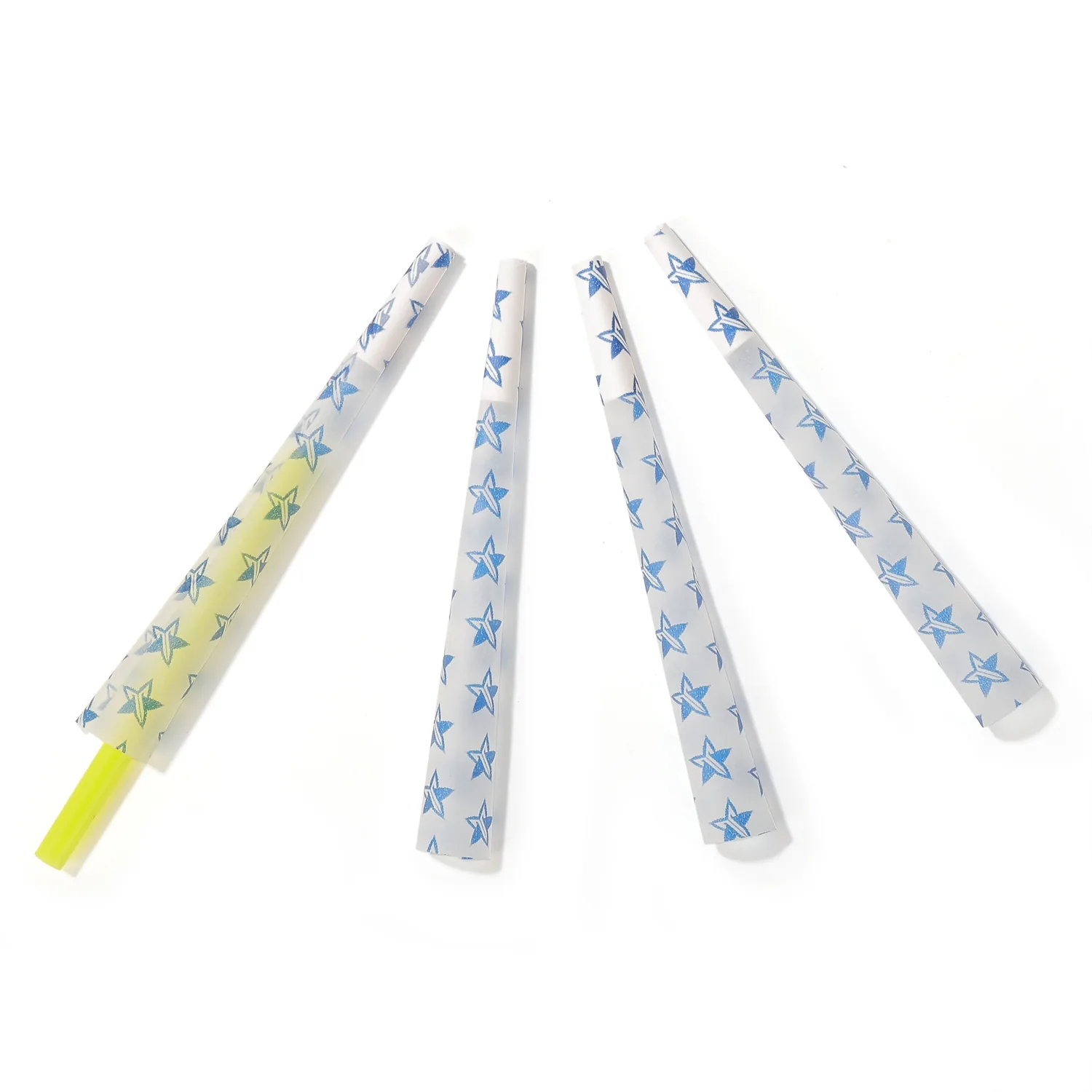
Printed cones should be sampled in their formed shape. Check whether the pattern aligns at the seam, whether important artwork remains visible, and whether ink coverage changes paper feel or handling. The same design should also be reviewed beside the retail pack so the cone, filter, and packaging look like one product line.
Custom printing is not a substitute for a stable base cone. Approve paper, dimensions, gum, and filter construction first, then approve print color and placement on the final structure.
What should automated filling buyers test?
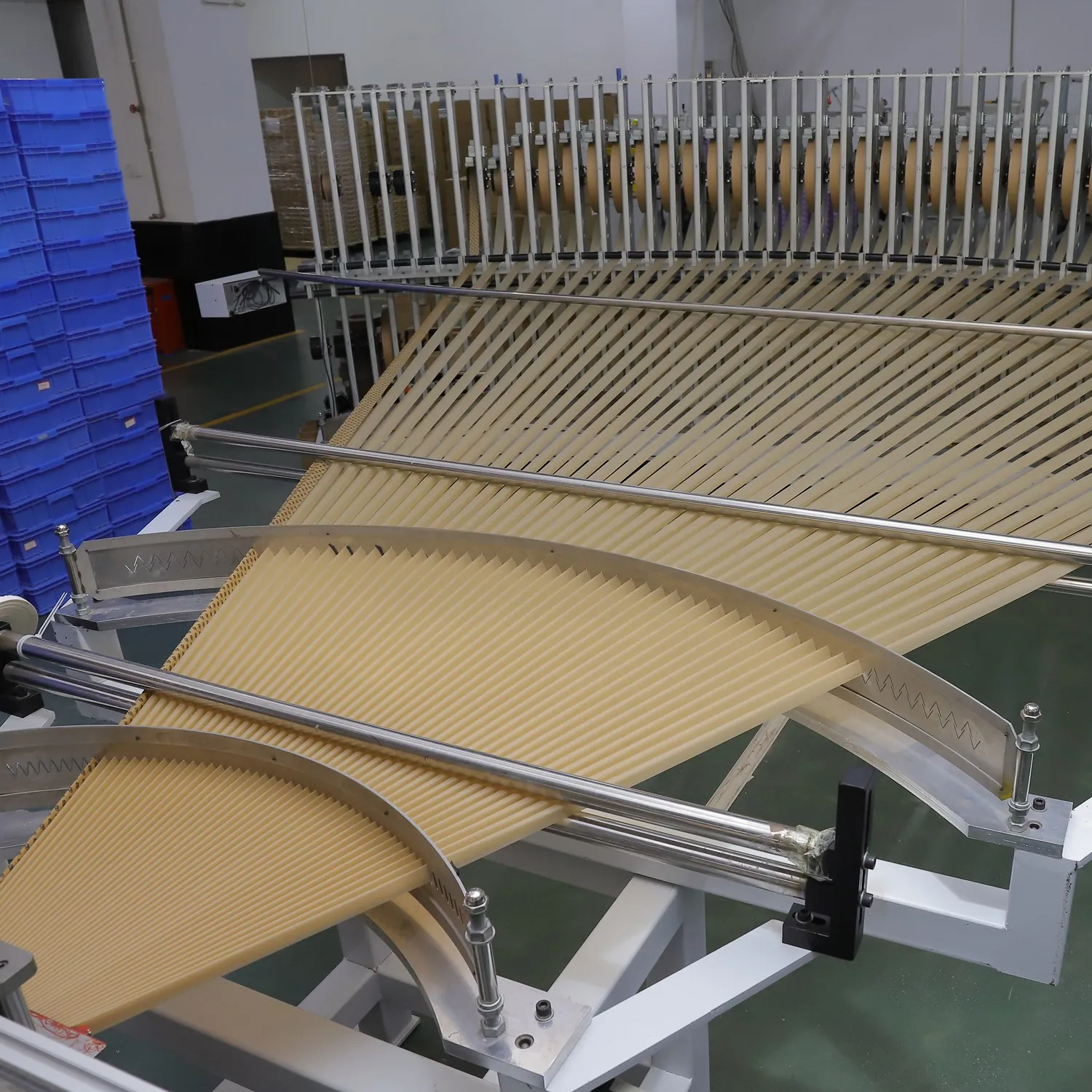
Automated filling buyers need more than a satisfactory hand-filled sample. The cones must separate from nested stacks, enter trays consistently, stay open, tolerate normal machine handling, and reach the intended fill result without frequent stops or deformation.
Run a trial with the actual filling material, tray, machine settings, and staff procedure. Record stoppages, damaged cones, weight variation, loose or overpacked product, and completed units per test batch. Keep samples from the approved run as the reference for incoming inspection.
For machine-oriented projects, confirm:
- cone and filter dimensional tolerances
- nesting depth and stack quantity
- separation performance
- tray hole dimensions and layout
- paper stiffness and recovery after packing
- seam behavior during vibration or compression
- carton orientation and protection
- acceptable defect criteria for each batch
A cone that performs well by hand may still be unsuitable for a high-speed line. Equipment compatibility should be approved before the buyer commits to production volume.
Does packaging change which pre-rolled cone is best?
Yes. Packaging affects protection, inventory handling, retail presentation, and filling-line supply. Bulk cones need stable nesting and cartons that limit crushing and movement. Retail cones may use boxes, jars, display packs, or private-label cartons with different count and protection requirements.
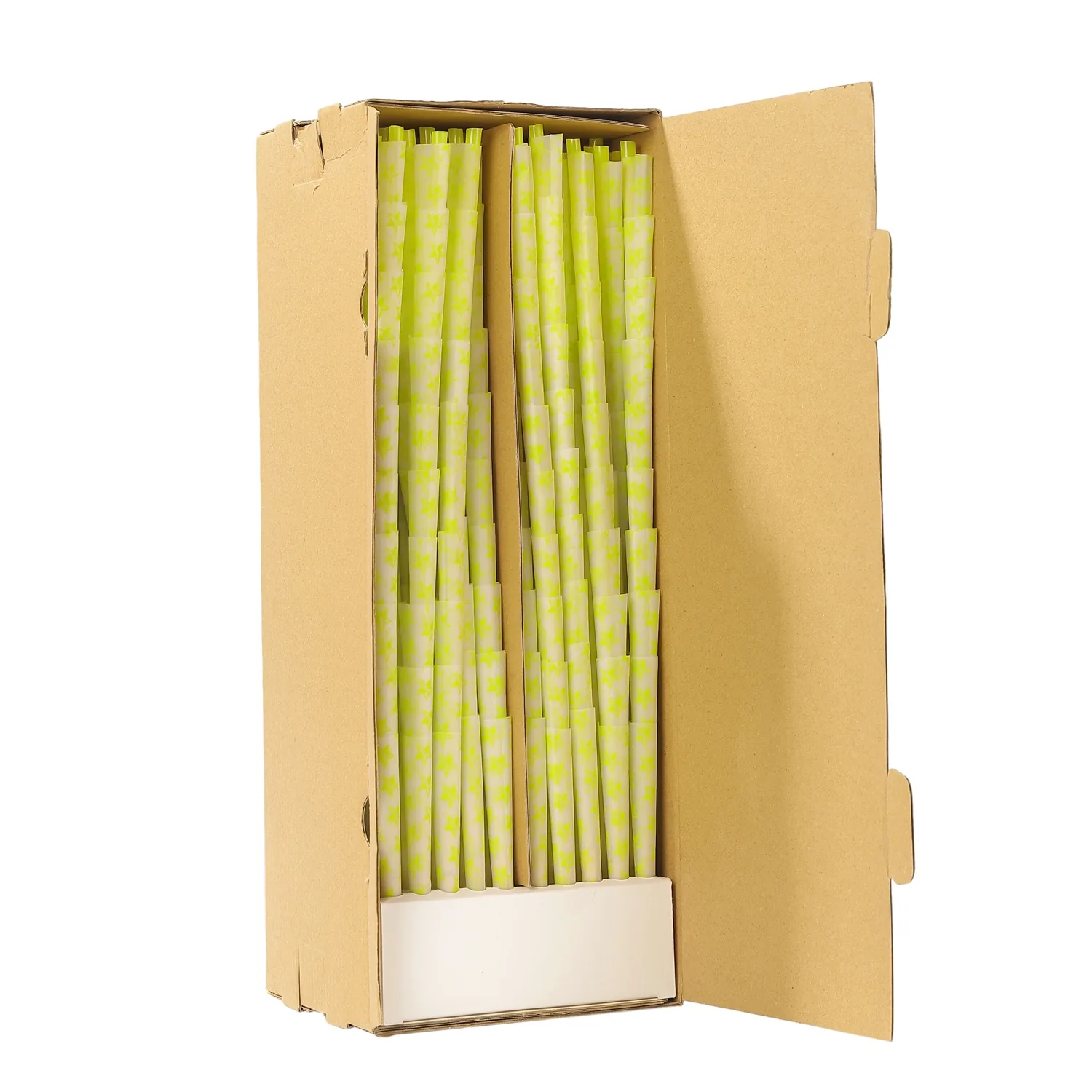
Ask for the full packing structure, including cones per stack, stacks per inner box, inner boxes per master carton, carton dimensions, gross weight, and orientation marks. For retail packaging, confirm pack count, barcode, warnings, labels, display arrangement, and how easily customers can remove a cone without damaging the remaining pieces.
The lowest-priced packing method is not always the lowest-cost option. Bent cones, incorrect counts, excessive warehouse handling, and retail damage can cost more than stronger inner protection.
How should a brand compare pre-rolled cone samples?
Use a written scorecard and test every supplier under the same conditions. Label samples with a code so the team can compare performance without being influenced by packaging or brand familiarity.
- Measure the cone and filter dimensions.
- Inspect shape, seam, paper condition, and filter placement.
- Test separation from nested stacks.
- Fill each sample with the same material and method.
- Record fill weight, handling damage, and machine stops.
- Conduct the buyer’s approved burn and sensory evaluation.
- Inspect cones after the proposed transport and storage conditions.
- Compare documents, MOQ, lead time, landed cost, and reorder control.
Do not choose from one perfect sample. Ask how the manufacturer controls variation across a batch and what will be checked before shipment. The best cone for a brand must remain consistent after the first order.
Which Ace Rolling pre-rolled cone should you sample first?
Start with the closest standard format: 84mm, 98mm, or 109mm. Compare white and unbleached paper if the material direction is not yet fixed. Then add hemp, flax, bamboo, custom print, or alternative filter samples only when they support a clear product decision.
Veja o Ace Rolling pre-rolled cone range e custom manufacturing options. Para uma recomendação de amostra, entre em contato com a Ace Rolling with the target size, fill weight, paper, filter, filling method, packaging, quantity, and destination.
Perguntas Frequentes
What are the best pre-rolled cones for a private-label brand?
The best pre-rolled cones for a private-label brand match the target size, paper position, filter, artwork, filling method, and retail packaging. A brand should compare physical samples under the same conditions, approve a written specification, and keep a sealed reference sample before authorizing bulk production.
Are unbleached pre-rolled cones better than white pre-rolled cones?
Unbleached pre-rolled cones are not automatically better than white pre-rolled cones. Unbleached paper provides a natural brown appearance, while white paper offers a clean and familiar look. Buyers should compare the exact paper specification, strength, seam, burn test, printing result, and supporting documentation before choosing.
What size is best for pre-rolled cones?
The best size for pre-rolled cones depends on target fill weight, filter dimensions, retail format, and filling equipment. Ace Rolling supports 84mm, 98mm, 109mm, and custom routes. Buyers should approve total length, opening diameter, filter dimensions, tolerances, and a physical filling test before ordering.
Are hemp pre-rolled cones better than wood-pulp cones?
Hemp pre-rolled cones are not universally better than wood-pulp cones. The better option depends on the exact paper construction, desired appearance, handling strength, burn test, supply documents, and brand position. Buyers should avoid making health or sustainability claims unless evidence applies to the selected material and product.
What are the best pre-rolled cones for automated filling?
The best pre-rolled cones for automated filling separate cleanly, hold their shape, fit the tray, and remain within approved dimensional tolerances. Buyers should test the cones with the actual machine, material, and settings, then record stoppages, damaged units, fill-weight variation, and completed output before approving production.
Can Ace Rolling make custom pre-rolled cones?
Ace Rolling can make custom pre-rolled cones with selected paper materials, colors, printing, filter tips, sizes, and packaging. Ace Rolling also supports standard 84mm, 98mm, and 109mm routes. The exact MOQ, sample plan, and lead time are confirmed after the complete specification and artwork are reviewed.