
The hand-rolling paper (RYO) market in Brazil is experiencing rapid growth, driven by consumer demand for premium organic materials and custom brand experiences. However, importing and distributing rolling papers in Brazil is challenging due to complex customs procedures, strict sanitary regulations, and high cargo confiscation risks at ports.
To build a sustainable business, brands and wholesalers must source from a certified rolling paper distributor in Brazil or partner directly with an OEM manufacturer that provides complete regulatory documentation. Choosing a factory with verified compliance records (ISO9001, FSC, SGS) and experience navigating Brazil’s regulatory landscape helps mitigate import risks and ensure shipping stability.
Understanding Brazil’s sanitary import requirements, customs classifications, and raw material safety standards will protect your inventory and optimize your local distribution network.
—
What are the sanitary import requirements for rolling papers in Brazil?
In Brazil, tobacco accessories and paper products are regulated by the National Sanitary Vigilance Agency, ANVISA (Agência Nacional de Vigilância Sanitária). Before custom booklets can be legally distributed or imported, the local importer must hold valid sanitary licenses.
When sourcing from a factory-direct manufacturer, confirm they can supply the following regulatory assets to support your ANVISA filing:
- Material Safety Data Sheets (MSDS): Detailing the chemical composition of the paper sheet and verifying the absence of toxic additives.
- SGS Testing Reports: Confirming that the paper leaves and Arabic gum glue are free of heavy metals, pesticides, and residual solvents.
- FDA Food-Grade Compliance: Verifying that the adhesive gum line is safe for direct combustion.
—
Which HS codes and tax structures apply to Brazilian paper imports?
Navigating Brazilian customs requires precise cargo classification. Incorrect Harmonized System (HS) codes on commercial invoices or packing lists can lead to automatic customs holds, audits, and expensive port storage fees.
Ensure your shipping documentation utilizes the correct tariff classifications for tobacco-related paper items:
- HS Code 4813.10.0000: Rolling papers in the form of booklets or tubes, ready for retail sale.
- HS Code 4813.90.9000: Bulk rolling paper rolls or bobbins imported for local converting and packaging.
| HS Code | Product Classification | Primary Import Tax (IPI/ICMS) | Custom Handling Priority |
|---|---|---|---|
| 4813.10.00 | Booklets & Pre-rolled Cones (Retail format) | Standard B2B Import Tariffs | High inspection rate |
| 4813.90.90 | Jumbo Rolls & Bobbins (Bulk format) | Raw Material Tariffs | Standard industrial inspection |
—
Why is raw material safety critical for Brazilian distributors?
Due to the high prevalence of uncertified illicit products in the South American market, legitimate Brazilian distributors can command a price premium by emphasizing product purity and safety. Providing consumers with verified proof of organic origin builds strong brand equity.
Ensure your supplier offers these three certified material properties:
1. 100% Organic Arabic Gum
The gum line must be made of organic Arabic gum sourced from natural Acacia tree sap. This natural adhesive contains no chemical burning agents, ensuring the glue line burns at the exact same rate as the paper sheet without generating black smoke.
2. FSC-Certified Paper Fibers
Sourcing paper sheets containing FSC-certified wood pulp, organic hemp, or bamboo guarantees that the raw materials are harvested under strict environmental standards, meeting the sustainability expectations of modern consumers.
—
How can Brazilian brands partner directly with an OEM manufacturer?
Contracting private-label manufacturing directly with an OEM factory allows Brazilian brand owners to eliminate wholesale middleman margins and establish complete control over packaging designs and paper quality.
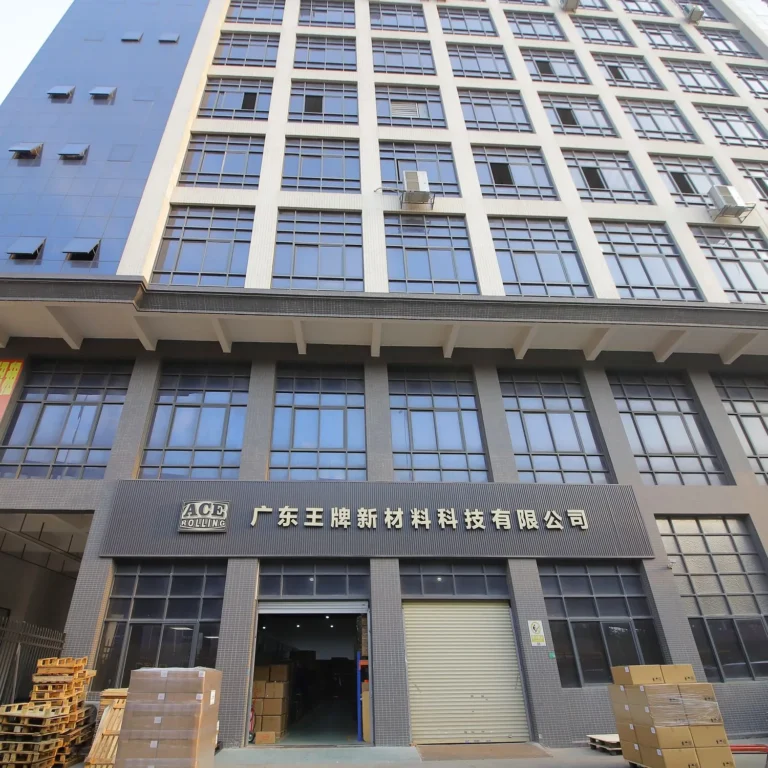
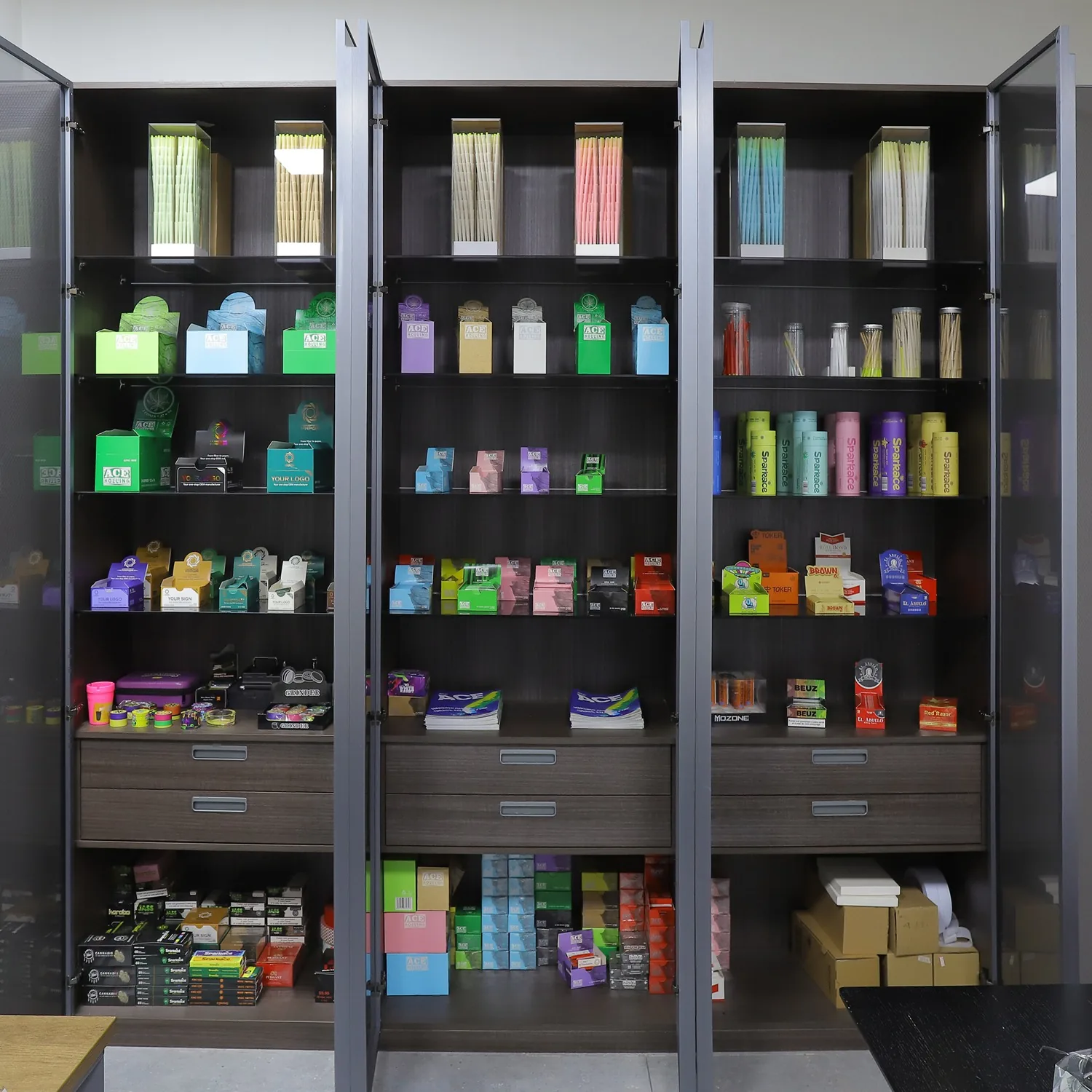
Ace Rolling is a direct factory manufacturer specializing in B2B private-label and OEM custom production. We support Brazilian importers through:
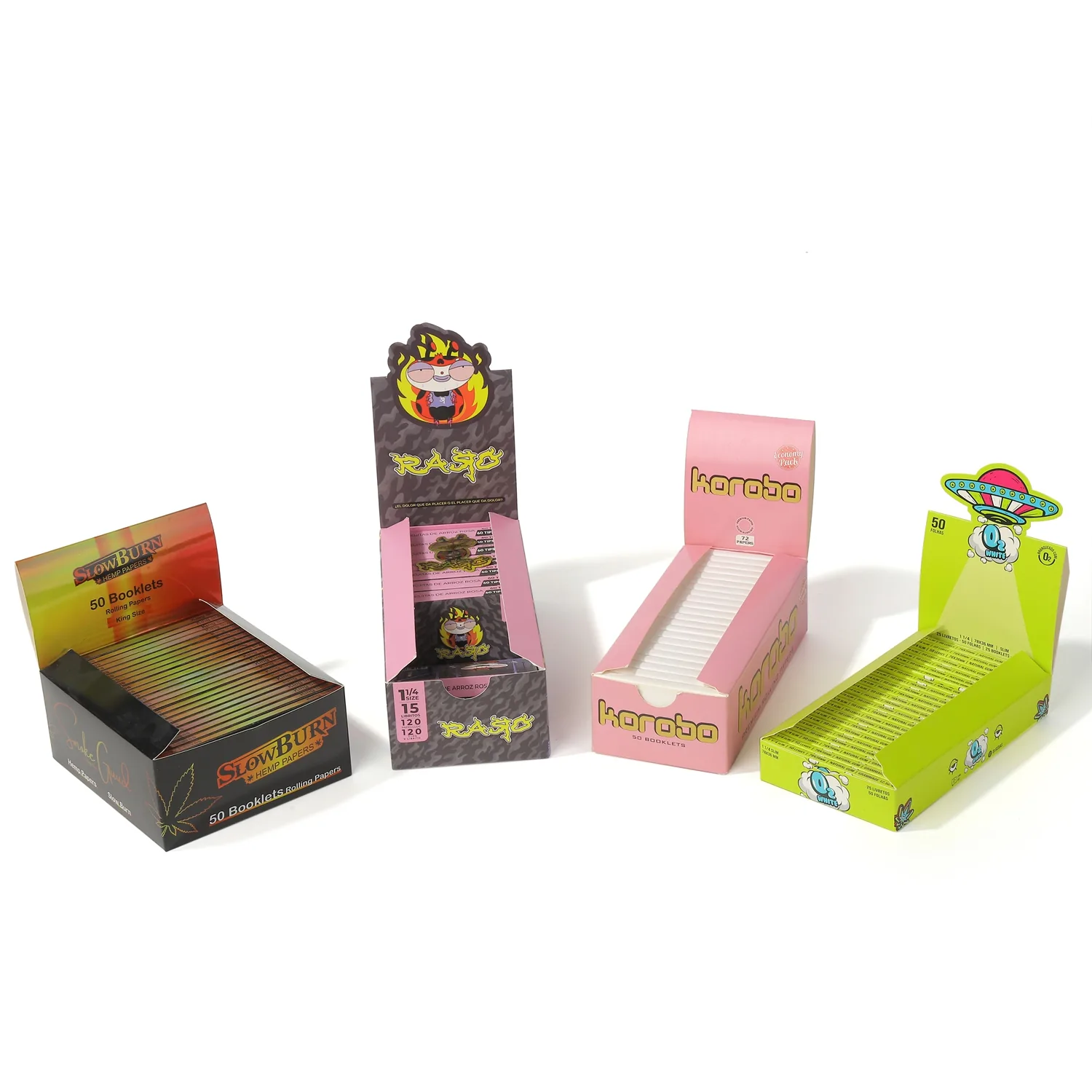
- Dieline and Layout Customization: Providing detailed PDF templates for King Size Slim booklets, matching tips, and display cartons.
- SOE Manufacturing Scale: Utilizing 7 automated production lines and ISO9001:2015 QC management to ensure consistent paper tensile strength.
- Export Compliance Documentation: Supplying all required FSC, SGS, and raw material origin certificates needed for ANVISA approval and smooth Brazilian customs clearance.
Sourcing Checklist for Brazilian Importers
- [ ] Vérifier que votre entité importatrice brésilienne détient une inscription ANVISA valide pour les accessoires de tabac.
- [ ] Confirmer que le fabricant indique le code HS correct (par ex. 4813.10.00) sur toutes les factures d'expédition.
- [ ] Demander un rapport de test certifié des matières premières (SGS) confirmant une gomme arabique sans métaux lourds.
- [ ] Demander des échantillons de livrets en chanvre biologique et papier de riz raffiné pour tester la régularité du taux de combustion.