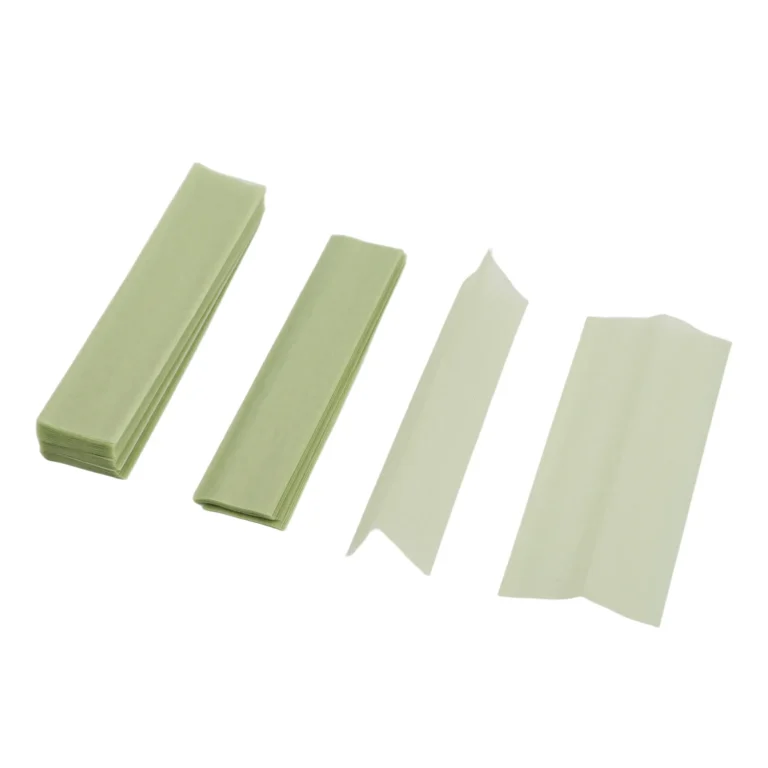

For major international distributors, tobacco wholesale groups, and premium retail brands, corporate social responsibility is no longer a secondary marketing goal. As global environmental regulations tighten and consumers prioritize eco-conscious products, large-scale distributors require sourcing partners that satisfy strict Environmental, Social, and Governance (ESG) compliance audits. Sourcing traditional papers made from slow-growing wood pulp or uncertified agricultural sources can expose brands to supply chain sustainability risks.
To meet these corporate standards, buying groups are increasingly sourcing papiers à rouler en bambou durable en gros from certified direct manufacturers. Sourcing bamboo fibers that carry verified Forest Stewardship Council (FSC) Chain-of-Custody (CoC) certifications ensures that your products originate from responsibly managed, renewable forests, satisfying corporate procurement criteria while delivering premium burn quality.
Understanding the environmental benefits of bamboo fiber compared to hemp, the requirements of FSC certification audits, and the safety of organic adhesives will help you select the ideal ESG-compliant manufacturing partner.
—
Why is bamboo a superior sustainable alternative to wood pulp?
Traditional rolling papers made from wood pulp require harvesting mature trees, which can take decades to regenerate and contributes to deforestation. In contrast, bamboo (Bambusoideae) offers distinct ecological advantages as a fast-growing grass:
- Rapid Regeneration: Bamboo is one of the fastest-growing plants on earth, reaching maturity for paper production in just 3 to 5 years, compared to 20 to 50 years for standard softwoods.
- Carbon Sequestration: Bamboo forests absorb up to 35% more carbon dioxide per hectare than equivalent stands of trees, acting as a highly efficient natural carbon sink.
- No Replanting Needed: Sourcing bamboo leaves the root system intact, allowing the plant to self-regenerate and sprout new shoots without requiring tilling, chemical fertilizers, or soil disruption.
In terms of combustion physics, bamboo fibers are naturally strong, flexible, and thin (typically 13 GSM to 18 GSM). This structural strength provides excellent tear resistance during high-speed automated packaging while ensuring a slow, even burn with low ash output and a clean flavor profile.
—
Navigating FSC Chain-of-Custody (CoC) certification audits
For enterprise distributors, claiming that a product is “eco-friendly” is not sufficient. Legitimate procurement requires verified proof of environmental stewardship. The global standard for sustainable wood and fiber products is the Forest Stewardship Council (FSC).
When auditing a manufacturing partner, confirm they possess FSC Chain-of-Custody (CoC) certification, which guarantees:
- Full Traceability: Every step in the supply chain—from the certified bamboo forest to the pulp processor, paper mill, converting facility, and final booklet packaging—is audited to ensure certified materials are not mixed with uncertified fibers.
- Social Responsibility: Ensuring that harvesting operations respect indigenous land rights, provide fair wages to local workers, and protect native biodiversity.
- Audit Reports: Sourcing teams can verify the factory’s unique FSC certificate number in the global FSC database to ensure validity before signing wholesale supply contracts.
—
The role of organic adhesives in ESG compliance
An environmentally responsible booklet must be sustainable from the paper leaves to the glue line. Many low-cost factories use synthetic adhesives like polyvinyl alcohol (PVA) or industrial starches, which can release chemical toxins when burned.
To ensure complete product safety, premium sustainable papers utilize 100% natural Arabic gum extracted from the sap of African Acacia trees.
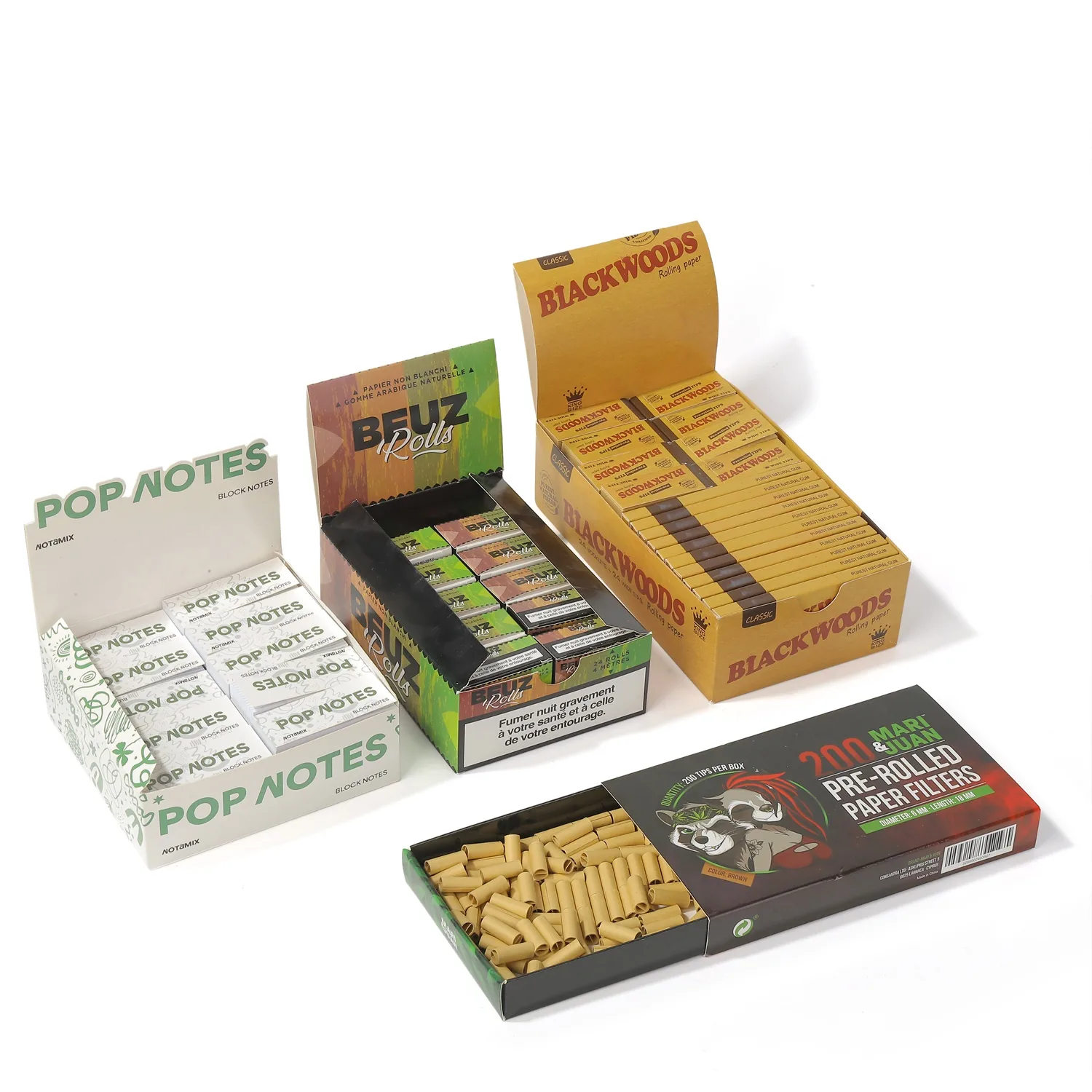
Acacia sap harvesting is a non-destructive agricultural process that supports local farming communities in the Sahel region of Africa without damaging the trees. Natural Arabic gum is 100% biodegradable, GMO-free, and burns cleanly without generating black ash or synthetic odors, matching the purity of the bamboo fibers.
—
Sourcing Verified ESG Solutions with Ace Rolling
Ace Rolling is a direct factory manufacturer featuring a 4,000 square meter ISO9001-certified production facility. Backed by the industrial standards of state-owned parent company Hengfeng Paper, we support your corporate sustainability audits through:
- Active FSC CoC Certification: Guaranteeing 100% traceable, sustainably harvested bamboo, organic hemp, and wood pulp bobbins.
- Tests chimiques SGS: Verifying all papers and Arabic gum adhesives are free of heavy metals, pesticides, and residual solvents.
- Flexible Private-Label Customization: Sourcing custom-printed booklets with soy-based inks starting at competitive MOQs, helping brands launch eco-friendly product lines.
Sustainable Sourcing Checklist for Corporate Buyers
- [ ] Verify the supplier’s unique FSC Chain-of-Custody certificate number in the official FSC registry.
- [ ] Confirm the manufacturer offers 100% natural, chemical-free Acacia Arabic gum adhesives.
- [ ] Request documentation showing that all booklet printing uses non-toxic, vegetable-based inks.
- [ ] Request sample booklets in bamboo and organic hemp to evaluate tensile strength and burn rate consistency.