
For multi-state operators (MSOs), licensed processors, and premium pre-roll brands, product safety and purity are core brand values. In highly regulated legal markets, finished pre-rolls must pass rigorous laboratory screenings for microbiological contaminants, including mold, yeast, and aerobic bacteria. Because rolling papers are in direct contact with organic plant material and are inhaled by consumers, any contamination introduced during the paper-converting phase can result in failed product batches and costly recalls.
To eliminate contamination risks, brand owners should source from an OEM factory that utilizes certified fabrication de cônes pré-roulés en salle blanche processes. Operating under internationally audited cleanroom classifications (such as ISO 14644-1 Class 7) ensures that your cones are folded, glued, and packed in dust-free, climate-controlled environments that inhibit mold spore formation and maintain exact dimensional tolerances.
Understanding cleanroom air filtration standards, relative humidity (RH) control physics, and factory sanitation protocols will help you secure a compliant, high-performing supply chain.
—
Why is cleanroom air filtration essential for mold prevention?
During standard paper converting—which includes folding, rolling filter tips, and applying Arabic gum adhesives—the raw paper is exposed to the factory environment. In typical open-air warehouses, ambient air contains millions of microscopic suspended particles, including dust, pollen, and airborne mold spores (such as Aspergillus or Penicillium):
- Spore Deposit Risks: If mold spores settle onto the paper sheets or the damp adhesive line during assembly, they can remain dormant inside the finished packaging.
- Activation During Storage: When the pre-rolled cones are later packed with herbal materials (which naturally contain trace moisture), the dormant spores can activate, leading to rapid mold growth inside the sealed packaging.
To prevent spore contamination, cleanroom manufacturing utilizing ISO 14644-1 Class 7 guidelines regulates suspended particulate limits. The cleanroom must maintain fewer than 352,000 particles per cubic meter of air for particles size ≥0.5 micrometers.
This environment is maintained through:
- HEPA Filtration: Industrial High-Efficiency Particulate Air (HEPA) filters capture 99.97% of particles down to 0.3 microns, scrubbing the air clean.
- Air Change Rates (ACH): The system achieves an air change rate of 30 to 60 times per hour, continuously replacing the indoor volume with purified air.
- Positive Pressure Control: Maintaining higher pressure inside the cleanroom prevents contaminated air from leaking in from outside loading docks or warehouses.
—
How does relative humidity (RH) control prevent dimensional defects?
Beyond microbiological hygiene, cleanroom environmental management is critical to control the physical properties of thin rolling papers (12 GSM to 18 GSM). Natural plant cellulose (cellulose) is highly hygroscopic, meaning it naturally absorbs or releases water molecules based on ambient relative humidity (RH).
When cellulose fibers absorb moisture, they expand. Because fibers align primarily longitudinally during the paper-making phase (Machine Direction), moisture absorption causes a disproportionate expansion in the transverse direction (Cross Direction), leading to:
- Edge Wrinkling and Curling: Causing the paper to curl along the seams during cone forming.
- Glue Line Misalignment: Resulting in open seams or weak adhesion points.
- Dimension Tolerances Out of Spec: Changing the diameter or length of the finished pre-rolled cones, which makes them incompatible with standard Knockbox loading trays.
| Environmental Parameter | Target Cleanroom Window | Standard Deviation Tolerance | Mechanical Benefit |
|---|---|---|---|
| Relative Humidity (RH) | 45% – 55% | ± 5% | Prevents paper curling and CD fiber expansion |
| Room Temperature | 20°C – 22°C | ± 1°C | Stabilizes the viscosity of Arabic gum glue |
| Air Cleanliness | ISO Class 7 / Class 8 | Zero external air bypass | Eliminates mold spores and yeast contaminants |
—
Clean Manufacturing at Ace Rolling
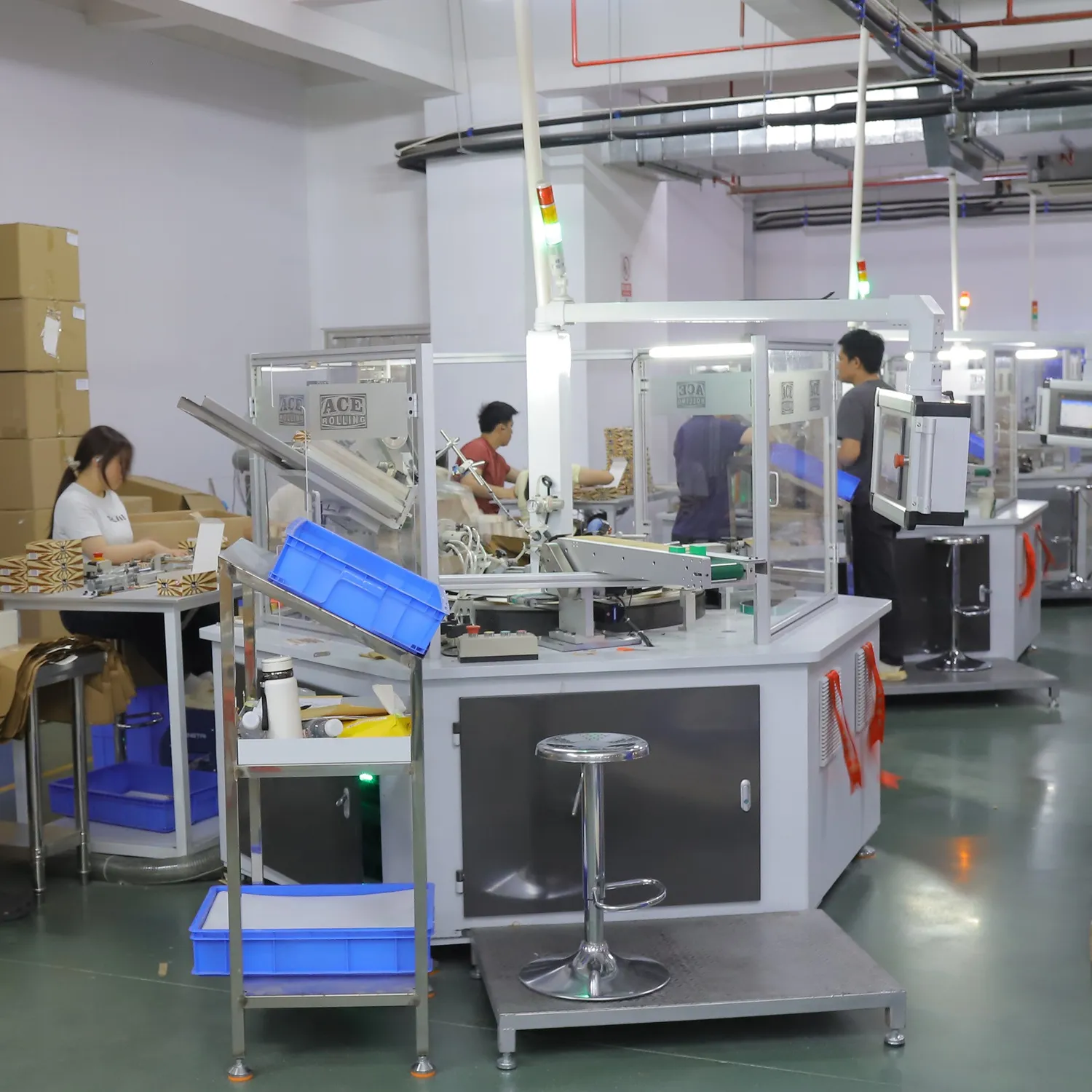
Ace Rolling operates a 4,000 square meter state-of-the-art production facility. Backed by the industrial expertise of state-owned parent company Hengfeng Paper, we enforce strict cleanroom QC audits:
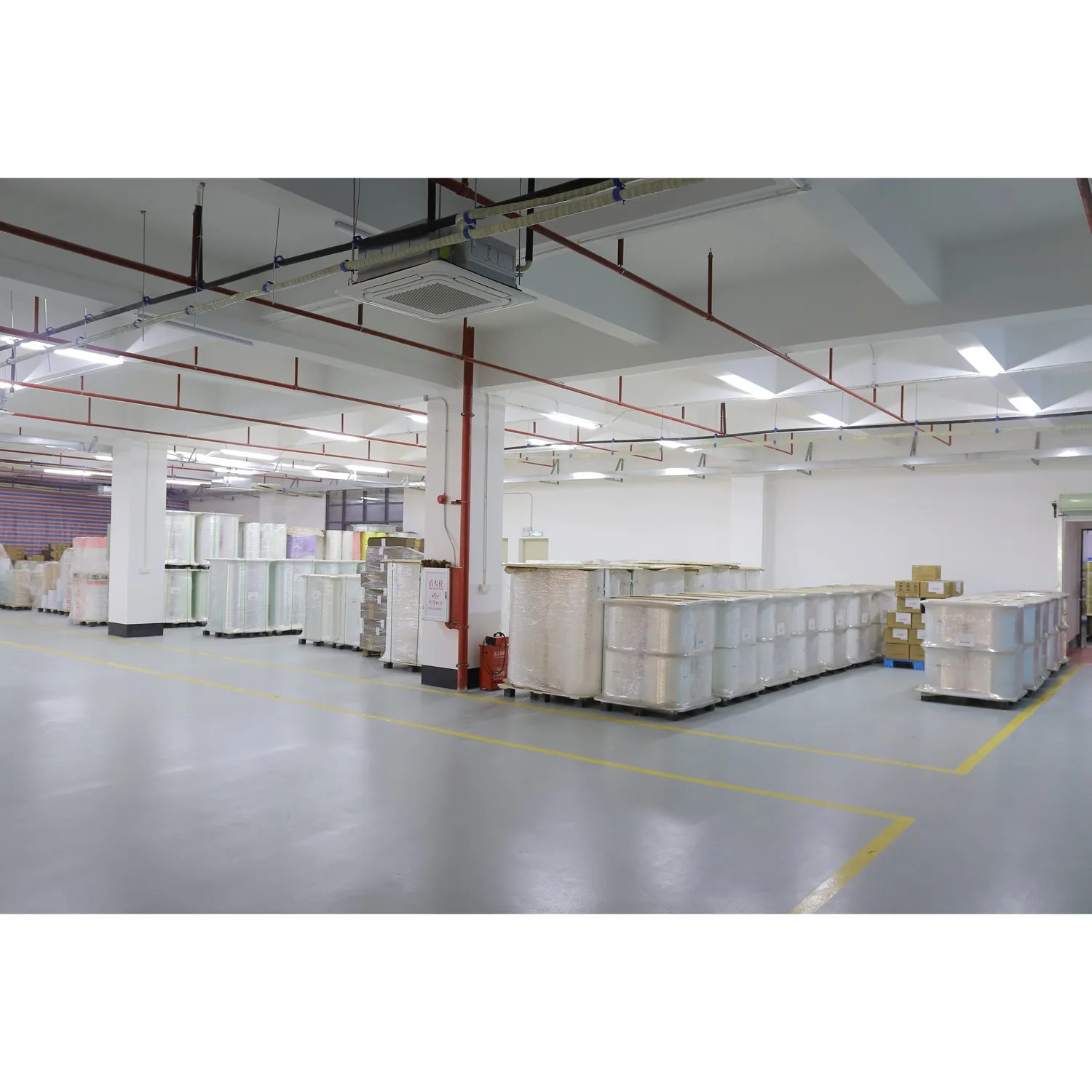
- ISO Class 7 and Class 8 Operations: All slitting, tipping, and folding lines are housed in受控环境 (controlled environments) featuring HEPA filtration and climate-locked air handlers.
- Strict Operator Sanitation: Workers wear anti-static cleanroom suits, face masks, and hairnets, passing through air showers before entering the production floor.
- SGS and FDA-Approved Raw Materials: Utilizing 100% FSC-certified pulps and natural, food-grade Acacia gum lines with batch-level SGS testing.
Sourcing Audit Checklist for Pre-Roll Manufacturers
- [ ] Confirm your manufacturer operates under certified ISO 14644-1 Class 7 or Class 8 cleanroom guidelines.
- [ ] Ask for the factory’s air exchange rate (ACH) and relative humidity (RH) log sheets.
- [ ] Verify that operators wear cleanroom suits, gloves, and hairnets during the folding and assembly phases.
- [ ] Request batch-level SGS testing certificates verifying the cones are free of mold, yeast, and coliform bacteria.